

Key Highlights
- Masters in Supply Chain Mangement in Germany: Overview
- Why Should You Pursue a Masters in Supply Chain Management in Germany?
- What Are the Best Supply Chain Management Courses in Germany for International Students?
- What Are the Admission Requirements for Masters in Supply Chain Management in Germany for Indian Students?
- How Much Does It Cost to Study Masters in Supply Chain Management in Germany?
- Which Are the Top Universities Offering Masters in Supply Chain Management in Germany?
- What Scholarships and Funding Options Are Available for Indian Students?
- What Is the Application Process and Timeline for German Universities?
- What Career Opportunities and Salaries Can You Expect After Graduation?
- How Can You Apply for a German Student Visa and What Documents Are Required?
- What Is Student Life Like in Germany for Indian Students?
- What Specialisations Are Available in Supply Chain Management Masters Programs?
- How Does the German Education System and Teaching Style Differ from India?
- What Are the Job Search Strategies and Networking Tips for International Students?
- How Can TerraTern Help Masters Supply Chain Management Germany?
- 2026 Industry Context Section
- Conclusion
Pursuing Masters in Supply Chain Management in Germany "supports the Swedish work of the year 2008" equipped Indian students and professionals the cutting edge in the domains of world-wide logistics, sustainability, and digital optimisation for a high-demand using professional careers in Europe's manufacturing powerhouse. This 2026 after we find out the best Supply chain management courses in Germany including a top course at Kuhne Logistics University (KLU), TU Darmstadt, TH Wildau in Germany who is known for her industry ties, English taught course, tuition free or low costs course
Masters in Supply Chain Mangement in Germany: Overview
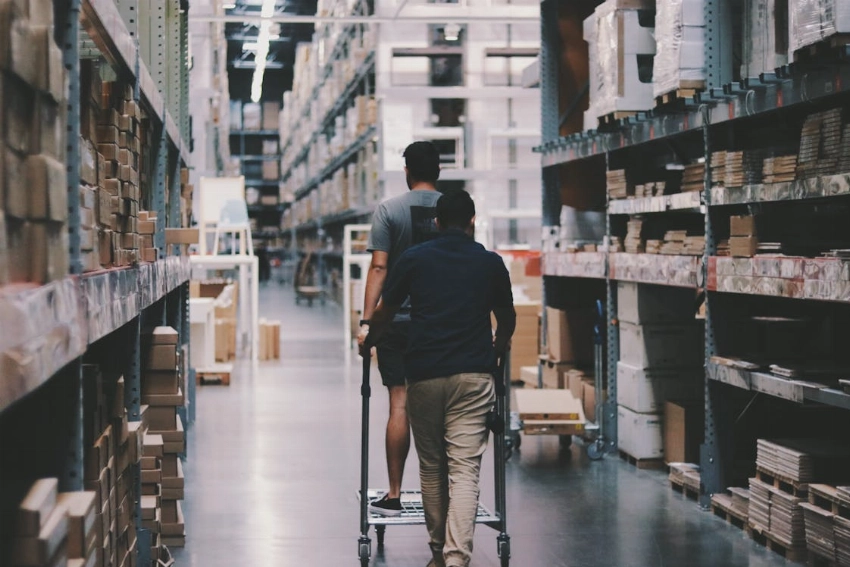
A Master's in Supply Chain Management in Germany is usually a 2-year (120 ECTS) postgraduate course.
-
It develops high-level skills in logistics operations, procurement strategy, data analytics and analysis, and global supply chain optimisation.
-
Germany has 55+ programs related to it, with many in English.
-
Public universities often have very little, if any, (semester contribution may apply).
-
Notable ones are KLU Hamburg, TU Darmstadt, SRH University, and Constructor University.
-
Indian students enjoy the industrial ecosystem of Germany and industry-linked learning with large global employers.
-
Post-study, graduates can use an 18-month job-seeking residence permit to find work.
Also Read: Ausbildung Logistics Courses in Germany For Indians
Why Should You Pursue a Masters in Supply Chain Management in Germany?
Germany is Europe's industrial and logistic giant with a EUR4.18 trillion GDP and companies such as Siemens and DHL spearheading the world's supply chains. Masters in supply chain management in Germany offers a combination of theory and practice through internships and projects.
-
German programs incorporate Industry 4.0 with a focus on AI, digitalisation, and resilient networks.
-
Tuition-free or low-cost (normally EUR0-5000/year) at public universities (in contrast to UK/US degrees, EUR20000+).
-
Multicultural hubs have 160,306 international master's students with English-taught options.
-
Post-graduation eighteen-month job-seeking visa leading to high employment (90%+ within 6 months) & Blue Card pathways to residency.
-
India students excel with high success rates in logistics jobs in sustainable/digital SCM focus.
As per TerraTern Expert, Divyash,Germany's combination of zero/low tuition fees, industry-integrated curriculum, and 18-month post-study work visa creates the highest ROI for supply chain management education globally, with most graduates recovering their investment within 12-18 months of employment.
What Are the Best Supply Chain Management Courses in Germany for International Students?
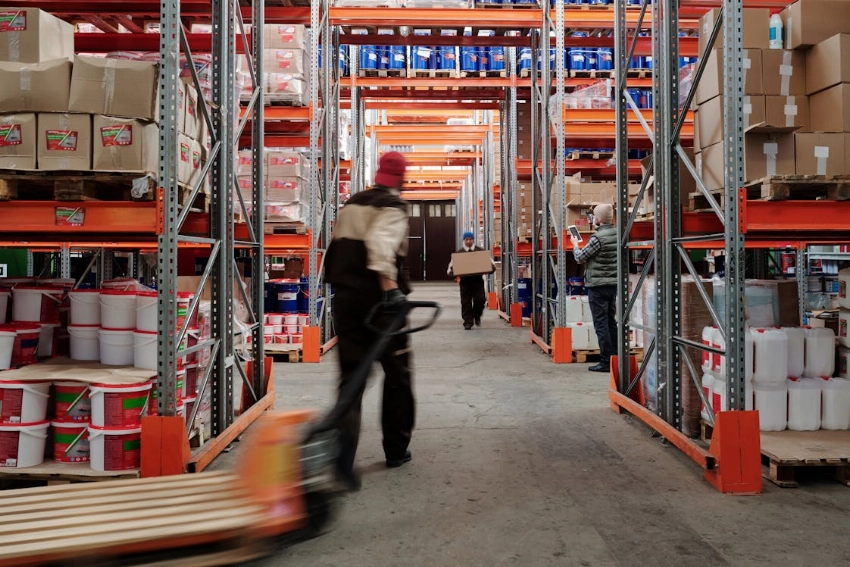
The best supply chain management courses in Germany serve the internationals with English, through industry links, and specialisation in digitalisation/sustainability. Programs include SAP certifications, internships and theses with partners such as DHL.
|
University |
Program Title |
Duration |
Language |
Tuition (per year) |
Specializations/Features |
Accreditations |
|
KLU Hamburg |
MSc Global Logistics & SCM |
2 years |
English |
€7,800-€21,000 |
Industry ties, global focus, |
Top-ranked |
|
TU Darmstadt |
MSc Logistics & SCM |
2 years |
English |
Tuition-free |
Analytics, Industry 4.0 youtube |
FIBAA |
|
SRH University |
MSc Supply Chain Management |
2 years |
English |
€10,000+ |
AQAS |
|
|
Constructor University |
Master's in SCM |
2 years |
English |
€20,000 |
AACSB |
|
|
IU International |
MBA SCM |
1.5 years |
English |
€2,665-€10,000 |
FIBAA |
|
|
ISM Dortmund |
MSc International Logistics & SCM |
2 years |
English |
€11,400 |
AACSB |
|
|
TH Wildau |
MSc Logistics Systems Engineering |
2 years |
English |
Tuition-free |
Hands-on projects YouTube |
- |
|
Gisma UAS |
MSc SCM |
2 years |
English |
€10,000+ |
- |
Key Note: Programs offering SAP certification (like SRH), mandatory industry projects (like KLU), or specialisations in digital supply chains (like Constructor University) provide the highest employability advantage in Germany's competitive job market.
How Do MSc, MBA, and Specialised Supply Chain Programs Differ in Germany?
MSc degree courses have a technical focus and focus on research for fresh graduates, whereas the MBA targets leaders with work experience, and specialised tracks include niche certifications. The best supply chain management courses in Germany depend on career intentions, and an MSc is for analysts (EUR50k - EUR70k starting salary), and an MBA is for managers (EUR70k+).
|
Aspect |
MSc Programs |
MBA Programs |
Specialized Programs |
|
Focus |
|||
|
Duration/ECTS |
2 years/120 ECTS |
1.5-2 years/90-120 ECTS |
1-2 years |
|
Prerequisites |
Bachelor's, no exp. needed |
1+ year work exp. |
Relevant background |
|
Tuition |
€0-5,000 (public) |
€10,000-30,000 |
Varies, often certified |
|
Careers |
Supply chain analyst/engineer |
Manager/director |
Logistics specialist |
|
Audience |
Recent grads/technical roles |
Career changers |
Industry upskillers |
Important Note: Indian students with 0-2 years of experience should opt for research-focused MSc programs for technical depth, while those with 3+ years should consider MBA programs for strategic leadership roles and higher starting salaries (€10,000-15,000 premium).
Also Read: Supply Chain Jobs in Germany: Latest Pay, Scope & More
What Are the Admission Requirements for Masters in Supply Chain Management in Germany for Indian Students?
All Indian students targeting Masters in supply chain management in germany have to fulfil academic, language and financial requirements through the Uni-Assist or direct portals. Start preparations as early as 6-8 months in advance rather than waiting.
-
Academic Requirements: Bachelor's degree in business, engineering and or related discipline (180+ ECTS of study, 60-70%/ 2.5-3.0-German-GPA)
-
Language Proficiency: IELTS 6.0- 6.5/ TOEFL 80-100; exemptions for English-medium undergrads.
-
Documentation: APS certificate (EUR176, 4-12 Weeks processing via online/group system for Indians).SOP, 2 LORs (professors/employers), CV, and a copy of the passport.
-
Financial/Other: Blocked account EUR11,904/year, GMAT / GRE optional (Top Schools), 0 to 1 year work experience (Some).
Pro Tip: Start your APS certificate application 4-6 months before university deadlines—this single document verification process is mandatory for Indian students and often causes application delays if not planned early.
What GPA and Academic Background Do You Need?
Masters in supply chain management Germany 60-75% (2.5-3.0 German scale), depending on university tier, quantitative courses, e.g. stats/operations, improve chances.
-
Top-tier (e.g. KLU, TU Darmstadt): 75% or more / 2.3 grades German.
-
Mid-tier (SRH, ISM): 65% - 75% and business/logistics leaning
-
Accessible: 60%+; Anabin (Indian (%, to Money converting smartcard) German.
-
Fields: Business, ado, industrial/mechanical engineering. There is a strong need for professionals who work with data: computer scientists, statisticians, and economists.
-
Compensate for low GPA: GMAT 600+, exp., strong SOP, Pre-Master's available
Expert Advice: If your percentage is below 65%, focus on universities like IU International, SRH University, or Lancaster University Leipzig that emphasise holistic evaluation, including motivation interviews, work experience, and extracurricular achievements rather than grades alone.
How Much Does It Cost to Study Masters in Supply Chain Management in Germany?
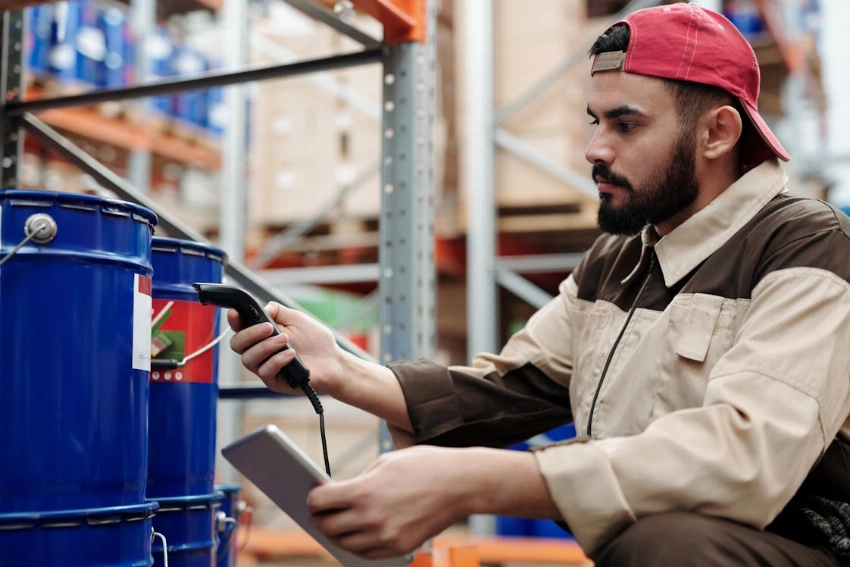
A Master's in supply chain management in Germany costs EUR10,500 -EUR35,000 total for 2 years. Public universities have tuition-free, but fees are from EUR250 -350 per semester. Living on EUR992/month ( EUR11,904/year blocked account), Work 120 full days/year to compensate.
|
Category |
Public Unis (e.g., TU Darmstadt) |
Private (e.g., KLU, SRH) |
Notes |
|
Tuition (2 yrs) |
€0 + €1,000 fees youtube |
€12,000-€40,000 |
Baden-Württemberg: €1,500/sem non-EU |
|
Living (yr) |
€10,200-€14,400 |
Same |
|
|
Breakdown |
- |
Student discounts apply |
|
|
Hidden |
- |
ROI: €50k+ starting salary |
Important Tip: Choosing a tuition-free public university in Leipzig or Dresden over private institutions in Munich can save €30,000-40,000 over two years without compromising education quality—these savings can fund additional certifications or an international semester exchange.
Also Read: Logistics Jobs in Germany: Benefits, Opportunities & More
Which Are the Top Universities Offering Masters in Supply Chain Management in Germany?
Top masters in supply chain management in Germany have excelled in rankings (QS/the), industry connections, and English options such as KLU (#1 logistics).
|
University (Location) |
Program |
Duration |
Tuition (2 yrs) |
Ranking/Strengths |
Partnerships/Specialisations |
|
KLU Hamburg |
MSc Global Logistics & SCM |
2 yrs |
€15,600-€42,000 |
#1 Logistics |
|
|
TU Darmstadt |
MSc Logistics & SCM |
2 yrs |
Free |
Research excellence |
Industry 4.0, analytics |
|
RWTH Aachen |
MSc SCM-related |
2 yrs |
Free |
Engineering top |
Automotive, Siemens |
|
SRH Heidelberg |
MSc SCM |
2 yrs |
€20,000+ |
Practical SAP certs |
SAP modules |
|
Constructor Bremen |
Master SCM |
2 yrs |
€40,000 |
Data-driven |
ML, intercultural |
|
ISM Dortmund |
MSc Int'l Logistics |
2 yrs |
€22,800 |
Abroad semester |
Double degrees |
|
CBS Cologne |
MSc SCM |
2 yrs |
€25,000+ |
Sustainability |
Cologne hub |
|
TH Köln |
MSc SCM & Ops |
1.5 yrs |
€670/yr |
Operations focus |
90 ECTS |
|
IU International |
MBA SCM |
1.5 yrs |
€5,000-€20,000 |
Flexible |
Strategy |
|
Gisma Berlin |
MSc SCM |
2 yrs |
€20,000+ |
Regional logistics |
Optimization |
ExpertTip: KLU Hamburg offers the most specialised supply chain focus with unmatched industry connections in maritime and global logistics, while TU Darmstadt provides the strongest research foundation—choose based on whether you aim for consulting/management roles (KLU) or research/PhD tracks (TU Darmstadt).
What Are the Ranking Criteria for Evaluating Supply Chain Programs?
Rankings for masters in supply chain management in Germany, such as QS Business Masters 2026, evaluate courses according to employability, graduates, value for money, thought leadership and diversity. Students should consider criteria based on career goals using this framework.
|
Criterion |
Description |
Weight (QS-like) |
Germany Examples |
|
Employability |
Job placement rates, recruiter views |
35% |
KLU: 95% employed in 3 months |
|
Alumni Outcomes |
Career progression, salaries |
25% |
TU Darmstadt: Strong engineering roles |
|
Value for Money |
15% |
Public unis like TH Wildau: Tuition-free |
|
|
Thought Leadership |
Faculty research, publications |
15% |
KLU top 3 Germany SCM research |
|
Diversity/Int'l |
Student/faculty mix, exchanges |
10% |
ISM: Mandatory abroad semester |
|
Accreditations |
AACSB, FIBAA, EQUIS |
Bonus |
SRH: FIBAA/AQAS |
As per TerraTern Expert, Shreya, Prioritise AACSB accreditation (held by only 6% of business schools worldwide) and 80%+ placement rates within 6 months of graduation as your primary quality indicators—these two metrics best predict long-term career success and degree value.
What Scholarships and Funding Options Are Available for Indian Students?
Indian students who pursue masters in supply chain management in Germany will get DAAD stipend (EUR934/month), Deutschlandstipendium (EUR300/month), and uni-specific aid. Part-time work (EUR10-15/hour, 120 full days/year) is used with additional sources of funding.
|
Name |
Amount |
Eligibility |
Deadline |
Link |
|
DAAD Study Scholarships |
€934/month + tuition/insurance/travel |
75%+, merit for Master's |
Oct annually |
daad.de |
|
Deutschlandstipendium |
€300/month |
Varies by uni |
University sites |
|
|
Heinrich Böll Foundation |
€934/month + extras |
Mar/Sep |
boell.de |
|
|
Konrad-Adenauer-Stiftung |
€992/month |
Leadership potential |
Jan/Jul |
kas.de |
|
IU Early-Bird/Merit |
Up to €1,444 discount |
Strong apps, Indians |
Rolling |
iu.org |
|
KOSPIE (IIT/NIT) |
€861 + internship |
Tech grads |
Varies |
daad.in |
|
Indian Loans (SBI/HDFC) |
Up to ₹30 lakhs, low interest |
Admitted students |
Post-admit |
Bank sites |
Pro Tip: Apply for 5-7 different scholarships simultaneously to maximise chances—DAAD scholarships are highly competitive (5-10% acceptance), so combine applications with less competitive university-specific scholarships and Deutschlandstipendium to create a funding safety net.
Also Read: Logistics Ausbildung in Germany for Indians
What Is the Application Process and Timeline for German Universities?
For masters in supply chain management in germany the entrance is 12 - 18 months in advance: APS/Uni-Assist (EUR75 first uni, EUR30 each extra), deadlines: Jul 15 (winter Oct start) or Jan 15 (summer Apr)
|
Timeline |
Action |
Details |
|
12-15 mo before |
Research, IELTS/TOEFL |
APS start (€176, 4-12w) |
|
10-12 mo |
Docs: Transcripts, SOP, LORs, CV |
Uni-Assist or direct portal |
|
6-8 mo |
Submit apps (fees €75-150) youtube |
Winter: by Jul 15 |
|
4-6 mo |
Decisions (6-8 week review) |
Accept, enroll |
|
3-4 mo |
Visa (€75), blocked €11,904 |
3 mo processing |
|
1 mo |
Housing, travel |
Oct/Apr start |
Important Tip: Submit your applications 2-4 weeks before official deadlines to avoid portal crashes, last-minute technical issues, and to demonstrate seriousness to admission committees—early applications often receive priority review and faster responses.
What Career Opportunities and Salaries Can You Expect After Graduation?
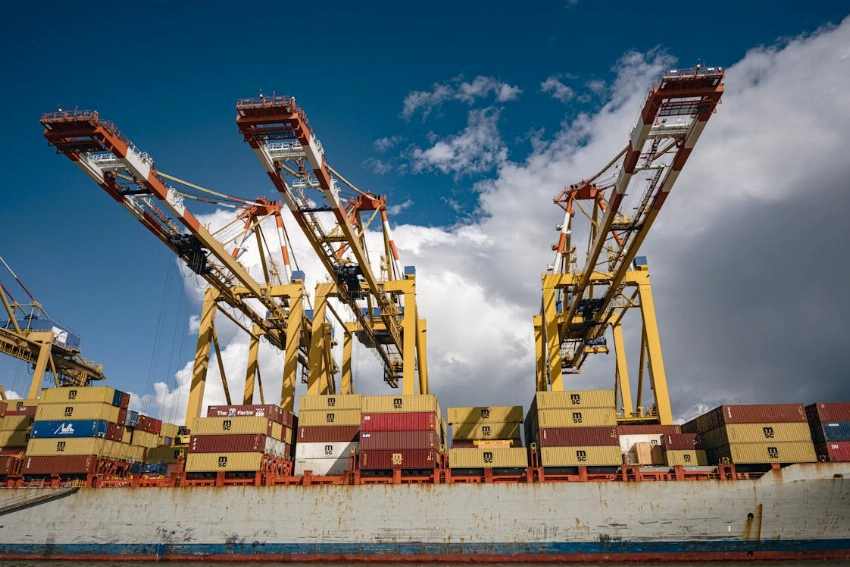
Graduates of masters in supply chain management in germany land jobs at DHL, BMW, Siemens with EUR50k- EUR65k starting salaries, rising to EUR80k - EUR120k mid-career. An 18-month job visa assists with transitions to a Blue Card/PR.
|
Role |
Starting Salary (€) |
Top Employers |
Demand Sector |
|
Supply Chain Manager |
50,000-65,000 |
DHL, BMW |
Automotive 30% |
|
Analyst/Planner |
50,000-70,000 |
Amazon, SAP |
E-commerce 25% |
|
Procurement Specialist |
55,000-75,000 |
Bosch, Siemens |
Manufacturing 20% |
|
Logistics Coordinator |
45,000-65,000 |
DB Schenker |
Logistics 15% |
|
SAP Consultant |
60,000-80,000 |
SAP, Consultants |
IT/Consulting 10% |
|
Director (Senior) |
90,000-130,000 |
Volkswagen, McKinsey |
All |
Key Note: Securing internships during your masters (especially semester 3) dramatically improves placement outcomes—82% of students with German internship experience receive job offers before graduation, compared to 45% without internship experience.
Also Read: Ausbildung or Masters: Which is Better in Germany
How Can You Apply for a German Student Visa and What Documents Are Required?
|
Document |
Requirements |
Where to Obtain |
|
Passport |
Valid 12+ months, 2 blank pages |
Passport office |
|
Admission Letter |
Original from uni + copy |
University |
|
Blocked Account |
€11,904 proof (Fintiba/DB/Expatrio) |
Providers online |
|
Health Insurance |
Travel policy initial (€30-110/mo, Mawista) |
Insurers |
|
Application Form |
3 completed copies |
VFS/Embassy site |
|
Photos |
2 biometric (35x45mm) |
Photo studio |
|
CV & Motivation Letter |
Detailed, German format |
Self-prepare |
|
Academic Proofs |
Degrees/transcripts + APS |
Uni/APS India |
|
Accommodation |
Dorm/rental confirmation |
Studentenwerk/WG-Gesucht |
|
Fees Receipt |
€75 payment |
VFS |
Expert Advice: Open your blocked account 4-5 months before your visa application—last-minute account openings are the #1 cause of visa delays, as account confirmation can take 2-4 weeks and visa processing requires this document upfront.
What Is Student Life Like in Germany for Indian Students?
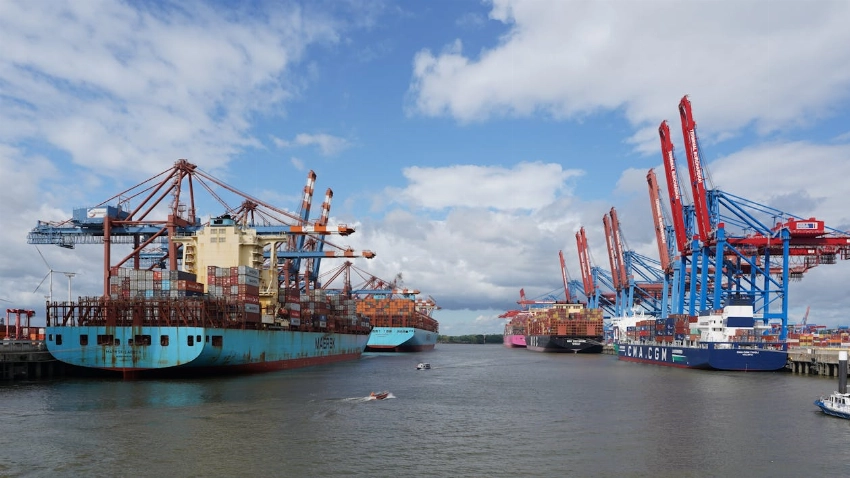
More than 49,000 Indian students flourish in Germany during masters in supply chain management in germany with EUR850-1,200/mo living in safe cities and Indian communities. Balance studies with travel, part-time jobs and cultural events, such as Diwali.
|
Aspect |
Details |
Tips/Costs |
|
Accommodation |
Dorms €250-400, WG €350-550 |
WG-Gesucht.de, apply early |
|
Food |
Indian stores/restos; Mensa €3/meal |
Grocery €40/wk |
|
Transport |
Semester ticket (local/regional) €200 value |
Included in fees |
|
Community |
Indian assns, 49k students |
Diwali events |
|
Healthcare |
Ins €110/mo, 112 emergency |
Uni clinics |
|
Safety/Work |
XING networking |
|
|
Culture/Weather |
Punctual, recycling; winter -5°C |
Learn A1 German |
Important Note: Join your university's Indian Student Association within the first week—this network provides immediate friend circles, helps with practical settling-in tasks (opening bank accounts, finding apartments), shares textbooks, and offers emotional support during cultural adjustment.
Also Read: Masters in Engineering Management in Germany: A Guide
What Specialisations Are Available in Supply Chain Management Masters Programs?
Masters in supply chain management in Germany provide masters courses in accordance with the Industry 4.0 and sustainability requirements.
-
Digital & Industry 4.0: IoT, Artificial Intelligence, SAP at SRH/Constructor.
-
Sustainable Logistics: Green Deal, circular economy at CBS.
-
Global Strategy: Trade/risk mgmt @ KLU/ISM.
-
Procurement: Procurement at RWTH/TU Darmstadt.
-
Analytics/Big Data: ML/forecasting the Constructor.
-
Maritime: Port ops at KLU.
-
E-commerce: Last-mile at IU/SRH.
-
Operations: Lean/Six Sigma RWTH.
As per TerraTern Expert: Digital Supply Chain & Analytics specialisations currently command 15-20% salary premiums over traditional logistics roles due to AI transformation demand; however, sustainable supply chain expertise is the fastest-growing specialisation with 40% year-over-year job posting increases.
How Does the German Education System and Teaching Style Differ from India?
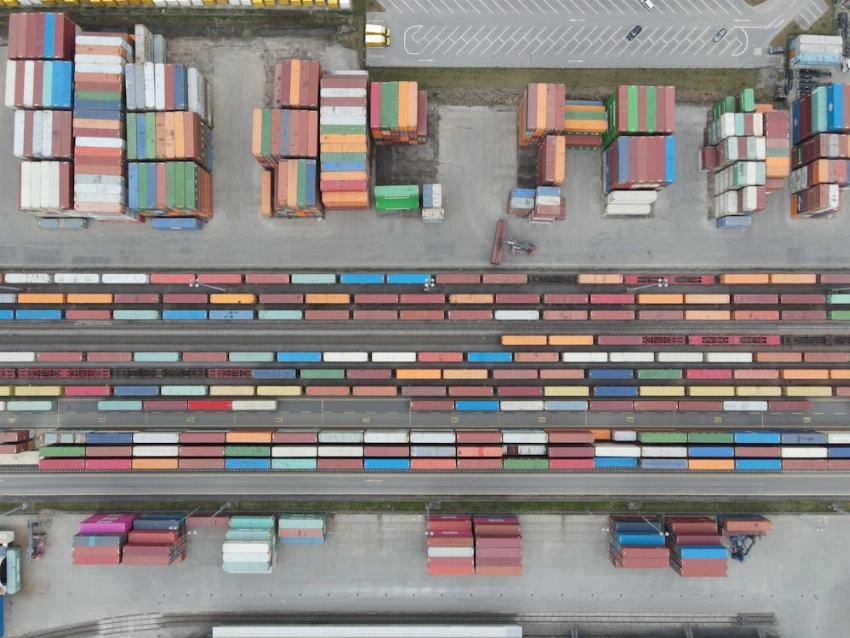
Masters in supply chain management in germany focuses on self-directed learning compared to rote learning in india with 12-15 contact hours/week as compared to india's 25-30 contact hours/week, and work on projects with critical analysis.
-
Teaching: Interactive seminars rather than lectures; questioning is allowed and encouraged, and case studies are very common.
-
Assessment: Cont. (20% presentations, 20% Project,s 40% exams) Vs Final Exams
-
ECTS: 120 credits/ 2 years (30/ semester= 25-30 hrs/credit workload).
-
Culture: punctual, formal prof interactions (office hours), thesis (30 credits, 6months industry linked)
-
Tips for Indians: Mastering time mgmt, active participation, academics writing.
Pro Tip: Start reading English academic journals and research papers 2-3 months before your program begins—German master's programs expect you to critically analyse 10-15 research papers per course, a skill not heavily emphasised in most Indian undergraduate programs.
Also Read: Ausbildung Programs in Germany for Commercial
What Are the Job Search Strategies and Networking Tips for International Students?
For master's in supply chain management in Germany, graduates tailored German CVS (with photo) find jobs in Xing, LinkedIn, attend career fairs, and fetch 50%+ role B1 German.
-
CV/Cover: 2-3 pages and chronological, looking for Europass format. Customised according to the job.
-
Platforms: Xing (German keyboard), StepStone, company sites - 70% jobs hidden
-
Networking: Alumni Connects, LogiMAT Fairs, and the BVL association.
-
Internships: Werkstudent (20h/wk), 60% to full-time.
-
Timeline: apply 6-9 mo pre grad uni career services mocks.
-
Interviews: STAR method, research firms. 10-15 apps/interview.
Key Note: Complete your master's thesis in collaboration with a German company—this "Abschlussarbeit" arrangement provides insider networking, demonstrates commitment to employers, and leads to direct job offers in 65% of cases, bypassing competitive external application processes.
How Can TerraTern Help Masters Supply Chain Management Germany?
TerraTern supports your journey in masters in supply chain management in Germany with expert guidance catered for Indian professionals.[user-information].
-
Personalised program selection from the best supply chain management courses in Germany (KLU, TU Darmstadt).
-
APS certificate processing, applications of uni-Assist, and optimisation SOP/LOR.
-
Visa support, blocked account setting, and Scholarship application (DAA).
-
Accommodation assistance, German-language preparation, internship/job placements.
-
End-to-end counselling from Jammu base, taking advantage of migration know-how.
Also Read: Master's in Project Management in Germany
2026 Industry Context Section
Latest Statistics & Trends:
-
Market Growth Projection (2026): The global supply chain management market is projected to reach USD 45.2 billion by 2027, growing from USD 28.9 billion in 2022, with a CAGR of 9.4%.
-
Germany's Logistics Leadership (2026): Germany ranks as Europe's #1 logistics hub, processing 12% of global trade through its advanced infrastructure, with cities like Hamburg serving as major international freight gateways.
-
Employment Demand (2026): Germany aims to attract 400,000 skilled workers annually to address labour shortages, with supply chain professionals among the most sought-after roles across automotive, e-commerce, and manufacturing sectors.
-
Salary Trends (2026): Supply chain managers in Germany earn an average of €64,143-€95,000 annually, with entry-level positions starting at €50,000-€60,000 and senior roles reaching €100,000-€120,000.
-
Digital Transformation Impact (2026): 78% of German companies are investing in AI-powered supply chain solutions, blockchain tracking, and predictive analytics, creating demand for digitally-skilled SCM graduates.
-
Sustainability Focus (2026): German industries are leading the EU's Green Deal implementation, with 65% of logistics companies adopting sustainable practices, driving demand for professionals trained in circular economy and green logistics.
-
Indian Student Enrollment (2026): 49,008 indian students currently study in Germany (2023/24), with engineering and management programs experiencing 15% annual growth, reflecting strong bilateral educational ties.
Conclusion
Masters in supply chain management in Germany offers Indian students tuition-free excellence at the best supply chain management courses in Germany, like KLU and TU Darmstadt: Joining the Industry 4.0 and Global Careers. Secure APS, funding and visas early 18-month job search leading to EUR50k+ salaries and DHL/BMW - your gateway to Europe's logistics hub is waiting.
Contact TerraTern for more information about the Masters in Supply Chain Management in Germany.



 AI Summary