

Key Highlights
- What Are Ausbildung Programs in Germany for Commercial Departments?
- Why Choose Commercial Ausbildung Programs Over Traditional Business Degrees in 2026?
- What Are the Best Cities to Live in Germany for Commercial Ausbildung Students in 2026?
- What Commercial Ausbildung Specialisations Are Available for International Students in 2026?
- What Are the New Eligibility Requirements for Commercial Ausbildung Programs in Germany?
- How Do You Apply for Commercial Ausbildung Programs in Germany from India in 2026?
- Which Are the Best Cities to Visit in Germany During Your Ausbildung in 2026?
- What Salary and Benefits Can You Expect from Commercial Ausbildung Programs in Germany in 2026?
- How Can Commercial Ausbildung Lead to Permanent Residency in Germany? Experts Insights 2026
- What Are the Top Companies Offering Commercial Ausbildung Programs in Germany in 2026?
- What Challenges Do International Students Face in Commercial Ausbildung and How to Overcome Them?
- How Can TerraTern Help With Ausbildung Programs in Germany?
- 2026 Trends Shaping Germany's Commercial Workforce: Key Stats and Insights
- Conclusion
Ausbildung programs in Germany for commercial department are practical training as well as theoretical education in business, administration, and finance. These vocational courses prepare students with accounting, office management, sales, and customer service skills in order to pursue careers in a variety of industries. Popular programs include Kaufmann/Kauffrau für Büroverwaltung, Kaufmann/Kauffrau Bedeutung Einzelhandels/fach der Lagerplanung, as they have hands-on experience with the job market in Germany below.
What Are Ausbildung Programs in Germany for Commercial Departments?
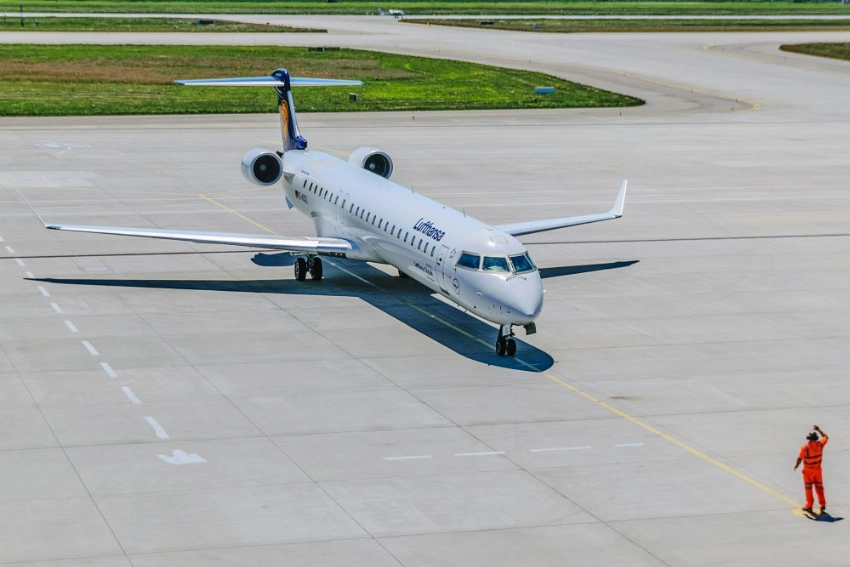
Ausbildung programs in Germany for commercial department are dual vocational training programs that are officially recognised by the state and combine classroom theory and on-the-job experience for career programs in business administration, trade, and logistics.
-
Within the solid education system in Germany, Ausbildung is another staple of vocational education, with a greater focus on practical professions than on academic theory.
-
The dual system organises learning in vocational school (Berufsschule) 1-2 days a week and company-based training 3-4 days a week, thereby promoting hands-on vocational expertise in the world of business with wholesale, provision, and logistics companies.
-
The commercial department focuses on import and export, international trade, office management, sales, procurement, and customer relations.
-
Distinct from university business degrees, Ausbildung focuses on hands-on apprenticeships that lead to immediate employability and that oppose the broad-brush theoretical bachelor's or master's degrees.
-
The graduates are certified by IHK (Chamber of Industry and Commerce), a prestigious certification that validates their skills and enhances their job prospects across Germany's economy.
-
Duration varies by specialisation: 2 years for basic programs and 3.5 years for others, such as international commerce.
-
Monthly stipends increase from one year to the next: EUR800 - EUR1,000 in year 1, EUR900 - EUR1,200 in year 2, and EUR1,000 - EUR1,300 in year 3, which are tax-free and cover living costs.
Key Note: Unlike traditional business degrees, commercial Ausbildung programs allow you to earn €900-€1,500 monthly while training, graduate debt-free, and enter Germany's workforce with both theoretical knowledge and 2-3 years of hands-on commercial experience—making you immediately job-ready.
Also Read: Ausbildung in Germany: Earn, Learn & Build Your Future
Why Choose Commercial Ausbildung Programs Over Traditional Business Degrees in 2026?
Commercial Ausbildung programs in Germany for commercial department offer paid education (900-1500 EUR/month), zero tuition fees, instant readiness for work, and accelerated pathways for the PR of its graduates as compared to a traditional business degree, and offer the same career opportunities in the commercial area of Germany with a better practical experience.
-
Ausbildung removes the initial cost, in contrast to university diplomas, which typically cost an average of EUR10,000 - EUR20,000 per year (including living expenses).
-
Graduates enter into employment within 2-3.5 years, as compared to 4-5 years for bachelor's degrees.
-
Practical skills in imports, exports, and trade exceed theoretical university learning through immersion in the company's daily operations.
-
Forges direct relations with industry through the host industry, and often results in full-time employment after training.
-
Eases immigration: Ausbildung Visa holders get faster Blue Card eligibility and permanent residency after 2 years of work.
-
Entry-level salaries compare with those of university graduates, at EUR2,500-EUR3,500/month, for those with proven hands-on expertise.
Pro Tip: Choosing commercial Ausbildung means graduating at age 21-23 with zero debt, 3 years of work experience, a German work permit, and a clear path to €40,000+ annual salaries—while university graduates your age are just entering the job market with student loans.
What Are the Best Cities to Live in Germany for Commercial Ausbildung Students in 2026?

The best cities for Ausbildung programs in Germany for commercial department include:
|
City |
Commercial Sector Strengths |
Monthly Cost of Living (€) |
Ausbildungsprogramm Verfügbarkeit |
Quality of Life Notes |
|
Frankfurt |
Banking, finance, international trade |
900–1,200 |
High in business admin, finance |
Strong transport, large expat community |
|
Hamburg |
850–1,100 |
Logistics, trade apprenticeships |
Vibrant culture, good public transit |
|
|
Munich |
Multinational corps, high-tech commerce |
1,000–1,500 |
Banking, insurance, commerce |
High salaries, safe but expensive |
|
Berlin |
Digital commerce, startups, and a diverse economy |
800–1,100 |
Multicultural, affordable housing |
|
|
Stuttgart |
Automotive supply chain, industrial commerce |
Industrial trade, finance |
Excellent infrastructure, job market |
|
|
Cologne |
Media, retail, commercial services |
800–1,000 |
Retail, services, and apprenticeships |
Lively events, student-friendly |
|
Düsseldorf |
Fashion trade, corporate headquarters |
850–1,100 |
Corporate admin, trade |
International vibe, solid transport, mental language academy |
As per TerraTern Expert, Shreya: Frankfurt offers the highest commercial Ausbildung salaries (€1,200-€1,500/month) but costs 30% more to live than Leipzig or Dresden, where you'll find emerging commercial hubs with €900-€1,000 stipends and rent under €400/month—calculate your net savings, not just gross income.
Also Read: Ausbildung Courses in Germany for Indian Students
What Commercial Ausbildung Specialisations Are Available for International Students in 2026?
Ausbildung programs in Germany for commercial department offer international students specialisations like Business Economist in Foreign Trade (Kaufmann/Frau für Außenhandel), Industrial Clerk (Industriekaufmann/Frau), Logistics Specialist (Fachkraft für Lagerlogistik), along with Wholesale and Foreign Trade Clerk, Office Management Clerk, Retail Sales Specialist, and E-Commerce Manager. These programs target Germany's €3.8 trillion economy, emphasising import/export, logistics, and sales with high demand in 2026.
|
Specialization |
Duration |
Stipend (€/month) |
German Level |
Key Career Outcomes |
Top Hiring Companies |
Demand (2026) |
|
Kaufmann/frau für Außenhandel |
3 years |
950-1,300 [query] |
B2 [query] |
Export manager, trade specialist |
High |
|
|
Industriekaufmann/frau |
2.5-3 years |
900-1,200 [query] |
B1-B2 [query] |
Supply chain coordinator |
Siemens, Bosch |
Very high |
|
Fachkraft für Lagerlogistik |
3 years |
950-1,200 |
B1 |
Logistics manager |
Amazon, Metro AG |
Strong |
|
Kaufmann/frau Groß- u. Außenhandel |
3 years |
900-1,150 |
B1-B2 |
International trader |
METRO, wholesalers |
High |
|
Kaufmann/frau für Büromanagement |
3 years |
900-1,200 |
B1 |
Office manager |
Sartorius, corporates |
Steady |
|
Kaufmann/frau im Einzelhandel |
3 years |
850-1,000 |
B1 |
Retail supervisor |
REWE, Lidl |
Good |
|
Kaufmann/frau im E-Commerce |
3 years |
900-1,150 |
B1-B2 |
E-commerce specialist |
Growing |
Business Economist in Foreign Trade (Kaufmann/frau für Außenhandel)
Handles import/export operations and documentation.
-
Develops international negotiation and contract skills.
-
Master's customs regulations, trade law, and compliance.
-
3-year dual program with company rotations.
-
Stipend €950-€1,300/month, rising yearly.[query]
-
Requires B2 German for communication.
Industrial Clerk (Industriekaufmann/frau)
Coordinates supply chain, procurement, and vendor management.
-
Manages commercial planning, budgeting, and reporting.
-
Oversees cross-departmental operations in manufacturing.
-
Duration 2.5-3 years with IHK exams.
-
Stipend: €900-€1,200/month.[query]
-
Needs B1-B2 German proficiency.
Logistics Management Specialist
Coordinates import/export logistics and freight.
-
Optimises inventory control and warehousing.
-
Plans transportation routes and compliance.
-
3-year training in advanced facilities.
-
Stipend €950-€1,100/month.
-
B1 German is required for operations.
Important Note: Business Economists in Foreign Trade programs have the highest post-graduation salaries (€38,000-€45,000 annually) and the strongest PR sponsorship rates (95% of employers sponsor residence permits), making them the most strategic choice for long-term settlement in Germany.
What Are the New Eligibility Requirements for Commercial Ausbildung Programs in Germany?

International students need to have completed 12th grade/equivalent, B1-B2 German Certification (TELC/Goethe/OSD), age 18-30 (up to age 35), blocked account with EUR 11,904 or sponsorship, & valid passport for Ausbildung Programs in Germany for commercial department.
|
Requirement Category |
Details |
Specifics for Commercial Ausbildung |
Timeline/Notes |
|
Educational |
12th grade/high school diploma equivalent to Mittlere Reife/Abitur |
Recognition via Anabin database; good grades in math/business preferred |
|
|
German Language |
B1 minimum (B2 for trade/export roles); Goethe, TELC, ÖSD certificates |
B1-B2 for office/logistics communication |
Certify before applying; 6-12 months prep |
|
Age & Health |
18-30 ideal (up to 35 flexible); medical fitness certificate |
Employer-dependent; clean record required |
No strict limit, but visa scrutiny over 35 |
|
Financial Proof |
Blocked account €11,904 (2026); €992/month withdrawal if stipend insufficient |
Stipend often covers, but proof is needed initially. |
Open before visa; alternatives like sponsor, ok |
|
Documentation |
Passport, CV (Europass), motivation letter, training contract, translations |
Clean criminal record, health insurance |
Gather 4-6 months pre-application |
Educational Qualification Requirements
Ausbildung programs in Germany for commercial department require secondary school completion equivalent to German standards.
-
12th grade/high school diploma (60%+ marks) mandatory.
-
Equivalent to Mittlere Reife via Anabin/ZAB recognition.
-
Strong grades in math, business, and English preferred.
-
No university degree needed; transcripts certified.
-
Indian CBSE/ICSE boards are widely accepted post-verification.
German Language Proficiency Standards
For Ausbildung programs in Germany for the commercial department, B1-B2 German is essential for workplace communication in trade and logistics.
-
B1 minimum for most roles, like office management; B2 for export specialists.
-
Accepted certificates: Goethe-Zertifikat, telc Deutsch, OSD.
-
Prove before training contract; intensive courses recommended.
-
Focus on business vocabulary for imports/exports.
-
Test via recognised institutes; valid 2 years.
Age and Health Requirements
Ausbildung programs in Germany for commercial department prefer candidates aged 18-30, flexible to 35 in high-demand sectors.
-
Ideal 18-30 years; up to 35 for logistics/export roles.
-
Good physical/mental health; certificate for physical tasks.
-
Clean criminal and immigration record required.
-
Employer flexibility skills/experience.
-
There is no upper age limit for eligibility, but visas are more favourable for young applicants.
Financial Proof Requirements
International applicants for Ausbildung programs in Germany for commercial department must show a €11,904 blocked account for 2026.
-
€11,904 (2026 amount) in blocked account; €992/month is releasable.
-
Stipends (€900+) often cover post-arrival needs.
-
Alternatives: sponsor declaration or parental guarantee.
-
Proof is mandatory for the visa despite the training pay.
-
Open via providers like Expatrio/Coracle.
Additional Documentation Needed
Gather these for Ausbildung programs in Germany for commercial department visa applications.
-
Valid passport (6+ months validity), biometric photos.
-
Ausbildungsvertrag (training contract), Europass CV.
-
Translated school certificates and a motivation letter in German.
-
Health insurance proof, criminal record extract.
-
All docs apostilled/notarised as needed.
Exper Advice: 70% of Ausbildung visa rejections stem from insufficient German language proof or unclear financial documentation—secure your B1 certificate (minimum) and maintain €12,000+ in your blocked account 3 months before application to avoid delays.
Also Read: Ausbildung Courses in Germany for Foreigners
How Do You Apply for Commercial Ausbildung Programs in Germany from India in 2026?
The application process for Ausbildung programs in Germany for commercial department from India spans 10-18 months: research programs/companies, prepare German B1-B2 certification and documents, apply via platforms, ace virtual interviews, secure Ausbildungsvertrag, then apply for a visa at the German embassy in New Delhi/Mumbai.
Timeline: When to Start Your Application Process
Start 12-15 months before September intake (Aug-Oct prior year for commercial roles).
-
10-12 months: Document prep, German certification for trade/logistics programs.
-
8-10 months: Submit applications to companies like DHL, Metro, and Kaufmann Außenhandel.
-
6-8 months: Interviews, contract offers in commercial sectors.
-
4-6 months: Visa application post-contract.
-
1-3 months: Pre-departure (blocked account, insurance).
Step 1: Researching Commercial Ausbildung Programs and Companies
Identify programs Kaufmann für Außenhandel, Industriekaufmann via Ausbildung.de, IHK sites.
-
Target companies: DHL, Bosch, Metro AG, Würth for import/export, logistics in Frankfurt/Hamburg.
-
Use platforms: GoAusbildung, Azubiyo.de, company career pages; filter commercial department vacancies.
-
Check demand: High for logistics/trade in 2026; align with B1 German skills.
-
Research stipends:(900-1300 Euros), situations (Munich, Berlin).
Step 2: Preparing Your Application Documents
Europass CV (German), motivation letter as applicable to commercial functions (concentration on imports/exports).
-
12th-grade certificates (Anabin verified), B1-B2 Goethe/TELC cert, passport copy.
-
Work/internship proofs, if any; translate to German, apostille.
-
Customise for each highlight business/math skills for Industriekaufmann.
-
Prepare 4-6 weeks. Use AI tools for cover letters.
Step 3: Submitting Applications to Companies
Apply directly through company portals (Siemens, REWE) and aggregators (Ausbildung.de, Make-it-in-Germany).
-
Submit 20-50 apps for commercial programs; peak Nov-Dec (Feb).
-
Follow up after 2 weeks; track via spreadsheets.
-
Peak deadlines: Aug-Oct early, Mar-Jun late for retail/logistics.
-
Online profiles complete; keywords like "Außenhandel" boost visibility.
Step 4: Acing Your Ausbildung Interview
Virtual (Zoom) in German; practice motivation, program knowledge (e.g., logistics processes).
-
Common Qs: Why commercial Ausbildung? Career in exports? Company fit?
-
Mock interviews; emphasise India-Germany trade interest.
-
Dress professionally; 20-45 mins, technical for Fachkraft Lagerlogistik.
-
Follow-up thank-you email in German.
Step 5: Securing Your Training Contract
Review Ausbildungsvertrag, Stipend progression, duration (3 years), and IHK exams.
-
Negotiate the start date and location, if offered; sign digitally.
-
Get the Ausbildungsplan (training outline) for a visa.
-
70-80% retention post-training in commercial firms.
-
Decline if no export focus; aim for multiple offers.
Step 6: Applying for Your Ausbildung Visa
Book embassy appointment (New Delhi); submit contract, B1 cert, €11,904 blocked account.
-
Docs: Passport, photos, CV, motivation letter, and health insurance.
-
Interview: Prove return intent, finances via stipend.
-
Processing: 4-6 weeks; travel insurance till start.
-
Arrive: Register Anmeldung, start Berufsschule.
As per TerraTern Expert, Shreya, start your application 12-18 months before your desired start date (August/September intake)—German companies begin recruiting in January-March, and securing interviews early dramatically increases your success rate before positions fill up.
Which Are the Best Cities to Visit in Germany During Your Ausbildung in 2026?
Ausbildung programs in Germany for the commercial department allow weekend getaways via efficient rail from training hubs like Frankfurt or Hamburg, balancing work (3-4 days company, 1-2 school) with €900-1,300 stipends for budget travel to Munich's Oktoberfest, Berlin's culture, or Rhine castles.
Top Tourist Cities in Germany for Weekend Getaways
The top tourist cities in Germany for weekend getaways are
-
Munich: Oktoberfest, Bavarian charm; 2-3 hrs from Stuttgart commercial training.
-
Berlin: Wall, museums, nightlife; easy from Brandenburg logistics Ausbildung.
-
Hamburg: Port, Reeperbahn; day trip from Bremen retail programs.
-
Cologne: Cathedral, carnival; quick from Düsseldorf fashion trade hubs.
-
Heidelberg: Romantic castle; 1 hr from Frankfurt finance Ausbildung.
-
Black Forest: Hiking, cuckoo clocks; weekend from Stuttgart industrial clerk roles.
-
Rhine Valley: Castles, cruises; accessible from commercial cities.
-
Neuschwanstein: Fairytale castle near Munich.
-
Rothenburg: Medieval walls; from Würzburg logistics spots.
How to Travel Affordably on an Ausbildung Stipend
Book Sparpreis trains early (25-70% off); €20-50 round-trip.
-
Share hostels/Airbnb (€20-30/night); cook meals on a €900 stipend.
-
Day trips under €50 total from Frankfurt/Hamburg commercial bases.
-
Avoid peaks; use Flixbus for €10-20 alternatives.
-
Group travel with Ausbildung peers for splits.
Best Time to Explore Germany's Tourist Attractions
The best time to explore Germany's tourist attractions is
-
Spring (Mar-May): Blooming parks, fewer crowds; ideal Heidelberg for finance Ausbildung.
-
Summer (Jun-Aug): Festivals, hiking; Munich Oktoberfest prep for trade students.
-
Autumn (Sep-Oct): Foliage, harvest; Rhine Valley from logistics hubs.
-
Winter (Nov-Dec): Christmas markets in Cologne/Berlin; cosy for retail trainees.
Student Travel Passes and Discount Options
Student travel pass and discount options are
-
Bahncard 25/50 (under 27: €8-10/month, 25-50% off trains).
-
Semesterticket via Berufsschule: Unlimited local/regional travel.
-
Museum/student ID: Free/reduced entry (Berlin Pass €20).
-
Deutschland-Ticket (€49/month): Nationwide buses/trains.
Key Note: Invest in a BahnCard 25 (€55/year for under 27s) for 25% off all train travel—with your 24-30 vacation days annually during Ausbildung, you can explore Germany's top tourist cities for under €50 per weekend trip, making cultural immersion affordable.
Also Read: Which Ausbildung is in Demand in Germany for Indians
What Salary and Benefits Can You Expect from Commercial Ausbildung Programs in Germany in 2026?
Ausbildung programs in Germany for commercial department typically pay €900-€1,500 per month, increasing each year, plus 24-30 vacation days, health insurance, social security, and extras like Christmas/vacation bonus, giving around €12,000-€20,000 annual total value. Overall, Ausbildung programs in Germany for commercial departments cover a large part of living costs while building experience, and graduates often reach €2,800-€3,500 monthly within a few years through role upgrades and IHK-recognised qualifications.
|
Aspect |
Year 1 |
Year 2 |
Year 3 |
Notes for Commercial Ausbildung |
|
Typical stipend range |
€850-€1,150/month |
€1,050-€1,500/month (top sectors/large firms) |
Kaufmann Außenhandel, Industriekaufmann, Büromanagement, often in a higher band |
|
|
Sector variation |
Retail: €800-1,000 |
Logistics/industry: €950-1,200 |
Foreign trade/finance: €1,100-1,500 |
Big cities & unionised firms pay more |
|
Annual gross income |
~€10,000-€13,000 |
~€11,500-€15,000 |
~€13,000-€18,000 |
Total over 3 years: €35,000-€45,000+ |
|
Post-Ausbildung starting salary |
– |
– |
Außenhandel, Büromanagement, E-commerce near €2,800-3,300 |
|
|
Vacation & leave |
24-30 paid days/year plus public holidays |
Same |
Same |
Many employers offer extra days for exams or relocation |
|
Extra benefits |
Partial travel reimbursement, subsidised meals, staff discounts, 13th-month (Christmas) and vacation pay in many firms |
Increase with tenure |
Full access to social insurance (health, pension, unemployment) |
Savings possible: €100-€300/month if rent €400-€600 and modest lifestyle |
Important Note: Commercial Ausbildung students in Frankfurt or Munich earn €1,200-€1,500 monthly by their third year. With shared accommodation costing €400-€500, you can save €500-€800 monthly, accumulating €15,000-€25,000 by graduation for a post-Ausbildung life setup or further education.
How Can Commercial Ausbildung Lead to Permanent Residency in Germany? Experts Insights 2026

Ausbildung programs in Germany for commercial department create a fast PR pathway: complete 2–3.5 years of training, work 2+ years in your trained commercial field with B1 German and social insurance, then apply for permanent residency (Niederlassungserlaubnis) in about 4–5 years total.
Understanding the Ausbildung Immigration Pathway
Start with a vocational training visa for Ausbildung programs in Germany for commercial department.
-
Stay is tied to a training contract (2–3.5 years).
-
After completion, get up to 12–18 months' job-search permit in your field.
-
Once employed, switch to a skilled worker residence permit.
From Training Permit to Skilled Worker Visa
Post-Ausbildung, secure a full-time job as an industrial clerk, foreign trade clerk, or logistics specialist.
-
Apply for a skilled worker residence permit under §18a based on vocational qualification.
-
A permit is usually valid for 2–4 years, renewable while employed in commercial roles.
-
Family reunification is possible once a stable income is established.
Permanent Residency Eligibility After Ausbildung
Need several years of legal stay, plus 2+ years qualified employment and social security contributions after Ausbildung programs in Germany for the commercial department.
-
B1 German, secure income, no welfare dependence required.
-
Typical total timeline: 4–5.5 years from arrival (training + work).
-
PR grants unlimited work, easier job changes, and long-term security.
Path to German and EU Citizenship
After PR, long-term residents can apply for citizenship, usually after 6–8 years total stay, sometimes faster with high integration.
-
Requirements: B1–B2 German, integration test, clean record, and financial stability.
-
Citizenship offers EU mobility, voting rights, and full access to Germany’s labour market for commercial careers.
As per TerraTern Expert Divyash: Germany's 2024 citizenship law reforms mean Ausbildung graduates who achieve C1 German and complete integration courses can naturalise in just 6 years total (including the training period)—making you an EU citizen with one of the world's strongest passports by your mid-20s.
Also Read: List of Ausbildung Courses with Duration in Germany
What Are the Top Companies Offering Commercial Ausbildung Programs in Germany in 2026?
Ausbildung programs in Germany for commercial department are offered by global giants like Siemens, SAP, BMW, Deutsche Bank, Bosch, DHL, Lufthansa, Mercedes-Benz, and thousands of SMEs, providing structured training in industrial business, office management, logistics, finance, and trade across Germany.
Top Commercial Ausbildung Employers in Germany:
|
Company / Employer Type |
Sector & Locations |
Key Commercial Ausbildung Programs |
Unlimited Access for International Students |
|
Siemens/Siemens Healthineers |
Technologie, Industrie; München, Berlin, Erlangen, Hamburg, Stuttgart, Mannheim, Ausbildung. Siemens+3 |
Industriekaufmann/-frau, Kaufmann/-frau für Buromanagement, Logistics-Jobsausbildung.Siemens+3 |
High stipends (~EUR1,300+) 30-month tracks Strong mentoring Global brand valuesiemens-healthineers+1 |
|
BMW, Mercedes-Benz, Bosch |
Automotive & engineering; Munich, Stuttgart, nationwide |
Industrial clerk, logistics, parts and trade management |
Deep supply-chain exposure, strong post-Ausbildung hiring into commercial roles |
|
Deutsche Bank, other banks |
Banking/finance; Berlin, Frankfurt, major cities |
Kaufmann/frau für Büromanagement, bank clerical/commercial profiles |
Finance-focused training, competitive stipends, and office-based commercial careers |
|
DHL / Deutsche Post, logistics groups |
Logistics, e-commerce, nationwide hubs |
Office management, sales admin, logistics-related kaufmännisch roles |
Strong commercial exposure to global trade flows, staff discounts, and travel benefits |
|
Retail chains (Lidl, REWE, etc.) |
Food/non-food retail; all over Germany |
Retail management, office management, Groß- und Außenhandelsmanagement support |
Customer-facing commercial skills, quick career progression to store/area management |
|
Hidden champions / SMEs |
Niche B2B, export-heavy Mittelstand in all federal states |
Groß- und Außenhandelsmanagement, Industriekaufmann/frau, Büromanagement in Export-Niches |
High responsibility, close-knit teams, high takeover rates (often near 100%) |
Understanding the Ausbildung Immigration Pathway
Ausbildung programs in Germany for commercial department start with a vocational training residence permit linked to an Ausbildungsvertrag.
-
After completion, graduates receive up to 12–18 months to find qualified work in their trained commercial field.
-
On securing a commercial skilled job, they can switch to a §18a skilled worker residence permit and begin the PR clock.
Multinational Corporations with Structured Ausbildung Programs
Siemens, BMW, SAP, Deutsche Bank, DHL, Lufthansa, and Mercedes-Benz run standardised Ausbildung programs in Germany for commercial department with clear curricula and IHK alignment.
-
These companies offer higher-than-average stipends, international teams, and strong internal mobility into procurement, logistics, finance, or sales roles.
-
Recruitment is competitive - they choose primarily solid grades, German B2 and motivation for a commercial career.
SMEs and Hidden Champions Offering Commercial Training
Germany hosts 1,600+ “hidden champions” plus thousands of SMEs that quietly offer excellent Ausbildung programs in Germany for commercial department , especially in export-heavy niches.
-
Typical roles include Kaufmann im Groß und Außenhandelsmanagement, Industriekaufmann, and office management in B2B manufacturing, logistics, and speciality trade.
-
These firms often provide early responsibility, personalised mentoring, and very high retention into permanent commercial roles after training.
How to Research and Target the Right Companies
For the Ausbildung programs in Germany for the commercial department, look for information on search platforms such as Ausbildung.de, StepStone, Azubi.de, GoAusbildung and career pages of companies (Siemens, DHL, BMW).
-
Filter for "kaufmannisch", "Industriekaufmann", "Buromanagement", "Gross- und Aussenhandelsmanagement" and prefer those firms that have a glimpse of a training plan, IHK references and also actions on an international level.
-
Check reviews, location, level for stipend and language expectations and then customise both CV and motivation letter to the commercial focus of each company.
Industry-Specific Commercial Ausbildung Employers
Industry-Specific Commercial Ausbildung Employers
-
Manufacturing/industry: Siemens & Bosch & Cummins, & other Engineering firms hire Industriekaufleute for planning, purchasing and sales support activities.
-
Logistics/trade: DHL, Logwin, freight forwarders and businesses based at ports deal with order processing, customer service and logistics coordination. Ausbildung programs in Deutschland for commercial departments.
-
Finance/retail/media: Deutsche Bank, Lidl, REWE & many media/IT businesses offer positions in Buromanagement and commerce to support administration, customer accounts and back-office tasks.
Key Note: While global corporations like Siemens and BMW offer prestigious Ausbildung programs, smaller Mittelstand companies (Germany's "hidden champions") often provide more personalised training, higher acceptance rates for international students, and superior mentorship—don't overlook 500-1000 employee firms in your target industry.
What Challenges Do International Students Face in Commercial Ausbildung and How to Overcome Them?

Ausbildung programs in Germany for commercial departments can be strenuous for international students due to the language demands, the fast-paced combination training, the cultural differences, the finances, the homesickness, as well as bureaucracy, but with planning, support networks and professional guidance, these issues can be handled.
-
Language Barrier: Understanding of German call liability to labour (phone calls). Work logging technical (logistics, finance, trade)
-
Cultural Adjustment: Direct feedback, punctuality, and formal communication in German offices.
-
Financial Pressure: High rent and initial costs despite €900–€1,200 stipends in commercial Ausbildung programs.
-
Work-study Balance: Coping with 3-4 days company + 1-2 days Berufsschule, exams and shiftwork.
-
Bureaucracy: Registration, Health insurance, renewing a visa, and paperwork in the German language.
-
Homesickness/Mental Health: isolation, climate, stress as a result of new responsibilities
Overcoming the German Language Barrier
Start B1–B2 German before arrival; focus on commercial vocabulary for Ausbildung programs in Germany for commercial departments (billing, logistics, trade terms).
-
Join Volkshochschule courses, language tandems, and conversation meetups.
-
Watch German news on YouTube and practice with colleagues daily.
-
Keep a vocabulary notebook from office emails and meetings.
-
Ask the supervisors to repeat or to break down instructions.
Navigating German Workplace Culture
-
Navigating the German Workplace Culture
-
Watch the way colleagues communicate in commercial departments: short, rather direct emails, clear agendas.
-
Arrive 5-10 minutes early, split deadlines and meeting times.
-
Accept feedback and ask clarifying questions - do not react angrily.
-
Use “Sie” (formal you) until invited to use “du.”
Managing Finances on an Ausbildung Stipend
Build a monthly budget matching €900–€1,200 income in Ausbildung programs in Germany for commercial departments: rent, food, insurance, transport.
-
Choose shared flats in cheaper suburbs; cook at home.
-
Use the Deutschland-Ticket and student discounts for travel.
-
Track expenses using apps; save 10-15%
-
Avoid high-interest loans, and only take part-time mini-jobs if you can.
Building Your Support Network in Germany
Connect with other international Auszubildende via WhatsApp/Facebook groups, as well as local Indian communities.
-
Use company mentors, works council, and IHK advisors for training issues.
-
Access counselling and mental health support through local services and NGOs.
-
Join sports clubs, language exchanges, and church/temple groups.
-
Work with consultancies like TerraTern to match programs, handle paperwork, and provide ongoing guidance during Ausbildung programs in Germany for commercial departments.
Pro Tip: Join Facebook groups like "Indians in Germany" and "Ausbildung International Students" before arriving—these 50,000+ member communities provide real-time support, housing leads, cultural tips, and friendship networks that transform your Ausbildung experience from an isolated struggle to a supported success.
Also Read: Logistics Ausbildung in Germany for Indians
How Can TerraTern Help With Ausbildung Programs in Germany?
TerraTern provides end-to-end support for Ausbildung programs in Germany for commercial departments, from eligibility checks to post-landing services, ensuring seamless enrollment in programs like Kaufmann für Außenhandel and Industriekaufmann.
-
Personalised Counselling: Please check eligibility (B1 German, 12th Grade), find a commercial position in the logistical sector/trade & select programmes
-
Document Preparation & Verification: dealing with CVs, Motivation Letters, Anabin Certification and Apostillation for Visa Application
-
Language Training: Provide certified courses of B1-B2 level German for the business world in the context of commercial Ausbildung courses.
-
Employer Matching & Interviews: Get conditional offers from various companies, such as DHL/Siemens, and offer mock interviews and cultural preparation.
-
Visa Processing: Rotation Full Applications to German Embassies Track 60-90 Days Approved Focused on 100% Success
-
Post-Landing Support: Assist with Anmeldung, housing, bank setup, and integration for commercial trainees in Germany.
2026 Trends Shaping Germany's Commercial Workforce: Key Stats and Insights

Latest Statistics & Developments:
-
Shortage of Commercial Professionals (2026): Germany faces a shortage of 400,000+ skilled workers in commercial sectors, with foreign trade and logistics being critical areas (Source: German Chamber of Industry and Commerce, January 2026)
-
Increased Training Stipends: Commercial Ausbildung stipends increased by 8-12% in 2026, with first-year trainees now earning €900-€1,100 monthly (Source: Federal Employment Agency, 2026)
-
Skilled Immigration Act Reforms: Germany's 2024-2026 immigration reforms reduced visa processing times for shortage occupations (including commercial programs) to 4-6 weeks, down from 12+ weeks (Source: Make it in Germany, March 2026)
-
International Student Enrollment: Over 370,000 international students enrolled in German vocational training programs in 2024, with 25% in commercial and business fields (Source: DESTATIS, December 2024)
-
Post-Ausbildung Employment Rate: 92% of commercial Ausbildung graduates secure employment within 6 months, with average starting salaries of €35,000-€42,000 annually (Source: IHK Survey, 2026)
-
Digital Transformation Focus: 65% of commercial Ausbildung programs now integrate digital commerce, e-logistics, and AI-driven supply chain management modules (Source: Federal Institute for Vocational Education, 2026)
-
PR Fast-Track Benefits: Ausbildung graduates can now apply for permanent residency after just 2 years of post-training employment (down from 5 years), making it one of Europe's fastest immigration pathways (Source: Residence Act §18c, Updated January 2026)
Also Read: Can Indians do an Ausbildung in Germany?
Conclusion
Ausbildung programs in Germany for the commercial department offer Indian students a practical pathway to skilled careers in trade, logistics, and business management, with paid training (€900-€1,500/month), IHK certification, and fast PR in 4-5 years. Overcoming language and cultural hurdles through TerraTern's support unlocks €2,500+ starting salaries and long-term stability in Europe's strongest economy.
Contact TerraTern for more information on Ausbildung Programs in Germany for Commercial Department.



 AI Summary