

Key Highlights
- What is a Masters in Engineering Management in Germany?
- Why Should You Choose Germany for Masters in Engineering Management in English?
- Which Are the Top Universities for Masters in Engineering Management in Germany for Indians?
- What Are the Admission Requirements for Masters in Engineering Management in Germany for Indians?
- How Much Does Masters in Engineering Management in Germany Cost?
- What Does the Curriculum Cover in Engineering Management Programs in Germany?
- What Career Opportunities and Salary Can You Expect After Graduation in Germany in 2026?
- How Do You Apply for Masters in Engineering Management in Germany from India?
- What Scholarships and Funding Options Are Available in German Universities for Indians in 2025-26?
- Which German Cities Are Best for Engineering Management Students in 2025-26?
- How TerraTern Can Help You with Your Germany Study Abroad Journey
- Conclusion
Germany has become one of the top places to pursue a masters in engineering management in Germany, which provides all-around education that includes both technical skills and strategic leadership skills. With many masters in engineering management in Germany in English degrees for international students in Germany, there are specialised master's such as master's in industrial engineering and management in Germany and master's in mechanical engineering and management in Germany. The best universities for Master's in engineering management in Germany, such as TUM, RWTH Aachen and KIT, offer an innovative curriculum, industry collaborations and a great career opportunity, which makes Germany an ideal destination for aspirants who want to become a management leader in the field of engineering.
What is a Masters in Engineering Management in Germany?

A Master of Engineering Management in Germany is an interdisciplinary 2-year (120 ECTS) graduate course offering a unique blend of advanced engineering principles alongside business management and leadership skills and the strategic insight needed to execute plans with technical teams and engineering projects at every stage in global industries.
-
The program serves as a bridge between engineering and business leadership, offering approximately 60% technical classes and 40% management/business classes.
-
Core areas such as project management, optimisation of operations, supply chain, digital transformation, quality management and innovation leadership.
-
As such, it is not pure engineering degrees or MBAs, but a right mix of deep technical expertise and strategic leadership.
-
The usual program is three semesters of coursework followed by one semester of the master's thesis.
-
Available programs are Master's Engineering Management in Germany in English, Master's Industrial Engineering and Management in Germany, and Master's Mechanical Engineering and Management in Germany.
-
Top universities for this program are RWTH Aachen, TUM, KIT, Berlin School of Business and Innovation, etc.
As per TerraTern expert, unlike traditional MBAs that focus purely on business, Engineering Management masters maintain deep technical roots while building strategic leadership capabilities—making graduates uniquely qualified to lead technology-driven innovation in manufacturing, automotive, and engineering consulting sectors.
Also Read: Master's in Engineering Management in Germany: Complete Guide
Why Should You Choose Germany for Masters in Engineering Management in English?
Germany has over 36 English-taught masters in engineering management at the world's best-ranked universities for academics, innovation, and research, and for engineering excellence, a global reputation.
-
Compared to US or UK programs, Germany offers exceptional affordability with the low tuition fees at public universities (semester fees approx. EUR100 - EUR350) and the manageable living costs (EUR850 EUR1200/month).
-
More than 400 English-taught Master's programs are offered throughout Germany, such as the Master's in Industrial Engineering and Management in Germany and the Master's in Mechanical Engineering and Management in Germany, without any compulsory German language for the study.
-
Strong industry links are present with top engineering companies like Siemens, BMW, Bosch, Mercedes-Benz, Volkswagen, which provide a practical exposure to the students and an added advantage for a better career.
-
Career options abound with more than 5,000 jobs today for engineering managers, and this is due to a shortage of skills in upper-level technical positions.
-
Post-study benefits include an 18-month job seeker visa, the option for the so-called EU Blue Card and a clear path to permanent residence for the transition of international graduates to the German workforce.
As per TerraTern expert, Germany's "Bildung" philosophy treats education as a public good, not a commercial product, which is why even international students pay zero tuition at public universities, accessing the same world-class facilities and industry networks that drive Europe's engineering excellence.
Which Are the Top Universities for Masters in Engineering Management in Germany for Indians?
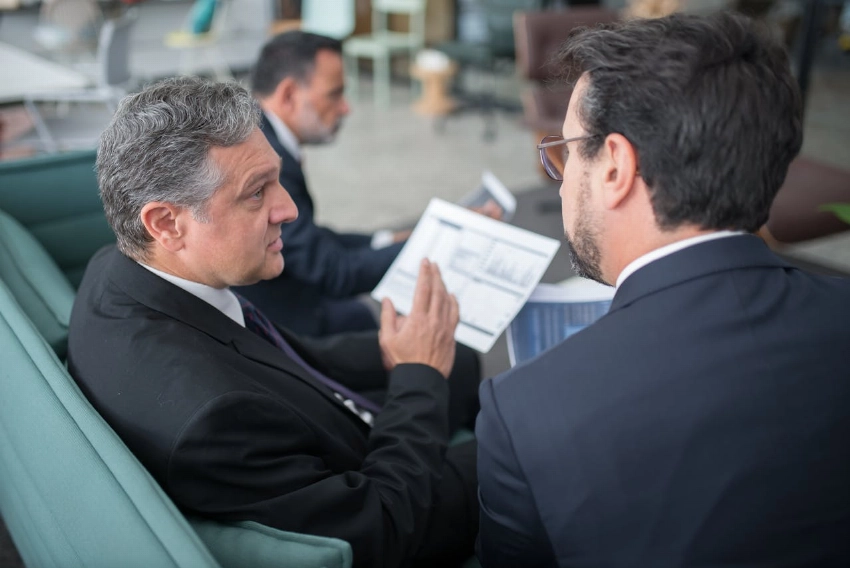
This table presents the top universities for masters in engineering management in Germany, offering the highest rankings, course information, languages, costs, and strong industry relations, making them the top choice for international students seeking the best education and great career opportunities.
|
University |
Global QS Ranking |
Program Name |
Language |
Duration |
Tuition Fees |
Industry Partners |
Location |
Employment Rate |
|
Technical University of Munich (TUM) |
#28 |
M.Sc. Management and Technology |
English |
4 semesters (120 ECTS) |
€0 (Semester contribution ~€144) |
BMW, Siemens, SAP, Allianz |
Munich |
90%+ within 6 months |
|
#99 |
Management and Engineering Master |
English |
3 semesters (90 ECTS) |
€30,000 (Private program) |
Various industrial leaders |
Aachen |
90%+ within 6 months |
|
|
Karlsruhe Institute of Technology (KIT) |
Top 3 in Germany |
M.Sc. Industrial Engineering and Management |
German & English |
4 semesters (120 ECTS) |
€0 (Semester contribution ~€170) |
Strong regional industry ties |
Karlsruhe |
90%+ within 6 months |
|
Technical University of Berlin (TU Berlin) |
#4 in Germany |
M.Sc. Industrial Engineering and Management |
German & English |
4 semesters |
€0 (Semester contribution ~€315) |
Access to Berlin’s startup ecosystem |
Berlin |
90%+ within 6 months |
|
University of Stuttgart |
Top 6 in Germany |
M.Sc. Technology Management |
German |
4 semesters |
€0 (Semester contribution ~€180) |
Automotive HQs: Mercedes, Porsche |
Stuttgart |
90%+ within 6 months |
Technical University of Munich (TUM)
|
Feature |
Details |
|
QS World Ranking |
#28 globally, #1 in Germany |
|
Program |
M.Sc. Engineering and Management / Management & Technology |
|
Language |
English |
|
Duration |
4 semesters (120 ECTS) |
|
Tuition |
€0 (semester contribution ~€144) |
|
Acceptance Rate |
8-10% |
|
Industry Partners |
BMW, Siemens, SAP, Allianz |
|
Specializations |
Technology Management, Innovation Management, Supply Chain |
|
Application Deadline |
May 31 for Winter intake |
RWTH Aachen University
|
Feature |
Details |
|
QS World Ranking |
#99 globally |
|
Program |
Management and Engineering Master (90 ECTS, 3 semesters) |
|
Language |
English |
|
Tuition |
€30,000 (Early Bird: €27,000) - Private program |
|
Requirements |
STEM degree + 1-year work experience |
|
Focus |
Interdisciplinary management with technology electives |
|
Campus Location |
Aachen (near the Belgium/Netherlands border) |
Karlsruhe Institute of Technology (KIT)
|
Feature |
Details |
|
Ranking |
Top 5 in Germany for Engineering |
|
Program |
M.Sc. Industrial Engineering and Management |
|
Language |
German and English |
|
Tuition |
€0 (public university) |
|
Strengths |
Production management, logistics, digital transformation |
Technical University of Berlin (TU Berlin)
|
Feature |
Details |
|
Program |
Industrial Engineering and Management |
|
Location |
Berlin (the startup capital of Europe) |
|
International Students |
30%+ |
|
Tuition |
€0 (semester contribution €315) |
|
Career Hub |
Access to Berlin's thriving tech ecosystem |
University of Stuttgart
|
Feature |
Details |
|
Program |
M.Sc. Engineering Management |
|
Ranking |
Top 6 in Germany for Engineering |
|
Industry Focus |
Automotive (Mercedes, Porsche headquarters nearby) |
|
Tuition |
€4,000 - €5,000 per semester |
These universities represent the top choices for pursuing a master's in engineering management in Germany, with options in English, industrial engineering and management, and mechanical engineering and management—ideal for aspiring engineering leaders seeking quality education and strong career prospects in Germany.
As per our TerraTern expert Shreya, while TUM and RWTH Aachen lead in global rankings, universities like TU Berlin and KIT offer equally rigorous programs with zero tuition fees and strong regional industry networks—making university selection more about location preference and specialisation fit than prestige differences.
Also Read: Top 10 Universities in Germany for Engineering: Update
What Are the Admission Requirements for Masters in Engineering Management in Germany for Indians?
This is an overlook of the normal admission requirements for the best master's in engineering management in Germany, including specialised courses such as master's in industrial engineering and management in Germany, as well as master's in mechanical engineering and management in Germany. Requirements vary between universities and programs (English or German), but tend to focus on a relevant bachelor's degree, sufficient English proficiency and documents on work experience and motivation enhance the application.
|
Admission Requirement |
Details |
|
Bachelor's Degree |
Engineering or related STEM field with minimum 60-75% marks (2.5+ GPA) or equivalent |
|
Required Coursework |
Relevant subjects in mathematics and engineering fundamentals |
|
English Proficiency |
IELTS 6.5+ / TOEFL 90+ / Duolingo 110-120 (some universities may accept lower scores) |
|
Work Experience |
0-2 years, depending on program; some require 1 year of professional experience or a motivation letter demonstrating career goals |
|
Language Proficiency |
For German-taught programs: German language C1 or equivalent (DSH-2, TestDaF Level 4) |
|
Other Documents |
CV, Motivation letter, Letters of recommendation, Academic transcripts, Degree certificate |
|
Special Notes |
Some universities like RWTH Aachen require a STEM degree plus 1-year work experience; some allow bridging course options to cover missing management credits. |
Academic Qualifications Required for Masters in Engineering Management in Germany
Academic qualifications employed are:
-
Bachelor's degree in engineering (mechanical, electrical, civil, industrial) and or technical fields
-
Minimum grade 60-75% (varies with universities) German grade equivalent 2.5 or better
-
Eighteen open meetings, 180-240 ECTS credits from the undergraduate program
-
Achieved a foundation in Mathematics, Physics and Engineering principles
-
Some programs will accept business/management degrees with technical coursework
English Language Proficiency Requirements
Requirements for English language proficiency are
-
IELTS Academic: 6.5 (Overall score - IELTS Academic Course) (No band below 6.0)
-
TOEFL iBT: 90+ overall
-
Duolingo: 110 - 120 (if accepted by the University)
-
PTE Academic: 59+
-
English level Cambridge English: C1 Advanced
-
Exemptions: But if a bachelor's has been in the English language all the way (requires certification)
Standardised Test Requirements
Requirements of a standardised test are:
-
GRE optional, where most Universities are accepting GRE: 300 + adds strength to the application
-
GMAT 600+ (business-weighted) for business-heavy programs (RWTH Aachen, some private universities)
-
Not mandatory in the public technical university (TUM, TU Berlin, KIT)
German Language Requirements
Language requirements for the German language are
-
Not applicable for English-taught programs
-
Basic German (A1-A2): which helps one in daily life
-
Some universities offer free German courses for international students.
-
Programmes which are taught in the German language require TestDaF (TDN 4) or DSH-2 certification.
Work Experience Requirements
Work experience requirements are:
-
Most programs are not necessary, but beneficial
-
RWTH Aachen requires a minimum of 1 year of relevant work experience.
-
Internships are counted towards experience requirements
-
Professional experience is strong in the application for competitive programs.
Additional Documentation
Additional documentation is:
-
Statement of Purpose (SOP): 1-2 ppg Motivation, Career Goals, Program Fit
-
Letters of Recommendation (LOR): 2-3 letters of recommendation from academic professors or working professionals
-
Curriculum Vitae (CV): Academics, internships, projects, skills
-
Academic Transcripts: Coolseal/Envelope containing marks on a semester-wise basis
-
Degree Certificates: Bachelor's completion certificate (provisional will be accepted for applications)
-
Passport: Valid for at least 6 months after the intended study period
-
Portfolio: Relevant for those specialised programs depicting technical projects
As per a TerraTern expert, the biggest application mistake Indian students make is waiting until bachelor's degree completion—you can apply with provisional certificates in the final semester, securing admission 6-9 months earlier and gaining time for visa processing and German language learning.
How Much Does Masters in Engineering Management in Germany Cost?

Masters in Engineering Management in Germany is exceedingly cheap at public Universities, which generally have no tuition costs, but ask for a semester contribution of $100-350, partly for administrative and transport costs. Private universities, however, charge between 5000 and 30,000 Euros per year. Add to this living costs, which are around $850 - $1200 (10-15 euros) per month, which translates into a total cost between $10,200 and $15,000 ($9 - $13.5 Lacs) for the whole year, and you've got 60 - 70 per cent cheaper than the US or UK alternatives. This cost-benefit, coupled with quality education, makes it affordable for a large number of international students.
University Tuition Fees Structure
This table summarises the tuition fees and semester contributions in the case of Masters in Engineering Management programs in Germany, with an emphasis on the generally tuition-free public universities of Germany with nominal semester fees except for the notable exception of the state of Baden-Wurttemberg, which demands EUR1,500 per semester from non-EU students, and examples of tuition fees at private universities.
|
University / Institution |
Tuition Fee (Public Universities) |
Semester Contribution |
Private Universities Tuition Fee |
Notes |
|
Most Public Universities in Germany |
€0 for EU and non-EU international students |
€100–€350 per semestre |
N/A |
Semester contribution covers admin costs, transport, etc. |
|
Baden-Württemberg State Universities (Stuttgart, Karlsruhe, Freiburg, Heidelberg) |
€1,500 per semester for non-EU students |
Approx. €190 per semester (KIT example) |
N/A |
Exception to the free tuition rule for non-EU students |
|
IU International University |
N/A |
N/A |
€13,920 total program |
Private university |
|
RWTH Aachen (Management & Engineering) |
N/A |
Approx. €300 per semester |
€30,000 total (€27,000 early bird discount) |
Top technical university with a private fee program |
|
FOM University |
N/A |
N/A |
€23,850 full program |
Private university |
|
Berlin School of Business and Innovation |
N/A |
N/A |
€13,920 (18 months) |
Private university |
Living Expenses Breakdown in Germany
This table gives a good overview of what monthly living expenses usually are for students for accommodation, food, health insurance, transport, communication and other personal costs in Germany.
|
Expense Category |
Monthly Cost (€) |
Details |
|
Accommodation |
300–700 |
Student dorms (€250–€400); private apartments (€500–€800) |
|
Food and Groceries |
200–250 |
Basic groceries and food expenses |
|
Health Insurance |
110 |
Mandatory student health insurance |
|
Transportation |
0–30 |
Covered by a semester ticket in most cities |
|
Internet and Phone |
30–50 |
Monthly internet and phone bills |
|
Study Materials |
20–40 |
Books, stationery, and other study-related materials |
|
Personal Expenses |
100–150 |
Miscellaneous personal expenses |
|
Total Monthly |
850–1,200 |
Average monthly living expenses |
City-Wise Cost Comparison
This city-wise comparison puts into perspective that Munich is the most expensive for students, while Dresden is the cheapest. Living costs and rental prices depend very much on the city, hence they have a great impact on the overall affordability of someone who wants to do a Masters in Engineering Management in Germany.
|
City |
Monthly Living Cost (€) |
Rent (Student Dorm) (€) |
Rent (Private) (€) |
Overall Affordability |
|
|
Munich |
1,100–1,400 |
400–600 |
700–1,000 |
Higher Cost |
|
|
Berlin |
900–1,100 |
300–450 |
500–750 |
Moderate |
|
|
Stuttgart |
950–1,200 |
350–500 |
600–850 |
Moderate-High |
|
|
Aachen |
800–1,000 |
250–400 |
400–650 |
Affordable |
|
|
Dresden |
750–950 |
250–350 |
400–600 |
Most Affordable |
|
|
Karlsruhe |
850–1,050 |
300–450 |
500–700 |
Affordable |
Total Cost of 2-Year Master's Program
|
Cost Component |
Minimum Budget (Affordable City) |
Average Budget (Major City) |
USA (2 years) |
UK (1-2 years) |
Canada (2 years) |
|
Tuition |
€0 |
Variable (€4,000-6,000 per semester) |
€50,000-€80,000 |
€40,000-€60,000 |
€45,000-€65,000 |
|
Semester Contribution |
€1,200 (4 semesters) |
Included in tuition |
N/A |
N/A |
N/A |
|
Living Expenses |
€20,400 (24 months) |
€20,000-€25,000 |
Included in tuition + living |
Included in tuition + living |
Included in tuition + living |
|
Health Insurance |
€2,640 (24 months) |
Included or similar |
Included or separate |
Included or separate |
Included or separate |
|
Visa and Travel |
€1,000 |
€1,000 |
Variable |
Variable |
Variable |
|
Total Estimated Cost |
€25,240 (~INR 22.5 lakh) |
€30,000-€35,000 (~INR 26.5-31 lakh) |
€50,000-€80,000 (~INR 45-72 lakh) |
€40,000-€60,000 (~INR 36-54 lakh) |
€45,000-€65,000 (~INR 40-58 lakh) |
This table shows the total cost of pursuing a 2-year Master's in Engineering Management in Germany with tuition-free public universities in affordable cities as the minimum budget.
As per our TerraTern experts, the German government's blocked account requirement of €11,904 (INR 10.6 lakh) for visa approval actually covers nearly your entire first year of living expenses—meaning families need significantly less upfront investment compared to US or UK programs that demand 2-3x higher deposits plus tuition fees.
Also Read: Masters in Germany for International Students Guide
What Does the Curriculum Cover in Engineering Management Programs in Germany?
The Masters in Engineering Management in Germany spans 120 ECTS credits over 4 semesters, blending core management modules like strategic planning, leadership, and finance with technical courses such as manufacturing systems and Industry 4.0. Students also study electives in supply chain, innovation, and AI. The curriculum balances 60% coursework, 10% practical projects, and 30% research-based thesis, equipping graduates with both managerial and engineering expertise.
Semester-Wise Program Structure
Most Masters in Engineering Management in Germany programs follow a 120 ECTS credit structure distributed over 4 semesters (2 years), with each semester accounting for 30 ECTS credits. The curriculum balance typically consists of 60% coursework, 10% practical projects, and 30% thesis work, equipping students with both technical engineering expertise and strategic management capabilities essential for leadership roles in the Master's in Industrial Engineering and Management in Germany and the Master's in Mechanical Engineering and Management in Germany programs.
|
Semester |
Focus Area |
Key Modules |
ECTS Credits |
|
Semester 1 |
Foundation Modules |
Technology Management and Innovation, Operations and Production Management, Engineering Economics and Cost Analysis, Leadership and Organisational Behaviour, Research Methods and Analytics, Industry 4.0 and Digital Transformation |
30 |
|
Semester 2 |
Core Specialization |
Strategic Management and Business Development, Supply Chain and Logistics Management, Quality Management and Six Sigma, Project Management and Agile Methodologies, International Marketing for Engineers, Data Analytics and Decision Sciences |
30 |
|
Semester 3 |
Electives & Practical Projects |
Choose 2-3 electives: Manufacturing Methods and Industry 4.0, Product Development and Lifecycle Management, Sustainable Engineering and Circular Economy, Artificial Intelligence in Manufacturing, Entrepreneurship and Innovation Management, Performance Management and KPIs; Plus a company-based practical project with industry partners |
30 |
|
Semester 4 |
Thesis & Colloquium |
Master's Thesis (15-30 ECTS): 5-6 months research/applied project with options for academic research, company-based application, or startup development; Final Colloquium: Thesis defence and presentation |
30 |
Core Competencies Developed
-
Develops advanced technical skills, including manufacturing optimisation, CAD/CAM, ERP systems, and Industry 4.0 technologies.
-
Builds strong management capabilities in strategic planning, financial analysis, HR, change management, and international business.
-
Provides practical integration through company projects, internships, guest lectures, and site visits with industry leaders like BMW and Siemens.
-
Equips students to bridge engineering expertise with leadership, preparing for innovative, cross-functional, and global management roles.
As per our expert Divyansh, German Engineering Management programs uniquely emphasise "Technik meets Management"—you'll spend equal time in engineering labs optimising production systems and in boardrooms developing business strategies, creating the rare T-shaped expertise that companies like Siemens and BMW specifically recruit for their leadership pipeline.
What Career Opportunities and Salary Can You Expect After Graduation in Germany in 2026?
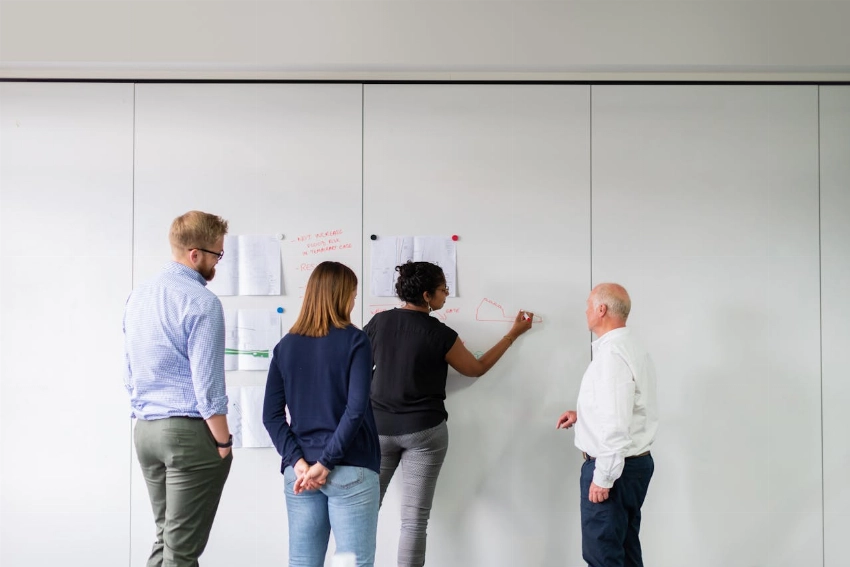
Engineering Management graduates in Germany can expect starting salaries between €55,000 and €60,000, with experienced professionals earning over €110,000 annually. Entry-level roles include Engineering Manager, Operations Coordinator, and Technical Consultant, while senior positions such as Director of Engineering or VP Manufacturing command salaries up to €150,000+. Key sectors hiring graduates are automotive, technology, consulting, and manufacturing, with 90%+ employment within 6 months of graduation. Top companies include Mercedes, BMW, Siemens, Bosch, and SAP.
Average Salary Expectations for Engineering Management Graduates
This table summarises average salaries for engineering management graduates in Germany, showing progression from entry-level to senior leadership roles with increasing salary ranges.
|
Position |
Experience Level |
Salary Range (€) |
|
Engineering Manager |
Entry-Level (0-2 yrs) |
55,000 - 65,000 |
|
Operations Coordinator |
Entry-Level (0-2 yrs) |
50,000 - 60,000 |
|
Supply Chain Analyst |
Entry-Level (0-2 yrs) |
52,000 - 62,000 |
|
Quality Management Associate |
Entry-Level (0-2 yrs) |
50,000 - 58,000 |
|
Project Engineer |
Entry-Level (0-2 yrs) |
54,000 - 63,000 |
|
Technical Consultant |
Entry-Level (0-2 yrs) |
58,000 - 68,000 |
|
Senior Engineering Manager |
Mid-Level (3-7 yrs) |
70,000 - 85,000 |
|
Operations Manager |
Mid-Level (3-7 yrs) |
75,000 - 90,000 |
|
Supply Chain Manager |
Mid-Level (3-7 yrs) |
72,000 - 88,000 |
|
Product Development Manager |
Mid-Level (3-7 yrs) |
68,000 - 82,000 |
|
Business Development Manager |
Mid-Level (3-7 yrs) |
75,000 - 95,000 |
|
Director of Engineering |
Senior-Level (8+ yrs) |
95,000 - 120,000 |
|
Head of Operations |
Senior-Level (8+ yrs) |
100,000 - 130,000 |
|
VP of Manufacturing |
Senior-Level (8+ yrs) |
110,000 - 150,000 |
|
Management Consultant (Senior) |
Senior-Level (8+ yrs) |
120,000 - 150,000+ |
|
Chief Technology Officer |
Senior-Level (8+ yrs) |
130,000 - 180,000+ |
Top Industries Hiring Engineering Management Graduates
|
Industry |
Companies |
Roles |
Locations |
Avg. Salary (€) |
|
Automotive (35%) |
Mercedes-Benz, BMW, Volkswagen, Audi, Porsche, Bosch Automotive |
Production Manager, Quality Systems Lead, Supply Chain Optimisation, R&D Manager |
Stuttgart, Munich, Wolfsburg, Ingolstadt |
60,000 - 85,000 |
|
Manufacturing & Industrial Automation (25%) |
Siemens, Bosch, Rheinmetall, ThyssenKrupp, KUKA Robotics |
Manufacturing Engineer, Process Optimisation Manager, Industrial IoT Specialist |
Munich, Essen, Düsseldorf |
58,000 - 80,000 |
|
Technology & Software (15%) |
SAP, Infineon, Continental, Software AG |
Technical Product Manager, Engineering Solutions Architect, DevOps Manager |
Berlin, Munich, Hamburg |
62,000 - 90,000 |
|
Consulting Firms (12%) |
McKinsey, Boston Consulting Group, Deloitte, KPMG, Roland Berger |
Management Consultant, Operations Strategy Analyst, Technology Advisor |
Munich, Frankfurt, Berlin, Hamburg |
65,000 - 100,000 |
|
Renewable Energy & Sustainability (8%) |
E.ON, RWE, Siemens Energy, Vestas, EnBW |
Energy Systems Manager, Sustainability Project Lead, Grid Operations Manager |
Various |
55,000 - 75,000 |
|
Aerospace & Defence (5%) |
Airbus, MTU Aero Engines, Lufthansa Technik |
Aerospace Project Manager, Maintenance Planning Lead, Supply Chain Coordinator |
Various |
60,000 - 82,000 |
Job Market Statistics and Employment Outlook
|
Job Market & Employment Outlook |
Details |
|
Current Openings |
5,000+ specialised engineering management roles across Germany |
|
Employment Rate |
90-95% graduates find employment within 6 months |
|
Skills Shortage |
Engineering management is classified as a shortage occupation |
|
Demand Growth |
8-10% annual increase in technical management demand |
|
International Opportunities |
The EU Blue Card allows work mobility across 27 EU countries |
|
Entrepreneurship |
15% of graduates start tech startups or consulting firms |
Post-Study Work Authorisation and Permanent Residence
|
Post-Study Work Authorisation & PR |
Details |
|
18-Month Job Seeker Visa |
Automatic eligibility post-German master’s degree, full work authorisation during job search |
|
Requires job offer with €43,800+ salary; pathway to PR after 21-33 months |
|
|
Family Reunification |
Spouse's work rights, travel freedom across the Schengen area |
|
Permanent Residence |
Standard: 5 yrs with Blue Card; Accelerated: 21 months with B1 German; Alternative: 33 months |
|
Citizenship |
Eligible after 6-8 years of residence |
Top Companies Actively Recruiting Engineering Management Graduates
These tables showcase the robust job market for engineering management graduates in Germany, with major automotive, technology, and consulting firms actively hiring across multiple cities. The strong employment rates, competitive salaries, and favourable post-study work authorisation make Germany an attractive destination for international students pursuing a master's in engineering management.
|
Top Companies Recruiting |
Headquarters |
Starting Salary (€) |
Focus Area |
Application Tips |
|
Mercedes-Benz |
Stuttgart |
60,000-80,000 |
Automotive production, quality |
Strong process optimisation focus |
|
Siemens |
Nationwide |
60,000-85,000 |
Industrial automation, digitalisation |
Industry 4.0 projects experience |
|
BMW |
Munich |
58,000-78,000 |
Lean manufacturing, supply chain |
Six Sigma or Lean certification |
|
Bosch |
Nationwide |
55,000-75,000 |
Electronics, engineering services |
Cross-functional project experience |
|
Volkswagen |
Wolfsburg |
55,000-70,000 |
Automotive engineering, production |
German language skills are advantageous |
|
SAP |
Walldorf |
65,000-85,000 |
Enterprise software, tech consulting |
Technical + business knowledge |
|
McKinsey |
Munich, Frankfurt |
70,000-95,000 |
Strategy consulting, operations |
Case interview preparation is essential |
As per our expert Shreya, the real value proposition isn't just the €60,000 starting salary—it's the compressed timeline to €100,000+ earnings combined with German work-life balance (30+ vacation days, 40-hour weeks) and EU-wide career mobility that makes engineering management graduates among the most sought-after professionals in Europe's talent market.
Also Read: MS in Mechanical Engineering in Germany: Fee, Scope & More
How Do You Apply for Masters in Engineering Management in Germany from India?
Applications for a Master’s in Engineering Management in Germany follow a structured 5-step process: research and shortlist universities, prepare required documents, submit applications, await admission decisions, and apply for a student visa with proof of financial resources.
Step-by-Step Application Process Timeline
Step-by-step application process timeline
Phase 1: Research and University Selection (October–December)
-
Research 10–15 programs using DAAD, Portal, and university websites.
-
Compare curricula, specialisations, and industry partnerships.
-
Check eligibility requirements against your academic profile.
-
Assess location preferences (city size, cost of living, industry presence).
-
Shortlist 5–7 universities (mix of ambitious, realistic, and safe options).
-
Review application deadlines and specific requirements for each university.
-
Connect with current students or alumni for program insights.
Phase 2: Document Preparation (January–March)
-
Academic Documents:
- Official transcripts (sealed, attested, all semesters)
- Bachelor’s degree certificate or provisional certificate
- Course descriptions (detailed syllabus for some universities)
- Grade conversion (percentage to German grading system using modified Bavarian formula)
- Certified translations (English or German if originals are in another language)
-
Language Proficiency:
- IELTS Academic/TOEFL iBT/Duolingo (book 2–3 months in advance)
- Target scores: IELTS 6.5+, TOEFL 90+
- Request official score reports sent to universities
- GRE (if required by competitive programs; aim for 300+)
- Application Essays:
- Statement of Purpose (SOP): 1–2 pages, tailored to each university
- Motivation Letter (if required)
- Research Interests (for research-focused programs)
-
Recommendations:
- 2–3 Letters of Recommendation (LORs)
- Ideal recommenders: professors (2), employer/internship supervisor (1)
- Provide CV, SOP draft, and achievements for recommenders
- Academic LORs: address academic performance, research potential, and technical skills
- Professional LORs: cover work ethic, problem-solving, leadership
-
Additional Documents:
- CV (European format, 2–3 pages)
- Valid passport (2+ years validity)
- Passport-size photographs (university-specific size)
- Application fee payment proof (€50–€150 per university)
Phase 3: Application Submission (March–May for Winter Intake)
-
Application Portals:
- Uni-Assist (centralised for 170+ universities): Create account, upload verified documents, pay processing fee (€75 for first, €30 for each additional), wait 4–6 weeks for verification, then forward to universities.
- Direct University Applications: Use university portals, fill forms, upload documents, pay the application fee, and submit before the deadline.
-
Deadlines:
- Winter Semester (October start): May 15–July 15 (most programs: May 31; competitive: May 15; late: July 15)
- Summer Semester (April start): November 15–January 15 (fewer programs)
Phase 4: Admission Decision and Response (June–August)
-
Admission results: 6–12 weeks after the deadline
-
Outcomes: Admission (Zulassung), Conditional Admission, Waitlist, Rejection
-
Accept the offer within the deadline (usually 2–4 weeks)
-
Pay the semester contribution if required
-
Request an official admission letter for a visa
Phase 5: Visa Application (July–September)
-
Blocked Account (Sperrkonto):
- Open with €11,904 (2025 requirement for 1 year)
- Approved providers: Expatrio, Fintiba, Deutsche Bank, X-patrio
- Processing: 1–2 weeks; receive blocking confirmation
-
Health Insurance:
- Purchase German student health insurance (TK, AOK, DAK)
- Cost: €110/month; coverage from arrival date
- Get insurance confirmation letter
-
Student Visa Application:
- Book an appointment at the German Embassy/Consulate (2–4 weeks wait)
- Required documents: passport, admission letter, blocked account confirmation, health insurance, accommodation proof, academic certificates, application form, photos, visa fee (€75)
- Attend interview (15–30 minutes)
- Processing: 6–10 weeks (apply at least 3 months before the semester start)
- Visa success rate: 90–95% with proper documentation
Phase 6: Pre-Departure and Arrival (September–October)
-
Book flights (2–3 weeks before semester start)
-
Arrange accommodation (temporary/permanent)
-
Prepare luggage (winter clothing essential)
-
Register for orientation programs
-
Join university social media groups
-
Notify the university of arrival plans
-
Complete pre-enrollment tasks online
Common Application Mistakes to Avoid
-
Missing deadlines (apply at least 1 month early)
-
Generic SOPs (tailored to each university)
-
Incomplete Uni-Assist submissions (ensure all documents are certified/attested)
-
Insufficient blocked account (must show full €11,904)
-
Wrong health insurance (must be student-specific German insurance)
-
Weak academic justification (address gaps or low grades in SOP)
-
Late visa application (start immediately after admission)
-
Ignoring accommodation (proof required for visa; arrange early)
Application Success Tips from TerraTern Experts for Germany Application
-
Apply to 5–7 universities (mix competitiveness levels)
-
Strengthen technical profile (online courses in Industry 4.0, Python, Six Sigma)
-
Build project portfolio (document engineering projects with measurable outcomes)
-
Get early LORs (request 2 months before deadline)
-
Proofread everything (grammar errors hurt chances)
-
Follow instructions precisely (each university has specific requirements)
-
Maintain communication (respond promptly to university requests)
-
Prepare for interviews (practice common questions for video interviews)
What Scholarships and Funding Options Are Available in German Universities for Indians in 2025-26?

Engineering Management students in Germany have access to multiple scholarships and funding options. Key scholarships include DAAD scholarships, which offer a monthly stipend of €934 along with tuition coverage, Erasmus+ funding ranging from €300 to €600 per month, and the Deutschland Stipendium, providing €300 per month. Various universities also offer merit-based scholarships that can cover 25-100% of tuition fees. Additionally, international students are allowed to work part-time for up to 120 full days or 240 half days per year, typically earning €12-€15 per hour, which helps support their living expenses while studying.
DAAD Scholarships for Indian Students
This comprehensive scholarship opportunity makes pursuing a masters in engineering management in Germany more accessible for Indian students, particularly those demonstrating strong academic performance and clear career goals in engineering and management fields.
|
Scholarship Feature |
Details |
|
DAAD Study Scholarships for Master's Programs |
|
|
Monthly Stipend |
€934-€992 (€11,208-€11,904 annually) |
|
Duration |
Typically 12-24 months (full program length) |
|
Additional Benefits |
Health insurance coverage, Travel allowance for international flight, Study and research allowance, Rent subsidy in expensive cities, Family allowances (if applicable) |
|
Eligibility Criteria |
Bachelor's degree with a strong academic record (minimum 70%+), Degree completed within the last 6 years, German language skills helpful but not mandatory for English programs, Clear career development plan with rationale for studying in Germany |
|
Application Process |
Separate DAAD application through the DAAD online portal, Register via the DAAD scholarship database. |
|
Application Deadline |
Usually September-October (year before intake), October 31 for most programs |
|
Required Documents |
Completed DAAD application form, Curriculum vitae (max 3 pages), Study proposal (max three pages) outlining academic/personal reasons, Letter of admission (may be submitted after award), Information about preferred master's programs, University degree certificates |
|
Selection Rate |
Highly competitive (5-8% acceptance) |
|
Selection Criteria |
Academic achievements, Course of studies quality, Language proficiency, Relevant internships/work experience, Feasibility and relevance of study plans |
|
Priority Fields |
Engineering and technology prioritised |
|
DAAD-WISE Scholarships (Women in STEM) |
|
|
Target Group |
Specifically for female engineering students |
|
Benefits |
Same benefits as regular DAAD scholarships (€934-€992/month + all additional benefits) |
|
Acceptance Rate |
Slightly higher acceptance rate for qualified women candidates |
|
Eligibility |
Same as regular DAAD, with a focus on women in STEM fields |
German Government and University Scholarships
These scholarship options significantly reduce the financial burden for international students pursuing a masters in engineering management in Germany, including programs like masters in industrial engineering and management in Germany and masters in mechanical engineering and management in Germany at top universities. Students can combine multiple funding sources to cover tuition and living expenses.
|
Scholarship Type |
Details |
|
Deutschland Stipendium |
|
|
Award |
€300 per month |
|
Duration |
Minimum 2 semesters (extendable until the end of the standard study period) |
|
Eligibility |
Merit-based, open to all international students regardless of nationality or income. |
|
Selection Criteria |
Academic excellence (75%), social engagement (10%), personal achievements (10%), academic aptitude (5%) |
|
Application |
Through individual universities, after enrollment, typically a March-July application period |
|
Number of Awards |
Approximately 33,000 students are awarded annually across Germany; TUM awards ~800 scholarships/year. |
|
No Nationality Restrictions |
Available to students of all nationalities; does not count toward BAföG |
|
Additional Benefits |
Non-material support through mentoring programs, networking events, and internships with sponsors |
|
Technical University of Munich (TUM) |
|
|
TUM Scholarships |
Various funding opportunities for international students; €500-€1,800 per semester (one-time aid, renewable) |
|
Research Assistantships |
€450-€800/month (12-15€/hour); combine study with research work; available from 2nd semester onwards |
|
Industry-Sponsored Scholarships |
From partners like BMW, Siemens, SAP, amounts vary by sponsor |
|
Eligibility |
Bachelor students from 3rd semester; Master students from 2nd semester (1st if bachelor completed at TUM) |
|
Requirements |
Good academic records, proven financial need, not eligible for BAföG due to nationality |
|
RWTH Aachen University |
|
|
Early Bird Discount |
€3,000 off tuition for the Management and Engineering Master program (apply by January 15) |
|
Merit-Based Partial Scholarships |
Various amounts based on academic achievement |
|
STIBET I Scholarships |
For particularly involved international students, based on intercultural engagement |
|
Degree Completion Scholarships |
€500/month for 1-5 months for students in the final phase of studies |
|
Research Project Funding |
Available for qualified students engaged in research activities |
|
Karlsruhe Institute of Technology (KIT) |
|
|
KIT Scholarships |
Various scholarships for international students |
|
Baden-Württemberg Scholarship |
For overseas incoming students from partner universities |
|
Project-Based Funding |
Research and project opportunities with stipends |
|
Public University Advantage |
Zero tuition fees (€0) with only semester contribution (~€170-€180) |
|
Additional Funding |
Access to DAAD, Erasmus+, and foundation-based scholarships |
Part-Time Work Opportunities
These part-time work opportunities enable students pursuing a master's in engineering management in Germany to support their living expenses while gaining industry experience in fields like industrial engineering and management, and mechanical engineering and management. Working student positions at top German companies provide valuable networking and career-building opportunities that frequently result in full-time employment after graduation.
|
Work Category |
Details |
|
Legal Work Permissions for International Students |
|
|
Allowed Work Hours |
140 full days OR 280 half days per year (updated 2024); alternatively, 20 hours per week during lecture periods |
|
Work Permit |
No work permit required for these hours |
|
Semester Breaks |
Can work unlimited hours (full-time, 40 hours/week) during semester breaks |
|
Student Assistant Positions |
Unlimited hours allowed at university; does not count toward 140-day limit |
|
Typical Part-Time Jobs and Earnings |
|
|
Student Research Assistant |
€12-€16/hour (university positions); average €14.07/hour |
|
Working Student (Werkstudent) in Companies |
€13-€20/hour; typically €1,200-€2,000/month gross for 20 hours/week |
|
Restaurant/Café Service |
€12.82-€14/hour (minimum wage €12.82 in 2025) |
|
Tutoring |
€15-€25/hour |
|
Retail Positions |
€12.82-€13/hour |
|
IT/Programming Freelance |
€20-€40/hour |
|
Average Monthly Earnings |
€450-€800 (15-20 hours/week); up to €1,500-€2,000 for skilled Werkstudent roles |
|
Mini-Job |
Up to €556/month (tax-free, no social security contributions) |
|
Working Student (Werkstudent) Benefits |
|
|
Field Relevance |
Positions related to the engineering management field |
|
Work Experience |
Build valuable German work experience while studying |
|
Networking |
Network with potential employers in your industry |
|
Major Companies Hiring |
Bosch (€15-€20/hour), Siemens (€16-€20/hour), BMW, SAP, Volkswagen, Mercedes-Benz, startups |
|
Flexible Scheduling |
Arranged around class schedules; typically 15-20 hours/week during the semester |
|
Post-Graduation Opportunities |
Often leads to full-time job offers after graduation |
|
Example Werkstudent Salaries |
Siemens Data Science: €20/hour; Engineering roles: €16-€18/hour; Software development: €15-€20/hour |
External Scholarship Organisations
These external scholarship organisations provide significant funding opportunities for students pursuing a master's in engineering management in Germany, though eligibility criteria and focus areas vary. The Erasmus+ program is particularly valuable for exchange semester experiences, while political foundations like KAS, Heinrich Böll, and FES support students who align with their respective values and demonstrate strong academic and social engagement.
|
Scholarship Organization |
Details |
|
Erasmus+ Scholarships |
|
|
Purpose |
For students participating in exchange semesters at European partner universities |
|
Monthly Allowance |
€300-€600 depending on destination country |
|
Duration |
Covers 1-2 semesters (3-12 months) abroad |
|
Additional Benefits |
Tuition fee exemption at the host university, one-time travel allowance based on distance |
|
Application Process |
Through the home university's international office, you cannot apply as an individual. |
|
Eligibility |
Must be enrolled in a university with bilateral Erasmus+ partnership agreements |
|
Konrad-Adenauer-Stiftung (KAS) |
|
|
Monthly Stipend |
€992 for master's students; €1,400 for PhD students |
|
Duration |
Up to 2 years for master's; up to 3 years for PhD |
|
Additional Benefits |
Health insurance subsidy (up to €120/month), family allowance (€276/month if applicable), child allowance (€194/child), tuition reimbursement (up to €1,500/semester) |
|
Focus |
Leadership potential, social engagement, and Christian democratic values alignment |
|
Eligibility |
Bachelor's degree for master's applicants, strong academic record, social/political involvement |
|
Selection |
Highly competitive |
|
Heinrich Böll Foundation |
|
|
Monthly Stipend |
€812 + €300 book allowance (total €1,112) for master's students; €1,200 + €100 mobility allowance for PhD |
|
Additional Benefits |
Health insurance, family/childcare allowance if applicable |
|
Focus |
Commitment to social justice, environmental sustainability, and democracy |
|
Affiliation |
Green Party-affiliated |
|
Eligibility |
Strong academic record, social/political engagement, German language proficiency (B2 or DSH 2), identification with foundation goals |
|
Number of Awards |
Approximately 1,500 scholarships annually |
|
Friedrich Ebert Foundation (FES) |
|
|
Monthly Stipend |
€992 for master's students; €1,400 for doctoral students |
|
Duration |
The maximum funding period corresponds to the regulations; up to 3 years for PhD |
|
Focus |
Social democratic values, social and political involvement |
|
Eligibility |
Enrollment at a state or state-recognised German university, outstanding academic merit, sufficient German knowledge (DSH-2, TestDaF level 4, or equivalent) |
|
Number of Awards |
Up to 40 scholarships per year for international students |
|
Additional Benefits |
Health insurance coverage, child allowance (€160/month if applicable) |
|
Humboldt Foundation |
|
|
Monthly Stipend |
€2,700 for postdoctoral researchers |
|
Duration |
6-24 months (can be divided into up to three stays within three years) |
|
Target Group |
Experienced researchers, typically post-master's or PhD level (doctorate completed within the last 4 years) |
|
Eligibility |
Above-average qualifications, established publication record, independent research profile |
|
Availability |
Not typically available for first master's degree students |
|
Additional Benefits |
Subsidy towards research costs for the host institution |
Education Loan Options for Indian Students
These education loan options provide comprehensive financial support for Indian students pursuing a masters in engineering management in Germany, including masters in industrial engineering and management in Germany and masters in mechanical engineering and management in Germany. Indian banks offer competitive rates with collateral requirements, while international providers like Prodigy Finance and MPOWER offer no-collateral options with slightly higher interest rates, giving students flexibility based on their financial situation.
|
Loan Provider |
Loan Details |
|
Indian Banks Offering Education Loans for Germany |
|
|
State Bank of India (SBI) |
Loan Amount: Up to INR 1.5 crore; Interest Rate: Starting at 8.65%; Scheme: SBI Global Ed-Vantage |
|
Bank of Baroda |
Loan Amount: Up to INR 1.5 crore (premier institutes), INR 60 lakh (non-premier); Interest Rate: 8.50% MCLR + 1.25-2% spread (9.70-13.70%) |
|
HDFC Credila |
Loan Amount: Up to INR 45 lakh; Interest Rate: 9.5-11.5% |
|
Axis Bank |
Loan Amount: Up to INR 75 lakh; Interest Rate: 10-12% |
|
ICICI Bank |
Loan Amount: Up to INR 50 lakh; Interest Rate: 9-11.5% |
|
Loan Features (Indian Banks) |
|
|
Interest Rates |
8.5-11.5% per annum (varies by bank and institute) |
|
Collateral |
Required for amounts above INR 7.5 lakh (varies by bank); 3rd party collateral for INR 4-7.5 lakh; NIL for ≤INR 4 lakh |
|
Margin Money |
0% up to INR 4 lakh; 10% above INR 4 lakh for most banks |
|
Moratorium Period |
Course duration + 6-12 months (typically course + 1 year) |
|
Repayment Tenure |
10-15 years after moratorium |
|
Processing Fees |
1% of loan amount (max INR 10,000 + GST); often refunded after first disbursement |
|
Tax Benefits |
Section 80E allows full interest deduction from taxable income (no upper limit) |
|
Coverage |
Tuition fees, living expenses, travel, books, laptop, exam fees, insurance |
|
Special Benefits |
0.5% interest concession for female students (Bank of Baroda); Direct disbursement to university/blocked account |
|
International Education Loan Providers |
|
|
Prodigy Finance |
Loan Amount: Up to $220,000 (INR 1.8+ crore); No collateral required; Co-signer option available for Indian students |
|
Interest Rates |
8-13% (typically higher than Indian banks, but no collateral/co-signer needed for most students) |
|
Coverage |
Over 1,500 universities in 19 countries, including Germany, offer Master's programs in STEM, Business, Law, Public Policy, Health Sciences, and Economics. |
|
Repayment |
Up to 20 years; Full moratorium (no payments during studies); Payments start 6 months after course completion |
|
MPOWER Financing |
Loan Amount: Up to $100,000; No collateral or co-signer required |
|
Interest Rates |
Fixed competitive rates (8-13%); No prepayment penalties |
|
Coverage |
Over 400 universities in the USA and Canada (limited Germany coverage) |
|
Repayment |
Up to 10 years; Interest-only payments during studies |
|
Eligibility |
Undergraduate or graduate students within 2 years of graduating or about to begin a program |
|
Application Process |
Online application, relatively straightforward, decision within weeks |
Cost-Reduction Strategies
These comprehensive cost-reduction strategies enable students pursuing a masters in engineering management in Germany, including masters in industrial engineering and management in Germany and masters in mechanical engineering and management in Germany, to manage their finances effectively. With careful planning, part-time work, and scholarships, the total family investment can be kept between INR 12-18 lakh (approximately $15,000-$22,000) over two years, making Germany one of the most affordable destinations for quality engineering education.
|
Strategy Category |
Details |
|
Minimise Living Expenses |
|
|
Student Dormitories |
Apply early for student dormitories (€250-€400/month vs. €600-€1,200 for private apartments); over 40% of international students choose dorms for affordability. |
|
Cooking at Home |
Cook at home to save €150-€200/month vs. eating out; average meal at inexpensive restaurant costs €12-€15 |
|
Student Discounts |
Use student discounts for cinemas, museums, theatres, opera houses; a semester ticket includes unlimited public transport (worth €200-€300/month) |
|
Textbooks |
Buy used textbooks or use library resources; university libraries provide free access to course materials and research databases. |
|
Shared Accommodation |
Share apartment (WG - Wohngemeinschaft) to split rent (€350-€500/month) and utilities (€50-€100/month per person) |
|
City Selection |
Choose smaller university towns over major cities (Darmstadt €380/month vs. Munich €675/month for WG rooms) |
|
Maximize Income |
|
|
Working Student Position |
Start Werkstudent position from 2nd semester; earn €13-€20/hour, €1,200-€2,000/month gross |
|
Tutoring Services |
Offer tutoring in subjects you excel in; earn €15-€25/hour; high demand for math, physics, engineering subjects |
|
Language Skills |
Leverage Indian language skills for teaching Hindi, translation work, or cultural consulting; €15-€30/hour. |
|
Freelance Technical Work |
Build freelance profile in CAD, programming, data analysis; earn €20-€40/hour; platforms like Upwork, Fiverr |
|
Research Assistant |
Apply for student research assistant positions at university; €12-€16/hour, unlimited hours allowed |
|
Financial Planning |
|
|
First Year (Blocked Account) |
Rely on blocked account (€11,904 for 2025) + family support; withdrawal limit €992/month |
|
Second Year Income |
Part-time work income can cover 40-60% of living expenses (€400-€900/month earnings) |
|
Total Family Investment |
INR 12-18 lakh over 2 years with part-time work; INR 20-25 lakh without work income |
|
Monthly Budget Breakdown |
Rent €250-€400, Food €150-€250, Health insurance €110-€120, Transport (included in semester ticket), Miscellaneous €100-€150 |
|
Savings Target |
Aim to save €100-€200/month from part-time earnings for emergencies and travel. |
|
Scholarship Stacking Strategy |
|
|
Year 1 |
Apply for DAAD (€934/month), Deutschland Stipendium (€300/month), or university scholarships; this can significantly reduce family burden. |
|
Year 2 |
Combine part-time work (€800/month) + Deutschland Stipendium (€300/month) = €1,100/month, covering 90%+ expenses |
|
Application Timeline |
DAAD applications: Sept-Oct (year before); Deutschland Stipendium: March-July after enrollment; University scholarships: Varies |
Also Read: Engineering Management in Germany: Latest Guide
What is the Difference Between Engineering Management, Industrial Engineering, and Mechanical Engineering Management?
Engineering Management focuses on leadership and strategic business management of technical teams (60% management, 40% technical), Industrial Engineering emphasizes process optimization and operational efficiency through analytics and systems thinking (50-50 split), while Mechanical Engineering Management combines deep mechanical engineering technical specialization with project and product management skills (60% technical, 40% management)—each pathway suits different career trajectories from C-suite leadership to operations excellence to technical product development.
Engineering Management Programs
-
Focus on strategic technology management, innovation leadership, business models for engineering firms, and financial/resource planning.
-
The typical curriculum includes technology and innovation management, strategic leadership, engineering economics, and electives like AI strategy.
-
Career outcomes: CTO, engineering directors, management consultants, innovation managers.
-
Suitable for engineers aiming for C-suite leadership, strategic development, and entrepreneurial roles.
-
Average Salary: €60,000-€120,000+.
Industrial Engineering and Management Programs
-
Focus on process optimisation, supply chain/logistics, quality management, and data analytics.
-
Curriculum includes operations research, lean manufacturing, supply chain management, and Industry 4.0.
-
Career outcomes: operations manager, supply chain manager, quality manager.
-
Best for problem solvers interested in automotive, manufacturing, and logistics.
-
Average Salary: €55,000-€95,000.
Mechanical Engineering Management Programs
-
Focus on mechanical systems design, product development, manufacturing processes, CAD/CAM, and thermodynamics.
-
Curriculum covers advanced mechanical engineering, product design, and quality engineering.
-
Career outcomes: mechanical engineering manager, product development manager, automotive engineering manager.
-
Best for mechanical engineers seeking technical leadership roles.
-
Average Salary: €58,000-€105,000.
Each pathway suits distinct career trajectories, from C-suite leadership to operations excellence to technical product development.
Comparison Table: Which Program Suits You?
This table crisply compares key aspects of engineering management, industrial engineering and management, and mechanical engineering management master's programs in Germany, visible through technical content, management focus, math skills, career outcomes, industries, salary, and more. This helps prospective students decide which program best matches their career goals and educational background in the context of a Master's in Engineering Management in Germany, a Master's in Industrial Engineering and Management in Germany, a Master's in Mechanical Engineering and Management in Germany, and top universities offering these specialisations.
|
Aspect |
Engineering Management |
Industrial Engineering & Management |
Mechanical Engineering Management |
|
Technical Depth |
Medium (40%) |
Medium-High (50%) |
High (60%) |
|
Management Focus |
High (60%) |
Medium (50%) |
Medium (40%) |
|
Math & Analytics |
Moderate |
Very High |
High |
|
Career Path |
Strategic leadership, C-suite |
Operations, process optimisation |
Technical leadership, product development |
|
Industries |
Cross-industry |
Manufacturing, logistics, consulting |
Automotive, aerospace, machinery |
|
Salary Ceiling |
Highest (€150K+) |
High (€120K+) |
High (€130K+) |
|
Work Nature |
Strategic planning, boardroom |
Shop floor + analytics |
Design + team management |
|
Prerequisites |
Any engineering degree |
Engineering/math background |
Mechanical engineering degree preferred |
|
German Programs |
15+ universities |
20+ universities |
10+ universities |
How to Choose the Right Program for Your Career Goals?
Choose Engineering Management if:
-
You aim for leadership roles such as VP, CTO, or other executive levels
-
Interested in consulting, entrepreneurship, or business strategy
-
Prefer strategic decision-making over hands-on technical work
-
Have 2+ years of work experience and want to fast-track your management career
-
Enjoy working on business strategy and organisational leadership
Choose Industrial Engineering if:
-
You enjoy data-driven problem-solving and process optimisation
-
Want to improve manufacturing, operations, and supply chain efficiency
-
Interested in analytics, statistics, and modelling of operational processes
-
Excited by logistics, quality control, and systems management
-
Prefer hands-on operational roles with visible impact
Choose Mechanical Engineering Management if:
-
Passionate about mechanical systems and want to maintain strong technical expertise
-
Want to lead product development or R&D teams in the automotive, aerospace, or machinery industries
-
Desire to combine technical engineering work with project and team management
-
Prefer engineering problem-solving over broader business strategy
Aligning your choice of master's program in masters in engineering management in Germany, masters in industrial engineering and management in Germany, or masters in mechanical engineering and management in Germany with your specific career goals and interests will enable targeted skill development and better career outcomes in Germany's engineering sectors.
Which German Cities Are Best for Engineering Management Students in 2025-26?
The following German cities are best for engineering management students:
|
City |
Top Universities & Rank |
Living Cost (€ per month) |
Rent Range (€ per month) |
Advantages |
Challenges |
Best For |
|
Munich |
Technical University of Munich (TUM) – #28 |
€1,100-€1,400 |
Dorm: €500-€800; Apartment: €700-€1,200 |
Highest concentration of engineering firms; BMW, Siemens HQ; 1,500+ jobs; top salaries (€60-70K); strong startup ecosystem; excellent transport |
Most expensive city; competitive job market; housing scarcity |
Students aiming for high career growth in the automotive/aerospace sectors |
|
Stuttgart |
University of Stuttgart, Esslingen University |
€950-€1,200 |
Dorm: €400-€600; Apartment: €600-€900 |
Mercedes-Benz, Porsche HQ; Bosch, Daimler, major employers; strong automotive focus; high graduate employment; scenic cultural region |
Higher non-EU tuition; expensive compared to East German cities; German needed |
Automotive engineering enthusiasts, with a manufacturing focus |
|
Aachen |
RWTH Aachen University (#99) |
€800-€1,000 |
Dorm: €300-€500; Apartment: €400-€650 |
Top-ranked; proximity to Netherlands/Belgium; Ford, Ericsson presence; vibrant student life; more affordable |
Smaller city; fewer job opportunities; grey weather; limited startups |
Students desiring technical depth, international exposure |
|
Berlin |
Technical University of Berlin (TU Berlin) |
€900-€1,100 |
Dorm: €400-€600; Apartment: €500-€800 |
Europe's startup capital; 3,000+ startups; diverse international community; cultural hub; excellent transport; no tuition fees |
Fewer traditional manufacturing; lower salaries; competitive housing |
Entrepreneurial, tech startup enthusiasts; multicultural experience |
|
Dresden |
TU Dresden (#1 East Germany) |
€750-€950 |
Dorm: €250-€400; Apartment: €400-€600 |
Most affordable major city; semiconductor industry; Infineon, Bosch, VW; no tuition fees; growing tech scene |
Smaller international community; fewer jobs; quieter nightlife |
Budget-conscious; semiconductor/electronics; quieter lifestyle |
|
Karlsruhe |
Karlsruhe Institute of Technology (KIT) |
€850-€1,050 |
Dorm: €350-€500; Apartment: €500-€700 |
Research excellence; near SAP HQ; strong Industrial Engineering; affordable; near France; sunny climate |
Higher non-EU tuition, moderate job market, lower international profile |
Research-focused; IT/software engineering management; proximity to France |
|
Hamburg |
Hamburg University of Technology (TUHH) |
€950-€1,150 |
Dorm: €400-€600; Apartment: €600-€850 |
Large port city; maritime, logistics, aerospace; Airbus facility; business hub; English-friendly |
Expensive housing, rainy coastal weather, and fewer automotive firms |
Supply chain/logistics; maritime/aerospace; international business hub |
Munich – Premium Engineering Hub
|
Feature |
Details |
|
University |
Technical University of Munich (TUM) – #28 globally |
|
Living Cost |
€1,100-€1,400/month |
|
Rent |
€500-€800 (student dorm), €700-€1,200 (apartment) |
|
Advantages |
Highest concentration of engineering companies; BMW, Siemens, MTU headquarters; 1,500+ jobs; high salaries (€60,000-€70,000); strong startup ecosystem; excellent public transport; beautiful surroundings |
|
Challenges |
Most expensive German city for students; competitive job market; difficult, affordable accommodation |
|
Best For |
Career-focused students willing to invest in higher living costs; automotive/aerospace interests |
Stuttgart – Automotive Engineering Capital
|
Feature |
Details |
|
Universities |
University of Stuttgart, Esslingen University |
|
Living Cost |
€950-€1,200/month |
|
Rent |
€400-€600 (dorm), €600-€900 (apartment) |
|
Advantages |
Mercedes-Benz, Porsche, Bosch headquarters; strong automotive focus; high graduate employment rates; cultural scene |
|
Challenges |
Higher tuition for non-EU; expensive compared to East Germany; German language useful |
|
Best For |
Automotive engineering enthusiasts, direct pipeline to Mercedes/Porsche; advanced manufacturing interested |
Berlin – Startup and Tech Innovation Hub
|
Feature |
Details |
|
University |
RWTH Aachen University (#99 globally) |
|
Living Cost |
€800-€1,000/month |
|
Rent |
€300-€500 (dorm), €400-€650 (apartment) |
|
Advantages |
Top engineering reputation; proximity to the Netherlands/Belgium; strong automotive/mechanical focus; affordable living |
|
Challenges |
Smaller city; fewer jobs than Munich; weather; limited startup scene |
|
Best For |
Students seeking quality, international exposure, and a technical engineering focus |
Dresden – Most Affordable with Strong Engineering
|
Feature |
Details |
|
University |
TU Dresden (#1 University of Excellence in East Germany) |
|
Living Cost |
€750-€950/month |
|
Rent |
€250-€400 (dorm), €400-€600 (apartment) |
|
Advantages |
Most affordable large city; semiconductor and microelectronics hub; Infineon, Bosch, Volkswagen employers; no tuition fees |
|
Challenges |
Smaller international community; fewer jobs; less vibrant nightlife |
|
Best For |
Budget-conscious students; semiconductor/electronics; quiet lifestyle |
Karlsruhe – Technology and Research Powerhouse
|
Feature |
Details |
|
University |
Karlsruhe Institute of Technology (KIT) – Top 5 German engineering school |
|
Living Cost |
€850-€1,050/month |
|
Rent |
€350-€500 (dorm), €500-€700 (apartment) |
|
Advantages |
Excellence in research and technology; near SAP HQ; strong Industrial Engineering programs; sunny climate |
|
Challenges |
Higher non-EU tuition, a moderate job market, and less internationally known |
|
Best For |
Research-oriented students; IT/software engineering management; proximity to France |
Hamburg – Maritime and Logistics Hub
|
Feature |
Details |
|
University |
Hamburg University of Technology (TUHH) |
|
Living Cost |
€950-€1,150/month |
|
Rent |
€400-€600 (dorm), €600-€850 (apartment) |
|
Advantages |
Major port city; maritime and supply chain focus; Airbus facility; strong English-speaking environment |
|
Challenges |
Expensive housing (second to Munich); rainy, windy weather; fewer automotive companies |
|
Best For |
Supply chain and logistics enthusiasts, maritime/aerospace, coastal lifestyle preferences |
City Comparison Table
|
City |
University Rank |
Monthly Cost (€) |
Starting Salary (€) |
Job Openings |
Top Industries |
Affordability Rating |
|
Munich |
#28 (TUM) |
1,200 |
62,000 |
1,500+ |
Automotive, Aerospace, Tech |
ÂÂÂÂÂÂÂÂÂÂÂÂÂÂÂÂÂÂÂÂ |
|
Stuttgart |
Top 10 |
1,050 |
60,000 |
800+ |
Automotive, Machinery |
ÂÂÂÂÂÂÂÂÂÂÂÂÂÂÂÂÂÂÂÂÂÂÂÂÂÂÂÂÂÂ |
|
Aachen |
#99 (RWTH) |
900 |
58,000 |
400+ |
Engineering, Automotive |
ÂÂÂÂÂÂÂÂÂÂÂÂÂÂÂÂÂÂÂÂÂÂÂÂÂÂÂÂÂÂÂÂÂÂÂÂÂÂÂÂ |
|
Berlin |
#148 (TU) |
1,000 |
56,000 |
1,200+ |
Tech, Startups |
ÂÂÂÂÂÂÂÂÂÂÂÂÂÂÂÂÂÂÂÂÂÂÂÂÂÂÂÂÂÂ |
|
Dresden |
Top 10 |
850 |
54,000 |
300+ |
Semiconductors, Auto |
ÂÂÂÂÂÂÂÂÂÂÂÂÂÂÂÂÂÂÂÂÂÂÂÂÂÂÂÂÂÂÂÂÂÂÂÂÂÂÂÂÂÂÂÂÂÂÂÂÂÂ |
|
Karlsruhe |
Top 5 (KIT) |
950 |
57,000 |
500+ |
IT, Manufacturing |
ÂÂÂÂÂÂÂÂÂÂÂÂÂÂÂÂÂÂÂÂÂÂÂÂÂÂÂÂÂÂÂÂÂÂÂÂÂÂÂÂ |
|
Hamburg |
Top 15 |
1,050 |
56,000 |
600+ |
Logistics, Aerospace |
ÂÂÂÂÂÂÂÂÂÂÂÂÂÂÂÂÂÂÂÂÂÂÂÂÂÂÂÂÂÂ |
Also Read: Free Education in Germany for Indian Students & Courses
How TerraTern Can Help You with Your Germany Study Abroad Journey
TerraTern ensures a smooth and successful application and transition process for Indian students aiming to pursue a masters in engineering management in Germany, offering expert services tailored specifically to technical programs and Germany's education visa landscape.
Comprehensive Profile Evaluation and University Selection
-
Free initial profile assessment covering academics, work experience, and career goals
-
Personalised university shortlist from 36+ Engineering Management programs balancing ambition and safety
-
In-depth program comparison, including curriculum, specialisations, and career outcomes
-
Application timeline and deadline tracking aligned with your budget and preferences
Application Document Preparation Services
-
Professional SOP writing tailored to each university, emphasising relevant experience and aspirations.
-
LOR guidance, including selection of recommenders and structured framing
-
CV optimisation in European/German format for maximum impact
-
Assistance in transcript verification, certificate authentication, and certified translations
-
Support with accurate application form completion for Uni-Assist and university portals
Scholarship and Financial Planning
-
Guidance on DAAD and university-specific scholarship applications with a focus on strong submission packages
-
Education loan advisory connecting with partner banks offering competitive rates
-
Comprehensive financial planning, including blocked account setup assistance and budget mapping
Student Visa Assistance
-
Complete visa documentation checklist and embassy appointment facilitation
-
Visa interview preparation through mock sessions and FAQs
-
Documentation verification and application tracking for a 95%+ visa success rate
-
Post-visa travel and arrival guidance
Pre-Departure and Post-Landing Support
-
Orientation covering German culture, academics, and practical tips
-
Assistance with accommodation search, including dorm and private housing
-
Guidance on SIM card purchase and banking setup in Germany
-
Support in university enrollment and course selection
-
Integration help, including connecting with Indian student communities and part-time job search coaching
Career Services and Internship Support
-
Optimisation of German-style resume (Lebenslauf) and LinkedIn profiles for the European job market
-
Identification of internship opportunities aligned with your program
-
Networking strategies with German industry professionals
-
Career transition coaching aiding post-graduation employment
Why Choose TerraTern?
-
Specialised focus on German technical education and immigration pathways
-
Team of Germany-educated consultants with firsthand experience
-
Proven track record with 500+ successful German admissions
-
Partnership with reputable universities and education fairs
-
Post-study work visa and EU Blue Card guidance
-
Ongoing end-to-end support throughout your Germany study abroad journey
Conclusion
Masters in engineering management in Germany offers a strategic pathway for technical graduates seeking advanced leadership roles. Many programs, including a masters in engineering management in Germany in English, blend management principles with engineering expertise. Popular alternatives are master's in industrial engineering and management in Germany, and master's in mechanical engineering and management in Germany, offered by top universities like the Technical University of Munich and RWTH Aachen. Germany’s world-class education, affordable tuition, scholarships, and strong industry connections make it an attractive destination for international students pursuing engineering management studies.
Contact TerraTern for more information on Masters in Engineering Management in Germany: 2025 Guide.




 AI Summary