

Key Highlights
- Master's in Electrical Engineering in Germany from India in 2026
- Why Should You Choose a Master's in Electrical Engineering in Germany?
- Which Are the Top Universities in Germany for a Master's in Electrical Engineering?
- What Are the Popular Specialisations in a Master's in Electrical Engineering in Germany in 2026?
- What Are the Eligibility Requirements for Masters in Electrical Engineering in Germany for Indian Students?
- How Much Does a Master's in Electrical Engineering Cost in Germany?
- What Scholarships Are Available for a Master's in Electrical Engineering in Germany for Indian Students?
- How to Apply for a Master's in Electrical Engineering in Germany from India?
- What Are the Career Opportunities After Masters in Electrical Engineering in Germany?
- What Are the Application Deadlines for MS Electrical Engineering in Germany in 2026?
- How Can TerraTern Help With a Master's in Electrical Engineering in Germany?
- Germany's Booming Electrical Engineering Landscape: 2026 Trends and Opportunities
- Conclusion
Master's in electrical engineering in Germany for Indian students have access to 171+ universities with world-class programs; Public universities charge EUR0-EUR1,500/semester (0-1.3 lakhs) for a master's degree in electrical engineering in germany. The top-ranked institutions are TUM (#19 QS Engineering), RWTH Aachen, and KIT. The 2-year program (120 ECTS) has specialisations such as a Master's in electric vehicle engineering in Germany. Benefits include DAAD scholarships (EUR934/month), 18-month post-study visa and EUR53,000-64,000 starting salaries
Master's in Electrical Engineering in Germany from India in 2026
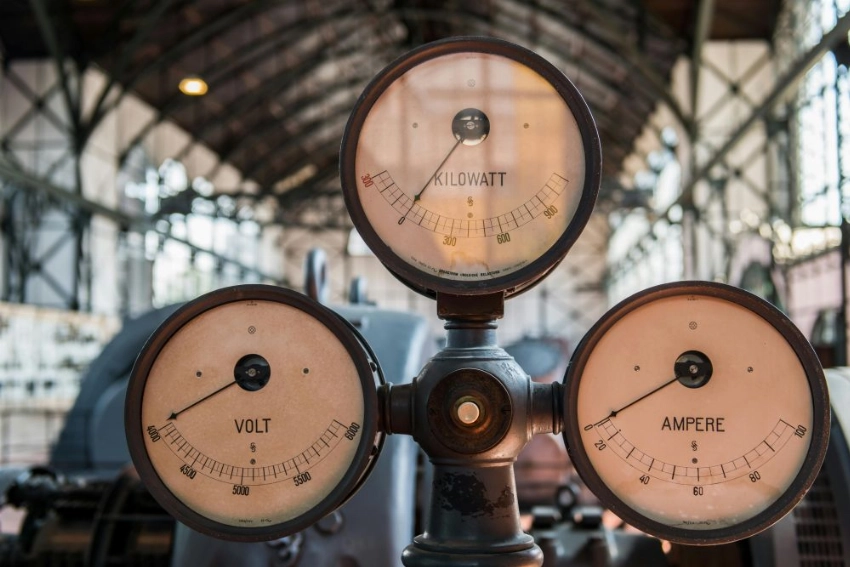
Master's in electrical engineering in Germany is a 2-year (4 semesters) program studied in 171+ leading universities, such as TUM, RWTH Aachen and KIT.
-
Public universities have little to no tuition fees, with semester fees between EUR150 and EUR400.
-
The master degree in electrical engineering in germany includes power systems, embedded systems, automation and renewable energy.
-
Specialised options, such as master's programs in electric vehicle engineering in Germany, are experiencing significant growth.
-
Master's in electrical engineering in germany for indian students leads to good career opportunities, post-study visa for 18 months, EUR 53000 - EUR 59000.
Also Read: Top 10 Electrical Companies in the World: Latest Guide
Why Should You Choose a Master's in Electrical Engineering in Germany?
Germany is the perfect place to study MS Electrical Engineering because of its tuition-free public universities, world-class research institutes, strong industry links with companies such as Siemens and Bosch, and excellent post-graduation job opportunities with an 18-month job seeker visa.
|
Factor |
Germany |
USA |
|
Tuition costs |
INR 5–15 lakhs total at public universities (€0–€1,500/semester) |
INR 30–50 lakhs |
|
Quality education |
5 universities in QS Top 100 for Engineering |
7 universities in QS Top 100 |
|
Research opportunities |
Funded by the German government & EU |
Industry and private grants |
|
Industry integration |
Links with Siemens, BMW, Bosch, Infineon |
Primarily tech-sector collaboration |
|
Work options |
20 hours/week during study, 18-month post-study visa |
20 hours/week, OPT post-study |
|
ROI (Return on Investment) |
Break-even in 2–3 years due to lower costs |
Typically 4–6 years |
What Makes German Electrical Engineering Education Globally Recognised?
German electrical engineering education is globally recognised due to its rigorous academic standards, research-intensive curriculum, and strong industry collaborations with global engineering leaders.
-
Rooted in Germany’s strong engineering heritage and trusted “Made in Germany” quality.
-
Supported by the University of Excellence Initiative, ensuring cutting-edge infrastructure and teaching standards.
-
German universities produce high-impact research and secure numerous engineering patents annually.
-
Strong academia-industry partnerships with Siemens, Bosch, and Fraunhofer Institutes.
-
Globally recognised by employers who value technical expertise and applied research skills.
How Does Germany Compare to Other Countries for Electrical Engineering Masters?
Germany offers superior value compared to the USA, UK, and Australia—combining tuition-free education at public universities with higher post-graduation employment rates and competitive salaries.
|
Factor |
Germany |
USA |
UK |
Australia |
|
Tuition (2 years) |
€0–€6,000 |
$60,000–$100,000 |
£20,000–£40,000 |
AU$50,000–$80,000 |
|
Living costs (2 years) |
€20,000–€25,000 |
$40,000–$60,000 |
£24,000–£36,000 |
AU$40,000–£50,000 |
|
Post-study work visa |
18 months |
OPT (3 years STEM) |
2 years |
2–4 years |
|
Employment rate |
85% |
70–75% |
65–70% |
70–75% |
Pro Tip: When comparing the total cost-to-starting salary ratio, Germany offers the best return on investment among major study destinations, with graduates typically earning back their entire investment within 18-24 months.
Which Are the Top Universities in Germany for a Master's in Electrical Engineering?
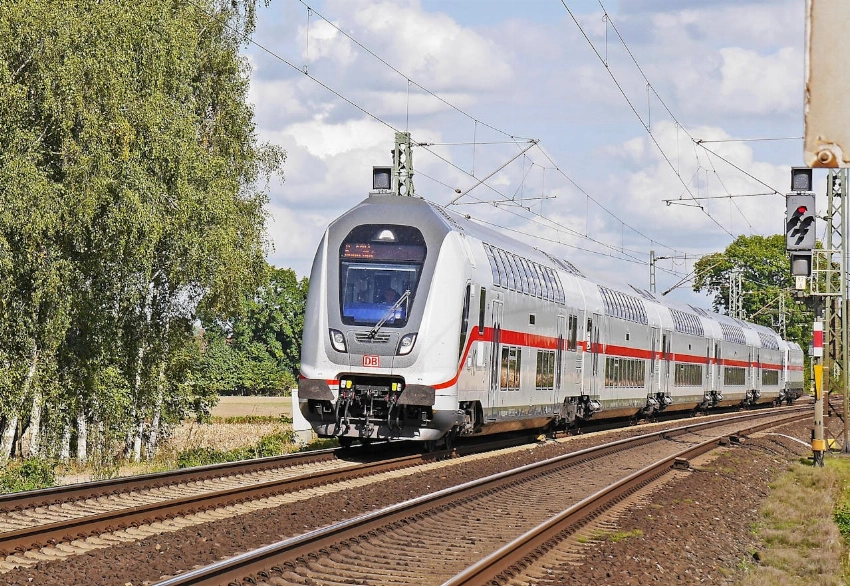
The top universities in Germany for master's in electrical engineering include Technical University of Munich (TUM), ranked #23 globally in QS Engineering 2025, RWTH Aachen University (#105), Karlsruhe Institute of Technology (KIT, #98), TU Berlin (#145), and TU Dresden (#218).
|
Rank |
University |
QS Engineering Rank 2025 |
Tuition (Non-EU) |
Language |
|
1 |
Technical University of Munich (TUM) |
#23 |
€4,000-€6,000/semester |
German/English |
|
2 |
Karlsruhe Institute of Technology (KIT) |
#98 |
€1,500/semester |
German/English |
|
3 |
RWTH Aachen University |
#105 |
€0 (semester fee only) |
German/English |
|
4 |
TU Berlin |
#145 |
€0 |
German/English |
|
5 |
TU Dresden |
#218 |
€0 |
German |
|
6 |
University of Stuttgart |
#310 |
€1,500/semester |
German/English |
|
7 |
TU Darmstadt |
#253 |
€0 |
German/English |
|
8 |
FAU Erlangen-Nürnberg |
151-200 |
€0 |
German/English |
|
9 |
University of Rostock |
- |
€0 |
English |
|
10 |
TH Köln |
- |
€0 |
German/English |
What Programs Does the Technical University of Munich (TUM) Offer in Electrical Engineering?
TUM offers an MSc in Electrical Engineering and Information Technology with 10+ specialisation tracks, including Communications Engineering, Power Engineering, Embedded Systems, and Automation.
-
Structure: 4 semesters, 120 ECTS credits with core modules from chosen specialisation.
-
Research Focus: Advanced labs, seminars, and master's theses integrated with industry projects.
-
Industry Partners: Collaborations with BMW and Siemens for practical training and internships.
-
Admission: Aptitude assessment, B2 English (IELTS 6.5+), relevant bachelor's degree.
-
Tuition: €4,000-€6,000/semester for non-EU students, plus semester fees.
Why Is RWTH Aachen Considered Best for Electrical Engineering Research?
RWTH Aachen excels in electrical engineering research due to top CHE rankings, specialised centres in semiconductors and energy systems, and tuition-free access for all students.
-
CHE Ranking: Top group nationally for electrical engineering programs and graduate employability.
-
Research Centres: Focus on semiconductors, automation, energy systems, and photonics via Fraunhofer partnerships.
-
Industry Connections: Collaborations with Ford, Ericsson, Microsoft, and automotive giants.
-
International Profile: 21% international students, strong global research output (QS top 50).
-
No Tuition Fees: Only semester contributions for non-EU students, maximising accessibility.
Perfect for a master's degree in electrical engineering in Germany with research ambitions.
Which Universities Offer English-Taught Masters in Electrical Engineering in Germany?
Over 200 English-taught programs exist, with fully English options at the University of Rostock, RWTH Aachen, TU Darmstadt, Paderborn University, and the University of Bremen. English programs make a master's in electrical engineering in germany for indian students accessible without German fluency.
-
Fully English Programs: University of Rostock (MSc Electrical Engineering), Paderborn (Electrical Systems Engineering).
-
Mixed-language Options: TUM, RWTH Aachen, TU Berlin, and TU Darmstadt offer English tracks in power systems and embedded tech.
-
Preparation Support: Integrated German courses (A1-B1) recommended for daily life and internships.
-
Application Tip: IELTS 6.5+/TOEFL 88+ required; deadlines July 15 (winter).
Important Tip: While 230+ English programs exist, learning basic German (A1-B1 level) significantly improves job prospects—78% of electrical engineering positions in Germany require at least conversational German.
Also Read: Master's in Engineering Management in Germany: A Guide
What Are the Popular Specialisations in a Master's in Electrical Engineering in Germany in 2026?
Popular specialisations within master's in electrical engineering in Germany include power systems engineering, embedded systems, automation and control engineering, telecommunications, renewable energy systems, and the emerging field of master's in electric vehicle engineering.
Specialisation Overview:
1. Power Systems Engineering
- Focus: Generation, transmission, distribution of electrical power
- Career: Power plant engineer, Grid specialist
- Top universities: TU Dresden, University of Stuttgart
2. Embedded Systems & Microelectronics
- Focus: Hardware-software integration, IoT, semiconductor design
- Career: Embedded systems engineer, VLSI designer
- Top universities: TU Berlin, TU Darmstadt
3. Automation & Control Engineering
- Focus: Industrial automation, robotics, PLC programming
- Career: Automation engineer, Control systems specialist
- Top universities: RWTH Aachen, KIT
4. Telecommunications & Signal Processing
- Focus: 5G, wireless systems, digital signal processing
- Career: Telecom engineer, RF engineer
- Top universities: TU Munich, FAU Erlangen-Nürnberg
5. Renewable Energy & Electromobility
- Focus: Solar, wind, EV systems, battery technology
- Career: EV engineer, Renewable energy consultant
- Top universities: University of Stuttgart, TU Braunschweig
Can I Pursue a Master's in Electric Vehicle Engineering in Germany?
Yes, Germany offers dedicated master's in electric vehicle engineering,i ng such a s MSc Electromobility at the University of Stuttgart, MSc Electric Vehicle Propulsion & Control (E-PiCo) at the University of Kiel (Erasmus Mundus), and specialised tracks at TUM and TU Braunschweig.
-
E-PiCo Program: 2-year Erasmus Mundus joint master's in EV propulsion and control systems.
-
University of Stuttgart Electromobility: 4 semesters, English/German, focuses on battery tech and powertrains.
-
TH Ingolstadt: International Automotive Engineering with EV specialisation.
-
Chemnitz University: Automotive Software Engineering for connected/autonomous vehicles.
-
Career prospects: EV design engineer, battery systems specialist, and autonomous driving developer with companies like BMW and Volkswagen.
Expert Tip: With Germany's €410 billion automotive industry pivoting to electric vehicles, EV engineering graduates are commanding 15-20% higher starting salaries than traditional electrical engineers—expect starting salaries of €55,000-€65,000.
What Are the Eligibility Requirements for Masters in Electrical Engineering in Germany for Indian Students?
Indian students need a 4-year bachelor's degree in Electrical Engineering or a related field, with a minimum 60-70% (2.5-2.7 GPA), English proficiency (IELTS 6.5+ or TOEFL 88+), and an APS certificate. Some universities require GRE scores and relevant work experience.
Academic Requirements:
-
Bachelor's Degree: 4-year B.Tech/BE in Electrical/Electronics Engineering
-
Minimum Percentage: 60-70% or 2.5-2.7 GPA on the German scale
-
3-year Degree Holders: May need Studienkolleg or additional qualifications
-
Related Fields Accepted: Electronics, Mechatronics, Computer Engineering
Language Requirements:
|
Requirement |
English Programs |
German Programs |
|
IELTS |
6.5+ overall |
- |
|
TOEFL iBT |
88-100 |
- |
|
PTE Academic |
62+ |
- |
|
TestDaF |
- |
TDN 4 in all sections |
|
DSH |
- |
DSH-2 |
Additional Requirements:
-
APS Certificate: Mandatory for Indian students (INR 18,000 fee) to verify academic documents
-
GRE: Optional but recommended for top universities (310+ score)
-
Work Experience: 2-3 years preferred for specialisations like Master's in electric vehicle engineering in Germany
-
Statement of Purpose (SOP): Explaining career goals and program fit
-
2-3 Letters of Recommendation (LOR): From professors or employers
These criteria make a master's in electrical engineering in germany for indian students accessible to Indian students with proper preparation.
Expert Tip: The APS certificate takes 3-5 weeks to process and is mandatory for all Indian applicants—start this process at least 4 months before your application deadline to avoid delays.
Can I Study a Master's in Electrical Engineering in Germany Without IELTS?
Yes, you can pursue master's degree in electrical engineering in germany without IELTS by providing alternative English proficiency proof such as TOEFL, PTE, Duolingo English Test, or a 4-year bachelor's degree taught entirely in English from a recognised institution.
-
Alternative Tests Accepted: TOEFL iBT (88+), PTE Academic (62+), Duolingo English Test (110+), or Cambridge C1 Advanced.
-
English-Medium Exemption: 4-year bachelor's degree entirely taught in English from accredited Indian universities (NIRF top 100 preferred).
-
University-Specific Assessments: Some, like RWTH Aachen, accept internal English tests or video interviews.
-
Medium of Instruction Certificate: Official letter from your university confirming English as the primary language.
Ideal for masters in electrical engineering in germany for indian students, avoiding IELTS timelines.[conversation_history]
Is the GRE Required for an MS in Electrical Engineering in Germany?
GRE is generally not required for an MS in Electrical Engineering at most German public universities. However, submitting a strong GRE score (310+) can strengthen applications for competitive programs at TUM, RWTH Aachen, and KIT.
-
Universities Requiring GRE: Very few (private universities or specific industry-focused tracks).
-
Universities where GRE Helps: TUM, RWTH Aachen, KIT—boost competitive applications.
-
Recommended Score: 310+ total (160+ Quantitative section essential for engineering).
-
Alternatives: Strong academics (70%+), research publications, or internships can compensate fully.
Also Read: Electrical Engineering Jobs in Germany: Opportunities
How Much Does a Master's in Electrical Engineering Cost in Germany?
A Master's in Electrical Engineering at German public universities costs €0-€1,500 per semester (INR 0-1.3 lakhs) in tuition, plus €150-€400 semester contributions. Total cost, including living expenses,s ranges from €20,000-€30,000 (INR 18-27 lakhs) for the complete 2-year program for a master's in electrical engineering
Tuition Fee Breakdown:
|
University Type |
Tuition/Semester |
Notes |
|
Public (most states) |
€0 |
Free for all students |
|
Public (Baden-Württemberg) |
€1,500 |
Non-EU students only |
|
Public (TUM) |
€6,000 |
All non-EU students |
|
Private universities |
€10,000-€20,000 |
Per year |
Living Costs (Monthly):
|
Expense |
Munich (€/INR ) |
Berlin (€/INR ) |
Dresden (€/INR ) |
|
Accommodation |
€600-900 (INR 54-81k) |
€400-700 (INR 36-63k) |
€300-500 (INR 27-45k) |
|
Food |
€250-350 (INR 22-31k) |
€200-300 (INR 18-27k) |
€180-280 (INR 16-25k) |
|
Transport |
€70-100 (INR 6-9k) |
€60-90 (INR 5-8k) |
€50-80 (INR 4-7k) |
|
Insurance |
€110 (INR 9.9k) |
€110 (INR 9.9k) |
€110 (INR 9.9k) |
|
Miscellaneous |
€150-200 (INR 13-18k) |
€100-150 (INR 9-13k) |
€100-150 (INR 9-13k) |
|
Total |
€1,180-1,660 |
€870-1,350 |
€740-1,120 |
Total 2-Year Cost (Public University):
|
City |
Tuition |
Living (24 months) |
Total (€) |
Total (INR ) |
|
Munich |
€12,000 |
€28,000-€40,000 |
€40,000-52,000 |
INR 36-47 lakhs |
|
Berlin |
€0 |
€21,000-€32,000 |
€21,000-32,000 |
INR 19-29 lakhs |
|
Dresden |
€0 |
€18,000-€27,000 |
€18,000-27,000 |
INR 16-24 lakhs |
What Is the Blocked Account Requirement for Indian Students in 2026?
Indian students must deposit €11,904 (approximately INR 10.7 lakhs) in a blocked account (Sperrkonto) to prove financial capability for the German student visa. This allows monthly withdrawals of €992 to cover living expenses for indian students.
|
Requirement |
Details |
|
Amount |
€11,904 (INR 10.7 lakhs) |
|
Approved Providers |
Fintiba, Expatrio, Deutsche Bank |
|
Setup Fee |
€89-€150 |
|
Monthly Withdrawal |
€992 |
|
Processing Time |
3-5 business days |
|
Alternatives |
DAAD scholarship letter or formal obligation letter |
What Scholarships Are Available for a Master's in Electrical Engineering in Germany for Indian Students?
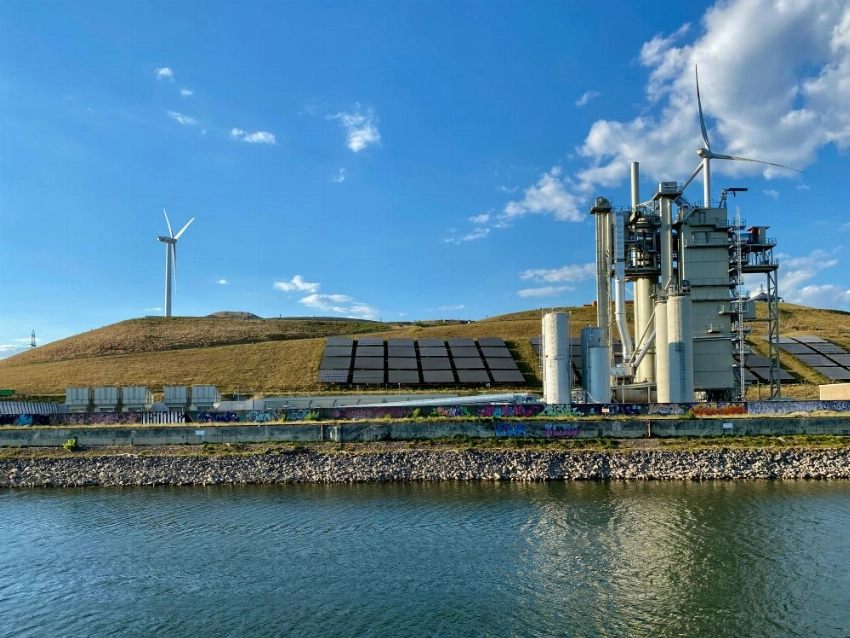
Major scholarships for master's in electrical engineering in germany for indian students include DAAD Scholarships (€992/month + benefits), Deutschlandstipendium (€300/month), EPOS Development-Related Postgraduate Courses (fully funded), and university-specific options from TUM, RWTH Aachen, and KIT.
Scholarship Overview Table:
|
Scholarship |
Amount |
Coverage |
Deadline |
Success Rate |
|
DAAD Master's Scholarship |
€992/month + travel + insurance |
Full |
Oct-Dec |
|
|
DAAD EPOS |
€992/month + tuition + travel |
Full |
Aug-Oct |
|
|
Deutschlandstipendium |
€300/month |
Partial |
University-specific (Mar-May) |
|
|
Heinrich Böll Foundation |
€992/month |
Full |
Mar/Sep |
|
|
Konrad-Adenauer-Stiftung |
€992/month |
Full |
Jan/Jul |
|
|
RWTH Aachen Scholarship |
Varies (up to 25% tuition) |
Partial |
With admission |
|
|
TUM Scholarship |
€500-€1,000/month |
Partial |
With admission |
10-15% |
These options support a master's degree in electrical engineering in germany and a master's in electric vehicle engineering germany.
Important Tip: DAAD Scholarship Details: Monthly stipend of €992 for Master's students, travel allowance, health insurance covered, one-time study allowance, and German language course if needed. 287 Indian students received DAAD funding in 2024/25.
How to Apply for a DAAD Scholarship for Electrical Engineering in Germany?
Apply for a DAAD scholarship through the DAAD portal 12-15 months before study start, submitting transcripts, CV, SOP, LORs, and language certificates for electrical engineering in germany.
-
Step 1: Research programs on the DAAD scholarship database and select matching electrical engineering Master's (12-15 months before intake).
-
Step 2: Register on the DAAD portal and complete the online form with personal/academic details.
-
Required Documents: Transcripts, CV, SOP (motivation letter), 2 LORs, language certificates (IELTS/TOEFL), and APS certificate for Indians.
-
Timeline: Oct-Dec for winter intake; track status via portal (decision in 3 months).
-
Selection Criteria: Academic excellence (top 10-20%), motivation, development relevance, and interviews for shortlisted candidates.
-
Tips: Tailor SOP to Germany's engineering strengths; prepare for video interviews on research interests.
Also Read: Master's in Mechanical Engineering in Germany for Indians
How to Apply for a Master's in Electrical Engineering in Germany from India?
To apply for a master's in electrical engineering in germany from India, start 12-18 months before intake by obtaining the APS certificate (INR 18,000, 3-5 weeks processing), preparing language tests, researching universities, and submitting via Uni-Assist or directly by July 15 (winter) or January 15 (summer) deadlines.
Application Timeline for Master's in Electrical Engineering in Germany:
|
Timeline |
Action |
|
18 months before |
Research universities, start German (if needed) |
|
15 months before |
Take IELTS/TOEFL, and prepare documents |
|
12 months before |
Apply for APS certificate (INR 18,000) |
|
10-12 months before |
Submit via Uni-Assist/direct |
|
6-8 months before |
Receive admission letters |
|
4-6 months before |
Accept offer, open blocked account (€11,904) |
|
3-4 months before |
Apply for a student visa |
|
1-2 months before |
Book accommodation, travel |
Required Documents for Master's in Electrical Engineering in Germany:
|
Document |
Details |
|
Academic transcripts |
Notarised copies |
|
Bachelor's degree certificate |
Attested |
|
APS certificate |
Mandatory for Indians |
|
Language test scores |
IELTS 6.5+/TOEFL 88+ |
|
Passport |
Valid 6+ months |
|
CV/Resume |
1-2 pages |
|
Statement of Purpose (SOP) |
800-1000 words |
|
2-3 Letters of Recommendation |
From professors/employers |
|
Motivation Letter |
Program-specific |
|
Portfolio |
If required for technical programs |
Important Note: The most common reason for visa rejection is incomplete financial documentation—ensure your blocked account is opened at least 6 weeks before your visa appointment and keep all bank statements ready.
What Is the APS Certificate and Why Do Indian Students Need It?
The APS (Akademische Prüfstelle) certificate verifies academic documents for Indian students applying to German universities and costs INR 18,000, with a processing time of 3-5 weeks, and is mandatory for all degree programs.
-
Purpose: Authenticates transcripts and degrees to prevent fraud.
-
Process: Online application at aps-india.de, submit documents by courier.
-
Fee: INR 18,000 (non-refundable).
-
Processing time: 3-5 weeks (up to 6 weeks peak season).
-
Validity: Lifetime for the same documents.
-
Required for: All German university applications from India.
Essential for master's degree in electrical engineering in germany.
How to Write a Strong SOP for Electrical Engineering Master's in Germany?
A strong SOP for MS Electrical Engineering in Germany should be 800-1,000 words, structured around academic background, projects, research interests, why Germany/university, and career goals, with a professional tone.
-
Structure: Introduction (hook + motivation), Academic background/projects, Research interests + skills, Why Germany/this university, Career goals/conclusion.
-
Length: 800-1,000 words (2 pages max).
-
Tone: Professional, specific, authentic—avoid generic statements.
-
Common Mistakes to Avoid: Copy-paste content, exaggeration, ignoring university specifics, and poor grammar.
-
Sample Outline: Hook with engineering quote; B.Tech projects (e.g., embedded systems); TUM's EV research appeal; EV engineer career at Siemens.
What Are the Career Opportunities After Masters in Electrical Engineering in Germany?
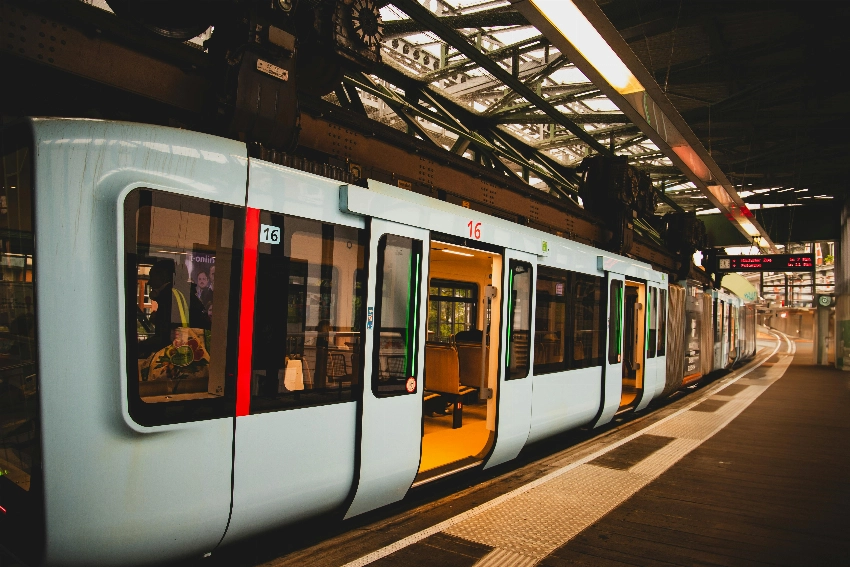
Graduates of a master's in electrical engineering in germany earn starting salaries of €53,000-€64,000 (INR 48-58 lakhs) with 85% employment within 12 months. Top employers include Siemens, Bosch, BMW, and Infineon, hiring for roles in power systems, automation, and renewable energy.
Salary Overview After Doing Masters in Electrical Engineering in Germany:
|
Experience Level |
Annual Salary (€) |
Annual Salary (INR ) |
|
Entry-level (0-2 yrs) |
€46,000-€55,000 |
INR 41-50 lakhs |
|
Mid-level (3-5 yrs) |
€55,000-€70,000 |
INR 50-63 lakhs |
|
Senior (6-10 yrs) |
€70,000-€90,000 |
INR 63-81 lakhs |
|
Lead/Management (10+) |
€90,000-€120,000 |
INR 81-108 lakhs |
Top Employers for Masters in Electrical Engineering in Germany:
|
Company |
Sector |
Average Salary |
|
Siemens |
Industrial Automation |
€65,000-€85,000 |
|
Bosch |
Automotive/Electronics |
€60,000-€80,000 |
|
BMW |
Automotive |
€55,000-€75,000 |
|
Infineon |
Semiconductors |
€58,000-€78,000 |
|
ABB |
Power & Automation |
€58,000-€75,000 |
Key Note: Learning German to B1-B2 level can increase your starting salary by 15-20%—while many multinationals operate in English, German proficiency opens doors to a wider range of employers and higher-paying positions.
What Is the 18-Month Job Seeker Visa after a Master's in Germany?
The 18-month job seeker visa lets graduates stay post-master's to find qualified employment, with full-time work rights during the search.
-
Eligibility: German university degree holders (Master's minimum).
-
Duration: 18 months from graduation.
-
Work rights: Unlimited full-time employment permitted.
-
Application: At the local Foreigners' Office with a degree and health insurance proof.
-
Transition: Converts to EU Blue Card/work permit upon job offer (€45,240+ salary).
How Can Indian Students Get Permanent Residency After an MS in Germany?
Indian graduates secure permanent residency after 2 years on an EU Blue Card or 5 years on a regular permit, and must make pension contributions and obtain an A1-B1 German visa.
-
EU Blue Card Pathway: 2 years with B1 German (fastest route).
-
Regular Permit: 5 years of continuous employment.
-
Language: A1 (Blue Card) or B1 (regular path).
-
Requirements: Pension contributions, stable income, and housing.
-
Citizenship: After 8 years (reduced to 6-7 with C1 German/integration).
Also Read: Engineering Jobs in Germany: Latest Pay, Scope & More
What Are the Application Deadlines for MS Electrical Engineering in Germany in 2026?
The winter semester (Oct start) deadline is July 15; the summer (April start) deadline is January 15. TUM/RWTH have earlier cutoffs.
Deadline Overview:
|
Intake |
Application Deadline |
Semester Start |
Recommendation |
|
Winter |
July 15 |
October |
Most programs |
|
Summer |
January 15 |
April |
Limited programs |
University-Specific Deadlines:
|
University |
Winter Deadline |
Summer Deadline |
|---|---|---|
|
TUM |
May 31 |
November 30 |
|
RWTH Aachen |
March 1 |
September 1 |
|
KIT |
July 15 |
January 15 |
|
TU Berlin |
July 15 |
January 15 |
|
TU Dresden |
July 15 |
January 15 |
Pro Tip: Apply to universities with earlier deadlines first (like TUM and RWTH) as they process applications on a rolling basis—securing one admission early reduces stress and provides a backup option.
How Can TerraTern Help With a Master's in Electrical Engineering in Germany?
2026 Industry Context:
-
Student Enrollment: 73,184 students in electrical engineering programs.[conversation_history]
-
International Students: 43.1% of engineering students are international.
-
QS Rankings: TUM #19, TU Berlin #45, KIT #53 (Engineering 2026).
-
DAAD Scholarships: 287 awarded to Indian students (2024/25).
-
Job Placement: 85% employed within 12 months.
-
Average Salary: €53,000-€64,000 starting (2026 PayScale).
-
Growth Projection: 400,000+ engineers needed by 2030.
Also Read: Best Ausbildung Engineering Courses in Germany for Indians
Germany's Booming Electrical Engineering Landscape: 2026 Trends and Opportunities
Statistics to Include:
|
Category |
Data Point |
Source Context |
|
Student Enrollment |
73,184 students in electrical engineering programs in Germany |
2026 data |
|
International Students |
43.1% of engineering students in Germany are international |
Current trend |
|
QS Rankings |
TUM #19, TU Berlin #45, KIT #53 in Engineering & Technology |
QS 2026 |
|
DAAD Scholarships |
287 scholarships awarded to Indian students in 2024/25 |
DAAD South Asia |
|
Job Placement |
85% find employment within 12 months |
Graduate surveys |
|
Average Salary |
€53,000-€64,000 starting salary |
2026 PayScale data |
|
Growth Projection |
400,000+ additional engineers needed by 2030 |
Industry forecast |
Expert Insights:
-
Quote format: Germany's electrical engineering sector contributes significantly to the €410 billion automotive industry
-
Industry trend: Electric mobility, Industry 4.0, and renewable energy are driving demand
Conclusion
Masters in electrical engineering in Germany offers Indian students exceptional value with tuition-free education at 171+ universities like RWTH Aachen and TU Dresden. Access cutting-edge research, Siemens/BMW industry connections, and €53,000-€64,000 starting salaries. The 18-month job seeker visa ensures 85% employment within 12 months, delivering unmatched ROI versus USA/UK costs.
Contact TerraTern for more information on the Master's in Electrical Engineering in Germany.




 AI Summary