

Key Highlights
- What Are the Best Ausbildung Engineering Courses in Germany for 2026?
- What Exactly Is Ausbildung and How Does It Work for Engineering Students?
- What's the Difference Between Ausbildung and Bachelor's Engineering Programs?
- What Types of Ausbildung Engineering Courses Are Available in Germany?
- What Are the Ausbildung Engineering Courses in Germany Requirements for Indian Students in 2026?
- What Are the Ausbildung Engineering Courses in Germany, Fees, and Living Costs?
- How Do You Apply for Ausbildung Engineering Courses in Germany in 2026?
- What Is the Visa Process for Ausbildung Courses in Germany in 2026?
- What Are the Career Prospects After Completing Ausbildung in Germany in 2026?
- Which Are the Best Cities in Germany for Ausbildung Engineering Students in 2026?
- How Does Ausbildung Compare to Traditional Engineering Degrees in 2026?
- What Are Common Challenges Indian Students Face and How to Overcome Them?
- How Can TerraTern Help You With Ausbildung Engineering Courses in Germany?
- Ausbildung Germany 2026: Your Ultimate Guide to Salaries, Jobs, and PR
- Conclusion
Ausbildung engineering course in Germany provides the Indian students a dual way of education, such as paid training plus theoretical education in the field, such as mechatronics, automotive, electrical technology, and industrial mechanics. Top addresses among programs (for 2026) are mechatronics technician and automotive mechatronics, for example, Siemens, Bosch and BMW. Ausbildung engineering courses in Germany require a 10+2 qualification, German language (B1-B2), and good Math/Science grades.
What Are the Best Ausbildung Engineering Courses in Germany for 2026?
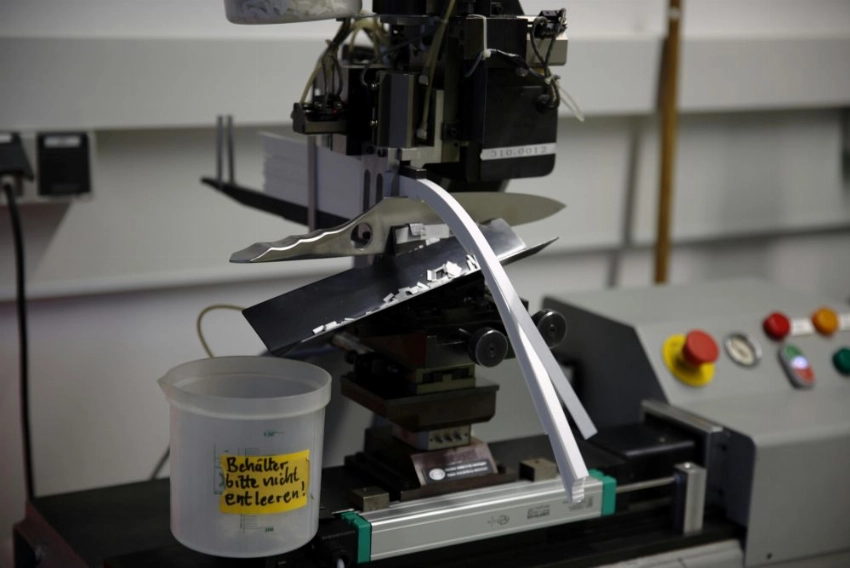
Ausbildung engineering courses in Germany provide 2 - 3.5 year dual training in the fields of mechanical, automatics, mechatronics, electrical and industrial mechanics with paid on-the-job learning.
-
Ausbildung engineering courses in Germany requirements typically include the following: 12th grade (minimum 60%), good maths/science background and German language level B1/B2.
-
Ausbildung courses in Germany for Indian students are offered with monthly stipends of about EUR800 to EUR1,300 and a high employment rate after completion.
-
Ausbildung engineering course fees in Germany are typically free at public vocational institutes; students earn state-recognised qualifications recognised throughout the European Union.
Also Read: Ausbildung Courses in Germany for Indian Students
What Exactly Is Ausbildung and How Does It Work for Engineering Students?
Ausbildung is the vocational training philosophy of Germany, where Ausbildung engineering courses in Germany include 1-2 days/wk of theory at a vocational school (Berufsschule) and 3-4 days of practical training in a company over 2-3.5 years.
-
In engineering courses in Germany, students are taught theoretical concepts in mathematics, physics, materials, and engineering principles, as well as practical skills in workshops, labs, and real production settings.
-
Unlike traditional university engineering degrees that are primarily academically oriented, engineering courses in Germany focus on practical, job-ready skills directly aligned with industry and its needs.
-
Ausbildung engineering student sign an apprenticeship contract, are treated as employees, and receive a monthly stipend during the training to work on a real company project.
-
At the end of engineering courses in Germany, trainees take their examination for chamber or state exams (e.g., IHK) and will be awarded state-recognised qualifications, which are broadly respected by German employers.
-
This learning by doing format in Ausbildung engineering classes in Germany is highly valued by German industry, as they know the graduates are immediately productive in technical and engineering roles.
As per TerraTern Expert, Shreya, unlike theoretical university programs, Ausbildung makes you job-ready from day one—85% of training happens in real production environments where you work alongside experienced engineers, making mistakes, learning protocols, and building industry connections that often lead to permanent employment.
How Does the Dual Education System Benefit Engineering Students?
The dual education system in engineering courses in Germany provides engineering students with strong financial, practical, and career advantages, including paid training and direct integration with industry.
-
Financial Stability: Students in Ausbildung engineering courses in Germany get about EUR800-1,300 per month whilst training, have zero tuition fees whilst at vocational schools in Germany, and normally get away with no student debt in Germany.
-
Practical Skills: Constant working in real factories, workshops, and labs and building future job-related technical skills and real integration problem-solving skills that are targeted directly by employers.
-
Industry Connections: Tying up daily with engineers, supervisors and HR helps trainees make professional connections and often results in an offer of permanent positions after qualification as well.
-
Job Security: Many engineering trainees are retained by their training company, which goes some way towards explaining the reported 85-90% job rates shortly after graduating from Ausbildung in Germany.
-
Recognised Credentials: Graduates are certified by chambers such as IHK, which are recognised throughout Germany and the EU.
-
Career Growth: After completing an Ausbildung engineering course in Germany, engineers can become a Meister, a Technician, or, later on, access University options, leading to Supervisory and Specialist positions.
Exper Tip: The dual system's real power lies in eliminating the theory-practice gap—while university graduates spend years learning formulas, you're already programming industrial robots, troubleshooting automotive electronics, and calibrating precision machinery in actual factories.
What's the Difference Between Ausbildung and Bachelor's Engineering Programs?
Ausbildung engineering courses in Germany vary greatly from Bachelor's courses in that they have a shorter duration, cover different content, and emphasise practical skills rather than theory.
Detailed Comparison
|
Parameter |
Ausbildung Engineering Courses in Germany |
Bachelor's Engineering Programs |
|
Duration |
2–3.5 years |
3–4 years (plus possible Master's) |
|
Financial Model |
Paid training (€800–1,300/month stipend) |
Tuition fees + no income |
|
Learning Focus |
Practical skills in companies via a hands-on approach |
Lectures + theoretical knowledge |
|
Qualification |
State-recognised vocational certificate (IHK/Gesellenbrief) |
Academic Bachelor's degree |
|
Employability |
Immediate job placement (85–90% rate) |
Often requires internships/experience |
|
Career Entry |
Technician/specialist position |
Junior engineer/graduate positions |
|
Industry Integration |
Embedded in companies (3–4 days/week) |
Campus-based with optional placements |
|
Admission Requirements |
12th grade, German B1/B2, training contract |
Entrance tests, high grades, Abitur equivalent |
|
Further Education |
Meister or University - Possible Pathways |
Direct to Master's/PhD |
|
Debt Risk |
No (earn while learning) |
High because of fees and living costs |
Important Note: Choose Ausbildung if you want hands-on mastery, immediate earnings, and a faster career start; choose Bachelor's if you're aiming for research, development roles, or management positions requiring theoretical depth—many successful engineers combine both, completing Ausbildung first, then pursuing part-time Bachelor's degrees.
What Types of Ausbildung Engineering Courses Are Available in Germany?
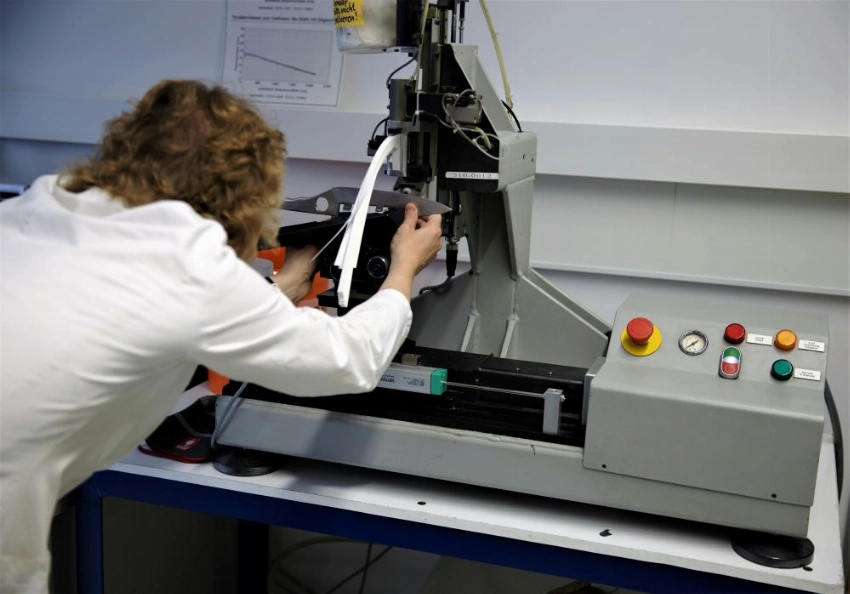
Seven types of Ausbildung courses available in germany are
-
Mechanical Engineering (Industriemechaniker) in Ausbildung Engineering Course: Germany Mechanical Engineering Course Stops - machining, assembly, maintenance Sectors - manufacturing pencha - stipend - 900 - 1200 / month
-
Automotive Engineering (Kfz-Mechatroniker): Vehicle Diagnostics/repair, Automotive Industry, EUR 1,000 - EUR 1,300 / month Stipend for ausbildung courses in Germany for Indian students, Employers: BMW, Mercedes-Benz, Volkswagen.
-
Mechatronics (Mechatroniker): Mechanik e-Entwicklung, IT-Integration; Automation/rob. Hohe Schule/Light Acc. savings; 3.5 years training, EUR1.000-1.400 Stipend (Ausbildung Ingenieur besitzt in Racing) hr Schüng Landscape 12 classes A1 grades B1 student German Planckets; Bosch, BMW
-
Electrical Engineering (Elektroniker): Wiring, systems installation; electronics/metal industry EUR1,100-1,300/month Firms: ThyssenKrupp, BASF.
-
Industrial Mechanics (Anlagenmechaniker): Industrial maintenance/construction, Energy/manufacturing, EUR900-1.200 Stipend, employers: Siemens
-
Process Engineering (Verfahrensmechaniker): Chemical/process systems, Pharma/chemical.s Similar stipends, zero fees
-
Tool & Die Making (Werkzeugmechaniker): Precision Tool; Machinery; The demand for Indian students is very high.
Pro Tip: Mechatronics and industrial mechanics show the highest demand in 2025 with 240,000+ open positions, while automotive engineering offers the highest starting salaries (€2,800/month) but requires strong German language skills due to technical documentation requirements.
What Is Mechanical Engineering Ausbildung (Industriemechaniker)?
Mechanical Engineering Ausbildung (Industriemechaniker) is one of the core engineering courses in Germany, lasting about 3.5 years and focusing on machine assembly, maintenance, fabrication, and production technology.
-
Training covers technical drawing, CNC machining, welding, hydraulics, pneumatics, and quality control, with intensive workshop practice on lathes, milling, and drilling machines.
-
The theory includes materials science, introductory thermodynamics, and mechanical principles, making it one of the most practical courses in Germany for Indian students aiming for factory and plant roles.
-
Graduates typically work in manufacturing plants, machine shops, and industrial machinery companies such as Siemens, Bosch, ThyssenKrupp, and MAN in Germany.
-
Stipends during these engineering courses in Germany usually range roughly €900–1,200 per month, with starting salaries around €2,200–2,800 monthly, and public-school Ausbildung engineering courses are generally zero.
-
Key engineering courses in Germany requirements for Indians include a 12th pass with good maths/physics, German language skills (around B1/B2), and an approved training contract with a German company.
Important Tip: Industrial mechanics are the backbone of Germany's manufacturing excellence—you'll learn precision work on €500,000+ CNC machines, read technical blueprints in German and English, and understand tolerances measured in micrometres, skills that make you employable in any industrialised nation.
What Is Automotive Engineering Ausbildung (Kfz-Mechatroniker)?
Automotive Engineering Ausbildung (Kfz-Mechatroniker) is one of the most popular engineering courses in Germany, which lasts about 3-3.5 years and deals with vehicle technology, electronics and diagnostics in real workshops.
-
Trainees work on developing basic skills, including engine repair, brake and suspension servicing, transmission work, and electrical troubleshooting with an OBD scanner, oscilloscope, and manufacturer-specific diagnostic software.
-
The program includes theory in automotive engineering, electronics, hydraulics, and safety, and the practical training is conducted on actual customer vehicles at dealership and manufacturer service centres.
-
Modern Ausbildung engineering courses for Kfz-Mechatroniker now include content on hybrid Concern and electric vehicles, high voltage systems, and basic autonomous driving technologies.
-
Typical training companies are BMW, Mercedes-Benz, Volkswagen, Audi, Porsche, Bosch networks, etc. Stipends often go up from about EUR900 up to around EUR1200 per month during training time, and starting salaries are often in the EUR2200 - EUR2800 range.
As per TerraTern Expert, Shreya, with German automakers investing €250 billion in electric mobility through 2030, automotive Ausbildung now emphasises high-voltage systems, battery technology, and software diagnostics—traditional mechanics knowledge combined with electronics expertise makes you invaluable as the industry electrifies.
What Is Mechatronics Ausbildung (Mechatroniker)?
Mechatronics Ausbildung is one of the best engineering courses in Germany, which combines the fields of mechanics, electronics and programming in 3.5 years and trains experts in the field of automation, robotics and intelligent machines.
-
Core skills feature PLC programming, sensor integration, robotics assembly, and electromechanical troubleshooting and electromechanical system integration in factory automation and Industry 4.0 environments.
-
The theory focuses on electrical engineering, mechanical design, and coding, and incorporates hands-on work on production lines at companies such as Siemens, Bosch, ABB, and Festo.
-
Graduates from these Ausbildung engineering courses join high-demand automation technician positions with stipends of EUR950-1,300/month during their training and post-grad automation technician salaries of between EUR2,400-4,300/month.
Key Note: Mechatronics is Germany's highest-paid Ausbildung specialisation because you're mastering three disciplines simultaneously—companies desperately need professionals who can program PLCs, troubleshoot servo motors, AND read mechanical schematics, a rare combination commanding premium salaries.
What Is Electrical Engineering Ausbildung (Elektroniker)?
Electrical Engineering Ausbildung (Elektroniker) in engineering courses in Germany is focused on industrial wiring, automation and power systems for more than 3.5 years for electrical engineering positions in the manufacturing and energy sectors.
-
Some of their key skills include circuit design, PLC programming, high-voltage safety (VDE standards) and troubleshooting control panels or motor systems.
-
Specialisations include industrial electronics or energy tech, with practical training from firms such as Siemens, ABB, and Schneider Electric.
-
Trainees receive EUR900-1,200/month in stipends, which culminate in a trainee's graduate salary of EUR2,300-3,200/month once they acquire state-recognised certification.
Expert Advice: Electrical Ausbildung graduates are in critical demand for Germany's energy transition—with massive solar and wind installations planned through 2030, electricians specialising in renewable energy systems can command €3,500+ monthly after just 2-3 years' experience.
Also Read: Ausbildung Courses in Germany
What Are the Ausbildung Engineering Courses in Germany Requirements for Indian Students in 2026?
To apply for Ausbildung engineering courses in Germany, the requirements generally need to have a certificate in 12th standard or some in the region of 60% or higher with maths, physics, and other similar technical subjects.
-
German language proficiency to a minimum B1 level (B2 is strongly preferred) is usually required, to be demonstrated through recognised exams, due to the fact that training, exams, and communication at the workplace are in German.
-
Typical age qualifications for ausbildung for engineering courses in Germany range at about 18-30 years with some variation on per employer or per region.
-
A signed Ausbildungsvertrag (training contract) with a German company is a requirement before one can apply for the National Type D visa, with other usual requirements of having a valid passport and a clean medical and police record.
-
Many Indian applicants for Ausbildung engineering courses in Germany will have to provide an APS certificate, a possible blocked account/financial proof (depending on the rules of the consulate) and a good motivation letter demonstrating technical aptitude and real interest.
As per TerraTern Expert, Shreya, the German language requirement is non-negotiable—companies need you communicating safety protocols, reading technical manuals, and collaborating with colleagues from day one, so invest 6-8 months in intensive B1/B2 preparation before applying; many consultancies offer integrated language + placement packages.
What Academic Qualifications Do Indian Students Need?
Academic qualifications required for indian students are:
|
Aspect |
Requirements for the Ausbildung engineering courses in Germany |
|
Minimum qualification |
12th grade (10+2) pass from CBSE/ISC/state board. |
|
Minimum aggregate marks |
Typically, around 60% overall; a few employers may consider 50%+. |
|
Preferred stream |
Science first, then Commerce; Arts is less preferred for technical roles. |
|
Relevant subjects |
Mathematics and Physics are strongly preferred for engineering tracks. |
|
Diploma holders |
3-year technical diplomas can be accepted for some Ausbildung engineering courses in Germany. |
|
Recognition / APS |
APS certificate is often required to validate Indian qualifications for a visa. |
|
Transcripts and translations |
10th and 12th mark sheets plus certified German/English translations where needed. |
Pro Tip: While 60% is the standard benchmark, your German language proficiency often matters more—a candidate with 58% marks but strong B2 German may secure placement over a 75% scorer with weak B1, as companies prioritise communication skills for workplace safety and team integration.
What German Language Level Is Required for Ausbildung?
Proficiency in German is necessary for the Ausbildung:
|
Aspect |
Requirements for the Ausbildung Engineering Courses in Germany |
|
Minimum CEFR level |
B1 German is usually required for a visa and a contract. |
|
Recommended level |
B2 preferred, especially for engineering and technical vocabulary. |
|
Accepted language tests |
Goethe-Institut, telc Deutsch, TestDaF and similar recognised exams. |
|
Reason German is essential |
Vocational school lessons, exams, safety briefings, and manuals are in German. |
|
Typical learning timeline |
Around 6–8 months of intensive study to progress from A1 to B. |
|
Technical German focus |
Extra focus on engineering and workshop terminology is recommended for Ausbildung engineering courses. |
|
Support during training |
Many vocational schools provide additional German support alongside technical classes. |
Key Note: Don't underestimate the language requirement—vocational school exams, safety briefings, and technical documentation are in German with zero translation support, so arriving with solid B2 proficiency means you'll focus on learning engineering, not struggling with basic communication, giving you a massive advantage over B1-level peers.
What Is the Age Limit for Ausbildung Programs?
The age limit for the Ausbildung programs is
-
Typical age for Ausbildung engineering courses is 18-30 years, with a minimum of 18 (legal working age) and flexibility up to 35 in high-demand fields.
-
No strict legal upper limit; companies prefer younger for long-term investment, but career changers with aptitude succeed.
-
Gap years are acceptable if justified; focus remains on skills over age.
Important Tip: Companies increasingly value mature candidates (25-32 years) for Ausbildung because you bring work ethic, life experience, and clarity of purpose that fresh 18-year-olds often lack—your age is an advantage, not a liability, especially in technical fields requiring precision and responsibility.
Do I Need Work Experience Before Applying?
No work experience required for Ausbildung engineering courses designed for fresh 12th pass students as entry-level training.
-
Relevant internships, projects, or hobbies (e.g., electronics repair) strengthen applications via motivation letters.
-
Build a profile with online courses or certifications to demonstrate interest, even if you have no prior work experience.
Expert Advice: While work experience helps, your motivation and learning attitude matter more—companies prefer an 18-year-old passionate about mechanics who repairs motorcycles as a hobby over a disinterested 25-year-old with unrelated work experience, so showcase your genuine interest through projects, technical hobbies, or relevant coursework in your application.
What Are the Ausbildung Engineering Courses in Germany, Fees, and Living Costs?
The fees and living costs for Ausbildung engineering courses in Germany are:
Important Note: Unlike university students juggling part-time jobs and loans, Ausbildung trainees typically break even from month one—your €1,000/month stipend covers basic living costs in smaller cities, and by the third year's €1,300 stipend, you're often saving €200-400 monthly while classmates accumulate debt.
How Much Stipend Do Ausbildung Students Receive?
The stipend that Ausbildung students receive is:
As per TerraTern Expert, Divyasah: Your third-year stipend (€1,200-1,300) often exceeds what part-time-working university students earn, and unlike them, every euro you receive directly correlates to learning marketable skills—essentially, you're being paid to build a career, not just fund your education.
What Are Monthly Living Expenses for Indian Students?
Monthly living expenses for Indian students are:
|
Expense/City Level |
Typical Range per Month |
|
Shared flat (WG) / student dorm |
Around €250–450/month in affordable cities; €400–700 in expensive cities. |
|
Small studio apartment |
Often €500–700/month nationally, higher in Munich and Frankfurt. |
|
Food & groceries |
Roughly €200–300/month with home cooking and canteen use. |
|
Health insurance (mandatory) |
About €110–120/month for trainees and students. |
|
Local transport |
Typically €50–100/month for student or trainee passes, cheaper in smaller cities like Leipzig. |
|
Phone and internet |
Around €10–30/month, depending on plan and shared Wi-Fi. |
|
Personal & miscellaneous |
Usually €100–200/month for clothing, toiletries, leisure, and small purchases. |
|
Total in expensive cities (Munich, Frankfurt) |
Often €1,100–1,400/month for students and trainees. |
|
Total in mid-range cities (Berlin, Cologne) |
Roughly €900–1,200/month on average. |
|
Total in affordable cities (Leipzig, Dresden) |
Commonly around €700–1,000/month, helping Indian students remain self-sustaining with stipends. |
Pro Tip: Target cities like Leipzig, Chemnitz, or Magdeburg, where €300 gets you a decent shared apartment—your €1,000 first-year stipend will comfortably cover all expenses with €100-200 left for savings, while Munich would leave you barely breaking even; location choice directly impacts your financial comfort and stress levels during training.
How Do You Apply for Ausbildung Engineering Courses in Germany in 2026?
Start planning 12–18 months before your target intake for Ausbildung engineering courses in Germany, so you have time for research, language learning, and interviews.
-
Reach at least B1 (ideally B2) German, then prepare a German-style CV with photo, tailored motivation letter, and translated 10th/12th certificates plus any internship or project proof.
-
Research suitable Ausbildung engineering courses in Germany and target companies, then apply via company career pages, federal job portals, and specialist Ausbildung portals.
-
Attend online or in-person interviews, respond professionally, and secure an Ausbildungsvertrag (training contract) for engineering courses in Germany before starting your visa process.
-
After receiving the contract, book your visa appointment, submit the required documents, and, once approved, arrange travel, accommodation, and onboarding for your chosen program.
Key Note: Apply broadly—submit 15-20 applications across different companies and regions rather than fixating on BMW or Siemens; smaller Mittelstand companies (hidden champions) often have less competition, faster responses, better mentoring, and equal career prospects, plus they value international diversity more than large corporations drowning in applications.
Where Can Indian Students Find Ausbildung Opportunities?
Use official German portals to search for Ausbildung engineering courses in Germany, such as Arbeitsagentur.de, Ausbildung.de, Azubi.de, AUBI-plus.de, and the IHK-Lehrstellenbörse for verified openings.
-
Check career pages of major engineering employers (Siemens, Bosch, BMW, Mercedes-Benz, Volkswagen, ABB, etc.) plus Mittelstand/SME company websites for direct Ausbildung listings.
-
Leverage LinkedIn, Facebook groups (Indians in Germany/Ausbildung groups), alumni contacts, and virtual career fairs to discover hidden ausbildung engineering courses in Germany opportunities.
-
On portals, search in German (e.g., “Mechatroniker Ausbildung”, “Industriemechaniker Ausbildung”) and filter by location, sector, and start date, applying to at least 15–20 positions for better chances.
-
To protect yourself, verify company details via IHK or official registers, avoid offers that guarantee placement for extra “job fees,” and never share money or documents with unverified agents for Ausbildung engineering courses in Germany or jobs.
Expert Advice: While flashy portals get attention, the Federal Employment Agency's Arbeitsagentur.de hosts 70% of legitimate Ausbildung positions, including smaller companies that never post elsewhere—spend time mastering its German interface or work with consultancies like TerraTern who can navigate these official channels efficiently on your behalf.
What Documents Are Required for an Ausbildung Application?
German-format CV (Lebenslauf) for ausbildung engineering courses in Germany, 1-2 pages, reverse chronological, professional photo (top right), include contact details, education (10th/12th), skills, and any technical projects or internships.
-
Motivation Letter (Anschreiben): 1-page German business format, addressed to a specific contact, explaining why this company/program is a good fit for you in Ausbildung engineering courses in Germany, and your technical interests.
-
Educational Certificates: 10th and 12th mark sheets/leaving certificates with certified German/English translations; APS certificate often needed for Indian students verifying equivalency.
-
German Language Proof: B1/B2 certificate from Goethe-Institut, telc, or TestDaF (valid, not expired) as a core Ausbildung engineering course requirement in Germany.
-
Passport Copies: Clear scan of the information page (valid for 2+ years); include recent passport photos for applications.
-
Formatting Tips: Use PDF for digital submissions, apostille/attest originals, avoid generic letters or informal emails, and organise postal apps in labelled folders.
Important Note: Invest in a professional German-language cover letter writer or service—even a perfect B2 German won't capture the formal business tone, industry-specific phrasing, and cultural nuances that native German HR professionals expect, and a €50-100 investment in professional document preparation often makes the difference between rejection and interview invitation.
What Happens During the Ausbildung Interview Process?
Ausbildung engineering courses in Germany usually start with a 15–30-minute phone/video screening to assess German level, basic motivation, and confirm details before scheduling the main round.
-
The main interview (45–90 minutes) is either in-person or online with HR and technical staff. It covers your interest in the company/Ausbildung, your strengths, challenges you’ve overcome, and your plans for your future in Germany.
-
Many engineering employers add practical or aptitude tests (basic maths/physics, logical reasoning, mechanical tasks, tool identification, simple diagrams) to assess problem-solving and hands-on potential.
-
Decisions typically come within 1–4 weeks; prepare by researching the company, practising German answers, dressing professionally, and being strictly punctual, as formality and clear, structured communication are highly valued in Germany.
Pro Tip: German interviewers value preparation over perfection—arriving with researched questions about their training program, specific machinery they use, or company sustainability initiatives signals genuine interest more than rehearsed answers; saying "I'm not sure, but I'd like to learn" shows teachability that companies prize over false confidence.
Also Read: Which Ausbildung is in Demand in Germany for Indians
What Is the Visa Process for Ausbildung Courses in Germany in 2026?
Apply for a national Type D visa for engineering Ausbildung courses in Germany after securing your Ausbildungsvertrag (training contract) from a German company, typically at the German Embassy in New Delhi or at consulates in Mumbai, Chennai, Bangalore, or Kolkata.
-
Submit required documents, a valid passport (2+ years), visa form, biometric photos, training contract, accommodation proof, health insurance, B1/B2 German certificate, educational certificates (translated), and visa fee (~€75).
-
Provide financial proof if stipend < €861/month (e.g., bank statements or sponsor declaration); blocked account usually not needed for Ausbildung as stipends cover living costs.
-
Attend visa interview (6-12 weeks processing): Expect questions on training plans, motivation, company knowledge, and return intentions; fingerprints and photo taken at the visa centre.
-
Upon approval, travel within the visa validity period, then register locally and convert to a residence permit within 90 days; standard rejections stem from insufficient German documentation, incomplete documents, or financial concerns.
As per TerraTern Expert, Divyash: Apply for your visa appointment immediately upon receiving your training contract—German embassy slots in Delhi and Mumbai book 4-6 weeks in advance, and missing your program start date because of appointment delays is the most frustrating (and preventable) way to defer your Ausbildung by an entire year.
What Are the Career Prospects After Completing Ausbildung in Germany in 2026?

Career prospects after Ausbildung are
|
Aspect |
Details for the Ausbildung Engineering Courses in Germany |
|
Placement Rate |
85-90% immediate employment; 70% permanent with training company; 97% employed in the field within 6 months |
|
Starting Salaries |
Mechatronics €2,400-4,300/mo; Automotive/Mechanical €2,200-2,800/mo; Electrical €2,300-3,200/mo |
|
Career Progression |
Junior €2,200-2,800 → Senior €3,500-4,800 → Meister €4,500-6,500/mo after 10+ yrs |
|
Further Education |
Meister (1-2 yrs part-time), Techniker, or Bachelor's lateral entry; credits reduce uni time |
|
Sectors |
Automotive, automation, energy, aerospace; EU-recognised quals for mobility |
|
Residency Path |
PR after 2 yrs skilled work + B1 German; citizenship after 6-8 yrs |
Important Tip: Ausbildung graduates often out-earn Bachelor's engineering grads in first 5 years—while university graduates enter at €45,000/year requiring 2-3 years to reach full productivity, you're already earning €2,400+/month from day one as a qualified professional, and by the time your peers finish Bachelor's, you're a senior technician at €3,500+ with real-world expertise employers desperately need.
Also Read: Which Ausbildung is in Demand in Germany for Indians
Which Are the Best Cities in Germany for Ausbildung Engineering Students in 2026?
The best cities for an Ausbildung in engineering are:
|
City |
Key Industries & Companies |
Stipend Range |
Living Costs (mo) |
Notes for Ausbildung Courses |
|
Munich |
Automotive (BMW), aerospace (Siemens) |
€1,100-1,300 |
€1,100-1,500 (high rent €600-800) |
Highest salaries but expensive; strong Indian community |
|
Stuttgart |
Automotive (Mercedes, Bosch, Porsche) |
€1,000-1,250 |
€1,000-1,300 (€500-700 rent) |
Engineering hub, job security |
|
Berlin |
Automation, IT (Siemens) |
€900-1,100 |
€900-1,200 (€400-600 rent) |
A diverse, international vibe |
|
Wolfsburg |
Automotive (VW HQ) |
€1,000-1,200 |
€800-1,100 (medium) |
Company town, high placements |
|
Leipzig |
Automotive (BMW, Porsche), logistics |
€850-1,050 |
€700-1,000 (€250-400 rent) |
|
|
Dresden |
Semiconductors (Infineon) |
€850-1,000 |
€700-1,000 (€300-450 rent) |
Tech focus, lower costs |
Key Note: Don't dismiss smaller industrial cities like Ingolstadt (Audi), Wolfsburg (VW), or Regensburg (BMW, Continental)—these company towns offer guaranteed Ausbildung spots, highest stipends (€1,100-1,300), lowest living costs (€250-350), and 95% permanent employment rates because they're literally built around training Germany's next engineering workforce.
How Does Ausbildung Compare to Traditional Engineering Degrees in 2026?
|
Parameter |
Ausbildung engineering courses in Germany |
|
|
Duration |
2-3.5 yrs (earn while learning) |
|
|
Ausbildung engineering courses in Germany fees |
€0 tuition + €800-1,300/mo stipend |
€0-15k/yr public; part-time €450-800/mo |
|
Focus |
70% practical in companies |
70% theory/lectures |
|
Qualification |
Vocational cert (DQR 4) |
Academic degree (DQR 6) |
|
Employability |
85-90% immediate; hands-on Day 1 |
75-80%; needs training |
|
Starting Salary |
€2,200-4,300/mo |
€3,500-4,500/mo (delayed) |
|
Long-term |
Meister €4,500-6,500; part-time Bachelor's |
Master's €5k-8k management |
Expert Tip: Germany's secret to engineering dominance isn't just its universities—it's the Meister system, where Ausbildung graduates gain 10+ years of hands-on expertise, then pursue Meister qualification,s earning more than many Bachelor's grads while solving real-world problems university engineers theorise about; the most brilliant move? Complete Ausbildung at 21, work and save until 25, then pursue a Bachelor's debt-free while earning €3,000+/month.
Also Read: Mechatronics Ausbildung Requirements in Germany for Indians
What Are Common Challenges Indian Students Face and How to Overcome Them?
Common challenges for Indian students are:
-
Language Barriers: Struggle with B1/B2 German in classes/work; overcome via Goethe prep, tandems, technical flashcards, DW podcasts before the engineering courses in Germany.
-
Cultural Adjustment: Directness/punctuality shock; adapt by observing, mentors, orientation for Ausbildung courses in Germany
-
Homesickness: Family/food miss; join Indian groups, video calls, Asian stores, festivals.
-
Weather: Cold winters; buy thermals, Vit D, indoor sports.
-
Workplace Formality: Strict rules; learn quality focus, punctuality (7:55=8:00), document everything.
-
Financial/Bureaucracy: Budget stipend vs costs, track expenses, HR aid for Anmeldung /insurance.
Pro Tip: The first 3 months are hardest—expect to feel overwhelmed by German language, frustrated by cold weather, and homesick during festivals, but virtually every successful Indian Ausbildung graduate reports that by month 4-6, life clicks into place: you're conversing fluently, made friends, discovered favorite restaurants, and wonder why you ever worried; preparation and persistence matter more than perfect conditions.
How Can TerraTern Help You With Ausbildung Engineering Courses in Germany?
TerraTern guides Indian students through the complete Ausbildung engineering courses in Germany requirements, from eligibility assessment and document preparation to company applications and visa processing.
-
German Language Preparation: TerraTern offers structured German language training programs to help students achieve the mandatory B1/B2 proficiency required for Ausbildung engineering courses in Germany, with cultural integration workshops and technical vocabulary training.
-
Company Placement Assistance: Through TerraTern's Job Search Assistance (JSA) program, students gain access to exclusive Ausbildung openings with top employers such as Siemens, Bosch, and BMW, as well as personalised resume and interview coaching.
-
Zero Hidden Costs Transparency: TerraTern clearly explains Ausbildung engineering courses in Germany fees (typically €0 tuition), stipend ranges (€800-1,300/month), and one-time setup costs, helping Ausbildung courses in Germany for Indian students budget effectively.
-
Document Authentication and APS Certification: TerraTern assists with translating, notarising, and authenticating 10th/12th certificates, securing APS certificates, and preparing complete visa application packages for submission to the German Embassy.
Also Read: Ausbildung Courses in Germany, Age Limit for Indians
Ausbildung Germany 2026: Your Ultimate Guide to Salaries, Jobs, and PR
Latest Statistics & Industry Developments:
-
Skills Shortage Crisis (2025): Germany faces a shortage of over 240,000 skilled engineering professionals, with mechatronics and industrial mechanics showing the highest demand (Federal Employment Agency, January 2025)
-
Stipend Increases: Average Ausbildung stipends increased by 8.5% in 2025-26, with first-year trainees earning €900-1,100 and third-year trainees receiving up to €1,300 monthly (BIBB Report, 2025)
-
International Student Growth: Applications from Indian students for Ausbildung programs increased by 42% in 2024, making India the third-largest source of Ausbildung applicants after Turkey and Syria
-
Green Engineering Focus: 67% of engineering Ausbildung programs now integrate sustainability modules, focusing on electric mobility, renewable energy systems, and circular economy principles (2025 curriculum updates)
-
Digital Transformation: Industry 4.0 integration is mandatory in 89% of technical Ausbildung programs, including robotics, AI-assisted manufacturing, and IoT applications
-
Post-Completion Employment: 92% of engineering Ausbildung graduates receive permanent job offers from their training companies, with starting salaries ranging from €2,200 to €4,500 monthly, depending on specialisation (DIHK Survey, December 2024)
-
PR Pathway: Engineering Ausbildung graduates can apply for permanent residency after 2 years of skilled employment with B1 German proficiency, shortened from the previous 5-year requirement (Immigration Act Amendment, 2024)
Conclusion
Germany's 2026 skills shortage exceeds 240,000 engineering professionals, driving demand for Ausbildung engineering courses in Germany in mechatronics and industrial mechanics, with 8.5% stipend hikes (€900-1,300/month) and 92% post-grad employment at €2,200-4,500 salaries. Ausbildung courses in Germany for Indian students surged 42%, featuring zero Ausbildung engineering courses in Germany fees, Industry 4.0 training, and a green tech focus.
Contact TerraTern for more information on the Best Ausbildung Engineering Courses in Germany for 2026.




 AI Summary