

Key Highlights
- Ausbildung or BSc Nursing, Which is Better?
- What Is Nursing Ausbildung in Germany?
- What Is BSc Nursing in Germany? Experts Guide 2026
- How Long Does Each Nursing Program Take?
- Which Program Has Better Career Opportunities: Ausbildung or BSc Nursing?
- Ausbildung vs BSc Nursing Salary in Germany: What Can You Earn in 2026?
- Which Nursing Path Offers Better International Recognition in 2026?
- What Are the Language Requirements for Each Program?
- How Much Do These Programs Cost: Ausbildung Vs BSc Nursing?
- What are the Best Cities in Germany for Nursing Careers in 2026 for Indians?
- How to Apply for Nursing Ausbildung from India in 2026?
- How to Apply for BSc Nursing in Germany from India in 2026?
- Can You Switch from Ausbildung to BSc Nursing in 2026?
- Ausbildung or BSc Nursing: Which Should You Choose?
- What Do Real Nurses Say? Success Stories
- How Can TerraTern Help You With Ausbildung and B.Sc Nursing Abroad?
- 2026 Nursing Landscape in Germany: Opportunities, Salaries, and Trends
- Conclusion
Ausbildung or BSc Nursing which is better, depends on career goals. Ausbildung offers 3-year practical training with monthly stipends and immediate German employment. BSc Nursing provides tuition-free academic education with international recognition and broader research opportunities. Ausbildung or BSc Nursing: which is better? It depends: choose Ausbildung for hands-on skills and BSc for global mobility and career advancement.
Ausbildung or BSc Nursing, Which is Better?

Ausbildung has monetary incentives of EUR 1,040-EUR 1,350 monthly stipends during a 3-year training with zero tuition cost: Ausbildung make them financially self-sustainable, and hence it helps them to work in Germany.
-
Ausbildung or BSc nursing, which is better for career scope: BSc Nursing offers international recognition for a career scope with international mobility, education, research and leadership options outside the direct care of patients.
-
Ausbildung or BSc nursing, which is better for practical training: It focuses on hands-on clinical rotations from day one, while BSc focuses on theoretical knowledge, critical thinking and evidence-based practice.
-
Ausbildung or BSc Nursing, which is better when it comes to salary? BSc graduates command higher long-term salaries with elevated specialisation opportunities, whilst both allow for career growth through certifications.
-
Ausbildung or BSc nursing, which is better, depends on goals: Opt for Ausbildung for fast German employment with paid training; opt for BSc for academic advancement, Master's programs and international chunks of employment.
Also Read: Nursing Ausbildung in Germany: Latest Guide
What Is Nursing Ausbildung in Germany?
Nursing Ausbildung (Pflegeausbildung) is Germany's 3-year apprenticeship program combining 2,100 hours of theoretical classroom education with 2,500 hours of hands-on hospital practice—making Ausbildung or BSc Nursing which is better, a key decision based on learning style preference.
-
Earn while you learn model: Trainees receive monthly stipends (€1,040-€1,503) throughout the program with zero tuition fees, unlike traditional university pathways, which is why understanding Ausbildung or BSc Nursing, which is better, depends on your financial situation.
-
Three-year program progression: The first two years are generalist nursing training, covering general nursing skills including anatomy, physiology, pharmacology, and communication with patients, while specialisation is offered in the third year of Study Abroad Germany,, based on the field of nursing and patients, which could be geriatric nursing, pediatric nursing, or general nursing.
-
State examination and licensing: Following all training hours and after passing the intermediary examination, graduates have to pass a comprehensive state examination (Staatsexamen) in order to graduate with the qualification "Pflegefachfrau/Pflegefachmann" (Nursing Specialist).
-
Immediate employment pathway: Ausbildung emphasises direct patient care responsibilities across hospital departments, long-term care facilities, and outpatient clinics, with 95% guaranteed job placement upon certification, helping clarify Ausbildung or BSc nursing which is better for quick German employment
Ausbildung offers the fastest pathway to becoming a practising nurse in Germany with immediate income and zero tuition costs, making it ideal for those prioritising rapid career entry and financial independence during training.
What Is BSc Nursing in Germany? Experts Guide 2026

BSc Nursing is a 3.5-4 year (7-8 semester) degree program at German universities combining 2,100+ hours of theoretical coursework with 2,300+ hours of clinical practice, earning both a Bachelor of Science and a state nursing license—a key distinction when evaluating Ausbildung or BSc nursing which is better for academic advancement.
-
Comprehensive Nursing Science Curriculum: The program covers anatomy, physiology, pharmacology, nursing research methods, evidence-based practice, healthcare management, and biomedical sciences across a modular structure with interprofessional learning alongside medical students.
-
International Recognition and Global Mobility: BSc Nursing graduates gain globally recognised credentials enabling practice across multiple countries, admission to master's programs, and career pathways in research, education, and healthcare administration—making ausbildung or BSc Nursing which is better depends on international career goals.
-
Specialisation and Advanced Training: Students rotate through specialised clinical areas, including oncology, critical care, paediatrics, geriatric nursing, psychiatric care, palliative care, and intensive care, with options for certificate acquisition and stays abroad.
-
Studienkolleg Pathway for International Students: Indian students typically need a foundation year (Studienkolleg) preparation if their 12th-grade qualifications don't meet direct entry requirements, plus B2-C1 German proficiency for most programs—a consideration when determining Ausbildung or BSc Nursing, which is better for immediate study start.
BSc Nursing provides a comprehensive academic foundation and internationally recognised credentials, opening doors to advanced nursing roles, higher salaries (20% premium), and seamless global career mobility—essential for long-term professional development.
Also Read: Nursing Vocational Training in Germany: Earn, Learn & Build
How Long Does Each Nursing Program Take?
Ausbildung nursing takes exactly 3 years full-time with 2,500 hours of practical training and 2,100 hours of theoretical education—a key factor when deciding between Ausbildung and BSc nursing which is better for quicker career entry.
-
BSc Nursing Timeframe: BSc Nursing requires 3.5-4 years (7-8 semesters) at German universities, making the total academic commitment longer when evaluating Ausbildung or BSc Nursing which pathway suits your timeline.
-
Pre-program Requirements for Indian Students: Both pathways require B2 German language proficiency (6-12 months preparation), while BSc applicants often need an additional foundation year (Studienkolleg) totalling 4-5 years from language learning to degree completion.
-
Intake Periods and Start Dates: Ausbildung programs typically begin in September/October with rolling applications closing by March, while BSc Nursing follows standard university semesters (winter and summer intakes)—timeline considerations that influence ausbildung or bsc nursing, which option fits your schedule.
-
Part-time and Accelerated Options: Ausbildung can extend to 5 years part-time for working professionals, while BSc programs may offer shortened durations (down to 3 years) with prior vocational training recognition—flexibility factors affecting ausbildung or bsc nursing, which pathway maximises efficiency.
While Ausbildung offers quicker entry (3 years total), BSc programs require 4-5 years, including foundation studies; however, this additional investment yields lifetime benefits through international recognition and a 30-40% higher lifetime earnings potential.
Which Program Has Better Career Opportunities: Ausbildung or BSc Nursing?

Ausbildung graduates secure direct patient care positions as staff nurses, medical assistants, or home care nurses with 95%+ immediate employment rates and 35,000+ open positions across Germany—answering ausbildung or BSc nursing, which provides faster job entry.
-
Career Progression and Salary Growth: BSc Nursing graduates have access to higher-paying jobs (EUR3,500-EUR4,500 monthly), nurse education, clinical specialisation, public health, and healthcare administration with a 25-40% salary premium over Ausbildung nurses earning EUR2,500-EUR3,200, determining Ausbildung or BSc Nursing which offers better advancement.
-
International Career Mobility: BSc Nursing Degrees offer globally recognised qualities to practice in various countries and entry to a master's degree, although the Ausbildung certification is more focused on Germany - a key consideration when aspiring to Ausbildung or BSc Nursing regarding international goals.
-
Specialisation and Continuing Education: Both pathways offer specialisation in geriatric care, pediatric nursing, critical care, and mental health, but BSc graduates can undertake research positions, doctoral studies and nurse practitioner positions that are not offered to Ausbildung-trained nurses, clarifying ausbildung or BSc nursing, which offers broader specialisation.
-
Leadership and Management Accessibility: BSc Nursing graduates are suitable for the positions of nurse manager, clinical coordinator, and healthcare policy, and these roles require an advanced degree, although/pathways exist for Ausbildung nurses and their abilities are clinically certified but lack administration development with limited qualifications (unless pursuing further qualifications). This helps to judge Ausbildung or BSc Nursing, which supports leadership objectives.
Expert Advice: Choose Ausbildung for immediate, secure employment in German hospitals with a hands-on patient care focus; select BSc Nursing for versatile career options spanning clinical practice, research, education, and international opportunities with significantly higher long-term earning potential and advancement prospects.
Also Read: Nursing Jobs in Germany for Indian Nurses: Vacancy
Ausbildung vs BSc Nursing Salary in Germany: What Can You Earn in 2026?
Salary Comparison by Experience Level:
|
Experience Level |
Ausbildung Nursing |
BSc Nursing |
Salary Difference |
|
During Training |
€1,040-€1,503/month (paid stipend) |
No income (tuition-free, self-funded living) |
Ausbildung advantage |
|
Entry-Level (0-2 years) |
€2,500-€3,200/month (€30,000-€38,400/year) |
€2,800-€3,500/month (€33,600-€42,000/year) |
+12-15% BSc |
|
Mid-Career (3-5 years) |
€3,000-€3,500/month (€36,000-€42,000/year) |
€3,300-€4,000/month (€39,600-€48,000/year) |
+15-20% BSc |
|
Experienced (5-10 years) |
€3,200-€3,800/month (€38,400-€45,600/year) |
€4,000-€4,500/month (€48,000-€54,000/year) |
+20-25% BSc |
|
Senior/Specialised (10+ years) |
€3,500-€3,800/month (€42,000-€45,600/year) |
€4,500-€6,000+/month (€54,000-€72,000+/year) |
+30-40% BSc |
Regional Salary Variations (Experienced Nurses, 5+ Years)
|
City/Region |
Ausbildung Monthly |
BSc Monthly |
Annual Range |
|
Munich |
€3,500-€4,000 |
€4,000-€4,500 |
€42,000-€54,000 |
|
Frankfurt |
€3,400-€3,800 |
€3,800-€4,300 |
€40,800-€51,600 |
|
Hamburg |
€3,300-€3,700 |
€3,700-€4,200 |
€39,600-€50,400 |
|
Berlin |
€3,200-€3,600 |
€3,500-€4,000 |
€38,400-€48,000 |
|
Stuttgart/Cologne |
€3,300-€3,700 |
€3,600-€4,100 |
€39,600-€49,200 |
|
Rural Areas |
€3,000-€3,400 |
€3,200-€3,700 |
€36,000-€44,400 |
Expert Takeaway: While both pathways offer competitive compensation, BSc Nursing graduates earn 20% more from day one and experience faster progression in nursing salary in Germany —over a 30-year career, this premium translates to €300,000-€500,000 additional lifetime earnings, making the extra 1-2 years of education a highly profitable investment.
Which Nursing Path Offers Better International Recognition in 2026?

BSc Nursing degrees receive automatic recognition across all 27 EU countries under Directive 2005/36/EC, plus acceptance in USA, Canada, Australia, UAE, and 50+ nations globally without additional certification requirements—making ausbildung or BSc nursing which is better clear for international careers.
-
Ausbildung Limited but Expanding Recognition: Ausbildung qualifications are state-recognised across Germany and the European Union with mobility rights under EU nursing directives, but require equivalence assessments and additional examinations for practice in the USA, Canada, and Australia—a key consideration when evaluating Ausbildung or BSc nursing which is better for global mobility.
-
Recognition Procedures for Major Destinations: BSc graduates can apply directly for nursing licensure in Canada (via provincial regulatory bodies), USA (via NCLEX exam after credential evaluation), and Australia (through AHPRA), while Ausbildung holders must complete bridging programs or competency assessments demonstrating equivalence to Bachelor-level education—determining Ausbildung or BSc nursing which is better depends on the target countries.
-
EU Cross-border Practice Framework: Both qualifications benefit from the EU Professional Card (EPC) system, enabling electronic recognition across member states, but BSc Nursing's academic credential format aligns better with international standards requiring Bachelor-level education for advanced practice roles—influencing ausbildung or BSc Nursing which is better for European mobility.
-
Practical Implications for Career Mobility: BSc Nursing graduates are eligible to enter into international opportunities of nursing jobs Germany, Masters programs all over the world as well as research careers without further certification, however, ausbildung holders are often required to take on further courses or examination in order to satisfy Bachelor degree requirements in various countries including UK, Canada and USA - clear answer - ausbildung or bsc nursing is better for a seamless global career transitions.
For nurses planning international careers or seeking maximum flexibility, BSc Nursing provides seamless global recognition and mobility rights in 50+ countries, while Ausbildung graduates face additional certification hurdles and may need bridging programs—making BSc the clear choice for globally ambitious healthcare professionals.
Also Read: Study Nursing in Germany for Free for International Students
What Are the Language Requirements for Each Program?
Ausbildung nursing requires a minimum B1 German (intermediate) to apply, but B2 proficiency is mandatory before training completion for patient communication and licensing exams—making ausbildung or BSc nursing which is better, depends partly on your language preparation timeline.
-
BSc Nursing Academic Standards: BSc Nursing programs typically demand B2-C1 German proficiency for foundation year (Studienkolleg) admission, with some universities accepting B1 alongside intensive language support courses during the first year—influencing ausbildung or BSc Nursing, which is better based on current language skills.
-
Language Preparation Timeline: One has to spend 6-8 months, i.e. 400-600 hours of structured learning from scratch to achieve B1, while one reaches B2 in 9-12 months, i.e. 600-800 hours, with costs of around 1000-3000 euros in India for Goethe-Institut or TELC certification courses.
-
Medical German Specialisation: Both ways require mastery of healthcare terms such as Krankenpfleger(n) (nurse), Notaufnahme (emergency department), Blutdruck (pressure), patient documentation vocabulary - a critical factor of Ausbildung or BSc nursing which is better for clinical readiness.
-
Assessment and Certification: Admission interviews are conducted entirely in German with situational role-plays testing medical communication skills, requiring Goethe-Institut, TELC Deutsch, or OSD Zertifikat certificates as official proof of CEFR level proficiency—determining ausbildung or BSc nursing which is better based on interview confidence
Achieving B2 German proficiency typically requires 6-12 months of intensive study (600-800 hours) and represents the most significant preparation investment for both pathways—start learning German langauge courses immediately upon deciding to pursue nursing in Germany to avoid delays in program admission.
How Much Do These Programs Cost: Ausbildung Vs BSc Nursing?
Ausbildung provides a negative net cost (trainees earn EUR37000+ at 3 years, and pay for everything), and a BSc requires a EUR 30000+ up-front cost, but greater post-graduation earning potential. Public universities have only administrative semester contributions with a tuition-free policy for all nationalities. Scholarships such as DAAD and Deutschlandstipendium that are available to BSc students and cover 50-100% of living costs.
|
Cost Category |
Ausbildung Nursing |
BSc Nursing |
Notes |
|
Tuition Fees |
€0 |
€0 (public universities) |
Both pathways tuition-free |
|
Semester/Admin Fees |
€0 |
€250-€350/semester (€1,500-€2,100 total) |
BSc only |
|
Monthly Stipend/Income |
€1,040-€1,503/month (total: €37,440-€54,108 over 3 years) |
€0 (self-funded) |
Ausbildung earns while learning |
|
Monthly Living Expenses |
€700-€1,200 (covered by stipend) |
€850-€1,200 (student must cover) |
Rent, food, transport, insurance |
|
Language Courses (B1-B2) |
€1,000-€3,000 (pre-arrival) |
€1,000-€3,000 (pre-arrival) |
Goethe/TELC certification |
|
One-Time Costs |
€2,000-€3,500 (visa, travel, documents, blocked account) |
€2,500-€4,000 (Studienkolleg, Visa, Travel) |
Attestation, flights, insurance |
|
Health Insurance |
Included in stipend/employer-covered |
€110-€120/month (€3,960-€4,320 total) |
Mandatory for all |
|
Total Net Cost (3 Years) |
-€25,000 to +€10,000 (earns surplus) |
€28,000-€45,000 (out-of-pocket) |
Ausbildung generates income |
Ausbildung represents a unique "earn while you learn" model generating €43,200+ income over 3 years with zero tuition, while BSc Nursing requires €28,800-€43,200 investment in living costs; however, BSc graduates' 20% salary premium recoups this investment within 3-4 years post-graduation, making both pathways financially viable with different cash flow patterns.
Also Read: How to Apply for Nursing Ausbildung in Germany
What are the Best Cities in Germany for Nursing Careers in 2026 for Indians?
The best cities in Germany for nursing careers are:
-
Munich (Highest Salaries): Offers EUR3,800 - EUR4,800 monthly for experienced nurses who have world-class hospitals, Lmu Klinikum, but high living costs (EUR1,200 - EUR1,800/month) - ideal when deciding between Ausbildung or BSc nursing, which is better for premium compensation and career growth.
-
Berlin (Most Job Opportunities): EUR3,200 - EUR4,000 salaries per month, 35,000+ open job opportunities in public hospitals and elderly care, affordable living (EUR850 - EUR1,200/month), English-friendly international community - making an Ausbildung or BSc Nursing which is better, depends on the work-life balance.
-
Frankfurt (Career Advancement): €3,700-€4,200 monthly in private clinics and research centres, cosmopolitan environment with English usage, high living costs (€1,100-€1,600/month), strong for Ausbildung or BSc nursing which is better in specialised roles.
-
Hamburg (Work-life Balance): €3,500-€4,000 monthly, robust demand in rehabilitation and long-term care at University Medical Centre Hamburg-Eppendorf, moderate living costs (€1,000-€1,500/month), family-friendly—key for Ausbildung or BSc nursing which is better long-term settlement.
-
Stuttgart (family stability): €3,600-€4,200 monthly in advanced facilities, lower competition than Munich, living costs €900-€1,400/month, excellent public transport and green spaces—helping determine Ausbildung or BSc Nursing which is better for balanced urban living
Berlin emerges as the optimal choice for budget-conscious nurses with a vibrant multicultural environment and an extensive healthcare network, while Munich suits those prioritising maximum earnings and premium healthcare facilities. Ultimately, choosing between affordability (Berlin: €850 living costs) versus top salaries (Munich: €4,800 peak nurse salary) depends on personal priorities and lifestyle preferences.
How to Apply for Nursing Ausbildung from India in 2026?

-
Eligibility & Academic Requirements :12th Standard (CBSE/ ISCE/State Board) with minimum 60% aggregate marks in Physics, Chemistry, Biology/Maths with B1 -B2 certification (Goethe-Institut/TELC) - minimum age 17-25 yrs preferred, No Entrance Exam
-
Step-by-step Application Timeline (8-14 months) Month 1-6: Language training(B1-B2) Month 7-9: Apply (through websites/job portal) to 50+ hospitals Month 10-11: Video Interview Month 12: Training Contract Month 13-14: Visa processing- Applications would be welcome any time of year, with a September/October start
-
Finding Ausbildung Positions: Search hospital career pages (LMU Klinikum, Charité Berlin, University Hospital Heidelberg), Ausbildung portals (goausbildung.com, ausbildung.de), Make-it-in-Germany job board, and agencies like TerraTern—apply directly with CV, motivation letter, and certificates translated to German.
-
Interview Process & Preparation: 20-30 minute video calls in German testing medical terminology, patient scenarios ("Wie würden Sie einem Patienten mit hohem Blutdruck erklären?"), motivation, and teamwork—practice with mock interviews, highlight practical skills over theory.
-
Visa & Contract Finalisation: Secure signed training contract (Ausbildungsvertrag) from hospital, open blocked account (€11,208), apply for training visa at VFS Global with medical fitness certificate, police clearance—90% approval rate with complete documents.
Important Point: Start German language learning immediately—it's the longest phase (6-12 months to B2 level)—while simultaneously researching Ausbildung providers and preparing documents; students who begin language prep early can complete the entire application-to-visa process in 10-12 months, while those starting language studies late face 18-24 month timelines.
Also Read: BSc Nursing Job Vacancy: Latest Experts Job Guide
How to Apply for BSc Nursing in Germany from India in 2026?
To apply for BSc nursing in Germany from India:
-
Eligibility & Academic Requirements: 12th standard passed (CBSE /ICSE / State Board), 60% Aggregate - Physics, Chemistry, Biology/Maths, B1 and B2 Certification in German(Goethe-Institut/TELC) - Age 17 - 25 (B1-B2 - no age limit).
-
Step by Step Application Timeline (8 - 14 months): Months 1-6 Language training (B1-B2) Months 7-9 Apply to 50+ hospitals through Websites/Job Portals Months 10-11 Video Interviews Month 12 Get training Contract Months 13-14 Visa processing, Standing by, Applications accepted year round with starting months September/October.
-
Finding Ausbildung Positions: On hospital career pages (LMU Klinikum, Charite Berlin, University Hospital Heidelberg), on Ausbildung portals (goausbildung.com, ausbildung.de), Make-it-in-Germany job board and by agencies such as TerraTern - applying directly to jobs: CV, motivation letter, certificates translated to German!
-
Interview Process & Preparation: 20-30 minutes video calls in German language to test medical terminology, patient scenarios ("Wie würden Sie einem Patienten mit hohem Blutdruck erklären?"), motivation and teamwork - practice with mock interviews, focus on what can really be done in practice rather than the theory
-
BSc Nursing Applications: demand earlier planning than Ausbildung due to Studienkolleg requirement—successful applicants typically start German learning 18-24 months before desired program start, complete a foundation year with strong grades (2.5 or better), and apply to multiple universities simultaneously to maximise admission chances in competitive nursing programs.
-
Visa & contract finalisation: Secure signed training contract (Ausbildungsvertrag) from hospital, open blocked account (€11,208), apply for training visa at VFS Global with medical fitness certificate, police clearance—90% approval rate with complete documents.
Key Note: BSc Nursing applications demand earlier planning than Ausbildung due to Studienkolleg requirement—successful applicants typically start German learning 18-24 months before desired program start, complete a foundation year with strong grades (2.5 or better), and apply to multiple universities simultaneously to maximise admission chances in competitive nursing programs.
Can You Switch from Ausbildung to BSc Nursing in 2026?

Yes, Ausbildung-trained nurses can pursue BSc Nursing through shortened "bridge programs" (4 semesters/2 years) at German universities like Evangelische Hochschule Berlin, receiving credit recognition for completed vocational training, making Ausbildung or BSc Nursing a less permanent choice.
-
Credit Transfer & Recognition: Universities recognise prior learning (RPL) from Ausbildung, crediting practical hours and theoretical modules toward BSc requirements, reducing standard 7-8 semester programs to just 4 semesters for qualified nurses with state licenses (Pflegefachfrau/Pflegefachmann).
-
Admission Requirements for Bridge Pathway: Must hold a completed Ausbildung certificate with state examination pass, B2-C1 German proficiency, minimum 1-2 years work experience as a registered nurse, and a university entrance qualification (Abitur) or a professional qualification under § 11 Berlin Higher Education Act—clarifying Ausbildung or BSc Nursing which is better for career flexibility.
-
Career Advancement Benefits: Upgrading from Ausbildung to BSc opens pathways to master's programs, research positions, nurse educator roles, and healthcare administration with 20-30% salary increases (€4,000-€6,000 monthly), eliminating the initial limitation that Ausbildung or BSc nursing is better debated.
-
Application Timeline & Process: Apply directly to universities offering bridge programs between January 15 (summer semester) or July 15 (winter semester), submit nursing license, work certificates, CV, and motivation letter—demonstrating that ausbildung or BSc nursing which is better, isn't a binary choice but a sequential career pathway.
Expert Tip: Completing Ausbildung first, then pursuing BSc through a bridge program, offers "best of both worlds"—earn income during the initial 3-year training, gain practical experience, then enhance credentials with a 1-2 year academic degree for maximum career flexibility and a 30-40% salary increase, making this strategic sequence increasingly popular among ambitious nursing professionals.
Also Read: Ausbildung Courses in Germany for Indian Students in 2026
Ausbildung or BSc Nursing: Which Should You Choose?
Choose Ausbildung for 3-year paid training (€37,000+ stipends) and instant German jobs (€2,800-€3,500/month), ideal if Ausbildung or BSc nursing which is better means financial security now—opt for BSc if international mobility and leadership roles (€4,000-€6,000/month) justify 4-5 year investment.
-
Choose BSc Nursing: If You Want International Career Mobility Across 50+ Countries, Prefer Academic Research-Based Learning. Choose Nurse Educator, Healthcare Administrator, Clinical Researcher. Goal Leadership Roles Afraid Of Any Compromise In The Long Run? -BSc Nursing: Which Is Better For Global Ambitions? Let's Invest EUR28,000- EUR45,000 Amount Over 4-5 Years Of 20-30% Higher Earnings Lifetime (EUR210,000- EUR240,000 In First 5 Years Of Nursing Course) In First 5 Years Of
-
Hybrid sequential pathway: Ausbildung to earn 37,000 Euros + during training, 1-2 years experience as a nurse, then shortened BSc bridge program (4 semesters) & credit recognition - this hybrid approach is the Ausbildung or BSc nursing which is better answer; immediate income, practical skills & eventual academic credential for maximum career flexibility.
-
Decision factors checklist: evaluate financial situation (self-financed 4-5 years?), learning style preference (Practical rotations vs. theoretical coursework), Career Timeline (quick employment vs. long term), Geography (Germany only vs. international), Language (B1 ready vs. B2-C1 capable), Ausbildung or BSc Nursing, which is better personally.
-
Action steps based on choice: For Ausbildung - German language bons level B1 application to 5o+ hospitals and preparation for practical interviews. For BSc - German language niveau B2-C1 completeácie Studienkolleg, if they will attend university system research universities for English language offering. For hybrid - dauer ausbau immediately with an upgrade to language C1 level, itzyd oUNCTION-language proficiency timed 2Language applying bridge study degrees 2 essays after 2 years work experience.
No universally "better" option exists—Ausbildung excels for immediate employment and German career focus (ideal for ages 18-25 seeking rapid independence), while BSc Nursing suits those prioritising global mobility and advanced careers (optimal for academically-oriented individuals comfortable with longer timelines)—many successful nurses strategically combine both through Ausbildung→BSc bridge programs for maximum flexibility.
What Do Real Nurses Say? Success Stories
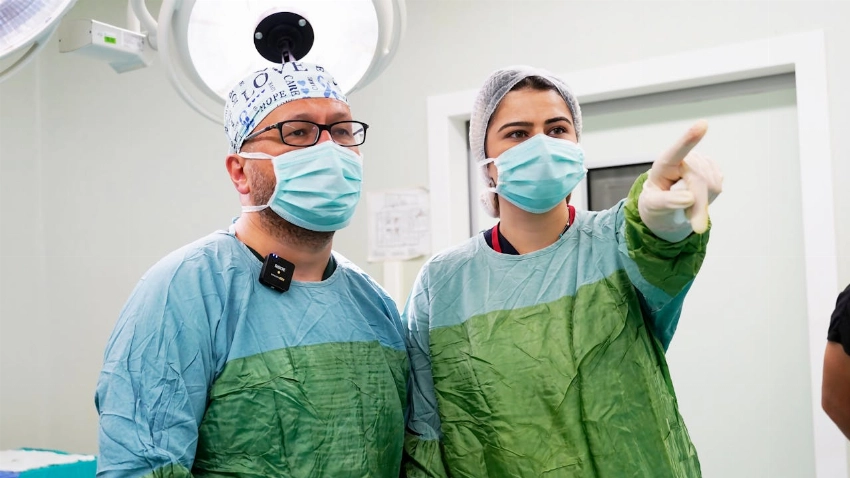
Sheeba (Kerala nurse) transitioned smoothly with TERN's support, earning competitive salaries with fully-furnished accommodation and friendly hospital staff—proving ausbildung or bsc nursing which is better depends on valuing hands-on training and instant job security.
-
BSc Pathway Opens Global Doors: Shivangi (B.Sc. graduate from Shimla) leveraged her degree for international recognition, accessing better work environments and higher salaries in Germany after passing language tests—showing ausbildung or B.Sc. nursing which is better varies with international ambitions.
-
Work-life Balance Exceeds Expectations: Indian nurses report 38-40 hour workweeks, strict overtime regulations, 25-30 days annual leave, and enhanced mental health compared to Indian healthcare systems, making ausbildung or BSc nursing, which is better, less critical than Germany's overall nursing satisfaction.
-
Cultural Integration Success: Nine Indian candidates started Diakonie Michaelshoven Ausbildung in October 2023 with structured language preparation, while nurses like Sandhya (Hyderabad) built fulfilling careers through agency support—demonstrating Ausbildung or BSc Nursing which is better, both lead to successful settlement.
-
Career Progression Reality: Nurses advance from €2,800 entry-level to €4,500+ with specialisations in critical care, oncology, and geriatrics within 5-10 years, regardless of pathway—confirming ausbildung or BSc nursing which is better, matters less than continuous development
Consistent theme across all success stories—both Ausbildung and BSc graduates report significantly better work conditions, higher job satisfaction, and superior work-life balance in Germany compared to nursing careers in India, with most highlighting respectful work environments, structured schedules, and professional autonomy as key benefits regardless of the qualification pathway chosen.
Also Read: Ausbildung Courses in Germany for Foreigners in 2026
How Can TerraTern Help You With Ausbildung and B.Sc Nursing Abroad?
-
End-to-End Application Guidance: TerraTern provides complete support for Ausbildung or BSc nursing applications, from hospital/university selection to document preparation and training contracts.
-
German Language Training: Customised B1-B2 courses with Goethe/TELC certification preparation specifically for nursing terminology, ensuring Ausbildung or BSc nursing program readiness.
-
Guaranteed Job Placements: Direct partnerships with German hospitals offering Ausbildung positions and nursing jobs for B.Sc graduates, with visa sponsorship and free flights/accommodation.
-
Visa & Relocation Support: Blocked account setup, medical fitness certificates, VFS appointments, post-landing services including housing and registration for Ausbildung or BSc Nursing pathways.
-
INR 1 Crore Scholarship Program: Financial aid for Indian nurses pursuing Ausbildung or BSc Nursing in Germany, covering language courses and initial costs with PR/citizenship pathways (98 words).
2026 Nursing Landscape in Germany: Opportunities, Salaries, and Trends
Latest Statistics & Trends:
-
Severe Nursing Shortage (2026): Germany faces a critical shortage of 37,000+ nursing professionals, creating unprecedented opportunities for international nurses, with projected demand increasing 18% by 2030 (German Federal Employment Agency, January 2026)
-
Salary Progression (Updated 2026): Entry-level nurses earn €2,800-€3,200 monthly, while experienced BSc-qualified nurses command €4,000-€4,500+ monthly—a 20% premium over Ausbildung-trained counterparts (Healthcare Salary Report Germany, 2026)
-
International Recognition Shift (2026 Policy): New EU nursing directives enhance cross-border recognition for BSc degrees across 27 member states, while Ausbildung qualifications require additional certification for international practice (EU Healthcare Mobility Act, March 2026)
-
Language Requirement Evolution (2026): German B2 level remains mandatory for Ausbildung, while select BSc programs now accept B1 with intensive language support during the foundational year (German Academic Exchange Service, 2026)
-
Technology Integration Trend (2026): German healthcare facilities increasingly prioritise nurses with academic backgrounds for implementing AI-driven patient care systems and digital health records—favouring BSc graduates for tech-focused roles (Healthcare Innovation Study Germany, 2026)
-
Post-Pandemic Healthcare Investment (2026): The German government allocated €4.2 billion for healthcare workforce development, improving stipends, working conditions, and career advancement opportunities for both pathways (Federal Ministry of Health, Budget 2026)
-
Top Cities Expansion (2026): Berlin, Munich, Hamburg, Frankfurt, and Stuttgart lead in nursing job openings with competitive salaries and quality of life—Berlin offering the most affordable living costs while Munich provides the highest compensation (German City Healthcare Index, 2026)
Also Read: List of Ausbildung Courses with Duration in Germany
Conclusion
Ausbildung or BSc Nursing which is better, depends on your goals: choose Ausbildung for immediate €37,000+ earnings over 3 years, hands-on training, and German job security with zero tuition. Select BSc Nursing for global recognition across 50+ countries, leadership roles, and 20-30% higher salaries (€3,500-€4,500+) despite a 4-5 year investment. Hybrid path—Ausbildung first, then BSc bridge program—offers the best flexibility. Germany's nursing shortage guarantees opportunities; TerraTern provides expert guidance.
To learn more about the latest Ausbildung courses, contact TerraTern right now!




 AI Summary