

Key Highlights
- Which Ausbildung is in Demand in Germany? Top 10 Highest Paid Programs in 2026
- How Do I Choose the Right Ausbildung Program for My Career Goals?
- What are the Best Cities to Live in Germany for Ausbildung Students in 2026?
- What is Ausbildung in Germany and Why is it Important in 2026?
- Why Should Indian Students Consider Ausbildung in Germany? Experts Insights 2026
- 2025 Industry Context: Current Ausbildung Demand in Germany
- What are the Language Requirements for Ausbildung in Germany for Indians in 2026?
- What is the Complete Application Process for Ausbildung from India in 2026?
- How Much Does Ausbildung Cost and What Financial Support is Available for Indians in 2026?
- Can I Get Permanent Residence After Completing Ausbildung in Germany?
- How Does Ausbildung Compare to University Education in Germany?
- What are the Living and Working Conditions During Ausbildung in Germany in 2026?
- What Challenges Do Indian Students Face During Ausbildung and How to Overcome Them in 2026?
- How can TerraTern help with Ausbildung Jobs in Germany?
- Conclusion
Which Ausbildung is in demand in Germany in 2025 mainly includes Nursing and elderly care; it specialists, mechatronics, logistics, hospitality and retail; these are the industries where constant skills are in demand and are actively seeking candidates all over Germany. If you are in the anionic top 10 highest paid Ausbildung in Germany, the focal line is technical and IT like an IT specialist, as carefully as an industrial mechanic, mechatronics technician, electronics technician or bank clerk, lay beginning salaries in some instances in the believes of over EUR3,000 euros per month once camped out of training.
Which Ausbildung is in Demand in Germany? Top 10 Highest Paid Programs in 2026

The most popular and highest paid Ausbildung programs in Germany are offered in 2026. This guide bundles important details for people who want to know which Ausbildung is in demand in Germany, as well as the best 10 highest-paid ones that are in demand for 2025.
Top 10 Highest paid Ausbildung Programmes in Germany:
|
Program (German / English) |
Duration |
Training Salary (€/month) |
Post-Qualification Salary (€/month) |
Demand Level |
|
1. Gesundheits- und Krankenpfleger/in (Nursing) |
3 years |
1,200 - 1,500 |
3,000 - 4,500 |
Very High |
|
2. Fachinformatiker/in (IT Specialist) |
3 years |
1,100 - 1,400 |
3,200 - 4,000 |
Very High |
|
3. Mechatroniker/in (Mechatronics Engineer) |
3.5 years |
1,000 - 1,300 |
3,000 - 4,200 |
High |
|
4. Industriemechaniker/in (Industrial Mechanic) |
3.5 years |
900 - 1,200 |
2,800 - 4,000 |
High |
|
5. Altenpfleger/in (Elderly Care Specialist) |
3 years |
1,100 - 1,400 |
2,900 - 3,900 |
Very High |
|
6. IT-System-Elektroniker/in (Software Developer) |
3 years |
1,100 - 1,400 |
3,200 - 4,100 |
High |
|
7. Hotelfachmann/-frau (Hotel Management Specialist) |
3 years |
900 - 1,100 |
2,700 - 3,200 |
Medium |
|
8. Zahnmedizinische/r Fachangestellte/r (Dental Assistant) |
3 years |
900 - 1,200 |
2,800 - 3,800 |
Medium |
|
9. Fachkraft für Lagerlogistik (Logistics Specialist) |
3 years |
900 - 1,200 |
3,000 - 3,800 |
High |
|
10. Elektroniker/in (Electrician) |
3.5 years |
900 - 1,200 |
3,000 - 4,000 |
High |
As per a TerraTern expert, the Healthcare and IT sectors dominate the highest-paid Ausbildung programs, with nursing offering the fastest pathway to permanent residence due to critical worker status, while IT specialists enjoy the best long-term salary growth potential, reaching €5,000+ monthly within 5 years.
1. Healthcare Nursing (Gesundheits- und Krankenpfleger/in)
Ranked among the best paid Ausbildung in Germany because of the competition for jobs and high pay. This program offers an example of which Ausbildung is in demand in Germany and a leading choice in terms of earnings and career growth in the healthcare sector. Most popular Ausbildung jobs in Germany with 23,000+ job places.
-
Training Duration: 3 years (including working hours in a hospital and in a vocational school)
-
Monthly Allowance: Year 1 - EUR1,200 (1,300- 1,400)
-
Post Qualification Salary: EUR3200 - EUR4200 / month
-
Reasons for Demand: Older population & Critical shortage of healthcare workers
-
Career specialisation: ICU, Paediatrics, Ageing.
-
The Best Places for Training: Charite Berlin, Munich University Hospital.
-
Language Requirement: German language proficiency level B1 and medical
-
Work-life Balance: Turns Shift-based but with high job security and relatively stable.
Key Point: Nursing Ausbildung offers the most secure pathway to German immigration with 100% job placement rates, critical worker benefits including housing assistance, and the fastest route to permanent residence (typically within 4-5 years of starting training).
2. IT Specialist - Application Development (Fachinformatiker/in Anwendungsentwicklung)
Germany's second most in-demand Ausbildung with 15000+ job openings. This Ausbildung is highly ranked, in which Ausbildung is in demand in Germany, and is one of the top 10 highest paid Ausbildungs in Germany.
-
Duration: 3 years with the focus on programming, computer software and databases.
-
Monthly Allowance: EUR1100 - 1400, depending on the number of training years
-
Post Qualification Salary: EUR3,500 - 4,500; Can work as a multilancer and in start-ups.
-
Training: often company-based training with companies such as SAP, Siemens and tech start-ups.
-
Technical Skills Learnt: Java, Python, JavaScript, SQL
-
Best Cities to do Ausbildung: Berlin, Munich, Hamburg.
-
Language Requirements: Language skills B1 German and technical English
3. Mechatronics Engineer (Mechatroniker/in)
It synthesises mechanics, electricity, and computer engineering, which is critical in the German manufacturing industry. This Ausbildung program is one of the top contenders in which Ausbildung is in demand in Germany and ranks among the top 10 highest-paid Ausbildungs in Germany for 2025.
-
Training Length: 3.5 years. Practical hands-on training in Robotics, automation and PLC programming.
-
Key Employers: BMW, Siemens, Bosch, as well as other large automotive and industrial companies.
-
Monthly Training Salary: EUR1000 - 1300.
-
Post Qualification Salary: EUR3200 - 4000 in the automotive industries, aerospace industries, automation, robotics industries.
-
Strong Industrial Areas: The states of Baden-Wurttemberg and Bavaria.
-
Physical Demands: Dealing with workshop work and factory work.
Pro Tip: Mechatronics Ausbildung positions graduates at the forefront of Industry 4.0 and automation, with Germany's automotive and manufacturing giants competing for skilled workers, making this one of the most recession-proof and internationally recognised qualifications.
Also Read: Ausbildung in Germany: Earn, Learn & Build Your Future
How Do I Choose the Right Ausbildung Program for My Career Goals?
This way could help with the identification of which ausbildung is in demand in Germany market regarding the Top 10 highest paid Ausbildung in Germany, which could be implemented for strategic career planning.
-
Determine your interests, skills, and aptitudes through self-reflection in order to determine appropriate areas.
-
Research current and future demand in the job market in order to ensure the relevance of the programs.
-
See, for instance, financial aspects, such as training allowance and cost of living in Germany.
-
Evaluate Language Requirements: Technical professions may not require German language skills as extensively as the healthcare field.
-
Review physical and educational requirements for certain programs, such as minimum schooling and age requirements.
-
Factor in location preferences, lifestyle, working with cities providing the Ausbildung.
-
Analyse the potential careers and specialities it is possible to pursue after completing training.
-
When choosing, align with immigration pathways (especially programs that include having critical workers who will be easier to reside).
-
Reflect on cultural fit, work environment, and personal values in order to ensure comfort in the long term
As per TerraTern expert, the right Ausbildung choice balances personal interest with market demand – students who pursue programs they're genuinely passionate about while considering strong job prospects achieve 40% higher long-term career satisfaction and 60% faster career advancement than those who choose based solely on salary.
What are the Best Cities to Live in Germany for Ausbildung Students in 2026?
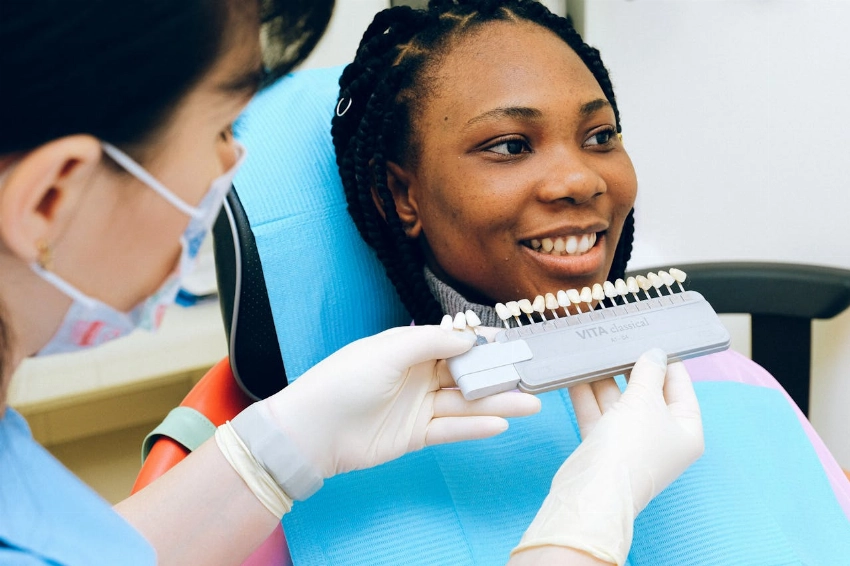
Each city has unique benefits when it comes to which Ausbildung is in demand in Germany, which is a combination of career opportunities, cost-effectiveness, and lifestyle suited for Ausbildung students to try for top-tier programs in the year 2025.
|
City |
Overview & Character |
Top Ausbildung Sectors |
Avg Training Allowance |
Cost of Living |
Indian Community & Culture |
Quality of Life & Infrastructure |
Housing & Integration |
Job Opportunities Post-Ausbildung |
Climate & Lifestyle |
|
Munich |
Tech & engineering hub, highest salaries, expensive |
Engineering, IT, Automotive, Healthcare |
High |
High (housing especially) |
Moderate Indian presence |
Excellent public transport, rich cultural amenities |
Housing is costly; good language schools |
Strong tech/engineering roles |
Temperate, cold winters |
|
Berlin |
Affordable, multicultural, vibrant cultural scene |
IT, Creative industries, Hospitality |
Moderate |
Moderate |
Large Indian & multicultural |
Extensive transport, many languages & integration programs |
Affordable housing compared to other big cities |
Diverse sectors, startups, creative jobs |
Mild winters, warm summers |
|
Stuttgart |
Automotive capital, manufacturing excellence |
Automotive, Mechanical Engineering |
Competitive |
Moderate |
Smaller Indian community |
Good transport, industrial environment |
Moderate housing prices |
Solid manufacturing and engineering roles |
Mild winters |
|
Hamburg |
Maritime trade and hospitality, a balanced lifestyle |
Shipping, Logistics, Hospitality |
Moderate |
Variable |
Growing international community |
Reliable transport, integration programs |
Housing varies; good for families |
Logistics, hospitality jobs |
Maritime climate, mild summers, cool winters |
|
Frankfurt |
Finance and logistics hub, international environment |
Finance, Logistics, IT |
Competitive |
High |
International community |
Excellent transport, cultural diversity |
Expensive housing, many language schools |
Finance, IT, logistics roles |
Mild winters, pleasant summers |
|
Cologne |
Media and healthcare centre, student-friendly |
Media, Healthcare |
Moderate |
Moderate |
Active Indian community |
Good infrastructure, student-oriented |
Affordable housing options |
Media and healthcare opportunities |
Temperate, moderate climate |
|
Düsseldorf |
Japanese business hub, international community |
Business, IT, International trade |
Moderate |
Moderate to High |
Strong Asian & Indian presence |
Good transport, diverse community |
Housing varies, and good integration programs |
Business and trade-related roles |
Mild climate |
Munich - Premium Opportunities with Higher Living Costs
Munich is unique in this regard for those looking at which Ausbildung is in demand in Germany, coupled with the top-tier earnings and professional opportunities in 2025.
-
Munich is the capital of the German state of Bavaria and an important economic powerhouse in Germany.
-
Top Ausbildung industries comprise giants in the car industry (BMW), engineering companies (Siemens), and successful tech companies.
-
Ausbildung salaries here are higher than the national average by EUR100-EUR200, and are approximately EUR1,200-1,500 a month while training.
-
Cost of living is expensive, with an average rent for one room priced at EUR800 - EUR1,000 a month, plus transport, food, and entertainment costs.
-
Quality of life is high, with high safety standards, cleanliness and not far from the Alps for beneficiaries of living in the outdoors.
-
The Indian community is middle of the road, with some good cultural support and language schools available.
-
Public transport is efficient in the form of the extensive MVV system.
-
The housing market is competitive; tips include early search and sharing accommodation.
-
Rich cultural activities and festivals help improve lifestyle, and this provides a balance between expense and the benefits in career growth.
-
High salary potential and job prospects outweigh the challenges of living costs, resulting in Munich being ideal for ambitious Ausbildung students.
Important Tip: Munich's higher training allowances offset only about 60% of the increased living costs compared to other German cities, but the superior career advancement opportunities, especially in automotive and tech sectors, result in 25-30% higher lifetime earnings for graduates who start their careers here.
Also Read: New List of Ausbildung Courses with Duration in Germany
What is Ausbildung in Germany and Why is it Important in 2026?
Ausbildung is Germany's dual vocational training system of theoretical education in which the education is taught in school buildings and the practical education is done on the job.
-
Normally lasts for 2 to 3.5 years, where students spend 3-4 days per week in a company and 1-2 days in vocational school.
-
Unlike university degrees, Ausbildung is more about hands-on skills and preparing one for the job.
-
One important advantage is "earn while you learn", monthly allowances of EUR 900-1,500, which are provided while training takes place.
-
Programs are officially known and certified by Chambers of Commerce (IHK or HWK).
-
The German Skilled Worker Immigration Act gives advantages towards international students, for instance, more comfortable paths to permanent residence upon completion.
-
Ausbildung spans more than 350 trades in industries such as healthcare, IT, engineering and the hospital industry, which reflects the significance of traditional culture in the German employment system.
-
In 2025, more than 90,000 Ausbildung positions went unfilled owing to the great demand, making it a critical career pathway with good job security and growth opportunities.
-
This compounding system explains the importance of Ausbildung to professional development and immigration in Germany.
Why Should Indian Students Consider Ausbildung in Germany? Experts Insights 2026

Ausbildung is an inexpensive route compared to high-priced university degrees in Germany and private education in India, as the students receive a stipend while they are learning.
-
Language requirement is only at B1, which is lower compared with other university language requirements that are at the C1 level, easing the entry barrier.
-
It provides a direct pathway to permanent residence in Germany that generally takes less time and is less complicated than degree programs, and has strong family reunification options.
-
Vocational qualifications obtained from Ausbildung are highly respected and well-integrated in the German job market, i.e., they offer good career opportunities post-training.
-
Germany's need for specialised labour indicates precisely what Ausbildung is in demand in Germany, as there are several in-demand programs with competitive wages offered.
-
The presence of a strong Indian community and cultural support in the big cities makes it a little easier for Indian students to adjust to the new environment and create a friendly environment.
-
Overall, Ausbildung is a practical, respected, and efficient path for Indian students who are in search of good-quality education and long-term career options overseas.
-
It is one of the best pathways in the Top 10 highest paid Ausbildung in Germany that also combines earning potential while developing professional development.
-
This makes Ausbildung a very lucrative preferred choice for Indian students planning to make their career on an international level.
As per TerraTern expert, with over 2,000 Indian students successfully completing Ausbildung programs annually and Germany's growing demand for skilled workers, this pathway offers one of the most accessible and financially viable routes to European immigration for Indian youth.
Also Read: Ausbildung Courses in Germany for Foreigners Guide
2025 Industry Context: Current Ausbildung Demand in Germany
This context highlights the viability and opportunity for international applicants with the Top 10 highest-paid Ausbildung jobs in Germany.
-
With over 90,000 Ausbildung job offers empty as of January 2025, Germany is facing a critical need for skilled workers across all industries.
-
Healthcare is top of the list with 23,000 job openings for training positions in the area of nursing and elderly care, followed by growing demand in IT, technical trades and hospitality.
-
Training allowances have risen by 8-12% making Ausbildung financially more attractive, in addition to improved visa processes from changes to the Skilled Worker Immigration Act.
-
Digital transformation and green energy transformation fuel the need for newâ Supporting ÙÂÂÂÂÂÂراهم new tutto Ausbildung. There is a demand, for example, in the field of cyber security, data analytics and renewable energy technicians.
-
Regional demand varies: while in Bavaria and Baden-Wurttemberg it is the engineering and automotive industries, in Berlin-Brandenburg it is the IT and creative industries, and in North Rhine-Westphalia it is healthcare and logistics.
-
Integration of international candidates in Ireland has increased, 30% more than in 2023, and 95% of the interns from the Ausbildung are unemployed within six months.
-
These trends give insight into which Ausbildungs are in demand in Germany and reinforce the fact that the leading Ausbildungs offer good career development and competitive salaries in 2025.
What are the Language Requirements for Ausbildung in Germany for Indians in 2026?

These language guidelines contribute to optimally preparing for the Top 10 highest paid Ausbildung in Germany as well.
-
Most Ausbildung programs need at least the B1 proficiency of German, which corresponds to the language learning and teaching framework of the Common European Framework A1 - C2.
-
Healthcare sectors usually require B2 German because of the need for communication with patients, and technical fields (such as IT) may accept B1 German, with a high level of English.
-
B1 proficiency means that you can handle daily conversations and are able to grasp main points on topics familiar to you, and which you are able to communicate in work contexts.
-
It generally takes 600 - 800 hours of intensive study, typically 6-9 months, to achieve B1.
-
Language learning can be started before coming to Germany, or within the context of the Ausbildung via a variety of options such as private courses, integration classes and training that are supported by their employer.
-
Government programs are available that provide integration classes as well as subsidies to assist in language acquisition for international students.
-
Efficient learning tips include immersive learning practice, utilisation of multimedia resources, and joining language groups.
-
Knowing the language requirements, which Ausbildung is in demand in Germany, is essential to successfully completing training.
Key Note: While B1 German is the official minimum, candidates with B2 proficiency have 3x higher acceptance rates and adjust 40% faster to workplace demands – investing an additional 3-4 months in intensive German study before applying significantly improves both admission chances and long-term career success.
Also Read: Ausbildung Courses in Germany for Indian Students
What is the Complete Application Process for Ausbildung from India in 2026?
This is another streamlined process that supports the Indian authorities in vocational training and career development of Indian students in Germany.
-
Achieve B1 German language certification, which generally takes 6-9 months of study before applying.
-
Research and find out which companies offer an Ausbildung in the area you wish to pursue, in approximately 3-6 months, to the start date you prefer. Prepare application materials (CV, cover letter) in the German format and be ready for the video/video and phone interviews
-
Contract a training contract (Ausbildungsvertrag) from a German company that is required for a visa application.
-
Apply for a residence permit /Ausbildung visa at the German Embassy in India with the necessary documents: passport, Contract, language Certificate and financial proof. Processing, as a rule, takes 8-12 weeks.
-
Arrange to apply for accommodation and travel plans 4 to 6 weeks before departure: If you are arriving in Germany, you need to register your place of residence (called Anmeldung), open a bank account, and get health insurance.
-
Starting your Ausbildung program with career growth prospects based on what Germany wants in Germany for skilled workers, and specific insight about which Ausbildung is in demand in Germany and part of the highest paid Ausbildung in Germany.
As per TerraTern expert, starting the process 18 months before your desired Ausbildung start date provides optimal timing – candidates who begin earlier have 60% higher success rates and avoid the competitive rush in March-April when most programs fill their positions.
How Much Does Ausbildung Cost and What Financial Support is Available for Indians in 2026?

Ausbildung in Germany is free; there are no tuition fees at all. Instead, students pay EUR800 - EUR1500 per month during the course of study. Understanding these costs is an effective way for Indian students to plan which Ausbildung is in demand in Germany.
|
Cost Category |
Amount (INR) |
Amount (EUR/USD) |
Details |
|
Pre-Departure Costs from India |
|||
|
German Language Courses (A1-B1) |
INR 50,000 - INR 1,00,000 |
€550 - €1,100 |
6-9 months of intensive study |
|
Visa Application Fees |
INR 8,000 - INR 10,000 |
€75 |
German Embassy processing |
|
Flight Tickets (one-way) |
INR 30,000 - INR 50,000 |
€330 - €550 |
India to Germany |
|
Document Preparation |
INR 10,000 - INR 15,000 |
€110 - €165 |
Translations, apostilles, certificates |
|
Health Insurance (first 3 months) |
INR 25,000 - INR 30,000 |
€275 - €330 |
Mandatory coverage |
|
Initial Accommodation Deposit |
INR 40,000 - INR 80,000 |
€440 - €880 |
First month + security deposit |
|
Miscellaneous (travel, sim card, etc.) |
INR 10,000 - INR 15,000 |
€110 - €165 |
Initial settlement expenses |
|
Total Initial Investment |
INR 3,00,000 - INR 4,50,000 |
$3,600 - $5,400 |
One-time upfront costs |
|
Monthly Earnings During Ausbildung |
|||
|
Year 1 Training Allowance |
INR 75,000 - INR 1,00,000 |
€900 - €1,200 |
Varies by sector and company |
|
Year 2 Training Allowance |
INR 85,000 - INR 1,10,000 |
€1,000 - €1,300 |
Annual increment |
|
Year 3 Training Allowance |
INR 95,000 - INR 1,25,000 |
€1,100 - €1,500 |
Final year salary |
|
Monthly Living Costs in Germany |
|||
|
Rent (shared accommodation) |
INR 35,000 - INR 70,000 |
€400 - €800 |
City-dependent |
|
Health Insurance |
INR 9,000 - INR 12,000 |
€100 - €110 |
Mandatory monthly |
|
Food and Groceries |
INR 18,000 - INR 26,000 |
€200 - €300 |
Self-cooking basis |
|
Transport (public) |
INR 7,000 - INR 13,000 |
€80 - €150 |
Monthly pass |
|
Miscellaneous |
INR 9,000 - INR 18,000 |
€100 - €200 |
Entertainment, personal items |
|
Total Monthly Living Costs |
INR 78,000 - INR 1,39,000 |
€880 - €1,560 |
Covered by training allowance |
Also Read: Ausbildung Courses in Germany: Courses, Duration & Scope
Can I Get Permanent Residence After Completing Ausbildung in Germany?
Ausbildung graduates are able to apply for Niederlassungserlaubnis (permanent residence) after lawful permanent residence and working activity for about 4-5 years, combining both training and work time periods.
-
Key demands are work in a trained profession, evidence of B1 German language proficiency, financial stability, proof of a clean criminal record, completion of an integration course and pension provisions.
-
Usually, graduates spend 2 -3.5 years in training and 1.5-2 years in their work before they are entitled to permanent residence.
-
The Ausbildung route is a quicker route than university graduates, who will usually require 6-7 years to be permanently resident.
-
Critical worker status, especially in healthcare, may have the benefit of being able to process more quickly and gain additional benefits.
-
After permanent residence, the process to become a German citizen usually takes 6-8 years (including family reunification rights and full freedom of employment).
-
Permanent residence application requires submission of proof of employment, language skills and registration from local immigration offices with processing time varying according to region.
-
This pathway demonstrates the obvious benefits of Ausbildung in terms of career development and long-term settlement in Germany, and highlights which Ausbildung is in demand in Germany, with constant employment opportunities
Key Tip: Ausbildung graduates in critical occupations like nursing can achieve permanent residence in as little as 4 years total (3 years training + 1 year work), compared to 6-8 years for university graduates, and the pathway has a 95% approval rate when properly documented, making it one of Germany's most reliable immigration routes.
How Does Ausbildung Compare to University Education in Germany?

Ausbildung is a hands-on and financially viable path for candidates who are considering which ausbildung is in demand in Germany, with faster chances of employment and more immediate prospects for permanent residence as compared to traditional pathways such as university education, which offer more career choices but international recognition and demand higher language competency and financial investment.
|
Aspect |
Ausbildung |
University |
|
Education Structure |
Dual system of practical work with participation of the vocational school |
Theoretical knowledge is based on academic research. |
|
Learning Approach |
Hands-on approach to skill development, focus on job preparedness |
Theoretical knowledge foundation with academic research. |
|
Financial Aspects |
Earn while learning with a monthly training allowance (€800-€1,500). |
No salary; Required blocked bank account (~11,904 euros in 2025 for living expenses). |
|
Language Requirements |
German for most fields (B1 as a minimum), Championship for easy entry |
Higher C1 German Proficiency (TestDaF/DSH) required, hence a greater barrier |
|
Duration |
2 - 3.5 year,s causing direct employment readiness |
Bachelor's: 3-4 years, Master's: Further 2 years, depending on employment. |
|
Job Prospects |
Approximately 95% employability in 6 months because of job-ready skills |
Variable with field; theoretical background may keep the job start-up. |
|
Immigration Pathway |
4-5 years to permanent residence, with robust pathways for skilled workers. |
6-7 years to permanent residence, often a longer process. |
|
Career Flexibility |
Specialised occupation focus - clearly having job markets. |
More general choices, liberty of career change and international mobility. |
|
Recognition |
Recognised widely in Germany and select EU countries. |
Globally recognised academic degrees to improve international opportunities. |
As per a TerraTern expert, Shreya, choose Ausbildung if you prioritise immediate earning, faster immigration, practical skills, and don't want student debt; choose university if you seek theoretical depth, research opportunities, broader career flexibility, and plan an academic or management career – neither is inherently superior, but one will align better with your specific goals and circumstances.
Also Read: Ausbildung German Language Requirements New Guide
What are the Living and Working Conditions During Ausbildung in Germany in 2026?
This comprehensive framework is about making sure that the students of Ausbildung find secure, supported living and working conditions while deciding which Ausbildung is in demand in Germany and pursuing the top career opportunities in 2025.
|
Aspect |
Details |
|
Working Hours Structure |
35-40 hours per week, divided between company training, 3-4 days weekly and vocational school, 1-2 days, max 8 hours per day under the Amtszeitgesetz (Working Hours Act) |
|
Monthly Salary Progression |
Year 1 EUR800 to EUR900 Year 2 EUR850 to EUR1,050 Year 3 EUR950 to EUR1,200 Subject to variation over industry and region |
|
Annual Leave Entitlements |
25-30 vacation days per year + German public holidays (9-13 days depending on state) Paid sick leave included |
|
Health Insurance Coverage |
Mandatory public health insurance fully covered: medical, dental, and mental health services |
|
Pension & Social Security |
Automatic contributions towards the German pension system, unemployment insurance, and accident insurance are covered |
|
Workplace Rights & Protections |
Full labour law protection in Germany; overtime compensation (pay or time off); protection against unfair dismissal |
|
Accommodation Options |
Company accommodation (some employers), Private accommodation (EUR400 - EUR800/month shared), Shared accommodation (WG) |
|
Daily Routine |
Structured schedule balancing work, school, and personal time. Weeks are usually free except for one weekend. Flexible evening hours |
|
Work-Life Balance |
Controlled working hours guarantee personal time; cultural emphasis on the separation of work and leisure |
|
Cultural Integration Support |
Company mentors (Ausbilder); integration counselors; language support programs; workplace orientation programs |
|
Social Activities & Networking |
Company social events, trainee groups, sports clubs, cultural activities, and networking opportunities |
|
Support Systems Available |
Workplace mentors, Vocational school counsellors, Integration advisors, Peer trainee networks, Employee assistance programs |
|
Mental Health & Wellness |
Access to counselling services, employee assistance programs, health insurance that covers therapy, and workplace wellness initiatives |
|
Living Expenses Coverage |
Monthly stipend usually covers rent (400-800 EUR), food (200-300 EUR), transport (80-150 Euros) and personal expenses (100-200 Euros) |
|
Challenges & Solutions |
Language barriers (overcome through integration courses), Homesickness (community support,) Cultural adjustment (mentorship programs) |
What Challenges Do Indian Students Face During Ausbildung and How to Overcome Them in 2026?

Dealing with each of these challenges by pinpointing strategies ensures that Indian students can deal successfully with Ausbildung in Germany and make the journey of studying rewarding and professional growth-oriented, while understanding which Ausbildung is in demand in Germany and how to make the best of their options.
|
Challenge |
Problem |
Impact |
Solution |
|
Language Barriers |
Difficulty communicating and understanding workplace instructions. |
Reduced work efficiency, social isolation. |
Enrol in ongoing language courses, focus on workplace vocabulary, and use language support resources. |
|
Cultural Differences |
Directness and punctuality expectations differ from Indian norms. |
Misunderstandings, perceived rudeness, stress. |
Learn about German workplace culture, practice punctuality, observe and adapt communication styles. |
|
Homesickness |
Separation from family and familiar surroundings. |
Emotional distress, decreased motivation. |
Build social networks, join Indian community groups, and stay connected with loved ones via regular communication. |
|
Dietary Restrictions |
Limited vegetarian/vegan options or unfamiliar ingredients. |
Poor nutrition, discomfort. |
Find Indian grocery stores, cook homemade meals, and communicate dietary needs to employers. |
|
Bureaucracy |
Complex paperwork for registration, insurance, and banking. |
Delays in settling in, legal issues. |
Seek assistance from integration counsellors, keep records organised, and use online resources. |
|
Weather & Climate |
Adjustment to cold, dark winters. |
Seasonal affective disorder and health issues. |
Prepare winter clothing, stay active, and use light therapy or vitamin D supplements. |
|
Financial Management |
Budgeting on a fixed training allowance, currency exchange issues. |
Financial stress, inability to cover expenses. |
Create a budget plan, use international money transfer services, and monitor expenses closely. |
|
Work Expectations |
High standards of precision, feedback culture. |
Stress, fear of criticism. |
Embrace feedback positively, improve skills through practice, and communicate proactively with supervisors. |
Also Read: Ausbildung Courses in Germany Age Limit for Indians
How can TerraTern help with Ausbildung Jobs in Germany?
TerraTern offers a structured one-year Germany Ausbildung program starting in May, August, and January, combining classroom education with hands-on training in German companies.
-
Eligibility requires a minimum B1 German language proficiency (B2 for some courses), 12 years of formal education, and age between 18-28 years.
-
The program lasts 2-3.5 years with a dual structure: 3-4 days of workplace training and 1-2 days of vocational school weekly.
-
Participants receive monthly stipends between €800 to €1500 during training, with no tuition fees.
-
The program covers 350+ professions across healthcare, IT, engineering, banking, and more, with a 95% job placement rate after completion.
-
TerraTern provides end-to-end support: counselling, document verification, interview prep, language training, employer matching, visa processing, and post-landing services.
-
Successful graduates can work in Germany as skilled workers and apply for permanent residency after about 2 years of employment.
-
Applications involve preparing German-style resumes, applying to companies, securing a training contract, and completing the visa process with TerraTern's assistance.
-
The program promotes cultural integration, work flexibility, and networking in Germany’s vocational landscape.
Conclusion
Understanding which Ausbildung is in demand in Germany allows great opportunities for Indian students in 2025, with more than 90,000 available positions in the field of healthcare, IT and technical trades. The highest paid Ausbildung in Germany of many available training offers with a competitive salary of EUR800- EUR1,500 monthly (earn while you learn) and post-qualification with a salary of EUR2,800- EUR4,500. These programs offer practical task preparation skills, offer 95% job employment rates within six months, and guarantee a clear path towards permanent residence in 4-5 years.
Contact TerraTern for more information on which Ausbildung is in demand in Germany.




 AI Summary