

Key Highlights
- Why Should Indian Students Study in Germany After 12th in 2026?
- What Are the Eligibility Requirements to Study in Germany After 12th in 2026?
- Can I Study in Germany After 12th for Free in 2026?
- What Are the Top Courses to Study in Germany After 12th for Indian Students?
- How to Apply for Universities in Germany After 12th?
- What Is the Cost of Living for Students in Germany in 2026?
- What Is the Student Visa Process for Germany from India in 2026?
- What Are Career Opportunities After Studying in Germany?
- How to Prepare for Studying in Germany After 12th?
- What Are Common Challenges and How to Overcome Them?
- How Can TerraTern Help Us in Study in Germany After 12th?
- Conclusion
Study in Germany after 12th has become the most sought-after option amongst Indian students seeking world-class education at minimal costs. Many are unaware of the question I asked about freedom to make a conservatory, the "Can I study in Germany after 12th for free?" And the answer to this is yes - public universities have tuition-free programs. Understanding how to study in Germany after 12th.
Under the conditions to study in Germany after 12, there are specific eligibility requirements for this, and such requirements include consideration of standard academic qualifications, language requirements and visa facilities. Study in Germany for Indian students after 12th offers exceptional opportunities - 49,000 Indian students are currently enrolled in Germany, and it is a proven way to get quality higher education.
Why Should Indian Students Study in Germany After 12th in 2026?

Indian students increasingly study in germany after 12th because of tuition-free public universities, globally recognised degrees from top-ranked universities and good post-study opportunities in the powerhouse economy of Europe.
-
Nearly 60,000 Indian students are enrolled, with 20% year on year growth. 45+ German universities in the QS World Rankings 2026 top 500.
-
Germany's strong position in manufacturing jobs gives graduates plenty of employment opportunities, as well as high levels of safety, quality of life and cultural integration.
Pro Tip: Germany's combination of zero tuition fees, top-100 global rankings, and guaranteed 18-month work rights makes it the most cost-effective route to a European career for Indian students in 2026.
What Makes Germany Different from Other Study Destinations?
Studying in Germany after 12th grade stands out for its no-tuition fee and excellent prospects.
|
Aspect |
Germany |
USA |
UK |
Canada |
Australia |
|
Annual Tuition (UG, INR) |
INR 0 (public) |
INR 25-50L |
INR 12-41L |
INR 20-40L |
|
|
Post-Study Work |
18 months |
12-36 months (OPT) |
2 years |
3 years |
2-4 years |
|
Monthly Living (INR) |
INR 85k-1.2L |
INR 1.5-2.5L |
INR 1.2-2L |
INR 1-1.5L |
INR 1.2-2L |
|
Part-Time Work Allowed |
20 hrs/week |
Limited on-campus |
20 hrs/week |
20 hrs/week |
48 hrs/fortnight |
|
Path to PR |
EU Blue Card (33 mo) |
Complex |
5 years |
Express Entry |
Points-based |
Important Tip: For Indian students with strong academics but limited budgets, Germany offers the unique advantage of Ivy League-quality education without the six-figure debt common in US/UK universities.
What Are the Latest 2026 Trends for Indian Students in Germany?
Major Trends increasing the study in Germany after 12th for Indians are:
-
Enrollment Surge: Leads India with a number of 59,000+ students for the year, up by 20% YoY, crossing over China as the leading source.
-
Digital Visa Processes: Online appointment systems Q1 2026 for faster applications.
-
Blocked Account Update: Requirement increased to EUR11,904 (INR 12.2L) from EUR11,208.
-
English Programs: Expansion. 50+ new bachelor's in STEM at public universities such as TUM, Rhine-Waal.
-
Post-Study Efficiency: Job-seeker visa processing slashed to 2-3 months.
-
Language Flexibility: B1 German taken on board more and more (from previous B2)-[user pattern].
-
Tech Sector Growth: 15% salary hikes for international grads amid talent push.
Expert Advice: The 2026 surge in Indian students reflects Germany's strategic push to attract global talent, with streamlined processes and increased English-taught options making it more accessible than ever before.
Also Read: Ausbildung Courses in Germany for Indian Students
What Are the Eligibility Requirements to Study in Germany After 12th in 2026?
To study in Germany after 12th, Indian students are facing certain hurdles because of India's 12-year schooling system as compared to Germany's 13-year Abitur. Read the qualification recognition on the Anabin database.
Core Categories Checklist:
-
Academic: Class 12(60%-70%+), CBSE/ Danachal + ICSE/State board APS certificate is mandatory for the purpose of document verification.
-
Pathway: Studienkolleg (foundation year) or 1-year UG in India/IB/A-Levels/JEE Advanced for equivalence.
-
Language: B2 German (TestDaF/DSH/Goethe) or IELTS 6.0 and higher for the English programs
-
Financial: EUR11,904 Blocked account [previous ]
As per TerraTern Expert, Shreya, unlike direct admission in most countries, the Studienkolleg pathway adds one year but ensures Indian students are fully prepared for Germany's rigorous academic system and significantly improves bachelor's program success rates.
What Academic Marks Are Required in Class 12th for Germany?
Public Universities may require 60-70% marks in Class 12 for basic eligibility, but for competitive fields, the requirement is higher.
Tiered Breakdown:
-
Basic (60-70%): General admission, Non-NC Programs.
-
Standard (70-80%): Most bachelor's.
-
Competitive (80-85%): Engineering/ IT (PCM focus)
-
Top Unis (85-90+%): TUM, LMU Munich.
Science stream requires a good PCM Course of Commerce/Arts stretch in accordance with the course.
|
Tier |
% Range |
Examples |
|
Basic |
60-70 |
Humanities |
|
Competitive |
80+ |
Engineering at TU9 |
Important Note: While 60% is the stated minimum, competitive reality means students with 75%+ marks have significantly better chances, especially for in-demand fields like engineering and computer science at public universities.
What Is Studienkolleg and Why Is It Mandatory?
Studienkolleg is a compulsory one-year foundation course spanning the 12 years of education in India to an Abitur equivalent in Germany with the Feststellungsprüfung (FSP) at the end of the course.
-
Structure- 2 semesters, streams: T (engineering), M (medicine), W (business), G (humanities), S(Bangla)
-
Why Mandatory: Solves the qualification gap of most Indians.
-
Costs: Public EUR100-400/semester (no tuition) Private - EUR3k-8k/Year
-
Alternatives: Alternatives (1-year course) Indian UG, IB/A-Levels.
-
Outcome: Pass FSP (50%+ average) for direct bachelor students' entry.
Key Note: Studienkolleg, while adding a year to your timeline, dramatically increases your chances of bachelor's program success and provides crucial time to master German language and academic culture—95% of students who complete it successfully graduate from their bachelor's programs.
Which Language Tests Are Accepted for Germany?
TestDaF preferred for India-based testing.
-
German Programs: TestDaF (4xTDN 3+), DSH-2, Goethe C1/C2, telc C1 Hochschule (B2 for Studienkolleg).
-
English Programs: IELTS 6.0 - 6.5, TOEFL iBT 80 - 90, PTE 58 +
|
Test |
Min Score |
Availability |
Cost |
|
4x3 |
Global |
€195 |
|
|
DSH-2 |
Germany |
€100-150 |
|
|
C1 |
India centers |
Varies |
|
|
6.0 |
Global |
INR 16k |
Expert Tip: For bachelor's programs, prioritise TestDaF or Goethe-Zertifikat over DSH since they're more widely recognised and can be taken in India, saving you from travelling to Germany for language assessment before admission.
Can I Study in Germany After 12th for Free in 2026?

Yes, studying in Germany after 12th for free is a realistic option at 300+ public universities, with zero tuition fees to examine almost all bachelor programmes, including for non-EU students.
|
Cost Head |
Typical Range (per month/year) |
Notes for “Can I study in Germany after 12th for free” |
|
Tuition Fees (Public) |
€0 tuition at most public universities |
Exception: Baden-Württemberg ~€1,500/semester; some Bavarian unis now charge |
|
Semester Contribution |
€150–350/semester |
|
|
Health Insurance |
~€110/month |
Mandatory for all students |
|
Accommodation |
€300–500/month |
Student dorms are cheaper than private rooms |
|
Food |
€200–250/month |
Using student cafeterias (Mensa) |
|
Other Expenses |
€150–200/month |
Phone, books, leisure, etc. |
|
Total Living (Estimate) |
€850–1,200/month → ~€10,000–14,000/year |
Financial proof via a blocked account, not paid to the university |
As per TerraTern Expert: "Free" in Germany means zero tuition at public universities, but smart budgeting for living expenses (approximately INR 8-10 lakhs annually) is essential—still 70% cheaper than similar-quality education in the UK or the USA.
What Is the Blocked Account Requirement for 2026?
A blocked account (Sperrkonto) is a special German bank account and is used as proof of financial means given to your student visa, and is not a fee to the university.
-
For 2026, students must make a deposit of EUR11,904 (12 x EUR992), which is around (INR 10-11 lakh), to demonstrate that they can cover their living costs for one year.
-
Monthly withdrawals are limited to EUR 992, so there is no way to spend everything at once and then come back to the public till.
-
Essential facts of "Can I study in germany after 12th for free" and still comply with visa rules:
Pro Tip: Open your blocked account 3-4 months before visa application—processing delays can postpone your entire admission timeline, and the €11,904 must be available at visa interview time.
Are There Scholarships Available for Indian Students?
Yes, even if I can study in Germany after 12th for free, it can help with the tuition, but Indian students need help with the living costs and can access several scholarships to check if they can avail of some of the competitive scholarships. Most students are relying on a combination of family funding, blocked account, part-time jobs and an occasional merit scholarship rather than full funding at the bachelor's level.
-
DAAD Scholarships are primarily for Master's/PhD studies: Stipends of around EUR 992 per month for graduate students and EUR 1,300 per month for PhD students, plus allowances for travel and insurance, as well as research.
-
Deutschlandstipendium: EUR300 / month (partially by the government and partially by private sponsors) (usually for good academics at participating universities)
- Undergraduate: Scholarships are limited, and very competitive, which usually means 5-10% acceptance, and expectations of very strong academics (usually 85-90%+) and profile.
Important Tip: While bachelor's scholarships are limited compared to Master's programs, exceptional students (90%+ marks, strong extracurriculars) should apply to DAAD and Deutschlandstipendium 12 months before intake—even partial coverage of €300-500/month significantly reduces financial burden.
Also Read: How to Apply for Ausbildung in Germany: Complete Guide
What Are the Top Courses to Study in Germany After 12th for Indian Students?
Studying in Germany for indian students after 12th is a better option in terms of being practical and industry-based, but then again, Engineering leads the way, as 70% enrollment capacity, due to the manufacturing prowess of Germany.
|
Category |
Popular Courses |
Duration |
Top Universities |
Entry Req (Class 12) |
Avg Starting Salary (€) |
Placement Rate |
|
Engineering (70%) |
Mech, Elec, CS, Automotive |
3-4 yrs |
TUM, RWTH Aachen, TU Berlin |
75-90% PCM |
45k-55k |
95%+ in 6 mo |
|
Business/Mgmt |
BBA, Economics, Intl Business |
3 yrs |
Mannheim, LMU Munich, WHU |
70%+ Commerce |
40k-50k |
90% |
|
Natural Sciences |
Physics, Chemistry, Biology, Math |
3 yrs |
Heidelberg, Freiburg |
70%+ Science |
40k-45k (research) |
85% |
|
Medicine/MBBS |
Human Medicine |
6 yrs |
Charité Berlin, Heidelberg |
90%+ PCB, NC |
55k+ (post-residency) |
Selective |
|
CS/IT |
Computer Science, IT |
3 yrs |
Karlsruhe IT, Passau |
75%+ Math/CS |
50k-60k |
98% |
Important Note: Engineering and Computer Science programs offer the best ROI for Indian students—combining Germany's industrial leadership with guaranteed work permits and starting salaries of €4,000+ monthly make them the fastest path to European career establishment.
Why Is Engineering Popular Among Indian Students in Germany?
Study in Germany for Indian students after 12th engineering: hands-on training, job security:
-
70% Indian enrollment; auto/manufacturing (BMW, Siemens, Bosch) leadership of Germany.
-
Branches: Mech (35%), Elec(25%), CS(20%), Automotive (15%).
-
Curriculum: Theory + mandatory internships in: free choice, dual system, company theses
-
Outcomes: EUR45k+ Starting salaries, 95% in 6 months placement.
-
Top Unis: TUM (auto/mech), RWTH Aachen (elec), TU Berlin (CS).
-
Vs India: more practical & globally exposed vs a theory-heavy approach.
As per TerraTern Expert Divyash, German engineering degrees carry unmatched global recognition—90% of Fortune 500 companies have operations in Germany, providing Indian graduates with direct access to multinational career tracks that are difficult to access from India.
Can I Study MBBS in Germany After 12th?
Yes, but engineering studies in germany for indian students after 12th in MBBS is very competitive:
-
Numerus Clausus (NC): Top 5% with Hochschulstart, the NC requires 90%+ marks in class 12.
-
Pathway: Studienkolleg M-Course - FSP - NC application/waiting semester.
-
Language: C1 German compulsory (TestDaF/DSH).
-
Duration/Cost: 6 years free tuition + EUR10k-14k/year living vs INR 1cr+ in india
-
Recognition: Valid in India after FMGE Superior training in the Clinical field.
-
Alternatives: Easier English MBBS in Poland/Czech (Lower entry, EUR10k Year).
Exper Tip: MBBS in Germany requires 90%+ marks, 2-3 years of intensive preparation including C1 German fluency, and backup plans—consider it only if you're in top 2% academically and willing to invest significant time; alternatives like Poland offer easier English-taught options.
How to Apply for Universities in Germany After 12th?

Step-by-step guide to apply to universities:
12 Months Before:
-
Studienkolleg needed Research via DAAD/Anabin; check out Studienkolleg's needs.
-
Start German B2/IELTS 6.5 prep.
9-10 Months Before:
-
Apply for the APS certificate.
-
Prepare transcripts, CV, and motivation letter.
-
Open blocked account (EUR11,904).
6-8 Months Before:
-
Take/pass language tests.
-
English notarised/translated/apostilled docs.
4-6 Months Before (Key Period):
-
Applying through Uni-Assist (EUR75), Direct Portals seventeen (17) Deadline July 15/Jan 15.
-
Track status online.
Post-Decision:
-
Accept the offer, get the letter of admission.
-
Apply for a student visa (4-8 weeks).
-
The Next Part: Writing How to Avoid Pitfalls: incomplete docs, late submission
Expert Advice: Start your application process 12-15 months before intended enrollment—the APS certificate alone takes 2-3 months, and missing the July 15 winter semester deadline means waiting an entire year for the next intake.
What Is the APS Certificate and How to Get It?
APS (Akademische Prüfstelle) for the verification of the Indian documents for Germany:
1. Purpose: Anti-fraud check, equiv
2. Process:
-
Hosting the look for the register online APS India Site.
-
Submit 10th/12th marksheets (INR 18,000 fee).
-
20-30 minutes interview (Delhi/Mumbai; subject Qs)
-
Wait 2-3 months for the certificate.
3. Prep: Looking at Class 12 syllabus: Originals.
4. Validity: Lifetime - is mandatory for apps/visa.
5. Fail: 1 retest (extra fee).
6. Start:3-4 months pre-deadline.
Key Note: The APS interview is not a formality—15-20% of applicants need re-tests; thoroughly review your Class 12 subjects (especially Mathematics and Sciences) and be prepared to explain your grades in detail 2-3 months before application deadlines.
What Are Important Application Deadlines for Germany?
Key dates for winter (main) and summer intakes;
|
Intake |
Uni-Assist (Recommended) |
Direct Uni Apps |
Decisions |
Visa/Enrollment |
|
Winter (Oct Start) |
May 15–Jun 1 |
Jul 15 |
Aug–Sep |
Jul–Oct |
|
Summer (Apr Start) |
Nov 15–Dec 1 |
Jan 15 |
Feb–Mar |
Jan–Apr |
As per TerraTern Expert:Always submit Uni-Assist applications by June 1 for winter intake—their processing takes 4-6 weeks, and popular programs fill up fast; applying on July 15 deadline significantly reduces your admission chances even if you meet all criteria.
Also Read: Can Indians Do an Ausbildung in Germany? Complete Guide
What Is the Cost of Living for Students in Germany in 2026?
For study in Germany after 12th, expect €850–1,200/month (€10k–14k/year or INR 9–13 lakhs) covering living but not tuition (free at publics).
Monthly Breakdown Table
|
Category |
Cost (€/month) |
INR Approx |
Notes |
|
Accommodation |
300–500 |
28k–46k |
Dorms cheapest (€250–400); WG/shared €350+ |
|
Food/Groceries |
200–250 |
18k–23k |
Mensa meals €3–5; supermarkets Aldi/Lidl |
|
Health Insurance |
110 |
10k |
Mandatory public for <30 yrs |
|
Transport |
0–50 |
0–4.6k |
Semester ticket (€150–350/6 mo) covers most |
|
Phone/Internet |
30–40 |
2.8k–3.7k |
Cheap student plans |
|
Misc (books, leisure) |
150–200 |
14k–18k |
Study materials, personal |
|
Total |
850–1,200 |
78k–1.1L |
Varies by city; save via cooking/student discounts |
Pro Tip: Target smaller university cities like Leipzig, Dresden, or Jena, where total monthly expenses are 30-40% lower (€800-900 vs. €1,200 in Munich) without compromising education quality—this saves INR 3-4 lakhs annually compared to major cities.
Can Indian Students Work Part-Time in Germany?
Yes, during study in Germany after 12th, work 20 hrs/week (120 full days/year) or unlimited breaks; no extra permit needed.
|
Job Type |
Hourly Wage (€) |
Monthly Earnings (€, 20hr/wk) |
Notes |
|
Campus (library/lab) |
12–14 |
960–1,120 |
Flexible hours |
|
Retail/Cafeteria |
12–15 |
960–1,200 |
German helpful |
|
Tutoring/RA |
15–20 |
1,200–1,600 |
Academic skills needed |
|
Internships (skilled) |
15–20+ |
1,200+ |
Industry exposure, often paid |
Important Note: Part-time work at €12-15/hour for 20 hours weekly generates €960-1,200 monthly—enough to cover entire living expenses in affordable cities, but prioritise German language learning first as it opens 5x more job opportunities than English-only positions.
Which German Cities Are Most Affordable for Students?
East Germany offers the best value for study in Germany after the 12th grade.
|
City |
Monthly Total (€) |
Accommodation (€) |
Top Unis/Strengths |
Indian Community |
|
Leipzig |
800 |
250–350 |
Leipzig U, HTWK; culture/tech |
Growing |
|
Dresden |
820 |
280–380 |
TU Dresden (eng); architecture |
Moderate |
|
Jena |
830 |
270–370 |
FSU Jena; research/optics |
Small |
|
Chemnitz |
820 |
220–320 |
TU Chemnitz; low costs |
Small |
|
Magdeburg |
840 |
250–350 |
Otto-vG U; engineering |
Small |
Expert Advice: Don't overlook cities like Leipzig or Dresden—they offer the same-quality education as expensive Munich or Berlin at 40% lower costs, plus less competition for student housing and part-time jobs, making your overall experience smoother and more affordable.
What Is the Student Visa Process for Germany from India in 2026?
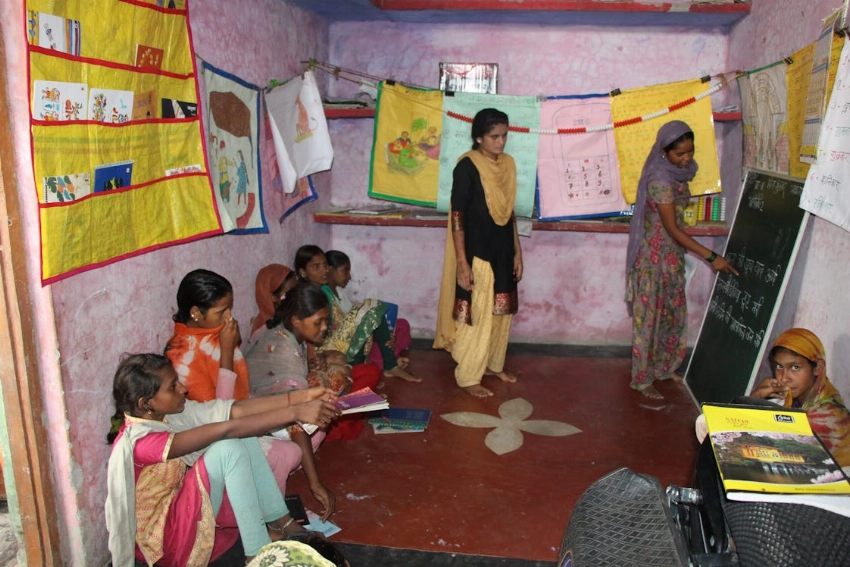
Step-by-step process for Germany student visa from India:
-
Gather Documents (2-3 wks): Admission letter, passport, blocked account (€11,904), health insurance, accommodation proof [previous ].
-
Book VFS Appointment (1-2 wk wait): New Delhi/Mumbai/Bangalore/Chennai via VFS website
-
Attend Interview (15-30 min): Submit biometrics, explain study plans/finances [previous ].
-
Track Status (4-8 wks): Online via VFS; 85-90% approval for complete apps [previous ].
-
Collect Passport: Verify visa (course duration +3 months, multiple entry).
-
Tips: Complete docs, show ties to India; rejections from incomplete funds [previous ].
Expert Tip: Apply for your student visa immediately after receiving admission (don't wait for the last minute)—peak season processing (June-September) takes 8-12 weeks, and emergency appointments are rarely available, potentially causing you to miss your semester start.
What Documents Are Required for German Student Visa?
Essential checklist:
-
Admission Letter: Original, stamped, with program details [previous ].
-
Passport: 6+ months validity, two blank pages.
-
Blocked Account: €11,904 confirmation (Fintiba etc.).
-
Health Insurance: €30k coverage from arrival (TK/AOK).
-
Accommodation: Dorm contract/rental proof.
-
Academics: 10th/12th transcripts, APS cert (notarised/translated).
-
Fee: €75; photos: 35x45mm biometric
As per TerraTern Expert, Shreya, get all academic documents notarised and apostilled 2 months before visa application—the apostille process alone takes 2-3 weeks, and missing this step leads to automatic rejection without refund of the €75 visa fee.
How Long Does German Student Visa Processing Take?
Key timeline facts:
-
Standard (Oct-Apr): 6-8 weeks average
-
Peak (May-Sep): 8-12 weeks (winter rush)
-
Breakdown: Verification 1-2 wks, review 3-5 wks, decision 1-2 wks.
-
Factors: Complete apps faster; New Delhi is the quickest
-
Track: VFS portal/SMS; no fast-track for students.
-
Delays: Contact VFS, add docs if asked; inform uni
Key Note: Apply for visa appointments 3-4 months before your course starts—if your semester begins in October and you apply in August during peak season, 12-week processing means potentially missing enrollment deadlines; June applications ensure timely arrival.
Also Read: Free Education in Germany for Indian Students & Courses
What Are Career Opportunities After Studying in Germany?
Graduates from study in Germany after 12th get an 18-month job seeker visa for a full-time job hunt, with 75-80% placement within 6 months at a starting pay of € 45k-55k.
|
Field |
Placement Rate |
Starting Salary (€/yr) |
Top Employers |
Progression (5 yrs €) |
|
Engineering |
95%+ |
48k-60k |
BMW, Siemens, Bosch, VW |
70k+ |
|
IT/CS |
98% |
50k-65k |
SAP, Amazon, Microsoft |
80k+ |
|
Business/Mgmt |
90% |
42k-52k |
McKinsey, Deloitte, Deutsche Bank |
65k+ |
|
Overall Indians |
75-80% 6 mo |
45k-55k avg |
Continental, ZF |
80k-100k |
Pro Tip: The 18-month post-study work visa combined with 90%+ placement rates and direct EU Blue Card eligibility makes Germany the most stable pathway for Indian students to establish European careers—significantly easier than H-1B lottery in USA or restricted UK post-study routes.
What Is the EU Blue Card and How to Get It?
EU Blue Card enables skilled non-EU work/residence with a job offer ≥€50,700/yr (2026); PR in 21 mo (B1 German).
|
Requirement |
Standard 2026 |
Shortage Occ. (STEM/IT) |
Notes |
|
Min Salary |
€50,700/yr (€4,225/mo) |
€45,934/yr (€3,828/mo) |
Adjusted annually |
|
Degree |
Bachelor's+ |
Bachelor's+ |
German uni recognised |
|
Job Contract |
Binding offer |
Binding offer |
≥3 yrs preferred |
|
Processing |
2-4 wks @ Ausländerbehörde |
Same |
Family joins immediately |
|
PR Path |
21 mo (B1 German)/33 mo |
Same |
Citizenship 6-8 yrs |
Important Tip: The EU Blue Card's 21-month fast-track to permanent residence (with B1 German) makes it the fastest immigration pathway in developed countries—compare this to 5+ years in USA, UK, or Canada, giving German graduates massive advantage in settling abroad permanently.
How to Prepare for Studying in Germany After 12th?
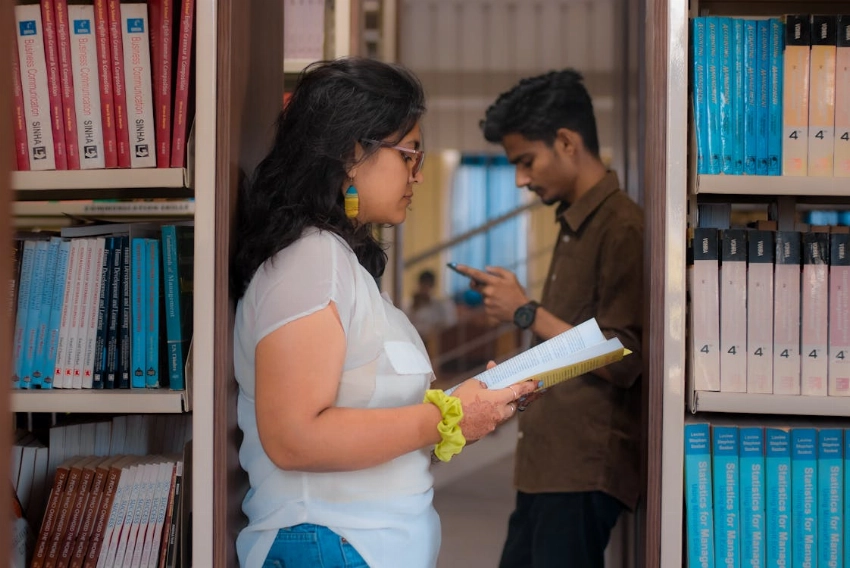
Step prep for study in germany for indian students after 12th (start 18 months early): How to study in Germany after 12th: Start 18 months early
-
18 Mo Before: Learn German (B1+), research unis/DAAD, plan finances.
-
12-15 Mo: Target 75%+ Class 12, A2 German, IELTS if English prog.
-
9-12 Mo: APS apply/interview, language tests, shortlist 5-8 unis.
-
6-9 Mo: Submit apps (Jun/Jul), blocked account, insurance.
-
3-6 Mo: Visa app post-admission, flights/accommodation.
-
1-3 Mo: Orientation, pack (winter clothes), Indian community connect.
-
Ongoing: Self-study skills, budgeting €15k+, cultural awareness.
Important Note: The single most important preparation factor is the German language—students with B2 level before arrival have 3x more part-time job opportunities, integrate faster socially, and perform better academically than those who rely solely on English in engineering programs.
Also Read: Ausbildung Engineering Courses in Germany
What Are Common Challenges and How to Overcome Them?
How to study in Germany after 12th hurdles + solutions.
-
Language: Reach B2 pre-arrival; Tandem/HelloTalk exchanges, uni courses.
-
Culture/Academics: Embrace independence; attend orientations, study groups.
-
Housing Shortage: Apply to dorms early, WG-Gesucht.de, FB groups "Indians in [City]".
-
Initial Costs (€3k-5k): Forex card, second-hand buys (Kleinanzeigen), roommates.
-
Homesickness: Indian associations, cook desi food, and balance local integration.
-
Bureaucracy: Anmeldung in 14 days; organised docs, intl office help.
-
Winter/Adjustment: Vitamin D, gym, psych services; plan warm breaks.
Expert Advice: The first 3 months are the hardest—90% of students who make it past this initial adjustment period complete their degrees successfully; the key is having realistic expectations, utilising university support systems, and connecting with the Indian student community immediately upon arrival.
How Can TerraTern Help Us in Study in Germany After 12th?
d
TerraTern simplifies how to study in Germany after 12th with 100% satisfaction guarantee.
-
Expert Counselling: Eligibility assessment, university/course selection, pathway guidance (Studienkolleg vs direct).
-
Application Management: Document verification, Uni-Assist/portal applications, APS prep coaching.
-
Language Training: Certified B1-B2 German classes included; exam prep.
-
Visa Processing: End-to-end visa submission, interview prep, 60-90 day timeline.
-
Employer Matching (Ausbildung): Job offers, conditional letters, and cultural integration interviews.
-
Post-Landing Services: Accommodation, Anmeldung, and bank setup after arrival.
-
2,000+ Success Stories: Germany Opportunity Card, Job Seeker Visa, Ausbildung approvals.
Also Read: Ausbildung Courses List for International Students
Conclusion
Study in Germany after 12th offers Indian students unparalleled access to world-class education at public universities with zero tuition fees, strong engineering and STEM programs, and clear pathways to 18-month job seeker visas yielding €45k+ starting salaries. How to study in Germany after 12th involves strategic preparation—German B1-B2 language mastery, APS certification, Studienkolleg completion, and blocked account funding (€11,904)—but delivers exceptional ROI through EU Blue Card eligibility and permanent residency in just 21-33 months.
Contact TerraTern for more information on Study in Germany after 12th.




 AI Summary