

Key Highlights
- What Is the Complete Ausbildung Courses List for International Students in Germany?
- What Is Ausbildung and Why Should International Students Consider It in 2026?
- What Are the Eligibility Requirements for Ausbildung Courses for International Students?
- How Much Do International Students Earn During Ausbildung Courses in Germany?
- How to Apply for Ausbildung Courses in Germany from India?
- Which Are the Best Cities in Germany for International Students to Pursue Ausbildung?
- What Career Prospects and Pathways to PR Exist After Completing Ausbildung?
- What Challenges Do International Students Face During Ausbildung in Germany?
- How Can TerraTern Help With Ausbildung Courses for International Students?
- 2026 Industry Context Section
- Conclusion
In Germany, international students can receive Ausbildung courses in 2026 for 2-3.5 years, tuition-free, a monthly stipend program of 70% on-the-job work experience in companies and 30% classroom training in more than 350 occupations, such as nursing, IT specialist, automotive mechatronics, hotel management and industrial mechanics. Non-EU students, including Indians, e.g. Kerala or Srinagar, with a recognised 12th-grade qualification, spoken B1/B2 German (Goethe/telc certified), aged 18-30, and secured training contract via portals like Ausbildung.de, are highly employable (92% placement), work visa eligible, and with permanent residency opportunities under skills-short labour market circumstances. This system is appropriate to the beginner level professionals who want to have an opportunity to start their careers on the basis of making a debt-free career move into high-need sectors with no prior degree required and with a focus on German training, not English courses, which are still uncommon.
What Is the Complete Ausbildung Courses List for International Students in Germany?

Germany has a wide range of around 350 vocational training programs open to international students through the Ausbildung courses list for international students, which combine on-the-job work with theoretical training at the company with high-demand skills. These 2-3.5 years-long dual programs provide tuition-free programs with stipends (€800-1500/month), and provide employment after completion (92 per cent).
Healthcare Programs
-
Nursing (Pflegefachmann/-frau): 3 years, B2 German to treat patients.
-
Nursing Assistant: 2-3 years, elderly and medical assistant.
-
Dental Assistant: 3 years, operating in the clinic and serving patients.
-
Medical Assistant: 3 years, B2 German, administrative/clinical.
IT and Technology
-
IT Specialist (Fachinformatiker): 3 years, systems, software development, cybersecurity.
-
Network Administration: 3 years, infrastructure, and security.
Engineering and Trades
-
Automotive Mechatronics Technician (KFZ-Mechatroniker): 3.5 years, repair/electronics of vehicles.
-
Industrial Mechanic: 3 years, plants and machinery.
-
Electronic Engineer (Elektroniker): 3 years, circuits and devices.
-
Mechatronics Technician: 3.5 years, automation and robotics.
Business and Hospitality
-
Hotel Specialist (Hotelfachmann/-frau): 3 years, guest services and operations.
-
Restaurant Expert (Fachkraft Müller Gastronomie): 3 years, culinary and management.
-
Office management: 3 years, B2 German, administration, organisation.
-
Retail Sales (Verkäufer): 2-3 years of sales in a bakery, meat or grocery store.
Other In-Demand
-
Logistik specialist (Lagerlogistik fachkraft): 3 years, warehouse operations.
-
Truck Driver (LKW-Fahrer): 2-3 years of license training in transport.
-
Bank Clerk (Bankkaufmann): 2.5 -3 years, C1 German preferred.
Find 2026 vacancies by region in Ausbildung.de; contract first to obtain a visa.
Which Healthcare and Nursing Ausbildung Courses Are Available?
The German healthcare and nursing Ausbildung courses list for international students are a good fit for the needs of international students in the context of the deficit, as they entail 2-3 year dual training with stipends ranging between 950 and 1200/month, 2 year B2 German language requirement, and placement at 98%.
|
Course |
Duration |
Focus |
|
Nursing Specialist (Pflegefachmann/-frau) |
3 years |
Patient care, hospitals |
|
Nursing Assistant |
2-3 years |
Elderly support |
|
Dental Assistant |
3 years |
Clinic operations |
|
Medical Assistant |
3 years |
Admin/clinical duties |
Expert Advice: Germany's ageing population has created unprecedented demand for nursing professionals—Pflegefachkraft graduates often receive multiple job offers before completing training, with starting salaries of €2,800-€3,200/month post-qualification.
What Are the Best IT and Technology Ausbildung Courses in English?
IT and Technology Ausbildung courses list for international students. Ausbildung in Germany are taught in full English, a very uncommon occurrence, with dual programs focusing on German integration to train and examine at their workplaces, usually with a requirement of B1/B2 proficiency even in multinationals. There are partial options of English in IT in such companies as SAP, and in Berufsschule, German predominates.
|
Course |
Duration |
Focus |
Language Notes |
|
IT Specialist (System Integration) |
3 years |
Networks, cybersecurity |
Primarily German; some companies use some English. |
|
IT Specialist (Application Development) |
3 years |
Software coding |
B1 German, infrequent English |
|
IT Systems Electronics Technician. |
3 years |
Hardware/infrastructure |
Primarily German |
Pro Tip: While some multinational tech companies like SAP, Siemens, and Deutsche Telekom offer workplace training in English, all IHK examinations are conducted in German—making B1-B2 German proficiency essential even for "English-track" IT programs.
Which Engineering and Technical Ausbildung Courses Are Most Popular?
The most attended engineering/technical Ausbildung courses in Germany are popular among international students because of high demand in the automotive, manufacturing and automation industry, by providing 3-3.5 year dual training at stipends of between 1000-1400/month and good post-graduation salaries of approximately 3000 and above.
|
Course |
Duration |
Key Focus |
Popularity Reason |
|
Mechatronics Technician |
3.5 years |
Automation, robotics |
Top demand in the Industry |
|
Automotive Mechatronics |
3.5 years |
Vehicle electronics/repair |
Automotive giants like BMW |
|
Industrial Mechanic |
3 years |
Machinery maintenance |
Manufacturing shortages |
|
Electronics Technician |
3 years |
Circuits, systems |
Energy/tech sectors |
Advice by our Expert: Germany's automotive giants—BMW, Mercedes-Benz, Volkswagen, and Porsche—actively recruit Mechatronics Ausbildung graduates, often sponsoring training and offering direct employment with salaries exceeding €3,000/month within the first year post-qualification.
What Business and Hospitality Ausbildung Courses Can International Students Choose?
The German Business and Hospitality Ausbildung course is open to international students, which offers dual training inthe tourism sector with stipends of between 800-1200/month and international career opportunities.
|
Course |
Duration |
Key Focus |
|
Hotel Specialist (Hotelfachmann/-frau) |
3 years |
Guest services, operations |
|
Restaurant Specialist (Fachkraft gastonomie) |
3 years |
Culinary, management |
|
Tourist Management Assistant. |
3 years |
Strategic planning, customer relations |
|
Industrial Clerk (Industriekaufmann/-frau) |
3 years |
Business admin, sales |
|
Retail Sales-person (Verkäufer/in) |
2-3 years |
Merchandising, store operations. |
Expert Advice: Germany's position as Europe's largest economy and a global tourism destination creates sustained demand for business and hospitality professionals—Hotel Specialist graduates often find international career opportunities beyond Germany's borders.
What Is Ausbildung and Why Should International Students Consider It in 2026?
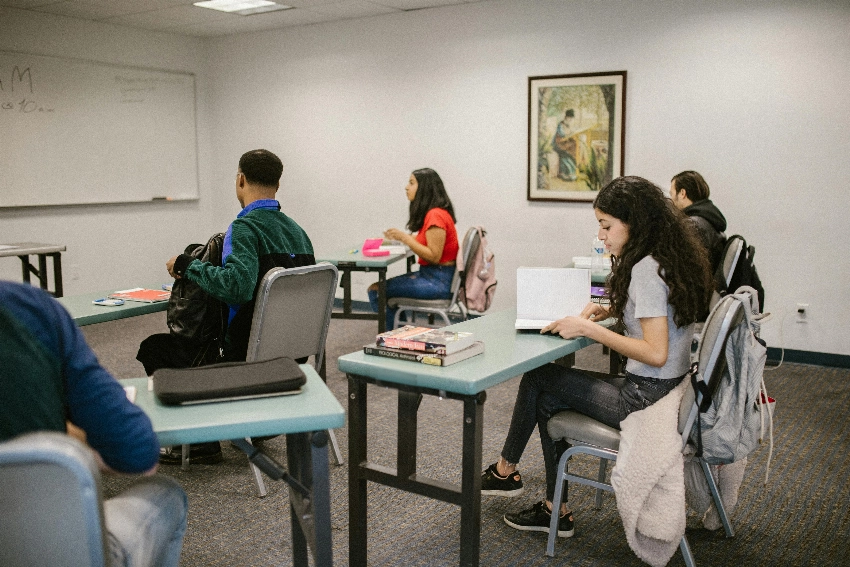
The dual vocational training system in Germany is Ausbildung, which combines 70% of practical on-the-job training with 30% of classroom training (taking 2-3.5 years), offered in 350+ professions without tuition (reimbursed by stipends, 800- 1,500 / month).
|
Aspect |
Description |
International Student benefits in 2026. |
|
Dual Structure |
Company practice + vocational school. |
Practical expertise, 92% employment during crunches |
|
No Tuition |
Training with the increasing stipends. |
Debt-free entry versus university costs |
|
Qualifications |
State-recognized certificate |
The residency path, EU-wide employability. |
|
Accessibility |
High school diploma + B1/B2 German. |
Perfect for non-EU non-degree holders such as Indians. |
|
Demand |
Focus on IT, nursing and engineering. |
Visa ease, €3,000+ starting salaries |
Pro Tip: Unlike traditional university programs that require student loans and delayed earning, Ausbildung allows you to build financial independence from day one while gaining industry-recognised qualifications valued by German employers.
How Does the Dual Education System Work for Foreign Students?
The German dual system of education (Ausbildung) for foreign students divides the training into training in companies (70-80) and in a vocational school (20-30) in 2-3.5 years, earning stipends and obtaining a qualification.
-
Training contract first safely through Ausbildung.de; B1 German, high school diploma.
-
3-4 days/week at the company, 1-2 days at Berufsschule in Germany.
-
Visa (Type D) requires a contract, language evidence, and money ( 1,091/month in case of stipend low).
-
Finals result in state cert; 92 per cent secure employment, residency avenue.
Advice by our Expert: Foreign students hold the same legal status as German apprentices, receiving identical stipends, vacation days (approximately 30/year), and social security benefits—making Ausbildung one of the most equitable training systems globally.
What Are the Key Advantages of Free Ausbildung Courses for International Students?
Free Ausbildung courses provide foreign students with tuition-free vocational training at paid stipends, practical skills, and good career opportunities within the shortage areas of Germany.
-
Earn While Learning: living costs are paid in the form of stipends of between €800-1500/month with no deb,t as in the case of degrees.
-
High Employability: 92 per cent placement rate, permanent employment at the training firms in most cases.
-
Residency Route: Will result in work visas, Blue card after 2-3 years, and PR.
-
Global Recognition: EU-wide qualifications increase mobility.
-
Practical Focus: 70% practical prepares one to work in the job right away.
Expert Advice: The "earn while you learn" model means most Ausbildung students can cover living expenses entirely through their stipend, especially in smaller German cities, making it a truly debt-free pathway to European careers.
What Are the Eligibility Requirements for Ausbildung Courses for International Students?
It requires international students to possess certain requirements to enrol in the German Ausbildung programs with emphasis on education, language, and visa success contracts.
-
Education: 12 th grade (or equivalent through the Anabin recognition), marks not less than 50-60% in the same; no previous degree was required.
-
Age: 17-30 years desirable (18-25 best to secure a visa); up to 27 and above with experience.
-
German: B1 at least (Goethe/telc cert.); B2 health care/technic.
-
Training Contract: Before the visa, it was obtained via Ausbildung.de with a German company.
-
Other: An authentic passport, health insurance, evidence of funds (1091/month provided stipend low), and a clean criminal record.
Pro Tip: While B1 German is the minimum for most programs, healthcare and technical Ausbildung courses typically require B2 proficiency—starting German language training 6-12 months before applying significantly improves acceptance rates.
What German Language Level Is Required for Different Ausbildung Courses?
The training takes place in German, and Ausbildung programs mandate certified German proficiency (Goethe/telc); B1 is expected to cover most professions, whereas B2 is mandatory when working with patients.
|
Field |
Minimum Level |
Notes |
|
General/Technical (IT, Engineering) |
B1 |
Workplace basics |
|
Healthcare/Nursing |
B2 |
Communication/patient safety. |
|
Business/Hospitality |
B1-B2 |
Customer interaction |
|
Trades/Mechanics |
B1 |
Safety instructions |
Advice by our Expert: Investing in achieving B2 German proficiency before applying opens doors to higher-paying sectors like healthcare and engineering—the 6-12 month language learning investment typically yields €200-400/month higher stipends.
What Is the Age Limit for Ausbildung Programs in Germany?
The maximum legal age of Ausbildung programs in Germany is not strict, though applicants as old as 30s or 40s with applicable experience are permitted; the majority of trainees are 16-25, and companies tend to limit it to under 30.
-
Minimum Age: 16years old (Germans and EU); 18 + years old (non-EU internationals) to sign contracts and/or visa.
-
Ideal Age: 18-27 years to be accepted by the company/visa.
-
None: Career changers are flexible; older applicants (30+) should be highly motivated.
-
Visa Effect: Non-EU above 30 years old scrutiny; explain with skills/German skills.
Expert Advice: While younger applicants are preferred for competitive programs like banking, healthcare, and Ausbildung actively recruits career changers up to 40+ years—maturity and life experience are valued in the nursing and elderly care sectors.
How Much Do International Students Earn During Ausbildung Courses in Germany?

Ausbildung programs offer a monthly stipend to international students, which increases annually to meet living expenses with no tuition.
|
Course/Sector |
1st Year (€/month) |
2nd Year (€/month) |
3rd Year (€/month) |
|
Nursing/Healthcare |
950-1,100 |
1,050-1,200 |
1,150-1,300 |
|
IT Specialist |
1,000-1,050 |
1,100-1,200 |
1,200-1,400 |
|
Engineering/Mechatronics |
1,000-1,050 |
1,100-1,250 |
1,200-1,400 |
|
Business/Hospitality |
850-1,000 |
950-1,100 |
1,050-1,200 |
Pro Tip: Stipends increase 10-15% annually during training—a nursing Ausbildung student earning €1,100 in Year 1 can expect €1,300+ by Year 3, with post-qualification salaries jumping to €2,800-€3,200/month immediately upon completion.
What Is the Complete Salary Structure for Ausbildung by Sector?
The amounts paid in Asusbildung depend on sector and year, increasing with the level of skills of the trainee, with gross costs of between 800 and 1500 euros/month (net 700-1200 with deductions).
|
Sector |
Year 1 (€/month) |
Year 2 (€/month) |
Year 3 (€/month) |
|
Healthcare/Nursing |
950-1,100 |
1,050-1,200 |
1,150-1,300 |
|
IT/Technology |
1,000-1,200 |
1,100-1,300 |
1,200-1,400 |
|
Engineering/Technical |
1,000-1,200 |
1,100-1,250 |
1,200-1,400 |
|
Business/Hospitality |
850-1,000 |
950-1,100 |
1,050-1,200 |
Advice by our Expert: When calculating total earning potential, remember that Ausbildung students earn €34,000+ over three years while gaining qualifications—compared to university students who often accumulate debt without income during the same period.
How to Apply for Ausbildung Courses in Germany from India?
This is a systematic order of steps to be followed to apply to Ausbildung courses in Germany as an Indian in 6-12 months,s and the last step is the visa approval.
-
Study German: To B1/B2 (Goethe/telc certified): through Indian courses; required application/interviews.
-
Research Programs: Filters (IT, nursing) on Ausbildung.de, AzubiWelt; observe 2026 September intakes.
-
Bring Documents: German CV (Lebenslauf), motivation letter, 12th certificates (translated/Anabin-recognised), and passport.
-
Apply to Companies: Direct Applications: 20-50 applications are direct and in-German video-interviews.
-
Secure Contract: This Does Ausbildungsvertrag + plan with the employer; key to visa.
-
Apply for a visa: Visa (German embassy, Delhi/Mumbai), with contract, B1-proof, health insurance, funds (1091/month, if necessary); 4-6 weeks to process.
-
Post-Arrival: Register for residence, enroll into Berufsschule, and begin dual training.
Expert Advice: Starting German language classes 12 months before your intended training start date and applying to 10-15 companies simultaneously significantly increases success rates—most successful Indian applicants report 8-12 months from first German class to visa approval.
What Documents Are Required for an Ausbildung Application?
Ausbildung applications are provided in German format with translated and certified documents to the companiesbeforeo visa steps.
-
CV (Lebenslauf): Tabular, 1-2 pages, including photo, reverse-chronological education/work history.
-
Motivation Letter (Anschreiben): A 1-page personalised statement of interest and fit.
-
Education: 12 th-grade diploma/transcripts (translated, Anabin-recognised).
-
German skills: B1/B2 certificate (Goethe/telc).
-
Passport/ID: Original with 12 months' validity.
-
Photos: 3-4 biometric (35x45mm).
-
Training Contract: Ausbildungsvertrag (after acceptance of visa).
Pro Tip: Having documents professionally translated by certified translators and apostilled before applying saves significant time—embassy rejections due to documentation issues can delay your training start by an entire year.
What Is the Ausbildung Visa Process for Indian Students?
Ausbildung visa is a Type D national visa (§16a Residence Act), as issued to Indian students with a training contract upon obtaining it at the German embassy in Delhi, Mumbai, Chennai, Bangalore or Kolkata.
-
Secure Contract First: See the Ausbildungsvertrag of the German company through Ausbildung.de.
-
Booking: through VIDEX online; wait time of 4-8 weeks as of 2025.
-
Send Documents: Passport, contract, B1/ B2 German cert, school diplomas (translated), CV, motivation letter, health insurance, blocked account (1091/month when stipend is lower than 1091).
-
Attend Interview: Complain about motivation, connection with India; biometrics made.
-
Processing: 6-12 weeks; a visa sticker is granted upon approval is granted.
-
Post-Arrival: Within 90 days, change to a residence permit.
Advice by our Expert: Unlike student visas, Ausbildung visa applicants with training contracts paying €1,048+ per month typically don't need blocked account proof—the guaranteed income from your Ausbildungsvertrag serves as financial evidence.
Which Are the Best Cities in Germany for International Students to Pursue Ausbildung?
The major cities with high populations of international Ausbildung students are Berlin, Munich, Stuttgart, Hamburg, and Leipzig because there are numerous training opportunities, industrial centres, and networks associated with these cities.
|
City |
Key Sectors |
Living Costs (€/month) |
Why Best for Ausbildung |
|
Berlin |
IT, healthcare, hospitality |
900-1,200 |
Diverse opportunities, multicultural |
|
Munich |
Engineering, automotive |
1,200-1,500 |
Various opportunities, multicultural. |
|
Stuttgart |
Mechatronics, manufacturing |
1,000-1,300 |
Porsche/Mercedes hubs |
|
Hamburg |
Logistics, hospitality |
900-1,200 |
Port jobs, affordable |
|
Leipzig |
Nursing, IT, trades |
700-1,000 |
Low costs, growing demand |
Expert Advice: Smaller cities like Leipzig and Dresden offer the best stipend-to-cost ratio—earning €1,100/month with living costs of €650-€750 allows significant savings compared to Munich, where expenses often match or exceed stipends.
What Career Prospects and Pathways to PR Exist After Completing Ausbildung?
Ausbildung graduates are guaranteed 92% employment rates immediately after graduating, with training firms, resulting in specialised jobs and residency via work permits.
|
Aspect |
Prospects |
PR Pathway |
|
Employment |
Starting at €2,800- 4,000/month; Meister certification to move on. |
The period of skilled work after Ausbildung is 2 years, beyond which the residence permit is unlimited. |
|
Career Growth |
Respecification or foreman work or university bridge (Bachelor's) |
B1 German + 5 years total residence= permanent residence (Niederlassungserlaubnis) |
|
Sectors |
IT (3,500+), nursing (3,200+), and engineering (3,500+) mobility to the EU. |
Fast-track Blue Card/PR (e.g. mechatronics) shortage occupations. |
Pro Tip: Germany's 2024 Skilled Immigration Act reforms have created one of Europe's fastest pathways to permanent residency—Ausbildung graduates can now secure PR in as little as 3 years compared to the previous 8-year requirement.
Can International Students Get Permanent Residency After Ausbildung?
Yes, non-EU international students are allowed to receive permanent residency ( settlement permit ) in Germany after finishing Ausbildung, which usually takes 2 years of correlated employment.
-
Full Ausbildung (vocational training) on a training visa.
-
Find skilled employment; obtain 18 months job seeker permit after training.
-
Serve 2 years of Pension; Niederlassungserlaubnis.
Advice by our Expert: Achieving C1 German proficiency during or after Ausbildung can reduce the PR waiting period from 4 years to just 2 years—making language investment one of the most strategic long-term decisions for Indian students.
How Does Ausbildung Compare to University Education for Job Prospects in Germany?
In Germany, Ausbildung offers more immediate employability and immediate entrants to jobs, suitableforo practical trades, than university education.
|
Aspect |
Ausbildung |
University |
|
Employment Rate (6 mo) |
96% |
78% |
|
Time to Job |
2-3.5 yrs, often guaranteed |
3-5+ yrs + search |
|
Starting Salary |
€2,200-€2,800/mo |
€3,200+/mo but debt-laden |
|
Permanent Contracts |
87% first job |
62% first job |
Expert Advice: For Indians seeking immediate career establishment in Germany, Ausbildung offers superior ROI—you're earning €34,000+ during training while university students spend €30,000-€50,000 on living costs without income.
What Challenges Do International Students Face During Ausbildung in Germany?

As an international student, there are some major challenges that I experience during Ausbildung in Germany.
-
Language Barrier: B2 German is necessary; the non-natives are overwhelmed by daily work, classes, and bureaucracy in German.
-
Finding Employment: Competition in taking apprenticeship with locals.
-
Low Stipend: €800-1200/month is not always enough to live on, and blocked accounts are necessary.
-
Cultural Adjustment: Punctuality, direct communication and work-study balance are different between home cultures and work cultures.
-
Visa/Bureaucracy: Scurry paperwork, monetary documentation, and strict procedures.
-
Workload: Requiring a two-fold system of practice and theory.
Pro Tip: The first 3-6 months present the steepest learning curve—joining international student communities, finding a German language partner (Tandem), and connecting with Indian student associations significantly ease the transition.
How Can TerraTern Help With Ausbildung Courses for International Students?
TerraTern is a company that supports international students with Ausbildung in Germany with all the necessary support services.
-
Checking Eligibility and Counselling: Preliminary Evaluation and proficient calls to pair programs.
-
Enrollment/ Document Verification: Processes applications, legal checks and translations.
-
Interview Preparation: Prevails cultural assimilation during employer interviews.
-
Language Training: Certified classes up to the B1/B2 German.
-
Visa Processing: Processes submissions, with 60-90 day approvals.
-
Employer Matching/ Offers: Obtains conditional letters and placement.
-
After Landing Services: Pick-up on arrival, accommodation, and assistance.
2026 Industry Context Section
Latest Statistics (with publication dates):
-
Over 370,000 international students enrolled in German vocational training (Make It in Germany, 2024)
-
90,000+ open Ausbildung positions across Germany (Federal Employment Agency, 2026)
-
85% of Ausbildung graduates receive job offers before completing training
-
Trainees earn €850-€1,500 monthly, depending on sector and year
-
Germany's skilled worker shortage projected to reach 7 million by 2035
Industry Developments (2026 Trends):
-
Increased English-language Ausbildung options in IT and tech sectors
-
New Opportunity Card pathway introduced in June 2024 for easier immigration
-
Simplified visa processes for vocational training applicants
-
Growing demand in healthcare, IT, and green energy sectors
-
PR waiting period reduced from 8 to 3 years for skilled workers
Expert Insights: "Ausbildung represents one of the most financially viable pathways to career establishment in Germany—students earn while they learn, eliminating student debt while building practical skills that German employers actively seek." — TerraTern Expert
Trend Analysis:
-
Shift from traditional university education to practical vocational training
-
Increasing acceptance of international qualifications
-
Digital transformation is creating new Ausbildung specialisations
-
Post-pandemic healthcare sector expansion
Conclusion
In Germany, asubildung programs offer international students 2026 (in 2026) in more than 350 programs in high-demand areas such as nursing (3 years, stipend of €1,200-1500), IT specialist (3 years), automotive mechatronics (3.5 years), hotel management (3 years), industrial mechanics (3 years), dental assistant (3 years), and logistics (3 years), and an 96% job placement rate and the possibility of becoming a permanent resident. These two-year, applied, dual-athlete choices are designed to accommodate non-EU students between 18-30 with B1/B2 German, giving them a debt-free access to secure jobs that report a minimum of an average of 2200 on completion of the course, more competitive than university-based training as students can integrate themselves into a stable workforce in the EU within the next 2026 within the context of skills shortages.
Contact TerraTern for more information on the Ausbildung Courses List for International Students 2026.




 AI Summary