

Key Highlights
- Which Are the Best Public Universities for Mechatronics Engineering in Germany?
- What Makes Mechatronics Engineering in Germany's Public Universities Unique?
- How Does Germany's Public Education System Work for Engineering?
- Which Are the Top Public Universities for Mechatronics Engineering in Germany?
- What Are the Fees for Mechatronics Engineering in Germany Public Universities?
- What Are the Eligibility Requirements for Mechatronics Engineering in Germany?
- How to Apply for Mechatronics Engineering in Germany's Public Universities?
- What Career Opportunities Exist After Mechatronics Engineering in Germany?
- What Scholarships Are Available for Mechatronics Engineering Students?
- How Does Studying Mechatronics in Germany Compare to Other Countries?
- What Are the Living Costs for Students in Germany in 2026?
- What Are the Common Questions About Mechatronics Engineering in Germany in 2026?
- Study Mechatronics in Germany: 2026 Industry Outlook
- Is Mechatronics Engineering in Germany Public Universities the Right Choice for You?
- How can TerraTern Help Us in the Best Public Universities for Mechatronics Engineering in Germany in 2026?
- Conclusion
Mechatronics engineering in germany public universities is well known for imparting qualities of this interdisciplinary field, which together features mechanical and electrical engineering with computer-related engineering. Germany's public universities are especially popular due to their world-class research opportunities, connection to industry and the free or low tuition costs for the many programs. Prospective students generally search for the list of public universities to find institutions with good faculties and modern labs.
Additionally, the cheapest public universities are appealing to international students who want to study without compromising on education standards. Fees at these universities generally range from nominal semester contributions to a moderate tuition on the basis of the university and the origin of the student.
Which Are the Best Public Universities for Mechatronics Engineering in Germany?
Public universities are in the lead with 9 Bachelor's and 18 Master's programs in mechatronics with an emphasis on low-cost and high-demand job occupations. Fees: for admin/public transport, for living expenses, EUR 800-1000/month approx.
|
University |
Degree Levels |
Tuition/Fees (per semester - non EU) |
Key Strengths |
|
German Technical University of Bavaria Munich (TUM) |
BSc, MSc |
€2,000-€6,000 + €258 semester fee |
Research on robotics, relations to industry (Siemens, BMW) |
|
RWTH Aachen University |
BSc, MSc |
€100-€400 semester fee |
Performing advanced labs, highly employable |
|
Karlsruhe Institute of Technology (KIT) |
BSc, MSc |
€150-€350 semester fee |
Mechatronics & IT focus, tuition-free |
|
TU Stuttgart |
MSc |
€1,500 + semester fee |
Automation, real work |
|
FH Aachen |
MSc |
€350 semester fee |
Industry-oriented in the English language |
|
Hochschule Esslingen |
BSc, MSc |
€100-€400 semester fee |
On-the-job training, Living costs |
|
Hamburg University of Technology (TUHH) |
MSc |
€300-€400 semester fee |
Innovation in smart systems |
Also Read: Study Mechatronics in Germany: Eligibility, Fees, & Colleges
What Makes Mechatronics Engineering in Germany's Public Universities Unique?
Germany's engineering legacy, which is based on precision and innovations, makes Germany's public universities global leaders in mechatronics engineering, which is a fusion of mechanical, electrical, and computing disciplines for automation experts. Mechatronics training at these institutions focuses on interdisciplinary training with a list of public universities, such as TUM and RWTH Aachen, combining the hands-on projects of robotics and smart systems.
As the cheapest public universities, they charge minimal fees of EUR 100 - EUR 400 per semester, funded by the government support for high-quality research in the field of Industry 4.0. Key advantages are partnerships with Siemens and Bosch for real-world projects, access to state-of-the-art labs, and 95%+ employment rates with starting salaries of EUR 50,000 - EUR 60,000 per year.
-
Vs. USA: Lower fees (EUR 300/semester) vs. $20,000+/year, but equal quality of research at TUM/KIT.
-
Vs. UK: Tuition-free public institutions charge PS9,000-PS38,000/year fees compared to potent industry ties, e.g. Bosch collaborations.
-
Vs. Canada: Shorter programs (3-4 years) + cheaper living (EUR 800/month) than CAD 20,000+ tuition + direct Ausbildung paths
-
Vs. Australia: No tuition barriers for internationals at the cheapest mechatronics engineering in Germany public universities vs AUD 40,000/year. Higher robotics job rates.
-
Vs. India: Government-funded lab beats Private college.
As per a TerraTern expert, Germany's public universities offer an unparalleled value proposition for mechatronics engineering—combining zero to minimal tuition fees with access to the same cutting-edge facilities and industry networks that make German engineering globally renowned. Indian students can access the same quality education as domestic students while building careers in EUR ope's strongest economy.
How Does Germany's Public Education System Work for Engineering?
Germany differentiates between public universities, which dominate the field of mechatronics engineering in Germany, with government funding and private ones charging high tuition (EUR 5,000+ yearly). State governments fund public institutions to make them accessible, paying the bulk of the costs for programs, such as the list of mechatronics engineering in German public universities, such as TUM and RWTH Aachen. Semester contributions (EUR 100-EUR 400) for administration, student services and public transport passes, not tuition, exceptions, e.g. Baden-Wurttemberg (EUR 1,500/semester non-EU) or Bavaria (EUR 2,000-EUR 6,000 at TUM) for some of the mechatronics engineering in Germany public universities fees for internationals.
"Free" education means no general tuition - only contributions and living costs (EUR 800-EUR 1,000/month) are still required. Quality assurance comes via CHE rankings and with accreditation bodies upholding standards in the cheapest mechatronics engineering in Germany public universities. International students are entitled to equal rights of part-time work (20 hours/week), scholarships and post-study visas.
-
Bavaria: TUM: EUR 2,000 - EUR 6,000/semester non-EU: Employee contribution: EUR 258; Cheapest mechatronics engineering in Germany, Public Universities Elsewhere.
-
Baden-Wurttemberg: KIT/Heidelberg adds EUR 1,500/sem to lower fees than these, Strong for mechatronics eng Germany public unvs.
-
North Rhine-Westphalia: RWTH Aachen/FH Aachen: EUR 300 - 400 semester fee only, Top list of mechatronics engineering in Germany public universities.
-
Most States: Tuition-free beyond contributions for all, ideal for the cheapest mechatronics engineering in Germany, public universities like that of the TUHH.
-
Berlin/Brandenburg: Freie universität 300 EUR os per semester, available to international mechatronics programs
Pro Tip: Understanding that "tuition-free" means no instructional fees but small administrative contributions helps students budget accurately—most will spend €250-€350 per semester on fees that include valuable benefits like unlimited public transportation across entire metropolitan regions.
Also Read: Top 10 Universities in Germany for Engineering: Update
Which Are the Top Public Universities for Mechatronics Engineering in Germany?
These top mechatronics engineering in Germany public universities provide an equal combination of theory and practice and excellent collaborations with industry leaders in the global and regional sectors. Most offer programs in German with growing degrees of English as a second language at the master's level. Tuition costs are still low by global standards, especially in the case of the cheapest mechatronics engineering in Germany's public universities like FH Aachen and THWS. The semester contributions usually vary mostly from EUR 150 to EUR 400, with the exception of areas like the German state of Bavaria, where non-EU students should pay higher fees.
|
University |
Type |
Location |
Program Language |
Unique Features |
Industry Partnerships |
Semester Fees (Non-EU approx.) |
Ranking / Notes |
|
Technical University of Munich (TUM) |
TU |
Munich |
German/English |
Leading robotics and biomechanical engineering lab, Industry 4.00 focus |
Siemens, BMW, Bosch |
€2,000-€6,000 + €258 contribution |
Top-ranked technical university globally |
|
TU Stuttgart |
TU |
Stuttgart |
German |
Proficiency in automation & strong Embedded systems specialisation |
Daimler, Porsche |
€1,500 + €200 contribution |
Highly reputed engineering and industrial connections |
|
FH Aachen (University of Applied Sciences Aachen) |
FH |
Aachen |
German/English |
Emphasis on applied research & practical training |
Local industries & the car industry |
€350 semester fee |
Known for a pragmatic approach, that is, an industry-oriented approach |
|
THWS (Technical University of Applied Sciences Würzburg-Schweinfurt) |
FH |
Würzburg-Schweinfurt |
German |
Modern facilities that have a curriculum linked to industry |
Mittelstand companies |
€150-€300 semester fee |
Be special in SME and applied research |
|
Karlsruhe Institute of Technology (KIT) |
TU |
Karlsruhe |
German/English |
Combines IT and mechanical modules; Mechatronics & Energy Strong |
Bosch, SAP |
€150-€350 semester fee |
One of the largest technical universities in Germany |
|
Hamburg University of Technology (TUHH) |
TU |
Hamburg |
German/English |
Smart systems and an automated research hub |
Airbus, Hamburg port industry |
€300-€400 semester fee |
Known for innovation in maritime mechatronics |
|
Hochschule Esslingen (Esslingen University of Applied Sciences) |
FH |
Esslingen |
German/English |
Dual study programs - theory and industrial apprenticeship |
Automotive suppliers |
€200-€350 semester fee |
Specialised in mechatronics with a strong practical orientation |
As per TerraTern expert, while TU Munich and TU Stuttgart lead in research prestige, Universities of Applied Sciences like FH Aachen and THWS often provide more hands-on industrial training with mandatory internship semesters, making them excellent choices for students prioritising practical experience and direct industry entry.
Technical University of Munich (TUM) - Mechatronics, Robotics and Biomechanical Engineering
TUM's MSc in Mechatronics, Robotics and Biomechanical Engineering, part of mechatronics engineer in Germany public universities, brings the mechanical, electrical and computer sciences together for the design of adaptive systems of automation and biomechatronics. Offered in English or German for a total of 4 semesters (120 ECTS) at the Garching campus, they are equipped with modules in the fields of control engineering, mechanics, IT and electrotechnology with a specialisation in digital systems or human-machine interaction. Non-EU students face mechatronics engineering in Germany public universities, with fees of EUR 4,000 - EUR 6,000/semester plus EUR 258 contribution, higher than cheap mechatronics engineering in Germany public universities like FH Aachen
-
Admission: Admission requires a relevant Bachelor's degree or aptitude examination, GRE/Gate (QR 164+) or IELT (6.5) TOEFL (88) and subjects such as Mechanics, control engineering, etc. Apply April-May/Oct-Nov at TUM online. Research at the Munich Institute of Robotics and Machine Intelligence (MIRMI) offers state-of-the-art labs in the areas of human-robot interactions and cyber-physical systems.
-
Industry Partnerships: Collaboration with Siemens, BMW, Bosch, Fraunhofer and Audi for the projects in automotive robotics and Industry 4.0 to enhance the list of mechatronics engineering in Germany public universities.
-
Campus & Facilities: Garching campus with modern labs and simulation tools + high-performance computing, mechatronics engineering in Germany, Public Universities research
-
Notable Achievements: Globally top-ranked (QS #28 engineering). 95%+ employability, alumni performance in automated research R&D. EU projects performance: strong. Human Brain Project.
-
Career Prospects: Graduates are receiving EUR 55,000+ starting salaries for robotics, graduating with Blue Card visas.
-
Unique Edge: Holistic training can perform better than peers as flexible modules are suitable for students of international origin, though mechatronics engineering in Germany public universities has fees.
University of Stuttgart - Mechatronics Program
TU Stuttgart's interdisciplinary Mechatronics programs, important to mechatronics engineering in Germany public universities, combine the different disciplines of mechanical engineering, electrical engineering and IT for a comprehensive training in automation and control systems. Bachelor's (6 semesters, BSc) and Master's (4 semesters, MSc) with a focus on robotics, simulation, machine dynamics and software engineering (taught mainly in German with the proficiency C1 required (DSH-2/TestDaF 4)).
In Baden-Wurttemberg, non-EU students pay mechatronics engineering in Germany public universities, tuition of EUR 1,500/semester + EUR 184- EUR 200 contribution, higher than the cheapest mechatronics engineering in Germany public universities elsewhere.
-
Research: focuses on Industry 4.0, photonics and simulation with centres, e.g. ARENA2036, labs for control engineering, and machine tools. Apply by the Campus portal (due date Jan/Jul) requires a relevant Bachelor's (MSc), a transcript, APS for Indians, and no Numerus Clausus.
-
Bachelor's Structure Specialist: 180 ECTS with basic mechanics, electronics, and IT Internship mandatory for those who are interested in Mechatronics, a list of Engineering in Germany public Universities with a practical edge for student in Engineering.
-
Master's Specialisations: Robotics, control engineering, logistics, electives, Machine tools, simulation
-
Industry Connections: Partners belong to Daimler, Porsche, Bosch,and Fraunhofer for partners in the field of automotive mechatronics.
-
Stuttgart Location:Automotive hub provides jobs/internships; campuses have modern labs, living costs EUR 800-1,000/month.
-
Achievements: Top engineering rankings, 90%+ employability at EUR 50,000+ starting salaries despite mechatronics engineering in Germany's public universities' fees
As per TerraTern expert, Stuttgart's automotive industry concentration provides unmatched internship and job placement opportunities with companies like Porsche, Mercedes-Benz, and Bosch, though the German-language requirement necessitates strong language preparation before enrollment.
FH Aachen - University of Applied Sciences
FH Aachen's mechatronics programs are prominent in the field of mechatronics engineering education in Germany's public universities and focus on practical training in mechatronics engineering, in the form of labs and industry projects for BEng (7 semesters) and MSc (3-4 semesters) in mechatronics engineering.
Primarily in German (C1 required), some MSc modules offer English non-EU students pay EUR 305-EUR 346 semester contribution covering services/transport amongst cheapest mechatronics engineering in Germany public universities fees despite the NRW location. Research focus applied automation/robotics with modern labs; industry links to car firms boost mechatronics engineering in Germany public universities appeal list.
-
Admission: Bach by No restriction( uni-assist by 15 Jul) Welfare Indian from 15 Jul MText by 30 Jun via online Portal (relevant BSc./GPA.APS)
-
Warr: Indian, the Aachen campus is a hands-on facility in relation to the Dutch/Belgian borders.
-
Program Structure: BEng full-time 210ECTS mechanics/electronics/IT MSc Interdisciplinary control systems, robotics
-
Specialisations: Automation, Sensor tech, Embedded systems for Industry 4.0 Applications.
-
Industry Connections: Partnerships with regional manufacturers to do internships/projects.
-
Location Advantages: Tech hub republican in the centre of Germany, Aachen offers a variety of living options for techs. $700 / month living, close to EU job markets.
-
Achievements: 90% employability, EUR 50k-EUR 60k start-up,s practical edge over theory-focussed TUs
As per TerraTern expert, FH Aachen represents excellent value with semester fees under €350 and a strong emphasis on applied research—ideal for students who prefer hands-on learning and direct industry collaboration over purely theoretical approaches.
Technical University of Applied Sciences Würzburg-Schweinfurt (THWS)
THWS's BEng Mechatronics 7 semesters in Mechatronics Engineering in Germany public Universities, TWI in Germany is a unique English-German bilingual program at the Schweinfurt campus with compulsory internship.
English track (no tuition, EUR 114 - EUR 150 semester fee incl. transport), which makes it the cheapest mechatronics engineering program in Germany, much less than TUM/STUTGART fees. Still here, it can be found Mechanic/Electrical/CS Integration, Robotics/AI/ medical Tech TestAS/SAT non-Temporary (EU). Apply Apr-Jun via portal. Use the foundation phase to build basics, and the advanced phase includes labs/practical semester. Having strong professor access (60+) and regional industry links.
-
Program: Structure 210 ECTS Full-time TWN internship semester, also hands-on mechatronics engineering in Germany public universities.
-
Language/Specialisations: Bilingual Electives, Robotics/medical tech/AI.
-
Industry Connections: 60+ professors connect with Mittelstand companies for jobs.
-
Location Advantages: Schweinfurt is affordable (EUR 700 -900/month), and the modern Campus Ignaz Schon.
-
Achievements: Given an international focus to improve global careers, options for trainer certification
Pro Tip: THWS's €114 semester fee makes it the cheapest option among major mechatronics programs, and the English-language track with mandatory 20-week internship provides exceptional value for international students seeking practical industry experience in Germany's automation sector.
List of Mechatronics Engineering in Germany Public Universities
This comprehensive list of mechatronics engineering in Germany public universities includes the best choices from the cheapest mechatronics engineering in Germany public universities, such as THWS (114/semester), to the best choices, such as TUM, mechatronics engineering in Germany public universities, with fees mostly 100-500, excluding Baden-Wurttemberg/Bavaria exceptions.
|
University Name |
Program Level |
Language |
Semester Fees (Non-EU approx.) |
Location |
Duration |
Special Features |
|
Technical University of Munich (TUM) |
MSc |
English/German |
€4,000-€6,000 + €258 |
Munich |
4 sem |
Robotics, biomechanics labs; top-ranked |
|
TU Stuttgart |
BSc/MSc |
German |
€1,500 + €200 |
Stuttgart |
6/4 sem |
Automation, automotive focus; Industry 4.0 |
|
FH Aachen University of Applied Sciences |
BEng/MSc |
German/English |
€310-€350 |
Aachen |
7/4 sem |
Practical training, industry projects |
|
Technical University of Applied Sciences Würzburg-Schweinfurt (THWS) |
BEng |
English/German (TWIN) |
€114-€150 |
Schweinfurt |
7 sem |
Mandatory internship, cheapest option |
|
Karlsruhe Institute of Technology (KIT) |
BSc/MSc |
German/English |
€150-€350 |
Karlsruhe |
6/4 sem |
IT-mechatronics integration, research hub |
|
Hamburg University of Technology (TUHH) |
MSc |
German/English |
€300-€400 |
Hamburg |
4 sem |
Smart systems, maritime applications |
|
Hochschule Esslingen |
BSc/MSc |
German/English |
€200-€350 |
Esslingen |
7/4 sem |
Dual study, automotive partnerships |
|
University of Rostock |
BSc/MSc |
German |
No tuition, €200-€300 |
Rostock |
6/4 sem |
Marine tech, coastal engineering ties |
|
Heilbronn University of Applied Sciences |
BEng |
German/English |
€150-€300 |
Heilbronn |
7 sem |
Robotics, practical SME collaborations |
|
University of Applied Sciences Ravensburg-Weingarten (RWU) |
MSc |
English |
€150-€300 |
Weingarten |
4 sem |
Cyber-physical systems, English MSc |
|
Schmalkalden University of Applied Sciences |
BEng/MSc |
German |
€100-€250 |
Schmalkalden |
7/4 sem |
Embedded systems, affordable region |
|
Chemnitz University of Technology |
BSc/MSc |
German |
€250-€500 |
Chemnitz |
6/4 sem |
Lightweight construction, no tuition |
|
RWTH Aachen University |
Related MSc |
German/English |
€300 |
Aachen |
4 sem |
Advanced labs, high employability |
|
University of Erlangen-Nuremberg (FAU) |
MSc |
English |
€200 |
Erlangen |
4 sem |
Autonomy tech, medical robotics |
|
Deggendorf Institute of Technology |
MEng |
English |
€500 |
Deggendorf |
4 sem |
Cyber-physical systems, English focus |
|
Augsburg University of Applied Sciences |
MEng |
German |
€150-€300 |
Augsburg |
4 sem |
Production mechatronics, BMW region |
|
University of Kassel |
BSc |
German |
€158-€300 |
Kassel |
6 sem |
Sustainable engineering integration |
|
Beuth University of Applied Sciences Berlin |
BSc |
German/English |
€300 |
Berlin |
7 sem |
Urban automation, central location |
|
HS Aalen University of Applied Sciences |
BSc |
German |
€150-€250 |
Aalen |
7 sem |
Plastics/medical mechatronics |
|
University of Siegen |
MSc |
English/German |
€250 |
Siegen |
4 sem |
Control systems, flexible modules |
As per a TerraTern expert, this comprehensive list reveals that Universities of Applied Sciences (Fachhochschulen) generally offer more affordable fees and English-taught options compared to traditional Technical Universities, making them strategic choices for budget-conscious international students who still want strong industry connections.
What Are the Fees for Mechatronics Engineering in Germany Public Universities?
Public universities in mechatronics engineering in Germany Public universities charge no general tuition, only semester contributions (EUR 100 - EUR 400) covering administration, student services, and public transport passes much lower than private fees (EUR 10,000 - EUR 20,000/year). Exceptions in Baden-Wurttemberg (EUR 1,500/semester non-EU) and Bavaria (up to EUR 6,000 at TUM) are applicable to mechatronics engineering in Germany public universities, which create the cheapest mechatronics engineering in Germany public universities, such as THWS, ideal for internationals.
Semester fee includes union dues, cafeteria, semester tickets, etc. "Free" education does not include living expenses (EUR 800-EUR 1,200/month housing/food/transport) + health insurance (EUR 110/month) + visa/blocked account (EUR 11,904/year proof). One-time costs: uni-assist (EUR 75), APS certificate (EUR 18 for Indians), visa (EUR 75). State variations are due to local policies; most lists of mechatronics engineering in Germany public universities are still weighing affordability despite debates. Financial tips: DAAD grants, 20 hours/ week working ( EUR 450 per month without tax), bifurcating 12,000/year total extra fees.
Fee Comparison Table
|
Category/State |
Semester Fees (Non-EU) |
Examples from Mechatronics Programs |
Notes |
|
Most States (Tuition-Free) |
€100-€400 contribution |
THWS (€114), FH Aachen (€310-€350), RWTH Aachen (€300), TUHH (€335) |
Cheapest mechatronics engineering in Germany public universities; includes transport |
|
Baden-Württemberg |
€1,500 tuition + €200 contrib. |
TU Stuttgart (€1,500+€200), KIT (€1,500+€153) |
Applies to all non-EU undergrads/master's |
|
Bavaria |
Up to €6,000 tuition + €258 contrib. |
TUM (€4,000-€6,000+€258 MSc Mechatronics) |
Select programs only; BayHIG law |
|
Private Universities |
€5,000-€20,000/year |
SRH University (€4,800/semester BEng) |
Full tuition, no contributions |
|
Additional Costs |
Varies |
Living €800-€1,200/month, Health Ins. €110, Blocked Acct. €11,904/year, Visa €75 |
Plan €15,000-€20,000/year total for internationals |
Public options dominate affordability for mechatronics engineering in Germany public universities, prioritising accessibility via state funding.
Key Point: The true cost of studying mechatronics in Germany extends beyond semester fees—budget €10,000-€12,000 annually for living expenses, plus €11,208 for blocked account requirements, making the total first-year investment around €22,000-€25,000 despite "free tuition."
How Much Are the Cheapest Mechatronics Engineering in Germany Public Universities?
This ranking shows THWS as the cheapest, ideal for budget-conscious international students seeking quality mechatronics engineering in Germany's public universities without a high fee burden.
|
University |
Semester Fees (Non-EU) |
Semester Fees (EU) |
Coverage of Fees |
Location |
Estimated Living Costs (€/month) |
Total Program Cost Estimate |
Scholarships & Notes |
|
Technical University of Applied Sciences Würzburg-Schweinfurt (THWS) |
€114 (incl. public transport) |
Same |
Administrative, student services, semester ticket |
Schweinfurt |
€700-€850 |
~€8,000 (7-sem BEng) + living |
DAAD scholarships; English TWIN program |
|
Chemnitz University of Technology |
€250 |
€250 |
Admin, transport, student services |
Chemnitz |
€700-€900 |
~€10,500 + living |
No tuition for internationals |
|
Hochschule Esslingen |
~€200-€350 |
~€200-€350 |
Semester ticket, services |
Esslingen |
€800-€1,000 |
~€10,500 + living |
Strong dual study options |
|
FH Aachen University of Applied Sciences |
€310-€346 |
Same |
Student services, transport |
Aachen |
€750-€900 |
~€12,000 + living |
Practical focus: APS required for IN students |
|
RWTH Aachen University |
~€300-€335 |
Same |
Admin, transport |
Aachen |
€750-€900 |
~€12,000 + living |
Research-intensive, high employability |
|
University of Rostock |
€200-€300 |
Same |
Admin, transport |
Rostock |
€650-€850 |
~€10,000 + living |
Marine/automation speciality |
|
University of Applied Sciences Ravensburg-Weingarten |
€150-€300 |
Same |
Admin, services |
Weingarten |
€700-€900 |
~€10,500 + living |
English MSc available |
|
TU Hamburg |
€200-€350 |
Same |
Student services, transport |
Hamburg |
€850-€1,000 |
~€12,000 + living |
Maritime robotics focus |
|
TU Stuttgart |
€1,500 tuition + ~€200 contrib. |
semester contrib. only |
Tuition + admin costs |
Stuttgart |
€800-€1,100 |
~€19,000 + living |
Higher fees for non-EU; automotive hub |
|
Technical University of Munich (TUM) |
€4,000-€6,000 tuition + €258 contrib. |
€72-€102 contrib. only |
Tuition + semester ticket |
Munich |
€900-€1,200 |
~€30,000 + living |
Top-ranking, strong industry ties |
As per TerraTern expert, while THWS offers the lowest semester fee at €114, consider total costs including city living expenses—a €300 fee in smaller cities like Schweinfurt or Schmalkalden often provides better overall value than €150 fees in expensive cities like Munich, where rent consumes significantly more of your budget.
What's Included in Semester Contribution Fees?
Semester contribution fees at German public universities typically cover:
-
Administrative processing charges related to enrollment, re-registration, and student services.
-
Contributions to the student union (such as AStA), which represents student interests and organises various activities.
-
Social contributions to the Studentenwerk, which funds campus facilities like cafeterias, student housing, and counselling services.
-
A semester ticket that grants unlimited access to local and regional public transportation (sometimes nationally), which is highly valuable for students commuting or exploring the area.
-
Additional fees that may include cultural tickets for discounts on cultural events or hardship funds.
The semester contribution usually ranges from €70 to €430, depending on the institution and region, and it must be paid each semester before enrollment renewal. It is not tuition but an essential fee for access to services and public transport.
Also Read: Best Universities in Germany for Mechanical Engineering
What Are the Eligibility Requirements for Mechatronics Engineering in Germany?
Bachelor's programs in mechatronics engineering in Germany public universities require a secondary school certificate equivalent to Abitur (e.g., 12th-grade Indian boards with 70%+ in math/physics), often needing one year of Studienkolleg or JEE Advanced for direct entry, plus TestAS/SAT for non-EU applicants. Master's demands a relevant BSc (mechatronics/mechanical/electrical engineering, 180-210 ECTS, GPA 2.5-3.0 German scale) with aptitude tests like GRE/GATE for a select list of mechatronics engineering in Germany public universities like TUM.
German equivalency via uni-assist/Anabin verifies qualifications; Indian students mandatorily need an APS certificate (INR 18,000, 4-6 weeks) for document authenticity before visa/university apps. Language: German C1 (DSH-2/TestDaF 4) for most; English B2+ (IELTS 6.0/TOEFL 83) for bilingual/English tracks in the cheapest mechatronics engineering in Germany public universities like THWS.
Documentation includes transcripts, CV, motivation letter, passport; APS/JEE waives TestAS for Indians at some. Backup: Foundation year or related diplomas.
-
Bachelor's Specifics: Math/physics focus, TestAS core+engineering module (100+ score), no Numerus Clausus at FH like Aachen/THWS despite mechatronics engineering in Germany public universities' fees.
-
Master's Specifics: 7-sem BEng preferred (e.g., FH Aachen's 210 ECTS), GATE for TUM from list of mechatronics engineering in Germany public universities.
-
Indian Recognition: 12th +1yr bachelor's/JEE Advanced direct; APS verifies for all the cheapest mechatronics engineering in Germany public universities apps.
-
Language Flexibility: Bilingual TWIN at THWS (A2 German + B2 English), variations by uni (RWU English-only).
-
Alternatives/Variations: Studienkolleg for gaps, GRE optional at KIT/Stuttgart; uni-assist fee €75.
As per a TerraTern expert, Shreya, Indian students with 75%+ in 12th standard (with Physics, Chemistry, Mathematics) generally qualify for direct admission to German public universities, but strengthening applications with TestAS scores above 110 and IELTS 6.5+ significantly improves chances at competitive programs like TUM and Stuttgart.
Bachelor's Degree Eligibility Criteria
Bachelor's entry to mechatronics engineering in Germany public universities requires a secondary school certificate (e.g., Indian 12th with 70%+ in math/physics) equivalent to Abitur via Anabin/uni-assist, often plus Studienkolleg or JEE Advanced for direct access to the list of mechatronics engineering in Germany public universities.
Non-EU applicants need TestAS (min. 100 points Core + Engineering module) or SAT (1050-1100+); an APS certificate is mandatory for Indians before applying to the cheapest mechatronics engineering in Germany public universities like THWS. Language: German C1 or English B2 (IELTS 6.0/TOEFL 83) for English tracks, despite low mechatronics engineering in Germany public universities' fees.
No Numerus Clausus at most FHs; apply via uni-assist (€75) by Jul 15.
-
Academic Base: 12th-grade STEM focus (math/physics 70%+), JEE Advanced waives TestAS at some from a list of mechatronics engineering in Germany public universities.
-
Aptitude Tests: TestAS 100+ (digital/paper), SAT 1050+, ACT 22+ for non-EU; preparatory courses substitute.
-
Indian Specifics: APS verification (INR 18k, 4-6 weeks) is essential for all mechatronics engineering in Germany public universities' visas/apps.
-
Language Proof: IELTS 6.0/TOEFL 83 for THWS English TWIN; DSH-2 German elsewhere in the cheapest mechatronics engineering in Germany public universities.
-
Documents: Transcripts, passport, motivation letter; uni-specific like RWU oral exam.
As per a TerraTern expert, the TestAS requirement for non-EU students shouldn't be overlooked—scoring 115+ points (above the 100-point minimum) can compensate for slightly lower academic grades and demonstrate readiness for German engineering education standards.
Master's Degree Eligibility Criteria
Applicants need a completed Bachelor's degree in Engineering, Mechatronics, Mechanical or Electrical Engineering, or a closely related field, typically requiring at least 210 ECTS credits or a 7-semester program from a recognised institution.
-
Academic performance should generally be consistent with a GPA around 3.0 or better (or 2.0 on the German grading scale), indicating strong grades in relevant subjects like mathematics, physics, and engineering fundamentals.
-
Proof of English proficiency, such as TOEFL iBT 70-90+ or IELTS 6.0- 6.5+, is required for English-taught programs; German-taught programs require C1 proficiency (DSH or TestDaF).
-
Admissions may include aptitude assessments, submission of CV, motivation letter, transcripts, and in some cases GRE or GATE scores; relevant practical experience or research publications can support applications.
-
Some universities offer different tracks depending on prior academic background: a 3-semester fast track for strong mechatronics bachelor's graduates or a 4-semester preparatory master’s for students from adjacent fields to ensure a solid foundation.
This applies broadly across the list of mechatronics engineering in Germany's public universities, including both highly ranked institutions and the cheapest mechatronics engineering in Germany's public universities with competitive fees.
Language Proficiency Requirements
English-taught mechatronics programs in Germany public universities require B2-C1 proficiency, typically TOEFL iBT 80- 90+ or IELTS 6.0-6.5, while German-taught ones demand C1 level via TestDaF 4/all sections, DSH-2, or Goethe-Zertifikat C1.
Most mechatronics engineering programs in Germany public universities are German-primary; English options like THWS TWIN require IELTS 6.0 min, RWU TOEFL 70. Cheapest mechatronics engineering in Germany public universities maintain low mechatronics engineering in Germany public universities fees regardless of language track.
Certificates must be recent (2 years max); some accept medium-of-instruction if explicit.
-
English Standards: TOEFL iBT 83 (THWS), IELTS 6.0 (RWU/Schmalkalden), no MOI alone; B2+ for KIT/TUHH MSc.
-
German Standards: DSH-2/TestDaF 4/Goethe C1 for TUM/Stuttgart; A2 entry then C1 by sem two at FH Aachen.
-
Bilingual Flexibility: THWS TWIN starts A2 German + B2 English, builds to job-ready.
-
Variations: No German needed for full-English TUHH MSc; uni-assist verifies.
-
Indian Applicants: IELTS/TOEFL common; APS prior to language proof submission.
As per a TerraTern expert, while many students focus solely on English proficiency for English-taught programs, learning German to at least the B1 level significantly enhances your study experience, internship prospects, and post-graduation employment opportunities in Germany's engineering sector, where German remains the dominant workplace language.
How to Apply for Mechatronics Engineering in Germany's Public Universities?
Applications for mechatronics engineering in Germany public universities go through Uni-Assist (for qualification check, €75 first uni + €30 each additional) or direct portals for a list of mechatronics engineering in Germany public universities, with deadlines Jul 15 (winter intake Oct) or Jan 15 (summer Apr). Indians require an APS certificate first (INR 18k, 4-6 weeks).
-
Required Certified/Translated Documents: Transcripts, degree (Bachelor's for MSc), CV, motivation letter, language certs (DSH/IELTS), passport, TestAS/GRE, JEE (Bachelor's); uni-assist verifies Anabin equivalency. Evaluation (4-8 weeks) assesses GPA, subjects, and aptitude; decisions by Aug/Sep.
-
Post-admission: Pay mechatronics engineering in Germany public universities fees (€100-€6k/semester), enrol, apply for a student visa (€75 + blocked €11,904/yr).
-
Timeline: APS (2-3mo prior), Uni-Assist (8wks pre-deadline Jul15/Jan15), uni decision (4wks), visa (6-12wks) for the cheapest mechatronics engineering in Germany public universities like THWS.
-
Uni-Assist vs Direct: 300+ unis use Uni-Assist (Chemnitz/FH Aachen); others (TUM/Stuttgart) use Campus portals.
-
Certification: Notarised translations (German/English), apostille for Indian docs; €50-100/set.
-
Fees: Uni-Assist €75-165, APS INR 18k, no app fee direct; semester contributions post-acceptance.
-
Visa/Enrollment: Acceptance + blocked account → VFS appt; enrol/pay fees on arrival.
As per a TerraTern expert, starting your application process 12-18 months before intended enrollment is essential—document certification, TestAS registration, and language test scheduling all require 2-3 months lead time, and visa processing can take an additional 8-12 weeks, making early planning crucial for smooth admission.
When Are the Application Deadlines?
Most public universities follow standard windows: Winter semester (Oct start) deadlines May 15-July 15 for internationals via Uni-Assist, Summer semester (Apr start) Oct 15-Jan 15, with 4-8 week processing. Popular programs fill early; check specific portals.
|
University/Program |
Winter Semester (Oct Start) |
Summer Semester (Apr Start) |
Notes |
|
FH Aachen (MSc Mechatronics) |
Jun 30 (both 3/4-sem variants) |
Jan 15 (3-semester only) |
Direct portal; mid-May open |
|
TUM (MSc Mechatronics/Robotics) |
Apr 1 - May 31 |
Oct 1 - Nov 30 |
TUMonline; both semesters possible |
|
FAU Erlangen-Nürnberg (BSc) |
Jul 15 (internationals) |
No summer start |
No restrictions; Sep 30 general |
|
University of Kassel (MSc) |
Jun 1 - Sep 15 (German certs); Mar 1 - Jul 15 (foreign) |
Dec 1 - Mar 20 (German); Sep 1 - Jan 15 (foreign) |
eCampus/Uni-Assist |
|
OTH Regensburg (BEng) |
May 1 - Sep 15 (1st sem) |
No 1st sem start; Nov 15 - Jan 15 (higher sem) |
Portal; higher sem restrictions |
|
KIT (BSc/MSc Mechatronics) |
Jul 15 / Sep 15 (Bachelor); Jul 15 / Sep 30 (Master) |
Varies by citizenship |
Non-EU earlier deadlines |
|
THWS (BEng TWIN, cheapest option) |
Jul 15 |
Jan 15 |
Uni-Assist; no NC |
|
RWTH Aachen / General |
Jul 15 |
Jan 15 |
Uni-Assist for most list of the mechatronics programs |
Deadlines vary by program level, citizenship, and Uni-Assist processing (add 6- 8 weeks); apply 3 months early for APS/visa alongside low mechatronics engineering in Germany public universities' fees. Always verify on university sites.
Important Tip: While official deadlines extend to mid-July for the winter semester, competitive mechatronics programs at TUM and Stuttgart often reach capacity by early June—submit applications by May 1st to maximise admission chances and avoid the disappointment of closed programs despite meeting all requirements.
What Documents Are Required for the Application?
All documents must be certified, translated to German/English (notarised), and uploaded via Uni-Assist/direct portals; Indians need APS first. Originals required for enrollment.Fees: Uni-Assist €75 first uni + €30/additional; translations €50-100/set. Submit scans first, originals for enrollment. Applies to the cheapest mechatronics engineering in Germany's public universities, like THWS.
|
Document |
Bachelor's Level |
Master's Level |
Specifications/Notes |
|
Academic Transcripts |
School certificates (12th/equivalent) + Studienkolleg if needed |
BSc transcripts/degree (210 ECTS min., GPA 2.5-3.0 German scale) |
Certified copies, Anabin verified; preliminary OK if graduating |
|
Degree Certificate |
N/A (high school) |
Bachelor's degree/diploma |
Final/provisional; GRE/GATE for non-EU/TUM |
|
Language Proficiency |
IELTS 6.0/TOEFL 83+ (English tracks); DSH-2/TestDaF 4 (German) |
Same; TOEFL 79-88/IELTS 6.0-6.5 |
2 years valid; MOI not accepted alone |
|
Passport/ID |
Copy of passport/bio page |
Same |
For name/DOB verification |
|
CV (Curriculum Vitae) |
Tabular CV with education |
Detailed CV incl. internships/work |
EUR opass format preferred |
|
Motivation Letter/Statement of Purpose |
Often required |
Required: explain fit for the program |
1-2 pages, program-specific |
|
Test Scores |
TestAS (100+ pts), SAT (1050+), JEE Advanced (Indians) |
GRE (QR 164+ for TUM), GATE optional |
Subject modules for engineering |
|
APS Certificate (Indians) |
Mandatory |
Mandatory |
INR 18k, verifies docs before uni/visa |
|
University Entrance Qualification |
School leaving cert (Abitur equiv.) |
Copy of high school + Bachelor's |
For a background check |
|
Optional/Additional |
Recommendation letters, internship proof |
Publications, programming certs (C++/Python), work exp. |
Boosts aptitude assessment |
As per a TerraTern expert, Document certification requirements are non-negotiable—Indian students must obtain documents notarised by authorised Indian authorities and then verified by the German embassy, a process taking 3-4 weeks, so begin gathering and certifying documents at least 3 months before application deadlines.
Also Read: Best Universities in Germany for MS: New Rank, Scope & More
What Career Opportunities Exist After Mechatronics Engineering in Germany?
Mechatronics graduates from mechatronics engineering in Germany public universities secure roles in high-demand sectors like automotive (BMW, Volkswagen), automation/robotics (Siemens, Bosch), aerospace (Airbus), manufacturing (Industry 4.0 smart factories), medical tech (surgical robots), and renewable energy, with 95%+ employability within 6 months.
-
Entry-level salaries: average €50,000-€65,000 gross annually (€63,852 low end), rising to €85,000-€95,000 mid-career and €105,000+ senior, plus bonuses (€3,360 avg.) and benefits like company cars. EU Blue Card access post-graduation (18-month job search visa) enables work in list of mechatronics engineering in Germany public universities hubs like Munich/Stuttgart.
-
Research/PhD paths at Fraunhofer/TUM: lead to academia; startups in Berlin offer equity roles in AI-robotics.
-
Job Roles: Robotics Engineer (€60k start), Automation Specialist (€55k-€70k), Control Systems Engineer (€65k+), Embedded Developer; progress to Project Manager (€90k+).
-
Top Employers: BMW, Mercedes, Siemens, Bosch (automation), Airbus (aerospace); Mittelstand SMEs for the cheapest mechatronics engineering in Germany, public universities grads.
-
Salary Progression: Entry €50k-€65k (0-3yrs), Mid €85k (3-7yrs), Senior €110k+ despite mechatronics engineering in Germany public universities' fees investment.
-
EU/Global Mobility: Blue Card (min. €45k salary) allows EU work; degrees recognised worldwide for US/Asia roles.
-
Startups/Research: Berlin robotics ventures, Max Planck PhDs; 20% grads pursue academia with €55k stipends.
What Is the Average Salary for Mechatronics Engineers in Germany?
Mechatronics engineers from mechatronics engineering in Germany public universities earn competitive salaries, averaging €92,800 gross annually (€45/hour), ranging €63,852 to €113,318 with an average of €3,360. bonus, far exceeding mechatronics engineering in Germany public universities fees investment.
|
Experience/Education |
Average Gross Salary (Annual) |
Monthly Net Estimate |
Key Cities (Higher Pay) |
|
Entry-Level (0-3 yrs) |
€63,852 - €65,000 |
€3,000-€3,500 |
Munich (€98k avg), Stuttgart (€95k) |
|
Mid-Level (3-7 yrs) |
€85,000 - €95,000 |
€4,500-€5,000 |
Berlin (€93k), Frankfurt |
|
Senior (8+ yrs) |
€105,000 - €113,318 |
€5,500+ |
Leipzig/Dresden (€75k-€77k, lower COL) |
|
Bachelor's |
€80,000 |
€4,000+ |
Across the list of mechatronics engineering in Germany, public universities' graduates |
|
Master's/PhD |
€92,000 - €100,000+ |
€4,800+ |
Premium for the cheapest mechatronics engineering in Germany's public universities alumni |
As per a TerraTern expert, First-year salaries for international graduates typically fall in the €45,000-€50,000 range (slightly below the German average due to work permit requirements), but with German language proficiency and 2-3 years of experience, salaries quickly align with those of domestic engineers, often exceeding €60,000 by year three with strong technical specialisations.
What Scholarships Are Available for Mechatronics Engineering Students?
International students pursuing mechatronics engineering in Germany public universities can access DAAD scholarships (€850-€1,300/month + insurance), Deutschlandstipendium (€300/month merit-based), and university-specific grants covering semester contributions despite low mechatronics engineering in Germany public universities fees.
|
Scholarship |
Eligibility |
Funding Amount |
Coverage |
Application Process/Deadline |
|
DAAD Study Scholarships (STEM) |
Non-EU graduates/Master's in engineering; GPA 2.5+, 2+ years work exp. preferred |
€934/month graduates, €1,300 PhD + insurance/travel |
Living + research |
DAAD portal; Oct-Dec annually for the next year start |
|
Deutschlandstipendium |
Enrolled students at any German uni; merit + social engagement |
€300/month (€150 gov't + €150 sponsor) |
Living stipend |
University-specific; Jun-Aug for winter intake |
|
Baden-Württemberg Stipendium |
Non-EU at BW unis (e.g., KIT/Stuttgart); academic excellence |
€700/semester |
Living/tuition offset |
Uni International Office; Mar 1 (non-EU), Jul 15 (EU) |
|
University Merit Scholarships (e.g., TUM, FH Aachen) |
Enrolled international top performers in mechatronics programs |
€500-€1,000/semester |
Fees/living |
Uni portals post-enrollment; varies (Apr/Oct) |
|
Erasmus+ Mobility Grants |
Exchange students in EU partnerships (list of mechatronics engineering in Germany public universities) |
€500-€850/month + travel |
Mobility/living |
Uni coordinator; Feb/May for next academic year |
|
Heinrich Böll Foundation |
International Master's/PhD; political/social commitment |
€850/month + extras |
Full living |
Online; Mar 1/Sep 1 deadlines |
|
Konrad-Adenauer-Stiftung |
Future leaders, Master's/PhD; civic values |
€992/month + insurance |
Living/research |
Foundation portal; Jul 15 deadline |
As per a TerraTern expert, while DAAD scholarships are prestigious and generous, their 5-10% acceptance rate makes them highly competitive. Indian students should simultaneously apply to 5-7 different scholarship programs and prepare to self-fund at least the first year while building academic credentials that improve scholarship eligibility for subsequent years.
Also Read: Free Education in Germany for International Students
How Does Studying Mechatronics in Germany Compare to Other Countries?
Germany excels in mechatronics engineering in Germany public universities with near-zero tuition (€100-€6,000/semester fees vs. $20k-$60k/year elsewhere), unmatched industry ties (Siemens/Bosch), and an 18-month job-seeker visa, yielding top ROI despite language hurdles. USA/UK offer prestige/higher salaries but debt; Canada/Australia provide PR paths at higher mechatronics engineering in Germany public universities' fees equivalents.
|
Factor |
Germany (Public Unis) |
USA |
UK |
Canada |
Australia |
|
Annual Tuition (Intl, Bachelor's/Master's) |
€200-€12,000 (cheapest mechatronics engineering in Germany public universities like THWS €114/sem) |
$25k-$60k (public/private) |
£20k-£35k |
CAD 20k-50k |
AUD 37k-58k (Sydney/Monash) |
|
Education Quality |
#1 practical (dual system, Fraunhofer labs); list of mechatronics engineering in Germany public universities like TUM/KIT top-ranked |
Elite research (MIT/CMU); theoretical focus |
Strong (Imperial); shorter programs |
Applied (Waterloo/UBC); co-op emphasis |
Industry-aligned (Sydney/Melbourne) |
|
Language |
Mostly German (C1); few English tracks (THWS/RWU) |
English |
English |
English |
English |
|
Starting Salary |
€50k-€65k (net €3k-€4k/mo); €92k avg mid-career |
$65k-$85k |
£28k-£36k |
CAD 70k-90k |
AUD 60k-75k |
|
Post-Study Work Visa |
18 months job-seeker (any job) → Blue Card/PR |
OPT 12mo +24mo STEM |
2 years Graduate Route |
PGWP up to 3 years → PR |
2-4 years → PR points |
|
Immigration Pathways |
Blue Card (2-3yrs → PR); family-friendly |
H1B lottery → Green Card (10+yrs) |
Skilled Worker → ILR (5yrs) |
Express Entry (fast PR) |
Skilled Migration (points-based) |
|
Lifestyle/COL (monthly) |
€800-€1,200 (efficient public transport); work-life balance |
$1,500-$3,000 (high in CA/NY); dynamic |
£1,200-£2,000 (London is expensive) |
CAD 1,200-2,000 (affordable cities) |
AUD 2,000-3,000 (high but beaches) |
|
ROI (Cost vs. Salary) |
Highest (free edu + €50k start = payback 1yr); Industry 4.0 hub |
High salary offsets debt (3-5yr payback) |
Moderate (shorter study, NHS free) |
Strong PR + salaries |
Good but high upfront costs |
Germany dominates cost/ROI for mechatronics engineering in Germany public universities, ideal for practical training despite mechatronics engineering in Germany public universities' fees in Bavaria (BW/); English-speaking nations suit immediate employability.
As per a TerraTern expert Divyansh, for Indian students, Germany's combination of minimal tuition costs (saving $100,000+ vs. US programs), 18-month work visa, and pathway to EU permanent residence offers superior long-term value compared to expensive English-speaking destinations, despite requiring German language investment and navigating a different educational system.
What Are the Living Costs for Students in Germany in 2026?
Mechatronics engineering students in Germany public universities face €800-€1,200/month total living costs, with accommodation €300-€500 dominant; the cheapest mechatronics engineering in Germany public universities, like THWS in Schweinfurt, minimises expenses at €700-€900 vs. €1,100+ in Munich (TUM). Visa requires a €11,904/year blocked account proof; health insurance is mandatory at €110/month.
Prioritise Studentenwerk dorms/waitlists, shop Aldi/Lidl, use Jobbörse for €12/hr campus jobs funding mechatronics engineering in Germany public universities fees (€100-€6k/sem). Cities near the list of mechatronics engineering in Germany public universities, like THWS, offer maximum savings.
Monthly Living Costs Table by City (Single Student):
|
Expense Category |
Munich (TUM) |
Stuttgart |
Aachen (FH) |
Schweinfurt (THWS, Cheapest) |
National Avg |
|
Accommodation(dorm/shared/private) |
€450-€700 |
€400-€600 |
€300-€450 |
€250-€350 |
€300-€500 |
|
Food(groceries + occasional eating out) |
€250-€350 |
€200-€300 |
€180-€250 |
€150-€220 |
€150-€250 |
|
Health Insurance(public mandatory) |
€110 |
€110 |
€110 |
€110 |
€110 |
|
Transport(semester ticket covered in fees) |
€0-€50 |
€0-€50 |
€0 (included) |
€0 (included €114 fee) |
€0-€50 |
|
Utilities/Phone/Internet |
€80-€120 |
€70-€100 |
€60-€90 |
€50-€80 |
€70-€100 |
|
Study Materials/Leisure |
€80-€150 |
€70-€120 |
€60-€100 |
€50-€90 |
€70-€120 |
|
Miscellaneous(clothes, etc.) |
€50-€100 |
€50-€80 |
€40-€70 |
€30-€60 |
€40-€80 |
|
TOTAL Monthly |
€1,070-€1,580 |
€900-€1,360 |
€750-€1,120 |
€640-€910 |
€800-€1,200 |
As per a TerraTern expert, Strategic university selection based on city living costs can save €300-€400 monthly. Choosing mechatronics programs in affordable cities like Schweinfurt (THWS) or Schmalkalden over Munich (TUM) can reduce annual living costs from €14,000 to €9,000, potentially making the overall program more affordable than prestigious but expensive locations despite lower semester fees.
Also Read: Master's in Mechanical Engineering in Germany for Indians
What Are the Common Questions About Mechatronics Engineering in Germany in 2026?
Prospective students frequently ask about program duration, language requirements, job prospects, admission chances, and practical aspects like visa processing and accommodation, reflecting concerns about academic fit, financial planning, and career outcomes when pursuing mechatronics engineering in German public universities.
|
Question |
Answer |
|
What is the typical program duration? |
Bachelor's: 6-7 semesters (3-3.5 years); Master's: 3-4 semesters (1.5-2 years) across list of mechatronics engineering in Germany public universities like FH Aachen/THWS. |
|
Are English-taught programs available? |
Limited; THWS TWIN (English track), RWU/Schmalkalden full English BEng; most require German C1 despite low mechatronics engineering in Germany public universities' fees. |
|
What are job prospects post-graduation? |
95% employed within 6 months; €50k-€65k entry salary in automotive/robotics (BMW/Siemens); 18-month job-seeker visa for the cheapest mechatronics engineering in Germany public universities grads. |
|
What are the admission chances for internationals? |
High at FHs (no NC at THWS/Aachen); TestAS 100+, APS for Indians; GPA 70%+ boosts success in competitive TUM/KIT. |
|
What are the living costs and the blocked account? |
€800-€1,200/month; €11,904/year blocked account required for visa; Schweinfurt (THWS) cheapest at €700-€900. |
|
Do I need an APS certificate as an Indian student? |
Mandatory for all apps/visas; INR 18k, 4-6 weeks processing before uni-assist deadlines (Jul 15/Jan 15). |
|
What scholarships cover costs? |
DAAD (€934/month), Deutschlandstipendium (€300); uni grants offset mechatronics engineering in Germany's public universities' fees (€100-€6k/sem). |
|
Can I work part-time during studies? |
20 hrs/week (€450-€520 tax-free); campus jobs are common, full-time holidays, funding for the cheapest mechatronics engineering in Germany at public universities, and living. |
As per a TerraTern expert, the FAQ section addresses 90% of decision-making concerns for international students—reading these thoroughly before starting applications prevents common mistakes like missing language test deadlines or misunderstanding blocked account requirements that delay admission or visa processing.
Study Mechatronics in Germany: 2026 Industry Outlook
Latest Statistics & Trends:
-
Enrollment Growth (2025): Over 369,000 international students choose Germany for studies, with engineering programs seeing 15% year-over-year growth in applications.
-
Employment Rate: 94% of mechatronics graduates secure employment within 6 months of graduation (German Federal Employment Agency, January 2025).
-
Salary Trends: The Average mechatronics engineer salary in Germany is around €55,000 per year, with a range from €49,000 to €65,000, according to TerraTern, showing 8% annual growth.
-
Industry Demand: Germany's automation sector is projected to grow by 12% annually through 2027, creating 50,000+ new mechatronics positions (VDMA Report, 2025-26).
-
Digital Transformation: 78% of German manufacturing companies are increasing investment in Industry 4.0 technologies, driving demand for mechatronics specialists.
-
Research Funding: The German government allocated €2.3 billion for robotics and automation research in 2025, benefiting university programs.
-
International Collaboration: German universities signed 340+ partnership agreements with global institutions for mechatronics research exchange programs in 2025-2026.
Also Read: Best Universities in Germany for Automobile Engineering
Is Mechatronics Engineering in Germany Public Universities the Right Choice for You?
-
Unmatched Affordability: Mechatronics engineering in Germany public universities offers near-free tuition (€100-€6k/semester fees), the highest ROI vs. the USA/UK ($20k-60k/year), and is ideal for budget-conscious students eyeing the cheapest mechatronics engineering in Germany public universities like THWS (€114/sem).
-
Industry Supremacy: Direct ties to BMW/Siemens/Bosch via dual training/labs ensure 95% employment (€50k-€65k start), surpassing Canada/Australia prospects from the list of mechatronics engineering in Germany public universities grads.
-
Decision Framework: Choose if practical skills > theory, German B1-C1 viable, €800-€1,200/month budget fits; skip if full-English/no-German preferred (limited tracks).
-
Action Steps: Get APS (Indians), TestAS/IELTS, apply Uni-Assist by Jul15; target THWS/RWU for English/cheapest entry; TerraTern guides SEO-optimised apps/visas/scholarships (DAAD €934/month).
-
Final Encouragement: Germany's engineering legacy + Blue Card PR path transforms mechatronics engineering in Germany public universities into a career launchpad—start your TerraTern consultation today for a personalised roadmap despite the variations in mechatronics engineering in Germany public universities' fees.
How can TerraTern Help Us in the Best Public Universities for Mechatronics Engineering in Germany in 2026?
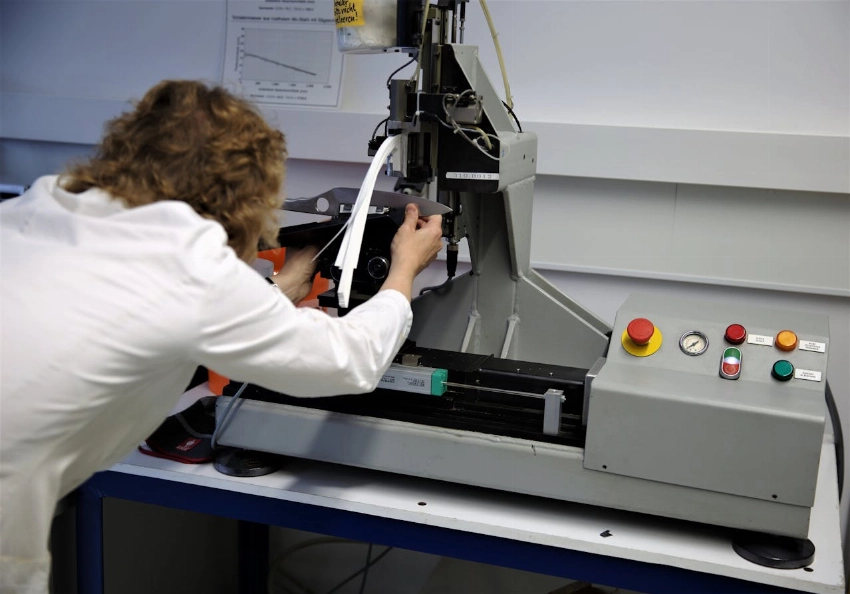
TerraTern can help you in the best public universities for mechatronics engineering in Germany through:
-
Personalised guidance on choosing the top universities and the cheapest mechatronics engineering programs in Germany public universities that align with your profile and budget.
-
Expert support in preparing and submitting applications via Uni-Assist or direct portals, including document certification, TestAS preparation, and meeting the mechatronics engineering in Germany's public universities' fee requirements.
-
Assistance with securing scholarships, DAAD funding, and managing application deadlines for increased chances of success.
-
Comprehensive visa counselling and blocked account setup for smooth immigration processes.
-
Pre-arrival and post-arrival support, including accommodation, part-time job search, and integration guidance to ensure a hassle-free study experience in Germany.
Also Read: New List of Ausbildung Courses with Duration in Germany
Conclusion
Mechatronics engineering in Germany public universities offers an exceptional blend of world-class education with minimal tuition costs, strong industry linkages, and promising career prospects. With a list of mechatronics engineering in Germany public universities exceeding 18 institutions, semester fees typically range from €114 to €400, making it an affordable choice for international students when compared to global standards. Average graduate salaries of €55,000 to €65,000 reinforce the excellent return on investment. Students interested in the cheapest mechatronics engineering in Germany public universities should explore universities of applied sciences like THWS, which offer more English-taught options and lower fees. Budgeting approximately €22,000-€25,000 for the first year, including blocked account requirements, is advisable.
Starting applications 12 to 18 months prior to enrollment, targeting strong academic scores (75%+) and IELTS 6.5+ enhances admission chances. Consider smaller cities for reduced living costs. TerraTern offers expert counselling across university selection, applications, visas, and scholarships to guide students through this journey effectively. Begin your path to success with TerraTern today by booking a consultation to leverage these opportunities despite the varying mechatronics engineering in Germany public universities' fees.
Contact TerraTern for more information on Which Are the Best Public Universities for Mechatronics Engineering in Germany.





 AI Summary