

Key Highlights
- Rolling Mill Operator B1 from India to Germany in 2026
- What is a Rolling Mill Operator and Why is This Role in Demand in Germany in 2026?
- What are the B1 German Language Requirements for Rolling Mill Operators in 2026?
- How Much Salary Can Indian Rolling Mill Operators Earn in Germany?
- What is the Step-by-Step Visa Process for Rolling Mill Operators from India to Germany?
- Which German Cities Offer the Best Opportunities for Rolling Mill Operators?
- How Can You Get Your Qualifications Recognised in Germany?
- What are the Alternative Pathways: Ausbildung and Other Vocational Options?
- What are the Long-term Benefits: Permanent Residency and Citizenship in Germany in 2026?
- How Can You Prepare for Life in Germany as a Rolling Mill Operator?
- What are the Common Challenges and How to Overcome Them While Living in Germany?
- How Can TerraTern Help Rolling Mill Operators from India Migrate to Germany with a B1 Visa?
- 2026 Workforce Insights: Germany's Labour Shortages, Rising Salaries, and Fast-Tracked Immigration
- Conclusion
Indian Rolling Mill Operators from India to Germany with B1 can migrate with a skilled worker visa. Secure job offer 2+ years exp-recognition qualifications (Anerkennung portal). Apply at the German embassy (with contract), B1 cert (funds proof). Expect a EUR35k - EUR55k salary for steel hubs such as Duisburg and Dortmund. Process: 15-day visa, leads to residency - 3-6 months.
Rolling Mill Operator B1 from India to Germany in 2026
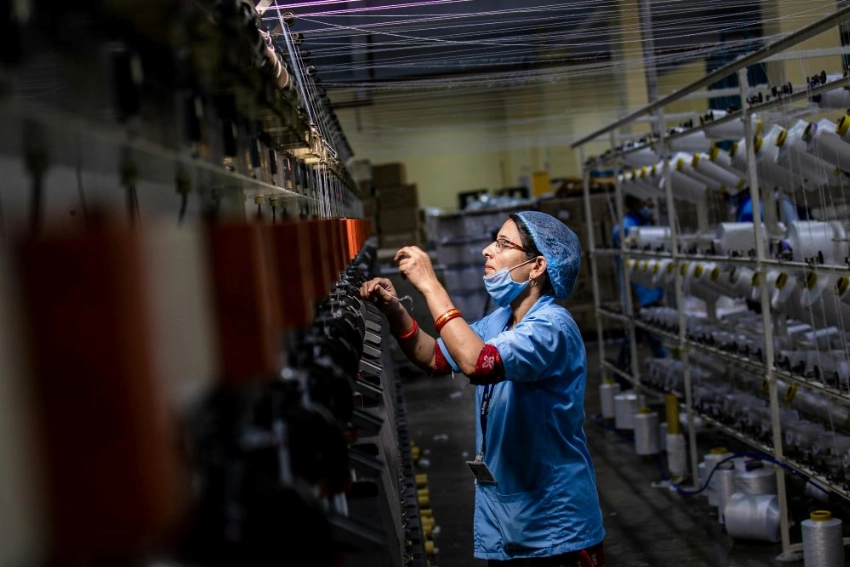
Rolling Mill Operator B1 from India to Germany: Requires B1 German, recognised metalworking qualification, or 2+ years of experience. Job offer according to the Skilled Worker Visa.
-
Get a job through the steel companies, such as ThyssenKrupp or SMS Group; apply for a job through the Make it in Germany portals.
-
Rolling Mill Operator B1 from India to Germany, salary: EUR 35000 - EUR 51000 / annum (EUR 2900+/month base plus bonus).
-
Process: Recognition of credentials on Anerkennung portal > Applied at Embassies (>2-4 months approval.
-
Long-term resulted in residency; Ruhr-Her Facebook Page, Ruhr cities Duisburg, for the steel industry target.
Also Read: How to Migrate to Germany from India? Experts.
What is a Rolling Mill Operator and Why is This Role in Demand in Germany in 2026?
Rolling mill operator jobs work on rolling vocation machinery to roll metal to make formations in sheets/rods by hot/cold rolling and perform associated duties to their job activities, including setup, operation, quality checking, and maintaining work.
-
German Steel Industry: As leaders: Thyssenkrupp, Salzgitter AG, and sms Group; automotive/construction: expansion.
-
Demand Drivers: Ageing workforce (average age 52 years old), 400,000 skilled migrants required per year; Metalworking priority sector
-
Indian Operators: Fit, Compatible, vocational skills, good work ethic. Active recruitment through job postings.
-
Job Stats & Comparison: Hundreds of vacancies now, increasing to 2030. Akin to: Metal workers/steel operators but specialised in rolling tech.
Expert Advice: Rolling mill operators with Indian technical training (ITI/diploma) possess skills directly transferable to German industry standards, particularly in quality control and precision manufacturing—making them highly competitive candidates for immediate placement.
What are the B1 German Language Requirements for Rolling Mill Operators in 2026?
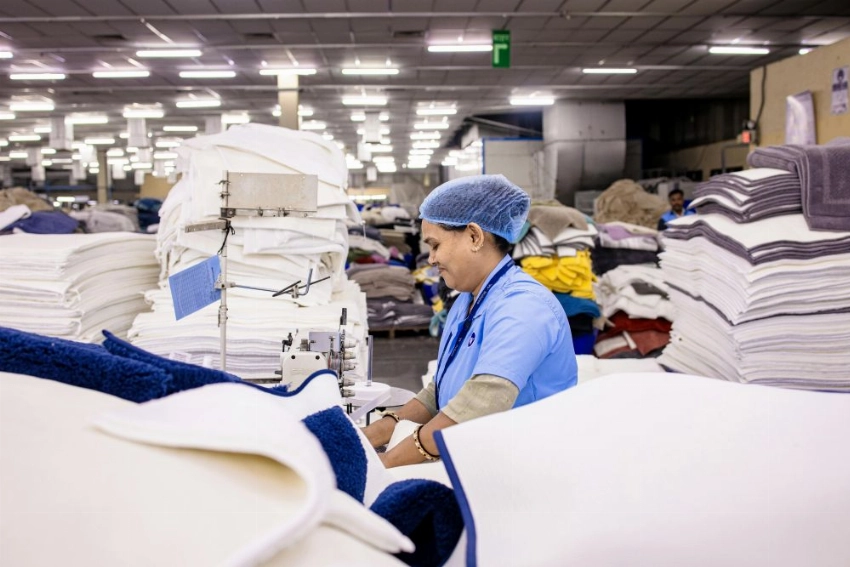
B1-Redogle language level (Common European Framework) indicates an intermediate level of proficiency, including the ability to communicate in the workplace and understand safety protocols and basic technical vocabulary.
-
B1 Level Capabilities: Intermediate proficiency status of Common European Framework shading; manage conversations in the workplace, understand instructions on safety measures, read/write simple technical documents, and facilitate general topics, like work, familiar to them.
-
Why Required: To ensure safety communication and teamwork, and to increase the chances of obtaining a visa for skilled roles in Steel mills.
-
Certification Options: Goethe-Institut Goethe & telc Certifications, COTE OSD Exam accepted for visas, Proving B1 with official tests.
-
Timeline & Cost in India: 6-12 months from zero (600+ hours) Courses + Exam 30,000-60,000 Total
-
Operator Vocabulary & Exemptions: Terms such as Walzwerk (Rolling mill), Sicherheit (Safety), and a rare exemption for this trade.
As per TerraTern Expert: Invest in industry-specific German courses that focus on manufacturing vocabulary rather than general language classes—this reduces study time by 2-3 months and provides immediately applicable workplace terminology that impresses German employers in interviews.
Also Read: Moving to Germany From India: Visas, Jobs & Life Guide
How Much Salary Can Indian Rolling Mill Operators Earn in Germany?
Rolling mill operators in Germany have an average income of EUR42,228 (EUR3,519/month) gross at the entry level and EUR51,122 (EUR4,250/month) for 8+ years. This translates to about INR 37-45 lakhs per annum, representing 3-4x the salary of equivalent Indian positions.
Salary breakdown by experience level for Rolling Mill Operators in Germany:
|
Rolling Mill Operator B1 from India to Germany |
Germany (Gross Annual) |
Germany (Net Monthly) |
India (Annual) |
Salary Multiplier |
|
Entry-level (0-2 years) |
€35,000-42,000 |
€2,000-2,400 |
₹4-6 lakhs |
5-7x higher |
|
Mid-career (3-7 years) |
€42,000-48,000 |
€2,400-2,800 |
₹6-10 lakhs |
4-5x higher |
|
Senior (8+ years) |
€48,000-55,000+ |
€2,800-3,200+ |
₹10-15 lakhs |
3-4x higher |
Regional salary variations for Rolling Mill Operators in Germany:
|
Regional Variations |
Salary Range |
Top Companies |
Base Salary |
|
Bavaria/Baden-Württemberg |
€43,000-52,000 |
ThyssenKrupp |
€44,000-51,000 |
|
North Rhine-Westphalia (Ruhr) |
€40,000-50,000 |
SMS Group |
€42,000-49,000 |
|
Hessen (Frankfurt area) |
€42,000-51,000 |
Salzgitter AG |
€40,000-48,000 |
Important Note: Negotiate for 13th-month salary (Weihnachtsgeld/Christmas bonus) and vacation allowance (Urlaubsgeld) during job offers—these are standard in German manufacturing but often not mentioned in initial contracts, potentially adding €5,000-€7,000 annually to total compensation.
What is the Step-by-Step Visa Process for Rolling Mill Operators from India to Germany?
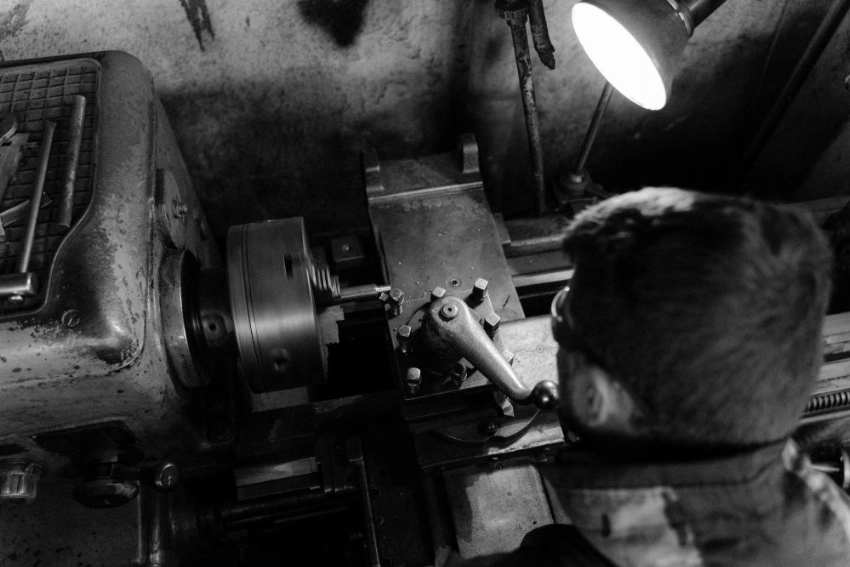
Step-by-step visa process of Rolling Mill Operators from India to Germany:
-
Step 1: Qualification Recognition: Submit ITI certificate, 2+ years experience letters to ZAB/IHK, 8-12 weeks processing, 25,000-40,000 cost
-
Step 2: Job Search: Use Make it in Germany, StepStone, and Indeed.de; Apply directly to SMS Group/Thyssen Krupp; Optimise LinkedIn for Recruiters.
-
Step 3: Job Offer & B1: B1 Goethe/telc/OSD certified; Signature of EUR 42000+ salary contract (sponsored by employer);
-
Step 4-5: Visa Application: Preparation passport+ Offer+ Recognition+ Translation Visa Agent VFS Book, Delhi/Mumbai/Bengaluru/Chennai/Kolkata Embassies Fees, EUR 75 Approval: 2-8 Weeks
-
Step 6: Post-Arrival: Anmeldung (city registration), conversion of visa to residence permit, set up a bank account, insurance (health) within 2 weeks
Pro Tip: Start qualification recognition and B1 exam preparation at the same time as job search-this way, the total migration schedule is shortened by 2-3 months, and this parallelism can also show a willing attitude to employers and improve the chances of getting hired significantly, leaving the exact time.
Also Read: Germany Work Permit from India: Complete Expert's Guide
Which German Cities Offer the Best Opportunities for Rolling Mill Operators?
Ruhr area (Duisburg/Dortmund) is the Best City in Germany for a job in Steel, with the presence of SMS Group/ThyssenKrupp. Lower costs increase savings for a Rolling Mill Operator B1 from India moving to Germany.
|
City |
Jobs |
Salary (€/year) |
Cost of Living (1-bed rent €/month) |
Indian Community |
|
Duisburg (NRW) |
High (ThyssenKrupp steel hub) |
40,000-50,000 |
700-900 |
Large, temples/support groups |
|
Dortmund (NRW) |
Strong industrial |
39,000-48,000 |
650-850 |
Growing Indian professionals |
|
Munich (Bavaria) |
Automotive-linked (BMW suppliers) |
43,000-52,000 |
1,200-1,600 |
Huge cultural events |
|
Hamburg |
Port metal processing |
41,000-49,000 |
900-1,200 |
Good tech/Indian community |
|
Stuttgart (Baden-Württemberg) |
Precision manufacturing (Porsche) |
42,000-51,000 |
850-1,100 |
Strong tech/Indian community |
|
Saarbrücken (Saarland) |
Legacy steel plants |
38,000-46,000 |
600-800 |
Smaller but supportive |
Key Note: Prioritise North Rhine-Westphalia cities (Duisburg, Essen, Dortmund) for maximum job availability—this industrial heartland hosts 60% of Germany's steel production facilities and offers established Indian communities, making cultural transition significantly smoother while providing 20-30% more job openings than other regions.
How Can You Get Your Qualifications Recognised in Germany?
Rolling Mill Operator B1 from India to Germany demands vocational recognition by IHK (primarily for Metalworking), or by ZAB; prove ITI/equivalent German standards
-
Authorities: ZAB for bidding on academic checks (Anabin database); IHK for industrial trades, such as rolling mills; HWK for crafts, in case of a craft
-
Documents Needed: ITI Certificate (translated(notarized)), 10th/12th Marksheet(s), 2+ Years of Experience Letter(s), Job Descriptions, Training Curriculum
-
Process Steps: Check Anabin Online, submit via portal. 8-16 weeks: evaluation of full/partial equivalence or adaptation needed.
-
Costs & Timeline: EUR 100 - EUR 600 (+ translations (INR 25k-40k total); Indo-German Chamber partnerships make it faster for Indians
-
Partial Recognition: Bridge by adaptation course, 3-6 Months, extra experience is also required. Definite for visa/job offer.
Pro Tip: Request a preliminary assessment (Vorabprüfung) before starting full recognition—this free initial evaluation identifies potential documentation gaps early, allowing you to gather supplementary evidence or pursue bridging courses while maintaining your application momentum, potentially saving 2-4 months in overall processing time.
Also Read: Jobs in Germany for Indians: Latest Experts Guide
What are the Alternative Pathways: Ausbildung and Other Vocational Options?
Ausbildung Option for Rolling Mill Operator B1 from India to Germany,3~3.5 year dual training (school + factory) on metal/steel trades with pay instead of tuition.
-
Salary During Training: Metal-related Ausbildung typically pays about EUR700 to EUR1,050 in year 1, rising to almost EUR1,100 in year 3, and EUR2,000 to EUR3,500 post-qualification.
-
Entry Requirements: normally A2-B1 German, 10+2 or ITI, age mainly < 30-35 years, trainees need an Ausbildung visa and a training contract.
-
Other Vocational Paths: Professional driver programs are associated with Berufskraftfahrer Ausbildung - payment is about EUR850 - EUR1,250 whilst training and around EUR2,200 - EUR3,000+ later.
-
Benefits & Challenges: High German, free training, guaranteed job, some time to see family (PR faster); but less initial income and a harder work-study balance than a directly skilled worker @ Rolling Mill Operator B1 India to Germany.
As per a TerraTern expert, Divyansh, consider Ausbildung if you're under 30 without clear qualification recognition—while the 3-year training period may seem long, graduates secure 40% higher starting salaries than those entering with partial foreign recognition, and face virtually zero unemployment risk, with most receiving permanent contracts before completing final exams.
What are the Long-term Benefits: Permanent Residency and Citizenship in Germany in 2026?
PR Pathway for Rolling Mill Operator From India to Germany: 4 years employment( 33 months if EU Blue Card payment, if EUR45k+ pension payments, proof of housing) V.Holer Family B1.
1. Permanent Residency (Niederlassungserlaubnis) Solution
-
Rolling Mill Operator B1 from India to Germany: 4 years continuous employment. Qualify for PR after 4 years continuous employment - 33 months with EU Blue Card (21 months with B2 German)
-
Prerequisites: Stable job. 48+ months of pension contributions. B1 German. Sufficient housing. Clean criminal record. Basic knowledge of the German culture
-
PR Benefits: Unlimited stay, unrestricted right to work, full access to social security, EU-wide travel/work mobility, ease of family reunification.
-
Application: To the local Auslanderbehorde (immigration office), the EUR 113 fee takes between 3 and 6 months, with a mostly successful rate for skilled Indians.
2. EU Blue Card Advantage
-
Qualification: Rolling mill operators EUR45,300 + (2025 threshold) Nominal, skilled job + recognised qualification required
-
Accelerated Timeline: PR 33 months (standard); 21 months (with B2 German certification); as quick as a regular skilled worker visa.
-
Additional Benefits: Family members are immediately issued work permits, have easier job changes within the EU, and receive priority processing.
3. German Citizenship Path
-
Requirements: 5 years residence (were reduced to 8 in case of reform in 2024), B1 in German and pass Einburgerungstest (citizenship test), Financial self-sufficiency, Renounced former citizenship (with some exceptions)
-
Dual Citizenship: New 2024 Law Allows Indians to Retain Citizenship without Renouncing; Big Policy Change.
-
Benefits: A German passport ranks 3rd worldwide, offers visa-free access to 194 countries, EU citizenship rights, the right to vote, and diplomatic protection.
-
Timeline for Rolling Mill Operator B1 from India to Germany: Year 1 - 4 work visa, Year 4 Permanent Residence, Year 5 - 8 Citizenship Eligibility
4. Options for Family Reunification
-
Spouse & Children: Apply within 3 months of your arrival. Spouses receive a work permit immediately, with basic German (A1/B1).
-
Integration: Family members have access to free/subsidised German classes, the ability to enter school, and healthcare coverage
-
Education: Children are entitled to free public schools (kindergarten-university)—a support program in the German language.
Social Benefits Access
-
Pension System: Mandatory contributions (18.6% employer/employee share); Build up to retirement pension, Disability protection
-
Healthcare: Comprehensive coverage of the entire family, public, Doctor's visits, Hospital, Prescription, and Dental basics included.
-
Unemployment Protection: After 12 months of employment, is eligible for a 60-67% level of salary replacement (up to 12-24 months) in the event of job loss.
-
Child Benefits (Kindergeld): %150 /month/child, more than 1000 members (kindergeld) 250EUR/she (2025 rate) paid till 18 (25 if studying). There is no limit on income.
-
Additional Benefits: Parental leave allowance (67% salary provision for 14 months) (if a low income, access to housing assistance (Wohngeld), education grants.
Expert Advice: Maintain meticulous documentation from day one—keep all pay slips, rental agreements, and pension contribution records organised in a dedicated folder, as the PR application requires proof of continuous legal employment and residence, and missing even one document can delay your application by 3-6 months.
Also Read: Germany Immigration- Benefits, Fees, Time and Jobs
How Can You Prepare for Life in Germany as a Rolling Mill Operator?
Preparing for a career as a Rolling Mill Operator can be done by:
1. Cultural & Workplace Preparation
-
Rolling Mill Operator B1 from India to Germany: Master Punktlichkeit (punctuality); Ordnung (order); Sicherheit (safety): core German values; being direct instead of indirect in communication.
-
Join IG Metall union (covers metal workers): Wage protection, legal support, and help in work disputes.
-
Expect work-life balance: a 40-hour work week, a strict overtime rule, and a 30-day vacation rule.
2. Financial Preparation
-
Blocked Account: Minimum EUR1,091/month (from 2025) Deutsche Bank, Expatrio or Fintiba - before visa.
-
Initial Costs Budget: EUR 3000-5000 (rent deposit, furniture, registration fees, winter clothing).
3. Monthly Budget Breakdown Rolling Mill Operator B1 India to Germany:
-
Rent: EUR700 - EUR1200 (1-2 bedroom, depending on the city)
-
Food/groceries: EUR250-EUR400
-
Transport Pass: EUR50-EUR100
-
Health Insurance: 300-350EUR (7.3% salary)
-
Utilities: EUR150-EUR200
4. Housing Search
-
Start 1-2 months on ImmobilienScout24, WG-Gesucht - exist after 2-3 months deposit (Kaution).
-
Complete Anmeldung (city registration) - 14 days at your local Burgeramt - required for all services;
-
Sign Mietvertrag (rental contract) with caution. Note unfurnished = no kitchen/appliances.
5. Healthcare Enrollment
-
Join public insurance (TK, AOK, Barmer) within the first week; ~7.3% gross salary; employer makes an equal contribution.
-
Coverage includes doctor visits, hospital care, dental basics, prescriptions; family members are covered.
6. Indian Community Resources
-
Best cities to visit in Germany with a sizeable Indian population: Munich (temples, cultural events), Frankfurt (expat networks), the Ruhr area (support groups).
-
Find 800+ Indian restaurants, Asian grocery stores (Indira, Spice Village), and temples/gurudwaras in significant cities.
-
Be part of WhatsApp/Facebook groups: "Indians in Germany", "City-specific expatriate forums"
7. Language & Integration
-
Attend Integrationskurs (integration course): 600 Hour subsidised course in language (A1-B1+) and German culture/law.
-
On to A2/C1 through evening classes at VHS (adult education centres), employers often offer to sponsor technical German.
8. Family Adjustment
-
Spouse Employment: Partner can work with the B1 German Access job market integration programs.
-
Schools: German public schools, Free (strong quality) - international schools (EUR10,000-EUR20,000/year), English medium.
-
Daycare (Kita): EUR200-EUR500/ month; long waitlists, register easily; 250/child monthly benefit covers costs.
As per a TerraTern expert, Shreya, join your company's Works Council (Betriebsrat) and IG Metall union within the first 6 months—membership costs only €24-€35 monthly but provides legal protection, collective bargaining benefits averaging €3,000-€5,000 extra annually through negotiated pay scales, and crucial support navigating German employment law, especially during probation period.
What are the Common Challenges and How to Overcome Them While Living in Germany?
Primary problems include difficulties with language barriers in everyday life and advanced technical communication, cultural adjustment to the direct German communication style, delays in qualification recognition and initial social isolation. Solutions include consistent use of language, cultural competency training, preparation of documents, and such things as early engagement of communities.
-
Language & Bureaucracy: Rolling Mill Operator B1 from India to Germany, with some problems with technicals and Behordendeutsch (bureaucratic German), solved via workplace German, tandems, and the latest generation of specialised apps.
-
Professional Adaptation: Different safety rules, DIN/ISO norms, and machine standards require careful onboarding and mentoring with gradual increases in responsibility in German mills.
-
Recognition & Admin Delays: Long Processing times, Partial equivalence or Missing Indian Documents delay visas. Start recognition early & use adaptation/bridging options.
-
Social & Cultural Stress: Direct communication, winter climate, and potential discrimination require cultural training, Indian community groups, and employer integration programs.
-
Family & Financial Strain: Spouse jobs, integration into school, and high upfront cost improvement with B1 for partners, financial plan, & HR/union support
Also Read: Job Seeker Visa Germany From India: Exclusive Experts
How Can TerraTern Help Rolling Mill Operators from India Migrate to Germany with a B1 Visa?
Eligibility check for Rolling Mill Operator B1 profile, including experience, German level, and qualification recognition needs.​
-
End-to-end German work visa support, like documentation, checklists, VFS filing, and coordination with the German Embassy.​
-
Job search assistance targeting steel/rolling mill roles in NRW and Bavaria, plus CV and interview preparation tailored to German employers.​
-
Guided pathway selection: direct Skilled Worker Visa, Opportunity Card, or Ausbildung route for younger/less-qualified candidates.​
-
Post-landing support: airport-to-housing help, Anmeldung guidance, bank account setup, and integration tips for workers and families.
2026 Workforce Insights: Germany's Labour Shortages, Rising Salaries, and Fast-Tracked Immigration
Latest Statistics & Trends:
-
Labour Shortage (2025-26): Germany faces 1.8 million job vacancies with 288,000 annual immigrant needs through 2040 (German Federal Employment Agency, January 2025)
-
Steel Industry Demand: Rolling mill and metal processing sector reports 15% workforce shortage, particularly in North Rhine-Westphalia and Bavaria regions (German Steel Federation, February 2025)
-
Visa Processing Speed: German missions in India reduced skilled worker visa processing to 2 weeks average for shortage occupations, including metal workers (German Embassy India, August 2024)
-
Salary Growth: Rolling mill operator salaries increased 5.2% year-over-year, with entry positions starting at €42,228 gross annually (SalaryExpert Germany, 2025)
-
Indian Migration Surge: Indian skilled workers in Germany increased by 25.2%, now comprising the largest EU Blue Card holder nationality at 80,000 applications annually (BAMF Report, 2025)
-
B1 Requirement Formalisation: Minimum B1 German language certification now mandatory for all vocational skilled worker visas, effective November 2023 (German Immigration Act Amendment, 2023)
-
Recognition Partnership Program: India-Germany bilateral agreement enables faster qualification recognition for vocational certificates, reducing processing from 6 months to 8-12 weeks (Indo-German Chamber of Commerce, February 2024)
Also Read: How to Get a Job in Germany from India? Latest Guide
Conclusion
Rolling Mill Operator B1 is for migration to Germany from India, with good work experience, EUR35000 - EUR55000, and an RR of 5-7x the Indian rate, despite ongoing steel restructuring. In order to be successful, certification to B1 German, recognition of qualification (ZAB/IHK) and specific applications to the Ruhr/Bavaria regions through Make it in Germany are also required. Skilled workers obtain positions in 3-6 months, advancing to permanent residency (4 years) and citizenship eligibility (5-8 years). Younger candidates can undergo Ausbildung vocational training, earning EUR700 - EUR1,050 monthly during training. Start learning a language, start recognising and join with recruitment agencies today for a successful Rolling Mill Operator B1 from India to Germany transition.
To learn more about the Rolling Mill Operator B1 from India to Germany, contact TerraTern right away!



 AI Summary