Key Highlights
- What are Mining Jobs in Australia and Why are They in High Demand in 2026?
- What Types of Mining Jobs in Australia are Available in 2026?
- What are the Latest FIFO Mining Jobs in Australia and How Do They Work?
- What are the Latest Plumbing Mining Jobs Australia and What Do They Pay?
- What are Latest Mining Jobs in Australia for Foreigners and How Can You Apply?
- What are the Highest-Paying Mining Jobs in Australia in 2026?
- What are the Latest Major Mining Regions and Companies in Australia?
- What Current Qualifications and Certifications Do You Need for Mining Jobs?
- How to Apply for Current Mining Jobs in Australia: Step-by-Step Guide
- What Are the Current Benefits and Challenges of Working in Mining?
- 2026 Industry Context Section:
- CONCLUSION: Your Path to Mining Jobs Australia Starts Here
Some of the best career opportunities that will be offered in 2026 are mining jobs Australia. The booming mining industry can be of advantage to both the locals and the international workers.
This guide provides all the information, including FIFO jobs, salaries, qualifications, and employment opportunities:
-
FIFO mining positions in Australia are remunerated with good wages (70000-200000 and above per/annum)
-
Australian mining firms such as BHP, Rio Tinto, and Fortescue have jobs
-
Australian plumbing mining positions at 90-170K per annum
-
Australia's mining employment of foreigners through the visa sponsorship frameworks
-
Minimum experience positions are entry-level
-
The application process, required certifications, and regional opportunities
What are Mining Jobs in Australia and Why are They in High Demand in 2026?

The mining jobs in Australia involve operations, technical, and support roles in one of the largest mining companies in the world.
-
Australia supplies more than $300 billion in the mining sector every year
-
It has hundreds of thousands of workers in the country
The major drivers of demand in 2026:
-
The project in infrastructure between states
-
Energy transition to renewable energy
-
Residential and commercial real estate
-
Acute skill shortages
The mining jobs in Australia are also in demand as the industry is changing. The demand for skilled workers, in particular, tradesmen and technical specialists, is increasing.
What Types of Mining Jobs in Australia are Available in 2026?
There are three major types of mining jobs in Australia:
-
Operational Roles
-
Dump truck operators
-
Drillers
-
Excavator operators
-
Technical Trades
-
Electricians
-
Plumbers
-
Mechanics
-
Support Positions
-
Administration staff
-
Hospitality and catering
-
Maintenance personnel
Entry, intermediate, and senior opportunities are available, which offer the flexibility to develop a wide range of skills.
What Latest Entry-Level Mining Jobs Can You Get Without Experience?
Entry-level mining jobs in Australia will enable you to start a career with minimal experience:
-
Offsider of Driller: $70K-90 salary and on-the-job training
-
Trade Assistant: Salary: $70K-85, serves the skilled tradespeople
-
Dump Truck Operator Trainee: Salary: $75K -95K, equipment handling training
-
Site Labourer: $70K-80 salary, general mine support
-
Camp Support Staff: Salary: $70K -85K, accommodation and catering positions
What Are Current Jobs in Mining Companies in Australia for Skilled Professionals?
Skilled jobs in mining companies in Australia require qualifications or apprenticeships.
Examples include:
-
Mining Engineers: $120K-$180K
-
Geologists: $100K-$150K
-
Heavy Equipment Operators: $100K-$140K
-
Electricians: $95K-$145K
-
Heavy Diesel Mechanics: $90K-$135
Comparison of employers, benefits, and focus areas in jobs in mining companies in Australia:
|
Company |
Key Focus |
Highlights/ Careers |
|
BHP |
Multi-commodity |
Largest employer, extensive training |
|
Rio Tinto |
Multi-commodity |
High salaries, graduate programs |
|
Fortescue Metals Group |
Iron ore |
Rapid growth, FIFO opportunities |
|
Glencore |
Diverse commodities |
Global operations, maintenance & management roles |
|
South32 |
Alumina, manganese |
Production & logistics |
|
Newmont |
Gold |
Sustainability & technical roles |
|
Anglo American |
Coal, copper |
Operations & engineering roles |
|
Mineral Resources |
Contacting |
Hands-on experience, faster career progression |
What are the Latest FIFO Mining Jobs in Australia and How Do They Work?
(Fly-In-Fly-Out) FIFO mining jobs in Australia are those that are based on rotation in remote mines:
-
The flights, accommodation, and meals are offered by employers
-
Normal shifts are 2:1 (two weeks on, one off) or 7:7 (seven days on, seven off)
Also Read: Skilled Independent Visa Australia 189
What are the Current Most Common FIFO Roster Patterns?
What are the common FIFO mining jobs Australia patterns?
-
2:1 – Two weeks on, one week off
-
7:7 – Seven days on, seven off
-
8:6 – Eight days on, six off
-
4:3 – Four weeks on, three off
-
14:14 – Two weeks on, two off
What are the Benefits and Challenges of FIFO Work in 2026?
What are the benefits and challenges of FIFO in mining jobs Australia?
Benefits:
-
High salaries
-
Tax advantages
-
Extended time off
-
Providing accommodation and meals
-
Ability to live anywhere
Challenges:
-
Time away from family
-
Fatigue and long shifts
-
Mental health impacts
-
Lifestyle adjustments
What are the Latest Plumbing Mining Jobs Australia and What Do They Pay?
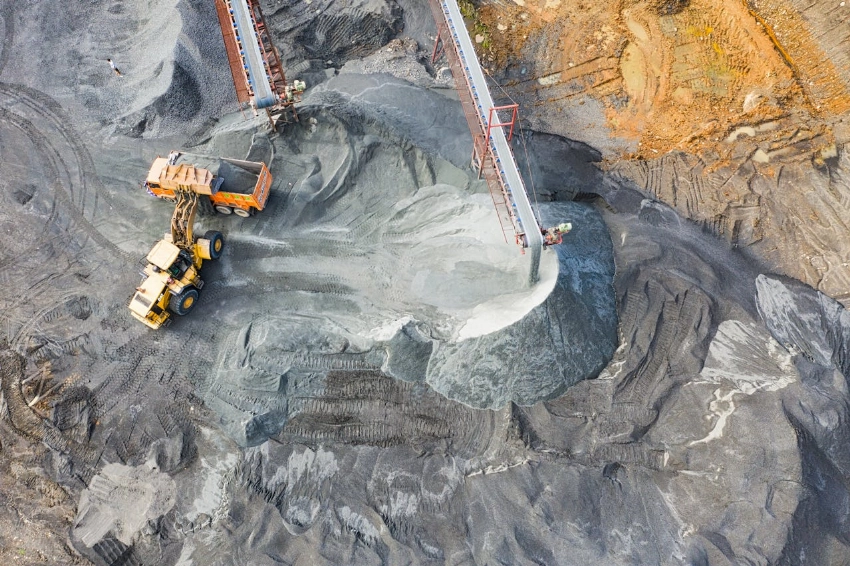
Plumbing mining jobs in Australia are between $90K and $171K per year, based on experience and FIFO.
-
Install and repair water, gas, and drainage systems in mine sites
-
Work is on an industrial-scale plumbing system, which is more complicated than residential
What Do Current Plumbers Do in Australian Mining Operations?
Mining jobs Australia plumbers install, maintain, and repair industrial plumbing:
-
Manage gas, drainage, and water supply
-
Install pumps and fittings according to industry standards
-
Promote safety and compliance on-site
-
Mine facility and accommodation camp work
-
Cooperate with other trades to keep up operations
What Qualifications Do You Need for Plumbing Mining Jobs in Australia in 2026?
-
Plumbing license/trade certificate, Australia
-
White Card (construction induction)
-
State equivalent (or mining induction) Standard 11
-
Police clearance and driver's license
-
Crowded areas or other certifications that are beneficial
What are Latest Mining Jobs in Australia for Foreigners and How Can You Apply?
Mining jobs in Australia for foreigners are becoming a valuable source of employment for talented workers due to labour scarcity.
Visa pathways of mining jobs in Australia for foreigners include:
-
Visa in the category of Skills in Demand (subclass 482)
-
Independent visa (subclass 189) (skilled)
-
Regional sponsored visa (subclass 491/190)
Also Read: Immigration To Australia: Everything You Need To Know
What Current Visa Options Are Available for Mining Jobs in Australia?
Several important visa options allow foreign workers to enter the mining jobs Australia industry:
1. Subclass 482 Skills in Demand Visa
-
It has replaced the Temporary Skill Shortage visa, which will be in effect in December 2024
-
Minimum salary is AUD $141,210 (2025-2026)
-
Sponsorship by employers is needed
-
Appropriate for skilled trades, engineers, and technical jobs
2. Subclass 189 Skilled Independent Visa
-
No employer-sponsorship, points-based
-
In occupations in demand in mining
-
Results in permanent residency
3. Subclass 190 State Nominated Visa
-
Nominated by an Australian state or territory
-
Point-based and offers a route to PR
4. Subclass 491 Regional Sponsored Visa
-
In the Regional mining areas, to work
-
Sponsorship by the state or the territory was needed
-
Allows permanent residence on a 3-year basis
How Can Indian Professionals Apply for Mining Jobs in Australia in 2026?
-
Measure the Australian recognition qualification
-
Get an English qualification (IELTS/PTE)
-
Apply for skills assessment
-
Advertise through SEEK, Indeed, and the company websites
-
Secure a job offer
-
Get the necessary visa
What are the Highest-Paying Mining Jobs in Australia in 2026?
-
Mining Engineers: $150K-$220K
-
Geologists: $130K-$200K
-
Mine Managers: $180K-$280K+
-
Heavy Equipment Operators: $100K -150K
-
Underground Electricians: $110K- $160K
-
FIFO Plumbers: $130K-$171K
What are the Latest Major Mining Regions and Companies in Australia?
Major regions of mining jobs in Australia:
-
Western Australia -Pilbara (iron ore, lithium)
-
Queensland – Bowen Basin (coal)
-
South Australia dam- (copper, Uranium)
-
New South Wales- Hunter Valley (coal)
-
Best firms- BHP, Rio Tinto, Fortescue, Glencore, South32
Also Read: Top 10 Best Regional Areas In Australia For PR
Which Current Australian States Offer the Most Mining Job Opportunities?
-
Western Australia: 60% of jobs
-
Queensland: 25%
-
New South Wales: 8%
-
South Australia: 5%
-
Northern Territory: 2%
What Are the Latest Top Mining Companies Hiring in Australia?
The mining jobs Australia industry is dominated by large employers that provide numerous positions and good wages:
-
BHP -The biggest employer, is one with a great deal of training and benefits, careers in engineering, trades, and operations
-
Rio Tinto -High salaries, good career advancement, as well as graduate programs in mining and engineering
-
Fortescue Metals Group- Rapidly growing company- Opportunities in FIFO and technical trades
-
Glencore -Varied commodities, international operations, functions in operations, maintenance, and management
-
South32- Specialises in alumina and manganese; work opportunities in production, logistics, and environmental control
-
Newmont, a gold mining expert, has technical and professional positions with a sustainability orientation
-
Anglo American- Coal and copper mining, operations, engineering, and site management
-
Mineral Resources -Contracting services, practical experience, faster career growth, and small teams
What Current Qualifications and Certifications Do You Need for Mining Jobs?

Essential requirements of mining jobs in Australia:
-
White Card (construction induction)
-
Mining induction (mostly by state) Standard 11
-
Nationally recognised police certification
-
Pre-employment medical
-
Driver’s license
-
Role-specific requirements include a trade certificate, an HR truck permit, and tertiary education
What Is a White Card and Why Is It Mandatory in 2026?
The White Card is a national qualification in health and safety in the workplace in the construction and mining fields:
-
It is obligatory for all workers on the mining sites
-
Includes hazard identification, safety measures, and response in case of an emergency
-
Cost is AUD 50-150; Time: 1 day (4-6 hours online or face to face)
-
Legal on a federal level and accepted by all states
-
It is available in registered training organisations (RTOs)
What Are Latest Standard 11 and Other State-Specific Mining Inductions?
The safety awareness is facilitated in mining inductions before on-site work:
-
Quebec Standard 11: Compulsory mining induction with medical and occupational health training
-
Western Australia: Mine-specific inductions
-
New South Wales: Generic Induction Training (GIT) of safety, emergency, and site rules
-
Cost: AUD $200–$300; Duration: 2–3 days
Established under each state, there is some mutual recognition.
How to Apply for Current Mining Jobs in Australia: Step-by-Step Guide
-
Identify the right roles and requirements
-
Achieve desirable credentials
-
Develop a specific resume with highlighting of skills
-
Advertise via job boards and company websites
-
Full medical examination in case of shortlisting
-
Interview (usually video-based)
-
Full site inductions on employment
Also Read: Check Your Australia Visa Status Online Fast and Easy
Where Should You Search for Mining Job Vacancies in 2026?
Where to search for mining jobs in Australia?
-
SEEK (the largest employment board in Australia)
-
Career pages of companies (BHP, Rio Tinto)
-
Mining recruiters (Specialist mining recruiters) (Chandler Macleod, Techforce, MPI)
-
Australian Mining employment sites
-
Industry associations
What Should Your Latest Mining Job Resume Include?
What should your resume include?
-
Existing qualifications (White Card, tickets)
-
Relevant experience with equipment
-
Safety record
-
Physical fitness and flexibility
-
Technical skills
-
Contact information
What Are the Current Benefits and Challenges of Working in Mining?
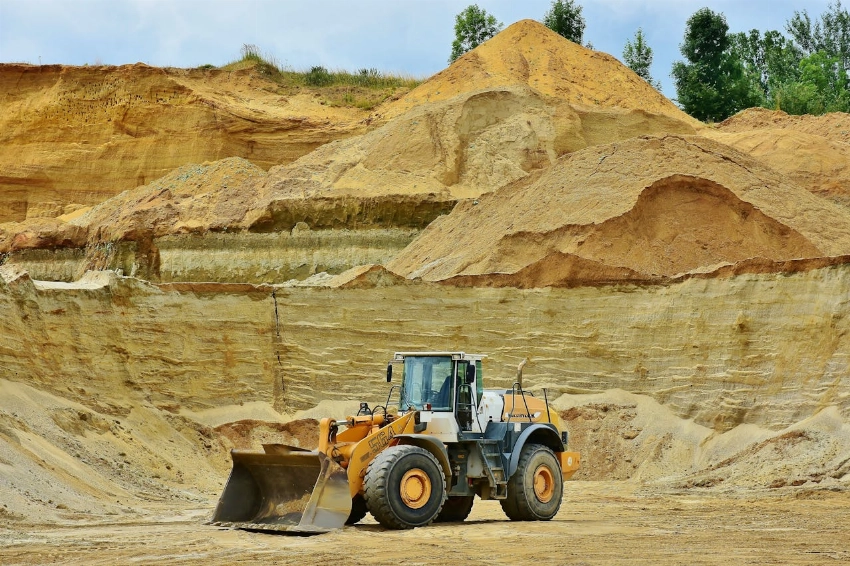
Benefits and challenges of working in mining jobs in Australia:
Benefits:
-
Huge salaries, which frequently run two times the average
-
Extended time off
-
Career progression
-
Training opportunities
-
Accommodation/meals included
Challenges:
-
Isolation from family
-
Physical demands
-
Roster fatigue
-
Lifestyle adjustment
What Lifestyle Factors Should You Consider Before Starting Mining Work in 2026?
Some lifestyle factors to be considered before embarking on mining jobs in Australia, particularly FIFO mining, include:
-
Family & Relationships: The prolonged absence may affect family processes and social relations
-
Mental Health & Isolation: Remote locations can lead to loneliness and stress; devise strategies to cope
-
Physical Fitness: Mining activity is physically challenging; keep in good shape
-
Financial Planning: Irregular income; Plan
-
Location and Commute: FIFO jobs involve travelling; DIDO might offer reduced commuting
-
Career Portability: Theory Take into account long-term career and transferable skills
-
FIFO Lifestyle Sustainability: Determine whether the rotation pattern fits your lifestyle
What Latest Career Progression Opportunities Exist in Mining?
-
Entry-Level Operator: Promotes to Experienced Operator (2-3 years)
-
4-6 Years Experience: Senior operator/leading hand
-
6-10 Years: Supervisor/ coordinator
-
10 Plus Years: Superintendent/ manager
2026 Industry Context Section:
Latest Mining Industry Statistics & Trends:
-
Employment Growth (2026): Over 15,000 mining jobs are currently advertised on Terratern across Australia, with a projected 17.1% growth in mining engineer positions by 2026
-
Average Compensation: Average weekly wage reaches $2,733 Terratern, translating to approximately $142,000 annually for full-time workers
-
Visa Sponsorship Expansion: Visa sponsorships are increasingly available to Terratern as companies face skill shortages, particularly in trades and technical roles
-
Automation & Technology: The mining sector increasingly demands tech skills alongside traditional expertise, with roles in automation, data analysis, and renewable energy integration
-
Regional Hotspots: Western Australia's Pilbara region and Queensland's Bowen Basin remain primary employment hubs, with emerging opportunities in South Australia and the Northern Territory
-
Green Mining Initiative: Increased focus on sustainable practices, creating new roles in environmental management and renewable energy integration
-
Skills Shortage: Acute demand for electricians, plumbers, diesel fitters, and heavy equipment operators, creating opportunities for international workers
CONCLUSION: Your Path to Mining Jobs Australia Starts Here
The mining jobs Australia 2026 present a tremendous employment opportunity to both local and international employees in the entry, skilled trade, and professional segments. The industry is facing a high-skilled shortage due to the high salaries, variety of career opportunities, and growing visa sponsorships of foreigners; therefore, this would be the right time to join the industry.
Going after FIFO mining jobs, plumbing mining jobs, or any jobs with the best companies, such as BHP, Rio Tinto, and Fortescue, one must be ready to receive necessary certifications, namely the White Card and state-specific induction, know about visa opportunities, and get ready to make lifestyle changes. With the appropriate roles, reaching out to professional recruiters, and career development, motivated employees can establish a fulfilling and durable career in Australia in the booming mining sector.
Contact TerraTern for more information on mining jobs Australia.




 AI Summary