


Key Highlights
- How to Get a Job in Europe from India in 2026?
- Why Are European Countries Hiring Indian Professionals in 2026?
- What Are the Latest Facts About Jobs in Europe for Indians in 2026?
- Which European Countries Offer the Best Job Opportunities for Indians in 2026?
- How to Get a Software Job in Europe from India?
- How to Get IT Jobs in Europe from India?
- What Is the Step-by-Step Process to Get a Job in Europe from India in 2026?
- What Documents Do I Need to Apply for European Jobs and Work Visas?
- What Are the Common Work Visa Types for Indians Moving to Europe in 2026?
- How Long Does It Take to Get a Job in Europe from India?
- What Salary Can Indians Expect for Jobs in Europe in 2026?
- What Are the Biggest Challenges Indians Face When Applying for European Jobs?
- How Can TerraTern Help Indians Get Jobs in Europe?
- Which Job Sectors in Europe Have the Highest Demand for Indian Professionals in 2026?
- Conclusion
It is becoming more and more possible to land a job in Europe in 2026, thanks to labor shortages on the continent. How to get job in europe country from India in areas like IT, engineering, healthcare, and skills trades, and entry to European countries such as Germany, the Netherlands, and Ireland through pathways such as the EU Blue Card, national work visa, and job-seeker visa. It usually consists of searching open positions through portals such as LinkedIn, EURES, and Indeed Europe, customizing a Europass-type CV and cover letter, networking actively on LinkedIn, acquiring the desired qualifications and language skills (e.g. German B1 in most positions), direct application to visa-sponsoring employers, succeeding in virtual interviews, getting a job offer with sponsorship, and negotiating work permit applications, usually requiring some form of evidence of qualifications and experience, and often taking 4-8 weeks.
How to Get a Job in Europe from India in 2026?

To find employment in Europe in 2026, one would need to focus on labour-deficient industries in India, such as IT, healthcare, and engineering, in destination countries like Germany, the Netherlands, and Ireland, and utilise new visa routes, including the EU Blue Card and Opportunity Card.
Key Steps
-
EURES.europa.EU, LinkedIn, and Indeed Europe Research demand: prioritise visa-sponsoring opportunities in high-need sectors.
-
Certify (e.g., AWS, German B1) and write a Europass resume that focuses on the 2+ years of experience.
-
Make connections through LinkedIn (500+ connections), submit 20-50 applications per week, and train to do virtual interviews with the STAR technique.
-
Find a sponsorship job offer, seek a work visa using apostilled documents, money (10,000 or more), and insurance.
-
Allow 25000-50000 lakhs in relocation; attend expat groups after they arrive to help them integrate.
Why Are European Countries Hiring Indian Professionals in 2026?
In 2026, European nations are actively recruiting Indian professionals, primarily due to the endemic labour shortage caused by demographic changes and economic pressures.
Main Reasons
-
There are workforce shortages due to an ageing population and low birth rates, with millions of jobs in vital sectors such as healthcare, IT, and engineering.
-
The lack of supply of domestic talent does not support industry growth in manufacturing, logistics, construction, and digital technology in the context of economic recovery.
-
Indian employees provide inexpensive, trained labour that is well versed in English, technical skills (i.e., AI, software), and flexibility.
-
Mobility agreements between the EU and India and an easier visa (e.g., EU Blue Card) facilitate the hiring process due to the acknowledgement of qualifications and simplified work permits.
-
The most demanded projects (e.g., Ukraine) and green ones need fast foreign skilled labour and engineering expertise.
Expert Advice: Europe's 2026 job market offers unprecedented opportunities for Indians, with expanded visa categories and faster processing times driven by genuine economic need rather than temporary recruitment trends.
What Are the Latest Facts About Jobs in Europe for Indians in 2026?
The labor markets in Europe in 2026 will be in dire need of labor, and thus, the Indian workers will be in high demand in the fields of IT, healthcare, engineering, and logistics. Other countries are also at the forefront of employment with streamlined visas such as the EU Blue Card and the Opportunity Card in Germany, with the entry wages usually ranging between 1,800 and 3,000 a month for skilled positions, and visa sponsorship is an established norm among qualified Indians.
Key Demand Drivers
-
Low birth rates and ageing populations are offering more than 800,000 vacancies, particularly in Germany, with adaptable Indian talent being the priority.
-
The entry-level and skilled employment is driven by economic expansions in the tech, renewables, and infrastructure (€300B investments).
-
The policy changes involve the more accessible EU Blue Card (salary level between 45,630 and 50 700), online applications, and family reunification.
Top Hiring Countries
-
Germany: first in line with the Opportunity Card for job seekers (degree, experience, language), shortage in automotive, IT, and healthcare.
-
Netherlands: 100,000 or more openings in manufacturing and logistics; new immigration policies make it easier to bring in Indians.
-
Ireland: IT, finance, customer operations; English permissionable and quick employer-funded permission.
-
Poland: Reduced expenses, expanding logistics/manufacturing; available, unskilled/seasonal jobs.
High-Demand Sectors
-
IT/Software: software engineers, software developers; 30 per cent plus EU companies recruiting, salaries of 3,000 plus.
-
Medical/Nursing: Attend, assisting, vis-à-vis; emergency by virtue of demographics.
-
Engineering/Manufacturing: Mechanical, electrical; hotspots in Germany/Netherlands.
-
Logistics/Construction: Unskilled gains extra overtime jobs.
Visa and Application Tips
-
Find secure job opportunities with EURES.europa.eu, LinkedIn, or websites such as make-it-in-germany.com; target sponsorship.
-
EU Blue Card: vacancy, requirements, minimum wage; pr in 2133 months with B1 German.
-
Opportunity Card: 1-year job search, needs points (degree=4, experience=3): Non-sponsored entry.
-
Indians make it with English proficiency, qualifications, and travel 2-5 lakhs to move.
Pro Tip: The first quarter of 2026 represents the most favourable policy environment for Indian professionals seeking European employment in the past decade, with multiple countries simplifying documentation and reducing approval timelines.
Which European Countries Offer the Best Job Opportunities for Indians in 2026?
In 2026, Germany, the Netherlands, and Ireland have the best opportunities for jobs for Indians because of labor shortages, English friendliness, and simplified visas such as the EU Blue Card. How to get job in Europe from india in IT, engineering, and the medical fields are some of the sectors that are prioritised in these countries, and salaries usually go above €40,000 per year.
Top Countries
-
Germany: IT, engineering, healthcare: highest demand (800,000+ vacancies); entry facilitated by Opportunity Card and EU Blue Card; PR career in 2-5 years.
-
Netherlands: 100,000 and above in tech, manufacturing, logistics; Highly Skilled Migrant Visa, no language requirements; 50-90k in salaries.
-
Ireland: Tech/fintech centre (Google, Meta); English-speaking, rapid permitting; IT and operations in demand.
-
Poland: Cheap living, manufacturing/logistics development; less complicated, unskilled/seasonal; consistent sponsorship.
-
Sweden: Work-life balance, high salaries in AI/engineering; easy permits, PR in 4 years.
Germany – Industrial Powerhouse with Chronic Skill Shortages
Germany is the industrial power of Europe, which is struggling with a chronic shortage of skills because of an ageing population and manufacturing boom. More than 600,000 blue-collar jobs will be left in major industries even amidst economic slowdowns in 2026.
Core Strengths
-
The 4th-largest economy in the world, which is propelled by the automotive (VW, BMW), machinery, and chemicals; GDP of €4.18T.
-
Exporting of goods amounts to an annual 1.6T, with 7M people working in the manufacturing industry during the period of digital/green changes.
Major Shortages
-
One hundred and sixty-three bottleneck jobs: engineering, IT, healthcare, construction, skilled trades.
-
Thought to have a 7M worker shortage by 2035; sales (26K), childcare, and mechatronics deficits in 2026.
Indian Opportunities
-
EU Blue Card/Opportunity Card expedites the skilled Indians; wages 45k and above.
-
IT, renewables, and nursing are in demand; English may be enough to start with.
Ireland – Hub for IT and Fintech Professionals
Ireland is the leading location in Europe to attract IT and fintech specialists, with such giants as Google, Meta, and Stripe being located in this country, and the sector is rapidly expanding. By 2026, the tech labour force will reach 61,000+ workers, where 8,000 10,000 new fintech positions are expected, driven by the demands of digital banking and AI.
Sector Dominance
-
Hosts 13/ 20 tech companies worldwide; fintech has 28000 employees (65 per cent tech) with annual growth of 6.5 per cent to 41000 by 2030.
-
The “Silicon Docks of Dublin is a payments, regtech, and insurtech driving force; there is a 180 -220% vacancy boom since 2020.
Key Opportunities
-
Roles most in demand: Software engineer (35%). Cybersecurity (22%), data/AI specialist; salary of 90-130k (15-25% premium).
-
Indians prosper through Critical Skills Employment Permit (fast-track, English-only); 35%50% of foreign talent in technology.
Advantages for Indians
-
No language barrier; employer sponsorship typical; PR after 2-5 years.
-
Local employment outside Dublin; the hybrid models help in relocation.
Netherlands – Manufacturing and Engineering Demand
The Netherlands is a manufacturing and engineering powerhouse that is propelled by giants such as ASML, Philips, and Tata Steel in the face of high demand for skilled talent. By 2026, more than 42,000 jobs in engineering will remain, and this will be driven by automation, semiconductors, and green technology transformations.
Industrial Strengths
-
High-tech manufacturing, logistics (Rotterdam port), and chemicals global leader; takes exports of more than 700B per year.
-
Important industries: semiconductors, machinery, food processing, aerospace, 30% industry GDP.
High-Demand Roles
-
Mecatronics, process, and manufacturing engineers (€56K avg. to avg. between -65K); knowledge of robotics, CAD, and Lean Six Sigma is prioritised.
-
Automation Electrical/embedded system engineers; 2-5 years experience; Common, English is a minimum.
Indian Advantages
-
Highly Skilled Migrant Visa starting between 50K and more; no Dutch is needed at the first instance; sponsorship is overwhelming.
-
PR career in five years; 100K+ opportunities aimed at Indians in Eindhoven/ Amsterdam hubs.
Poland – Accessible Entry Point with Growing Economy
Poland is a convenient gateway to Indian employees, with a fast-growing economy that is forecast to grow at 3.5-3.7 percent as an increase in GDP in 2026 due to investments in the EU and low expenses. The manufacturing, logistics, and IT industries will provide easy visas and numerous unskilled positions, which freshers can acquire to establish themselves in Europe.
Economic Surge
-
GDP to reach $1.11T nominal in 2026 (20th world in nominal terms), with the contribution of EU funds, defence spending (4.8% GDP), and recovery of exports.
-
Unemployment is low, at 5 per cent, inflation is stable, at 3 per cent, and real wages are increasing by 3.4 per cent.
Job Opportunities
-
Hot in warehousing, auto, and construction; salaries of between 1,200 and 2,000 monthly, with overtime allowances.
-
IT/engineering development in Warsaw/Krakow; English is sufficient to enter, at least.
Indian Advantages
-
Upon simplified work permits (612 months, renewable), no quotasfor Indians; low cost of living (600900/month).
-
EU mobility/PR access after 35 years; 100K+ openings aim at flexible talent.
Greece – Seasonal and Long-term Opportunities
Greece is a country that provides seasonal and permanent employment to Indians because of tourism booms and a deficit of workers in the agricultural, hospitality, and construction sectors. Visualisation In 2026, they are working on visas to help up to 9 months (renewable up to 5 years), and the salaries are approximately 1,100 net and tips, food, and accommodation.
Seasonal Roles
-
Tourism/hospitality (April- October): Waiters, housekeeping, hotel workers; high season June-September; 6-9 months employer-sponsored visa.
-
Agriculture/fisheries: Harvesting, processing; 10 months max fisheries through bilateral arrangements (e.g., Egypt model).
Long-term Prospects
-
Construction/infrastructure: The skilled trades during the public projects; new 2026 India-Greece agreements ease the hiring.
-
Healthcare/care giving: Increasing demand due to the ageing population, with salaries of between 1200 and 1800.
Indian Advantages
-
Easy seasonal visas through employer invitation; no quotas on Indians; cheap (€600/month living).
-
Access to PR/EU mobility in renewals; English is sufficient in tourist centres.
Key Note: Western European countries like Germany and Ireland offer higher salaries and advanced sectors, while Poland and Greece provide more accessible entry points with lower living costs—choose based on your skill level, budget, and long-term career goals.
Also Read: Europe Job Consultancy in India: Gov. Approved List
How to Get a Software Job in Europe from India?
To get a software placement in Europe, it is necessary to focus on the high-demand centres of Ireland, Germany, and the Netherlands through LinkedIn and EURES. Target EU Blue Card requirements and have a degree, 2+ years of experience, and offer a salary of 45K or above with a fast-track visa.
Essential Steps
-
Upskill and Customise Profile: Learn Python/JavaScript/cloud certificates (AWS/Azure); develop Europauss CV by including projects; target mid-level positions in IT crises.
-
Strategically Hunt Job: Post 50 or more a week on LinkedIn, Indeed.eu, company websites (Google, Accenture); Network 500+ people; Prep STAR Interviews.
-
Find a safe Sponsor: EU Blue Card/Highly Skilled Migrant; the employer obtains a permit upon offer; processing time 4-10 weeks.
Visa Essentials
-
Collect passport, degree apostille, experience letters, evidence of funds of 10K and above, and insurance.
-
Use post-offer at VFS/embassy; PR career in 2-5 years with B1 language.
Budget and Timeline
-
The relocation will cost 2-5 lakhs; start 3-6 months before Q2 2026 intake.
Advice by our Expert: European tech companies prioritise demonstrated skills over degrees. Invest in building a strong GitHub portfolio with real projects and obtaining at least 2-3 industry-recognised cloud certifications to stand out from other applicants.
How to Get IT Jobs in Europe from India?
In 2026, the landing of IT jobs in Europe in India is very viable because of the lack of software development, cloud, and cybersecurity in European hubs such as Ireland, Germany, and the Netherlands. EU-based positions in Target Blue Cards and employer-sponsored streamlined visas.
Preparation Steps
-
Develop Credentials: Achieve AWS/Azure certifications, 2-5 years Python/Java/cloud experience, generate Europass CV using GitHub projects.
-
Target Platforms: Recruit through LinkedIn (500+ connections), EURES.europa.eu, Indeed.eu; target Ireland (Google/Meta), Germany (SAP), Netherlands (Booking.com).
Application Process
-
Network vigorously; virtual interviews with the STAR technique; sponsorship offer of a job with a salary of €45K +.
-
Employer files allow you to present apostilled education, experience documents, and money (€10K).
Visa and Relocation
-
EU Blue Card/Critical Skills Permit: 4-10 weeks to process; family is eligible to join.
-
Move: 250,000-500,000; PR: 250,000-500,000 with minimal knowledge in the English language.
Expert Advice: IT professionals should apply directly to tech companies with known sponsorship programs rather than relying solely on job portals. Many European tech firms have dedicated international hiring teams and offer relocation packages of €5,000-€15,000.
What Is the Step-by-Step Process to Get a Job in Europe from India in 2026?

To get employment in Europe as an Indian, it is necessary to focus on labour-deficient areas, create a powerful profile, and use visa sponsorship opportunities such as the EU Blue Card.
Preparation Phase
-
Upskill in required areas (IT, engineering, healthcare) with other certifications (AW, German B1); customise the Europaass CV to 2+ years of experience.
-
Sources: Research deficit through EURES.europa.EU, LinkedIn; target Germany, Ireland, Netherlands.
Job Search Phase
-
Post 2050 job ads per week on LinkedIn, Indeed.eu, company websites, and referral network.
-
Prepare interviews using the STAR method; secure a job offer at a salary of 45K and sponsorship.
Visa Application Phase
-
Collect apostilled degree, passport, experience letters, money evidence or funds of 10K and above, and health insurance.
-
Employer checks; national D-visa application at the embassy (410 weeks); arrive in the EU.
On-Site Phase
-
Register residence in 2 weeks; change to EU Blue Card/work permit at the local authority (up to 100 dollars).
-
Allow 2 -5 lakhs to relocate; become part of expat groups to integrate.
Also Read: Job in Europe for Indian Fresher: Pay, Scope & More
Step 1: Research Target Countries and High-Demand Sectors (Timeline: 2-3 weeks)
Step 1 will enable you to target countries and industries that require labour urgently, which will give you the best opportunity to secure sponsorship in 2-3 weeks.
Research Actions
-
Scan EURES.europa.eu and national websites (e.g., Make-it-in-Germany.com) for real-time IT, healthcare, and engineering.
-
Focus on the best nations: Germany (800K+ shortages), Ireland (tech), Netherlands (manufacturing), Poland (logistics).
-
Determine areas such as AI/cybersecurity, green energy, and nursing through LinkedIn trends and EU shortage lists.
Key Tools
-
Search LinkedIn Sales Navigator with company filters; search 50 or more companies (Google, SAP, ASML).
-
Note visa benefits, EU Blue Card requirements, and Opportunity Card points system.
Output Goals
-
Name 5-10 countries/sectors on the list that your skills correspond to; write down the minimum salary (€45K+).
-
Reserving the shortage occupation lists for CV tailoring.
Pro Tip: Create a comparison spreadsheet for your shortlisted countries, including visa requirements, processing time, language needs, job availability in your sector, and net salary after taxes and living costs.
Step 2: Build a European-Standard Resume (Europass CV) (Timeline: 1 week)
Step 2 converts your Indian resume into a Europass CV, the EU standard, which ATS systems and recruiters will accept at a glance in 1 week.
Key Actions
-
A free template can be downloaded from Europa.eu/europass; it is an online builder that formats automatically.
-
Put in a list: Personal info, Work Experience (reverse chrono), Education, Languages (CEFR A1-C2), Digital/Other Skills.
Essential Formatting
-
2 pages at most, A4; action verbs (Developed, Led); numeric measure of success (Increased sales 30%).
-
Target job: Vacancy (e.g., AWS, Python); B1 English/German ideal.
Pro Tips
-
Add LinkedIn/GitHub; optional photo (yes in Germany/France, no in Ireland).
-
Proofread again; save PDF in the form of Firstname Lastname Position Country.pdf.
Key Note: European recruiters spend an average of 30-45 seconds on initial CV screening place your most relevant skills and recent achievements in the top third of the first page.
Step 3: Obtain EU-Recognized Certifications (Timeline: 1-3 months)
Step 3 will prepare you with the EU-approved certifications that enhance visa applications and employment shortlisting in 1-3 months, from Indian credentials to the European ones.
Priority Certifications
-
IT/Tech: AWS Certified Solutions Architect, Google Cloud Professional, CompTIA Security+; worldwide equivalent, corresponds to EU Blue Card requirements.
-
Engineering/Healthcare: PMP, Six Sigma Green Belt, IELTS 7.0+ (language evidence of B1 level).
-
Universal: EUROPASS Digital Skills, language qualifications (Goethe B1 German, TELC).
Action Plan
-
Study online through Coursera/Udemy (5000-20000); study 40-60 hours per certificate.
-
Some of the best matches will be to 2-3 that are in your industry; include them on LinkedIn/Europass CV now.
Verification Tips
-
Select vendor-neutral (e.g., Cisco CCNA); visit visa afterwards (e.g., with apostilled degrees).
-
Monitor EU lists of shortages to match (e.g., cybersecurity through EURES).
Advice by our Expert: Certified candidates see 40-60% higher response rates from European employers and significantly strengthen visa approval chances under points-based systems like the EU Blue Card.
Step 4: Search Through Authorized Job Portals (Timeline: Ongoing, 2-4 months)
Step 4 consists of planned job searching on confirmed EU websites in 2–4 months with the aim of applying to sponsorship-eligible positions in the shortage areas, such as IT and engineering.
Core Portals
-
EURES.europa.eu: Official EU jobboard 5M+ jobs, visa, employer filters.
-
LinkedIn.com/jobs: Set alerts keyword visa sponsorship + skills; connect with 50+ recruits each week.
-
National locations: Make-it-in-Germany.com, IrishJobs.ie, NLWorks.nl.
Search Strategy
-
Use 20-50 jobs per week, tailor Europass CV according to the vacancy keywords.
-
Concentration deficit professions (Germany: 163 listed); sponsorship of tracks.
Tracking Tools
-
Fill in Google Sheets: Company, role, date applied, follow-up status.
-
Join expat communities (Facebook/Reddit: Indians in Germany); referral.
Expert Advice: Companies that explicitly mention "visa sponsorship" or "international talent" in job descriptions are 5x more likely to consider Indian candidates seriously—prioritize these listings over generic postings.
Step 5: Network Strategically on LinkedIn and Professional Platforms (Timeline: Ongoing)
Step 5 develops your professional network on LinkedIn and discussion groups on insider introductions via forums, as job opportunities in Europe face talent deficits.
Core Actions
-
Works best on LinkedIn: Professional photo, Open to Work (recruiters only), headline, Software Engineer, AWS Certified, Seeking EU Blue Card Openings.
-
Backlink 20-50 Europeans per week: Look in the search engine column, type Recruiter IT Germany, customise mailing (Impressed by [company] projects...).
Engagement Tactics
-
Reflectively comment on 10 posts per day by target companies (SAP, ASML, Google Ireland).
-
Create groups: "Indians in Germany", "EU Blue Card" and "Ireland Tech Jobs"; exchange ideas about the sector.
Advanced Networking
-
Message recruiters: See their messages, include Europass CV, ask to call in 15 minutes.
-
Participate in virtual fairs using EURES/LinkedIn Events; respond within 24 hours.
Pro Tip: 70% of European jobs are filled through networking and referrals rather than public job postings—invest time in building authentic professional relationships, not just sending connection requests.
Step 6: Apply with Tailored Applications and Cover Letters (Timeline: Ongoing)
Step 6 optimises applications to overcome the ATS filters and impress recruiters, with custom cover letters that indicate to the recruiters that you are the perfect fit to fill EU shortages in current applications.
Tailoring Essentials
-
Analyse job description: Reflect word-to-letter keywords (e.g. Python, Django, Kubernetes) in Europass CV summary and skills.
-
Write cover letter (200-300 words): 3 paragraphs - intro (with referral/why company), 2 major accomplishments that match position, close (enthusiastic next sponsorship).
Submission Best Practices
-
In PDF format: Firstname Lastname SoftwareEngineer Germany.pdf; apply through company portals through aggregators.
-
Spreadsheet track: 2050 apps/week; contact recruiters in 10 days.
Success Boosters
-
Add GitHub/portfolio link; state the results statistics (Reduced latency 40%); refer to EU Blue Card eligibility.
-
A/B test 2 variations of the CV countrywise; use connections feedback.
Key Note: Explicitly state "I am currently based in India and will require visa sponsorship" in your cover letter's final paragraph—transparency builds trust and filters out non-sponsoring employers early.
Step 7: Prepare for Virtual Interviews (Timeline: 1-2 weeks before interview)
Step 7 makes you ready for virtual interviews with employers in Europe, where you are prepared to answer behavioural questions and technical demonstrations to get sponsorship offers.
Preparation Framework
-
Drill: STAR STAR method (Situation, Task, Action, Result) of 10 typical questions: "Explain a demanding project you had to work on?", "Explain why you went to Europe?
-
Mock interviews: Capture 3 Zoom-based sessions; practice with LinkedIn India-EU group peers (30-45 minutes each).
Technical Readiness
-
Preparation: 50Mbps internet in a stable, neutral background, professional clothes, test lighting/audio 24h before.
-
Demo skills: Live code (LeetCode medium), prepare 3 questions about the company/team.
Closing Strong
-
Probe: What is the next step in sponsorship?; email thanks within 2 hrs, referring to fit.
-
Debrief: Make notes on responses; revise CV with new knowledge for future applications.
Advice by our Expert: Prepare 3-5 intelligent questions about the role, team structure, and sponsorship timeline to ask at the interview end—candidates who ask thoughtful questions are perceived as more serious and prepared.
Step 8: Secure Job Offer and Employment Contract (Timeline: 1-4 weeks post-interview)
Your job offer is finalised by the signing of a binding employment contract that consists of visa sponsorship, usually in 1-4 weeks upon successful interviews.
Negotiation Essentials
-
Review proposal: confirmed salary of at least EU Blue Card, sponsorship, start date, relocation assistance, and 30 days of vacation.
-
Bargain nicely: 10-15 per cent salary raise, signing bonus (2-3 lakhs worth), German classes/housing allowance.
Contract Verification
-
Check clauses: Probation (3-6 months), notice period (1-3 months), IP rights, and non-compete scope.
-
Check with the Indian consultant (5K–10K); make sure the English and German adaptations are the same.
Acceptance Process
-
Sign electronically; ask the employer to issue a letter of visa sponsorship on the company letterhead.
-
Alarm other applications; update LinkedIn ("Excited to join [Company] in Germany!
Expert Advice: European employers expect professional negotiation—requesting 5-10% higher salary or additional relocation support is standard practice and shows confidence, not greed.
Step 9: Apply for Work Visa with Employer Support (Timeline: 4-12 weeks)
Step 9 initiates your employer-sponsored work visa, with employer sponsorship materials, and aims at having about 4-12 weeks to process a D visa or EU Blue card visa.
Document Assembly
-
Main documents: Signed contract, apostilled degree/experience certificates, passport (6+ months valid), 2 photos, and health insurance evidence.
-
Financial: bank statement/employer pay letter in excess of 10,000 Euros; certified police clearance.
Application Process
-
Book VFS/embassy slot (New Delhi/Mumbai); submit biometrics; pay fee of 75-150 euros.
-
Employer sponsors fill out the form, monitor status online, and get ready for the meeting with the consular.
Post-Approval Steps
-
Get D- Visa (90 days entry); record residence in EU within 2 weeks; upgrade to work permit/PR track.
-
Budget 50K-1 lakh overall, notify the bank regarding forex; book one-way flight.
Pro Tip: Start gathering documents like police clearance and educational transcripts immediately after job offer—these can take 2-4 weeks to obtain and are the most common cause of visa delays.
Step 10: Plan Relocation and Post-Arrival Formalities (Timeline: 2-4 weeks before departure)
Step 10 makes your transfer to Europe easier; logistics and formalities are done 2-4 weeks before moving to Europe, so that by the time you move, you easily fit in.
Pre-Departure Checklist
-
Flight one-way (50K -80K); ship 2 suitcases (20- 30kg) through DHL, open a Wise/NRE account to transfer salary.
-
Organise EU health insurance (50/month), international driving permit, and Indian Aadhaar/income tax closure.
Arrival Essentials
-
Day 1: Register residence (Anmeldung Germany/2 weeks Ireland), purchase local SIM (€10), open EU bank (N26/ING).
-
Week 1: Social security number, tax ID, employer HR orientation, and become a member of the Indian expat WhatsApps.
Integration Tips
-
101000 rupees all in all; brush up on simple phrases (Duolingo); research through employer relocation package (50% companies have it).
-
PR timeline Track PR Timeline: EU Blue Card to 21-33 months of permanent residence with B1 language.
Key Note: The first month in Europe involves significant administrative tasks—request a few days off after arrival or negotiate a slightly delayed start date with your employer to complete essential registrations without stress.
What Documents Do I Need to Apply for European Jobs and Work Visas?
The core of documents required to apply to European jobs and work permits in India will have to be customised to EU requirements, as an EU Blue Card plus, in many cases, the apostille, translation, and employer sponsorship.
Job Application Documents
-
Europass CV and Cover Letter: Specialised PDF with emphasis on skills that match shortages (i.e. IT certifications, 2+ years experience).
-
Portfolio/LinkedIn Profile: Github links, employer reference letters, evidence of success (pay slips/contracts).
-
Qualifications: Degree certificates, professional certs ( AWS/PMP); scanned copies in the beginning.
Work Visa Documents
-
Passport: The passport has to be valid for at least 6+ months of stay, 2 blank pages, and copies of previous visas.
-
Job Offer/Contract: The employer signed with the salary declaration (€45K+), position, and provision of sponsorship.
-
Evidence of Finance/Insurance: Bank statement of a minimum of 10k, health cover for the stay.
Additional Requirements
-
Apostilled Document: Degree, experience letters, police clearance (FIR-free certificate).
-
Photos/Biometrics 2 passport-sized: language evidence (no more than IELTS B1 equivalent required).
-
Forms: Application country-specific (e.g., German embassy form); medical certificate for some sectors.
Advice by our Expert: Start document collection immediately after the job search begins, not after receiving an offer—police clearance and apostille processes can take 3-4 weeks and are the primary cause of visa application delays.
What Are the Common Work Visa Types for Indians Moving to Europe in 2026?

Popular Indian work visas to Europe in 2026 will be the EU Blue Card for skilled workers and national permits, depending on the shortage of IT, healthcare, and engineering.
Primary Visa Types
-
EU Blue Card: In highly skilled positions (IT, engineering); must have a degree, a job offer with a minimum salary of 45K; is valid between 1 and 4 years, family reunion, and PR career in 21-33 months.
-
National Work Visas: National visas such as the Skilled Worker/Opportunity Card (job seeker entry) of Germany, the Critical Skills Employment Permit of Ireland, and the Highly Skilled Migrant of the Netherlands.
-
Seasonal/Short-Term Visas: 9 months tourism, agricultural (Greece, Poland): renewable, access to long-term positions.
Other Options
-
Intra-Company Transfer (ICT): Multinational employees who are moving between the branches of the firm.
-
Job Seeker Visas: Germany Opportunity Card (1-year search), Portugal/Spain versions of digital nomads.
EU Blue Card – Premium Route for Highly Qualified Professionals
The EU Blue card is a top-tier visa and work permit for highly skilled non-EU experts, such as Indians, which offers quick access, family reunion, and the ability to move throughout Europe.
Core Eligibility
-
University degree (3+ years) or 5+ years experience (exempt IT specialists).
-
Full-time, full-skilled job, 6 months or more binding commitment, with minimum pay of €45,630-50,700 (2026, depending on shortage occupation/country).
Key Benefits
-
Valid 1 4 years (renewable); change employer after 1218 months.
-
PR route: 21 months (B1 language) or 33 months standard; within EU employment change after 12 months.
Application Process
-
Employer checks qualifications; hand in at embassy with contract, apostilled degree, insurance, and evidence of funds (€10K).
-
Turnaround 412 weeks; cost 75150; results in settlement in prime hubs such as Germany/Ireland.
Expert Advice: The EU Blue Card is the most advantageous long-term option for Indian professionals it provides the fastest pathway to permanent residence and maximum flexibility to change employers within the same field.
Germany Opportunity Card (Chancenkarte) – Job Seeker Visa
Germany has an Opportunity Card (Chancenkarte), which provides Indians with a 1-year job-seeker visa with no previous employment based on a points system that focuses on skilled talent in light of labour shortages.
Eligibility Criteria
-
Minimum 6 points: 4 partial degree match + age <35 (2pts), A1 German/B2 English (1pt), 5+ years experience (2pts) or full qualification of Germany (6pts automatic).
-
Evidence of money: blocked account of 11 904; health insurance since the first day.
Key Features
-
Employment permissible: 20 hours/week in part-time and 2 one-week trials to cover the remainder.
-
Work visa on conversion to permanent job; PR after 45 years.
Application Steps
-
Self-checks on make-it-in-germany.com; present at the German embassy with CV, qualifications, and language certificates.
-
Processing 4-8 weeks; fee 75; with IT/engineering seeking popular.
Pro Tip: The Opportunity Card is ideal if you have strong qualifications but no job offer yet—use the 1-year window to attend interviews in-person and network with employers directly, significantly improving hiring chances.
Ireland Critical Skills Employment Permit
The Critical Skills Employment Permit of Ireland is an accelerated track for highly skilled Indians into technology, engineering, and healthcare careers on the official list of occupations.
Eligibility Criteria
-
Job on Critical Skills List (ICT, engineering, medtech) with a salary of €38,000+ or any job with a salary of 64,000+.
-
Bachelor's on (NFQ Level 7+) or 5+ year experience; 2-year minimum contract.
Key Benefits
-
Application to Employer Online (takes 8 weeks); no labour market test; Stamp 4 PR after 2 years.
-
Immediate family joiner; citizenship route; only English.
Application Process
-
Employer signs contract, firm papers, your passport/qualification through enterprise.gov.ie (costs 1,000).
-
To gather D-visa in the Irish embassy, Google/Meta hubs are best suited in Dublin.
Key Note: Ireland's Critical Skills Permit offers the fastest pathway to family reunification among all European work visas. Your spouse can work immediately without waiting periods or separate applications.
Netherlands Highly Skilled Migrant Visa
The Highly Skilled Migrant Visa of the Netherlands is very appealing to the Indian IT and engineering talent by offering employer sponsorship and the absence of a language test, which fits best at ASML or Philips.
Eligibility Criteria
-
Offer by sponsor recognised by IND; monthly salary limits (2026): €5,942 (>30yrs), €4,754 (<30yrs or graduates).
-
College education or other experience; 12+ months engagement at a market salary.
Key Benefits
-
Quick-track (2-weeks to sponsors); 5-year renewable permit; PR after 5 years; family added upon joining.
-
None; EU mobility in 18 months.
Application Process
-
The employer submits an online application to IND with a contract, passport, and qualification (MVV entry visa, when necessary).
-
Processing time 24-4 weeks; fee of 350 Euros; receive residence card locally.
Advice by our Expert: The Netherlands offers the 30% tax ruling for skilled migrants, effectively increasing your take-home salary significantly. Negotiate this benefit during job offer discussions, as it must be requested by the employer.
How Long Does It Take to Get a Job in Europe from India?
Getting a job in Europe or India is normally a total of 4 -9 months, depending on the skills, sector demand, and visa path, amidst the labour crunch in 2026.
Breakdown by Phase
-
Preparation (1 2 months): Research fields, create Europass CV, certificates (AWS/B1 German).
-
Job Search/Interviews (2-4 months): 2050 applications/week through EURES/LinkedIn, IT quicker (3 months Germany nationals, 612 international).
-
Application to Visa (13 months): negotiation (14 weeks), application (EU Blue Card 12 weeks).
Influencing Factors
-
Fast Track (36 months): Critical skills (Ireland IT), referrals, and experienced candidates.
-
Mean (6 to 9 months): Standard Blue Card/ Opportunity Card; fresher postponements.
-
Tips: Intake Q1Q3; follow in a spreadsheet.
Expert Advice: Candidates who start document preparation before receiving job offers reduce their overall timeline by 6-8 weeks on average—treat document gathering as a parallel track, not a sequential step.
What Salary Can Indians Expect for Jobs in Europe in 2026?
By 2026, Indians finding employment in Europe will be receiving competitive gross annual wages, with mid-level jobs in the field of IT, engineering, and healthcare likely to be approximately 30,000 to 70,000, depending on experience and place of work.
Country Salary Comparison (Annual Gross, Mid-Level IT/Engineering)
|
Country |
Entry-Level (€) |
Mid-Level (€) |
Senior (€) |
Notes |
|
Germany |
40,000–45,000 |
52,000–65,000 |
70,000–90,000 |
EU Blue card minimum 45K; high level of benefits. |
|
Ireland |
45,000–50,000 |
60,000–90,000 |
100,000+ |
Technology centers; greatest net after-tax benefits. |
|
Netherlands |
42,000–48,000 |
55,000–70,000 |
80,000–100,000 |
Migrant visa €47K+ threshold |
|
Poland |
15,000–20,000 |
24,000–36,000 |
40,000–50,000 |
low prices; logistics/manufacturing optimum. |
|
Greece |
13,000–18,000 |
22,000–30,000 |
35,000–45,000 |
seasonal + tips; tourism is improved. |
After taxes, net take-home: 6075 per cent; housing/meals are usually subsidised, or equal 35 times Indian purchasing power.
IT and Software Development Salaries
Information technology and software development jobs are competitively remunerated in Europe, where a mid-tier position would have an average gross pay of between 45,000 and 90,000 euros per annum in 2026 due to a lack of tech talent.
IT/Software Salaries by country (Mid-Level/Annual Gross)
|
Country |
Junior (€K) |
Mid-Level (€K) |
Senior (€K) |
Notes |
|
Germany |
40–48 |
52–72 |
80–120 |
SAP hubs; 13th-month bonus common |
|
Ireland |
45–55 |
60–90 |
100+ |
Google/Meta; tax benefits for expatriates. |
|
Netherlands |
42–56 |
55–85 |
90–105 |
ASML/Booking; 30% ruling boosts |
|
Poland |
18–30 |
30–45 |
50–65 |
Growth Warsaw IT; low costs of living. |
|
Sweden |
45–55 |
60–80 |
90–110 |
High benefits, Stockholm fintech. |
Salary: Net salary of about 60-75% tax-free; vacation entitlement of 25-30 days, and health care.
Healthcare Professional Salaries
European salaries are likely to be high in 2026 [in shortages] in the case of Indian healthcare professionals such as doctors, nurses, and caregivers, as their salaries may be around 40000-100000 and above gross, and depending on role, experience, and even country.
Salaries of healthcare by country/position (per annum gross).
|
Role/Country |
Junior (€K) |
Mid-Level (€K) |
Senior (€K) |
Notes |
|
Doctors (Germany) |
55–65 |
75–100 |
100+ |
Residents begin; experts are superior. |
|
Nurses (Ireland) |
35–45 |
45–60 |
65–80 |
Eligible Critical Skills Permit. |
|
Caregivers (NL) |
30–40 |
40–55 |
55–70 |
Unskilled demand; Housing bonuses. |
|
Doctors (Poland) |
40–50 |
60–80 |
90–110 |
Reduced prices increase net take-home. |
|
Nurses (Greece) |
20–30 |
30–45 |
45–60 |
Tourism/seasonal + tips increases. |
Engineering and Manufacturing Salaries
The Indian engineers and manufacturing experts will be able to receive good salaries in Europe, particularly in Germany and the Netherlands, with entry-level jobs that will start at 40K-60K gross/year, with the 2026 industrial shortages.
Salaries/Engineering/Manufacturing/Annual Gross.
|
Country |
Junior (€K) |
Mid-Level (€K) |
Senior (€K) |
Notes |
|
Germany |
40–58 |
60–85 |
80–105 |
Automotive/mechanical peaks; EU Blue Card min €46K. |
|
Netherlands |
42–55 |
55–75 |
80–100 |
ASML/semiconductors; 30 per cent tax determination. |
|
Ireland |
45–60 |
65–90 |
95–120 |
Medtech/electronics demand |
|
Poland |
18–30 |
30–50 |
50–70 |
Growth in manufacturing, low cost. |
|
Sweden |
45–60 |
65–90 |
95–120 |
Automation of industries is robust. |
Pre-tax Figure of about Net 60-75; Overtime/benefits 15-25.
Cost of Living Adjustment – Real Purchasing Power
The Indian cost of living ( COL Index: global avg=100) adjusts their European salaries, showing the purchasing power equivalents in the 2026 economic fluctuation.
Salary vs. COL Adjustment (Mid IT, Gross 52KExample)
|
Country |
COL Index |
Net Salary (~65%) |
Local Purchasing Power |
Effective Power (vs. India) |
|
Germany |
68.7 |
€33.8K |
High (138) |
3–4x higher |
|
Ireland |
70.6 |
€33.8K |
Medium (114) |
3.5x; Dublin premium |
|
Netherlands |
73.4 |
€33.8K |
High (132) |
4x; 30% tax ruling boosts |
|
Poland |
47.3 |
€33.8K |
Medium (97) |
6–8x; lowest costs |
|
Greece |
54.0 |
€33.8K |
Low (64) |
4–5x; seasonal perks add up |
Pro Tip: Western European countries (Germany, Netherlands, Ireland) offer 4-5x higher absolute savings in INR terms compared to equivalent Indian positions, while Eastern Europe (Poland) offers similar savings rates but with valuable EU residence and career growth benefits.
What Are the Biggest Challenges Indians Face When Applying for European Jobs?

When Indians are applying to work in Europe, they encounter a number of major challenges because there are regulatory, cultural, and competition barriers.
Major Hurdles
-
Dependency on Visa Sponsorship: The employers are required to undertake the sponsorship (EU Blue card/permits); some small firms are reluctant, preferring the locals.
-
Recognition Qualification: Indian degrees usually require apostille/validation (e.g., German Anabin); healthcare/IT indicates additional certifications.
-
Language Barriers: B1 German/French had to be outside of English hubs (Ireland/Netherlands); delays interviews/applications.
Application Pitfalls
-
CV/Format Mismatch: Indian résumés rejected by EU ATS; Europass formatting imperative.
-
Competition: Networking: 100+ applications to each position; EU-no referrals put foreigners at a disadvantage.
-
Documentation Delays: Rejected due to police clearance, funds proof (€10K +), 4-12 weeks to process.
-
Networking: The mitigation of 70 per cent of issues is done through preparation by EURES, LinkedIn, and certs.
Challenge 1 – Employer Visa Sponsorship Reluctance
Challenge 1: Indian visas are not embraced by many European employers because of the tedious administrative requirements, expense (between 5000 and 10000 Eur per employee), and legal risks in the context of the labour law attracting EU employees.
Core Issues
-
SMEs (80% of positions) do not have the HR expertise to do EU Blue Card paperwork or sponsorship audit.
-
Delay in processing (412 weeks) derails the schedules in hiring; non-rejection discourages risk-averse organisations.
Overcoming Strategies
-
Target IND-sponsors (Germany: 2K+ companies, Netherlands approved list); filter LinkedIn "visa sponsorship".
-
Occupations where the legal fast-track is in effect (163 in Germany).
-
Connect through EURES fairs; ensure referrals that demonstrate 2+ years of relevant experience.
Key Note: Include a brief "Visa Status" section in your CV stating: "Indian citizen requiring visa sponsorship - eligible for EU Blue Card based on qualifications and salary threshold" to immediately signal you understand the process and meet requirements.
Challenge 2 – Language Barriers in Non-English Speaking Countries
Charity 2 poses obstacles in Germany, France, and Poland, where B1 German/French is frequently obligatory even outside job responsibilities, despite the ability of English to be used in multinationals.
Core Issues
-
Day-to-day operations/administration requires local language; it segregates those candidates in non-English speaking areas.
-
Job announcements indicate B1+, although English-only positions; non-speakers are eliminated by ATS.
Overcoming Strategies
-
Target English hubs Ireland/Netherlands: entirely English; Germany IT/manufacturing: B1 later.
-
Fast-track A1-B1 (3 months, 15K in India); put Learning German in CV.
-
Go through the EU shortage lists of Blue Cards and give priority to language waivers in critical skills.
Advice by our Expert: Don't let language barriers prevent applications. Many employers provide language training as part of relocation packages, and demonstrating active learning (even A1-A2 level) shows commitment that employers value highly.
Challenge 3 – CV Format and Application Style Differences
Challenge 3 is a stumbling block to Indians who have a tough Europass format by the EU compared to Indian resumes, resulting in ATS rejections and recruiter rejections.
Core Issues
-
There are no gaps in photos/dates in EU format; India CVs that contain colours/personal information are filtered.
-
Reverse-chronologically ordered work history obligatory; indistinct description of projects unresponsive to keywords.
Overcoming Strategies
-
Enter europa.eu/europass builder: 2 pages, action verbs, quantified achievements: Led team of 5, cut costs 25%.
-
Copy job ad keywords verbatim; save PDF / Name Position Country.pdf.
-
Jobscan ATS compatibility; receive LinkedIn feedback from peers in Europe.
Expert Advice: Get your CV reviewed by TerraTern's European recruitment experts before sending applications—simple formatting changes can increase response rates from 5% to 25-30%.
Challenge 4 – Educational Credential Recognition
Challenge 4 paralyses Indian professionals as the EU countries insist on formal recognition of degrees, through databases such as Germany’s Anabin, usually with a demand for apostille, translation, and a 3-6 months processing lag.
Core Issues
-
Indian BTech/BE, which is partially equivalent, must have a ZAB statement (€200, 12 weeks) to get a Blue Card.
-
Official disciplines (medicine, engineering) require complete equivalence; 30 per cent are rejected as having substantial differences.
Overcoming Strategies
-
Check Anabin database Pre; issue APS India certificate (18K) to be used in Germany.
-
EU-India 2026 agreement expedites ICT/healthcare recognition; give attention to shortage occupations not subject to total scrutiny.
-
Begin 4 months before; apply ENIC-NARIC to the rest of the EU countries; add "Awaiting Recognition" to CV with timeline.
Pro Tip: For IT and non-regulated professions, many employers accept Indian degrees without formal recognition if you have strong certifications and work experience—focus on demonstrable skills rather than waiting months for credential evaluation.
Challenge 5 – Competition from EU Citizens and Refugees
Challenge 5 has Indians versus EU citizens and refugees who have the benefit of hiring priority under EU labour laws, despite the lack of skills in IT and engineering.
Core Issues
-
Most visas require employers to demonstrate that they can not find suitable EU candidates (labour market test, 4 weeks), except for shortage occupations.
-
As a priority, Ukrainian refugees (4M+), the local youth, who are perceived as riskier for sponsorship, but are more qualified.
Overcoming Strategies
-
Exempt tests on target position professions (Germany: 163 positions, such as nursing/IT).
-
Apply to multinationals (Google, SAP) without paying attention to local priority; use EURES filters in urgent vacancies.
-
Q1 hiring time applications are the most frequently used at the times of a slowness in refugee integration; emphasis is placed on 2+ years of specialised experience.
Key Note: Rather than competing broadly, carve a niche where your specific skills and experience create undeniable value. Employers will navigate visa sponsorship complexity for candidates who solve pressing problems they can't fill locally.
How Can TerraTern Help Indians Get Jobs in Europe?
Your related immigration agency, TerraTern, facilitates Indians in securing a European job after completion of end-to-end services such as CV optimisation, visa facilitation, and employer matching.
Key Assistance Areas
-
Jobs matching and applications: Exclusive portals, personalised job suggestions on IT/healthcare/engineering, and access to sponsors in the EU.
-
CV/Interview Prep: Europass format, practice interview, ATS optimisation (LinkedIn).
-
Visa advice: Visa-guides, processing of opportunity card/EU blue card, apostille document (e.g., APS India).
Added Value
-
Relocation services: Moving, cultural orientation, and pre-departure.
-
A proven track record: 10K+ visas granted, accelerated packages such as 7-day Opportunity Cards.
Comprehensive Job Search and Placement Support
Full-cycle job search and placement services among the Indians to Europe involve end-to-end services offered by the consultancies, such as TerraTern, which include applications up to relocation.
Core Services
-
Profile Matching: skills analysis in EU shortages (IT/healthcare); job recommendations are offered personally to verified sponsors.
-
Application Optimisation: Europass CV, cover letters, LinkedIn, 20-50 targeted weekly applications.
Visa & Documentation
-
Credential recognition (Anabin/APS), apostille advice, EU Blue Card/Opportunity Card processing.
-
Make-play interviews, sponsorship letters, funds proof set-up (€10K blocked accounts).
Placement Success
-
Direct employer networks (Germany 2K+ sponsors); 80 per cent faster through fast-tracks.
-
After arrival: Housing, integration training, follow-up after 6 months; success record 10K+.
Advice by our Expert: TerraTern's established relationships with European employers reduce the "visa sponsorship reluctance" barrier—our partner companies trust our pre-screening and actively seek our candidate recommendations.
Visa and Immigration Expertise
The knowledge of visas and immigration is essential to help Indians cut through complicated work permit policies in Europe, such as the EU Blue Card and Opportunity Card.
Core Expertise Areas
-
EU Blue Card Processing: Advice on jobs with a wage amount of over 45,000, apostilled degrees, health insurance; 4 -12 week country-by-country rule.
-
Opportunity Card Points: 6+ points of (degree=4, experience=3, A1 German=1) blocked account setup (€11K).
Documentation Mastery
-
Credential check (Anabin/APS India 18K); funds proof compilation, police clearance.
-
Embassy appointments (New Delhi VFS slots); biometric, interview preparation.
Fast-Track Strategies
-
Shortage occupation clauses; family reunification clauses; PR tracks (2133 months).
-
The agreements between the EU and India on recognising implants offshore (2026) will shorten the wait period of IT/healthcare personnel.
Expert Advice: TerraTern's immigration specialists stay updated on monthly policy changes across 15+ European countries, ensuring your application incorporates the latest requirements and maximizes approval chances.
Post-Arrival Settlement Support
Post-arrival settlement services facilitate the immigration of Indian professionals to Europe, which includes registration, accommodation, and assimilation during the first 30 days of the immigration process.
Essential Services
-
Income: Residence & Admin: Anmeldung (Germany)/PPSN (Ireland) filing, social security arrangement within 2-week periods, tax ID.
-
Housing & Banking: Shared flat sourcing (€400800/month), EU bank accounts (N26/ING), utility contracts.
Integration Aid
-
Local SIM, transportation, Indian grocery, and directories of English doctors.
-
Cultural orientation: Supermarket directions, neighbor etiquette, and emergency (112).
Long-term Stability
-
HR liaison of the employer, periodical check-ins, family reunification, and PR planning.
Pro Tip: TerraTern's on-ground support network in major European cities provides local assistance during the critical first weeks, reducing stress and ensuring compliance with all registration deadlines.
Why Choose TerraTern Over Other Consultancies?
TerraTern is unique in that the Indians who are interested in the European jobs would want to work with it because it has a focus on Europe, high success rates, and internal support over the generic consultancies.
Unique Advantages
-
90% placement rate: Tops charts to Competitors (BCM 85, MM 80); 10K+ visas through direct EU employer networks.
-
One-stop Services: CV Europass, mock interviews, visa, and relocation, as compared to fragmented agencies.
Proven Differentiation
-
Bangalore Skills: Tech talent centre; Australian German/Finnish IT for Ausbildung/IT.
-
No Underhand Charges: No hidden costs, good comments, approved by the government, as compared to fake companies.
-
Changes to visas in 2026: Current visa evolves (Blue card limits, Opportunity card points).
Key Note: TerraTern transforms the complex, overwhelming European job search into a structured, manageable process with expert guidance at every step—our clients reach their European career goals 4-6 months faster than independent applicants.
Which Job Sectors in Europe Have the Highest Demand for Indian Professionals in 2026?
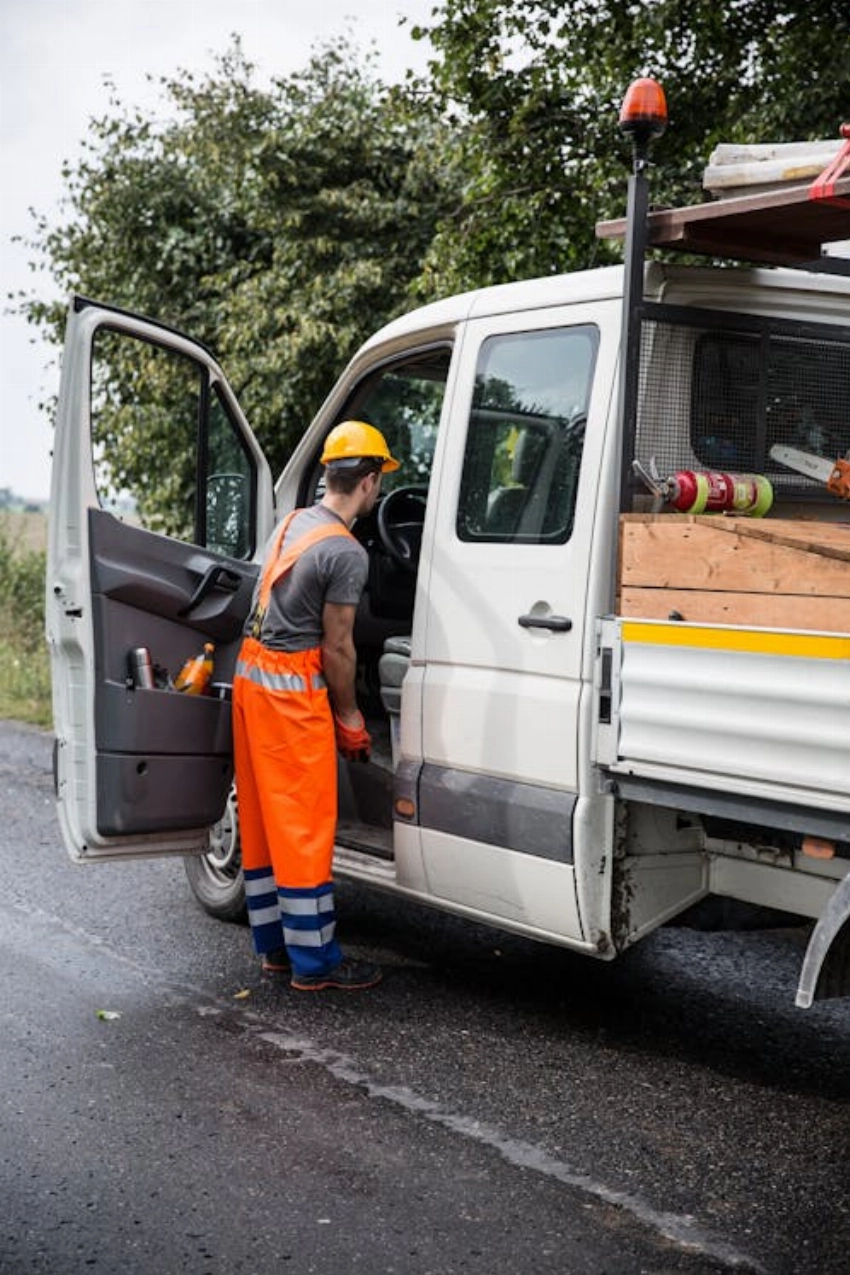
The labour shortages in Europe in 2026 are staggering in terms of demand for Indian professionals in IT, healthcare, engineering, and logistics, with more than 2 million vacancies.
Highest Demand Sectors
-
IT & Software: data scientists, software developers, cybersecurity; €50K -90K; Germany/Ireland/Netherlands hubs.
-
Healthcare: Nurses, physicians, caregivers; population ageing 1.2M jobs; Germany/Sweden.
-
Engineering: mechanical, civil, renewables, manufacturing boom; Germany/France.
Emerging Priorities
-
Logistics/Construction: Warehouse operations, truckers; e-commerce/Ukraine rebuild, Poland/Netherlands.
-
Fintech/ Sales: Banking /marketing managers, Ireland/UK.
Information Technology and Software Development
Europe has the highest job demand for Indians in IT and software development, with 500K+ open jobs in AI, cloud, and cybersecurity during the digital transition.
Key Opportunities
-
Software developers/data scientists: 50–90K; Python/Java/AWS experience; Germany/Ireland locations.
-
Cybersecurity experts: Crucial scarcities; 60,000+; multinationals are sponsors of the EU Blue Card.
Hotspots & Visas
-
Ireland (Google/Meta): fast-track, English-only, Critical Skills Permit.
-
Germany/Netherlands: entry via Opportunity Card; switches to Blue Card after offer.
Advice by our Expert: IT professionals have the easiest path to European employment, even without formal certification. A strong GitHub portfolio with real projects can secure interviews at tech startups willing to sponsor visas.
Healthcare and Medical Professionals
The ageing population is causing healthcare shortages in Europe, which leaves 1.2M+ vacancies for Indian nurses, doctors, and caregivers in 2026.
Key Opportunities
-
Nurses/caregivers: 35K-60K; Germany/Sweden demand; fast-track recognition.
-
Doctors/specialists: € 75K -100K plus; Germany/Ireland; EU Blue Card after approval.
Hotspots & Visas
-
Germany: The Skilled Immigration Act gives healthcare priority; a B1 German frequently necessary.
-
Ireland: Critical Skills Permit; English-only; family reunification instant.
Expert Advice: Start language learning and license recognition process immediately, these are the longest components of healthcare migration timelines, often taking 6-12 months before you can even apply for jobs.
Engineering (All Disciplines)
In 2026, the engineering sectors in Europe have acute shortages, which are fueled by Industry 4.0, renewables, and infrastructure projects, which are suited to Indian BTech graduates.
Key Opportunities
-
Mechanical/electrical engineers: €50K -80K; automotive (Germany VW/BMW), semiconductors (Netherlands ASML).
-
Civil/renewables: Bridges, wind / solar; 45K-70K; EU Green Deal financing.
Hotspots & Visas
-
Germany: 163 bottleneck professions; Opportunity Card entry.
-
Netherlands/Ireland: Highly Skilled Migrant/Critical Skills; English Proficient.
Key Note: German engineering companies highly value Indian engineering degrees, especially from IITs and NITs—leverage your institution's reputation prominently in applications to German manufacturers.
Construction and Skilled Trades
Infrastructure booms, Ukraine rebuilds, and greying tradespeople leave the construction and skilled trades in Europe with 800K+ openings in 2026, and welcoming Indian labour.
Key Opportunities
-
Masons, electricians, plumbers: €1,8003000/month; overtime also increases 2050%.
-
Welders, carpenters, hvac techs: shortages in Germany/Poland; On-the-job training.
Hotspots & Visas
-
Germany/Poland: Skilled Worker visas; trades do not require any degree.
-
Renewable contracts (6 to 12 months), seasonal PR renewed after 3-5 years.
Advice by our Expert: The construction sector often has lower language barriers than other industries, with many multinational project teams operating in English—this makes it accessible for Indians with technical skills but limited local language proficiency.
Logistics, Supply Chain, and Transport
In 2026, e-commerce bursts, port developments, and shortages of drivers are predicted to leave over half a million vacancies in Europe's logistics, supply chain, and transport.
Key Opportunities
-
Warehouse operators/forklift drivers: €1,200-2500/month; Poland/Netherlands has maximum with overtime.
-
Truck drivers/HGV: 2000-3500; Germany shortage (100K+); training for CPC licence.
Hotspots & Visas
-
Poland (Rotterdam hub): Easy seasonal permits for Indians.
-
Germany/Netherlands: Skilled Worker visas; I will become a PR within 3 years.
Expert Advice: The Polish logistics sector actively recruits Indians for warehouse and distribution roles with visa sponsorship and accommodation support—entry-level positions provide an accessible pathway to EU residence.
Conclusion
By 2026, employment in Europe is very possible to secure in India due to acute labour shortages in the fields of IT, healthcare, engineering, and logistics that will be achieved through strategic preparation. Use the 10-step roadmap- research shortages through EURES, prepare Europass CVs, get certifications, be a LinkedIn aggressive networker, and focus on sponsorship-ready employers in Germany, Ireland, and the Netherlands.
Bypass obstacles such as visa hesitation and credential transfer with systemic tools such as the EU Blue Card (it requires at least 45K€) or Opportunity Cards. Indians can secure 49-month-long-term positions with 35K-90K salary promises, PR career options, and family reunification opportunities, and change their career paths through consultancies such as TerraTern to achieve end-to-end success.
To learn more about the How to Get Job in Europe from India in 2026, contact TerraTern right away!



 AI Summary