

Key Highlights
- What Is the Electrical Engineer B1 Ausbildung Program in Germany?
- What is the Average Salary for an electrical engineer in Germany in 2026?
- How Much Do You Earn During Electrical Ausbildung Training in Germany in 2026?
- How Does Location Affectan Electrical Engineer's Salary in Germany in 2026?
- What Are the Eligibility Requirements for Electrical Ausbildung With B1 German in 2026?
- How to Apply for an Electrical Engineer Ausbildung from India in 2026?
- What Is the Career Progression After Electrical Ausbildung in Germany?
- Which Companies Hire Electrical Engineers and Pay the Best Salaries in Germany?
- How Can TerraTern Help With the Electrical B1 Ausbildung Program in Germany?
- Germany's 2026 Workforce Outlook: Policy Shifts, Skills Gaps, and Opportunities
- Conclusion
The Electrical Engineer B1 Ausbildung Program in Germany in 2026 will be a dual-vocational training option, where the student is required to work in electrical engineering and attend classroom instruction, which is preferable to non-EU students, such as Indian students who have B1 levels of German. In most cases, the trainees receive progressive monthly allowances of about 950 to 1100 during the first year, and then 1150 and above in the third payment. Engineering, such as electronics or automation qualify to be paid competitively since they are in demand. After graduation, the graduates acquire the status of skilled workers with salaries ranging between 2,800 and 3,500 euros a month, which frequently results in permanent positions and visa permits, although there is a requirement of school certificates, language demonstrations, and newly obtained visa permits via an Indian focused program in regions such as Bangalore.
What Is the Electrical Engineer B1 Ausbildung Program in Germany?

The Electrical Engineer B1 Ausbildung Program is the German dual vocational training (Ausbildung) in electrical engineering, and is designed to suit applicants with an equivalent level of proficiency in the German language, namely B1.
-
Dual Structure: It involves 65 per cent practice-based on-the-job training in an organisation, in addition to 35 per cent of theoretical lessons in a Berufsschule (vocational school).
-
Length: 3 to 3.5 years (can be reduced to 3 years with the high performers); is concentrated in the installation, maintenance, and repair of electrical systems, automation, and building infrastructure.
-
Language Requirement: B1 German (B2 preferred) to instruct, communicate,e and be safe in technical settings.
-
Qualification: 10+ years of education (Mittlere Reife equivalent), excellent in math/physics; non-EU applicants requira e visa through a training contract.
-
Salary (Vergution): According to Years of Experience, Progressive stipends: €950-1,100 (Year 1), 1,050-1,300 (Year 2), 1,100-1,300 (Year 3): paid monthly by the employer.
-
Skills: Wiring, control systems, energy management, project planning, client consultation, and specialities such as power or IT engineering.
-
After completion: Becomes Geselle (skilled worker) with a starting salary of 2,800 and above, job placement priority, and residence permit or additional study opportunities.
-
Indians: Indians can apply through sites such as GoAusbildung or TerraTern; first obtainan Ausbildungsvertrag, and then a vocational visa. Applications are accepted in 2026.
Also Read: Electrical Engineer Salary in Dubai: Latest Salary Guide
Why Is B1 German the Minimum Requirement for Ausbildung?
To pass the Ausbildung programs in Germany, the minimal requirement was two weeks of B1 German to ensure that the trainee can succeed in a completely German-speaking environment.
-
Visa Requirement: Visas for vocational training in Germany need certified B1 evidence (Goethe/Telc/OSD).
-
Vocational School: At Berufsschule, lessons, exams, and assessments are conducted in German, and with B1, one can understand.
-
Workplace Safety: Manages the instructions, tools, documentation, and interactions with colleagues safely.
-
Daily Integration: Assists in living, communication, and completing training.
Expert Advice: Electronics Technician Ausbildung is technically more demanding than general electrician training, leading to higher starting salaries (€39,000 vs €35,000) and broader career opportunities in automation, renewable energy, and Industry 4.0.
What is the Average Salary for an electrical engineer in Germany in 2026?
In 2026, an electrical engineer B1 Ausbildung Program salary Germany is paid good wages (average of 60,000-70,000 gross per year), depending on experience, location, and specialisation, such as automation or power systems.
Electrical Engineer B1 Ausbildung Program Salary Germany
|
Experience Level |
Monthly Gross Salary (€) |
Annual Gross Salary (€) |
Notes |
|
Entry-Level (0-3 years) |
3,500–4,500 |
42,000–54,000 |
West Germany Fresh Ausbildung graduates or juniors; higher. |
|
Mid-Level (4-9 years) |
4,800–6,000 |
57,600–72,000 |
Typical of talented experts; there are bonuses involved. |
|
Senior (10+ years) |
6,500–8,500+ |
78,000–102,000+ |
Managers or specialists; in Bavaria, it hits up to €100,000+. |
How Does Experience Level Affect Average Electrical Engineer Salary in Germany?
The level of experience contributes greatly to the electrical engineer B1 Ausbildung Program salary Germany, to the experience and duties of the profession, and the bargaining leverage, with beginner earnings of 45,000-55,000 annexed, increasing to 75,000 and higher with the seniority of the expert.
-
Entry-Level (0-3 years): €42,000 -55,000; deals with fundamentals, post-Ausbildung starters are paid less because they do not have extensive knowledge.
-
Mid-Level (4-9 years): €55,000-72,000; an addition of project leadership attracts 20-30 per cent increases through promotions.
-
Experienced (10 years and above): between 75,000 and 100,000 or higher; automation/power experience is a luxury, along with a bonus.
How Does Education Impact the Average Salary of an Electrical Engineer in Germany?
An electrical engineer B1 Ausbildung Program salary Germany with higher education will increase their earnings up to the higher positions, research, and leadership opportunities,s and will earn a better salary of at least 50,000 to 60,000 a year, ar compared to the PhD holder who will earn at least 70,000 in 2026.
-
Ausbildung/Vocational: 25000-35000; work experience as a technician after training.
-
Bachelor's Degree: €45,000- 60,000; juniors can be employed as engineers, 20 per cent higher than vocational.
-
Master's Degree: €60,000 -75,000; mid-senior level R&D/ project leads, 25-30 per cent premium.
-
PhD: €70,000– €90,000+; specialised innovation/management, most income.
Advice by our Expert: Master's graduates can earn €8,000-€12,000 more annually than Bachelor's graduates in the same role, making advanced education a worthwhile investment for long-term earnings in Germany.
How Much Do You Earn During Electrical Ausbildung Training in Germany in 2026?
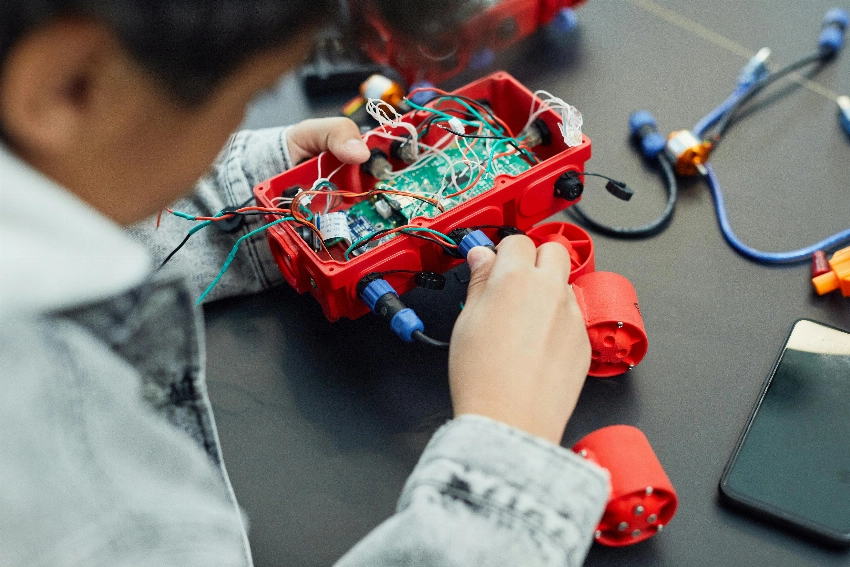
In the electrical engineer B1 Ausbildung Program salary Germany, the employer gives monthly gross salaries (Vergütung) to the trainee, which are progressive with the years; they start at 950-1100 Euros annually and increase each year, tax-free to non-EU starters until a limit.
Electrical engineer B1 Ausbildung Program salary Germany by Training Year
|
Year |
Monthly Gross Salary (€) |
Key Focus Areas |
Notes |
|
1st |
950–1,100 |
Basics (wiring, safety) |
~80% of the full apprentice rate. |
|
2nd |
1,050–1,200 |
Systems, automation |
5-10% increase. |
|
3rd |
1,100–1,300 |
Projects, specialization |
Pre-qualification peak. |
What Are the Highest-Paying Electrical Ausbildung Specialisations?
Electrical engineer B1 Ausbildung Program salary Germany, such as Elektroniker for automation, energy/building technology, and industrial electrician, offer competitive post-training salaries typically ranging from €3,000 to €4,000 monthly, driven by demand in manufacturing and automation sectors.
-
Mechatronics Technician: €3,2003,800; robotics, electrical/mechanical.
-
Electronics Technician (Energy/Building): 3,000-3,600; smart technologies/renewable.
-
Industrial Electrician: 3,000-3,500; automation/high voltage factory.
-
Electrical Engineering Technician: 2800-3500; infrastructure design.
Pro Tip: Technical Ausbildung programs in large industrial companies (Siemens, BMW, Bosch) in southern Germany offer €100-€200 higher monthly stipends than smaller companies, making company selection crucial for financial planning.
How Does Location Affectan Electrical Engineer's Salary in Germany in 2026?
In Germany, the economic hubs, cost of living, and the concentration of industries have a significant influence on the electrical engineer B1 Ausbildung Program salary Germany because the salaries of the engineers in the southern/western cities are 10-25 per cent higher than those in the eastern cities.
-
Munich/Bavaria: 46980-80000 a year; tech companies such as Siemens/BMW are premium drivers, regardless of high rent.
-
Hamburg/Düsseldorf: €48000-70000; good in energy/shipping, average cost of living.
-
Stuttgart/Frankfurt: €42,000-65,000; mid-level pay is increased through automotive orientation (Porsche, Mercedes).
-
Berlin: €45,600-20,000; the startup scene is less established but has more growth as compared to the south.
-
East (Dresden/Leipzig): €40,000-45,000; smaller because of less number of firms, foreigners can easily enter.
Which Cities Offer the Best Salary-to-Living-Cost Ratio for Electrical Engineers?
Electrical engineer B1 Ausbildung Program salary Germany is most likely to meet their salaries with the cost of living in Stuttgart, Dortmund, and Düsseldorf, with a good pay of 42,000-65,000/year, and cheap rent (690-991/month).
Top Cities Table
|
City |
Average Salary for Electrical Engineer in Germany |
Avg. 1-Bed Rent (€) |
Ratio Notes |
|
Stuttgart |
65,000 |
1,115 |
Car manufacturing employment pays back. |
|
Dortmund |
67,000 |
690 |
Lowest rent, strong industry. |
|
Düsseldorf |
55,000+ |
991 |
Industrial compensation is superior to cost. |
|
Hamburg |
70,000 |
1,097 |
Energy sector value |
Expert Advice: While Munich offers the highest salaries, cities like Nuremberg or Leipzig provide better net savings due to 40-50% lower housing costs while still offering strong electrical engineering job markets.
What Are the Eligibility Requirements for Electrical Ausbildung With B1 German in 2026?
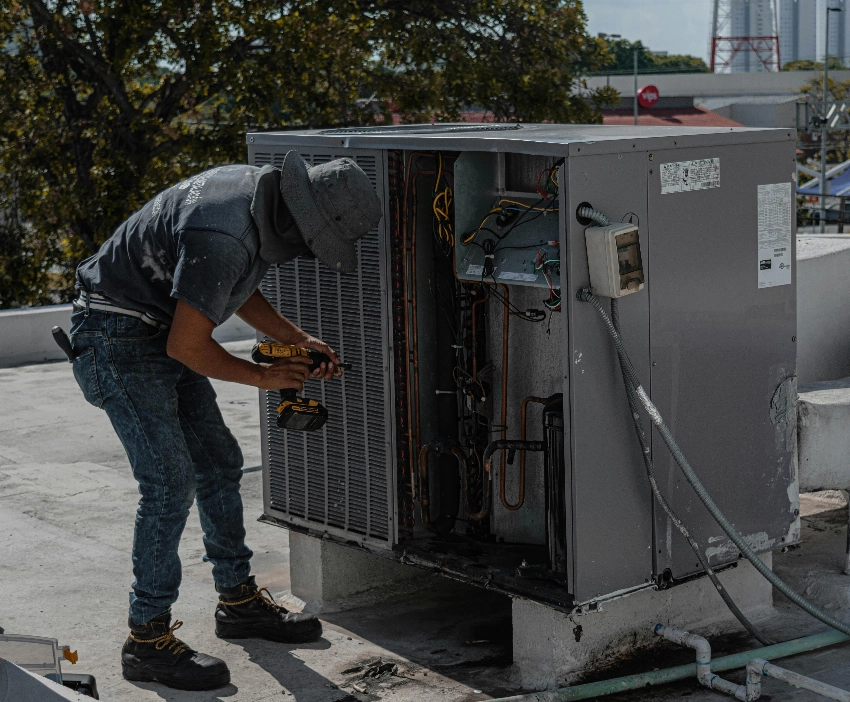
The Electrical Ausbildung with B1 German is eligible to non-EU citizens, such as Indians, which involves certified language proficiency and rudimentary education to qualify for a visa and success in training.
-
German level: B1 certificate (Goethe/Telc/OSD) to obtain a visa, school, and work.
-
Education: 12 years of schooling (Class 12/Higher Secondary/equal or greater).
-
Age: 18-30 is the typical; no age limit,t strictly speaking, of course, provided one is qualified.
-
Paperwork: School certificates, motivation letter, passport; there is no previous experience required.
-
Training Contract: Get a Secure Ausbildungsvertrag with a German business first.
-
Health insurance: Evidence after contract; bad criminal history.
How Long Does It Take to Prepare for Ausbildung from India?
The usual preparation time for Electrical Ausbildung in India is 6 to 18 months, including the German B1 certification, application, and visa preparation for the 2026 intake.
-
German B1 (3 9 months): A1; Intensive courses (400600 hours); Goethe/Telc examination required.
-
Documents/Apps (2 -4 months): School certs, CV, motivation letter; apply through Azubi platforms.
-
Contract Hunt (3-6 months): Find Ausbildungsvertrag; such programs as GoAusbildung support Indians.
-
Visa/Travel (1–3 months): Embassy appointment after the contract; block account 11,208 euros.
Advice by our Expert: Start German language learning 12-18 months before your planned Ausbildung start date; students completing intensive B1 courses (4-5 hours daily) achieve certification in 7-8 months, with 85-90% first-attempt pass rates when using TerraTern's focused mock exam sessions.
How to Apply for an Electrical Engineer Ausbildung from India in 2026?
The process of applying to Electrical Engineer Ausbildung (India) is systematic and requires focus on B1 German, documents, and the acquisition of a training contract initially.
-
A1 German: Take certified courses (Goethe/Telc); successfully pass exam (36 months).
-
Research Programs: Australia: Focus on electrical specialisation on Ausbildung.de, Jobbörse, or company websites, such as Siemens.
-
Documents to be prepared: German CV (Europass), motivation letter, translated Class 10/12 certificates, and passport.
-
Send in Applications: (Apply to companies online); take part in video interviews in German.
-
Secure Contract: Have an Ausbildungsvertrag that states stipend, period of time, and date.
-
Obtain a visa: Pay the visa fee, language evidence, and health insurance to the German embassy; the visa will be processed in 4-6 weeks.
-
Travel & Register: Come in, register your address, and enrol in Berufsschule.
Expert Advice: Apply directly to 15-25 companies 6-12 months before desired start; 40% of applications are rejected at initial screening due to poor language quality or formatting errors—invest in professional translation and native German speaker review.
What Is the Career Progression After Electrical Ausbildung in Germany?
After completing Electrical Ausbildung in Germany, career development progresses through skilled technician, speciality, and management or education, with an electrical engineer B1 Ausbildung Program salary Germany increasing from 2,800 monthly at the time of completion to 6,000 and above.
-
Skilled Worker (Geselle): Entry-level job after Ausbildung as Elektroniker; between 2,800 and 3500/month; system installation/repair.
-
Specialist (Fachkraft): 25 -5 years; major in automation/energy; 3,500-4500; Meister certification alternative.
-
Meister/Technician Lead: 5-8 years; Managing part of a team/training an apprentice; €4,500-5,500; exam required.
-
Engineer Track: Do a dual course (Bachelor); project management/R&D; 5-7000.
-
Management/Senior: 10 years or more; site manager/department head; 6,000 or more; permanent residence/citizenship authorised.
Can You Get Permanent Residency After Ausbildung?
Yes, that is true; permanent residency (Niederlassungserlaubnis) can be obtained in Germany by non-EU citizens, such as Indians, once an Electrical Apprenticeship is completed, and after 2 years of skilled working experience in Germany with a B1/B2 German language proficiency.
-
After Training Work: Find a qualified position equivalent to Ausbildung; receive an 18-24 month work permit (§18a).
-
Work 2 Years: Full-time working, pension payments; B1 German minimum (B2 hastens).
-
Apply PR: Show integration, place to stay, health cover; no criminal record.
-
Faster Track: B2 German or a shortage occupation is half with a total of 21-24 months.
Advice by our Expert: 85% of Ausbildung trainees receive permanent job offers from their training companies, often with starting salaries comparable to university graduates in technical fields—making this an equally valid career pathway.
Which Companies Hire Electrical Engineers and Pay the Best Salaries in Germany?
The best companies that employ electrical engineers in Germany, and particularly after the Ausbildung period, such as Siemens and Bosch, a top company in the industry, offer a good electrical engineer B1 Ausbildung Program salary Germany up to a maximum of 92000-108000/year in the top positions of the job.
Table of the highest electrical engineer B1 Ausbildung Program salary Germany
|
Company |
Average salary for an Electrical Engineer in Germany |
Key Locations |
Notes |
|
Tesla |
92,000–108,000 |
Berlin |
EV/automation focus. |
|
Beckman Coulter |
77,000–99,000 |
Various |
Diagnostics/tech. |
|
50Hertz |
65,000–77,000 |
Berlin/Brandenburg |
Energy grids. |
|
BMW |
60,000–85,000 |
Munich |
Automotive systems. |
|
Siemens |
55,000–75,000 |
Munich/Erlangen |
Automation/energy. |
|
Bosch |
55,000–75,000 |
Stuttgart |
Vehicle electronics. |
Key Note: Large multinational companies (1,000+ employees) pay €5,000+ more annually than SMEs for entry-level positions, plus offer better benefits, relocation assistance, and clearer visa support pathways.
How Can TerraTern Help With the Electrical B1 Ausbildung Program in Germany?
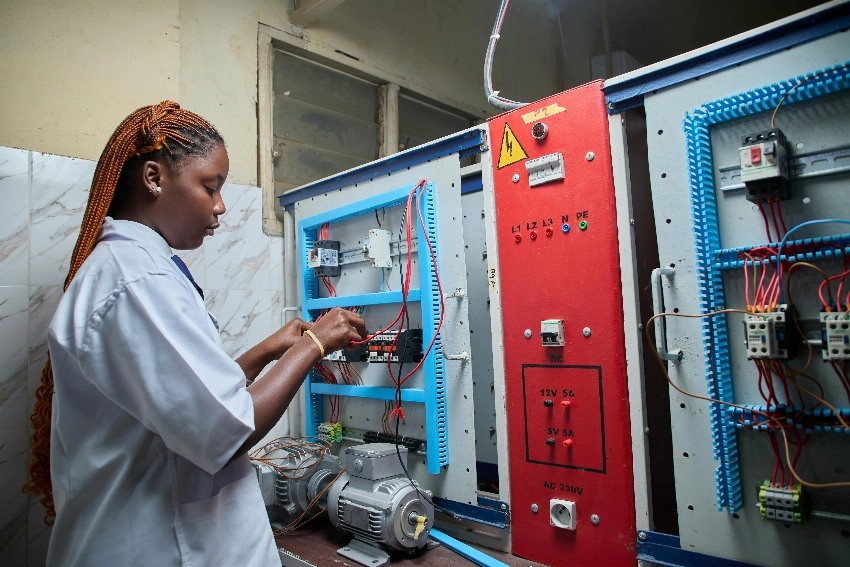
TerraTern assists electrical training applicants in India to get an Electrical B1 Ausbildung program by providing specialised immigration and job placement services, tapping into their experience with Germany pathways.
-
Job Matching: Relates to 10,000 + Ausbildung vacancies in the electrical engineering field through its collaboration with German companies.
-
Document Prep: Helps with applications, motivation letters,s and certified translations of German CVs.
-
Language Advice: B1-based courses are recommended, and interview preparation can be made in German.
-
Visa Processing: Processes the visas of vocational training in Bangalore/Delhi embassies, including the setting up of blocked accounts.
-
Post-Landing Aid: Provides relocation and housing, as well as Berufsschule registration.
Germany's 2026 Workforce Outlook: Policy Shifts, Skills Gaps, and Opportunities
The facts for the industry context section are:
1. Policy Update (March 2024): Germany reduced the minimum Ausbildung language requirement from B2 to B1, making vocational training more accessible
2. Skills Shortage (2026): Germany faces a 400,000+ skilled worker shortage annually, with 85,000 vacancies in technical fields
3. Employment Rate: 92% of Ausbildung graduates secure employment within 3 months of completion
4. Average Salary Data (December 2026): Electrical engineers earn €64,000 average annually (Glassdoor), with senior roles reaching €100,000+
5. Electronics Technician Demand: Every 8th vocational training position remains vacant in the electronics/metal industries
6. Minimum Wage 2026: Germany increased the minimum wage to €12.82/hour (January 2026), influencing apprenticeship pay
7. Indian Student Success: 2,000+ Indian students complete Ausbildung annually, with 87% achieving B2 German during training
Conclusion
Indian professionals can be well-compensated in 2026 through the Electrical Engineer B1 Ausbildung Program in Germany, which has been a profitable and practical route offering stipends of between 950 and 1300 Euros monthly during the training of 3 years, and electrical engineer B1 Ausbildung Program salary Germany between 42000 and 100000 and above annually, depending on experience, education, and the location, such as Munich or Stuttgart.
Vocational success through high-wage specialisation in mechatronics and automation, rapid PR qualification in only two years of work experience, financial stability, and career advancement to high-ranking positions at companies such as Siemens and BMW, with B1 German as the entry barrier and workplace readiness, this program would provide an excellent, no-risk springboard to vocational success amid the skilled labour shortage in Germany.
Contact TerraTern for more information on Electrical Engineer B1 Ausbildung Program Salary in Germany: Complete 2026 Guide




 AI Summary