

Key Highlights
- What Is Civil Engineering Ausbildung in Germany and How Does It Work in 2026?
- Why Choose Civil Engineering Ausbildung in Germany Over University Degrees in 2026?
- What Are the Complete Requirements for Civil Engineering Ausbildung in Germany From India in 2026?
- What Are the Fees and Costs for Civil Engineering Ausbildung in Germany From India in 2026?
- What Salary and Stipend Can You Expect During Civil Engineering Ausbildung in Germany From India in 2026?
- How Long Does Civil Engineering Ausbildung in Germany Take to Complete?
- What Is the Complete Application Process for Civil Engineering Ausbildung in Germany in 2026?
- What Is the Visa Process for Civil Engineering Ausbildung from India in 2026?
- What Career Opportunities Exist After Completing Civil Engineering Ausbildung in Germany in 2026?
- Which Cities in Germany Offer the Best Civil Engineering Ausbildung Opportunities in 2026?
- How Does Civil Engineering Ausbildung Compare to Bachelor's Degrees in Germany in 2026?
- What Are Common Challenges Indian Students Face in Civil Engineering Ausbildung?
- How Can TerraTern Help You Secure a Civil Engineering Ausbildung in Germany?
- What Are the Top Companies Offering Civil Engineering Ausbildung in Germany in 2026?
- How Can TerraTern Help With Civil Engineering Ausbildung in Germany?
- Conclusion
Germany has a good civil engineering ausbildung in germany pathway available in 2026, which incorporates a combination of tuition-free education and paid work practices. This dual system addresses the country's essential infrastructure needs, with international applicants assured of visas, monthly stipends of EUR950-EUR1,400, and guaranteed employment after graduation. For students who want to pursue steady careers in construction, drafting, or road building, free of university debt, this government-regulated program is the gold standard of professional development.
What Is Civil Engineering Ausbildung in Germany and How Does It Work in 2026?
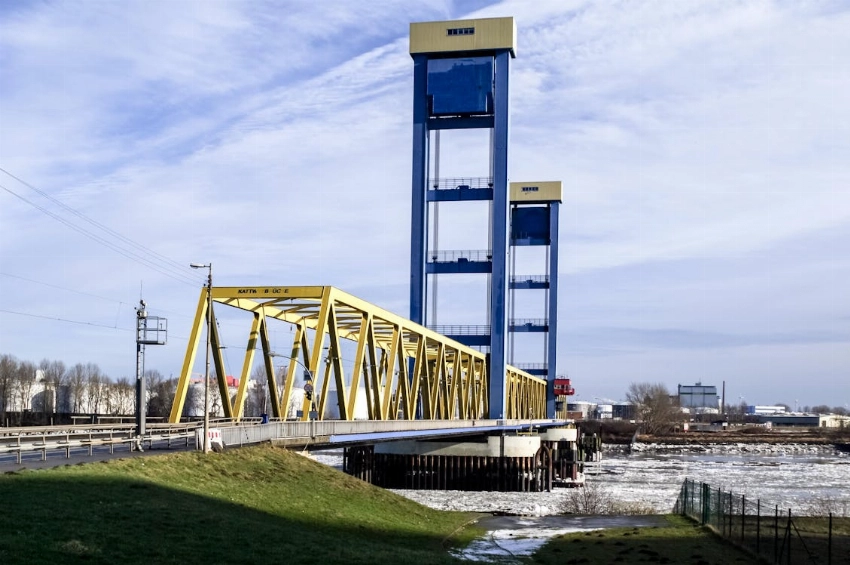
Civil engineering Ausbildung in Germany is a government-funded dual vocational training which lasts 3-3.5 years. Apprentices alternate work in construction sites (3-4 days/week) and theoretical training in Berufsschule (1-2 days per month and receive EUR800-EUR1.300 paddies per month, and learns structural engineering and infrastructure.
-
Dual System Core: Like a Vocational Training Act in Germany (BBiG), it requires co-op-type,e hands-on education in companies and theory instruction in vocational schools, unlike a university bachelor's degree, which consists solely of academics.
-
Civil Focus: Prepares for occupations such as construction specialists, separating building planning, road works, and site management.
-
Weekly Split 3-4 days: On-site work, learning tools, and projects 1-2 days in school for blueprints, math, and regulations
-
Qualification: ends with a state-certified examination at an IHK/HWK, which is a skilled worker certificate that provides professional qualification for immediate employment.
As per TerraTern Expert, Shreya, unlike traditional degrees that focus on theory, civil engineering Ausbildung prepares you for immediate employment through Germany's time-tested dual system, which has produced over 60% of the country's skilled workforce for decades.
Also Read: Ausbildung Engineering Courses in Germany
Why Choose Civil Engineering Ausbildung in Germany Over University Degrees in 2026?
Civil engineering ausbildung in Germany offers you debt-free training along with earning money from the very first day, certainly a stark contrast to studies at universities, where one has to pay very high costs and takes much longer. Apprentices acquire in-demand skills that employers seek and enter the workforce more quickly.
|
Feature |
Civil Engineering Ausbildung (Vocational Training) |
University Degree (B.Sc / B.Eng) |
|
Cost |
Free (You get paid €950–€1,400/month) |
Free tuition (public), but €11k+ blocked account required/year |
|
Duration |
3 Years (Fixed) |
3–5 Years (Variable based on exam pass rate) |
|
Focus |
70% Practical / 30% Theory |
90% Theory / 10% Practical |
|
Admission |
10th or 12th Grade (School Leaving Cert) |
12th Grade + JEE/Entrance Exams or Studienkolleg (13th year) |
|
Language |
German B1/B2 (Strict requirement) |
German C1 or English (depending on program) |
|
Outcome |
Skilled Worker (Fachkraft) |
Engineer (Ingenieur) |
|
Job Entry |
Immediate (often with a training company) |
Competitive (requires job hunting post-degree) |
|
EU Recognition |
High (Blue Card eligible via salary or specialised visa) |
High (Blue Card eligible) |
Important Tip: For Indian students prioritising financial stability and immediate employability, Ausbildung provides a debt-free alternative that gets you working in Germany's €100+ billion infrastructure sector 1-2 years faster than traditional degree pathways.
What Are the Complete Requirements for Civil Engineering Ausbildung in Germany From India in 2026?
Civil engineering Ausbildung in Germany requirements in India are completed 12th grade with good marks in math/physics, B1 healthcare in germany, B2, age 18-30, physical fitness, ZAB, recognised documents and a blocked account of EUR11,904.
|
Requirement Category |
Details |
|
Education |
12th grade (55%+ in Science/Math/Physics); ZAB recognition |
|
Language |
Min. B1 German (B2 preferred); Goethe/TestDaF/TELC certs |
|
Age |
18-30 years preferred |
|
Health |
Physical fitness for site work; medical certificate |
|
Financial |
€11,904 blocked account for visa |
Expert Advice: While B1 German is the minimum requirement, achieving B2 level significantly improves your application success rate and opens doors to higher-paying construction companies like HOCHTIEF and Züblin, often resulting in €100-200 higher monthly stipends.
Educational Qualification Requirements for Indian Students
Civil engineering ausbildung in Germany requirements indian students to pass 12th Grade (10+2) with 55%+, preferably science with mathematics and Physics with ZAB evaluation at a cost of EUR100-200, which takes 2-3 months.
-
Minimum Education: 12th grade. Min 1st Diocletian Defence Forces Safety 32 days chargers New Zealand Sharks The Duke of York Navycentripike professional
-
Preferred Subjects: Math, Physics, Chemistry, and construction aptitude
-
Grade Threshold: 55% aggregate; the higher the better on company selection
-
ZAB Recognition: Mandatory Cert Certificate through online portal, 2-3 months processing
-
Costs/Timeline: fee 100-200 euros; apply for plans made between 3 months ahead of applications
German Language Proficiency Requirements: B1 vs B2 Level
These are different and are B1 and B2 Level E requirements - civil engineering ausbildung in germany requirements, min B1 German, but B2 would have little benefit for site communication and acceptance. 1 Goethe 2 testdaf 3: TELC Certificate accepted after 6 12 months courses [?]50.000-1.50.000 in india.
-
B1 Level: Basic working place German; deals with instructions, simple blueprints
-
B2 Advantage: Technical terms, safety talks; preferred by firms
-
Accepted Certs: Goethe-Zert. Goetheschule in fulda
-
Course Duration: 6-9 months B1 +3-6 for B2 in india
-
Construction Focus: Practical German, not academic. Free apps such as Duolingo help
Age Limits and Physical Fitness Criteria
Ausbildung requirements for civil engineers in Germany must be between 18 and 30 years, with physical stamina for lifting, heights, machinery, no legal cap, but visas/companies open for experienced applicants above 30.
-
Age Range: 18-30 preferred, under 25 ideal for entry level
-
Flexibility: 30+ (with experience); visa young
-
Fitness Needs: Lift 20kg+, climbing scaffolds, working outdoors
-
Medical Check: Fitness certificate required before contract
-
Safety Training: On-site
What Are the Fees and Costs for Civil Engineering Ausbildung in Germany From India in 2026?
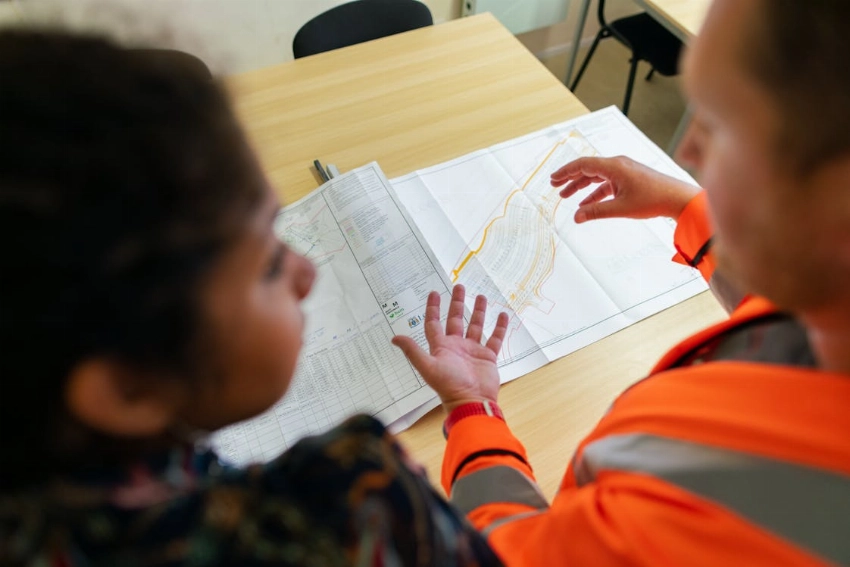
Civil engineering Ausbildung in Germany fees feature zero tuition at public Berufsschulen, but require upfront costs like a €11,904 blocked account and pre-departure expenses totalling INR 9.5-10 lakhs for Indian students. These recover quickly with monthly stipends of €800-1,300.
|
Cost Category |
Fees (INR Approx.) |
|
Tuition |
Free |
|
Blocked Account |
INR 10.5 lakhs (€11,904) |
|
Visa Fee |
INR 6,500 (€75) |
|
Language Courses |
INR 80,000-1.5 lakhs |
|
Document Recognition |
INR 10,000-20,000 |
|
Flights & Misc. |
INR 1-1.5 lakhs |
|
Total Initial |
INR 9.5-10 lakhs (recovered in 8-12 months) |
Key Note: The initial INR 9.5-10 lakh investment is typically recovered within the first year through your monthly stipend, making Ausbildung one of the most financially viable pathways to Germany. You're essentially getting paid to acquire European qualifications instead of paying INR 20-30 lakhs for degrees.
Blocked Account Requirements and Monthly Living Expenses
Indian applicants open a Sperrkonto with providers like Deutsche Bank or Coracle, depositing €11,904 pre-visa; monthly withdrawals of €992 cover €700-900 in living costs, supplemented by stipends for savings.
|
Expense Item |
Monthly Cost Range (€) |
Civil Engineering Ausbildung in Germany Fees Notes |
|
Rent (Shared) |
250-450 |
Cheaper in smaller cities vs. Munich |
|
Groceries |
150-250 |
Supermarkets like Lidl/Aldi |
|
Transport |
30-60 |
Deutschlandticket €49/month |
|
Health Insurance |
100-120 |
Mandatory TK/AOK coverage |
|
Misc (Phone/Util.) |
70-100 |
Leaves €100-300 savings + stipend |
|
Total Living |
700-900 |
Stipend covers fully after arrival |
Initial Investment Breakdown: Pre-Departure Costs from India
Pre-departure outlay ranges from INR 2-3 lakhs, covering language training to flights; self-study cuts language costs by 50%; and early planning avoids agency fees.
|
Cost Item |
Amount (INR ) |
Civil Engineering Ausbildung in Germany Fees Tips |
|
Language Courses |
30k-70k |
Goethe-Institut; online cheaper |
|
Certification Exams |
8.5k-9.5k |
B1/B2 Goethe/TELC |
|
Document Translation |
10k-30k |
Certified for ZAB/visa |
|
ZAB Recognition |
10k-20k |
2-3 months processing |
|
Visa Fee |
6,500 |
VFS Global appointment |
|
Medical Insurance |
15k-25k |
Travel policy pre-arrival |
|
Flights |
40k-80k |
Book 2-3 months ahead |
|
Total Pre-Departure |
2-3 lakhs |
Skip agencies to save 20-30% |
Also ReadConstruction Ausbildung in Germany For Indians Guide
What Salary and Stipend Can You Expect During Civil Engineering Ausbildung in Germany From India in 2026?
Civil engineering Ausbildung in Germany salary starts with monthly stipends of €850-1,200 (INR 75,000-1.05 lakhs), rising yearly over 3 years, with top firms like HOCHTIEF offering up to €1,300. Post-training, qualified workers earn €2,500-3,500 monthly, far exceeding Indian civil engineering averages
|
Aspect |
Details |
|
Year 1 Stipend |
€850-950/month |
|
Year 2 Stipend |
€950-1,100/month |
|
Year 3 Stipend |
€1,050-1,200/month (up to €1,300 at top firms) |
|
Post-Ausbildung |
€2,500-3,500/month starting |
|
5-Year Potential |
€45,000-60,000 annually |
|
vs. India |
5-10x higher than INR 3-5 lakhs/year |
|
Benefits |
Health insurance, 25-30 vacation days, 13th month pay |
Important Note: With Year 1 stipends around €900 (INR 79,000/month) and living costs of €700-800, you can comfortably cover expenses from day one—unlike university students relying solely on blocked accounts—while building savings of €3,600-10,800 over the 3-year training period.
Year-by-Year Salary Progression During Training
Civil engineering Ausbildung in Germany salary progresses with skills: Year 1 builds basics (€850-950), Year 2 specialises (€950-1,100), Year 3 advances duties (€1,050-1,200), influenced by company size and region, like higher Munich rates.
|
Training Year |
Stipend Range (€/month) |
Responsibilities & Notes |
|
Year 1 |
850-950 |
Basic site tasks, tools, and smaller firms' pay base |
|
Year 2 |
950-1,100 |
Specialised training, blueprints, and performance bonuses are possible |
|
Year 3 |
Advanced projects, supervision; top companies +€100-200 |
|
|
Factors |
Varies by state/firm |
Munich/Stuttgart 10-15% higher; merit increases |
Post-Completion Salary Expectations in Germany
Civil engineering Ausbildung in Germany salary post-qualification hits €2,500-3,500 monthly entry-level, scaling to €45,000-60,000 in 5 years with specialisations, plus full benefits—vastly outperforming Indian INR 3-5 lakhs annually.
|
Experience Level |
Monthly Salary (€) |
Annual (€) & Perks |
|
Entry-Level |
2,500-3,500 |
30k-42k; 30 vacation days, insurance |
|
5 Years |
3,500-4,500 |
45k-55k; specialisation bonuses |
|
10+ Years |
4,500+ |
60k+; Meister title, self-employment options |
|
City Variation |
Munich +20% |
Stuttgart high; East Germany lower |
|
vs. India |
5-10x higher |
Includes pension, overtime |
How Long Does Civil Engineering Ausbildung in Germany Take to Complete?
Civil engineering Ausbildung in Germany follows a standard 3-3.5 year dual training duration under the BBiG framework, with weekly splits between company work and Berufsschule. Exceptional performance allows shortening to 2.5 years via early IHK exams.
|
Duration Aspect |
Details |
|
Standard Length |
3-3.5 years full-time |
|
Weekly Model |
3-4 days company, 1-2 days school |
|
Block Model |
6-8 week school blocks annually |
|
Early Completion |
2.5 years with strong grades/company approval |
|
Prior Credit |
6-12 months for related diplomas |
|
vs. University |
Half the time of a 6-year Bachelor's + Master's |
Pro Tip: The 3-3.5 year timeframe is strategically designed to balance comprehensive skill development with faster market entry—you'll be earning as a qualified professional at age 21-24, while your university peers are still studying, giving you a 4-5 year head start in career progression and earnings.
What Is the Complete Application Process for Civil Engineering Ausbildung in Germany in 2026?
Civil engineering Ausbildung applications start 12-18 months early with language prep, position searches on Ausbildung.de, German-style documents, interviews, contracts, blocked accounts, and visa submission, taking 8-12 weeks total.
-
Secure B1/B2 German certification (6-12 months prep via Goethe-Institut)
-
Search openings October-November for August/September starts on portals like Ausbildung.de
-
Prepare a German CV (Lebenslauf) and cover letter (Anschreiben) in flawless German
-
Submit applications directly to firms like HOCHTIEF; attend online/in-person interviews
-
Receive/sign training contract (Ausbildungsvertrag); negotiate stipend if possible
-
Open a €11,904 blocked account; gather documents for the Ausbildung visa at the German embassy
-
Apply for a visa (8-12 weeks processing); book flights upon approval
As per TerraTern Expert, Divyash, start your application process 18 months before your desired start date—this gives you adequate time for B2 German certification, document preparation, and multiple application attempts, significantly increasing your chances of securing positions with top companies like Siemens or BMW that have competitive selection processes.
Where to Find Civil Engineering Ausbildung Job Openings?
Civil engineering Ausbildung openings in Germany appear on Ausbildung.de (100,000+ listings), Jobbörse.arbeitsagentur.de, and IHK portals, plus on direct company sites like Züblin—apply year-round, with peaks in autumn.
-
Ausbildung.de: Largest database; filter by "Baubereich" and location
-
Jobbörse (ARBEITSAGENTUR): Official federal portal with youth section AUBI-plus
-
IHK/HWK Lehrstellenbörse: Regional chamber listings by Bundesland
-
Company Websites: HOCHTIEF, Züblin, Max Bögl career pages; "Ausbildung" tab
-
TerraTern & Agencies: India-based placement for internationals (user-affiliated)
-
LinkedIn/XING: Network with HR; search "Ausbildung Bauingenieurwesen"
-
Fairs/Events: BIG Bundesausbildungsmesse; virtual IHK job days
-
Cold Applications: Initiativebewerbung to local Mittelstand construction firms
Creating a German-Standard CV and Cover Letter
German demands DIN 5008-compliant Lebenslauf (1-2 pages, photo, chronological) and Anschreiben tailored to the firm, showcasing motivation and B1+ German via error-free text.
-
CV Format: Tabular Lebenslauf; reverse chrono from recent education/job
-
Essential Sections: Personal data, photo (professional 3.5x4.5cm), education, skills, languages
-
Photo Rules: Business attire, neutral background; right-hand side top
-
Avoid Mistakes: No hobbies/gaps unexplained; max 2 pages, PDF format
-
Cover Letter: 4 paras—intro/job ref, qualifications fit, company motivation, closing
-
Customisation: Reference specific projects (e.g., "your bridge in Stuttgart")
-
Language Demo: Flawless B2 German; technical terms like "Baustatik"
-
Templates: Europass.de or IHK samples; tools like Canva German presets
Also Read: Ausbildung Courses in Germany for Indian Students
What Is the Visa Process for Civil Engineering Ausbildung from India in 2026?
Indian students apply for Section 16a Ausbildung Visa requiring: a valid training contract, recognised school certificates, a German B1/B2 certificate, a blocked account (€11,904), health insurance, visa fee (€75), and appointments at VFS Global/German Embassy, taking 8-12 weeks processing with 95%+ approval rates for complete applications.
-
Section 16a Visa Overview: Targets vocational training, such as Civil Engineering Ausbildung; allows a 3-year stay with work rights.
-
Key Eligibility: Indian applicants need an Ausbildung contract from a recognised German firm, school quals (10+2 or diploma), B1/B2 German.
-
Documents Checklist:
- Training contract (original + copy).
- School certificates (translated, attested).
- Language proof (Goethe/ZDA certificate).
- Blocked account (€11,904/year).
- Health insurance (German public/private).
- Passport, photos, and fee receipt (€75).
-
Step-by-Step Process:
- Secure an Ausbildung contract via platforms like Ausbildung.de.
- Gather docs and open a blocked account (e.g., Fintiba/Coracle).
- Book VFS/Embassy slot online (vfsglobal.com).
- Submit app, attend interview.
- Await decision (8-12 weeks).
-
VFS Booking: Register with VFS Global India; slots fill up fast—book 2-3 months in advance.
-
Interview Tips: Practice motivation, contract details, German convo; dress professionally.
-
Timeline: Apply 3-4 months pre-start; track via VFS portal.
-
Approval Rates: 95%+ for complete apps; rejections: missing funds/language.
-
Post-Approval: Collect visa, arrange travel, and register in Germany within 2 weeks.
Important Note: The Ausbildung visa has one of the highest approval rates (95%+) among German visa categories because it requires a signed training contract proving employment—unlike study visas, where acceptance isn't guaranteed—making it a more secure pathway to Germany for Indian students.
Required Documents for Ausbildung Visa Application
Essential visa documents include: a valid passport (minimum 1 year validity), signed Ausbildung training contract from German company, recognized school certificate with German translation, German language certificate (B1/B2), blocked account confirmation (€11,904), health insurance coverage proof, completed visa application form, biometric photos, and visa fee payment receipt (€75).
Complete Checklist:
- Passport: 12+ months validity, 2 blank pages.
- Training contract: Signed by German employer, specifying Civil Eng specialisation.
- School certs: 10+2/Diploma (HRD attested, German translated by a sworn translator).
- Language proof: B1/B2 from Goethe/ÖSD/telc.
- Blocked account: €11,904 proof (Fintiba/Expatrio).
- Health insurance: German coverage letter (€30-110/month).
- VIDEX form: Filled online, printed.
- 2 biometric photos: recent, 35x45 mm.
- Fee receipt: €75 paid at VFS.
- Translation/Notarisation: All non-German/English documents by a certified translator; apostille for Indian certificates.
Validity: Docs < 6 months old; passport not expiring during training.
How to Obtain:
- Contract: Apply via Make-it-in-Germany/Ausbildungsstellen.
- Blocked acct: Online providers, transfer funds.
- Insurance: Via provider post-contract.
- Common Mistakes: Unattested translations, insufficient proof of funds.
- Organisation Tips: Tabbed folder, originals + 2 copies.
- VFS Guidelines: Submit originals + copies; no loose papers.
- Original vs Copy: Originals for verification, copies retained.
Visa Interview Preparation and Timeline
Ausbildung visa interviews at German Embassy/VFS Global last 10-20 minutes covering motivation for training, German language demonstration, training contract details, and post-completion plans; book appointments 2-3 months in advance, expect 8-12 weeks processing, and track status through VFS Global portal with 95%+ approval for complete applications.
-
Common Questions:
- Why a Germany Civil Engineering Ausbildung?
- Explain your training contract/company.
- Post-Ausbildung plans (stay/work)?
- German proficiency demo (converse).
-
Language Demo: Speak fluently in German; prepare a self-intro and daily topics.
-
Motivation Strategies: Link to career goals, Germany's engineering edge; show research on the program.
-
Timeline:
- Book slot: 2-3 months pre-need.
- Submit docs: Day of appt.
- Interview: 10-20 mins.
- Processing: 8-12 weeks.
- Passport return: Collect or courier.
-
Status Tracking: VFS portal with reference ID; email updates.
-
Post-Approval: Visa stamped (3+ years), buy tickets, and Anmeldung in Germany.
-
Delays Prep: Extra funds/docs ready; holidays extend to 16 weeks.
-
Re-Application: Fix rejection reasons (e.g., language), rebook after 4-6 weeks.
What Career Opportunities Exist After Completing Civil Engineering Ausbildung in Germany in 2026?
Civil engineering Ausbildung graduates enjoy 85-90% employment rates within 3 months, working as qualified construction technicians, structural engineering assistants, or site supervisors earning €2,500-3,500 monthly, with pathways to Meister certification (master craftsman), Bachelor's degree through recognition, company leadership roles, or self-employment in Germany's €100+ billion construction sector.
-
Employment Stats: 85-90% hired within 3 months; 70% by training firm.
-
Job Roles:
- Construction technician.
- Site supervisor/assistant engineer.
- Structural drafting specialist.
- BIM/modelling coordinator.
-
Industry Sectors: Construction (infrastructure, residential), civil engineering firms, bridge/road building, and renewable energy projects.
-
Career Progression: Junior to senior supervisor (3-5 years); foreman roles.
-
Further Education:
- Meister: Management/ownership.
- Techniker: Advanced tech roles.
- Bachelor's: Univ. applied sciences.
-
Entrepreneurship: Start your own firm after your Meister, KfW subsidies.
-
Earning Potential: Start €2,500-3,000; 5+ years €4,000+; long-term €60k+ annually.
-
Work-Life Balance: 35-40 hr weeks, 30+ vacation days, strong unions.
-
PR Pathway: Eligible after 2 years of work.
-
EU Mobility: Qualification recognised across the EU for jobs.
Advice as per expert: The German construction sector faces a shortage of 300,000+ skilled workers by 2025, virtually guaranteeing employment for qualified Ausbildung graduates, with many receiving permanent job offers from their training companies 6-12 months before completing the program—unmatched job security compared to university graduates.
Path to Permanent Residency and German Citizenship
Civil engineering Ausbildung graduates become eligible for permanent residency (Niederlassungserlaubnis) after just 2 years of full-time employment post-completion with B1 German proficiency, significantly faster than other immigration pathways requiring 4-5 years, with subsequent eligibility for German citizenship after 6-8 years total residence.
-
During Ausbildung: Section 16a residence permit (3 years).
-
Post-Completion: Convert to work permit (unlimited if employed).
-
2-Year PR Pathway: 2 years full-time work + B1 German + €1,200+ pension contributions.
-
PR Requirements: Proof of employment, housing, health insurance, and no benefits claimed.
-
Citizenship Timeline: PR + 5-6 years total residence (B1+ German, integration test).
-
Family Reunification: Spouses/kids join after PR; simplified visa process.
-
PR Benefits: Unlimited stay, job freedom, travel, loans/mortgages.
-
Comparison: Faster than Blue Card (33 months) or standard (5 years); Ausbildung has a unique edge.
Further Education: Meister, Techniker, and Bachelor's Degree Options
After Ausbildung, civil engineers can pursue Meister (master craftsman) certification for business ownership and supervisory roles (6-12 months, partially employer-funded), Techniker (state-certified technician) for advanced technical positions (2 years), or bridge to Bachelor's degree programs at universities of applied sciences with credit recognition for practical experience.
-
Meister Details: 6-12 months part-time; exams on management/tech; €2,000-5,000 cost (employer often pays).
-
Benefits: Supervise teams, own business, higher salary (€4,000+).
-
Techniker Pathway: 2 years evening/school; focus on advanced planning/design.
-
Bachelor's Access: FH universities; 1-2 years with ausbildung credits (50-70% recognition).
-
Credit Recognition: Practical experience = 1-2 semesters waived.
-
Time/Cost: Meister: low cost/time; techniker: €3,000-6,000; bachelor's: €500/semester + living.
-
Career Impact: Meister: leadership/entrepreneur; techniker: engineer equiv.
-
Employer Support: 70% fund Meister/Techniker; paid leave is ordinary.
-
Work-Study Options: Part-time programs, dual systems.
Which Cities in Germany Offer the Best Civil Engineering Ausbildung Opportunities in 2026?
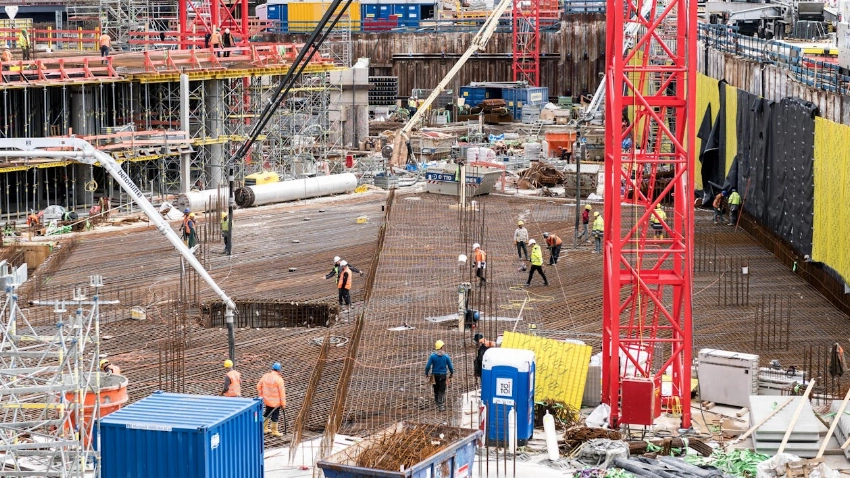
Top cities for civil engineering Ausbildung include
|
City |
Stipends (€/month) |
Key Projects |
Cost of Living (€/month) |
Companies |
Quality of Life |
Indian Community |
Housing Availability |
Transport |
Integration Ease |
|
Munich |
1,100-1,300 |
Airport expansion, U-Bahn |
1,200-1,500 |
Hochtief, Züblin |
High (parks, culture) |
Large |
Competitive, shared flats |
Excellent S-Bahn |
Medium (touristy) |
|
Stuttgart |
1,000-1,200 |
Auto infrastructure, bridges |
1,000-1,300 |
Bilfinger, Bosch |
High (hills, wine) |
Medium |
Good, student dorms |
Strong trams |
High (friendly) |
|
Frankfurt |
1,000-1,200 |
Skyscrapers, ECB |
1,100-1,400 |
Turner, STRABAG |
Urban vibrant |
Large |
Available, modern |
Top airport/trains |
High (international) |
|
Berlin |
900-1,100 |
Airport BER, urban renewal |
900-1,200 |
BAM, Goldbeck |
Creative, affordable |
Growing |
Plentiful, cheap |
U-Bahn/S-Bahn |
Very high (diverse) |
|
Hamburg |
950-1,150 |
Port expansion, Elbe bridges |
1,000-1,300 |
Philipp Holzmann |
Waterfront, green |
Medium |
Good harborside |
Excellent ferries |
High (maritime vibe) |
|
Dresden |
850-1,000 |
Bridge rebuilds, tech parks |
800-1,000 |
Max Bögl |
Historic, low stress |
Small |
Easy, cheap |
Trams efficient |
High (welcoming) |
|
Nuremberg |
900-1,100 |
Infrastructure upgrades |
850-1,100 |
Siemens, Heijmans |
Family-friendly |
Medium |
Abundant |
S-Bahn perfect |
Very high (Bavarian) |
Expert Tip: While Munich and Stuttgart offer 15-20% higher stipends, consider smaller cities like Kassel or Regensburg, where €250-300 lower monthly rent completely offsets the stipend difference, providing better savings potential, easier cultural integration, and greaterhousing availability for international trainees.
Also Read: Ausbildung in Germany: Earn, Learn & Build Your Future
How Does Civil Engineering Ausbildung Compare to Bachelor's Degrees in Germany in 2026?
Civil engineering Ausbildung offers 3-3.5 years paid training (earn €800-1,300/month) with zero tuition, 70% practical focus, and 90% job placement, while Bachelor's degrees require 3-4 years unpaid study with €500-1,500/semester fees, theoretical emphasis, and uncertain employment outcomes—Ausbildung provides faster, debt-free entry to Germany's construction workforce with comparable long-term career prospects.
|
Aspect |
Ausbildung |
Bachelor's |
Master's |
|
Duration |
3-3.5 yrs |
3-4 yrs |
1.5-2 yrs |
|
Cost |
Free + stipend |
€10k-20k |
€5k-15k |
|
Earnings Start |
€2,500/mo |
€2,800/mo (delayed) |
€4,000/mo |
-
Financial (5 Yrs): Ausbildung nets +€30k earned; Bachelor's -€15k debt.
-
Methodology: Ausbildung 70% hands-on; Bachelor's 80% theory.
-
Employment: 90% immediate vs. 70% for grads.
-
Career Ceiling: Ausbildung to Meister/Bach-equivalent; Bachelor's to senior engineer.
-
Social Perception: Ausbildung respected as practical; Bachelor's "academic."
-
Employer Prefs: SMEs love Ausbildung; corps prefer degrees.
-
Flexibility: Ausbildung easier pivots via further quals.
-
Recognition: Both EU-wide and Ausbildung practical edge.
-
Best For: Ausbildung: Hands-on learners; Bachelor's: Theorists/research.
Expert Advice: For career-focused students prioritising financial independence and job security, Ausbildung's earn-while-you-learn model beats Bachelor's degrees economically—you'll have earned €30,000-45,000 and gained 3 years of experience by the time university graduates enter the job market with €20,000+ debt, giving you a 5-7 year financial advantage.
What Are Common Challenges Indian Students Face in Civil Engineering Ausbildung?
Indian students commonly encounter language barriers beyond B1/B2 proficiency (technical German vocabulary, regional dialects), cultural adjustment to German workplace punctuality and directness, physical demands of construction work (outdoor conditions, manual labour), homesickness during a 3-year commitment, and initial financial stress despite stipends, though 90%+ successfully adapt within 6-12 months with proper preparation.
-
Language Challenges: Technical terms (Beton=concrete), dialects (Bavarian/Saxon); solution: workplace tandem partners.
-
Cultural Adaptation: Punctuality (5-min early), direct feedback; tips: observe, ask questions.
-
Physical/Mental: Outdoor work, lifting, weather; prep: fitness, vitamin D for winters.
-
Homesickness: 3-year distance; manage: Indian communities, video calls, Diwali events.
-
Financial Adjustment: Stipend covers basics; budget via apps like Finanztip.
-
Workplace Integration: Hierarchy flat; built via team lunches (Feierabend).
-
Social Networks: Join DAAD/Indian student groups, Ausbildung forums.
-
Discrimination: Rare but possible; report to the union (IGBCE) and use anti-racism apps.
-
Winter Adaptation: Cold/rain; gear up (winter jacket, boots).
-
Support Systems: TerraTern mentors, Goethe-Institut, and counselling at firms.
Pro Tip: The initial 3-6 months are the toughest adaptation period—join Indian student groups on Facebook (Indians in Germany has 50,000+ members), connect with local international offices, and maintain video contact with family; 95% of students who persist beyond this period rate their Ausbildung experience as highly positive and career-transforming.
How Can TerraTern Help You Secure a Civil Engineering Ausbildung in Germany?
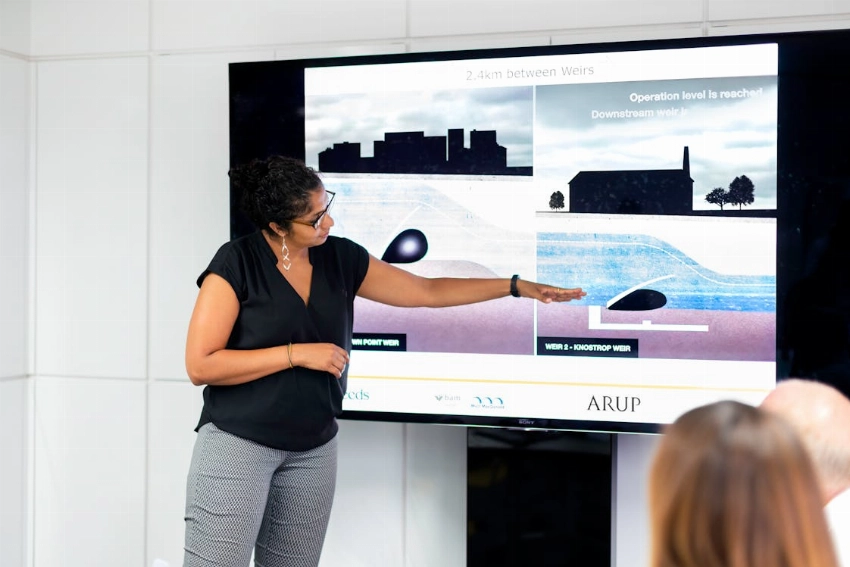
TerraTern provides end-to-end Ausbildung support, including German language training partnerships (B1/B2 preparation), direct connections with 200+ German construction companies actively hiring internationals
-
Services Overview: Full-cycle from application to settlement.
-
Partnerships: 200+ firms (Hochtief, STRABAG); exclusive slots.
-
Success Rates: 85% vs. 30-40% DIY.
-
Step-by-Step:
- Free eligibility check.
- Profile matching.
- Docs/interview prep.
- Visa/blocked acct.
- Pre-departure.
- Arrival support.
-
Language: B1/B2 courses/partners (Goethe tie-ups).
-
Docs: German CV, motivation letters, translations.
-
Visa Guidance: VFS booking, mock interviews.
-
Pre-Departure: Orientation webinars, packing lists.
-
Post-Arrival: Housing, bank, and Anmeldung help.
-
Success Stories: 500+ Indians placed; e.g., Mumbai student at Munich firm.
-
Pricing: Packages €500-2,000 (instalments).
-
Get Started: Visit terratern.com/ausbildung for a free consultation.
Key Note: While independent applications are possible, TerraTern's established relationships with German construction firms significantly streamline the process—our students receive interview calls 3-4x faster and secure placements in an average of 4-6 months, versus 12-18 months for self-applicants, with preferred access to companies offering higher stipends.
Also Read: Can Indians Do an Ausbildung in Germany? Complete Guide
What Are the Top Companies Offering Civil Engineering Ausbildung in Germany in 2026?
Leading companies offering civil engineering Ausbildung include:
|
Company |
Specialization |
Stipend Range (€/month) |
Locations |
Training Quality |
Perm. Hire Rate |
App. Difficulty |
Culture |
Apply Link |
|
HOCHTIEF |
Infrastructure, civil projects |
1,100-1,300 |
Essen, Munich, nationwide |
High (dual system, site rotations) |
80-90% |
Medium |
Innovative, international |
hochti ef.com/karriere/ausbildung |
|
Züblin (Strabag) |
High-rise, engineering |
1,000-1,250 |
Stuttgart, Berlin |
Excellent (workshops, exams prep) |
85%+ |
Medium |
Team-focused, progressive |
ausbildung.zueblin.de |
|
Max Bögl |
Prefab, bridges, renewables |
950-1,200 |
Sengenthal, south |
Top (modular tech) |
90% |
Low-Medium |
Family-owned, stable |
max-boegl.de/karriere |
|
Bilfinger |
Industrial, plants |
900-1,150 |
Mannheim, nationwide |
Practice-oriented |
75-85% |
Medium |
Technical, global |
bilfinger.com/karriere |
|
STRABAG |
Civil, transport infra |
950-1,200 |
Cologne, Vienna ops |
Strong (projects like airports) |
80% |
Medium |
Dynamic, large-scale |
strabag.com/jobs |
|
Goldbeck |
Commercial buildings |
900-1,100 |
nationwide |
Efficient prefab training |
85% |
Low |
Modern, fast-paced |
goldbeck.de/karriere |
|
Leonhard Weiss |
Roads, rail, and civil |
850-1,050 |
Baden-Württemberg |
Hands-on infra |
90%+ |
Low |
Regional, supportive |
leonhard-weiss.de/ausbildung |
|
Hochbau Firms (Mittelstand) |
Regional building |
850-1,000 |
Varies (500+ firms) |
Personalised, high retention |
95% |
Low |
Traditional, loyal |
ausbildung.de search |
As per TerraTern Expert: Don't overlook Mittelstand (mid-sized) companies like Wolff & Müller or Leonhard Weiss—they often provide superior hands-on training, more personal mentorship, and 95%+ permanent hiring rates compared to large corporations, where you might be one of 100+ trainees, plus applications are significantly less competitive.
How Can TerraTern Help With Civil Engineering Ausbildung in Germany?
Directly reach out to 200+ firms, including HOCHTIEF/Züblin, to secure exclusive slots.
-
B1/B2 German prep via partners, boosting app success to 85%+.
-
German CVs/cover letters and interview mocks tailored for Indians.
-
Visa/blocked account guidance, pre-departure orientations.
-
Post-arrival housing, registration, and ongoing mentor support.
Conclusion
Civil Engineering Ausbildung in Germany delivers practical skills, paid training (€850-1,300/month), and rapid PR pathways, outshining university routes for hands-on careers. With booming infrastructure needs and 90%+ job rates, Indians via TerraTern access top firms like HOCHTIEF for stipends up to €1,300. Start today—secure a contract, a visa, and a future in Europe's top construction market.
Contact TerraTern for more information on Civil Engineering Ausbildung in Germany.




 AI Summary