Key Highlights
- Why Choose Australia for Skilled Migration in 2026?
- What Is a Sponsorship Visa in Australia and Who Needs It?
- Who Is Eligible for Sponsorship Visa Australia in 2026?
- What Are the Main Types of Sponsorship Visas Available in Australia?
- What Are the Core Sponsorship Visa Australia Requirements for Workers?
- What Are the Employer Requirements to Sponsor a Worker in Australia?
- What Does the Sponsorship Visa Australia Application Process Look Like?
- How Much Does a Sponsorship Visa Australia Cost?
- What Are the Employer Costs for Sponsorship?
- Benefits of Sponsorship Visa Australia
- What Are the Common Mistakes to Avoid When Applying for a Sponsorship Visa in Australia?
- How Does a Sponsorship Visa in Australia Lead to Permanent Residency?
- What Are the Best Industries and Jobs for Sponsorship Visa in Australia for Indians?
- 2026 Industry Context Section
- Conclusion
Embarking on the journey to work in Australia can be daunting, but knowing the sponsorship visa Australia requirements is a key first step. And whether you're an aspirational worker looking for a fresh start or an Australian employer looking to hire overseas talent, it's crucial to stay on top of the game. In this comprehensive 2026 guide, we'll help you understand the criteria, documents and recent changes, providing a practical, step-by-step plan for your visa application.
Why Choose Australia for Skilled Migration in 2026?

Australia continues to be one of the world’s top destinations for skilled professionals, with record-high labour shortages in healthcare, IT, engineering, and construction sectors. The 2025–2026 immigration reforms have made sponsorship more accessible while maintaining high standards.
-
Direct PR Pathways: Most sponsorship visas now include clear routes to permanent residency, especially the new SID visa with direct ENS access after 2 years
-
Fast Processing Times: SID visa applications are processed in 8–70 days for 90% of cases, compared to 13–20 months for traditional employer nomination
-
Family Inclusion: Spouses receive unrestricted work rights immediately; children access public education at resident rates
-
Regional Incentives: Choose regional areas for 12-month PR pathways (vs. 24+ months in metro cities) plus AUD 10,000 relocation grants
-
High Salary Thresholds: TSMIT increased to AUD 73,150 (Core Skills) and AUD 135,000 (Specialist Skills), ensuring competitive compensation
-
Portability Rights: SID visa holders can switch employers after 2 years, providing career flexibility
Also Read: Sponsorship Visa Australia Requirements: Latest Guide
What Is a Sponsorship Visa in Australia and Who Needs It?
An Australia sponsorship visa is a type of work visa, whereby an approved Australian employer nominates an overseas skilled worker for an approved skilled role for which there is a genuine need. Understanding the specific sponsorship visa Australia requirements is critical for any international worker, including Indians, who seeks employment through a workplace-sponsored route.
This pathway is not a stand-alone (points-tested) skilled visa, which means you do not have to score points. Rather, it's all about a mandatory tripartite system:
-
The Sponsor: An approved Australian employer.
-
The Nomination: A real vacancy for a role on an approved job list.
-
The Applicant: You, the skilled worker with the relevant qualifications and experience.
|
Visa Subclass |
Stay Duration |
Permanent Residency (PR) Pathway |
|
482 (Skills in Demand) |
Up to 4 years |
Yes (transition available) |
|
186 (Employer Nomination Scheme) |
Permanent |
Yes (Direct Entry or Transition) |
|
494 (Skilled Regional) |
Provisional (5 years) |
Yes (via Subclass 191) |
As per TerraTern Expert, Divyansh, unlike points-based visas, a sponsorship visa requires an employer who actively vouches for you, making a strong job offer the single most critical starting point for any applicant.
Who Is Eligible for Sponsorship Visa Australia in 2026?
Understanding sponsorship visa australia requirements starts withèµ„æ ¼ criteria. Most applicants must meet these universal standards:
-
Age Limit: Under 45 years for most visas; increased to 50 years for certain skilled/regional occupations
-
Skilled Occupation: Your role must appear on the Core Skills occupation list (SID visa) or relevant skilled occupation list
-
Work Experience: Minimum 2–3 years of relevant post-qualification experience in your field
-
English Proficiency: At least Competent English (IELTS 6.0, PTE 50, or TOEFL equivalent); higher for certain streams
-
Skills Assessment: Mandatory for most occupations (Engineers Australia, ACS, ANMAC, TRA)
-
Healthy & Good Character: Medical exam + police clearance from all countries lived in for 12+ months since age 10
-
Job Offer Required: Valid employment offer from an approved Australian sponsor (employer must be lawful and operating)
What Are the Main Types of Sponsorship Visas Available in Australia?
Australia offers three primary employer‑sponsored (sponsorship) visa pathways: the Skills in Demand Visa (Subclass 482) for temporary stays of 1–4 years, the Employer Nomination Scheme (Subclass 186) for direct permanent residency, and the Skilled Employer Sponsored Regional Visa (Subclass 494) for regional roles that lead to PR after 3 years. These form the core of today’s sponsorship visa Australia requirements.
What are the Skills in Demand Visa (Subclass 482) and Its Three Streams?
The Skills in Demand (SID) Visa (Subclass 482) replaced the TSS 482 in December 2024 and runs on three salary‑based streams, each with specific 482 visa requirements Australia and sponsorship visa Australia requirements:
|
Stream |
Salary threshold |
Eligible occupations (examples) |
Typical stay duration |
PR pathway notes |
|
Specialist Skills |
AUD 135,000+ |
Senior specialists, executives, top‑tier managers |
Up to 4 years |
Direct pathway to PR via Employer Nomination Scheme (Subclass 186) if conditions are met |
|
Core Skills |
AUD 73,150+ |
IT, engineering, and healthcare mid‑level roles |
1–4 years |
PR via Subclass 186 after 2–4 years in eligible medium‑term MLTSSL roles; no skills assessment for many Core Skills roles, but licensing is still required for trades |
|
Essential Skills |
Below AUD 70,000 |
Critical labour shortage and regional roles (e.g., rural healthcare, agriculture) |
1–2 years |
Limited PR options; may transition if the role later meets 482 visa requirements in Australia under a sponsorship visa |
Important Note: The Core Skills stream of the SID 482 visa covers the widest range of occupations and is the most accessible pathway for the majority of Indian professionals. Always verify your occupation on the Core Skills Occupation List before applying.
What Is the Employer Nomination Scheme (Subclass 186) and How Does It Work?
-
The Employer Nomination Scheme (Subclass 186) is a permanent residency visa that grants immediate Australian PR under the sponsorship visa Australia requirements.
-
Two main streams:
-
Temporary Residence Transition (TRT): For those already on a 482 visa transitioning directly to PR.
-
Direct Entry (DE): For applicants applying from overseas with no prior sponsorship.
-
Age limit: usually under 45 (with limited exemptions).
-
English: competent (IELTS 6.0 or equivalent across all bands) for most applicants.
-
Skills assessment is required for the Direct Entry stream but not for TRT in many occupations.
-
Visa application charge (2026–27): AUD 4,910 for the primary applicant.
-
Processing times: around 6–9 months for Direct Entry; TRT processing times may vary.
Expert Advice: If you've already worked 2+ years for an Australian employer on a 482 visa, the TRT stream of the 186 visa is typically your fastest route to permanent residency.
What Is the Skilled Employer-Sponsored Regional Visa (Subclass 494)?
The Skilled Employer Sponsored Regional Visa (Subclass 494) is a 5-year provisional visa for skilled workers sponsored by an approved regional employer in designated regional Australia.
-
It allows full work and study rights in regional areas and can lead to permanent residency through Subclass 191 after 3 years and 3 income years that meet the ATO threshold.
-
It suits Indian professionals because regional employers can mean lower competition and, in some cases, faster processing.
-
Sponsorship visa Australia requirements include employer sponsorship, a genuine job in a regional area, and meeting skills, age, English, health, and character rules.
Important Note: Regional sponsorship can be an underused pathway, competition for roles is lower, and some regional employers are willing to sponsor candidates who might not qualify for metro-area roles.
What Are the Core Sponsorship Visa Australia Requirements for Workers?

Sponsorship visa Australia requirements usually include nomination by an approved Australian employer, an occupation on the relevant skilled list, at least 2 years of relevant work experience, English proficiency, and health and character checks.
-
Most employer-sponsored visas also require the role to be genuine, full-time, and paid at market salary rates.
-
The exact rules vary by visa subclass, so the 482, 186, and 494 visas each have different pathways and lists of requirements.
What Occupation and Skills Requirements Must You Meet?
Your occupation must appear on the correct list for your visa stream.
-
For the 482 Core Skills stream, the occupation must be on the Core Skills Occupation List.
-
For the 186 Direct Entry stream, a formal skills assessment is usually required.
-
Some jobs need Australian registration or licensing after arrival, such as nursing, engineering, or certain trade roles.
-
Common in-demand occupations for Indian applicants include software engineers, registered nurses, accountants, civil engineers, chefs, construction managers, electricians, medical practitioners, IT managers, and project managers.
What English Proficiency Score Do You Need for a Sponsorship Visa?
Most employer-sponsored visas require competent English.
-
The 186 visa may require a higher standard depending on the stream.
-
PTE is often popular among Indian applicants because results are fast and delivery is digital.
|
Test |
482 Typical Minimum |
186 Typical Minimum |
|
IELTS |
6.0 in each band |
Often higher, depending on the stream |
|
PTE Academic |
50 in each skill |
Often higher, depending on the stream |
|
TOEFL iBT |
12 listening, 13 reading, 18 writing, 18 speaking |
Often higher, depending on the stream |
|
OET |
Grade B |
Often higher, depending on the stream |
|
Cambridge C1 Advanced |
Accepted at a competent level |
Accepted depending on the stream |
What Health and Character Requirements Apply?
All applicants must complete a medical examination with a DHA-approved panel physician.
-
In India, medicals are commonly done through approved providers such as BUPA Health Services.
-
Health exam costs are often around AUD 300–500 per adult.
-
Police clearance certificates are required, including Indian clearances where applicable.
-
You must not have a substantial criminal record.
-
Dependants included in the application also need health checks.
What Is the Age Limit for a Sponsorship Visa in Australia?
Most sponsorship visas have a standard age limit of under 45 at the time of application.
-
The 186 Direct Entry and 494 visas are generally under 45, with limited exceptions for critical occupations.
-
Some roles, such as certain doctors and academics, may qualify for age exemptions.
-
The 482 SID visa does not usually have a strict age cap, but the 186 pathway still has age rules.
As per TerraTern Expert: If you are approaching 45, prioritise applying for the 186 visa directly rather than the 482 → 186 transition pathway to avoid ageing out before securing permanent residency.
Also Read: Work Sponsorship Visa Australia: Types, Eligibility & More
What Are the Employer Requirements to Sponsor a Worker in Australia?
Sponsorship visa Australia requirements for employers include being a legally operating business, becoming an approved sponsor, proving the role cannot be filled locally, and paying the required SAF levy.
The employer must also follow nomination, salary, and compliance rules for the relevant visa subclass.
How Does an Employer Become an Approved Sponsor in Australia?
Apply to the Department of Home Affairs to become a Standard Business Sponsor.
-
Approval usually lasts 5 years.
-
The business must be lawfully established and actively operating in Australia, with some overseas eligibility in limited cases.
-
The employer should show a strong record of compliance with immigration and employment laws.
-
Larger employers may qualify for accredited sponsor status, which can bring priority processing.
What Is Labour Market Testing and When Is It Required?
Labour Market Testing means advertising the role before sponsoring an overseas worker.
-
Employers must usually advertise for at least 28 days across at least 2 national job platforms.
-
Common platforms include Seek, LinkedIn, Indeed, and the Australian Jobs portal.
-
The employer must keep evidence that no suitable local candidate was available.
-
Some exemptions apply under trade agreements, for certain occupations, or during emergencies.
What Is the SAF Levy and Who Pays It?
The Skilling Australians Fund levy is a mandatory employer cost.
-
Small businesses pay AUD 1,200 per visa year.
-
Large businesses pay AUD 1,800 per visa year.
-
It is paid upfront when the nomination is lodged.
-
The cost cannot be passed to the worker.
-
Breaching this rule can lead to the cancellation of sponsorship and penalties.
Pro Tip: If a prospective employer asks you to contribute to the SAF levy or sponsorship fee, this is illegal under Australian law; report such cases to the Fair Work Ombudsman.
What Does the Sponsorship Visa Australia Application Process Look Like?
Sponsorship visa Australia requirements usually follow three stages: employer sponsor approval, employer nomination, and the worker’s visa application.
-
The whole process is lodged online through the Australian Home Affairs portal.
-
Timing depends on the visa subclass, documents, and whether the employer is already approved.
Step-by-Step: How to Apply for a Sponsorship Visa from India
Check your occupation on the relevant skilled list.
-
Find an approved Australian employer sponsor through job boards or recruitment agencies.
-
If needed, the employer applies for Standard Business Sponsor approval.
-
The employer lodges the nomination with the role, salary, location, and labour market evidence.
-
Gather your documents, including your passport, skills assessment (if required), English test, and work evidence.
-
Lodge your visa application online through the portal; for some visas, this can be done at the same time as the nomination.
-
Complete medicals and submit police clearances from India.
Key Note: Lodging your nomination and visa application simultaneously (concurrent lodgement) for the 482 visa can cut total processing time by several weeks. Always confirm this option with your migration agent.
What Documents Are Required for a Sponsorship Visa Application?
Sponsorship visa Australia requirements often also include making sure your passport is valid for your intended stay. Keep all documents clear, consistent, and ready in scanned format for upload.
|
Document Category |
Specific Documents Required |
|
Identity |
Valid passport, visa application details. |
|
Application |
Completed the visa form and submitted it online. |
|
Skills |
Skills assessment result, if required. |
|
English |
IELTS, PTE, or TOEFL results are within validity. |
|
Work history |
Reference letters, contracts, and pay slips. |
|
Education |
Degree certificates and transcripts. |
|
Health |
Medical examination results. |
|
Character |
Police clearance certificate from India, including national and local checks where required. |
|
Employer support |
Employer nomination approval reference number. |
|
Insurance |
Health insurance evidence. |
As per TerraTern Expert, Shreya, ensure all documents from India are officially translated into English by a NAATI-certified translator if they are not already in English; this is a mandatory DHA requirement.
How Long Does a Sponsorship Visa Take to Process in Australia?
Processing times vary based on completeness, visa stream, and workload. Strong applications with all documents ready usually move faster.
|
Visa Subclass |
Median Processing Time |
Notes |
|
482 SID (Core Skills Stream) |
2–5 weeks |
Fastest pathway; concurrent lodgement recommended. |
|
482 SID (Specialist Skills Stream) |
1–3 weeks |
Priority processing for high earners. |
|
186 ENS (TRT Stream) |
6–9 months |
Usually after 2–4 years on 482. |
|
186 ENS (Direct Entry) |
9–18 months |
Includes skills assessment time. |
|
494 SESR |
3–6 months |
Regional area sponsors. |
Important Note: The largest single cause of delays is incomplete documentation at lodgement. Use a registered migration agent to conduct a pre-lodgement review of your application.
How Much Does a Sponsorship Visa Australia Cost?
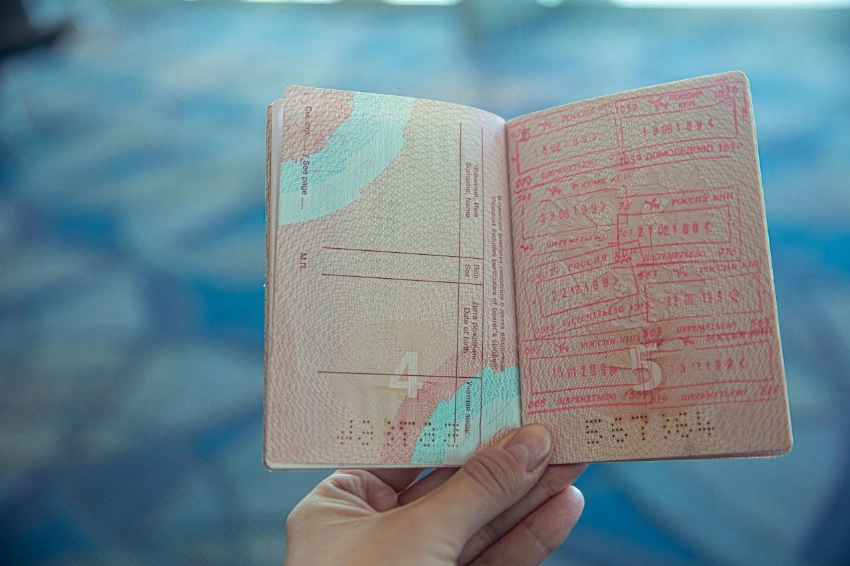
The cost of a sponsorship visa in Australia depends on the visa subclass and whether you are the employer or the worker. Primary applicant charges range from AUD 3,210 for the 482 SID to AUD 4,910 for the 186 ENS, and employers also pay the SAF levy and nomination fees. sponsorship visa Australia requirements may change as fees are indexed annually.
What Are the Employer Costs for Sponsorship?
Government fees are indexed annually on 1 July. Always verify the latest amounts before lodging.
|
Cost Item |
Amount (2026–26) |
Payable By |
|
Standard Business Sponsor Application |
AUD 420 |
Employer |
|
Nomination Fee (482) |
AUD 330 |
Employer |
|
SAF Levy (small business, 4-year 482) |
AUD 4,800 total |
Employer |
|
SAF Levy (large business, 4-year 482) |
AUD 7,200 total |
Employer |
|
Recruitment / LMT advertising costs |
Variable |
Employer |
What Are the Worker Costs for a Sponsorship Visa?
Worker costs depend on family size, medicals, and optional professional help. Some occupations and visa streams may incur additional assessment or licensing fees.
|
Cost Item |
Approximate Amount |
Notes |
|
482 SID Visa Application (primary) |
AUD 3,210 |
2026–26 rate |
|
186 ENS Visa Application (primary) |
AUD 4,910 |
2026–26 rate |
|
Dependant (adult) |
Same as primary |
Per person |
|
Child (under 18) |
AUD 805 |
Per child |
|
Medical Examination |
AUD 300–500 per adult |
BUPA Health Services India |
|
English Test (IELTS/PTE) |
AUD 300–400 equivalent |
Varies by centre |
|
Police Clearances |
Variable |
Indian authorities |
|
Migration Agent Fees (optional) |
AUD 3,000–8,000 |
Highly variable |
Expert Advice: Never pay any visa-related fee to an unlicensed migration agent. Ensure your agent is registered with the Office of the Migration Agents Registration Authority (OMARA) before engaging them.
Also Read: Australia Work Visa Requirements For Indians Guide
Benefits of Sponsorship Visa Australia
Each sponsorship visa balances the needs of skilled workers and employers, creating mutual benefits for Australia's growing economy. Before diving into sponsorship visa australia requirements, understand these key advantages:
1. Permanent Residency Pathway
Most sponsorship visas include PR pathways, especially the Employer Nomination Scheme (ENS) Visa (Subclass 186), with processing times now reaching 17–20 months for 90% of applicants. Benefits include long-term stability, Medicare access, and Australian passport eligibility after 4 years.
2. Access to Growing Industries
Sponsorship visas unlock roles in high-demand sectors experiencing labour shortages:
|
Industry |
Key Roles |
Demand Level |
|
Healthcare |
Aged care workers, nurses, physicians |
Critical |
|
IT |
Cybersecurity specialists, developers |
Very High |
|
Construction |
Project managers, engineers |
High |
|
Engineering |
Civil, mechanical, electrical |
High |
3. Regional Incentives
Regional visas offer accelerated PR pathways and financial benefits:
-
Priority processing for regional applications
-
12-month residency requirement before PR eligibility (vs. 24+ months for metro)
-
Relocation grants up to AUD 10,000 for certain occupations
-
Additional points (15 points) under the immigration points system
4. Family Inclusions
Most sponsorship visas allow accompanying family members with full work/study rights:
-
Spouses obtain unrestricted work authorisation immediately
-
Children access public education at resident rates
-
Dependent parents may qualify for family reunion streams
5. Employer-Employee Security
Businesses gain access to global talent while workers receive job security:
-
Employers fill critical skill gaps in healthcare, IT, and engineering
-
Employees enjoy a 4-year visa validity (SID visa) with a PR pathway
-
Both parties benefit from accredited sponsor status for faster processing
What Are the Common Mistakes to Avoid When Applying for a Sponsorship Visa in Australia?
Sponsorship visas in Australia are often overlooked when applicants choose an occupation not on the correct skilled list.
-
Other common mistakes include weak Labour Market Testing evidence, English scores that are too low,
-
and salary offers that do not meet the required threshold.
-
These errors usually lead to a refusal of the nomination or the visa.
What Are the Top Reasons Sponsorship Visa Applications Are Refused?
Occupation is not on the relevant Skilled Occupation List.
-
The salary offer is below TSMIT or the market rate.
-
Labour Market Testing documents are incomplete or outdated.
-
English test scores do not meet the minimum required level.
-
Skills assessment is missing, failed, or not completed for Direct Entry 186.
-
The employer was not an approved Standard Business Sponsor at the time of nomination.
-
Work history documents are inconsistent, with discrepancies in dates, job titles, or duties.
Expert Tip: A registered migration agent's pre-lodgement review costs a fraction of a refusal; an application refused at the nomination stage can delay the entire process by 3–6 months.
How Does a Sponsorship Visa in Australia Lead to Permanent Residency?
A sponsorship visa can lead to Australian permanent residency through the 186 ENS pathway, either directly or after time on a 482 visa, or through the 191 visa after a 494 regional visa.
What Is the 482 Visa to PR Pathway for Indian Professionals?
The 482 visa to PR pathway can move from 482 SID → 186 TRT → Australian PR → Citizenship eligibility after 4 years of PR.
-
Core Skills stream applicants in eligible occupations may transition to the 186 TRT after 2 years with the same employer.
-
Medium-term stream occupations generally need 3 years before becoming eligible for TRT.
-
You must keep working in the nominated occupation for the required period.
-
For the TRT stream, you usually do not need a new skills assessment if it was already completed at the 482 stage.
-
The age limit for 186 lodgement is generally under 45.
-
Changing employers too early can reset your TRT clock.
Important Tip: Stay with your sponsoring employer for the minimum required period before transitioning to a 186 visa, changing employers mid-way restarts your TRT stream clock.
Can the 494 Regional Visa Lead to Permanent Residency in Australia?
Yes, the 494 regional visa can lead to the 191 permanent residence visa.
-
You must live and work in a designated regional area for 3 years.
-
You need 3 consecutive ATO Notice of Assessments.
-
Your income must meet the required threshold during the 3-year period.
-
You should not spend more than 6 months outside the regional area.
PR Pathway Flow
-
482 SID
-
186 TRT
-
Australian PR
-
Citizenship eligibility after 4 years of PR
Key Note: The 494 → 191 PR pathway is underutilised by Indian professionals; regional Australia offers a genuine, lower-competition route to permanent residency.
What Are the Best Industries and Jobs for Sponsorship Visa in Australia for Indians?
In 2026, the strongest sponsorship opportunities for Indian professionals are in IT, healthcare, construction and engineering, education, hospitality, and accounting. These sectors have ongoing demand and are among the most common pathways for employer sponsorship in Australia.
Which Sectors Are Most Likely to Sponsor Indian Professionals in 2026?
In 2026, Australia’s strongest sponsorship demand is concentrated in IT, healthcare, engineering, education, hospitality, and accounting, with Indian professionals heavily represented in these fields.
|
Industry |
High-Demand Roles |
Visa Stream |
|
Information Technology |
Software engineers, IT managers, cybersecurity analysts |
482 SID Core Skills |
|
Healthcare |
Registered nurses, medical practitioners, physiotherapists |
482 SID Core Skills |
|
Construction & Engineering |
Civil engineers, structural engineers, and project managers |
482 SID / 186 |
|
Education |
Secondary school teachers, especially in STEM subjects |
482 SID / 186 |
|
Hospitality & Food Services |
Chefs, restaurant managers |
494 Regional / 482 |
|
Accounting & Finance |
Accountants, auditors |
482 SID / 186 |
Pro Tip: Before accepting a sponsored role, confirm with your prospective employer that their Australian Business Number (ABN) is active and that they have no prior sponsorship compliance violations, both of which are verifiable through the DHA's online tools.
Also Read: Family Sponsored Visa Australia: Requirements & Guide
2026 Industry Context Section
Content Blueprint: Present 5–7 data-backed facts in a clearly labelled box or numbered list with source citations:
-
Australia allocated 185,000 permanent migration places in the 2026–26 migration programme, with approximately 44,000 slots designated for employer-sponsored categories. (Source: Department of Home Affairs, 2026)
-
The Temporary Skilled Migration Income Threshold (TSMIT) stands at AUD 70,000 as of 2026, setting the salary floor for most sponsored roles. (Source: Department of Home Affairs)
-
The Skills in Demand (SID) Visa (Subclass 482) launched in December 2024, replacing the former TSS visa, introducing three salary-based streams. (Source: DHA, December 2024)
-
Over 90,000 employer-sponsored visas were granted in 2022–23, signalling continued high demand. (Source: DHA Annual Report)
-
The SAF levy costs employers AUD 1,200/year (small business) or AUD 1,800/year (large business). (Source: DHA, 2026)
-
The Core Skills stream of the 482 visa has a median processing time of 2–5 weeks as of 2026.
-
India is among the top source countries for skilled migration to Australia, making this visa pathway especially relevant for Indian professionals.
Conclusion
Australia’s best sponsorship opportunities in 2026 are strongest in IT, healthcare, engineering, education, hospitality, and accounting, especially through 482 and 494 pathways. Indian applicants do best when they match a shortage occupation, keep documents consistent, and target regional employers where sponsorship demand is broader. Contact TerraTern for more information on Sponsorship Visa Australia Requirements: Complete 2026 Guide.


 AI Summary