

Key Highlights
- What Exactly Is the Schengen Visa Sticker Number?
- Where Can You Find the Schengen Visa Sticker Number?
- What Does the Schengen Visa Sticker Number Look Like?
- What Is the Difference Between the Schengen Visa Sticker Number and the Visa Number?
- How Do You Read All the Other Fields on a Schengen Visa Sticker?
- Why Does the Schengen Visa Sticker Number Matter for Indian Travellers?
- What Should You Do If Your Schengen Visa Sticker Number Has an Error?
- How Is the Schengen Visa Sticker Number Connected to Your Biometric Data?
- What Are the Most Common Mistakes Indians Make With the Schengen Visa Sticker Number?
- How Can TerraTern Help You With Your Schengen Visa Sticker Number and Application?
- Conclusion
The Schengen visa sticker number is a unique alphanumeric code printed in red ink at the top right corner of your Schengen visa sticker. It usually has 9–11 characters, starting with letters (often the country code), followed by digits. This number is different from your visa number; the sticker number is for administrative and border tracking, while the visa number identifies your personal visa. Indian applicants receive the sticker inside their passport, delivered via VFS Global after consulate processing. You may need the Schengen visa sticker number for hotel registrations, travel insurance forms, border checks, and future visa applications. It is linked to the Visa Information System (VIS), which connects your biometric data (fingerprints and photo) to your Schengen visa record across the EU.
What Exactly Is the Schengen Visa Sticker Number?
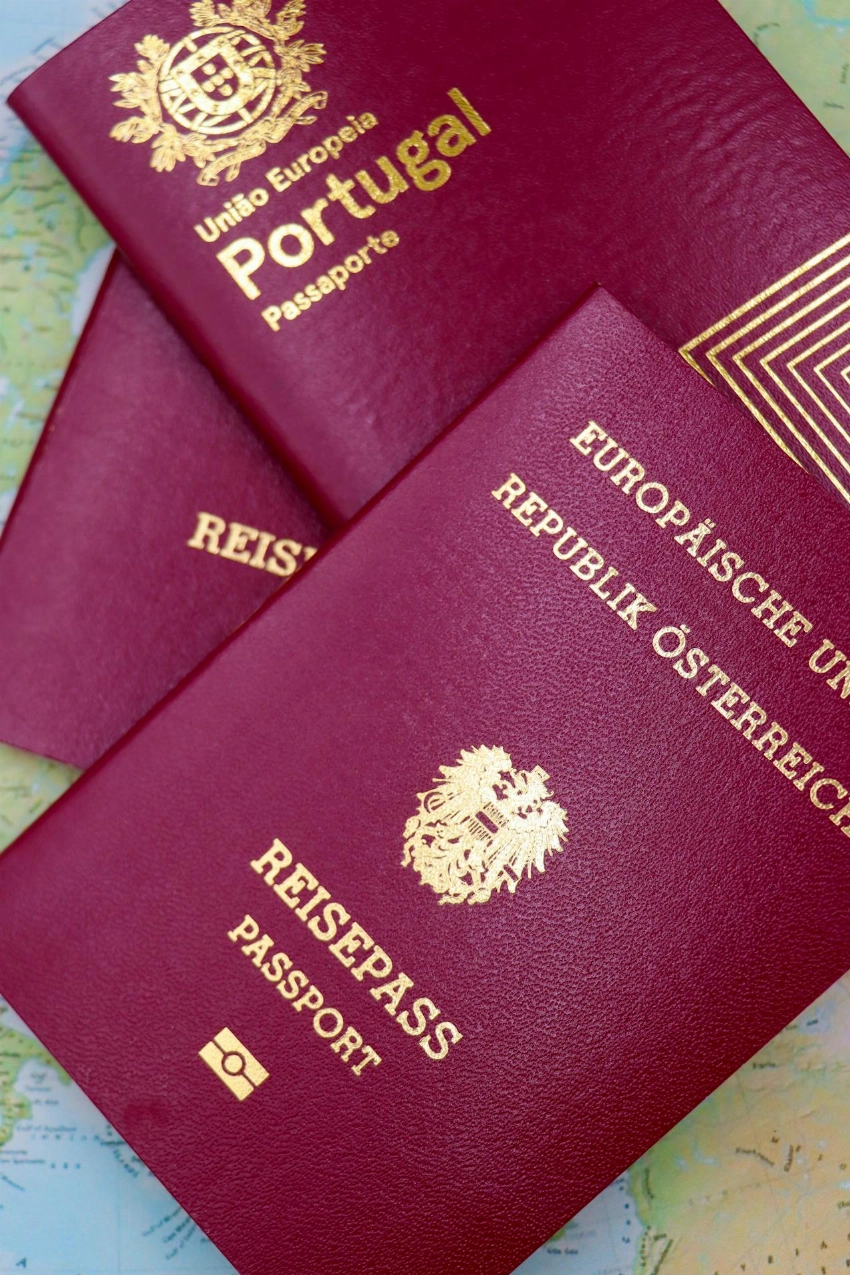
The Schengen visa sticker number is a unique alphanumeric code printed in red ink at the top right corner of your Schengen visa sticker. It acts as the official identifier for your visa within the EU’s border control and immigration systems, helping authorities verify your travel permissions and link your biometric data. The Schengen visa sticker number is the red 9–11-character code at the top right of the Schengen visa sticker after your visa is approved and stamped in your passport. Its main purposes are:
-
Border verification at Schengen entry/exit points.
-
Biometric linking to your fingerprints and photo in the Visa Information System (VIS).
-
Hotel registration and insurance forms in Schengen countries.
Also Read: Germany Slashes Visa Processing Time for Indian Skilled Workers
Where Can You Find the Schengen Visa Sticker Number?
The Schengen visa sticker number is always found at the top right corner of your Schengen visa sticker, printed in red ink. It is also repeated vertically along the side of the visa photo as an added security feature, making it easier for border officials to verify authenticity. Step-by-step: How to find the Schengen visa sticker number
-
Open your passport to the page where the Schengen visa sticker is affixed (usually a blank page).
-
Look at the top right corner of the sticker for the red alphanumeric code (no label in any language).
-
Check the photo strip on the sticker; the sticker number may also appear vertically along its edge.
-
Ignore nearby printed numbers like “NUMBER OF PASSPORT”, visa validity dates, and the visa number in black ink at the lower section.
What Does the Schengen Visa Sticker Number Look Like?
The Schengen visa sticker number looks like a red 9–11-character alphanumeric code without any printed label, placed at the top right corner of your Schengen visa sticker. Unlike other visa or passport numbers that appear in black ink with clear labels like “NUMBER OF PASSPORT” or “VISUM,” the Schengen visa sticker number is identified purely by its position and bright red colour, making it easy to miss if you don’t know where to look. Typically, the Schengen visa sticker number starts with 2–3 letters that represent the issuing country, followed by a unique numeric serial code. For example:
-
A France visa may show a sticker number like FRA123456789, where FRA stands for France and 123456789 is your unique serial.
-
A Germany-issued sticker might read DEU987654321, with DEU indicating Germany.
-
An Italy-issued visa could appear as ITA456789012, using the ITA country code for Italy.
What Is the Difference Between the Schengen Visa Sticker Number and the Visa Number?

The Schengen visa sticker number (red, top right on the visa sticker) identifies the physical sticker for administrative and border tracking, while the visa number (black, usually in the middle or lower-right section) is your personal visa identifier used on official forms and embassy correspondence. They have different roles and should never be used interchangeably when dealing with Schengen visa applications, border checks, or travel documents.
|
Scenario |
Use Sticker Number? |
Use a Visa Number? |
Notes |
|
Arriving at the Schengen border |
Yes (for biometric check) |
Sometimes (for reference) |
Border officers use the sticker number linked to VIS |
|
Filling out hotel registration in Europe |
Yes |
No |
Many EU hotels explicitly ask for the sticker number |
|
Travel insurance form |
Yes |
Sometimes |
Insurers require the sticker number for policy linkage |
|
Submitting next Schengen visa application |
Yes (biometric link) |
Yes (visa ID) |
Use the sticker number in Section 38; use the visa number where explicitly asked |
|
Contacting the embassy about your visa |
No |
Yes |
Embassies use the visa number for official correspondence |
|
Tracking VFS application status |
No |
No |
Use the VFS application reference number on the receipt |
How Do You Read All the Other Fields on a Schengen Visa Sticker?
A Schengen visa sticker contains more than 10 fields printed in English, French, and German, each defining your rights and limitations in the Schengen Area. From “VALID FOR” to “DURATION OF STAY”, understanding these fields helps you avoid overstays, border issues, or visa-compliance problems. For Indian applicants applying for a Schengen visa, reading the sticker carefully is as important as the visa application itself.
What Does “VALID FOR” Mean on Your Schengen Visa Sticker?
The “VALID FOR” field tells you which Schengen countries your visa permits you to visit.
-
If it says “ETATS SCHENGEN”, your Schengen visa is a uniform Schengen visa, valid in all 27 Schengen states.
-
If it lists specific codes like “D, E, NL”, your visa is limited territorial (LTV) and only valid for those countries (Germany, Spain, Netherlands in this example).
-
A notation like “ETATS SCHENGEN (-SK)” means your visa is valid everywhere except Slovakia.
What Do the “FROM” and “UNTIL” Dates on a Schengen Visa Tell You?
The “FROM” and “UNTIL” dates on your Schengen visa sticker define the validity window during which you are allowed to use the visa for entry and exit from the Schengen Area. Understanding these dates is crucial for Indian applicants because they control when you can travel, not how long you can stay in total. The Schengen visa sticker number remains constant, but the FROM UNTIL dates are what determine the timeframe in which that visa is legally active.
-
FROM: the earliest entry date; you cannot enter the Schengen Area before this date, no matter how soon your Schengen visa sticker number was issued.
-
UNTIL: the last date by which you must exit; your stay must end on or before this date, even if you have not used all your allowed days.
-
The Validity Period: Is usually longer than the “DURATION OF STAY” days, giving you flexibility to plan when you enter and leave within the 90/180-day rule for Type C visas.
What Does “DURATION OF STAY” Mean on Your Schengen Visa?
The “DURATION OF STAY” field on your Schengen visa tells you exactly how many days you can physically stay inside the Schengen Area during your trip or across multiple entries within the validity period. For Indian travellers, this is one of the most important fields because it directly enforces the 90/180-day rule for Type C visas.
-
For Type C (short-stay) visas, this is typically 10–90 days, always within the 90-day limit in any 180-day window.
-
Entry and exit dates both count as full days of stay; even arriving or leaving late in the day counts as a complete day.
-
The number of entries (1, 2, MULT) has no direct relation to this number; you can have multiple entries but still be limited to a fixed number of days total.
Also Read: Canada Visa Processing Time: Visitor, Work & Other Visas
Why Does the Schengen Visa Sticker Number Matter for Indian Travellers?
The Schengen visa sticker number matters because it is your visa’s unique identity code in the EU’s border, insurance, and accommodation systems. Without the correct Schengen visa sticker number, border checks, hotel registrations in Europe, and future biometric re-use cannot be processed correctly, which can delay or even disrupt your Schengen trip. For Indian travellers, understanding this number is as important as knowing your visa validity or DURATION OF STAY.
-
Border Entry Check: At Schengen borders, officers often scan or manually enter the Schengen visa sticker number to verify your biometrics stored in the Visa Information System (VIS). This confirms that your visa is genuine and linked to your fingerprints and photo.
-
Hotel Check-in in Europe: Several EU countries, such as Italy and France, require the Schengen visa sticker number on guest registration cards. Hotels use it to comply with local police or immigration rules, so you must carry both your passport and the visa number during check-in.
-
Travel Insurance Application: International insurers (and some Indian travel insurers) that issue Schengen-compliant travel insurance (minimum €30,000 medical coverage) ask for the Schengen visa sticker number on the policy form. Without it, your Schengen travel insurance may be considered non-compliant or your claim may be delayed.
-
Next Schengen Visa Application: The EU Standard Schengen Visa Application Form (Section 38) asks for the Schengen visa sticker number from your most recent Schengen visa. Providing it allows the consulate to link your biometric data in VIS, which may exempt you from re-submitting fingerprints on your next application.
-
Emergency Situations in the Schengen Area: If your passport is lost or stolen while you are in the Schengen Area, the Schengen visa sticker number helps your embassy or consulate quickly verify your visa record and travel history. This speeds up the process of issuing a temporary travel document or re-issuing the visa.
What Should You Do If Your Schengen Visa Sticker Number Has an Error?
If your Schengen visa sticker number has an error, such as a misprinted character, illegible red ink, an obviously wrong country-code prefix, or missing digits, contact the issuing consulate or embassy immediately. Do not travel with a visa that contains errors, as this can lead to denied entry at the Schengen border, complications with travel insurance, or future Schengen visa rejection issues.
-
Illegible Characters: parts of the Schengen visa sticker number are smudged, faded, or cut off.
-
Wrong Country Code: e.g., your visa is issued by France, but the code starts with DE instead of FRA/FR.
-
Missing Digits: the number appears incomplete or has gaps.
Also Read: Austria Visa Processing Time India: Experts' Insights
How Is the Schengen Visa Sticker Number Connected to Your Biometric Data?
The Schengen visa sticker number is the unique alphanumeric code printed in red ink at the top right corner of your Schengen visa sticker. For Indian applicants, understanding this visa sticker number is essential because it serves as the official identifier for your visa in the EU’s border, insurance, and accommodation systems.
If you are not sure how to find the Schengen visa sticker number, simply open your passport to the page with the Schengen visa sticker and look for the red 9–11-character code with no printed label; it is usually slightly larger than other text on the sticker. This number is different from the visa number in black ink and from your VFS application reference number, so always double-check which one you are entering on forms, especially for travel insurance or visa re-applications.
-
59-month Window: Your fingerprints remain valid in VIS for 59 months (about 5 years). If you apply again within this period and correctly provide the Schengen visa sticker number from your previous visa, the consulate can usually retrieve your stored biometrics and skip a fresh fingerprint capture at VFS Global.
-
EES (Entry/Exit System): The upcoming Entry/Exit System will use this same biometric-sticker link to digitally record every Schengen entry and exit, making the accuracy of your Schengen visa sticker number even more critical.
-
Future Shift to Digital Visas: The EU plans to phase out physical stickers by 2028; the sticker number is expected to evolve into a barcode-based digital token on electronic Schengen visas, but it will still serve the same role of linking your biometrics and visa record.
What Are the Most Common Mistakes Indians Make With the Schengen Visa Sticker Number?
For Indian Schengen applicants, the Schengen visa sticker number is often misunderstood, leading to avoidable errors on forms, at borders, and with insurance providers. Based on TerraTern’s experience supporting Indian Schengen applicants, these are the five most common mistakes Indian travellers make with the Schengen visa sticker number.
-
Using the sticker number where the visa number is required
Many Indian applicants enter the Schengen visa sticker number (in red at the top right) on embassy or online forms that specifically ask for the visa number (the black 7-digit code on the lower part of the sticker). This mismatch can trigger processing delays or queries because the consulate expects the correct visa number for its internal records. -
Confusing the VFS application reference with the sticker number
The VFS application reference number on the VFS receipt is only for Poland visa tracking and application status checks, not for travel, border, or insurance use. Some Indian applicants mistakenly enter this VFS reference instead of the Schengen visa sticker number on hotel or insurance forms, leading to validation issues. -
Not recording the sticker number before travel
If your passport is lost or stolen while you are in the Schengen Area, not having the Schengen visa sticker number written down or saved digitally makes it much harder for embassies to verify your visa status quickly. Always note the sticker number, visa number, passport number, and validity dates before departure. -
Assuming the sticker number is the same across multiple visas
Every new Schengen visa receives a completely new Schengen visa sticker number. Even if you renewed your same nationality or multiple-entry Schengen visa, the old sticker number from your previous visa is no longer active. Indian applicants often reuse the previous number, which can cause confusion at the border or when applying for insurance. -
Ignoring the sticker number when purchasing travel insurance
Many Indian travel insurance providers that issue Schengen-compliant coverage (minimum €30,000 medical coverage) explicitly require the Schengen visa sticker number on the policy form. Leaving this field blank or entering the wrong number can result in claim rejections or delays when filing for medical or trip-related expenses.
Also Read: Australia Study Visa Processing Time: Latest Guide
How Can TerraTern Help You With Your Schengen Visa Sticker Number and Application?
If you’re confused about your Schengen visa sticker number, unsure how to find the Schengen visa sticker number, or worried that it might be wrong, TerraTern’s immigration experts can guide you step by step through the entire process. From explaining where the visa sticker number is located on your Schengen visa to double-checking it against your VFS and consulate documents, our team ensures everything is in order before you travel. How TerraTern supports Indian applicants with Schengen visas:
-
Document and Sticker Review: We check your Schengen visa sticker to confirm that the Schengen visa sticker number, visa number, and other key fields are accurate and make sense for your travel plans.
-
Error Detection and Correction Advice: If your sticker number looks misprinted or inconsistent, we help you understand whether you need to contact the issuing consulate and explain how to request a corrected sticker without risking your travel dates.
-
Re-application Strategy: For applicants applying again after a previous Schengen visa, we ensure the correct sticker number is used in Section 38 of the application form so you can benefit from stored biometrics in the VIS and possibly avoid re-submitting fingerprints at VFS Global.
Conclusion
The Schengen visa sticker number is far more than a random code in the corner of your passport it is a key link between your visa, your biometric data in the EU’s Visa Information System (VIS), and all your travel, insurance, and border processes. For Indian applicants, understanding how to find the Schengen visa sticker number, where it appears on the Schengen visa sticker, and how it differs from the visa number and VFS application reference can prevent delays, entry issues, and insurance claim rejections. Always keep this number recorded, use it correctly in the right fields, and when in doubt, seek expert guidance to ensure your Schengen journey is smooth, compliant, and hassle-free from start to finish. Indian applicants can check official visa and immigration updates on the Ministry of Home Affairs, Government of India website.
To know more about the Schengen visa, visit TerraTern now!




 AI Summary