

Key Highlights
- What is a Poland Work Permit Visa for Indians in 2026?
- How Does the Poland Work Permit Visa Process Work from India in 2026? Step-by-Step Process
- What is the Poland Work Permit Visa Processing Time for Indians in 2026?
- What are the Poland work permit visa requirements and documents for Indian applicants in 2026?
- How Much are the Poland Work Permit Visa Fees for Indians in 2026?
- What are the Official Work Permit Fees in Poland for Indians in 2026?
- Who is eligible for a Poland work permit visa from India in 2026?
- How can Indians Apply Online for a Poland Work Permit Visa in 2026?
- What are the Main Types of Poland Work Permits and Visas for Indians?
- How can Indians Avoid Poland Work Permit Visa Rejection and Scams in 2026?
- Can I Bring My Family and get a PR after a Poland Work Permit Visa in 2026?
- What is the Latest 2026 Industry Context for Poland Work Permit Visas?
- How Does TerraTern Help Indians with Poland Work Permit Visas?
- Conclusion: How Should You Plan a Poland Work Permit Visa Journey?
A Poland work permit visa for Indians is a two-part authorisation. To begin with, a Polish employer obtains a work permit in Poland. Second, the Indian applicant requests a D-type national work visa in India, which gives legal entry, residence, and work.
Fast summary of the Poland Work permit Visa India (2026):
-
You must have a permit to work in Poland for more than 90 days, unless you are an EU citizen.
-
The average time spent on total processing is 6-12 weeks ( permit + visa).
-
The expenses are work permit fees, D-type visa fee, and VFS charges.
-
Much digital in 2026: electronic filing of permits and e-Konsulat registration.
Indians are attracted to Poland because of the shortage of labour, access to the EU, and stable salaries.
What is a Poland Work Permit Visa for Indians in 2026?

Poland work permit visa is a combined legal permit that enables an Indian citizen to work and stay in Poland on a long-term basis, on both a work permit that an employer has approved and a type of work visa.
What is the rationale behind having two elements?
Work permit (Poland):
-
Applied for by the employer
-
Published by the Office of the Voivodeship
-
Certifies job description, pay, and legality
D-type national visa (India):
-
Applied for by the worker
-
Polish consulate by VFS
-
Admission and permanent residence
How Does the Poland Work Permit Visa Process Work from India in 2026? Step-by-Step Process
The process of the Poland work permit visa is divided into two parts: you receive the Poland work permit visa through the requests submitted by your employer, and then you receive the D-type work visa through the requests in India.
Step-by-step process (2026):
-
Get a real Polish employment opportunity.
-
Gathers company and compliance documents, employer.
-
An online work permit application is done by the employer.
-
The Voivodeship Office reviews your application for 4 to 8 weeks.
-
A work permit is given
-
India receives the permit + contract sent by the employer.
-
Register through e-Konsulat (work visa category).
-
VFS Global India booking
-
Send biometrics and documents.
-
Obtain a visa and go to Poland.
How Does my Employer Apply Online for a Poland Work Permit in 2026?
How does Poland work permit visa apply online work?
-
Uses Poland’s digital portal.
-
Post registration of the company, tax evidence, and contract.
-
Affirms Salary compliance with the Polish minimum wage.
How do I Book a Poland Work Visa Appointment at VFS in India in 2026?
How to book Poland work permit visa apply online?
-
Register on e-Konsulat
-
Generate confirmation
-
Book a VFS slot 1–2 months early
What Should I do After Arriving in Poland on a Work Permit Visa?
What to do after arriving in Poland work permit visa apply online?
-
Register address
-
Request a temporary Residence Card (TRC).
-
Enrol in health insurance
What is the Poland Work Permit Visa Processing Time for Indians in 2026?
The Poland work permit visa processing time will take 4-8 weeks, and the D-type visa should take 2-4 weeks; thus, most Indians ought to have 6-12 weeks in total.
Also Read: Poland Visa Photo Requirements: New Size, Details & More
How Long Does the Poland Work Permit Itself Take in 2026?
The Poland work permit visa processing time is:
-
Type A permits: 4–8 weeks
-
Busy regions: Up to 10 weeks
How Long Does the D‑type Work Visa Take from India?
The Poland work permit visa processing time for D-type is:
-
Official: 15–30 days
-
Practical: 2 - 6 weeks in the season
What factors can delay my Poland work permit visa processing in 2026?
-
Unfinished employer forms
-
Labour-market tests
-
Wrong permit category
-
Peak hiring months
|
Stage |
Official |
Practical |
|
Work Permit |
4-8 weeks |
6- 10 weeks |
|
D- Type Visa |
15- 30 days |
2-6 weeks |
What are the Poland work permit visa requirements and documents for Indian applicants in 2026?

The Poland work permit visa requirements include an approved work permit, a passport, a visa form, photos, insurance, money evidence, a PCC, and employer documents.
What Documents Must my Polish Employer Arrange for the Work Permit?
The Poland work permit visa requirements are:
-
Company registration
-
Tax & REGON details
-
Employment contract
-
Qualification proofs
What Documents Must I Submit for the D‑type Work Visa in India?
The Poland work permit visa requirements for D-type are:
-
Passport
-
Visa application form
-
Photos
-
Work permit copy
-
Signed contract
-
Accommodation proof
-
Insurance
-
Bank statements (3–6 months)
-
PCC
-
Fee receipts
Are there any Special Documentation Rules Indian Applicants Should Know in 2026?
-
Genuine contracts only
-
Better bank statement checks
-
Proper job-skill match
How Much are the Poland Work Permit Visa Fees for Indians in 2026?
Approximately, the Poland work permit visa fees will cost around 80 euros, the D-type visa will cost 80 euros, the VFS, and other service fees.
Fee breakdown:
|
Cost Type |
Approx (EUR) |
Approx (INR) |
|
Work Permit |
80 |
7,200 |
|
D- Type Visa |
80 |
7,200 |
|
VFS Fee |
Extra |
Extra |
|
TRC |
Additional |
Additional |
What are the Official Work Permit Fees in Poland for Indians in 2026?
The government of Poland's work permit visa fees are paid by the employer in Poland.
-
Type A work permit (most common): 30USD (2700 INR)
-
Other permit types (B, C, D, E): ~€80–€120 (≈ ₹7,200–₹10,800)
-
The amount to be paid during filing is in Polish złoty (PLN).
Most cases are legally liable to the employers.
What are the Poland Work Visa Fees for Indians at VFS/Consulates?
The D-type work visa stage involves the payment of visa fees and service fees by the Indian applicants.
-
D-type national work visa fee: €80 (≈ ₹7,200)
-
VFS Global service fee: ≈ ₹2,000–₹3,000
-
Biometrics: This is typically a part of VFS payments (no fee).
What Additional Costs Should Indians Expect When Applying?
Such costs depend on the city and the profile of a person:
-
Travel medical insurance: ₹1,500–₹4,000
-
Translation of documents, notarisation: 2000-5000
-
Courier & photocopies: ₹500–₹1,000
-
Travel to VFS city: Variable
-
Agency/consultancy (where applicable): Varies
-
TRC / residence card in Poland: ~€50 (≈ ₹4,500)
Who is eligible for a Poland work permit visa from India in 2026?
Indians who are eligible receive an employment opportunity, have the relevant skills, a good record, insurance, and minimum salary requirements.
Likely eligible if you:
-
Be relevant, i.e., have relevant education or skills.
-
Meet salary thresholds
-
Have no criminal history
IELTS?
-
Not legally required
-
The employer may ask
Also Read: Poland Visa for Indians: Types, Fees & Process & More
What education and work experience do I need?
The requirements of education and experience for a Polish work permit visa are also dependent on the area and position.
IT & Tech:
-
A bachelor's degree in IT, CS, or any similar field is desired.
-
The presence of the relevant experience of 1-3+ years reinforces the possibilities of approval.
Healthcare:
-
Educational (nursing, medical, paramedical)
-
In Poland, licensing or recognition may be needed.
Engineering:
-
Bachelor's or Master's degree in engineering.
-
Hands-on experience is normally anticipated.
Manufacturing & Logistics:
-
Accepted diplomas, ITIs, or demonstrated working experience.
-
There is a greater skill and job match than formal degrees.
Do I Need IELTS or Language Scores for a Poland Work Permit Visa in 2026?
The IELTS or language test scores are not legally obligatory when applying for a visa or work permit in Poland, according to the Polish immigration law.
-
IELTS is not a requirement for the visa
-
The employers can insist on English or simple Polish, depending on the position.
-
Customer-facing jobs and healthcare often require language proficiency demonstrations.
Can Freshers or Low‑Experience Candidates Get a Poland Work Permit Visa?
Yes, but they are opportunities, limited and role-specific:
-
Freshers can be eligible for entry-level jobs or skill-deficient jobs.
-
Seasonal positions, manufacturing, and logistics are more available.
-
An authentic employment opportunity and a compliant employer are vital.
-
One of the most frequent scam threats is the fake fresher-friendly offers.
How can Indians Apply Online for a Poland Work Permit Visa in 2026?
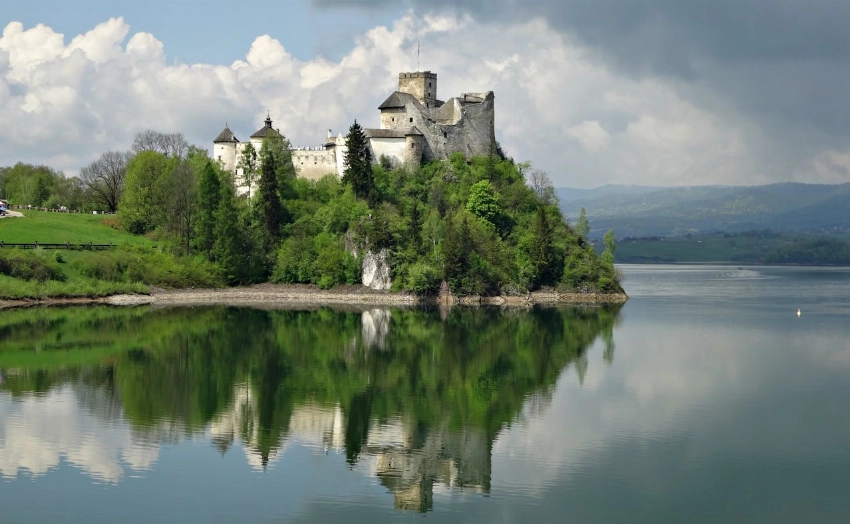
The Poland visa work permit is partially online in digital permit systems and e-Konsulat in 2026.
Online flow:
-
Online permitting of employer files.
-
Visa is registered online by the applicant.
-
Biometrics is still in person.
How Does the Employer’s Online Work Permit Filing System Operate?
The employers in Poland are required to make work permit applications using the digital system of the Voivodeship Office.
The application form is filled out by the employer online.
-
Company registration, tax records, and draft contract uploaded.
-
Salary and role information were input online.
-
Online communication, corrections, and decisions.
-
Electronic issue of the final work permit.
How Do I Use e‑Konsulat to Register my Poland Work Visa from India?
The Indian applicants are to apply for their work visa registration at e-Konsulat and visit VFS.
Step-by-step process:
-
Register on E-Konsulat
-
Select “National Visa – Work”
-
Input personal, passport, and job information
-
Submit the form online
-
Print the confirmation page
-
Make a VFS Global India appointment using the same.
Which steps are still offline or in‑person?
Although they are digitalised in terms of filing, there are still physical steps.
-
VFS biometrics submission
-
Acceptance of original documents
-
Interview (if requested)
-
Collection of passports under the decision.
What are the Main Types of Poland Work Permits and Visas for Indians?
Common types include Type A, EU Blue Card, and seasonal permits:
|
Type |
Best For |
|
Type A |
Regular employees |
|
Blue Card |
High-skill professionals |
|
Seasonal |
Short-term roles |
Which Poland Work Permit Type Suits Indian Employees Best?
Indian professionals mostly use the Poland Type A work permit, although there are other categories that they use in certain situations.
- Type A (Direct employment):
In the case of Indians who are employed by a Polish company and are based in Poland. This is the most realistic and feasible alternative.
- Type B (Management role):
In the case of senior managers or directors who reside in Poland longer than 6 months (out of 1 year).
- Type C / E (Posted workers):
In the case of Indians who are working in other countries but are temporarily posted in Poland to work on projects or services.
- Seasonal work permit:
To take short-term positions in the agriculture sector, hospitality, or food processing.
How is an EU Blue Card Different from a Standard Work Permit?
Poland's BlueCard for Indians is targeted towards highly qualified professionals.
-
Has higher education requirements and pay standards than normal permits.
-
Provides more speed in accessing long-term EU residence and mobility.
-
More suitable alternative to seasoned IT, engineering, and STEM specialists.
How do D‑type visas and TRCs fit into the picture?
Long-term stay cannot be allowed only with a work permit.
-
Work permit: The legal right to work.
-
D-type national visa: Stay and entry permission from India.
-
Temporary Residence Card (TRC): This card is issued in Poland in cases of long stay.
How can Indians Avoid Poland Work Permit Visa Rejection and Scams in 2026?
The reason is that there are usually rejections related to bogus offers, poor finances, or non-conforming employers.
Avoid scams:
-
No work permit = Red flag
-
Cash demands = Scam
-
No interview = Danger
Also Read: Poland Visa Fees: Latest Guide for Indian Applicants
What are the Top Poland Work Visa Rejection Reasons for Indians?
The simple yet serious reasons for Poland work visa rejection are the most widespread among Indians:
-
Incongruity between the offer of a job, permit, and visa application.
-
Employer is invalid, inactive, and non-compliant.
-
The lack of sufficient or clear evidence of funds.
-
Poor intention of travel and work.
-
Use of the wrong visa or work-permit category.
How can I spot fake Poland job offers and agents?
At least, in 2026, scams against Indian applicants are becoming more prevalent:
-
None was an official Polish work permit.
-
None of the signed or verifiable employment contracts.
-
Requirement of high initial cash disbursements.
-
No formal interview or skills analysis.
-
No company site, counterfeit, or newly formed.
How Does TerraTern Help Reduce Rejection Risk for Indians in 2026?
TerraTern adheres to the compliance-based strategy of Poland work permit visas.
-
Checks the legitimacy of employers and their registration.
-
Applicants' Coaches are instructed on the accuracy and uniformity of documents.
-
Checks out profiles before payments.
-
Plans schedules to prevent permits or visa expiry delays.
Can I Bring My Family and get a PR after a Poland Work Permit Visa in 2026?
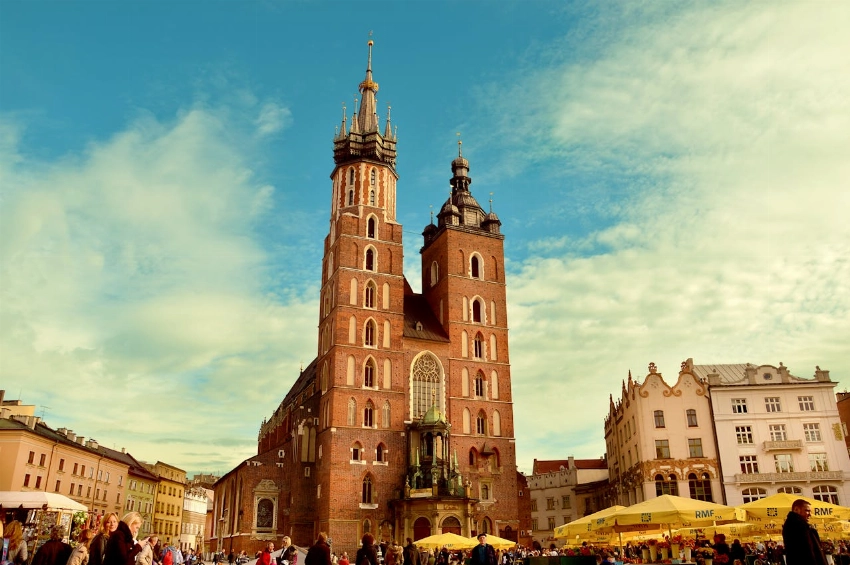
Family reunification can be made, and a long-term stay can result in PR.
Pathway:
- Work permit, TRC, Long-term residence, PR.
Can My Spouse and Children Join Me in Poland on a Work Permit Visa in 2026?
Yes. Indians have access to a Polish family visa, which can be obtained under family reunification after employment in Poland legally.
-
Member eligibility: spouse and minor children.
-
Minimal requirements: legal working allowance, constant earnings, registered address, and medical insurance.
-
Important documents: marriage certificate, birth certificates, accommodation proof, insurance, and financial evidence.
-
Time: Family visas are normally issued within 2-4 months of processing.
How Can a Poland Work Visa Lead to Permanent Residence?
Poland's work permit visa can establish an order method for long stay and PR in Poland, post-work permit.
-
After arrival, apply for a Temporary Residence Card (TRC).
-
Continuous legal employment is the basis of Renew TRC.
-
Stable income, valid insurance, and no legal violations.
Having spent the required period in the country, seek long-term resident status or permanent residence with the EU, with rules on integration.
Is Poland a Good Long‑Term Option for Indian Families?
Indian professionals have a family-friendly and stable environment in Poland.
-
Living expenses are cheap compared to Western Europe.
-
Public education and private foreign institutions.
-
Included in universal healthcare is the employment-based insurance.
-
Good employment security in such cities as Warsaw, Krakow, Wroclaw, and Gdansk.
What is the Latest 2026 Industry Context for Poland Work Permit Visas?
Poland also made stricter policies, but continues to actively recruit foreign labour in the most critical areas.
High-demand sectors:
-
IT
-
Healthcare
-
Manufacturing
-
Logistics
What Policy Changes has Poland Introduced for Work Permits and Visas in 2026?
Key 2026 rule changes:
-
Civil-contract limitations: Foreign employees are to be employed on agreeable contracts and not on informal civil contracts.
-
Filing of work permits electronically: The employers need to file applications online via the Voivodeship systems.
-
Fee alignments: The fees will be adjusted to the minimum wage and administration expenses.
-
Tougher enforcement: More inspections of false employers, allowing abuse, and illegal employment.
Which Sectors are Most Promising for Indian Professionals in 2026?
Recent statistics and demand indicators:
-
IT & Technology: Software programmers, data scientists, cybersecurity experts.
-
Healthcare: Nurses, medical professionals, caregivers, and medical technicians.
-
Engineer: Mechanical, electrical, and civil engineers.
-
Manufacturing: Technicians, machine operators, and quality inspectors.
-
Logistics: Warehouse managers, supply chain managers, drivers (licensed positions).
These industries are experiencing chronic labour scarcity notwithstanding the tightening of regulations.
How Do these Trends Affect Indian Applicants in 2026?
What this means for you:
-
Increased records and counterchecks at permit and visa levels.
-
Greater inspection, particularly of employers and job sincerity.
-
There is an increased predictability of approval of applicants with authentic skills and offer compliance.
-
Less exposure to exploitation because of closer supervision.
How Does TerraTern Help Indians with Poland Work Permit Visas?
TerraTern assists in end-to-end work permit visa planning in Poland with compliance-first advice.
TerraTern value:
-
Employer verification
-
Document strategy
-
Timeline planning
-
Post-arrival support
Also Read: National Visa Application Fees Increased by €55 in Poland
Where in the Poland Work Permit Visa Journey Does TerraTern Add Value?
TerraTern assists Indian applicants in all vital steps of the visa processing for a Polish work permit.
-
Pre-offer counselling: Profile evaluation and role appropriateness test.
-
Employer/contract verification: Checking of company registration, eligibility of permit, and job terms.
-
Document checklist & preparation: Poland-specific, 2026-conflicted documentation guidance.
-
Interview and appointment preparation: VFS/ consulate coaching
-
The post-arrival planning: TRC renewal support, family visa support, and Poland PR support.
Why Choose TerraTern Over Generic “Visa Agents” for Poland?
TerraTern is a compliance-oriented advisory that does not deal in paperwork brokerage:
-
Close compliance with the Poland work permit visa 2026 provisions.
-
Open charges with the government and service cost disenfranchisement.
-
Official portals should be used exclusively (gov.pl, e-Konsulat, VFS).
-
Having worked on Poland-specific cases of Indian work in the various sectors.
Conclusion: How Should You Plan a Poland Work Permit Visa Journey?
The visa that is designed to be the most opportunity-driven and digital-first Poland work permit visa 2026, for Indians, is structured, however, only when it is approached. Having an authentic employment opportunity, a compliant employer, proper documentation, and understanding of the tighter measures in 2026 enforcement, Indian specialists are able to guarantee stable results and long-term perspectives in Poland.
Between filing a permit and being granted a visa, planning of the TRC process, and eventual family reunification or PR, the key is in matching the skills, contracts, and the schedule with the changing rules in Poland. Compliance-based approach, as opposed to shortcuts, is by far the surest means of transforming a Polish work permit visa into a sustainable European career.
Contact TerraTern for more information on Poland work permit visa.




 AI Summary