Key Highlights
- Jobs in Germany for Indian Freshers Overview
- Which Industries Are Hiring Indian Freshers in Germany in 2026?
- What Are the Current Visa Requirements for Jobs in Germany for Indian Freshers?
- How Can Indian Freshers Apply for Jobs in Germany Step-by-Step in 2026?
- What Current Salary Can Indian Freshers Expect from Jobs in Germany?
- Is German Language Required for Jobs in Germany for Indian Freshers in 2026?
- What Are the Latest Best Cities in Germany for Jobs for Indian Freshers?
- What Current Challenges Do Indian Freshers Face When Seeking Jobs in Germany?
- How Does Germany Compare to Other Countries for Indian Freshers in 2026?
- How Can TerraTern Help With Jobs in Germany for Indian Freshers?
- Conclusion: How to Start Your Journey for Jobs in Germany for Indian Freshers
Jobs in Germany for Indian freshers have been gaining at a rapid rate and aim to provide 90,000 skilled visas per year to fill its 5,70,000 or more job openings.
-
The German market has a high demand for Indian freshers in the fields of IT, engineering, healthcare, and manufacturing.
-
Some of the major visa programs include the Job Seeker visa, EU Blue Card, and Opportunity Card.
-
The salaries of entry-level jobs are between 35,000 and 60,000/year.
-
Most popular cities for hiring: Berlin, Munich, Frankfurt, Hamburg.
-
They are a recognised degree, a German CV, and German language B1B2 (desired).
-
Germany: The Skilled Immigration Act 2025 is making a mass demand.
-
Optimal moment to implement because of great scarcities and streamlined visa options.
Jobs in Germany for Indian Freshers Overview
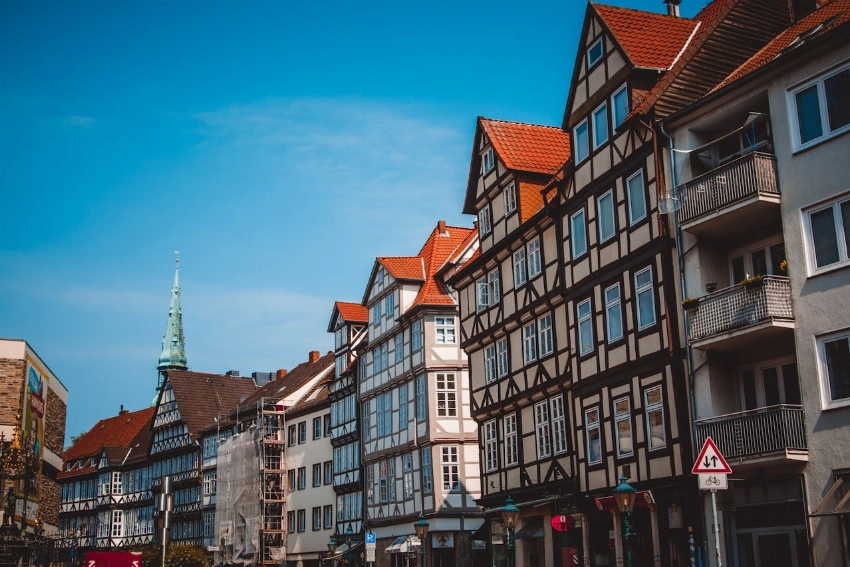
Germany has positioned itself as one of the most favourable places for jobs in Germany for Indian freshers. The ageing population and the fact that the local workforce is diminishing significantly in the country have created a tremendous demand in the major sector, resulting in Indian freshers getting opportunities to pursue jobs that were previously inaccessible.
Jobs in Germany for Indian freshers are being recruited in more and more companies:
-
IT and software development
-
Mechanical, automotive, electrical, and civil engineering
-
Nursing and healthcare, including Ausbildung programs
-
Logistics and supply chain
-
Finance, banking, and insurance.
-
Online marketing and marketing positions.
-
Production and manufacturing.
Which Industries Are Hiring Indian Freshers in Germany in 2026?
Labour shortage in jobs in Germany for Indian freshers cuts across several sectors that are highly growing, hence it presents a good choice of destination to the Indian freshers, both in technical and non-technical fields. Being a student of computer science, an engineering graduate, a healthcare aspirant, or a student of business, there are still well-structured avenues to get into the German job market.
Indian freshers are in demand in the following industries:
-
IT and Software Development
-
Engineering (Mechanical, electrical, automotive, civil).
-
Healthcare and Nursing
-
Banking, Finance, and Business.
-
Logistics and Supply Chain
-
Marketing, Digital, and Creative.
-
Production and manufacturing.
Also Read: Germany Work Visa
What Latest IT and Software Development Jobs Are Available for Indian Freshers?
Jobs in Germany for Indian freshers in the sphere of IT and software development are the most, with more than 100,000 vacant technical jobs and an initial salary of 45,000-70,000 a year.
The Indian freshers have been presented with a golden opportunity due to the lack of talent in digitalisation and tech in Germany. Most businesses do all their hiring in English, particularly start-ups, so IT would be the most accessible sector to join.
The best IT jobs in Germany for Indian freshers:
-
Junior Software Developer
-
QA Tester / QA Analyst
-
Data Analyst
-
IT Support Specialist
-
Cloud Operations Associate
-
Junior DevOps Engineer
-
Data Engineer (entry-level)
-
Product Support Engineer
What Current Engineering Job Opportunities Exist for Indian Graduates in Germany?
The second most demanded industry is the engineering sector in Germany, and to a large extent in the fields of automotive, mechanical, electrical, and civil engineering, with earnings of between 45,000 and 65,000 as the starting salary.
Germany is the European engineering capital, and Indian engineering graduates are highly sought because of their good academic background.
Leading engineering branches that employ freshers:
-
Mechanical Engineering
-
Electrical Engineering
-
Automotive Engineering
-
Civil Engineering
-
Biomedical Engineering
-
Mechatronics / Robotics
-
Renewable Energy Systems
Are There Healthcare Jobs in Germany for Indian Freshers in 2026?
The most urgent shortage industries in Germany are the healthcare system (nursing, dental assistant, and geriatric services) with annual earnings of between 30,000-50,000 and paid training through Ausbildung.
As a result of the elderly population, Germany has experienced one of the largest healthcare crises in the global realm.
Healthcare positions with high demand:
-
Nurses
-
Dental Assistants
-
Elderly Care Workers
-
Physiotherapy Assistants
-
Medical Technicians
What Latest Other Sectors Are Hiring Jobs in Germany for Indian Graduates Freshers?
Other sectors of jobs in Germany for Indian graduates and freshers include manufacturing (€35,000- €40,000 ), finance (€40,000- €45,000), logistics ( €30,000- €45,000), and digital marketing (€35,000- €50,000 ).
Jobs in Germany for Indian graduates freshers also have good prospects in the non-technical divisions in Germany.
Manufacturing & Production:
-
Jobs: Conveyor belt operators, assistants, quality controllers.
-
Ordinary In: Stuttgart, Wolfsburg, Dortmund
Finance & Banking:
-
Responsibilities: Financial analyst, junior, accounting support, and compliance
-
Hotspot: Frankfurt, the financial centre of Europe.
Logistics & Supply Chain:
-
Skills: Procurement, warehouse coordination, and ERP assistant
-
Big Employers: DHL, DB Schenker, Maersk
Digital Marketing:
-
Position: SEO executives, content managers, social media analysts
-
Best Cities: Berlin, Hamburg, Cologne
Research & Academia:
-
PhD assistants (tax-free stipends)
-
Internship in universities
What Are the Current Visa Requirements for Jobs in Germany for Indian Freshers?
Jobs in Germany for Indian freshers has various visa options, having various eligibility criteria, financial demands, and employment allowances. The three popular ones are the German Job Seeker Visa, the German Opportunity Card, and the EU Blue Card.
Also Read: Germany Opportunity Card
How Does the Germany Job Seeker Visa Work for Indian Freshers in 2026?
The German Job Seeker Visa is a chance enabling Indian graduates to spend 6 months in Germany to find employment without a previous employment offer, and it costs approximately €75.
The Job Seeker Visa would be the perfect choice for freshers as they will be able to participate directly in the interviews in German, which will significantly boost their chances of employment.
Eligibility Checklist:
-
Bachelor's or Master's degree recognised in Germany.
-
Relevant experience of five years (not mandatory, but preferable for freshers with degrees).
-
Adequate capital: €6,162+ in a blocked account (1027 / month)
-
Valid health insurance for 6 months.
-
Good financial + criminal history
What Is the Latest Germany Opportunity Card and How Is It Different?
In June 2024, a points-based visa was introduced called the Germany Opportunity Card (Chancenkarte), which grants jobseekers a 1-year duration of stay with 20 hours/week part-time work authorisation. The The
The Opportunity card is more lenient than the Job Seeker Visa and is perfect for students or young professionals.
Duration & Work Rights:
-
1 year with a maximum of 2 additional years.
-
Part-time work permissible: 20 hours a week.
-
Admits trial jobs (Probearbeit)
Points System (Need 6 Points)
-
German (A2+): 1–3 points
-
English (B2+): 1 point
-
Known Degree/Vocational Training: 4 points
-
Professional Experience: No more than 2 points
-
Age Under 35: 2 points
-
Prior Stay in Germany: 1 point
How It Differs from the Job Seeker Visa:
|
Feature |
Opportunity Card |
Job Seeker Visa |
|
Duration |
Up to 1-3 years |
6 months |
|
Part-time work |
Allowed |
Not allowed |
|
Points system |
Yes |
No |
|
Flexibility |
Higher |
Lower |
How Can Current Indian Freshers Qualify for the EU Blue Card?
In 2025, the EU Blue Card will require a minimum salary of € 43,759.80 for shortage occupations or € 56,400 for general occupations.
The highly-skilled labourers who come to Germany are the ones who come via the EU Blue Card.
Eligibility:
-
An accepted Bachelor's Degree.
-
An employment opportunity in Germany.
Salary must meet 2026 thresholds:
-
Shortage jobs (IT, engineering, healthcare) cost €43759.80/year.
-
€56,400/year for standard roles.
How Can Indian Freshers Apply for Jobs in Germany Step-by-Step in 2026?

The process of applying to jobs in Germany for Indian freshers entails how well one comprehends the market and how the individual prepares the necessary documents, as well as the right platforms. This is the full streamlined procedure for freshers.
How Should Latest Indian Freshers Research the German Job Market?
Study the job market in Germany by checking on shortage jobs, job-hub cities (Berlin in IT, Munich in engineering), and researching salaries on official websites such as Make it in Germany.
Step-by-Step Market Research:
-
Determine shortage occupations through the Federal Employment Agency.
-
Study regional job hubs:
-
Berlin- Startups and digital marketing, IT
-
Munich – Automotive, engineering, finance
-
Frankfurt -Banking, finance, logistics
-
Hamburg -Sea, transport, media
-
Compare industry and city salary rates
-
Learn how to work in Germany (direct communication, time, flat hierarchies).
-
English-oriented companies that are friendly to foreigners (Startups and tech hubs).
How to Create a Current German-Style CV (Lebenslauf) for Jobs in Germany for Indian Fresher?
The German CV should have a professional photo, personal information, reverse chronological sequence, and not more than two pages, very unlike the Indian resumes.
Major Dissimilarities with Indian CVs:
-
Academic photograph (commonplace in Germany)
-
Biographical information: date of birth, nationality, marital status.
-
In reverse chronological order.
-
Max 2 pages
-
No personal pronouns (“I”, “me”)
-
CV concludes with a signature that has a handwritten appearance.
Essential CV Sections:
-
Photo + Contact info
-
Personal details
-
Goal like “within six months, I plan to enhance my expertise in early childhood development by acquiring skills in developing various subject areas that support children in learning.” Short-term professional skill objective.
-
Work experience
-
Education
-
Skills (languages, technical)
-
Certifications
-
References (on request)
Which Job Portals Should Indian Freshers Use to Find Jobs in Germany in 2026?
The best jobs in Germany for Indian freshers websites are Make it in Germany, LinkedIn, StepStone, Indeed Germany, and Arbeitsagentur, with more than 258,000 active jobs.
Government Web Portals:
-
Make it in Germany
-
Federal Employment Agency Jobbose.
-
EURES (EU mobility jobs)
International Portals:
-
LinkedIn
-
Indeed Germany
-
Glassdoor Germany
German-Specific Portals:
-
StepStone
-
Xing
-
Kimeta
-
JobMESH
Industry-Specific Sites:
-
Stack Overflow Jobs
-
GitHub Jobs
-
Absolventa (freshers)
How Should Latest Indian Freshers Prepare for German Job Interviews?
Jobs in Germany for Indian freshers are preoccupied with technical competence, punctuality, and structured responses. Use the STAR method of handling behavioural questions and company values at your fingertips.
Interview Formats:
-
Video interviews (most prevalent at first round)
-
Technical tests
-
Case studies (management/finance). Case studies are also used to evaluate job candidates in areas like management/finance.
-
Final in-person interview
Preparation Checklist:
-
Background of the research company.
-
Prepare STAR-method answers
-
Practice technical evaluation.
-
Review German salary ranges.
-
Check your interview equipment (light, camera, mic).
Common Questions:
-
Why Germany?
-
Why this company?
-
Salary expectations?
-
Technical problems solving questions.
What Current Salary Can Indian Freshers Expect from Jobs in Germany?
Jobs in Germany for Indian freshers typically earn €35,000–€60,000/year (₹32L–₹55L) depending on industry, city, skills, and qualifications. IT and engineering offer the highest starting packages.
Salary by Industry:
|
Industry |
Salary (EUR/year) |
Salary (INR/year) |
|
IT/Software |
45,000–€70,000 |
41L- 64L |
|
Engineering |
45,000–€65,000 |
41L- 59L |
|
Finance |
40,000–€55,000 |
36L- 50L |
|
Healthcare (Nursing) |
30,000–€45,000 |
27L- 41L |
|
Manufacturing |
35,000–€50,000 |
32L- 46L |
|
Marketing |
35,000–€50,000 |
32L- 46L |
|
Logistics |
30,000–€45,000 |
27L- 41L |
Salary Differences by City:
-
Munich: +15–20% above average
-
Frankfurt: +10–15%
-
Hamburg: +5–10%
-
Berlin: Average to +5%
Is German Language Required for Jobs in Germany for Indian Freshers in 2026?
Many IT and startup jobs do not require German language, and even in the healthcare and customer-facing fields, German is required (B1-B2 level) as well as in a more stereotypical German company.
Language Requirements Sector-Wise
-
IT & Startups: English enough
-
Engineering (MNCs): English usually okay
-
Healthcare: B2 German mandatory
-
Customer Service: B1B obligatoriness
-
German Traditional Companies: B1B2
-
Scholarly/Studies: English usually adequate
German Levels Explained
-
A1–A2: Basic
-
B1: Most non-tech jobs have a minimum of B1.
-
B2: Ideal for career growth
-
C1–C2: Fluent
Also Read: Work Abroad: Secure a Job Seeker Visa for Germany
What Are the Latest Best Cities in Germany for Jobs for Indian Freshers?

A variety of jobs in Germany for Indian freshers should rely on the industry and chosen lifestyle to find a great city, so Germany can offer them a great variety of cities. Berlin is a dream place in terms of IT and startup position, with the largest number of more than 3,000 tech firms, an English-no-issue attitude, and reasonably low living costs (€1,200-1,500/month). Engineering, automotive, and financial Munich is the best place to earn high wages (€55,000 -75,000); however, it is also where living expenses are more expensive (€1,500 -2,000/month).
The city of Frankfurt is ideal when it comes to banking and finance experts, whereas Hamburg is home to logistics, media, and aviation. Stuttgart is a city that is engineering-oriented in cars, and other upcoming cities such as Leipzig and Dresden are seeing start-up technology with cheaper living costs, and these three cities will prove to be favourable to freshers who can afford cheaper living without career progression.
Why Is Berlin the Current Best City for IT Jobs for Indian Freshers?
Berlin is the German startup capital, has 3.000+ tech startups, an English-friendly atmosphere, and it is the right place to live (around 1.2001.500/month), which is why it is freshers-friendly.
Highlights:
-
3,000+ startups (“Silicon Allee”)
-
Industries are creative, IT, digital marketing, and fintech.
-
The best employers are Zalando, N26, Delivery Hero, and HelloFresh.
-
IT salaries are €50,000–€65,000
-
English is a popular language used in the workplace.
-
Lower rent vs Munich
What Job Opportunities Does Munich Offer for Indian Graduates in 2026?
Munich is the engineering and automotive capital of Germany, which has leading automobile companies such as BMW and Siemens. It pays good salaries (€55,000-€75,000) but also the highest living expenses.
Key Points:
-
Sectors: Car, aeroplane, automation, technology
-
Employers: Munich Re, Allianz, Infineon, Siemens, and BMW
-
Salary Premium: 15–20% higher
-
Living Cost: €1,500–€2,000/month
More important German language than in Berlin.
Which Other Latest German Cities Have Jobs for Indian Freshers?
Frankfurt is a city of finance, Hamburg is the city of logistics and media, and Stuttgart is the city of automotive engineering- the cities are best matched to various fresher career options.
City-wise Overview:
Frankfurt
-
Industries: Banking, finance, consulting
-
Employers: Lufthansa, ECB, Deutsche Bank
-
Salary: €45,000–€60,000
Hamburg
-
Areas: Maritime, logistics, media
-
Employer: Otto Group, Airbus, Beiersdorf
-
Salary: €40,000–€55,000
Stuttgart
-
Industries: Manufacturing, automobile
-
Employers: Mercedes-Benz, Porsche, Bosch
-
Salary: €50,000–€65,000
Düsseldorf & Cologne
-
Industries: Telecommunication, retail, insurance, media
Leipzig & Dresden
-
Fast-growing tech hubs
-
40% lower cost of living
What Current Challenges Do Indian Freshers Face When Seeking Jobs in Germany?
Job in Germany for Indian fresher are having a number of problems with getting a job, such as the language barrier, where they can find most jobs posted in Germany, and many of these jobs require levels one and two of German. Recognition of the degree may also be a problem, and it is necessary to check it with the Anabin database or ZAB certificate. Another obstacle is competition, where EU citizens are usually given priority during hiring, and freshers can also find it difficult to cope with cultural differences, high punctuality, and fitting in the German workplace culture.
Besides, there is a risk of being caught in the red tape of visas, Anmeldung, tax ID, and health insurance procedures, and the physical presence in Germany during final interviews can be very demanding in terms of travel and finances. These challenges can be overcome by proper planning, language preparation, and understanding of local regulations.
Also Read: How to Get a Job in Germany from India: Latest Guide
How Can Indian Freshers Overcome the Language Barrier in 2026?
Begin German classes 6-12 months before application with a minimum B1 level and initially work in English-friendly industries such as IT startups.
Strategies:
-
Start intensive German (4 -6 months to B1)
-
Use the Internet for the Goethe Institut, DW Learn German, and Babbel.
-
Training in language exchange applications: Tandem, HelloTalk.
-
Watch the German media with subtitles.
-
Belong to German-speaking Indian communities.
-
Get official recognition, Goethe-Zertifikat.
How Can Latest Freshers Handle Degree Recognition in Germany?
Confirm your Indian degree through the Anabin database (free or obtain a ZAB Statement of Comparability ( €200, 3-4 months ).
Recognition Pathways:
-
The Database on Anabin: Free, instant check.
-
ZAB Certificate: Official statement (200Euro)
-
Direct Employer Receiving: Some MNCs receive Indian degrees.
Steps for Anabin:
-
Visit the website.
-
Search for your university.
-
Is the Check degree H (completely recognised)?
-
In case of H+////-, or unlisted, apply to the ZAB certificate.
What Other Current Common Challenges Should Indian Freshers Expect?
Jobs in Germany for Indian freshers are competing with EU citizens, bureaucracy, culture adaptation, and the expenses of relocating to Germany.
Topical Problems and Solutions:
-
Competition: Priorities of EU citizens
→ Occupations of target shortage and specialise.
-
Bureaucracy: Visas, registrations
→ Schedule 2- 4 weeks of post-arrival administration.
-
Physical Appearance: Face-to-face interviews
→ Job Seeker Visa or Opportunity Card.
-
Adjustment to Culture: Time-sensitivity, directness, work-life balance
→ Pre-research German work culture.
-
Monetary Constraint: Part, first month rent, blocked account, deposits
→ Preliminary settlement costs -8,000-10,000.
-
Networking: Less informal networking
→ Go to business parties, work with Xing/LinkedIn.
How Does Germany Compare to Other Countries for Indian Freshers in 2026?
Job in Germany for Indian fresher is more favourable than Canada, the UK, Australia, and the USA: no visa caps, lower education costs, clear PR pathways, and active recruitment for shortage occupations.
Country Comparison 2026:
|
Country |
Key Challenges |
Germany Advantage |
|
Canada |
Reduced intake targets |
Open intake of 90,000 Indian workers/year |
|
UK |
High salary thresholds, strict visas |
Lower salary requirements, Opportunity Card |
|
Australia |
Competitive points system |
Active shortage occupation recruitment |
|
USA |
H-1B lottery, declining approvals |
Skills-based immigration, no lottery |
How Can TerraTern Help With Jobs in Germany for Indian Freshers?

TerraTern is a company that provides specific assistance to Indian freshers in finding employment in Germany:
-
Personalised Advice: Visa advice (one to one) (Job Seeker, Opportunity Card, EU Blue Card)
-
Resume and CV Services: Assistance with the production of German-style CVs (Lebenslauf) and cover letters.
-
Business Job Market Intel: Shortages, by city, and industry.
-
Application Assistance: Advice on how to apply in the best portals such as Make it in Germany, LinkedIn, and StepStone.
-
Interview Preparation: How to do mock interviews, cultural briefing, and technical/behavioural round tips.
-
Language Advice: Advice regarding courses in the German language and degree recognition.
Conclusion: How to Start Your Journey for Jobs in Germany for Indian Freshers
To get started with your jobs in Germany for Indian freshers, you have to take it step by step, first by conducting a market research to find the occupation and the cities to work in that have shortages, the visa option to choose including Job Seeker Visa or Opportunity Card to stay in Germany, and other documents that you need such as a German-style resume, degree equivalency, and language tests.
Use reputable job websites such as Make it in Germany, StepStone, and LinkedIn, and gear towards interviews by learning about the work culture of Germany, technical aspects, and communication culture. Budget on a blocked account, living expenses, and preliminary expenses, and use professional assistance to make the process easier.
Contact TerraTern for more information on jobs in Germany for Indian freshers.




 AI Summary