

Key Highlights
- How to Migrate to Switzerland from India in 2026?
- What Are the Main Pathways to Migrate to Switzerland from India in 2026?
- How to Migrate by Investment to Switzerland from India in 2026? Experts Insights
- What Are the Swiss Residence Permit Types for Indians in 2026?
- What Is the Step-by-Step Visa Application Process for Indians in 2026?
- What Are the 2026 Work Permit Quotas for Indians in Switzerland? Updated
- What Is the Cost of Living in Switzerland for Indians in 2026?
- What Are the Language Requirements to Migrate to Switzerland from India in 2026?
- Which Swiss Canton Is Best for Indians to Migrate To?
- How Long Does It Take to Get Swiss Citizenship from India in 2026?
- What Are Common Challenges Indians Face When Migrating to Switzerland?
- How can TerraTern Help You to find How to Migrate to Switzerland from India?
- Switzerland 2026: Work Permit Quotas, Salary Trends, and Living Costs Explained
- Conclusion
The process of how to migrate to Switzerland from India is quite difficult but rewarding, as the country offers high wage rates, a clean environment, and centres of innovation in many fields such as IT, finance, pharma, and engineering. Still, it is controlled by strict quota limits on non-EU working permits, which are 8,500 (4,500 B-type long-term) and 4,000 L-type short-term. As non-EU citizens, Indians are required to obtain a firm employment offer delivered by a Swiss employer who will demonstrate that there is no appropriate Swiss or EU employee, and then, cantonal labour approval is required.
A Type D visa is applied in the Swiss Embassy in New Delhi with other documents such as contracts, qualifications, resumes, and financial evidence - the processing of which can take 2-5 months in the conditions of high living standards (e.g., apartment in Zurich CHF 2,000 and more each month) and language requirements in the German, French, or Italian territories. It benefits those who have advanced degrees, experience, or niche skills, such that renewable B permits and possibly permanent residency after 10 years are possible, with other options such as study visas or family reunification also offering pathways to long-term residence.
How to Migrate to Switzerland from India in 2026?
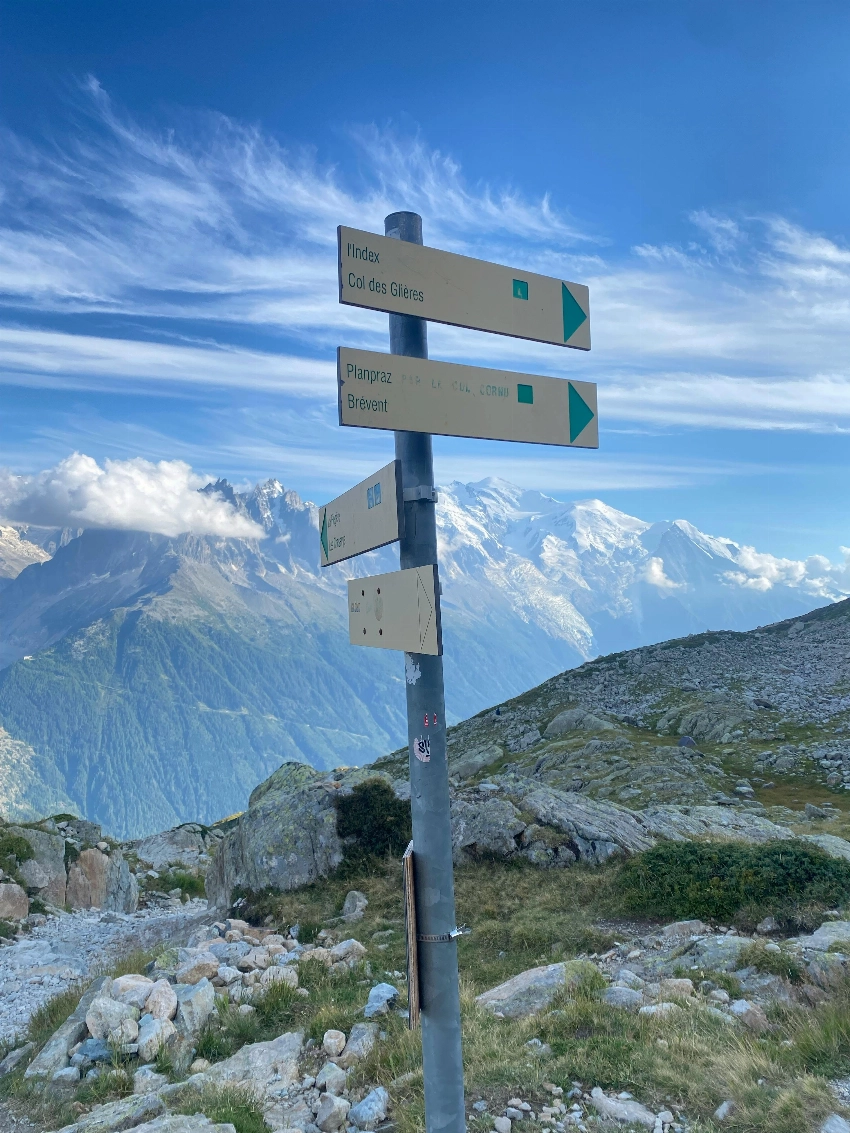
Indians have to find a job offer in Switzerland before they can how to migrate to Switzerland from India, since non-EU citizens have a stringent quota of 8,500 work permits per annum.
-
Find an Employer Interest: In Jobs.ch, LinkedIn, or EURES, focus more on the high-demand fields of IT, pharma, engineering, or finance. The employer must demonstrate that none of the Swiss/EU applicants can fit the role after a local advertisement has been made.
-
Employer Applies for Permit: the Swiss company will apply to the cantonal labour market to obtain a permit (L short-term or B long-term permit) that will certify your exceptional skills/qualifications.
-
Prepare Documents: Get a valid passport, signed contract, resumes, diplomas/evidence of experience (translated), health insurance, place of stay, and financial resources (e.g., bank statements).
-
Make Type D Visa Application: Fill in the Swiss Embassy in New Delhi or VFS Global with a fee (around 9200 rupees); the process will take 2-5 months; provide language proficiency where necessary (German/French/Italian).
-
Enter and Register: Come, take out a permit at the cantonal office, register your residence within 14 days, open a bank account, and obtain health insurance.
-
Path to Residency: Renew B permit every year; 10 years (including eligibility as a C permit) application to permanent residence or citizenship.
Also Read: Switzerland Visa Fees for Indian: New Cost, Tips & Guide
What Are the Main Pathways to Migrate to Switzerland from India in 2026?
In order to know how to migrate to Switzerland from India, the main pathways must be known. Indians have their principal avenues of migration into Switzerland based on employment, study, family or retirement processes, all around the same circle into renewable B permits and ultimate C permanent residency after 10 years.
-
Work Permit: Find an employment offer in any of the high-demand sectors (IT, pharma or engineering); the employer secures cantonal approval that there are no suitable Swiss/EU applicants and then applies for an L/B work permit and Type D visa- limited to 8,500 non-EU quotas per year.
-
Study: Enrol in a Swiss university or a vocational school; you apply with a student visa (D visa) with an acceptance letter, funds evidence (similar to the amount spent on 1 year of school tuition, 21,000), and health insurance, which allows part-time employment and job search up to 6 months after graduation.
-
Family Reunification: Accompanied by a Swiss citizen/resident spouse, parent, or child; submit evidence of the relationship, income/housing of the sponsor and apply at the embassy, spouses gain working rights.
-
Retirement/Business: Retirees aged over 55 and have enough pension/ income (above 100,000/year) or start a business that will provide local employment; no quotas are required, though cantonal permission and demonstration of funds are required.
Can Indians Move to Switzerland for Employment?
Yes, Indian people may work in Switzerland as a non-EU country; however, only highly skilled specialists in the shortage areas such as IT, pharma, engineering or finance have a chance to work there with strict quotas of 8,500 a year.
-
Secure Job Offer: Find employment through Jobs.ch/LinkedIn, where the employer demonstrates that no Swiss/EU applicant is suitable after national advertisements; it is aimed at experts with degrees and experience.
-
Application: Employer Permit: Firm wants to geta cantonal L/B permit, please send your CV, your contract, and qualification.
-
Type D Visa: Can be applied at the Swiss Embassy in New Delhi with a passport, contract, health insurance and a display of funds; 2-5 months (approximately once in 9200 rupees).
-
Enter, Integrate: Arrive, make residence, obtain work rights; renew after 10 years to a C permit.
Expert Advice: Start your Swiss job search 6-12 months before your planned move, focusing on multinational companies and high-demand sectors where Swiss employers struggle to find local talent.
Is Study Abroad a Viable Migration Route to Switzerland?
Yes, studying in Switzerland is a feasible migration pathway for Indians as it provides a student D visa enabling them to work part-time and seek jobs after gaining their qualifications, which frequently involves changes to employment permits due to talent shortages.
-
Secure Admission: Get unconditional acceptance at a known university (e.g. ETH Zurich); satisfy academic requirements such as 10 +2 to undergrad.
-
Apply for a D Visa: Fill out the form at the Swiss Embassy in New Delhi/VFS with passport, admission letter, proof of funds 21,000 +, health insurance, and accommodation-processing time 8-12 weeks (approximately 9200 fee).
Pro Tip: Swiss public universities offer relatively affordable tuition (CHF 1,000-2,000/semester) compared to other European destinations, making this an accessible pathway for qualified Indian students.
How Does Family Reunification Work for Indians in Switzerland?
Yes, family reunification is possible only when Indians have Swiss-residing spouses, parents or children. How to migrate to Switzerland from India and demands the stable B/C permission of the sponsor, adequate income/housing, and demonstration of real connections under rigorous scrutiny of non-EU.
-
Eligibility: Sponsor (Swiss citizen/resident) must possess a B/C permit; includes spouses, minor children (under 18 years), or a dependent parent relationship; a dependent parent relationship must be shown by marriage/birth certificates (apostilled).
-
Sponsor Preconditions: minimum income (e.g. CHF 4,000+/month), appropriate accommodation, no dependence on social assistance; husband can be required to speak A1 local language (German/French/Italian).
-
Application: Present a D visa at the Swiss Embassy in New Delhi/VFS with documents (passports, proofs, cover letter); cantonal approval will be made after the entry (2-6 months in total).
-
Rights & Renewal: Family is granted work work-eligible B permit; renew every year, with a transition to C after 5-10 years of integration.
Advice by our Expert: Spouses applying through family reunification should begin language learning (German, French, or Italian, based on the canton) before arrival, as integration requirements now include language proficiency assessments.
What Is the Swiss Golden Visa for Investment Migration from India?
Switzerland does not have a comparable program to a Golden Visa that Portugal has, but it does provide residency to non-EU Indian wealthy individuals through lump-sum taxation or by investing in a business to obtain B permits without employment, becoming C permanent residents after 10 years.
-
Lump-Sum Taxation: Annual tax (CHF 200,000-1M, or 1.8-9 crore in Indian rupees) calculated as 7 times the rental cost; no working; suits retirees/HNWIs; canton-specific (e.g. Vaud, Geneva).
-
Business Investment: Invest CHF 1M+ (~ 9 crore) in a new/existing company generating workplaces; demonstrate economic advantage to the cantonal permit.
-
Documents: Clean record, health insurance, accommodation documents, none have 10-year permanent residence (apply at the canton, then the embassy, 3-6 months).
-
Family Inclusion: Spouse/children attachment; after residency/integration, path to citizenship.
Expert Advice: The lump-sum taxation route prohibits working in Switzerland but allows managing global investments and businesses, making it ideal for retired entrepreneurs or passive investors.
Can Retirees Migrate to Switzerland from India?
Yes, Indian older than 55 retirees may migrate to Switzerland through a retirement residence permit (B permit) on condition of financial self-sufficiency, lack of work intention and connection with the country, such as previous visits or property offered in some cantons without quota.
-
Age: Age should be 55 and above with a good pension/income ( e.g., CHF 100,000+/year, 3 lakh in Indian rupee) through bank statements; health insurance ( e.g., CHF 500/month).
-
Swiss Ties: Display personal attachment (e.g. family, frequent traveller, real estate); live over 183 days/year.
-
Application: D visa at the Swiss Embassy, New Delhi/VFS with passport, income documents, accommodation, insurance; cantonally approved after entry (3-6 months).
-
Renewal & Family: B permit is renewable every year; spouse / dependent children can accompany with the same proofs.
Pro Tip: Retirees must demonstrate compelling personal ties to Switzerland beyond just property purchase—regular visits, cultural connections, or family relationships strengthen applications significantly.
How to Migrate by Investment to Switzerland from India in 2026? Experts Insights
How to migrate by investment to Switzerland from India is another topic that many demand to know. Switzerland offers residency by investment for non-EU nationals like Indians through lump-sum taxation or business investment, leading to potential citizenship after 10-12 years of residence.
Main Pathways
Non-EU investors qualify via two routes without needing employment in Switzerland. The lump-sum tax (Forfait Fiscal) requires annual payments starting at CHF 200,000-250,000 (INR 1.8-2.3 crore), negotiated per canton and based on living expenses, up to CHF 600,000 in some areas. The entrepreneurial scheme demands CHF 1 million (INR 9.2 crore) minimum to start or invest in a Swiss business creating jobs.​
Eligibility Criteria
Applicants must be 18-55, non-EU, with clean criminal records, good health, stable legal income, and no Swiss residency in the past 10 years. No gainful work allowed under lump-sum; family (spouse, minor children) can join, but parents only exceptionally. Secure housing (rent/buy) in the chosen canton.​
Application Process
Choose a pathway and a canton, submit documents for due diligence (passport, financial proof, police clearance, health insurance). Gain cantonal approval (2-4 weeks), apply for D visa at Swiss consulate (3-5 weeks), enter Switzerland, finalize permit (total 3-5 months). Renew annually; permanent residency after 10 years, citizenship after 12.​
Costs Overview
| Pathway | Minimum Investment (CHF) | Approx. INR (INR crore) | Annual Ongoing |
|---|---|---|---|
| Lump-Sum Tax | 200,000-250,000/year | 1.8-2.3 ​ | Tax payment |
| Business Investment | 1,000,000 one-time | 9.2 ​ | Business ops |
What Are the Swiss Residence Permit Types for Indians in 2026?
How to migrate to Switzerland from India through Swiss residence permits of Indians (non-EU citizens) are of short-term L, non-renewable B work/study/family, permanent C after 10 years, and cross-border G granted after entry through cantonal offices after the D visa approval.
|
Permit Type |
Validity |
Purpose for Indians |
Key Requirements |
|
L |
≤12 months (up to 24) |
Short-term work/study |
Job contract: the employer establishes no local employment. |
|
B |
1 year, renewable |
Long-term employment, research, family, and retirement. |
Evidence of job offer/funds; renewed on an annual basis. |
|
C |
Indefinite (permanent) |
Settlement after residency |
B permit, integration/language, 10 years B permit |
|
G |
Tied to work |
Cross-border commuters |
Home in a neighbouring country, Job in CH. |
What Is the Swiss B Permit, and How Do Indians Obtain It?
The Swiss B permit is an annual renewable work permit, study permit, family reunification permit, or retirement permit for non-EU Indians, which permits them to reside long-term in the country, resulting in C permanent residence after 10 years of integration.
-
Eligibility: Permanent employment invitation (employer refuses to hire locals/EU nationals), study place at university, family relations with B/C nationals, or retirement savings (CHF 100,000 and up/year); A1 language in the canton.
-
Pre-Entry: approvals Employer/canton; apply for Type D visa at Swiss Embassy New Delhi with contract/letter, passport, finances, insurance (approximately 9200 fee, 2-5 months).
-
Post-Entry: Within 14 days of entry, you must register at the cantonal office, the B card; demonstrate health insurance, residence, and renew every year with income/language documentation.
-
Renewal Path: Continue employment/studies and after 5-10 years, be eligible for a C permit with B1/B2 language and have no welfare dependency.
Advice by our Expert: Register with your municipal authority within 14 days of arrival—failure to do so can jeopardise your permit status and future applications.
How Can Indians Get a Swiss Permanent Residence (C Permit)?
Indians are granted permanent residence in Switzerland (C permit) after 10 years of uninterrupted B permit demonstrating integration, language proficiency (A2 written/B1 spoken in cantonal language), absence of criminal record, financial self-sufficiency and absence of welfare usage, or 5 years of daytime in case of a marriage with a Swiss/C holder.
-
Residency Period: 10 consecutive years of holding a renewable B permit (5 years in case of spouses of Swiss/C holders or nationals selected).
-
Integration Proof: Requirements: B1 oral/A2 written language, through certified exam, cultural knowledge, stable working/housing.
-
Application: Hand in at the cantonal office with passport, residence history, language certificate, police clearance, income proof; potential interview (3-6 months).
-
Approval Benefits: Indefinite stay/work rights, simplified citizenship upon completion of a cumulative 10-12 years.
Expert Advice: Investment in accredited language courses pays dividends—B1 German/French/Italian proficiency can reduce your PR timeline from 10 years to 5 years under the accelerated pathway.
What Is the Step-by-Step Visa Application Process for Indians in 2026?
Indian migrants wishing to visit Switzerland undergo a step-by-step visa application process, starting by obtaining eligibility (job/study/family), then employer/cantonal pre-approval in the case of need, and finally by submitting a Type D national visa at the Swiss Embassy in New Delhi or VFS Global.
-
Step 1: Check Eligibility and Pre-Approval: Get an offer ofa job/admission/family contact: the employer/university/canton confirms that it is not employing any residents and requests a labour market test/permit.
-
Step 2: Prepare Documents: valid passport (6+ months to go), 2 photos, application form, invitation/contract/letter, apostilled degrees/marriage certs (translated to German/French/Italian), CV, evidence of funds (€21000/year to study), health insurance (€30000 coverage), accommodation evidence, police clearance.
-
Step 3: Book and Submit Application Schedule over the VFS Global website; pay fee (~9200); submit biometrics/documents at New Delhi/Mumbai/Chennai centre- processing time 8-12 weeks (maximum 5 months).
-
Step 4: Visit Interview (where necessary): Present more documents; monitor the progress online.
-
Step 5: Receive and Travel: Take pa assport with a D visa; enter Switzerland within the period of validity, register at the cantonal migration office within 14 days of residence permit (L/B).
Where Do Indians Apply for a Swiss Visa?
The Indians seek Swiss visas only at VFS Global centres in India, not at the Swiss embassy in New Delhi, which only takes diplomatic cases.
-
Main destinations: New Delhi (Connaught Place), Mumbai, Chennai, Bangalore, Hyderabad, Kolkata, Ahmedabad, Pune, Chandigarh, Jalandhar, Kochi, Jaipur, Goa, Pondicherry.
-
Booking: Can be made online through visa.vfsglobal.com/ind/en/che; fill the form atthe Swiss EDA site and visit the office to do biometrics/documentation.
-
Embassy Role: Swiss Embassy New Delhi (Chanakyapuri) is where the approvals are done; VFS gathers apps/fees (~INR 9,200).
-
Preparation: 1-2 months beforehand because of the slot; carry a checklist and appointment confirmation.
Pro Tip: Long-stay visas (work, study, family) must be applied for directly at the Swiss Embassy in New Delhi—VFS centres only process short-term Schengen applications.
What Documents Are Required for a Switzerland Visa from India?
Indians need certain papers in case they want a Swiss visa (Schengen C or national D), depending on the goal, such as work/study, but all these require original papers with copies, which are translated in case of non-English.
-
Required Documents: A valid passport (with a minimum of 6 months to expiry and a minimum of 2 blank pages), 2 biometric photographs (35x45mm, white background), a filled application form, and travel health insurance (at least 30,000 Euros).
-
Financial Evidence: Bank statements (6 months), ITR (3 years), salary slips; 21000/year to study or CHF 100/day subsistence.
-
Purpose-Specific: Job-contract/admission letter, employer NOC, proof of accommodation, flight tickets, apostilled marriage/birth certificates of family.
-
Others: Police clearance, cover letter, work CV; no employment lapses described.
Advice by our Expert: Indian documents require apostille or legalisation and translation into German, French, or Italian—budget 2-4 weeks extra for this process.
How Much Does It Cost to Migrate to Switzerland from India?
Indian migration to Switzerland costs between 1-2.5 lakh INR (visa, relocation, setup) plus CHF 25,000-40,000 (~1.37-2.2 lakh INR) per annum living costs, depending on the pathway and city, such as Zurich.
|
Category |
Cost |
Details |
|
Visa Fees |
7,200–10,000 |
D visa (work/study); +INR 2,690 VFS |
|
Insurance & Misc |
15,000–25,000 |
Health (€30k cov.), docs, photos |
|
Flights & Relocation |
40,000–60,000 |
One-way ticket + shipping |
|
Initial Housing Deposit |
3–6 lakh |
2–3 months rent (CHF 4–6k) |
|
Proof of Funds (Study/Work) |
15–20 lakh |
Blocked acct. €21k/year equiv. |
|
Monthly Living (Zurich) |
2–3 lakh |
Rent CHF 2k, food/utilities CHF 1k |
Expert Advice: Budget at least CHF 10,000-15,000 (~INR 9-14 lakhs) as an emergency fund for your first 3 months in Switzerland before your first salary arrives.
What Are the 2026 Work Permit Quotas for Indians in Switzerland? Updated
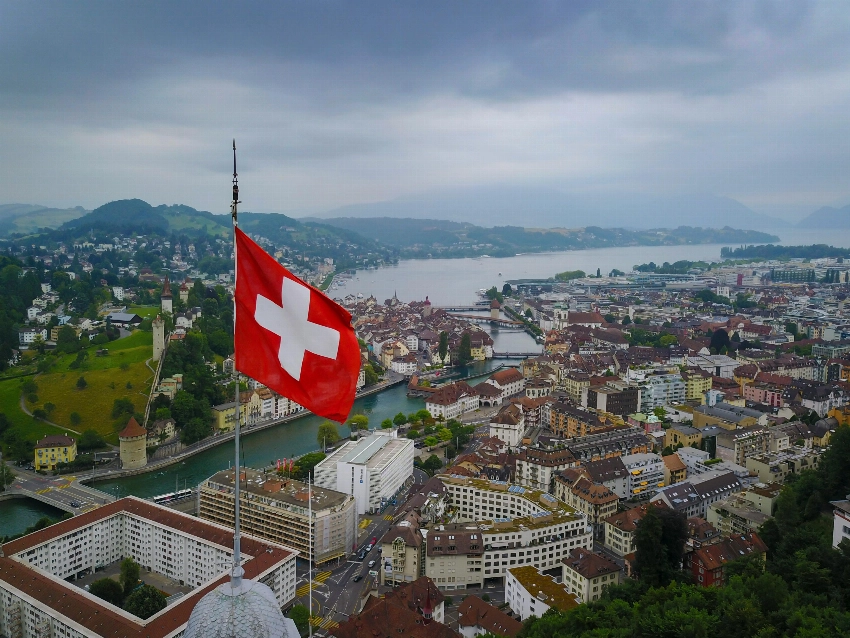
The Swiss quota system of work permits in 2026 is the same as used in the past: 8,500 total for the non-EU/EFTA countries of origin, such as India, apportioned across cantons, and filled on a first-come basis.
-
Total TCNs (incl. Indians): 8,500 permits (no sub-quota of India).
-
B Permits (Long-term Residence): 4,500 (longer stays (more than 12 months); more in demand).
-
L Permits (Short-term): 4,000 (not more than 12 months, renewable once).
-
Allocation, Population/economy shares are allocated to the cantons; e.g. Zurich/Geneva get the biggest shares - apply at an early stage, 63% map by 2025 historically.
-
Implications for Indians: Does favour specialists, the employer should have reasons with quotas.
Pro Tip: Apply early in the year (January-March) when quotas are freshest—B permits are more competitive than L permits, with higher demand among skilled workers.
What Is the Cost of Living in Switzerland for Indians in 2026?
In Switzerland, the cost of living among the Indians is CHF 2,5005,000/month (~ 2.3 3.7 lakh) per capita in densely populated cities such as Zurich/ Geneva, which is 4 to 5 times higher than in India because of high rents and imports, counterbalanced by salaries ofCHF 6,000 and above.
-
Accommodation: CHF 1,2002,000 (1.11.8 lakh) 1-bed apartment/shared room; student dorms CHF 6001000.
-
Food/Groceries: CHF 400600 (36k55k); household cooking Indian food CHF 300, restaurant 2030/meal.
-
Transport: CHF 80150 (7k14k) per month pass; half-fare car, and half-price discountforon residents.
-
Utilities/Internet: CHF 200300 (Rs.18k28k) electric, heating, telephone.
-
Health Insurance (Mandatory): CHF 300500 (28k46k); includes the basics.
-
Miscellaneous: Entertainment, gym, clothes CHF 200-400 ( 18k-37k).
Advice by our Expert: Consider cities like Basel, Bern, or Lucerne instead of Zurich or Geneva—similar quality of life at 20-30% lower costs, with equally strong job markets in finance and pharma.
What Are the Language Requirements to Migrate to Switzerland from India in 2026?
Switzerland has no language requirements for initial migration visas (work/study D visa), but allows/residencywith basic proficiency in the cantonal language (German/French/Italian/Romansh) of integration by CEFR levels.
-
First-time (D Visa/Work): no language requirement; English can be useful in skilled work in multinationals (Zurich/Geneva).
-
B Permit Issuance/Renewal: Oral A1 in local language; in cantons that do not permit integration agreement, an integration agreement may be required.
-
C Permit (Permanent): oral A2, written A1; more advanced in the case of early C (B1 oral/A1 written).
-
Citizenship: Oral B1, written A2+; canton-specific examinations such as FIDE/Goethe/TELC, accepted.
Pro Tip: Start learning German before arrival if relocating to Zurich, Basel, or Bern—even basic A1 proficiency dramatically improves daily life and demonstrates integration and commitment to authorities.
Which Swiss Canton Is Best for Indians to Migrate To?
Zurich and Geneva are the best cantons that Indian migrants can choose because India is represented by large Indian populations (around 20,000+ each), multinational employment in the IT/pharma/finance sector that is English-friendly, and greater work permit quotas.
-
Zurich: The biggest economy with a quota share of 30 per cent; Indiancentress such as technology companies (Google and UBS); the high wages (CHF 7,000 and over a month) and the expense of living to CHF 2,500; the Diwali celebrations are lively.
-
Geneva: To international organisations (UN, WHO), visas are sponsored; French / English dominate, family-oriented with schools; rent is a bit cheaper than in Zurich.
-
Vaud (Lausanne): Biotech/engineering opportunities (Nestlé, EPFL); increasing Indian student body; reduced taxes, breathtaking views of lakeside living.
-
Basel: Pharma capital (Roche, Novartis); German-speaking yet English in multinationals; cheap but not in Zurich, high job quotas.
-
Avoid Freshers: Small country cantons such as Ticino/Appenzell - fewer jobs, more stringent language /integration policies.
Expert Advice: Zurich canton does not offer lump-sum taxation for investment immigration—consider Zug, Schwyz, or Valais if pursuing the Golden Visa route with favourable tax terms.
How Long Does It Take to Get Swiss Citizenship from India in 2026?
Indians are required a total of 10-12 years of total residency to obtain Swiss citizenship (10 years B permit and 1-2 years processing) and integration tests (57 years reduced to 5-7 years when married to a Swiss citizen).
-
Residency Condition: 10 years of continuous residence in Switzerland on B/C permits (3 of 5 years); includes time on permits in full.
-
C Permit First: A2/B1 language/integration, Obtain permanent C after 10 years of B residency.
-
Application Stages: Federal (1 year), cantonal (618 months), municipal interviews/tests- total processing 1224 months.
-
Eligibility Tests: B1 oral/A2 local language, no criminal record, financial autonomy, cultural knowledge test (CHF 5002000 fees).
-
Fast-Track: Spouses of Swiss: 5 years residency + 3 years marriage; naturalised easily in case of 3rd gen.
Advice by our Expert: India does not permit dual citizenship—Indians must renounce Indian citizenship before acquiring Swiss nationality, making this a significant decision requiring careful consideration.
What Are Common Challenges Indians Face When Migrating to Switzerland?
The Indians are struggling to migrate to Switzerland because of tight quotas, high prices and cultural restrictions, although the salaries are too high to cover the costs.
-
Stringent Quotas and Labour competition: The total quotas on non-EU permits are 8,500 a year; employers have to demonstrate that no Swiss/EU applicant is suitable and prefers specialists with experience over freshers.
-
Premium Living Standards: CHF 3000+/month (equivalent to 2.8 lakh) puts pressure on savings; Zurich/Geneva cost of living CHF 2000 ina 1-bed, including compulsory insurance CHF 400.
-
Language Barriers: German/French/Italian needed to integrate/B permit renewal (A1+); English restricted to multinationals.
-
Socialisation: Swiss culture is reserved and causes isolation; small communities of Indians (~ 50,000 in total), yet racism is reported and slow friendships.
-
Processing/Rejection: 2-5 months; Schling Schindernhas a 15 per cent rejection rate of Indians in 2024 because of unfinished paperwork/money transfer documents.
-
Family: To move it all, there's a lot of paperwork. Family: Some dependents are difficult to transport at first; cantonal differences complicate moves.
Pro Tip: Join local Indian associations (like the Swiss Indian Association) and expat groups immediately upon arrival—networking accelerates both social integration and professional opportunities.
How can TerraTern Help You to find How to Migrate to Switzerland from India?
As an Indian immigration consultancy, TerraTern helps in Switzerland migration through customised instructions on visa, employment, and migration by taking advantage of its high rates of success in Europe.
-
Eligibility Test: AI-based free work/study visa checks in Switzerland, skills/quota/high-demand sector IT/pharma.
-
Visa Processing: End-to-end D visa, document preparation, VFS appointment, mock interview, takes care of refusal/rejection.
-
Job Search Support: Search 10,000 + internationally, LinkedIn ooptimisation employer contacts in the cantons of Zurich/Geneva.
-
Post-Landing Services: Housing, bank registration, language classes (German/French A1), advice on integration regarding B permit renewals.
-
Consultations: (Bangalore) specialists provide PR opportunities, reunion of families, revising quotas; 99.7% success rates.
Switzerland 2026: Work Permit Quotas, Salary Trends, and Living Costs Explained
Current Statistics & Developments:
|
Factor |
2026 Data |
|
Work Permit Quota (Non-EU) |
8,500 permits (4,500 B permits, 4,000 L permits) |
|
Quota Utilisation (Oct 2024) |
~63% exhausted |
|
Average Swiss Salary |
CHF 59,000/year (2026) |
|
Inflation Rate (Jan 2026) |
0.6% |
|
Monthly Living Cost (Single) |
CHF 4,500-5,500 |
|
Health Insurance Premium |
CHF 378.70/month average |
|
PR Timeline |
10 years (5 years with excellent integration) |
Expert Insight Quote: "Switzerland's 2026 work permit quotas remain unchanged from previous years, offering continued opportunities for skilled professionals from India despite the competitive application process." — Swiss Federal Council, November 2024
Trend Analysis:
-
Quota system remains stable with 8,500 annual permits for non-EU nationals
-
Croatian nationals now exempt from quotas (January 2026)
-
Digital nomad visas are not yet available; standard work permits are required
-
Integration requirements are becoming stricter under FNIA regulations
Conclusion
The process of migration of the Indian nationals to Switzerland in the year 2026 would necessitate the Indian nationals to obtain an entry visa at the Swiss Embassy in New Delhi based on entry modalities such as skilled employment (annual quota), family reunification, business establishment, retirement, or study and then apply to the concerned cantonal office to obtain a B permit as their initial temporary residence.
Application to renew the B permit after 10 consecutive years, and integration measures such as language proficiency and financial security result in the C permit of permanent residency, and post-arrival procedures such as obligatory health insurance within three months, commune registration, and opening a bank account, amongother expensive living conditions. The key to success lies in thorough documentation, cantonal differences in taxation and favouritism in permissions, and quality immigration counsel services to overcome the rigid non-EU regulations, finally providing the high quality of life that Switzerland has to offer to those who persist.
Contact TerraTern for more information on how to migrate to Switzerland from India: Complete 2026 Guide.




 AI Summary