Key Highlights
- What Are Graduate Engineering Jobs Germany?
- Why Should Fresh Graduates Choose Germany for Engineering Careers in 2026?
- What Types of Entry-Level Graduate Engineering Jobs Are Available in Germany?
- How Much Do Graduate Mechanical Engineering Jobs Germany Pay in 2026?
- What Are the Top Specialisations for Graduate Mechanical Engineering Jobs in Germany?
- Top German Cities Offering Graduate Engineering Jobs in 2026
- What Qualifications Do You Need for Entry-Level Graduate Engineering Jobs in Germany?
- How Can International Graduates Apply for Engineering Jobs in Germany?
- What Visa Options Exist for Graduate Engineers Moving to Germany?
- Which Companies Are Actively Hiring Graduate Engineers in Germany in 2026?
- What Skills and Technologies Should Graduate Engineers Master for the German Job Market?
- How Does the German Work Culture Differ for Engineering Graduates?
- What Career Progression Can Graduate Engineers Expect in Germany?
- What Are the Living Costs and Quality of Life for Graduate Engineers in Germany?
- What Are the Latest 2026 Industry Trends for Graduate Engineering Jobs in Germany?
- How Can TerraTern Help You with Your Problem in 2026?
- Conclusion
Graduate engineering jobs Germany are an opportunity in itself due to the incumbent engineering talent shortage of more than 320,000 positions by the year 2026. The Graduate engineering jobs Germany (among other specialities) are available in other fields. The demand for fresh graduates continues to skyrocket in industries such as automotive, aerospace, renewable energy, and Industry 4.0 technologies. Germany is the right place to start your engineering career with good remuneration, active visa regulations, and state-of-the-art training facilities.
What Are Graduate Engineering Jobs Germany?
Graduate engineering jobs Germany are those entry-level jobs that are provided to new engineering graduates in various fields, including mechanical, electrical, civil, and software engineering. These positions usually include well-organised mentoring, practical training, and participation in projects, establishing a good professional basis in one of the industrial giants of Europe.
Why Should Fresh Graduates Choose Germany for Engineering Careers in 2026?
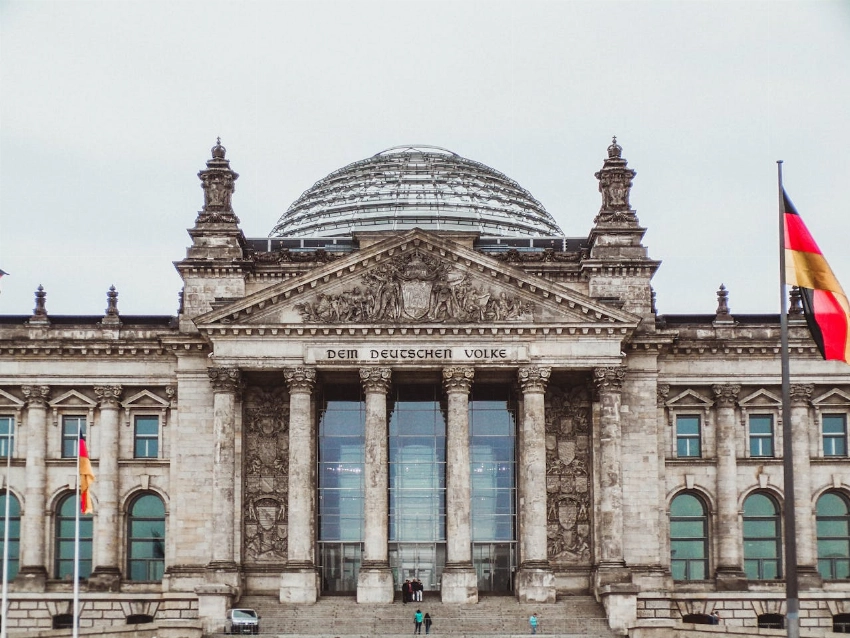
Proposes exceptional benefits to graduate engineering jobs Germany, interested in commencing their careers, such as attractive remuneration, comprehensive social welfare, and an innovation-driven workplace enhanced by the use of Industry 4.0.
- By 2026, Germany anticipates the lack of more than 320,000 engineers and provides a lot of employment.
- The salaries paid at the entry level are between 45000 and 55000 euros per year.
- Existence of good work-life balance and an average 35-40-hour work-week.
- Easy access to permanent residency through the EU Blue Card and other visas.
Expert Guide: According to our experts from TerraTern, the German engineering industry not only provides employment but also full career ecosystems of mentorship, lifelong learning, exposure to innovative ideas, and well-defined career progression, which can land a graduate in the global market with significant success.
Also Read: Germany Cuts Visa Time for Indian Workers to 2 Weeks
What Types of Entry-Level Graduate Engineering Jobs Are Available in Germany?
Graduate engineering jobs Germany at the entry level are extensive, and a job position is offered in various disciplines (mechanical, electrical, civil, software, and mechatronics), with each having its own growth opportunities and responsibilities.
- Mechanical Engineering: R&D assistant, production engineer, design engineer
- Electrical Engineering: Electronics developer, power systems engineer, automation engineer
- Civil Engineering: Structural designer, construction planner, surveyor
- Software Engineering: CAD expert, data analyst, embedded systems developer
- Interdisciplinary Roles: Energy systems designer, robotics engineer
|
Engineering Discipline |
Entry-Level Salary (EUR) |
After 3 Years (EUR) |
|
Mechanical Engineering |
45,000 – 55,000 |
60,000 – 75,000 |
|
Electrical Engineering |
47,000 – 57,000 |
62,000 – 77,000 |
|
Civil Engineering |
43,000 – 52,000 |
58,000 – 70,000 |
|
Software Engineering |
50,000 – 60,000 |
68,000 – 82,000 |
Expert Advice: According to our experts from TerraTern, the most versatile graduate positions combine core engineering discipline expertise with transferable skills in CAD software, data analytics, and project management—competencies valued across all German engineering sectors.
How Much Do Graduate Mechanical Engineering Jobs Germany Pay in 2026?
Entry-level Graduate mechanical engineering jobs Germany are usually paid a salary of between 45000 and 55000 a year. Robotics engineers and automotive designers are categorised under specialised roles, and are earning an average of between €55,000 -€65,000 with benefits that include health insurance, pension scheme, and a large amount of paid leave to Graduate mechanical engineering jobs Germany.
|
Specialization |
Entry Salary (EUR) |
After 2 Years (EUR) |
Top Cities |
|
General Mechanical Engineer |
45,000 |
55,000 |
Munich, Stuttgart, Berlin |
|
Automotive Engineer |
50,000 |
60,000 |
Munich, Stuttgart |
|
Aerospace Engineer |
48,000 |
58,000 |
Hamburg, Munich |
|
Robotics Engineer |
55,000 |
65,000 |
Berlin, Stuttgart |
|
CAD/CAE Specialist |
47,000 |
57,000 |
Munich, Berlin |
|
Thermodynamics Specialist |
46,000 |
56,000 |
Berlin, Hamburg |
Expert Tip: According to our experts from TerraTern, Graduate mechanical engineering jobs in Germany with CAD proficiency (SolidWorks, CATIA) and basic German language skills (B1 level) typically command 8-12% higher starting salaries than peers without these qualifications.
What Are the Top Specialisations for Graduate Mechanical Engineering Jobs in Germany?
The graduate engineering jobs Germany focus on the industries that are in line with Industry 4.0 and technological innovation. The top areas for hiring and salary increase are robotics and automation, automotive e-mobility, CAE simulation, thermodynamics, and optimisation of manufacturing.
Robotics and Automation Engineering
Graduate engineering jobs Germany, industrial robotics, hardware, and software integration to spur productivity.
-
Location: Boston, Massachusetts (PLC), skills, sensor integration, robotic system design
-
Employers: KUKA, ABB, Siemens
-
Activities: The design, implementation, and maintenance of collaborative robots.
-
Specialisation: AI and machine coordination is part of career development.
Expert Stake: According to our experts from TerraTern, ROS (Robot Operating System) engineers with experience and familiarity with collaborative robot programming access 40% of the jobs as compared to mechanical graduates in general.
Automotive Engineering and Electric Mobility
Graduate engineering jobs Germany automotive sector are fast developing into electric and autonomous vehicles, which provides graduates with a variety of opportunities.
-
Industry Change: Electric drive systems and lightweight materials
-
Employers: BMW, Volkswagen, Mercedes-Benz, Porsche
-
Graduate Jobs: Battery systems, electric powertrain engineering
-
New Technology: Self-driving cars
Expert Guide: According to our experts from TerraTern, the electric vehicle shift has generated 35% more additional entry-level opportunities in the powertrain engineering field than it would have been in 2023, and battery thermal management specialists are in demand.
Computer-Aided Engineering (CAE) and Simulation
Product design and software simulation testing in modern mechanical engineering require CAE in graduate engineering jobs Germany.
-
Tools: ANSYS, SolidWorks, CATIA, COMSOL
-
Types of Analysis: Finite Element Analysis (FEA), Computational Fluid Dynamics (CFD), thermal
-
Industries: Transport, aerospace industry
-
Certification: ANSYS certification increases employability and remuneration
Expert Advice: According to our experts from TerraTern, CAE graduates are certified with ANSYS and earn 15-20 per cent higher than the basic mechanical engineering wages and are offered employment opportunities 30 per cent quicker than non-certified graduates.
Thermodynamics and Energy Systems
Graduate engineering jobs Germany, Energiewende is a stimulus in need of thermodynamics specialists in the field of sustainable energy systems.
-
Applications: HVAC, heat exchangers, power generation
-
Employers: Carbon neutrality and renewable energy companies
-
Professional Area of Interest: Heat pump, district heating development
-
Trends: The demand is expected to grow at 28 per cent per annum because of carbon neutrality objectives
Expert Tip: According to our experts from TerraTern, since Germany is determined to become carbon-neutral by 2045, it will require specialists in thermodynamics by 28% every year, especially in the field of heat pumps and optimisation of district heating.
Manufacturing and Production Engineering
Graduates gain manufacturing jobs based on Industry 4.0 and lean manufacturing principles, which provide a chance to make a contribution to the development of a smart factory.
-
Ideas: Lean Six Sigma, knowledge in ERP systems (SAP).
-
Common Jobs: Production planner, process engineer, quality control.
-
Career Development: Graduate trainee to production manager.
-
Certification: Lean Six Sigma Green Belt is highly regarded.
Expert Stake: According to our experts from TerraTern, lean Six Sigma Green Belts with knowledge of ERP systems (SAP) can have 50 per cent more chances of securing graduate jobs in the automotive and aerospace industries.
Also Read: Germany Job Seeker Visa Success Rate: Latest Update
Top German Cities Offering Graduate Engineering Jobs in 2026

Graduate engineering jobs Germany have various industry focuses, remuneration ranges, and living standards. Selecting the appropriate city may have an effect on your career ratio and lifestyle.
|
City |
Avg Salary (EUR) |
Cost of Living Index |
Notable Industries |
|
Munich |
52,000 – 58,000 |
High (90/100) |
Automotive, Aerospace |
|
Stuttgart |
50,000 – 55,000 |
Medium (75/100) |
Manufacturing, Engineering |
|
Berlin |
45,000 – 50,000 |
Medium (70/100) |
Tech, Startups |
|
Dresden |
42,000 – 48,000 |
Low (55/100) |
Semiconductors, Research |
Expert Guide: According to our experts from TerraTern, while Munich offers the highest absolute salaries (€52,000-€58,000), cities like Dresden and Leipzig provide superior salary-to-cost-of-living ratios, allowing graduates to save 20-25% more despite lower nominal pay.
What Qualifications Do You Need for Entry-Level Graduate Engineering Jobs in Germany?
The entry-level graduate engineering jobs in Germany require validated engineering degrees (bachelor's, master's) and technical software skills, as well as language proficiency. Anabin database and certifications such as VDI or TUV improve employability, whereas the knowledge of the German language (preferably on the B1-B2 level) increases the chances of getting an entry-level graduate engineering jobs in Germany.
-
Education: Accepted degree in engineering, proven through the Anabin database.
-
Technical Skills: CAD (SolidWorks, CATIA) and simulation (ANSYS) software, programming languages (Python, C++).
-
Language: Basic/intermediate German (B1-B2), English proficiency; some positions allow entry-level graduate engineering jobs in Germany to be performed in English.
-
Certifications: VDI, TUV certifications desired.
-
Soft Skills: Teamwork, punctuality, and organised thinking.
-
Portfolio: Suggestions for relevant project work and internships.
Expert Advice: According to our experts from TerraTern, although knowledge of German (or any foreign language) greatly increases opportunities (the number of positions available with B2 German is 70 per cent higher), multinational corporations, as well as startups, are now offering English-only graduate programs, especially in software and data engineering.
How Can International Graduates Apply for Engineering Jobs in Germany?
Germany is ranked among the most preferred engineering destinations in the world, with unfathomable career opportunities, attractive remuneration, and the opportunity to join some of the highly esteemed companies in the world with regard to technological advances. Germany is a country with a strong industrial base and a focus on research and development, as well as an innovative work culture that receives new engineering students in the field of mechanical, electrical, civil, and software engineering, among others.
Finding Job Openings and Opportunities
The opportunities that graduate engineering jobs Germany will find through major portals and professional networks are by targeting employers on visa sponsorship programs.
-
Apply through job-searching sites, such as StepStone, LinkedIn Germany, Indeed, and XING.
-
Use personalised applications by using the career pages of the company.
-
Create job alerts and refine based on the availability of visa sponsorship.
-
Learn the typical job titles (Internship vs Trainee vs Junior Engineer)
Expert Tip: According to our experts from TerraTern, the acceptance rates are 60 times greater when one targets companies that have developed international graduate programs (Bosch Graduate Program, Siemens Graduate Program), since such employers have simplified the visa sponsorship procedures.
Preparing German-Standard Application Documents
The formatting of German cover letters and German CVs is also unique in a way that understanding it is important to graduate engineering jobs Germany.
-
CV in chronological order with photographs, dates of study, and dissertations.
-
Research, a formal cover letter that mentions motivation and knowledge of the company.
-
Foreign documents are needed, and certified translations are made.
-
Inventory of technical projects.
Expert Stake: According to our experts from TerraTern, employers in Germany require all the relevant details on the resume, such as the precise date of graduation, thesis title, and grade average or grade classification, because surveys of recruiters show that this type of information tends to decrease the number of call-backs by 40 per cent.
Application Timeline and Process Expectations
Graduate engineering jobs in Germany are usually done through several interview processes and technical tests.
-
Mean time taken: 6-12 weeks between application and offer.
-
Stages: HR screening, technical interview, assessment centre, final interview.
-
Ready to solve problems and give technical presentations.
-
The response to the follow-up messages is welcome.
Expert Guide: According to our experts from TerraTern, the German firms also undertake 2-4 interviewing sessions with high emphasis on technical competency testing- graduates must train to solve engineering problems on paper or a board during the interview.
Networking Strategies for International Graduates
Networking assists in getting out of advertised positions as well as getting inside information.
-
Membership in VDI, events, and forums.
-
Contact LinkedIn engineering groups in Germany.
-
Direct employer contact, such as attending industry fairs such as Stuzubi, Einstieg.
-
Make informational interviews and alumni networks.
Expert Advice: According to our experts from TerraTern, German engineering career fairs such as Stuzubi and Einstieg are opportunities to get in direct contact with recruiters who are actively looking to hire international talent, and the chances of getting an invitation to an interview are high in 2-3 weeks in case of a qualified candidate.
Read More: How to Migrate to Germany from India? Experts Guide
What Visa Options Exist for Graduate Engineers Moving to Germany?

Germany has a number of visas to graduate engineering jobs that allow work permission, family membership, and residence visas.
|
Visa Type |
Requirements |
Processing Time |
Benefits |
Path to PR |
|
University degree, €45,300 salary |
1-3 months |
Fast track PR, family reunion |
21-33 months |
|
|
Recognised qualification, job offer |
2-4 months |
Work permit, family reunion |
~48 months |
|
|
Points-based, 1-year job search |
1-2 months |
Part-time work, residency path |
Varies |
Expert Tip: According to our experts from TerraTern, to the extent available to them (requires a higher salary level), engineers are recommended to apply for the EU Blue Card instead of a regular Skilled Worker Visa because it is a faster route to permanent residence (21-33 months instead of 48 months) and it has better family reunification policies.
Which Companies Are Actively Hiring Graduate Engineers in Germany in 2026?
The structured graduate program in Germany has been recruiting new talent in top German employer graduate programs, including mentoring, exposure, and visa sponsorship.
-
Car: BMW Graduate Program, Volkswagen, Mercedes-Benz, Porsche, and Audi.
-
Industrial Automation: Siemens Graduate Program, Bosch International Graduate Program
-
Aerospace: Airbus graduate scheme, aero engines, MTU
-
Energy / Tech: RWE, E.on, SAP, Infineon
Expert Stake: According to our experts from TerraTern, firms that have structured career development via formalised Trainee or Graduate programs (such as Siemens Graduate Program, Bosch International Graduate Program) provide much more rigorous career development and usually fund work visas for qualified external applicants.
What Skills and Technologies Should Graduate Engineers Master for the German Job Market?
Acquisition of fundamental technical expertise and new technologies is key to graduates who would succeed in graduate engineering jobs in Germany.
Expert Guide: According to our experts from TerraTern, graduates who combine traditional engineering expertise with data analytics skills (Python, SQL, Power BI) and German language proficiency (minimum B1) receive 2.3x more interview invitations than peers with engineering skills alone.
How Does the German Work Culture Differ for Engineering Graduates?
To fit in the German work culture, one needs not only technical expertise but also knowledge of a professional setting that is based on precision, structure, and respect for others. German workplaces focus on punctuality as a non-negotiable value, and being punctual is regarded as being professional and respectful. Germans are more straightforward and open, preferring to speak clearly rather than vaguely, and this is also a cultural adjustment, especially for newcomers.
Expert Advice: According to our experts from TerraTern, formality conventions (proper salutations, signature format, expected response time) of the German email culture, as well as its punctuality norms (5 minutes early is normal), will greatly help in expediting the process of professional integration and acceptance of the new team.
What Career Progression Can Graduate Engineers Expect in Germany?
The career development in the German engineering companies is well organised, providing definite milestones and chances for improvement. Graduates normally begin as a Junior Engineer, and they are usually involved in skills development, and they are given a chance to work under their mentor. Having proven technical skills and professional development, they become an Engineer or Specialist level and have more complicated projects and responsibilities.
Expert Tip: According to our experts from TerraTern, technical profundity, German engineering careers pay off when engineers stay technical (with specialised certifications (VDI, TUV)) and retain their technical skills, rather than moving to management too soon.
What Are the Living Costs and Quality of Life for Graduate Engineers in Germany?

Graduate engineers in Germany have a very high standard of living, which has varying costs depending on the city, but on the whole provides very high living standards with a high savings potential. The larger engineering locations, such as Munich and Frankfurt, have a more expensive cost of living, most of which is attributed to the cost of housing, but they also compensate with a higher salary level. Greater affordability of living is provided in cities such as Leipzig and Dresden, where the cost of rent and other daily living costs are less, but the cultural richness and facilities can be enjoyed by the graduates.
Expert Stake: According to our experts from TerraTern, the graduate engineer in the less desirable cities, such as Dresden or Aachen, will be earning between 30-40% entry-level base pay but with the same or even better quality of life than in the prohibitive hubs such as Munich, and therefore these cities are the perfect ones to accumulate first savings and pay off college loans.
Also Read: Germany Work Visa: Types, Fees, Eligibility & Benefits
What Are the Latest 2026 Industry Trends for Graduate Engineering Jobs in Germany?
The graduate engineering jobs in Germany in 2026 are defined by the fast embrace of automation, digital manufacturing, green energy, and AI, generating the need for qualified graduate engineers who are conversant with these technologies.
- Growth of sustainable and green technology in engineering projects.
- Increasing interest in AI and machine learning in product design and manufacturing.
- Digital twins and simulation tools are becoming an industry standard.
- Cybersecurity engineering system integration.
Expert Guide: According to our experts from TerraTern, graduates who integrate standard engineering principles with Industry 4.0 skills, especially AI, IoT, and sustainable design, place themselves in the top 20 per cent of applicants to the most competitive graduate programs in Germany.
How Can TerraTern Help You with Your Problem in 2026?
The intricacies of landing graduate engineering jobs Germany are less difficult with specialised assistance. TerraTern is a company providing individual services to help you have a successful career in Germany with the help of credential recognition, optimisation of your application, visa processing, and integration upon arrival.
- Credential Recognition: TerraTern is a service that helps you validate and identify your diplomas with the help of official databases like Anabin, which allows your degrees to be recognised as German-employable.
- Application Optimisation: Have a customised CV and cover letter service that meets German market expectations, and have a better chance of getting a job.
- Visa Processing: Professional advice on the appropriate visa (EU Blue Card, Skilled Worker Visa, Opportunity Card), the required documents, and the application process in the most efficient way possible.
- Post-Arrival Support: TerraTern provides a continuum of support to help you settle in since you need to find a place to live, get assimilated into the German work culture, and local communities.
Expert Guide: According to our experts from TerraTern, navigating the process of credential recognition, job search tactics, and pre-vetted employer contacts, which is generally advantageous in job-seeking by graduates, can lower the time-to-employment average by 3-4 months, working with specialised immigration consultants such as TerraTern, who are critically important in competitive graduate-to-employer matches.
Conclusion
Due to the severe lack of engineering talent and good economic infrastructure in Germany, 2025 is the best period for international graduates to advance in their careers. With your mechanical and multidisciplinary engineering expertise and strategic planning and specialist guidance, you can be assured of rewarding graduate engineering jobs in Germany and succeed in the most industrialised country of Europe. For official information on the German labour market and job opportunities for international professionals, visit the Federal Employment Agency website.
To know more about mechanical engineering jobs in Germany, contact TerraTern now!




 AI Summary