![What is Butcher Ausbildung in Germany? [Complete Guide] - TerraTern](https://media.terratern.com/blog/what_is_butcher_ausbildung_in_germany_complete_2026_guide_1767597378.webp)


Key Highlights
- What is Butcher Ausbildung in Germany, and How Does It Work in 2026?
- What Skills Will You Learn During Butcher Ausbildung in Germany?
- What Are the Butcher Ausbildung in Germany Requirements for Indians in 2026?
- What is the Butcher Ausbildung in Germany Salary for Indians in 2026?
- How Do You Apply for Butcher Ausbildung in Germany in 2026?
- Where Can You Find Butcher Ausbildung Positions in 2026?
- What Documents Do You Need for a Butcher Ausbildung Application in Germany in 2026?
- What Career Opportunities Exist After Butcher Ausbildung in Germany in 2026?
- Can You Pursue Master Butcher (Fleischermeister) Certification in Germany in 2026?
- What is Life Like as a Butcher Trainee in Germany?
- What Challenges Do Indian Students Face During Butcher Ausbildung in Germany in 2026?
- How Can You Build a Support Network as an International Trainee in Germany?
- What Are the Visa and Immigration Requirements for Indian Students in Germany in 2026?
- How Does Butcher Ausbildung Lead to German Permanent Residence in 2026?
- How Can TerraTern Help With Butcher Ausbildung in Germany?
- Butchery Careers in Germany: 2026 Salary Trends, Skills Shortages, and the Future of the Industry
- Conclusion
The Butcher Ausbildung in Germany is a dual vocational training program that takes 3 years to complete (called Fleischer Ausbildung), which combines both classroom theory training as well as practical training hands-on in a butcher shop or meat-care processing plant. Ideal for people with a passion for food processing, it provides participants with skills in processing meat, sausage making, hygiene standards and customer service and a monthly stipend. With consistent demand for good butchers, this career path is a job security, cultural integration and career path in Germany's historically strong food industry for 2026 starters.
What is Butcher Ausbildung in Germany, and How Does It Work in 2026?
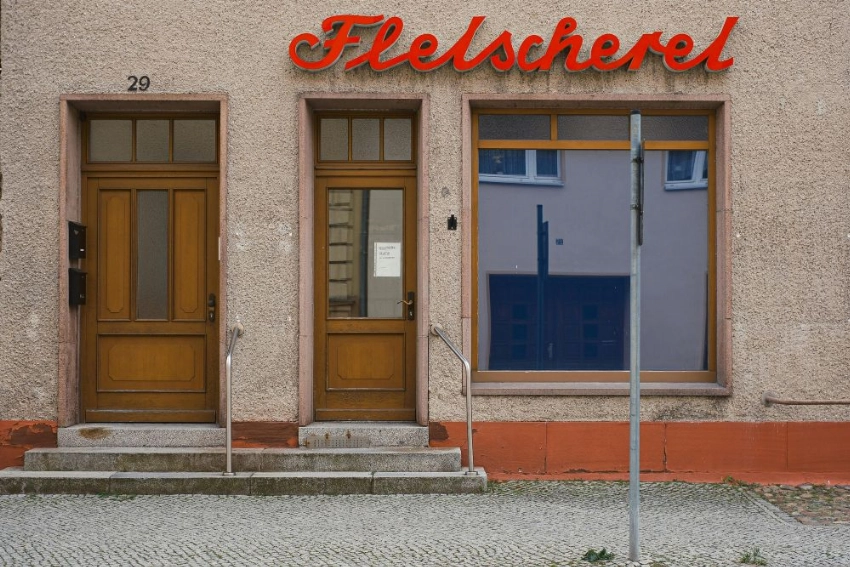
Butcher Ausbildung in Germany is a state-regulated 3 year long state dual vocational training course where trainees alternate their time in the butcher shop or meat processing plant (3-4 days a week) and in vocational schools/colleges (1-2 days a week) while earning a progressively increasing amount of money each month and learning meat cutting and sausage making, as well as food safety and business administration.
-
Ausbildung Definition: The process of Ausbildung in Germany is a cornerstone in the education system in Germany, since after Germany, 50% of the youth undergo an Ausbildung, which is a practical and job-ready type of training rather than an academic degree.
-
Dual Model: Integrates on-the-job butcher training (Betrieb, company) with vocational school training (Berufsschule, school of crafts) so as to build up a balance of butcher skills.
-
Time Balance: 70-80% practical (i.e. housing to meat: 3-4 days/week; meat preparation, sales); 20-30% theory (i.e. housing to science: 1-2 days/hygiene).
-
Weekly Schedule: Monday-Thursday, company (cutting, hygiene), Friday, school Exams yearly.
-
Yearly Progression: Year1 basics, Year2 advanced techniques, Year 3 specialisation and IHK exams
-
Vs. University: Shorter, paid, route to work, 3-5 year theory, hefty degrees better than some food, Ausbuildings in demand.
-
DQR Level 4: Equivalent to higher education entrance, recognised EU-wide.
-
Certification Bodies: IHK: Exams for commercial butchers, HWK: Bosjang orientated paths.
As per TerraTern Expert, Shreya, unlike many countries where butchery is learned informally, Germany's structured Ausbildung transforms it into a respected profession with formal certification, making your qualification recognised across all 27 EU member states—a significant advantage for long-term career mobility.
How Does the Dual Education System Work in Butcher Training?
The dual system consists of 70% practical training in the butcher shops (learning cutting techniques, making sausages, customer service) and 30% theoretical teaching in the vocational schools (learning meat science, hygiene regulations, how business works), and trainees can put to practice, right away in the real environment, what they have learned in class, being paid by the employer.
-
70-30 Split: 3-4 days company practice, 1-2 days school theory in butcher Ausbildung in Germany dual system
-
Company Training: Meat selection, precise cutting/boning, use of machine (grinders, slicers), advising customers on products.
-
School Subjects: Anatomy/meat science, HACCP hygiene laws, nutrition basics, sales/accounting for Butcher Ausbildung in Germany.
-
Complementary Nature: Theory guiding Practice (e.g. rules of hygiene, followed during the day-to-day life of the community), Rotations develop full expertise.
-
Ausbildungsvertrag: Legal contract agreeing on the trainee, company, and school. Details of pay, duties, and duration.
-
Evaluations: Mid-year practical tests, final IHK written/practical exams, and shop project.
-
Vs. School Only: Dual program with a 90% employment rate, versus lower employment rates for a purely classroom program; real income during training.
Key Note: The dual system's greatest strength is immediate application. When you learn about temperature control for meat storage in school on Tuesday, you're implementing those exact protocols in the butcher shop by Thursday, creating a more profound understanding and better retention than traditional education models.
What Skills Will You Learn During Butcher Ausbildung in Germany?
The skills you will learn during the butcher ausbildung are:
|
Year |
Technical Skills |
Soft/Business Skills |
Safety Competencies |
|
Year 1 |
Basic cutting/boning, recognition of meat (beef/ pork/ poultry), tools, hygiene protocols |
Teamwork basics, Time management, & Intra customer service |
HACCP intro, Knife safety, Work station clean up |
|
Year 2 |
Delegate techniques, sausage production (Bratwurst, Salami, 40+ varieties), curing/smoking, and machine operation |
Customer consultation, problem-solving, sales pitches |
Temperature controls and cross-contamination prevention. |
|
Year 3 |
Artisanal specialities, quality control, packaging/inventory, management |
management prep of the shop, Leadership, negotiating,a nd reducing waste strategies |
Complete HACCP compliance of our emergency procedures and audits |
Important Note: German butcher training goes far beyond cutting meat—you'll master 40+ traditional sausage recipes passed down through generations, learn to identify quality differences invisible to untrained eyes, and gain business acumen to potentially run your own shop, making you a true craftsman rather than just a technician.
Also Read: What is the Butcher Ausbildung in Germany Salary?
What Are the Butcher Ausbildung in Germany Requirements for Indians in 2026?
Butcher ausbildung germany requires Sec Education (Class 10-12 Equivalent), B1 B2 german typical age of 18-30 years physical preparedness for manual work, open access entry with no compulsory prior vocational background butcher ausbildung in germany requirements.
-
Education: Minimum of class 10 and class 12 to add force to the application
-
Language: B1 accepted; B2 very great improvement in the workplace + Berufsschule success.
-
Age: Typically 18-30; just no strict upper limit by law.
-
Fitness/health: long on your feet, cold-work proof, food-handling free."
-
Documents: CV, motivation letter, certificates from school + language
-
Indians: Ausbildung visa usually requires a training contract signed & German proof.
-
No subject/experience prerequisite Training: Basics Start
Expert Advice: Unlike many skilled trades worldwide, German butcher Ausbildung has remarkably accessible entry requirements—you don't need previous experience, high grades, or specialised education, making it ideal for career changers and those seeking practical vocational paths over academic routes.
What German Language Level Do You Need for Butcher Ausbildung?
Minimum B1 (CEFR) German is commonly required; B2 is recommended regarding technical terms, safety rules, vocational school lessons, and customer communication. Certificates are usually accepted from Goethe-Institut, telc, TestDaF, or the OSD under butcher ausbildung in germany requirements.
-
CEFR: levels are respectively: A1 (beginner), B1 (intermediate), C1 (advanced) and C2 (near-native). Ausbildung is usually directed at levels B1 and B2.
-
B1: Comprehension of instructions and basic teamwork talk, simple customers' requests.
-
Language Proficiency: B2 - able to deal with at least explanations, technical vocabulary & exam-style writing.
-
Why B2 Helps: Certainly, Berufsschule content becomes easier + Safety document becomes easier.
-
Prep Timeline: approximately ~6 months to 12 months to B1, approximately 4 months to 6 months to B2 (varies).
-
India Costs: Course costs vary considerably from city/provider; the budget should be carefully planned.
-
Extra Support: Various employers offer extra support, such as language help, at their campus.
Important Tip: While B1 meets the bare minimum, investing 4-6 extra months to reach B2 before applying dramatically improves your training experience—you'll understand technical terms like "Brühwurst" (scalded sausage) vs "Rohwurst" (raw sausage) in school, communicate confidently with customers, and score higher on your final exams, potentially leading to better job offers.
Do You Need Previous Experience to Apply for Butcher Ausbildung?
No, butcher ausbildung is for the unskilled beginners, and it begins with basics like safety with knives, identification of the meat, hygiene practices, basic production, so the career changers and the fresh graduates can also apply under butcher ausbildung in germany requirements .
-
No Experience Needed: is common since training is set up from nothing.
-
What Helps (not necessary): Interest in food craftsmanship, stamina, precision, and hygiene.
-
Early Phase: Tool handling, safety briefings, workstation routines, basic cuts.
-
Optional Prep: Visit local butchers, learn meat cut terms, and watch technique lessons.
-
Selection Focus: Relevance of motivation, reliability, and the willingness to learn is more important than skills
As per TerraTern Expert, Divyash, German employers actually prefer hiring complete beginners for Ausbildung because they can train you in their specific methods without having to "unlearn" techniques from other places—your fresh perspective and willingness to learn matter far more than previous experience.
What is the Butcher Ausbildung in Germany Salary for Indians in 2026?
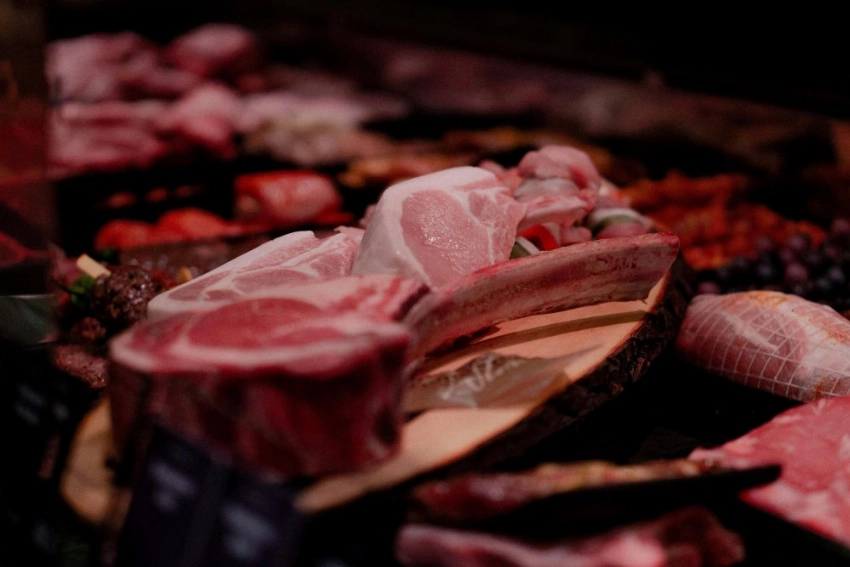
Butcher ausbildung in germany salary range: EUR750 to EUR1,100 (Year 1) monthly during training period, EUR850 to EUR1,200 (Year 2) monthly during training period, EUR950 to EUR1,300 (Year 3) monthly during training period, butcher salary after qualification range from EUR2,500 to EUR3,000 (EUR30,000 to EUR36,000 EUR per year), to EUR3,500+ (EUR
|
Aspect |
Year 1 |
Year 2 |
Year 3 |
Post-Ausbildung |
|
Monthly Stipend (€) |
750–1,100 |
850–1,200 |
950–1,300 |
2,500–3,500 start |
|
Annual Gross (€) |
9,000–13,200 |
10,200–14,400 |
11,400–15,600 |
30,000–42,000 |
|
Regional High (e.g., Bavaria) |
+10-20% |
+10-20% |
+10-20% |
36,000–42,000 Munich |
|
INR Conversion (~, 2026 rate) |
7–9L |
8–10L |
9–11L |
25–35L |
|
Progression (5+ yrs) |
N/A |
N/A |
N/A |
40,000 |
|
Master Butcher |
N/A |
N/A |
N/A |
45,000 |
Expert Tip: While training stipends might seem modest (€850-€1,200), remember you're paying zero tuition fees unlike university students who accumulate ₹15-20 lakhs in debt—by the time they graduate, you'll have earned €36,000+ during training, gained three years of experience, and started a €2,500+ monthly salary career, putting you years ahead financially.
How Does Butcher Salary Compare Across Different German Cities?
Butcher ausbildung in germany Salary: Post-training: peaks in Munich: Eur36k - Eur42k/yr, Stuttgart: Eur36k - Eur40k, Frankfurt: Eur35k - Eur39k due to cost/economy, Berlin: Eur30k - Eur34k, Leipzig: Eur28k - Eur32k - cheaper but affordable living.
|
City |
Entry Salary (€/yr) |
Experienced (€/yr) |
Rent (1-bed, €/mo) |
Value Ratio (Salary/Living) |
|
Munich |
31k–36k |
36k–42k |
1,200–1,800 |
Medium (high costs) |
|
Stuttgart |
28k–33k |
33k–40k |
900–1,400 |
High |
|
Frankfurt |
29k–35k |
35k–39k |
1,000–1,500 |
Medium |
|
Hamburg |
27k–32k |
31k–36k |
900–1,400 |
Medium |
|
Berlin |
25k–30k |
30k–34k |
700–1,100 |
High (Indian community) |
|
Leipzig |
24k–28k |
28k–32k |
400–700 |
Highest (low costs) |
As per TerraTern Expert: Don't automatically chase Munich's higher €38,000 average salary—cities like Nuremberg or Freiburg offer competitive €33,000-€35,000 salaries with 30-40% lower rent (€600 vs. €1,000+), potentially leaving you with more disposable income and a better quality of life.
What Additional Benefits Do Butcher Trainees Receive Beyond Salary?
Butcher trainees get employer-paid health insurance, 24-30 days vacation, 49 Euro/euro Deutschlandticket transportation, free uniforms/tools/meals, holiday bonuses, pension contributions-100% of the whole package value - ~20% more than the butcher ausbildung in germany salary.
|
Benefit |
Details |
Value (€/yr est.) |
|
Health Insurance |
Public (Krankenversicherung), the employer covers half |
1,200 (full coverage) |
|
Vacation |
24-30 days paid annually |
Equivalent to 2–3 months' salary |
|
Transport |
Deutschlandticket €49/mo unlimited |
500 savings |
|
Uniform/Tools |
Knives and clothing are provided free |
300–500 |
|
Food/Meals |
Reduced-cost meat/lunches |
600–1,000 |
|
Bonuses |
Holiday/13th month (some firms) |
500–1,000 |
|
Accommodation Aid |
Subsidies €200–400/mo select cities |
Up to 3,000 |
|
Pension/Unemployment |
Nominal contributions Funded by the government |
Long-term security |
Key Note: When you calculate total compensation—€900 stipend + €150 health insurance + €49 transport + €100 uniform/tools + €50 food discounts + €80 vacation value—your effective monthly package reaches €1,329, significantly higher than the stated salary and often covering 90-100% of living expenses even in expensive cities.
Also Read: Ausbildung in Germany | Work While Studying
How Do You Apply for Butcher Ausbildung in Germany in 2026?
To apply for a butcher ausbildung in germany (1) Get B1-B2 German (time 6-12 months) (2) Prepare German CV/Motivation Letter (3) Search Ausbildung.de/company sites (4) Submit + Interview (Virtual Often) (5) Sign Ausbundungs Contract(6) indians apply for training visa(4-8 weeks)
- Timeline: 8-12 months cumulative start language now for 2026 spots.
-
Step 1: Goethe/telc cert: B1, Goethe/telc cert B2, boosts chances.
-
Step 2: Translated certs: (Class 10/12) Docs. Gef is an indebted German.
-
Step 3: Portals :(Ausbildung.de), Firms (REWE), TerraTern helping
-
Step 4: Email Apps; Follow-up; dealing with 50-70% Rejections.
-
Step 5: Virtual interview: Business casual.
-
Step 6: Review contract: pay/terms; negotiate contract if necessary
-
Step 7: Visa : Contract + B1; embasssy apt : India ( Delhi / Mumbai).
-
Pre-Departure: Book housing and insurance; no late apps/missing translations.
- Important Tip: Start your German language learning immediately, even before researching companies—reaching B2 proficiency typically takes 12-18 months and is your biggest barrier, so beginning today could mean you're submitting applications by next year, while waiting until you've "researched everything" delays your timeline by an entire year.
Where Can You Find Butcher Ausbildung Positions in 2026?
Butcher-Ausbildung in Germany Positions list auf ausbildung.de (15k+) Azubiyo.de Arbeitsagentur.de Ausbaus-Portal Firma-Ausbildung.de Apprenticeship IHK boards and so on Speculative local Metzgerei apps.
-
Gov Portals:Arbeitsagentur.de, Make-it-in-Germany (free listings)
-
Ausbildungssites: Auszubildend.de, Azubiyo.de (filter by Butcher Ausbildung in Germany).
-
Companies: REWE, Edeka, Vion, Tonnies career pages. 300+ 2026.
-
Consultancies: TerraTern full support for Butcher Ausbildung - Germany.
-
Direct: uneven speculation letters Google "Metzgerei [city] Ausbildung";
-
Networking: LinkedIn/Xing, FB groups (Indians in Germany).
-
Fairs: Virtual IHK events; high success (20-30%);
-
Timing: Rolling; Mar - Jul peak for Sep starts; 10 - 20% portal rate.
- As per TerraTern Expert, Divyash, while most students obsess over big-name retailers like REWE, the highest acceptance rates (45-60%) actually come from small, family-run butcher shops that receive far fewer international applications—use Google Maps to find "Metzgerei" in your target city and send personalised applications directly, often bypassing competitive national portals entirely.
What Documents Do You Need for a Butcher Ausbildung Application in Germany in 2026?
Butcher ausbildung in germany requirement, 1 Page German CV ( photo), 1 Page Motivation Letter, translate Class 10 / 12 Certs (attested), B1 /B2 Goethe/telc Cert, passport Cop,y 3-4 photos optional, references/health documents.
-
CV (Lebenslauf): Chronological, photo, 1pg, no graphics for Butcher Ausbildung in Germany.
-
Motivation Letter: Why meat craft/Germany/company 1/2 pg tailored.
-
Education: Class 10/12 marksheets; apostille + sworn German translation.
-
Language: B1+ Goethe/telc - this is mandatory for Butcher ausbildung
-
Extras: Passport, photos; visa with police clearance/ health
-
Format: Rare post-COVID physical format/PDF Email
-
Timeline/Mistakes: 2-3mo prep. Don't get generic letters or Missing Translations.
-
India Help: TerrorT-Chek verifies; translators in Delhi ([?]2k/doc);
Important Note: The biggest application killer isn't missing documents but generic motivation letters—companies receive 50-100 identical "I am interested in butcher Ausbildung" letters weekly, so research each company's specialities (organic meat, traditional recipes, sustainability) and specifically mention why their approach resonates with you to instantly stand out from 90% of applicants.
What Career Opportunities Exist After Butcher Ausbildung in Germany in 2026?
Graduates, after a butcher ausbildung, qualify as qualified butchers in Supermarkets (EUR2 500 - EUR3 200), craft shops (EUR 2 600 - EUR3 500), processing plants (EUR 2 800 - EUR3 800), fleischermeister (EUR 45,000+), open shops, quality inspection, or managing: EU-recognised qualifications guarantee 92% jobs.
-
Sectors: Supermarkets (REWE), craft Metzgerei, factories (Tonnies), Catering suppliers.Roles: Junior butcher, shift leader, Quality inspector, meat buyer.
-
Timeline: 1-3yrs entry level, 3-5yrs senior (EUR3,200+); 5+yrs dept head (EUR4,000+).
-
Fleischermeister: 1-2yr upgrade: own shop eligibility, EUR45k - EUR55k salary increase.
-
Entrepreneurship: Starting grants through KfW. 70% success with experience.
-
Related: Food inspector wholesaler, product dev in food tech.
-
Mobility/PR: work rights EU, Niederlassungserlaubnis>= 2 years work.
-
Education: Lateral to business mgmt/food tech, having degrees, 92% job rate.
- Expert Tip: The hidden career gem is becoming a meat quality inspector for regulatory bodies or certification organisations—requires just 1-2 years additional training after your Ausbildung, pays €42,000-€50,000, involves minimal physical labour compared to butchery, and offers excellent job security with Germany's strict food safety standards requiring thousands of qualified inspectors.
Can You Pursue Master Butcher (Fleischermeister) Certification in Germany in 2026?
Yes, post butcher ausbildung + 3-5yrs experience to pursue 1-2yr part-time Fleischermeister via HWK (EUR8k-10k cost, Meister-BAfoG funded course) to master advanced cut/business 85% pass, which results in mastered shops ownership masters apprentice training EUR45k-55k earning.
-
Eligibility: Ausbildung complete + 3-5 years professional practice.
-
Structure: Part-time (eve/wknds,12-24mo) or full-time (12-18mo).
-
Subjects: elite techniques, hygiene/law, business, pedagogy.
-
Costs: EUR8k - EUR10k tuition + EUR2k - EUR3k extra costs Meister-BAfoG: 50% grant/loan
-
Exams: Practical masterpiece, business /law written, and oral training skills.
-
Benefits: Own Meisterbetrieb, train Azubis, best 15% earnings of EUR45k+.
-
Success: 85%-90% pass rate, HWK centres across the US.
-
Timeline: Work-while-study complete 12 - 24 months.
As per TerraTern Expert: Meister-BAföG makes Master Butcher certification financially accessible—you'll receive €10,000+ in grants/low-interest loans (40% forgiven upon passing), and your post-Meister salary increase of €15,000-€20,000 annually means you'll recoup your investment within 12-18 months while gaining the prestigious title that unlocks shop ownership and apprentice training rights.
Also Read: Ausbildung Courses in Germany for Indian Students
What is Life Like as a Butcher Trainee in Germany?
Life as a butcher trainee in Germany is organised and practical, and requires an early morning and equitable practical and theoretical training. Daily life is giving emphasis upon skill building in cold workshop environments, with all support from the team and small twiglets.
-
Schedule: Begins at 5:00 AM-6:00 AM with meat prep/cutting, customer service mid-day, and cleanup at 4:00-5:00 PM
-
Weekly Structure: 3-4 days of company training (Mon-Thu). 1-2 days vocational school (sometimes Fri) for theory/exams
-
Physical Demands: Standing, 8 hours, cold rooms not possible, 2 to 8 °C, 20-25kg lifts, repetitive motions causing initial fatigue.
-
Work Environment: Team spirit, mentor, interaction with customers in Hygiene-Minded Shops.
-
School Experience: Classroom theory (food safety/business), peer projects, exams
-
Living Situation: Shared apartments of WGs (EUR300 -500), company apartments or dorms.
-
Social Life: Expats Meetups on weekends, Indian Events.
-
Challenges: Early Rising, Tiredness, Homesickness, Early Language Gaps.
-
Rewards: Skill Mastery, EUR850 - EUR1200 Stipend Independence, Career Path
-
Work-Life Balance: Working Weekends/Half days off. 24-30 vacation days.
-
Cultural Adaptation: Being on time, direct feedback, and appreciating hierarchy.
Expert Advice: The 5:00 AM start time seems brutal initially, but most trainees adapt within 2-3 weeks—the upside is finishing work by 2:00-3:00 PM, giving you entire afternoons free for German classes, exploring cities, or socialising, plus early starts mean quieter mornings with focused learning time before the customer rush begins.
What Challenges Do Indian Students Face During Butcher Ausbildung in Germany in 2026?
Indian butcher trainees face cultural, physical and bureaucratic obstacles despite preparation. Proactive networks can help to overcome problems of isolation and adaptation.
-
Religious/Cultural: Handling of pork (muslims), handling of beef / Hindus - look for some vegetarian/halal options.
-
Language: At technical, dialect, swift customer talk, then beyond B1-B2.
-
Social Isolation: Small Town, few Indians, complicated German friendships.
-
Climate: -5 °C to 10 °C winters, ultra-early darkness, and heating costs.
-
Dietary: Minimal indian spices, communally divided kitchen utensils
-
Bureaucracy: Anmeldung, visas, banks, insurance paperwork
-
Workplace Culture: Time, punctuality, feedback: direct, hierarchy.
-
Physical: 8-hour stands, Cold shops, 5.00 AM starts
-
Financial: Budget EUR850-EUR1,200; Stipend, remittances.
Key Note: For students concerned about religious/cultural conflicts with handling pork or beef, consider alternative food Ausbildung programs like baker, food technology, or gastronomy that avoid direct meat handling while still offering similar benefits—TerraTern can guide you toward culturally compatible options that maintain the same salary, visa, and PR pathways without compromising your values.
How Can You Build a Support Network as an International Trainee in Germany?
In connection with Indian networks, TerraTern form and Mentoring, Studierendenwerk (counselling) to join.
-
Building Support Networks: Trainees support connections via online groupings, local associations and school connections for emotional/practical assistance. TerraTern and peers help people provide tailored ongoing support.
-
Network Strategies: Online: "indian students in germany" Facebook/WhatsApp, Reddit/Germany.
-
Local Associations: City lists (Berlin/Munich/Frankfurt Indians), via embassy.
-
Professional: Indian pros groups on LinkedIn.
-
Student Orgs: unions, clubs of an international nature.
-
Religious: Temple, gurudwaras, mosques.
-
Language Exchange: Apps for cafes, Mindspark - Tandem
-
TerraTern: Mentorship, emergencies, alumni.
-
Counselling: Free psych/ integration support.
-
Workplace: Colleague bonds, firm events
-
Personal: HostiIndian dinners and festivities.
Pro Tip: Join the "Indians in [Your City] Germany" Facebook group BEFORE you arrive—members share everything from apartment listings to ride-shares to Indian grocery stores, and you'll instantly connect with 200-500 people who've navigated exactly what you're about to face, dramatically reducing the learning curve and isolation anxiety of your first weeks.
What Are the Visa and Immigration Requirements for Indian Students in Germany in 2026?
Indian students are required to follow certain visa procedures and meet residency requirements to transition from a student to a permanent resident in Germany. Butcher Ausbildung offers a solid financial and professional foundation for such long-term integration.
-
A German National Visa (Type D) is necessary for vocational training and includes a vocational training contract that is federally confirmed by a German butchery.
-
Core Documents: Signed training contract (Ausbildungsvertrag), B1 or B2 German certificate, and high school (10th/12th) certificates.
-
Financial Proof: Blocked Account / Sperrkonto EUR 11,208 is required in case of no living costs. Butcher trainees receive a monthly stipend of EUR 850 to EUR 1,200.
-
Health Insurance: Technically valid public health insurance (e.g. AOK, TK) or recognised private policy for the duration of stay.
-
Application Process: Processing takes 4-8 weeks and is completed via an appointment at the German Consulates in New Delhi, Mumbai, Bangalore, Chennai, or Kolkata.
-
Arrival Protocols: Trainees must sign up their address (Anmeldung) within 14 days and apply for a residence permit at the local Foreigners' Authority (Auslanderbehorde):
Expert Advice: Book your German Embassy visa appointment the moment you receive your training contract—appointment slots in Indian metros fill up 6-8 weeks in advance, and delays here can jeopardise your September Ausbildung start date even if everything else is ready, so treat appointment booking as your priority over perfecting other documents.
Also Read: How to Apply for Ausbildung in Germany: Complete Guide
How Does Butcher Ausbildung Lead to German Permanent Residence in 2026?
Graduates of the three-year butcher training program have a good likelihood of successfully applying for a permanent residence permit (Niederlassungserlaubnis) as permanent residents if they are working regularly.
-
Residency Timeline: The three-year training period will count towards the five-year residency requirement for permanent status.
-
Post-Training Work: Once graduated, the trainees will need to work as qualified butchers for at least 2 years to qualify for PR.
-
Income Stability: Qualified butchers in Germany receive a starting monthly wage of EUR2,500 to EUR3,500, which provides ample income to meet the residency requirement.
-
Integration Requirements: Applicants should have German language proficiency at level B1 and no criminal record.
-
Citizenship Pathway: Under the new laws, after five years of total residence in the country, trainees may often apply for German citizenship if they have integrated well into the society.
Important Tip: Ausbildung graduates have significantly higher PR approval rates (90%+) than university graduates (70-75%) because vocational training demonstrates genuine integration, work experience, and economic contribution—immigration authorities view you as a proven, employed tax-paying resident rather than a theoretical candidate, making your PR application essentially a formality after 5 years.
How Can TerraTern Help With Butcher Ausbildung in Germany?
TerraTern makes the complex process of relocation simple: if it requires a middleman between Indian candidates and German employers, its role as a bridge is straightforward.
-
Placement Services: Selecting students for interested and verified butcheries and preparing them for interviews with employers.
-
Visa Support: Expert advice on the document checklist, blocked account arrangement, and coaching on embassy interviews.
-
On-Ground Assistance: With housing searches (WGs), airport pickups and local registration (Anmeldung) in Germany
-
Ausbildung Requirements: The TerraTern makes sure that the candidates fit the basic requirements, such as a minimum age of 18, completion of 10th or 12th grade academics, and German level B1 proficiency.
-
Career Mentorship: Giving career advice to the trainee on how to become a master butcher (Meister).
Also Read: Which Ausbildung is in Demand in Germany for Indians
Butchery Careers in Germany: 2026 Salary Trends, Skills Shortages, and the Future of the Industry
Latest Statistics & Industry Developments:
-
Skilled Worker Shortage (2026): Germany currently has over 12,000 unfilled positions in the meat processing and butchery sector, with projections indicating this gap will widen to 18,000+ by 2027 due to an ageing workforce.
-
Salary Trends: Post-Ausbildung butcher salaries have increased by 8.5% from 2023 to 2026, with qualified butchers now earning between €31,680 and €37,612 annually, depending on experience, significantly above the EU average for similar trades.
-
International Trainee Growth: Indian students enrolled in German Ausbildung programs increased by 47% in 2024, with food industry trades (including butchers) seeing a 32% rise in applications from South Asian candidates.
-
Sustainability Focus: German butcher training now emphasises sustainable meat sourcing, waste reduction (achieving 95% utilization rates), and eco-friendly packaging, aligning with EU Green Deal requirements implemented in 2024.
-
Technology Integration: Modern butcher Ausbildung now includes training in automated cutting equipment, inventory management software, and e-commerce platforms, and 78% of training companies are expected to adopt innovative butchery technologies by 2026.
-
Industry Modernisation: The traditional image of butchery is evolving, with 65% of German butcher shops now offering premium, organic, and speciality products, creating demand for skilled artisans who understand both traditional techniques and modern consumer preferences.
-
Post-Training Employment Rate: 92% of butcher Ausbildung graduates receive job offers before completing their final exams, with 73% accepting permanent positions at their training companies (German Meat Industry Association, 2026).
Conclusion
Butcher ausbildung in Germany offers Indians a practical pathway to European careers, combining hands-on training with €750-€1,300 monthly stipends across three years. With the butcher ausbildung in germany requirements limited to Class 10 education and B1 German proficiency, accessibility is high for motivated applicants. The butcher ausbildung in germany salary progression—from training stipends to post-qualification earnings of €30,000-€42,000—ensures financial stability, while Master certification opens opportunities in entrepreneurship, earning €45,000+ annually.
Contact TerraTern for more information on what is Butcher Ausbildung in Germany.



 AI Summary