Key Highlights
- Which are the Best Cities in Germany for Travel?
- Why Should You Visit German Cities in 2026?
- What Are the 15 Best Cities in Germany to Visit?
- Which German City Should You Visit First: Berlin or Munich?
- What Makes Berlin the Top Tourist City in Germany in 2026?
- Why Is Munich a Must-Visit City for First-Time German Travelers?
- What Makes Hamburg Stand Out Among German Port Cities?
- What Are the Best German Cities to Live in for Expats?
- Which Are the Most Affordable Cities in Germany for Budget Travelers?
- When Is the Best Time to Visit Different German Cities?
- How Do You Travel Between German Cities Efficiently?
- What Visa Requirements Do Indian Travelers Need for Germany?
- Which Hidden Gem Cities in Germany Should You Explore?
- How Much Does It Cost to Visit German Cities in 2026?
- What Are the Top Tourist Attractions Across German Cities?
- Which German Cities are Best for Specific Interests?
- How Safe Are German Cities for International Travelers?
- What Language Challenges Might You Face in German Cities?
- Conclusion
Germany is a country stuffed with centuries-old history, vibrant culture, and a contemporary advantage, which makes it an Indian traveller's favourite in 2026. Imagine the following: you are in Berlin, strolling in the gritty districts, a storybook town with rolling hills. Everyone will find something to enjoy.
Berlin is charged and surprised. Munich? It is a fairy tale, old-world, and full of beer gardens. Hamburg attracts you with its sea air and much history. The food culture is great, people are hospitable, and every city possesses its own character. This travel guide takes you to the places to see, intelligent travelling tips and tricks as an Indian. You need to make your German trip in 2026 unforgettable.
Which are the Best Cities in Germany for Travel?
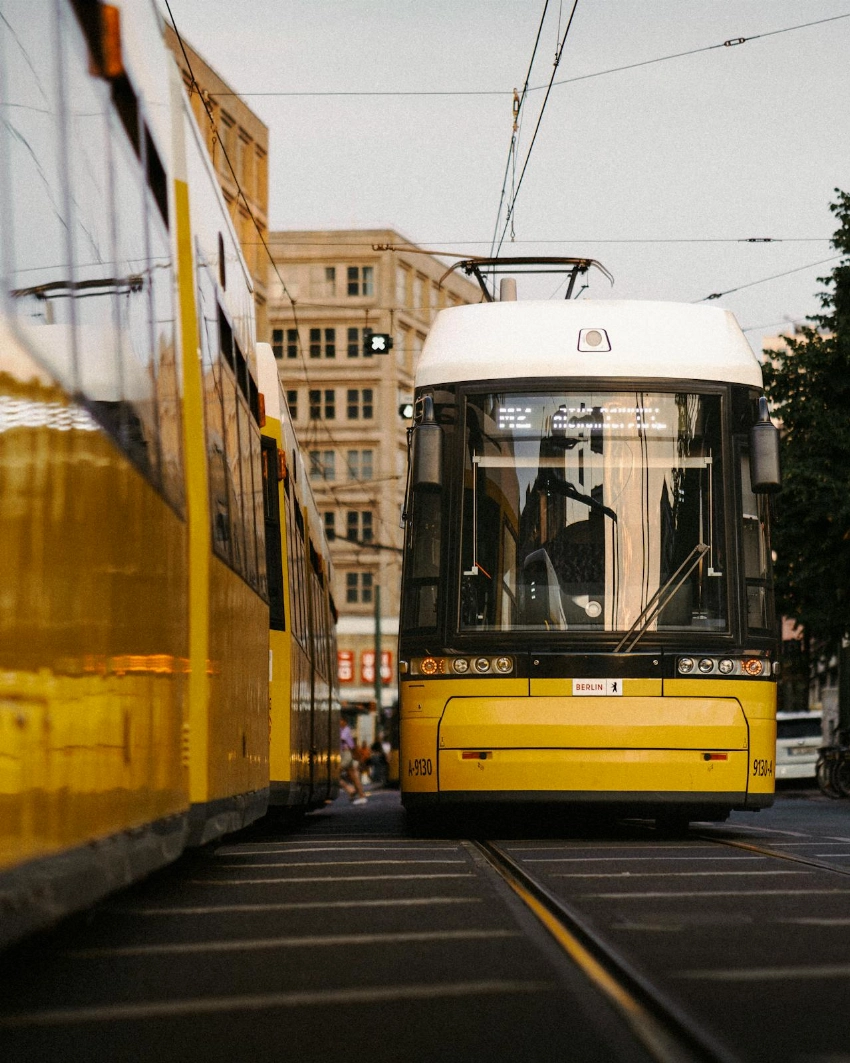
Germany is described as having some of the best cities to visit or live in, and every city has its own experience to share. Therefore, some of the best cities to visit or live in Germany include:
-
Berlin: Berlin is vivid and lively. It is the capital of Germany, and history is everywhere. The Brandenburg Gate is tall, the Berlin Wall is circling to make its toll, and nothing is wanting any less.
-
Munich: just oozes Bavarian charm. Picture beer halls buzzing during Oktoberfest, incredible museums tucked around every corner, and those twisty old streets with the Alps looming not too far off.
-
Hamburg stands out as a massive port city, full of charm
-
Cologne: Dynastic architecture, glimmering carnival festivities, and high arts and festivals characterise Cologne
Also Read: Top 8 Cheapest Cities in Germany For Study and Work
Why Should You Visit German Cities in 2026?
The city's atmosphere is extremely relaxed and can hardly be found anywhere else in Berlin. One minute you are standing in front of a medieval castle, the next one in front of a glass tower. The contrast just works. And take my word, these cities are not asleep. There are events, arts, and live music all around the streets, as though it were protesting the variety of it all. It shall not be just talk insofar as sustainability is concerned.
The city is crammed with bike lanes, the parks are ubiquitous, and the hotels even strive to become green. That’s just how life runs here. The future of 2026 is even better in India. The flights are not as complex, and the reception is also friendlier. Human beings are simply keen on sharing local food, essential markets, and landscapes you have never seen except on postcard covers.
Specialist Advice: Germany holds 53 UNESCO World Heritage Sites as of 2024, Road Genius offering unmatched historical and cultural richness alongside modern infrastructure and safety standards that rank it 17th globally on the Global Peace Index.
What Are the 15 Best Cities in Germany to Visit?
Germany has 15 of the best cities to visit, so that an individual can enjoy a rich travelling experience:
-
Berlin: The multi-colored historical, cultural, and nightlife metropolis
-
Munich: Bavarian culture, Oktoberfest, and Alpine approach
-
Hamburg: Ancient seaport and art and music centre
-
Cologne: Gothic cathedral city and carnival city
-
Frankfurt: Finances and new skyline
-
Dresden: Baroque Art and Architecture of the Elbe River
-
Stuttgart: Green gardens and the history of cars
-
Leipzig: Youth and originality
-
Christmas: Market and the Old Town, Nuremberg
-
Heidelberg: University, Castles, and a romantic city
-
Bremen: A water city and a seawater city
-
Bonn No.1: Perspectives - old capital and museums, and Beethoven
-
Freiburg: The black forest eco-city
-
Aachen: A spa and an ancient cathedral
-
Wiesbaden: A beautiful resort of Frankfurt
These cities are characterised by multiculturalism, historical attractions, and natural attractions.
Specialist Advice: Each German city offers distinct character—from Berlin's cutting-edge art scene to Rothenburg's preserved medieval charm—ensuring travellers find experiences matching their interests, whether urban exploration, historical immersion, or natural beauty.
Also Read: Top 10 Cities in Germany to Work & Living: Latest Guide
Which German City Should You Visit First: Berlin or Munich?
It is literally a matter of choice whether to see Berlin or Munich in the first place. The cities are abundant in what they have to offer, and they are, at the same time, completely different.
Berlin is the city that people hungry for energy, history, and art will visit. The city is trafficked; it is noisy, and nothing is going on. You will fall over the same places as the Brandenburg Gate and the ruins of the Berlin Wall, or the interminable museums and galleries. Berlin will amuse you even when you are a geek in history, or even if you are simply having fun in the city.
Munich is everything about old Bavarian atmosphere, beautiful old buildings, and nature. Imagine Oktoberfest, beer gardens, and those lovely views of the Alps. The landscape, the breathtaking landscape, and the tradition are both urban and entrenched in Munich.
The best place to begin the beat of the culture is Berlin, and to immerse oneself in the past events that occurred on a grand scale.
Expert Advice: First-timers seeking a comprehensive understanding of German culture should start with Berlin for its historical significance and accessibility, while those drawn to Alpine scenery and traditional Bavarian experiences will find Munich more rewarding—or ideally, visit both, as they're just 4 hours apart by train.
What Makes Berlin the Top Tourist City in Germany in 2026?
Berlin smacks you down the minute you come. Here is this crazy mixture of ancient and modern history, art, and that dissatisfied, contemporary zing that is only present here. Take a stroll at the Brandenburg Gate, stand before a piece of the Berlin Wall, or ascend to the top of the glass dome of the Reichstag. There is no need to display these spots. They spread the entire history of Germany, scars and all, and the manner in which the location re-glued itself. But Berlin is not all antichronic history.
Each neighbourhood is a universe in itself. Next, you are heading into one of the finest museums in the world. Then you are going into some dirty art gallery or simply lost in all the crazy street art.
Expert Tip: Berlin's unique position as a divided city during the Cold War created a cultural landscape unlike any other European capital—visitors can literally walk through history while experiencing one of Europe's most dynamic and affordable metropolitan experiences.
Also Read: Living Expenses in Germany for Indian Students: Latest Guide
Why Is Munich a Must-Visit City for First-Time German Travelers?
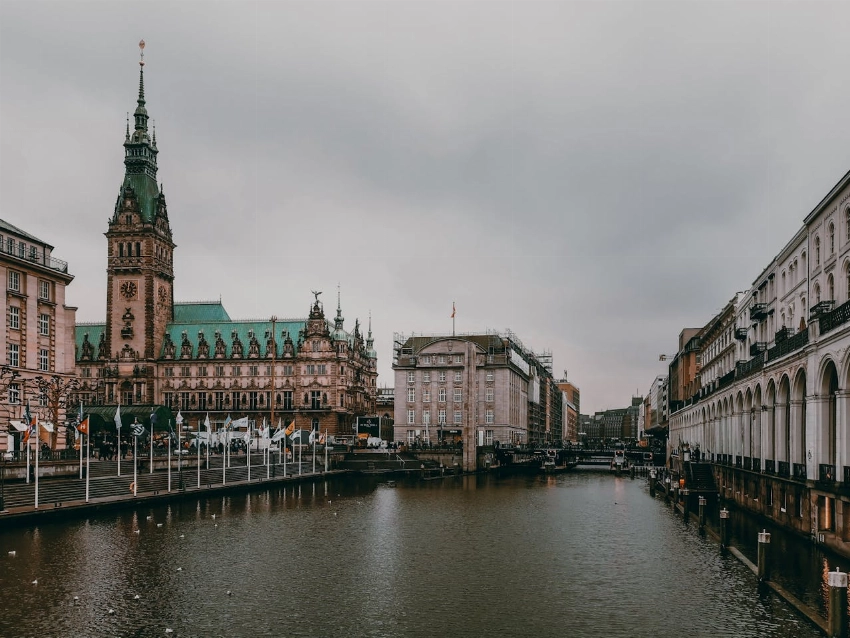
Munich has to be at the top of your list. The city just knocks that mixture of Bavarian archaism and city power. We have heard of Oktoberfest beer, of the music, crazy dynamism, but in good faith. Munich beer gardens and traditional sites are also a real manifestation of what made the place special, even during times that are not in a festival. And you need only go farther than the great Nymphenburg Palace, or visit Marienplatz, to understand what I am talking about. The museums and galleries?
Top-notch. And there is the one that is close to the Alps; you can jump over there and have some air or adventure any time you like. The city is not hard to navigate, is safe, and the people of this place are very hospitable. In general, Munich is a veritable epitome of the history of Germany, as well as its metropolis and modern section.
Expert Tip: Munich perfectly balances historic preservation with modern innovation—while Greatvaluevacationse is more expensive than other German cities, its authentic Bavarian experience, world-class museums, and access to Alpine scenery justify the premium for cultural immersion seekers.
What Makes Hamburg Stand Out Among German Port Cities?
Hamburg is a city of ports, unlike other places in Germany. It is dipped, all right, in maritime history- you can see that. But there’s more going on. Visit the Speicherstadt, with its lines of old warehouses, and you are almost deceived by hearing the echo of ships and traders of a century ago. Nevertheless, the city does not exist in its past only. The harbour is never empty, the HafenCity is full of glass and steel, and the fish markets? Still loud, still full of life. Hamburg is also beating with art and music.
Specialist Advice: Hamburg's maritime identity permeates every aspect of the city—from warehouse district museums to waterfront dining—offering a distinctly different German experience that combines historical trading heritage with cutting-edge architecture and culture.
Also Read: IELTS Requirement for Germany Student Visa: New Guide
What Are the Best German Cities to Live in for Expats?
Expats can live in the best German cities, which have a high quality of life and provide good employment, an international population, and good infrastructure. Top choices include:
-
Berlin is famous for its diverse and very lively cultural life, a large variety of people, and relatively low living costs compared to other metropolitan areas.
-
Munich: It has the economic power, the safety, and the closeness to the natural world, which draws professionals, in particular, in technology and engineering.
-
Frankfurt: A cosmopolitan global business and financial city
-
Hamburg has a combination of seafaring, cultural, and great transportation
-
Stuttgart: Perfect in case one works in the automotive and engineering industry, with a family atmosphere and green areas
-
Düsseldorf: The city is the centre of the fashion industry, trade fair, and has a high standard of living
-
Cologne: Open city, vibrant arts community, great expat connections
These cities are good places where expatriates in Germany would prefer to live because of the balance between career opportunities, social activities, and comfortable living standards.
Expert Tip: While Munich ranks highest for quality of life, Berlin offers the best value-to-opportunity ratio for expats, combining affordable living, diverse job markets across tech and creative industries, and the largest international community in Germany.
Which Are the Most Affordable Cities in Germany for Budget Travelers?
Germany is the best country with the lowest priced cities, which a low-end traveller will appreciate in terms of cost of living and culture. These include:
-
Leipzig: It is a cultural hot spot for art, historical sites, and affordable accommodation and food
-
Dresden: It boasts beautiful baroque buildings and cheaper museums compared to big cities
-
Bremen is a beautiful city in the Hanseatic League, where you can get cheap food, accommodation, and transport
-
Nuremberg: medieval charm and Christmas markets, restaurants, and low-end hotels
-
Halle (Saale): The city is an unrecognised city with low costs and places of interest
-
Erfurt: Cheap, historical, and easily transportable
These cities are very pocket-friendly.
Specialist Advice: Eastern German cities like Leipzig and Dresden deliver exceptional cultural experiences at 30-40% lower costs than Munich or Frankfurt—perfect for travellers who want authentic German experiences without premium price tags.
Also Read: FAU University Germany Ranking: Latest Ranking Guide
When Is the Best Time to Visit Different German Cities?
The optimum time of the day to visit the city in Germany will vary depending on the time, weather, and events occurring:
- Spring (April to June): It is the most pleasant season with good weather and growing gardens. Other cities like Berlin and Munich are also crowded with outdoor festivals and inferior-quality tourists.
- Summer (July to August): It is the hottest period of the year and the most suitable for outdoor attractions, beer gardens, and other festivals, such as the Munich summer celebrations.
- Autumn (September to October): This is warm weather, and the cultural festivals include the Oktoberfest in Munich and harvest festivals in other locations.
- Winter (November - February): The market is more successful in winter, thanks to cities such as Nuremberg, Dresden, and Cologne. It can be explained by the cold weather and the holiday atmosphere, which attract more visitors even during shorter daylight hours.
In the case of the greatest German visit experience. The time will be selected based on the preferred type of weather.
Expert Stake: May-June and September-October offer the perfect sweet spot—pleasant weather, operational attractions, manageable crowds, and moderate prices—while winter visitors willing to brave cold temperatures are rewarded with enchanting Christmas markets and significantly lower accommodation costs.
How Do You Travel Between German Cities Efficiently?
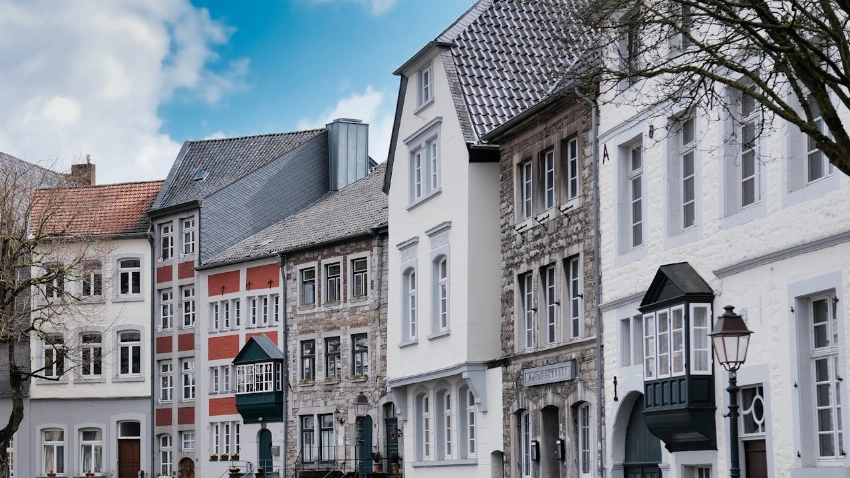
The transport system in the country is well-developed, and the movement throughout the German cities cannot be considered complicated:
- Train: The largest, most popular, and most reliable high-speed train (ICE) and regional train in Germany is Deutsche Bahn (DB), which operates intercity and intratown transportation between large cities and towns. Ticket booking rates are usually reduced.
- Domestic Flights: Domestic flights are used to connect the hubs' different locations, such as Berlin, Munich, and Frankfurt. However, because they are usually located in central areas, they are usually less efficient than the train for long-distance journeys or time-sensitive travel.
- Bus: Long-distance buses (FlixBus, Eurolines) are less expensive and offer the most destinations to a low-end traveller, but are slower than trains.
- Car: This option includes renting a car, which is feasible for travelling to smaller towns and rural regions, but is expensive due to high gas and parking costs.
- Public Transport: In the cities, one will find buses, trams, and metros that ensure smooth local transportation between the rail and airports
These choices, distance, time, and budget, are sure to present the quick, convenient, and comfortable travelling in Germany.
Specialist Advice: Book Deutsche Bahn ICE trains 3-6 months in advance for €19-29 Sparpreis fares—significantly cheaper than last-minute bookings (€150+) and often faster than driving, given parking and city centre access.
Also Read: Latest Guide to Securing a Job in Germany From India in 10 Simple Steps
What Visa Requirements Do Indian Travelers Need for Germany?
Travelling. If you are an Indian citizen planning to travel to Germany in 2026, you will need to apply for a Schengen visa before travelling. Indians do not have a visa on arrival, hence this cannot be omitted. The Schengen visa is issued for brief trips whose duration should not exceed 90 days within an interval of 180 days, during which you may be visiting on vacation, for business, or to visit family or friends. The following will be required: your Indian passport, and make sure it is not expired more than 3 months after your trip is completed.
You will also be required to provide two recent passport photos, a record of travel health insurance, and records of where you will be and your travel plans. Also, do not forget to carry testimony proving that you are liable enough to take the trip- bank statements, etc. You can carry that supportive literature with you in case you go to work or someone invites you. You must submit your application to a visa centre such as VFS Global. They will accuse you of biometrics, e.g., fingerprints.
Expert Tip: Apply for your German Schengen visa 3-4 months before travel (applications accepted up to 6 months in advance) to allow for processing delays and potential document requests—proper preparation typically results in 90%+ approval rates for genuine tourist applications.
Which Hidden Gem Cities in Germany Should You Explore?
The secret cities in Germany can be real-life experiences, not in the midst of the flock of tourists:
- Bamberg: A UNESCO World Heritage city that features a medieval old town, cute canals, and smoked beer
- Quedlinburg: With the well-maintained half-timbered house, this town has its own history. The town has a history that is as old as the medieval era.
- Trier: the oldest city in Germany, with the ruins of Rome, ancient amphitheatres, and great cathedrals
- Regensburg: This is another beautiful medieval city centre on the Danube River, with Romanesque and Gothic architecture
- Gorlitz: A city of architectural beauties that are filled with well-preserved Gothic and Renaissance architecture, and are shot in
- Gorlitz: This small town at the Polish border is full of cultural festivals and the old-town ambience
- Luebeck: Marzipan, Hanseatic history,ry, and beautiful Brick Gothic architecture
- Heidelberg: It boasts of an old, charming city and a vivacious air of the university, above the well-known castle
These urban centres offer rich cultural experiences and scenic views. A serene location close to some of the largest tourist spots in Germany. Tourists should not skip visiting these places to learn something strange.
Expert Tip: These hidden gems offer what overtouristed destinations lack—authentic local culture, manageable crowds, significantly lower prices, and often better-preserved historical architecture, making them ideal for travellers seeking genuine German experiences beyond typical tourist circuits.
How Much Does It Cost to Visit German Cities in 2026?
Travelling within Germany to cities is priced differently depending on the mode of travel, the city, and the length of stay. On average:
-
Accommodation: Hostels or guesthouses cost between 20 and 50 dollars per night; the mid-range hotels cost between 70 and 150 dollars; the luxury hotels are priced above 200 dollars.
-
Food: A meal in a cheap restaurant will cost approximately $10-15, and a three-course meal in an average restaurant may cost $25-50. The alternatives are street food and bakeries.
-
Transport: Day passes for the city's public transport cost between 6 and 10 euros; a single ticket costs between 2.50 and 3.50 euros. Intercity trains are different; it is possible to book a ticket between cities for 20-50 Euros in advance.
On the whole, a budget traveller may spend between €50 and €80 a day. Whereas a comfortable middle-end vacation can cost between 100 and 200 a day. Costs can be optimised through planning and bookings.
Specialist Advice: German cities offer excellent value compared to Paris or London—expect to spend 20-30% less on similar experiences, with eastern cities (Leipzig, Dresden) providing even better value at 40% below western city costs while delivering comparable cultural richness.
Also Read: How to Get Job in Germany from India? Latest Guide
What Are the Top Tourist Attractions Across German Cities?
The most popular sightseeing sites in German cities show the rich history, cultures, and natural beauty of this country:
-
Berlin: Brandenburg Gate, Berlin Wall Memorial, Museum Island, Reichstag building, and Checkpoint Charlie
-
Munich: Marien Platz, Nymphenburg Palace, English Garden, Deutsches Museum, and the famous and popular Oktoberfest
-
Hamburg: Speicherstadt, Miniatur Wunderland, Elbphilharmonie und St.-Michael-Kirche
-
Cologne: Cologne Cathedral (Kolner Dom), Roman-Germanic Museum, and Rhine River cruise
-
Dresden: Zwinger Palace, Frauenkirche, Semper Opera House, and Elbe River promenade
-
Heidelberg: Heidelberg Castle, Old Bridge, and the old university campus
-
Nuremberg: Castle of Nuremberg, the House of Albrecht Dürer, and Christmas markets
-
Frankfurt: Roehmer, Palmengarten botanical garden, and Main Tower, point of view
-
Stuttgart: Mercedes-Benz Museum, Porsche Museum, and Wilhelma Zoo and Botanical Garden
-
Leipzig: St. Thomas Church, Monument to the Battle of the Nation, and Leipzig Zoo
These monuments show off the heterogeneous nature of Germany and give tourists something to remember.
Expert Advice: Book timed tickets online for popular attractions like Neuschwanstein Castle (often sold out weeks ahead), Cologne Cathedral tower (limited capacity), and Berlin's Reichstag dome (free but requires a reservation)—walk-up visitors frequently face 2-3 hour waits or entry denial.
Which German Cities are Best for Specific Interests?
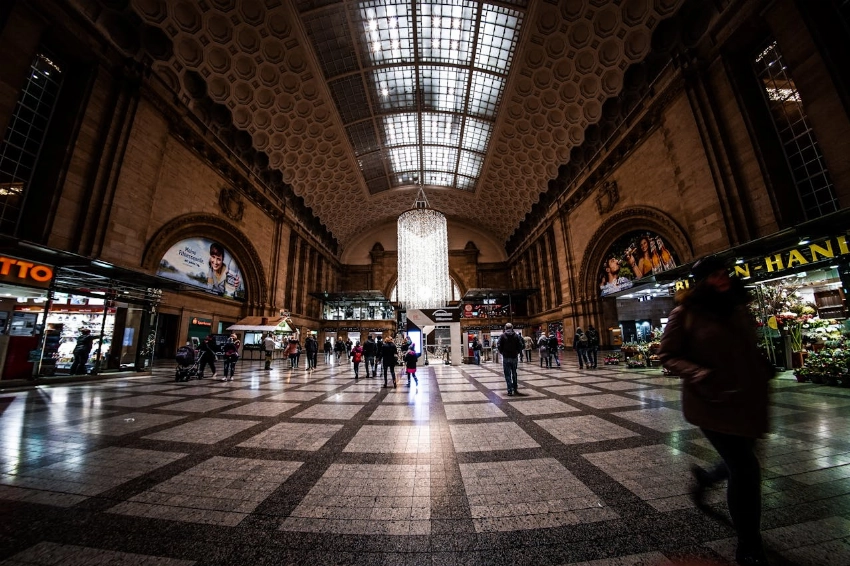
The German cities have special attractions depending on the particular interests:
-
History and Architecture: Berlin, because of its historic sights, museums, and architecture; Dresden. Because of its baroque architecture, Nuremberg.
-
Art and Culture: Leipzig with its music culture and gallery; Munich with its museums and theatres; the arts and music scene in Hamburg
-
Festivals and Events: Munich during Oktoberfest; Cologne during Carnival; Berlin during the international film and music festivals
-
Car lovers: Stuttgart to visit an exhibition of Mercedes-Benz and Porsche; Munich to visit an exhibition of BMW
-
Education and Innovation: Heidelberg, its prestigious university; Berlin and Munich, technology and start-up centres
Selecting cities based on your interests will make your visit to Germany even more memorable and enjoyable.
Expert Stake: Don't try to experience everything in one city—Germany's urban diversity means specialist interests are better served by visiting 2-3 cities rather than spending extra days in a single location that can't match your specific passions.
How Safe Are German Cities for International Travelers?
German cities are quite safe for foreigners. The crime ratio is minimal, and the police do their work quite well. Big cities such as Berlin, Munich, Hamburg, and Frankfurt are well-maintained in terms of their streets, and you are bound to notice numerous cameras around the busiest locations. However, it is not a bad idea to use some common sense: be watchful of your belongings in crowded places and never go to dark or remote areas at night.
Trains are efficient and safe, and in case of an emergency, you have access to emergency services that are quite fast. Generally, sightseeing in German cities is safe and easy.
Expert Opinion: German cities consistently rank among Europe's safest, with Munich often cited as the safest major city. Most "safety concerns" involve minor theft in tourist areas, which is easily prevented with standard precautions, while violent crime against tourists is statistically negligible.
Also Read: Top 10 Undergraduate Scholarships for Indians in Germany
What Language Challenges Might You Face in German Cities?
Many Germans are fluent in English, particularly in the larger cities, yet life is not always that easy. Paperwork and official stuff will most likely be in German. Even simple forms may seem impossible to you, even when you are not acquainted with the language. Go to a small bakery or a local store, and you will not find anyone there who is well-versed in English, making even routine tasks hectic.
To get even a semblance of home-like-ness and to be able to enter into the world of the community, you must at least have some conversational German. And these regional accents? They will be able to confuse you, despite your familiarity with the fundamentals. During an emergency or when meeting with the doctor, it is not only convenient but also necessary to know how to explain yourself in German. Therefore, it is so different to identify key phrases, translate them with apps, or enrol in a language course. That is the way of breaking through the language barrier.
Specialist Advice: Download Google Translate offline for your smartphone before arrival—the camera translation feature instantly converts German signs and menus to English, eliminating most language anxiety while basic phrases like "Danke" (thank you) and "Bitte" (please) earn appreciative responses from locals.
Conclusion
Cities that are simply inviting surround Germany in 2026. Berlin is never short of things to do, art everywhere, and a layered history. That is not the case in Munich, which is full of energy with beer gardens and spectacular festivals. Hamburg is all about that harbour atmosphere, envision fresh seawater, new seafood, and music without an end. Then there is Dresden, where one strolls the old town. Frankly speaking, it is like entering a painting. These are not only tourist locations.
Some expats belong to them, locals who have nothing against telling you the secret places of their city, and museums overflowing with tales. Germany is so much a mixture of the old world and contemporary life. You receive fast trains and warm cafes, castles hundreds of years old, and modern technological centres. These cities do not fail to impress when it comes to festivals, art, nature, or simply a good place to get lost. Going through them is not a mere journey. It is an experience not to be forgotten.
To learn more about Best Cities in Germany: The Ultimate 2026 Guide, contact TerraTern right away!




 AI Summary