

Key Highlights
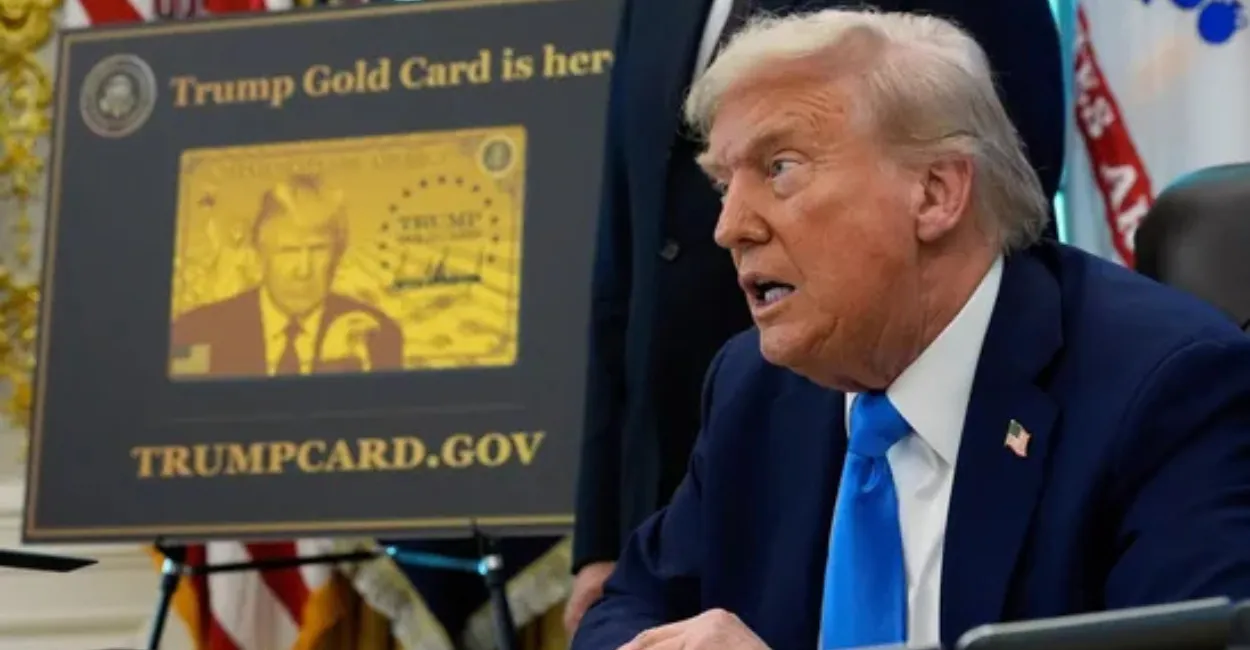
The Trump Gold Card visa program (an expensive, high-profile, controversial immigration initiative proposed by President Donald Trump) has officially opened its applications in the United States. The program was introduced on December 10, 2025, and permits the rich and corporations to gain expedited U.S. residency and a probable citizenship in exchange by making large financial donations. Placed as a device to bring talent and investment into the country, the Gold Card is an important change of direction in immigration policy of the U.S., and a mixture of economic policy and immigration reform in a manner that has been met with both praise and criticism both within and outside of the country.
What Is the Trump Gold Card Visa Program?
Trump Gold Card visa is a new immigration option in the United States where non-citizens can get an accelerated way to a lawful permanent residence and even U.S. citizenship by paying a large sum of money. Certainly, it is not a conventional immigration path, unlike the traditional employment-based or family-based migration, in that this visa requires a person to pay a monetary gift, known as a gift by U.S. authorities, to the federal government.
The program has two broad avenues at the core level:
-
Individual Applicants: They should provide a minimum of 1 million dollars in addition to a nonrefundable processing fee for expedited residency under either EB-1 or EB-2 categories.
-
Corporate Sponsors: Have to pay up to a minimum of 2 million dollars per employee they are interested in sponsoring, along with processing fees.
It is also developing a higher-level card, the Platinum Card, which is likely to be more expensive, providing some extra perks such as longer stays with no U.S. taxation on foreign earnings.
Also Read: How Many Types of Visas Are There in the USA? New Full Expert Guide
The Goals Behind the Program
What are the goals behind this program?
Boosting the U.S. Economy
The Gold Card has been presented by President Trump and his administration as an economic stimulus. The program will be able to attract high-quality graduates and affluent foreign nationals, thereby:
Increase revenue by billions to the U.S Treasury.
-
Favour investment and consumption within the U.S economy.
-
Help American firms that just can not keep the international talent.
Retaining Competent Graduates
In the launch statement, Trump noted particularly the grievances of executives at the top technology firms over the potential to retain highly rated international graduates following their U.S. degrees. The program is thus being marketed as a remedy to the brain drain issue, ensuring that talent remains in the American workforce.
How It Works: Application and Costs
What is the application process and the costs?
Application Process
In order to apply for the Trump Gold Card:
-
Go to the official portal.
-
Make a non-refundable application and vetting fee of 15,000 to the Department of Homeland Security.
-
Provide the necessary paperwork and personal data.
-
After being preliminarily screened, make a contribution of $1 million (individual) or $2 million (corporate).
-
Full-scale security and background checks prior to ultimate residency approval.
Charges and Monetary Needs
The program's financial structure is one of the key aspects:
-
15,000- Non-refundable application fee per person or business sponsorship.
-
$1 million —Personal contribution to be eligible in the Gold Card.
-
$2 million- Donation needed for corporate sponsorship from an employee.
Other fees for visa and medical examinations might also be charged.
Also Read: Cost of Transit Visa for USA: New Fees & Process Guide
Main Benefits of the Gold Card
The Trump Gold Card is touted to have the following:
Expedited Residency
The holders of the Gold Card enjoy priority processing and, eventually, permanent lawful resident status, just like the Green Card holders, but at a faster pace at the expense of financial contribution.
Pathway to Citizenship
Upon the establishment of residence, the holders can apply to acquire citizenship according to the regulations and schedules of the U.S. immigration policy.
Family Inclusion
Residency can also be granted to spouses and unmarried children below the age of 21 under the same application, though with some extra fees.
How the Gold Card Differs From Existing Programs?
How does this differ from existing programs?
Compared to the EB-5 Visa
The EB-5 visa, an investor visa that requires them to invest in businesses that create job opportunities, has long provided the rich immigrant population with a route to residency, which also drives the American job market.
By contrast, the Gold Card:
-
Connotes no job creation conditions.
-
Provides more expedited and efficient processing and transparent financial limits.
-
Attention to the contribution of wealth and not direct economic activity.
This is the transition between economic participation that generates employment in the United States and enticing an investment by a more direct financial input.
Reactions and Criticism
The reactions and criticism of this program:
Business Leader Support
The tech leaders and industry managers, such as Apple and IBM, have been supportive as they mention that they needed more flexibility in retention of international talent which was paramount in innovation.
Assessments of Advocates and Policy Experts
Amid its adherents, the program has also been criticised:
-
Equity Issues: Critics complain that it gives an advantage to the very wealthy, which results in a pay-to-stay system and is a disincentive to merit and equity in immigration.
-
Immigration Policy Conflicts: There are those who feel that it is in conflict with other, more restrictive immigration policies, particularly asylum and legal immigration quotas.
-
International Reputation: The critics argue that it changes the perception of America as a land of opportunities for everyone and not only the rich investors.
Also Read: US Visitor Visa B1/B2
Future Outlook and Global Context
The Trump Gold Card scheme is part of a rising number of so-called golden visa programs all over the globe, such as the ones in the UK, Canada, Spain, and Malta, aimed at bringing wealthy persons to the country and offering preferential treatment by providing economic benefits.
Although other nations have reduced or reformed such programs on the basis of factors such as inflation of housing costs and money laundering, the U.S. counterpart is characterised by its high financial requirements and direct connection with residency and citizenship routes.
As estimated revenues in billions of dollars and thousands of pre-registered applicants, the implementation stage will play a vital role in determining the possibility of the Gold Card to strike a balance between economic and fair immigration adjustments.
Conclusion
The Trump Gold Card visa programme being launched is one of the biggest changes in the U.S. immigration policy that happened in recent decades. The initiative will draw foreign talent and capital by making expedited residency and a clear pathway to citizenship contingent upon making significant financial contributions. Although its economic potential is immense, the program is, in fact, controversial, especially in terms of fairness, its accessibility, and even the very code of conduct upon which a policy of immigration is based. With the launch of applications and massive worldwide attention, the Trump Gold Card may redefine how the world perceives the American dream in the 21st century.
Contact TerraTern for more information.