

Key Highlights
- How many new citizens and PRs Singapore plans to add
- What the latest population numbers show
- Why Singapore’s fertility rate keeps falling
- Balancing immigration, ageing and social cohesion
- Social media reactions and expert views (Rich embeds)
- Singapore Population Growth Slows Down: 25-30K New Citizens Planned Yearly
- Conclusion
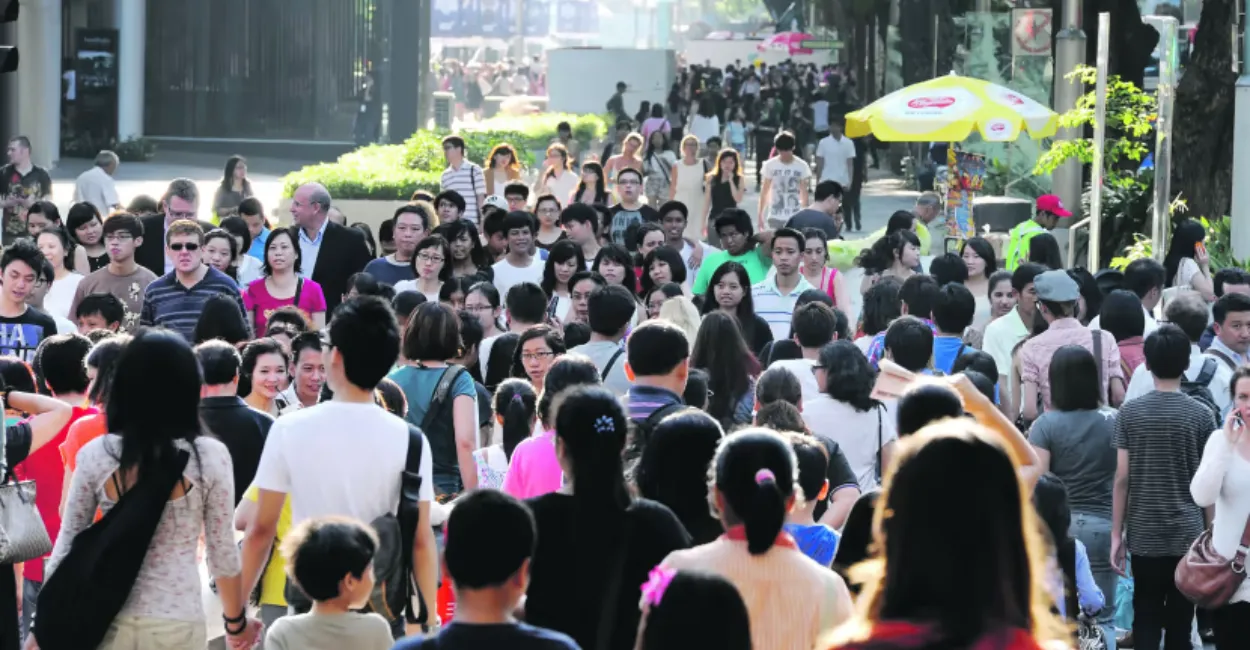
The Singapore population growth is slowing down at a time when a country experiences the minimum birth rate and a rapidly aging population. According to the parliament, the total fertility rate (TFR) dropped to 0.87 in 2025, which is significantly below the replacement rate of 2.1 and significantly lower than in 2023 and 2024 (Deputy Prime Minister Gan Kim Yong).
The dramatization of the slowdown in population growth is even after factoring in immigration. Gan claimed the number of citizens increased only by 0.7% in 2025, and this growth has been declining over the past decade. Meanwhile, by 2025, the percentage of citizens aged 65 and older had increased to one in five, which was one in eight in 2015, and this reflects how rapidly the population was ageing.
How Many New Citizens and PRs Singapore Plans to Add?
Gan disclosed that an average of 25,000 people became Singapore citizens in 2025, according to recent averages. The government anticipates between 25,000 and 30,000 new citizens in the next five years, which is determined by the trends in the demographic changes, i.e., births and ageing.
Meanwhile, Singapore immigration intends to increase the number of permanent residents. The PR community has remained at approximately 540,000 over the past few years, yet every year, there will be more and more approvals of 35,000 in 2025 to approximately 40,000 PRs per year in the future. According to Gan, permanent residence is always the primary access to citizenship, where the newcomers can integrate before assuming full citizenship.
Also Read: Pursue MSc Nursing in Australia: Top Country For Nursing
What the Latest Population Numbers Show?
The latest official reports provide a better understanding of Singapore's position. The data provided by Population in Brief and the Department of Statistics demonstrate that as of June 2024, the overall population of Singapore was approximately 6.04 million, which was 2.0 per cent higher than it was a year prior.
|
Population Group |
Size |
Year-on-year change |
Key Driver |
|
Total population |
6,040 |
+2.0%​ |
Higher non-resident numbers |
|
Resident population |
4,181 |
Modest growth |
Slow citizen growth, slight PR rise |
|
Singapore citizens |
3,640 |
+0.7% |
Low fertility, some net immigration |
|
Permanent residents |
545 |
+1.2% |
Stable approvals |
|
Non-residents |
1,860 |
+5.0% |
More workers and domestic helpers |
Why Singapore’s Fertility Rate Keeps Falling?
The fertility issue in Singapore is not a recent development, but the 0.87 TFR of 2025 is a low even by the standards of Singapore. The TFR was 1.24 a decade ago, which was already below replacement; however, the decline has been sharp since then. There are some trends outlined by the officials and reports:
-
Reduced Marriages and a Rise of Singles: Citizen marriages were reduced by 5.7% in 2024 to approximately 22,955, and a larger number of Singaporeans are taking longer to marry.
-
Later Childbearing: The median age of first birth of citizens increased to 31.6 years in 2024, a gain over 30.3 years in 2014.​
-
Reduced Number of Overall Births: Singapore recorded approximately 27,500 resident births in 2025, the lowest in its history, although there was an increase in citizen births in 2024 compared to 2023.
Balancing Immigration, Ageing and Social Cohesion
With the slowdown in the growth rate of the Singapore population, policymakers are attempting to walk a fine line between the demands of the population and popular opinion. Gan opined that immigration flows should be managed carefully enough such that Singapore is appealing to the world's talent and at the same time not losing confidence in its citizens.
-
Having distinct standards of PR and citizenship admission, such as economic contribution, family relations, and duration of residence.
-
The infrastructure, housing, healthcare, and transport can be sufficient to provide better service to a bigger population, particularly with the older population.
-
Assisting the new migrants to integrate into the community using community programmes, language, and local culture, to ensure that social cohesion remains high.
Also Read: Annexure C for Passport: Latest Filing and Submission Guide
Social Media Reactions and Expert Views (Rich embeds)
There has been vigorous public debate about the figures, and several commentators have taken their place on the Internet:
-
An X policy analyst mentioned that immigration is currently playing the heavy-lifting role regarding population growth and that there is a need to further debate long-term targets.​
-
How a TFR of 0.87 could influence housing demand, schools, and future employment markets in the coming 20 years was broken down by a popular explainer video on YouTube.
-
One of the regional think-tanks posted an Instagram infographic that compared the fertility rate of Singapore to other developed economies, revealing that it is currently one of the lowest in the world.
Singapore Population Growth Slows Down: 25-30K New Citizens Planned Yearly
Singapore is experiencing a demographic change due to decreasing growth and a record low fertility rate. The government is currently proposing to give between 25,000 and 30,000 foreigners annually as new citizens as a way of compensating for the ageing and low birth rates. The following is a brief overview of the major drivers:
-
Fertility 0.87 in 2025: Births will decline dramatically, and a reduced number of marriages and later childbearing will push the total fertility rate to its lowest point ever under 1.0.
-
Citizen Growth at only 0.7 %: The citizen population increased gradually in the previous year, with or without immigration, because one out of five citizens is already above 65 years old.
-
PR intake to 40,000 Per Year: There will be a slight increase in the permanent residents currently on 35,000, as the primary avenue to complete citizenship.
-
Population of About 6.1 Million: Residents include 4.18 million, with over 2 million of the total growth comprising most of that of non-residents.
Also Read: How to Add Spouse Name in Passport? Complete Guide
Conclusion
Singapore population growth slows down at the very moment the country is battling record-low fertility and the rapid ageing of its citizens. The government’s plan to bring in 25,000 to 30,000 new citizens and about 40,000 PRs every year over the next five years is meant to stabilise the population and workforce, but it will also keep immigration at the centre of national debate. How smoothly Singapore balances family support, immigration policy, and social cohesion will shape its economic strength and social fabric for decades to come. Check the official details on Singapore's population plans at the National Population and Talent Division, which outlines the Population in Brief 2025 report with exact citizenship and PR targets. To know more about Singapore's immigration, visit TerraTern now!