

Key Highlights
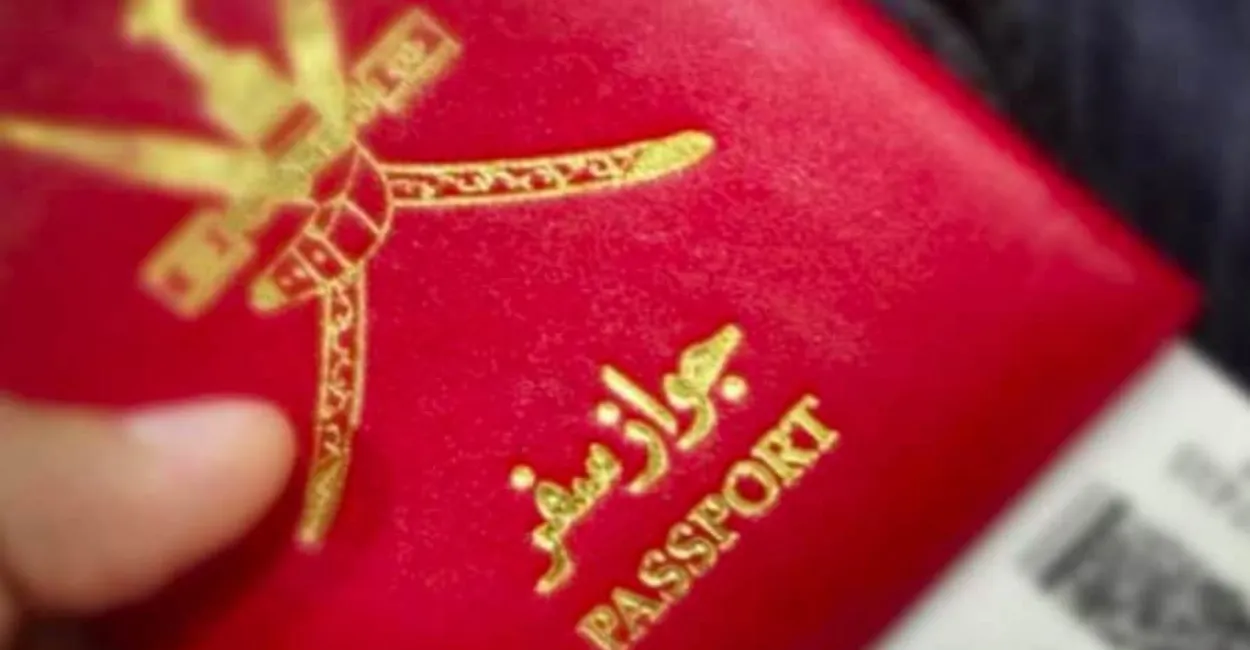
Omani citizenship application fees grabbed headlines across the Gulf this week. The Sultanate's government approved a fresh fee schedule for all nationality services, effective from January 4, 2026, as published in the Omani Official Gazette. This change standardizes costs for both those seeking citizenship and individuals looking to leave Omani nationality, ending years of unclear pricing.
Expatriates in Oman, particularly long-term residents and families, now face defined price tags that affect planning. Foreign spouses of Omani citizens and their children qualify under these set fees, but multiple applications can add up fast for larger households. Officials confirm no changes to eligibility criteria, just tighter payment rules to support administrative operations.
Also Read: Oman’s New Golden Visa: Unlocking Business Ownership & Residency For Global Investors
New Fee Breakdown
Oman fixed the citizenship application fee at OMR 600 for standard naturalisation cases. This rate covers core applications for long-term foreign residency and language rules. Foreign women married to Omani men pay the same OMR 600, as do widows and divorced spouses with valid claims. Minor children born to Omani mothers also fall under this fee, simplifying family group submissions.
Reports differ on spousal rates; some list OMR 300 for direct marriages after 15 years, but most outlets confirm OMR 600 as the baseline across family categories. All submissions route through the Ministry of Interior channels, either online or at directorates. Processing starts post-payment, with no refunds noted for denials.
|
Category |
Fee (OMR) |
Effective Date |
Notes |
|
Standard Citizenship Application |
600 |
January 4, 2026 |
Naturalisation after 20+ years of residency |
|
Foreign Women Married to Omanis |
600 |
January 4, 2026 |
Covers widows and divorcees with proof |
|
Minor Children of Omani Women |
600 |
January 4, 2026 |
Birth certificates required |
|
Possible Spousal Reduced Rate |
300 |
January 4, 2026 |
Select long-term marriages |
Relinquishment Fees Introduced
Oman now charges OMR 200 to relinquish nationality for the first time. This fee hits all withdrawal requests processed through the nationality offices. Dual nationals or expats gaining passports elsewhere use this option most. Business owners switching to UAE or Saudi residency often renounce to avoid conflicts. Officials say the fee covers paperwork and database updates, cutting free requests that slowed systems. Before this, no charges were applied, leading to inconsistent handling. Now, everyone pays via the same office, with digital tracking promised for faster approvals. Expect forms to list reasons like new citizenship or relocation.
Why the Change Now?
Oman wants uniform nationality services across governorates. New fees generate revenue to upgrade admin systems and reduce processing backlogs that stretch months. The rules link to updates in the Executive Regulations of the Omani Nationality Law. Core framework from Royal Decree 92/2014 remains untouched; eligibility stays tied to residency, income, and conduct.
Expat groups in Muscat and Salalah monitor closely. Other Gulf states like Bahrain and Kuwait raised investor fees last year. Oman's step aligns with regional pushes for sustainable migration policies. Economic growth targets draw skilled workers, but controlled pathways prevent overload.
Also Read: Average Salary in Oman: Know Factors, Jobs, Salary
Impact on Expats and Families
More than 2 million expatriates call Oman home, many from South Asia and the Arab world. Thousands chase permanent status yearly after 10-20 years ofwork in Oman. OMR 600 converts to roughly $1,560 USD, a barrier for mid-level workers. Families with two kids face OMR 1,800+ total, pushing some to delay plans. Spouses of Omanis access shorter paths via marriage proofs. Residency visas, income statements, and health checks still apply; there are no shortcuts there. Lower-wage groups rethink options like investor visas instead.
Applying for Omani Citizenship: Step-by-Step Guide
Navigating Omani citizenship requires precise steps under the new fee structure. Starting January 4, 2026, applicants pay upfront and submit via official channels. This section breaks down the process from documents to approval, helping expats avoid common pitfalls. Families often apply together to know the sequence to save time and money.
-
Collect documents like a valid passport, a residency permit (minimum 20 years), an Arabic proficiency letter, and a police clearance.
-
Submit online via the Ministry of Interior portal or visit the directorate offices in your governorate.
-
Pay OMR 600 (or OMR 200 for relinquishment) through bank transfer or app, keep receipt.
-
Track status via SMS; interviews scheduled if needed, timelines hold at 6-12 months.
-
Receive approval decree and Omani passport, granting full rights like property ownership.
Also Read: Jobs In Oman For Indians: Salary, Openings, Scope & More
Oman Citizenship Application Fees: What Stays the Same
Omani citizenship application fees focus on admin costs alone. Rules demand 20+ years of residency, fluent Arabic, steady income, and no criminal record. Marriage to an Omani drops residency requirements to 15 years; investors qualify in 10 years with job creation proofs. Kids inherit via their mothers now, clearly. Fee updates skip these tests. Applicants adjust savings while meeting old bars. Programs stay welcoming to the talent Oman needs.
Conclusion
Omani citizenship application fees reshape nationality access with clear pricing from January 4, 2026. Applicants now pay OMR 600 for citizenship bids and OMR 200 to relinquish status, standardising a process once vague on costs. These rates hit expat families and long-term workers, who must budget for stacked fees across spouses and children while core eligibility rules like 20-year residency and Arabic skills remain firm. Visit the official Ministry of Interior Oman website for application forms and updates. To know more about Oman citizenship, visit TerraTern now!