

Key Highlights
- What are the Schengen Visa Requirements For Indians in 2026?
- What Is the Schengen Visa and Who Needs It from India?
- What Are the Schengen Visa Requirements for Indians in 2026?
- What Personal Documents Are Required for a Schengen Visa from India?
- What Financial Documents Are Required for a Schengen Visa from India?
- What Employment and Professional Documents Are Needed?
- How Much Bank Balance Is Required for a Schengen Visa from India?
- What Are the Schengen Visa Photo Requirements?
- How to Apply for a Schengen Visa from India Step-by-Step in 2026?
- What Are the Schengen Visa Requirements for Different Travel Purposes?
- What Documents Are Required for a Schengen Tourist Visa from India?
- What Documents Are Required for a Schengen Business Visa from India in 2026?
- What Documents Are Required for a Schengen Student Visa from India in 2026?
- What Documents Are Needed for a Schengen Family Visit from India in 2026?
- What Are the Common Schengen Visa Rejection Reasons for Indians?
- What Is the New Cascade Visa Regime for Indian Applicants in 2026?
- What Are the 2026 Updates to Schengen Visa Rules Indians Must Know in 2026?
- Tips to Improve Your Schengen Visa Approval Chances from India
- How Can TerraTern Help with a Schengen Visa in 2026?
- Conclusion
The Schengen Visa is an essential entry point for Indian travellers who want to be able to travel to 27 European countries without any difficulties in 2026, including occasional 90-day visits in 180 days (tourism, business, family visits, medical treatment, etc.). Schengen Visa Requirements for Indian applicant using VFS Global centers by submitting valid passport (with 3+ months remaining post-return and 2 blank pages), completed application form, two recent passport photographs, round trip flight bookings and hotel bookings or invitation letters, travel insurance of at least 30,000 euros in the event of medical emergencies and repatriation, evidence of having enough funds (3-6 month bank statements), employment or income validation such the processing time is usually 15-30 days, whereas the new systems, such as EES (biometric Entry/Exit), and future ETIAS pre-travel authorization will make border inspections more thorough, which makes early applications at the respective consultes of the main destination country the most important in avoiding delays. This Guide will cover Schengen Visa requirements, documents required for a Schengen Visa from India, minimum bank balance required for a Schengen visa from India, Schengen Visa photo requirements, and more.
What are the Schengen Visa Requirements For Indians in 2026?
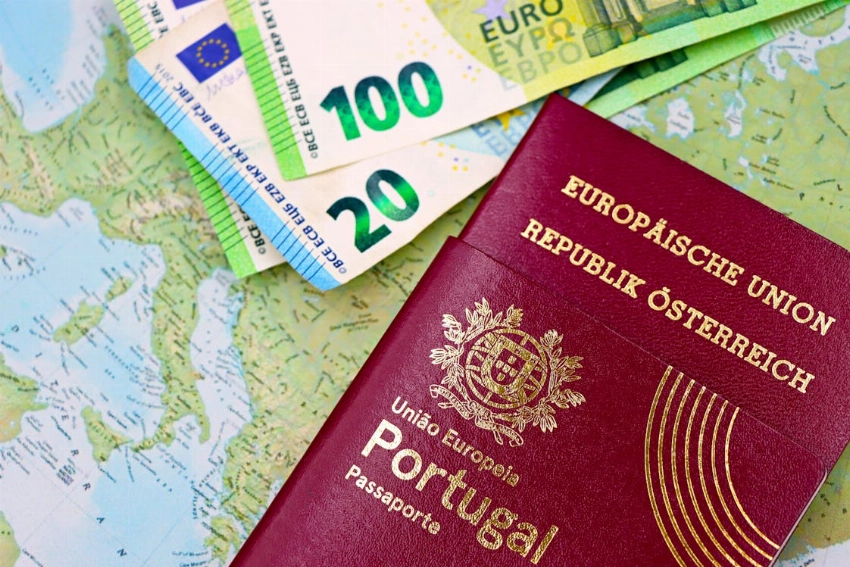
In 2026, the process of obtaining the Schengen Visa by Indians will require a standard list of documents to guarantee that they will be allowed to stay in 27 European countries up to a period of 90 days (180 days total). The Schengen visa requirements are listed below:
Core Documents
-
Valid Passport: Must be within 10 years old, with at least 3 months left to date of return, 2 blank pages, and 1 biometric page copy.
-
Schengen application form duly completed: Signed online or printed, together with a statement of veracity.
-
Passport photos: Two recent (35x45mm, white background, 70-80 per cent face, less than 6 months old).
Travel Proofs
-
Booking flight: Round-trip and detailed itinerary.
-
Accommodation: Hotel reservation or host invitation letter with their id/ residence evidence.
-
Travel insurance: Minimum coverage is 30,000 in case of a medical emergency or when needing to leave the country, the valid period of stay in the Schengen area is in full.
Financial & Ties to India
-
Bank statements: Last 3-6 months, stamped (no passbooks); and, ITR (last 2 years) or Form 16.
-
Employment evidence: Salaried - contract, leave letter, salary slips; self-employed - GST registration, business documents; students / retired - related income/pension evidence.
-
Cover letter: Reason of trip, itinerary, and need to return (strong ties as in India, e.g., job/family).
What Is the Schengen Visa and Who Needs It from India?
The Schengen Visa is a travel permit that is issued to allow short-term travel to 29 European countries within the Schengen Area and is granted a maximum of 90 days within a 180-day period to visit family, do business, or go on a tour.
Key Features
-
Applies to 27 EU states (e.g., France, Germany, Italy, Spain) and also Iceland, Norway, Switzerland, and Liechtenstein, allowing one to move freely on the inside.
-
Published as short (Type C): single, two, or multiple-entry visas; the visas may have a duration of up to 5 years when the traveller has a good record.
-
Otherwise, these are unlike long-stay national visas (Type D) of more than 90 days or airport transit visas.
Who Needs It from India
-
India, being a non-visa-exempt country, needs all holders of Indian passports to be in possession of a Schengen Visa in order to visit.
-
Only the holders of the valid residence permits, long-stay visas, or special diplomatic passports of the Schengen states have exemptions.
-
Indians who intend to make multi-country trips (which are frequent in the context of tourism) make applications to the embassy/consulate of the primary country of destination (longest period of stay or first time entry).
Expert Advice: Indian passport holders must apply for a Schengen visa regardless of destination, even a layover requiring exit from the transit zone needs a Type C visa. Always confirm your visa type before booking flights.
What Are the Schengen Visa Requirements for Indians in 2026?
Schengen Visa requirements in India are a standardised checklist to apply for a specific short-term Type C visa (up to 90 days in 180) to the VFS Global to the main destination country embassy.
Passport and Application Fundamentals.
-
Valid passport: Within 10 years, 3+ months left to the date of the return, and 2 blank pages.
-
Signed online or printed application form: The application form should include a declaration of accurate information.
-
Two recent photographs: 35x45mm, white background, face 70-80% of the picture, under half a year old.
Travel Arrangements
-
Booking of a round-trip flight or itinerary with entry/exit points.
-
Proof of accommodation: Hotel booking or host invitation letter containing their passport/residence information.
-
Travel medical cover: minimum of 30,000 Euros in case of emergency, repatriation, and full length of stay.
Banking & Employment Evidence.
-
Bank statements: Last 3-6 months, stamped, signed by the bank; and ITR (last 2-3 years).
-
Working papers: Salaried (letter, salary slips, leave approval); self-employed (business license, GST); students/retirees (sponsorship, fees, pension proofs).
-
Cover letter: Trip purpose, entire itinerary, financial coverage, and good contacts with India (job/family/property).
-
No money back: Even in the event of rejection, exemptions are checked at the desk.
Pro Tip: Submitting all previous passports, especially those containing prior Schengen or international visas, is a mandatory India-specific requirement that many applicants overlook. Missing old passports is one of the top 3 reasons for rejection from Indian applications.
What Personal Documents Are Required for a Schengen Visa from India?
Identity and connections are the subject of personal documents that are necessary to acquire a Schengen Visa in India (2026), guaranteeing the observance of short-term stays.
Documents required for schengen visa from India
-
Valid Passport: Issued not more than 10 years ago, 3 or more months after the validity of the return, 2 undamaged blank pages, copy of the biometric page.
-
Application form: Schengen form signed (VIDEX/online).
-
Photos: Two 35x45mm recent and white background (70-80% face).
-
Individual Evidence: Marriage/ birth certificates (apostilled as necessary).
Key Note: A passport with prior US or UK visa stamps significantly strengthens a Schengen application; consulates view it as proof of responsible travel history.
What Financial Documents Are Required for a Schengen Visa from India?
Banking statements will testify to your capacity to finance a Schengen trip without putting strains on the hosts (targeting 50-120 per capita/day).
-
Bank statements: 3-6 months (stamped/signed) with regular balance (e.g., 2.5-3.5 lakh safe minimum).
-
ITR/Form 16: Income history: Last 2-3 years.
-
Salary slips: Last 3-6 months (employed); Last 12 months, business evidence/GST in case of self-employed.
-
Sponsorship letter: In case of another, their financial documentation, and relation demonstration.
Advice by our Expert: Consistent monthly inflows matter more than a high lump-sum balance. A sudden large deposit immediately before application raises a fraud flag that can trigger automatic rejection.
What Employment and Professional Documents Are Needed?
Schengen Visa, Employment, and professional documents from India indicate job security and intention to go back.
-
Used: Employment letter (position, salary, joining date), NOC/leave approval, and last 3-6 months' salary slips.
-
Self-employed: Registration of business, GST certificate, bank statements of the business (3-6 months), business ITR (2-3 years).
-
Retired/Students: Pension statements/enrollment letter (3 months).
Expert Advice: A single, professionally written NOC from your employer that explicitly states "the employee will return to duty on [date]" is one of the strongest intent-to-return signals a visa officer evaluates.
How Much Bank Balance Is Required for a Schengen Visa from India?
There is no standard amount of bank balance in case of a Schengen Visa in India, yet there are guidelines that should be followed so that you can spend around 45-120/day of each individual (trip expenses and safety). Aim higher for approval.
-
General minimum: 2.5-4 lakh per applicant (i.e., 15-day trip: 3-4 lakh).
-
Differences in the country: France (€65-120/day), Germany (€45-75/day), Spain (€100/day).
-
Proof period: stamped statements, including ITR, 3-6 months (2-3 years).
-
Family/group: Double 2 adults (6-8 lakh).
-
Sponsorship: Sponsors' statements + affidavit where necessary.
Pro Tip: Show a bank balance that is roughly 2–3× the estimated trip cost, not just the bare minimum. Visa officers look for financial comfort, not just technical compliance; a thin buffer often triggers additional scrutiny.
What Are the Schengen Visa Photo Requirements?
The Schengen Visa photo specifications guarantee biometric standards for Indian applicants in 2026.
-
Size: Exactly 35x45 mm (3.5x4.5 cm).
-
Characteristics: Two photos of the same colour (no black/white).
-
Age: Taken within the last 6 months.
-
Face: 70-80% of photo (32-36 mm height between the chin and the crown), midline, neutral expression.
-
Background: No shadows/patterns, plain white/light.
-
Quality: Resolution (400+ dpi), no glasses/head wear (except religious/medical), even lighting.
Key Note: The face coverage rule (70–80%) is the single most commonly violated photo requirement by Indian applicants. If you're shooting at home, use a light grey wall, stand 1.5m from the camera, and zoom in so your chin to crown fills 75% of the frame. Professional VFS-partner studios in India are trained to meet these exact specs.
What Photo Mistakes Lead to Schengen Visa Rejection?
Ordinary photo errors lead to up to 15% rejection of Schengen Visa by the Indians since VFS has stringent biometric requirements.
-
Incorrect size (not precisely 35x45mm) or cut pictures.
-
Shaded backgrounds with dark/colour/textured and shadows.
-
Face below 70-80% (32-36mm chin-crown) or tilted/smiling.
-
Antique ( > 6 months old) photos, reflection glasses, or headwear.
Advice by our Expert: Never use a photo booth or phone selfie for Schengen visa applications submitted in India. The 600 dpi minimum print resolution that Indian consulates require cannot be achieved with standard phone printing. Use a certified photography studio familiar with Schengen ICAO standards.
How to Apply for a Schengen Visa from India Step-by-Step in 2026?

Indians must apply at VFS Global centers, which is a structured procedure of obtaining a Schengen Visa, which usually takes 15-30 days to be granted.
Step-by-Step Guide
-
Selection of the main destination: Make an application to the embassy/consulate/VFS of the country where the stay (or first entry) is longest.
-
Fill application form: VIDEX form downloaded/printed online and completed and signed (online in some countries).
-
Bring records: Passport, photographs, insurance, itinerary, financial / employment evidence, and cover letter.
-
Online booking: Through the VFS Global website (booking slots quickly; 1-2 months in advance).
-
Visit VFS: present documents, give the biometrics (fingerprints/photo), pay the fees (€80 adult, optional VFS service).
-
Status: Online through the VFS portal; it begins processing after biometrics.
-
Gather Passport: VFS (approved visa sticker inside); courier is possible.
Expert Advice: Never book your flights before receiving your visa. Book a refundable "dummy ticket" for your visa application to show travel intent. This protects your money if the visa is rejected.
What Is the Schengen Visa Fee for Indians in 2026?
The fee for a Schengen Visa in 2026 among Indians is fixed and non-refundable and is paid in INR in VFS centres on a daily exchange rate.
-
Adults (12+ years): €90 (approx. 8,500–9,600).
-
Children (6–11 years): €45 (approx. 4,200–4,800).
-
Children under 6: Free.
-
VFS service charge: 1, 500-2,500 additional (compulsory).
-
Additional features that can be added: Courier (500+), SMS updates (200500).
Pro Tip: The Schengen visa fee is non-refundable even if your visa is rejected. Budget the full 10,000–15,000 per applicant as a sunk cost and focus your energy on building an airtight document file rather than cutting corners on fees.
What Are the Schengen Visa Requirements for Different Travel Purposes?
The requirements of the Schengen Visa (Type C) depend on the purpose of travel; however, some of the most common requirements are a passport, photos, insurance coverage (a minimum of 30,000), and financial documents.
Tourism
-
Detailed timetable, round-trip flight, accommodation reservation, or invitation letter from the host.
-
Letter of coverage as to trip plans and India connections.
Business
-
Schengen company letter of invitation (with details of event), employment letter/NOC letter of Indian employer, conference/ meeting documents.
-
Trade fair registration is a commercial document.
Medical Treatment
-
Hospital invitation/medical appointment letter, Indian doctor diagnosis, cost estimates of treatment, and financial evidence of the sponsor, in case of any.
Family/Friends Visit
-
Host invitation letter (along with their passport/residence document, relationship documents), and the financial capability of the host.
What Documents Are Required for a Schengen Tourist Visa from India?
An Indian Schengen Tourist Visa needs basic documentation of identity, money, and intent to leave.
-
Valid Passport (3 months and above after coming back, 2 blank pages).
-
Application form signed + 2 photos (35x 45 mm).
-
Travel Insurance (€30,000 coverage).
-
Hotel Reservations + flight tickets.
-
Bank Statements (3-6 months) + ITR.
-
Evidence of Employment + cover letter.
What Documents Are Required for a Schengen Business Visa from India in 2026?
Schengen Business Visa India needs core documents and business-related documents to confirm the purpose of the business.
-
Validated Passport + Application form + 2 photos (35x45mm).
-
It includes an invitation letter from the Schengen company (purpose/dates).
-
NOC/cover letter, Indian employer + Employment proofs.
-
Travel Insurance (30000 euros), Itinerary and hotel bookings.
-
Bank statements (3-6 months) + ITR.
What Documents Are Required for a Schengen Student Visa from India in 2026?
In India, Schengen Student Visas, as a rule, are of type C (short stay (less than 90 days) exchange/language courses); type D requires a national embassy.
-
Authentic Passport + Signed form + 2 photos (35x45mm).
-
University Admission/Enrollment letter and NOC from the school.
-
Evidence of finances (blocked account/loan statements 6 months/sponsor statements 6 months).
-
Complete contract (accommodation contract + travel insurance (€30,000).
-
Itinerary + connections with India (family/job certificates).
What Documents Are Needed for a Schengen Family Visit from India in 2026?
An Indian Schengen Family Visit Visa needs core documents in addition to relationship documents.
-
Authentic Passport + signed form + 2 photos (35x45mm).
-
Invitation letter (accompanied by passport/residence document).
-
Evidence of kinship (birth/marriage certificate).
-
Travel insurance ( 30,000), itinerary, and accommodation.
-
Bank statements (3-6 months) + employment evidence.
Key Note: Tourist visa applicants often underestimate the importance of a well-written cover letter. A strong cover letter explaining your daily itinerary, financial situation, and specific reason for returning to India can be the deciding factor when all other documents are evenly matched between two applicants.
What Are the Common Schengen Visa Rejection Reasons for Indians?
The Schengen Visa rejection rate of Indians is approximately 25-40 per cent because of the fixable mistakes, such as bad documentation or weak intent to return.
-
Lacking/imprecise documents: Missing signatures, incorrect dates, or fraudulent bookings.
-
Inadequate finances: Low bank balance (<|human|>Inadequate funds: Low bank balance (<|human|>Unexplained deposits
-
Weak home ties: There is no good evidence of employment, family, or property in India.
-
Imprecise purpose of travelling: Incoherent itinerary/cover letter with no invites.
-
Invalid insurance: less than 30000 coverage or invalidity.
-
Weak travel history: Overstays or previous rejections not taken care of.
Advice by our Expert: If your visa is rejected, do not immediately reapply without understanding why. Request the official rejection letter (it cites Article 32 grounds), address each stated reason with fresh documentation, and allow at least 6–8 weeks before reapplying to show a changed financial or travel position.
What Is the New Cascade Visa Regime for Indian Applicants in 2026?

The Schengen Cascade Visa Regime, which takes effect as of April 2024 in the case of Indians, grants reliable travellers longer and longer multi-entry visas.
Key Features
-
Step 1: Get and legally utilise your initial Schengen visa (no overstay).
-
Step 2: Work legally with a second visa in the 3 preceding years.
-
Multi-entry upgrade to 2-year: Automatic with compliant travellers on third application.
-
Multi-entry 5-year upgrade: Automatic on the fourth application (validity of passport allowing).
-
Eligibility: Must have a clean record; will have the right to visa-free access after attaining.
Expert Advice: The cascade regime is the most underutilised benefit available to experienced Indian travellers. If you've already completed two Schengen trips, your third application should be structured to explicitly request multi-entry status, include your prior visa copies and travel history prominently in the document file.
What Are the 2026 Updates to Schengen Visa Rules Indians Must Know in 2026?
Digital changes and increased strict compliance are some of the key 2026 Schengen Visa changes affecting Indians, developed on earlier reforms such as the Cascade regime.
Major Changes
-
Entry/Exit System (EES): Operational; biometric fingerprints/facial scans will be used instead of stamping, and overstays will be monitored.
-
Digital Visa Implementation: Web-based applications through the EU portal; barcode visas (no stickers) are scanned at the borders, fully operational by 2028.
-
ETIAS for visa-Exempt: Pre-travel online authorisation (€7) mid-2026 (not Indian).
-
Cascade Regime: Multi-entry visas (2 and 5) are granted to proven travellers after 2 and subsequent 5 legal entries, respectively.
-
Germany Transit Relief: Indians should not require an airport transit visa in international areas (since January 2026).
Pro Tip: The EES biometric system is the most significant operational change at Schengen borders since the VIS was introduced. While it doesn't add new document requirements for Indian applicants, it means passport stamps are no longer the primary proof of entry/exit, so build your travel compliance record digitally from now on.
Tips to Improve Your Schengen Visa Approval Chances from India
In the case of Schengen Visa approval chances in 2026 in India, full documentation, motive, and close home ties are the key elements because the rejection rates are still around 25-40 percent, though preparation can reduce them.
Application Tips
-
Send application to high-approval embassies such as Italy, Switzerland (88%+ rates); decide on the main destination (longest stay).
-
File 30-60 days in advance through VFS, make appointments 1-2 months before to avoid the peak delays.
-
Do actual bookings (flights/hotels) of the itinerary; do not use dummies that raise eyebrows.
Documentation Strategies
-
Demonstrate regular finances: 3-6 months statements ( 3-5 lakh+ balance), ITRs, no unusual deposits.
-
Prove the connection of returning: Job NOC/property deeds/family proofs in a detailed cover letter.
-
Perfect photos/insurance: 35x45mm specs, full-trip valid, 30k.
Interview & Follow-Up
-
Be ready to ask about money/plan of action; dress well, remain cool.
-
Leverage Cascade regime: The legal prior visas are eligible for 2/5 multiples.
Key Note: Visa officers are trained to look for "pull factors", strong reasons why you WILL return to India. A single compelling document proving your employment stability and family dependents in India can outweigh a borderline financial case.
How Can TerraTern Help with a Schengen Visa in 2026?
TerraTern also provides professional consultancy to Indian clients who have Schengen Visas.
Key Assistance Areas
-
Document Preparation: instructions on checklists for the tourist visa/ business visa /family visa, making sure it is complete (passport, finances, itinerary).
-
Application Support: Step-by-step procedure through VFS, booking of appointments, breakdown of fees (e.g., €90 + VFS fees).
-
Eligibility Tests: Free AI-based eligibility odds, India-targeted Europe.
-
Interview Preparation: Fake interview and what not to do to avoid rejection, such as poor ties or money checks.
-
End-to-end Processing: Germany/Australia/Europe; 10K plus visas processed, very high success rates.
Also Read: Invitation Letter for Schengen Visa: Format, Sample & More
Conclusion
Schengen visa requirements involve a rigorous process for indians applying in 2026, needing core documents (passport, photos, insurance 30,000 minimum, financial documents (balance 3-5 lakh), ties to employment, purpose-specific invites) to obtain a Schengen Visa in India in 2026, with applications submitted 3060 days before arrival to the embassy of your key destination, with updates to the system (such as EES biometrics, electronic visas, and the Cascade regime, which grants loyal travelers 2-5 year multiples). With incomplete documentations or poor intention to return, Indians are prone to rejection at the rate of 25-40 percent, whereas, when it comes to real bookings, detailed cover letter, and high-approval consulates such as Italy, success skyrockets, and checklists, and interviews would open the door to 90/180-day access in 29 countries, where there are no borders.
Contact TerraTern for more information on Schengen visa requirements: Complete India Guide 2026 and minimum bank balance required for Schengen visa India.




 AI Summary