

Key Highlights
- What is a Nursing Assistant Salary in Germany For Indians in 2026?
- What Is the Average Nursing Assistant Salary in Germany Per Month for Indians in 2026?
- How Much Do Nursing Assistants Earn Per Hour in Germany in 2026?
- What Factors Influence Nursing Assistant Salary in Germany in 2026?
- How Does a Nursing Assistant Salary in Germany Compare by Experience in 2026?
- What Is the Nursing Assistant Salary in Germany by City and Region For Indians in 2026?
- What Are the Minimum Wage Requirements for Nursing Assistants in Germany in 2026?
- How Much Do Nursing Assistants Earn After Taxes in Germany in 2026?
- What Are the Additional Benefits and Perks for Nursing Assistants in Germany From India in 2026?
- How Do Nursing Assistant Salaries Compare to Registered Nurses in Germany in 2026?
- What Qualifications Are Required to Work as a Nursing Assistant in Germany From India in 2026?
- How Can Indian Nursing Assistants Maximise Their Salary in Germany in 2026?
- What Is the Job Outlook and Demand for Nursing Assistants in Germany From India in 2026?
- How Does Germany's Recognition Partnership Benefit Nursing Assistants From India in 2026?
- What Are the Living Costs for Nursing Assistants in Germany?
- How Can Indian Nursing Assistants Apply for Jobs in Germany in 2026?
- How Can TerraTern Help With Nursing Assistant Jobs in Germany?
- Nursing Assistant Trends in Germany: Salaries, Shortages, and Opportunities in 2026
- Conclusion
By 2026, the healthcare sector will remain one of the main industries in the German economy, offering significant financial opportunities for both international and local talent. If you plan to work in this field as a career in Germany, you need to know the nursing assistant salary in Germany. It is an informative list of salaries, ranging from entry-level to the highest professional incomes, influenced by the recent 2026 salary reform and collective negotiations.
What is a Nursing Assistant Salary in Germany For Indians in 2026?
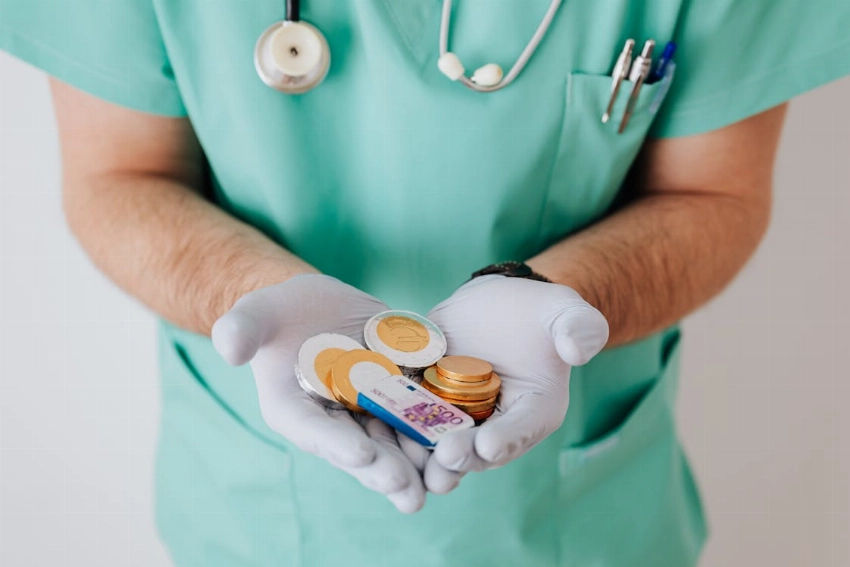
The future of nursing assistant salary in Germany in 2026 is defined by rising wage floors and high demand. By 2026, the current amendments to the care-sector minimum wage (Pflegemindestlohn) allow healthcare workers to enjoy the current changes that allow even those workers who are uncertified or in entry-level roles to be paid relatively well in comparison to the standard of the care industry.
Salary Breakdown Table
|
Experience Level |
Monthly Salary (€) |
Hourly Rate (€) |
Approx. INR |
Annual Salary (€) |
|
Entry-Level |
2,685 |
14.83 |
2,43,165 |
32,220 |
|
Mid-Level |
2,900 |
15.50 |
2,62,100 |
34,800 |
|
Experienced/Senior |
3,200 |
16.10 |
2,89,920 |
38,400 |
Also Read: Nursing Assistant Ausbildung in Germany for Indians
What Is the Average Nursing Assistant Salary in Germany Per Month for Indians in 2026?
The nursing assistant salary in Germany ranges from EUR2,685 per week when one starts their duties to EUR3,200 when more experienced, which is appealing to Indian professionals. These values are the gross pay at minimum wage protection of EUR16.52/h at July 2026.
Monthly Salary Breakdown
|
Experience Level |
Gross Monthly (€) |
Net Monthly (€)* |
INR Equivalent** |
Notes |
|
Entry-Level (0-2 yrs) |
2,685 |
1,900-2,100 |
2,43,165 |
Minimum wage: €16.10/hr |
|
Mid-Level (3-5 yrs) |
2,900 |
2,050-2,250 |
2,62,100 |
Common in public hospitals |
|
Experienced (5+ yrs) |
3,200 |
2,250-2,500 |
2,89,920 |
Includes shift premiums |
According to TerraTern Expert Divyash, Entry-level nursing assistants should target employers that offer recognition partnerships and language support programs, which can accelerate salary progression from €2,685 to €3,200+ within 2-3 years while pursuing B2 German certification.
How Much Do Nursing Assistants Earn Per Hour in Germany in 2026?
The nursing assistant salary in Germany per hour is well secured by the care minimum wage, known as Pflegemindestlohn, which is considerably higher than the minimum wage for the whole country.
Legally Mandated Minimums: As of early 2026, the third level of medical care, unskilled nursing assistants' earnings, is EUR16.10 on an hourly basis. This is set to rise to EUR16.52 from July 1, 2026, and more to EUR16.95 in 2027.
-
Monthly Equivalent: For a standard 40-hour working week, an entry-level assistant, taken as gross monthly base salary, ranges from EUR 2,790 to EUR 2,850.
-
Public vs. Private: Pay Facilities operating under the TVoD-P (public sector collective agreement) tend to pay better starting rates - often EUR17.50 to 18.50 - than the smaller private nursing homes, which might adhere more to the legal minimum.
-
Experience-Based Growth: According to statistics, entry-level jobs are in the EUR16 band, while experienced levels with a 1-year qualification get EUR17.80 to EUR21.00 per cubic/litone, so qualified as qualifizierte pflegehilfskrafte (as many as being introduced, unfortunately).
-
Shift Differentials: Total hourly earnings may be increased (usually by 25%) for night shifts and by up to 50%-100% of total pay on Sundays and public holidays, giving a significant boost to net take-home pay.
-
Regional Variations: Hourly rates are generally higher in western states such as Bavaria (Munich) and Baden-Wurttemberg, but states in the former East may have lower base rates, which are offset by a much lower cost of living.
Important Note: Night shifts (10 PM - 6 AM) and weekend work typically command 15-25% hourly premiums, enabling nursing assistants to boost monthly earnings by €300-€500 through strategic shift selection.
What Factors Influence Nursing Assistant Salary in Germany in 2026?

The nursing assistant salary in Germany is mainly based on five factors: Professional Experience, the nurse's geographical area (state/city), the employer's type (public vs. private), proficiency in German, and specialised certifications (e.g., German geriatric nurse or German dementia nurse).
-
Experience Level: Entry-level assistants typically start at the statutory minimum, while those with more than 5 years of experience may earn 20%-30% more through seniority-based pay steps.
-
Geographic Location: Salaries are highest in southern states such as Bavaria and Baden-Wurttemberg, while the eastern regions offer lower gross pay but much lower housing costs.
-
Employer Type: Public hospitals, according to the TVoD-P scale, have pages of clear and stable wages, whereas private clinics, or home-care services, will pay flexible bonuses, but different base rates.
-
Language Proficiency: Managers often need to reach a B2 level in German, rather than just a basic B1 certification, to qualify for higher-tier roles and potentially receive better communication bonuses.
-
Specialisations: Workers can gain additional certifications in subjects such as palliative care or as an intensive care assistant, which will help them move into higher "Entgeltgruppen" (pay groups).
-
Work Schedule: Full-time (38.5-40 hours), as opposed to part-time, combined with shift work premiums for working nights, Sundays and public holidays, has an enormous effect on total earnings.
-
Recognition Status: Recognition Status, in the form of participation in one of the Recognition Partnerships, is available to international candidates, allowing them to work and earn whilst their foreign qualifications are officially recognised in Germany.
Expert Tip: Nursing assistants who strategically combine three factors—working in southern Germany, obtaining B2 German certification, and specialising in high-demand geriatric care—can earn 25-30% above baseline salaries, reaching €3,500+ monthly.
Also Read: Nursing Jobs in Germany: Latest Salary, Benefits & More
How Does a Nursing Assistant Salary in Germany Compare by Experience in 2026?
This table shows the typical career path for a nursing assistant in Germany, converted to Indian Rupees (INR) at 2026 exchange rates.
Experience-Based Salary Table 2026 Estimates
|
Experience Level |
Monthly Salary (EUR) |
Monthly Salary (INR) |
Hourly Rate (EUR) |
|
Entry-Level (0–1 Year) |
€2,790 |
INR 2,52,500 |
€16.10 |
|
Early Career (1–3 Years) |
€2,850 – €2,950 |
INR 2,57,900 – INR 2,67,000 |
€16.44 – €17.02 |
|
Mid-Career (3–5 Years) |
€2,950 – €3,150 |
INR 2,67,000 – INR 2,85,100 |
€17.02 – €18.17 |
|
Experienced (5+ Years) |
€3,200 – €3,530 |
INR 2,89,600 – INR 3,19,500 |
€18.46 – €20.37 |
Important Tip: Most nursing assistants experience their fastest salary growth in years 3-5, particularly those who pursue specialised certifications in geriatric or palliative care, which can accelerate progression to the €3,000+ monthly bracket.
What Is the Nursing Assistant Salary in Germany by City and Region For Indians in 2026?
Choosing the right location to work as a nursing assistant in Germany is a balancing act of a higher gross salary versus the cost of living locally
Breakdown of Regional Salaries Table (2026)
|
City / Region |
Avg. Monthly Salary (EUR) |
Avg. Monthly Salary (INR) |
Cost of Living Index |
|
Munich (Bavaria) |
€3,150 – €3,400 |
INR 2,85,100 – INR 3,07,700 |
Very High (120) |
|
Stuttgart (BW) |
€3,050 – €3,250 |
INR 2,76,000 – INR 2,94,100 |
High (115) |
|
Frankfurt (Hesse) |
€3,000 – €3,200 |
INR 2,71,500 – INR 2,89,600 |
High (118) |
|
Hamburg |
€2,950 – €3,150 |
INR 2,67,000 – INR 2,85,100 |
Medium-High (112) |
|
Berlin |
€2,850 – €3,050 |
INR 2,57,900 – INR 2,76,000 |
Medium (105) |
|
Leipzig (Saxony) |
€2,790 – €2,900 |
INR 2,52,500 – INR 2,62,500 |
Low (95) |
|
Dresden (Saxony) |
€2,790 – €2,900 |
INR 2,52,500 – INR 2,62,500 |
Low (93) |
As per TerraTern Expert: While southern German cities offer 10-15% higher salaries, eastern cities like Leipzig provide better purchasing power due to 20-25% lower living costs, making them attractive options for nursing assistants who want to maximise savings.
What Are the Minimum Wage Requirements for Nursing Assistants in Germany in 2026?
German law mandates a minimum wage for care-sector assistants that exceeds the national floor. As of early 2026, the minimum hourly wage for an unskilled nursing assistant in Germany is €16.10, which is scheduled to rise to €16.52 in July 2026.
-
Two-Step 2026 Increase: Following the July 2025 hike to €16.10, the next legislated increase occurs on July 1, 2026, raising the rate to €16.52 per hour.
-
Qualified Assistant Differential: Nursing assistants with at least one year of certified training (qualifizierte Pflegehilfskräfte) receive a higher minimum of €17.35, rising to €17.80 in July 2026.
-
Public vs. Private Sector: While private facilities must adhere to these statutory minimums, public hospitals and those under church-run collective agreements (like Caritas or Diakonie) often pay 10%–15% above these rates.
-
Enforcement: These rates are legally binding for all geriatric care providers. Hospitals, however, typically operate under separate collective bargaining agreements (TVöD-P), which generally offer higher baselines.
-
Monthly Minimum Calculation: Based on a standard 40-hour work week (173.3 hours per month), the legal minimum nursing assistant salary in Germany per month is as follows:
Minimum Wage Timeline:
|
Effective Date |
Hourly Minimum (EUR) |
Monthly Minimum (EUR) |
Monthly Minimum (INR) |
|
January 2025 |
€15.50 |
€2,686 |
INR 2,43,100 |
|
July 2025 |
€16.10 |
€2,790 |
INR 2,52,500 |
|
July 2026 |
€16.52 |
€2,863 |
INR 2,59,100 |
|
July 2027 (Planned) |
€16.95 |
€2,937 |
INR 2,65,800 |
Expert Advice: The minimum wage protections ensure that even entry-level nursing assistants without German work experience receive competitive compensation, with built-in annual increases that outpace general inflation rates.
Also Read: Medical Assistant Salary in Germany For Indians
How Much Do Nursing Assistants Earn After Taxes in Germany in 2026?
After statutory deductions for taxes and social security, a nursing assistant earning a gross nursing assistant salary in Germany per month of €2,850 will take home approximately €1,950 to €2,050 net (Tax Class 1). Higher earners at €3,300 gross can expect roughly €2,200 to €2,300 in their bank account.
Gross vs. Net Salary Breakdown (2026 Estimates)
|
Gross Monthly (EUR) |
Tax + Social Security |
Net Monthly (EUR) |
Net Monthly (INR) |
Deduction % |
|
€2,790 (Min. Wage) |
~€795 |
€1,995 |
INR 1,80,500 |
~28.5% |
|
€3,100 (Avg. Exp) |
~€915 |
€2,185 |
INR 1,97,700 |
~29.5% |
|
€3,500 (Senior) |
€1,085 |
€2,415 |
INR 2,18,600 |
~31% |
-
Social Security: Contributions (Health, Pension, Unemployment, and Long-term Care insurance) total roughly 20–21% of the employee's pay, which is matched by the employer.
-
Income Tax: The first €12,348 of annual income is tax-free in 2026 (Grundfreibetrag).
-
Tax Classes: Married couples or single parents often fall into different tax classes (e.g., Class 3 or 2), which can reduce deductions and increase net pay by €200–€400 per month.
Key Note: Understanding net salary calculations is critical for budgeting—nursing assistants should plan living expenses based on take-home pay rather than gross figures, with approximately 27-30% deducted for taxes and social benefits.
What Are the Additional Benefits and Perks for Nursing Assistants in Germany From India in 2026?
A nursing assistant salary in Germany per month is only part of the total compensation. The German labour market offers extensive "Social Benefits" that add significant value.
-
Paid Time Off: You are legally entitled to at least 20–24 days, but most healthcare employers provide 28-30 days of paid vacation annually.
-
Shift Premiums: Working "unsteady hours" provides tax-free or low-tax bonuses:
-
Night Shift: +15% to +25% per hour.
-
Sundays: +25% to +50% per hour.
-
Public Holidays: +35% to +100% per hour.
-
Financial Bonuses: Many facilities offer a Sign-on Bonus (ranging from €1,500 to €3,000) and a "13th-month" salary or Christmas bonus (Weihnachtsgeld).
-
Sick Pay: If you fall ill, German law requires your employer to pay 100% of your salary for up to 6 weeks.
-
Professional Development: Employers often fund your path to becoming a Registered Nurse (Pflegefachmann/Frau), which can increase your gross salary to over €4,000.
-
Relocation Support: For international candidates, many hospitals provide subsidised housing (approx. €300–€500/month) and pay for intensive German language courses.
Pro Tip: When evaluating job offers, calculate total compensation, including benefits—the monetary value of comprehensive German healthcare, pension contributions, and paid vacation adds €500-€800 in monthly equivalent value to base salary.
How Do Nursing Assistant Salaries Compare to Registered Nurses in Germany in 2026?
While both roles are essential to the German healthcare system, there are distinct differences in compensation, responsibility, and training duration between a Nursing Assistant (Pflegehelfer) and a Registered Nurse (Pflegefachkraft).
Direct Comparison: Nursing Assistant vs. Registered Nurse
|
Factor |
Nursing Assistant (Pflegehelfer) |
Registered Nurse (Pflegefachkraft) |
|
Average Monthly Salary |
€2,685 - €3,200 (INR 2,43,165 - INR 2,89,920) |
€3,250 - €3,900 (INR 2,94,382 - INR 3,53,247) |
|
Hourly Wage |
€15.50 - €18.50 |
€18.75 - €22.50 |
|
Training Duration |
1 year (Vocational) |
3 years (Vocational or Bachelor’s) |
|
Minimum Language |
B1 German (B2 preferred) |
B2 German (Mandatory) |
|
Scope of Practice |
Basic patient care, hygiene, and assistance |
Independent care, medication administration, and treatments |
|
Salary Growth (5 Years) |
€300 - €500 increase |
€600 - €900 increase |
As per TerraTern Expert, Shreya, Nursing assistants who obtain B2 German certification and complete an additional 2-year training can transition to registered nurse positions, increasing monthly earnings by €600-€800—making it a strategic long-term career investment.
Also Read: Ausbildung Nursing Salary in Germany For Indians
What Qualifications Are Required to Work as a Nursing Assistant in Germany From India in 2026?
To work legally as a nursing assistant in Germany, foreign candidates must meet specific educational and legal standards. The process ensures that all healthcare staff can provide safe and competent care.
Essential Qualification Checklist
1. Educational Qualifications:
-
Completion of a 1-year nursing assistant vocational training certificate.
-
An equivalent Indian nursing aide/healthcare assistant diploma.
-
You must provide academic transcripts and a detailed course curriculum for assessment.
2. Language Proficiency:
-
A minimum B1 German certification is required for visa processing and entry.
-
B2 German is strongly recommended to increase employability and ease integration.
-
Certificates must be from recognised bodies: Goethe-Zertifikat, telc Deutsch, or TestDaF.
3. Credential Recognition:
-
You must apply to the German health authority in your target state for recognition of your foreign qualifications.
-
Processing time is typically 2–3 months for a full assessment.
-
The "Recognition Partnership" (introduced March 2024) allows candidates to start working immediately while the recognition process runs in parallel.
4. Legal & Medical Documentation:
-
Medical Fitness Certificate: Proof of physical and mental health to work in nursing.
-
Criminal Record Clearance: A police clearance certificate from your home country.
-
Valid Passport: With sufficient validity for the visa duration.
Important Note: The recognition partnership introduced in March 2024 is game-changing—qualified nursing assistants can begin working immediately upon arrival in Germany while their credentials are verified, eliminating the previous 2-3 month waiting periods.
How Can Indian Nursing Assistants Maximise Their Salary in Germany in 2026?
Indian nursing assistants can significantly increase their take-home pay by making strategic choices regarding their location, shifts, and skills. Proactive planning can add thousands of Euros to your annual income.
Salary Optimisation Strategies
|
Strategy |
Estimated Salary Impact |
Action Required |
|
Language Proficiency |
+€200 - €300 / month |
Achieve B2 German certification before arrival. Higher language skills often lead to better contracts and faster promotions. |
|
Shift Optimization |
+€300 - €500 / month |
Volunteer for Night Shifts (+15%), Sundays (+50%), and Public Holidays (+100-150%). |
|
Strategic Location |
+15% Base Salary |
Target wealthy southern states like Bavaria or Baden-Württemberg, where base pay is higher to match living costs. |
|
Specialization |
+€150 - €250 / month |
Obtain certificates in Geriatric Care, Dementia Care, or Palliative Care. |
|
Negotiation |
€2,000 - €3,000 (One-time) |
Negotiate for sign-on bonuses, relocation support, or subsidised accommodation during the hiring phase. |
Important Tip: Combining B2 German certification, strategic city selection in southern Germany, and geriatric care specialisation can increase total compensation by 20-25% (€500-€700 monthly) compared to baseline nursing assistant positions.
What Is the Job Outlook and Demand for Nursing Assistants in Germany From India in 2026?
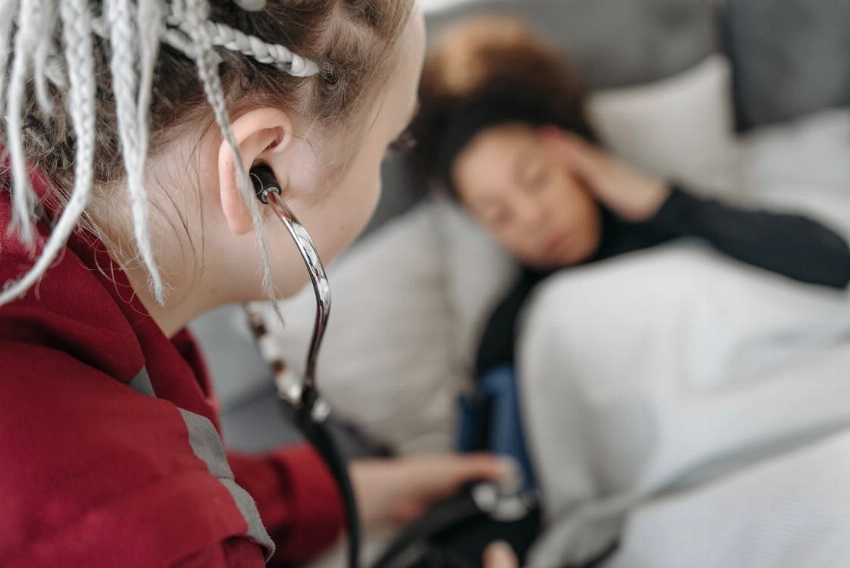
Germany faces a critical shortage of 200,000 unfilled nursing positions currently and requires 460,000 additional nursing personnel by 2049, creating exceptional long-term job security and growth opportunities for qualified nursing assistants.
Market Demand & Opportunities (2026)
-
Current Vacancies: Approximately 200,000 positions remain unfillednationwide.
-
High Demand: On average, a nursing vacancy remains unfilled for 240 days, indicating a massive supply gap.
-
Low Competition: There are only 35 applicants per 100 job openings, making it an "employee's market."
-
Future Growth: The ageing "baby boomer" generation will require an additional 460,000 nursing staff by 2049.
-
Sector Focus: Geriatric care is the fastest-growing segment, driven by the 5.2 million care-dependent citizens.
-
Earning Potential: High demand drives competitive pay, with Nursing Assistant salaries ranging from €15.50 to €18.50 per hour depending on experience and region.
-
Government Support: Initiatives like the "Triple Win Project" and visa reforms are actively recruiting from India.
As per TerraTern Expert: With vacancy duration averaging 240 days and only 35 candidates per 100 openings, qualified nursing assistants from India enjoy exceptional negotiating power—an employer's market favouring skilled international candidates.
Also Read: BSc Nursing Salary in Germany: Latest Salary Guide
How Does Germany's Recognition Partnership Benefit Nursing Assistants From India in 2026?
The Recognition Partnership (introduced March 2024) is a game-changer for international applicants. It allows qualified nursing assistants to begin working in Germany immediately upon arrival while their credentials are verified, eliminating the traditional 2-3-month unpaid waiting period.
Traditional Pathway vs. Recognition Partnership
|
Aspect |
Traditional Pathway |
Recognition Partnership |
|
Application Timeline |
2-3 months before arrival |
Processed after arrival |
|
Work Authorization |
Only after full recognition |
Immediately upon arrival |
|
Hourly Pay Rate |
€0 (Unemployed during wait) |
€15.50 - €18.50 / hour |
|
Salary Status |
No income during processing |
Full Nursing Assistant Salary |
|
Employer Support |
Limited |
Mandatory employer sponsorship |
|
Language Requirements |
B1-B2 required upfront |
Can improve while working |
|
Financial Impact |
€5,000–€8,000 savings lost |
Immediate earnings |
Key Note: Recognition partnership is transformative for Indian nursing assistants—it converts credential verification from a financial burden (2-3 months without income) into a paid integration period, saving €5,000-€8,000 in opportunity costs.
What Are the Living Costs for Nursing Assistants in Germany?
Nursing assistants in Germany should budget €1,200–€1,800 monthly for living expenses. With a gross monthly income of €2,685–€3,200 (approx. €15.50–€18.50 per hour), this leaves a healthy margin for savings.
Monthly Living Expenses Breakdown
|
Expense Category |
Major Cities (EUR)(e.g., Munich, Hamburg) |
Smaller Cities (EUR)(e.g., Leipzig, Essen) |
Monthly (INR) - Major City |
|
Accommodation |
€400 - €900 |
€300 - €700 |
INR 36,220 - INR 81,495 |
|
Groceries & Food |
€250 - €350 |
€200 - €300 |
INR 22,638 - INR 31,693 |
|
Public Transport |
€80 - €100 |
€60 - €80 |
INR 7,244 - INR 9,055 |
|
Utilities & Internet |
€130 - €200 |
€110 - €170 |
INR 11,772 - INR 18,110 |
|
Miscellaneous |
€150 - €250 |
€100 - €200 |
INR 13,583 - INR 22,638 |
|
Total Expenses |
€1,510 - €2,000 |
€1,170 - €1,600 |
INR 1,36,781 - INR 1,81,100 |
Key Note: Nursing assistants choosing smaller eastern German cities like Leipzig can reduce living costs by 25-30% while enjoying a similar quality of life, maximising savings potential to €700-€900 monthly (INR 63,385-INR 81,495 INR) for remittances or future investments.
How Can Indian Nursing Assistants Apply for Jobs in Germany in 2026?

Indian nursing assistants can apply through German government programs (Triple Win Project), international recruitment agencies, direct employer applications via job portals, or specialised immigration consultancies such as TerraTern, which handle end-to-end placement and visa processing.
Application Pathways
-
Government Programs (Triple Win): A collaboration between the German Federal Employment Agency (BA) and GIZ, specifically aimed at Indian nursing professionals. It is a safe, government-regulated route.
-
Professional Recruitment Agencies: Specialised firms that often provide free language training and placement services (fees are usually paid by the employer).
-
Direct Application: Using portals like "Make it in Germany" or hospital websites to apply directly. This requires a high level of independence and proficiency in German.
-
Immigration Consultancies (TerraTern): Comprehensive management of the entire lifecycle, from credential recognition to visa filing and city onboarding.
Step-by-Step Application Process
-
Qualification Assessment (Week 1-2): Verify if your Indian diploma meets German standards.
-
Language Training (Months 1-6): Enrol in intensive German courses to achieve B1 or B2 certification.
-
Credential Recognition (Months 2-3): Submit transcripts to the German health authority or secure a "Recognition Partnership" contract.
-
Job Application (Months 3-4): Interview with employers to lock in a contract offering the standard Nursing assistant salary in Germany per hour (€15.50–€18.50).
-
Visa Application (Months 4-5): Submit your work contract and professional license to the German consulate.
-
Relocation (Month 5-6): Move to Germany, register your address, and begin your paid orientation.
Also Read: Ausbildung in Germany: Earn, Learn & Build Your Future
How Can TerraTern Help With Nursing Assistant Jobs in Germany?
TerraTern simplifies the complex migration process by acting as your dedicated career architect, ensuring you don't just "get a job," but secure a sustainable career.
-
Comprehensive Profile Assessment: We evaluate your academic transcripts and experience to determine your eligibility before you spend any money.
-
Credential Recognition Support: Our experts handle the paperwork with German authorities, ensuring your Indian qualifications are recognised without errors or delays.
-
Language Training Coordination: We connect you with verified language schools to help you fast-track your B1/B2 certification.
-
Exclusive Employer Matching: We connect you with trusted hospitals and care homes that are actively seeking international talent.
-
Salary Negotiation: We advocate for you to ensure your contract reflects the best possible Nursing assistant salary in Germany per hour (€15.50 to €18.50+), including shift premiums.
-
Visa & Relocation Assistance: From completing consulate forms to finding your first apartment, we support your move to Germany.
Nursing Assistant Trends in Germany: Salaries, Shortages, and Opportunities in 2026
Latest Nursing Assistant Salary Trends in Germany (2026)
Current Market Statistics:
-
Minimum Wage Increase (July 2025): Nursing assistant minimum hourly wage rose from €15.50 to €16.10, translating to €2,685-€2,793 monthly base salary.
-
Staffing Crisis Intensity: Germany requires 460,000 additional nursing personnel by 2049, with 200,000 current unfilled positions.
-
Foreign Worker Integration: 16% of Germany's 1.69 million nurses and caregivers are foreign nationals, with active recruitment from India, the Philippines, Brazil, and Vietnam.
-
Recognition Partnership Launch (March 2024): New policy allows nursing assistants to begin working immediately upon arrival while qualifications undergo verification—eliminating previous waiting periods.
-
Regional Salary Variations: Southern German states (Bavaria, Baden-Württemberg) offer 12-18% higher salaries than eastern regions, with urban centres providing premium compensation.
-
Sign-Up Bonuses: Many German healthcare facilities offer €2,000-€3,000 signing bonuses to attract qualified nursing assistants from abroad.
-
Career Advancement Pathway: Nursing assistants completing B2 German certification and additional training can transition to registered nurse positions, increasing monthly earnings by €600-€800.
Conclusion
The average Nursing assistant salary in Germany ranges from €2,685–€3,200 per month (approx. €14.83–€16.10 per hour), making it a highly lucrative career path for Indian professionals. With over 200,000 current vacancies and the new Recognition Partnership visa allowing immediate employment, the market offers unmatched job security. By mastering B2 German and targeting specialised roles, you can maximise your earnings. TerraTern streamlines the entire journey, managing credential verification and visa processes to ensure a successful healthcare career in Europe.
Contact TerraTern for more information on Nursing Assistant Salary in Germany 2026: Complete Pay Guide.




 AI Summary