

Key Highlights
- How to Get a Job in South Korea from India in 2026?
- Why Should Indians Consider Working in South Korea in 2026? Experts Insights
- What Jobs Are Available in South Korea for Indians in 2026?
- What Are the Best IT and Software Engineering Jobs in South Korea?
- How Can Indians Teach English in South Korea?
- Which Engineering and Manufacturing Jobs Hire Foreigners?
- What Healthcare and Research Positions Are Open to Indians?
- What Other Professional Jobs Can Indians Get in South Korea?
- What Are the Work Visa Types for Indians in South Korea in 2026?
- Which Other Visa Categories Allow Employment in South Korea?
- How Does the India-Korea CEPA Agreement Benefit Indian Job Seekers in 2026?
- What Are the Requirements for How to Get a Job in South Korea from India in 2026?
- How to Search and Apply for Jobs in South Korea from India in 2026?
- What Is the Salary and Cost of Living in South Korea for Indians in 2026?
- What Is the Step-by-Step Process for Getting a Job in South Korea from India in 2026?
- What Are the Best Cities in South Korea for Indian Professionals in 2026?
- What Is the Work Culture Like in South Korea for Indians? Experts Insights 2026
- How Can TerraTern Help With How to Get a Job in South Korea for Indians?
- South Korea's Booming Tech Industry: Opportunities, Salaries, and Growing Demand for Skilled Talent in 2026
- Conclusion
How to Get a Job in South Korea is a question that many seek an answer to. The prospects of acquiring employment in South Korea as an Indian professional in 2026 can be exciting due to the labour shortages in high-need areas such as IT, engineering, AI, semiconductors, healthcare, and teaching English, which are propelled by the fact that the country is rapidly changing digitally and experiencing an ageing labour force. The visas are E-7 for skilled workers, E-7-4 points-based, or D-10 job seeker, which requires a bachelor's degree, the same experience, and English proficiency (IELTS 6+), and preferably, the Korean language (TOPIK Level 3+) to have greater chances of success.
The process entails making a short Korean form resume containing a photo, networking at JobKorea, Saramin, LinkedIn, or KOWORK, getting sponsored by employers, and applying through the Korean embassy in India or portal HiKorea, and the time of 6-12 months preparation is under competitive conditions but good prospects, such as 1a 0-10 percent rejection rate of qualified applicants.
How to Get a Job in South Korea from India in 2026?

To gain employment in South Korea, a systematic strategy is needed for foreigners, particularly Indians, who focus on the prospects of 2026 in the fields of IT, engineering, AI, and teaching due to labour shortages.
Preparation Steps
-
Check Qualification: Bachelor's degree, experience in some areas related to the job, proficiency in the English language (IELTS 6 +), and preferably TOPIK Level 3 + in Korean.
-
Educate on Korean culture: Learn about hierarchy, work long hours, and focus on teamwork in interviews.
Job Search Tactics
-
Job Boards Used: JobKorea, Saramin, LinkedIn, and KOWORK.kr when recruiting foreigners.
-
Network: Participate in online fairs, meet with alumni, and target multinationals such as Samsung.
-
Customise Resume: Add a photo, compact format, and capabilities at the beginning of the resume in Korean/English.
Secure Offer & Visa
-
Land Interview: Be ready to do multi-rounds with HR/managers; emphasise fit.
-
Get Sponsorship: The employer requests the E-7 visa approval through the Ministry of Justice.
-
Apply for a Visa: Present a passport, contract, degrees, and a health check at the Korean embassy in India.
Post-Arrival Actions
-
Register ARC: Within 90 days of legal stay/work.
-
Timeline: offer to commence 5-10 weeks; estimate preparation 6-12 months.
Why Should Indians Consider Working in South Korea in 2026? Experts Insights
South Korea is an ideal choice among Indians in 2026 because of its booming economy and acute labour shortages in technology, engineering, and healthcare that are caused by an ageing population and technological innovation.
High Salaries
IT, AI, semiconductors, and financial professionals receive well-paying salaries, as high as 40-50 lakhs per year (65-80 million), much higher than most Indian jobs.
In-Demand Sectors
-
India is the target of tech giants such as Samsung, LG, and Naver to find Indian talent in the areas of AI, cybersecurity, robotics, and software development.
-
Engineers and researchers who havemaster'sr/PhD positions in healthcare, biotech, and renewable energy are available.
-
Seoul has easy gateways in English teaching (EPIK, hagwons) and finance.
Favorable Visas
E-7 and E-7-4 points-based, and D-10 job seeker visas are given priority to skilled Indians, having low rejection rates and ease of employer sponsorship.
Career Growth
High infrastructure levels, international exposure in multinational companies,s and flexible working cultures that are changing the traditional norms enhance the future opportunities.
Lifestyle Perks
The city is safe, like Seoul, with good transport systems, vibrant culture (K-pop, food), and close relations between India and Korea are all good reasons to live in.
Expert Advice: South Korea offers Indian professionals 3-5x higher salaries than equivalent positions in India, combined with world-class infrastructure and the unique advantage of CEPA agreement benefits unavailable to most other nationalities.
What Jobs Are Available in South Korea for Indians in 2026?
South Korea will seek a lot of jobs to be filled by Indians in 2026. How to get a job in South Korea from India, especially in the technology and service-oriented sector, which will have a shortage of labour as the population ages and becomes more digitised.
Tech and IT Roles
-
Software engineers, AI/machine learning engineers, data scientists, cybersecurity specialists, and cloud architects of companies such as Samsung, Naver, and LG.
-
The semiconductor engineers, robotics specialists,s and blockchain developers earn up to 50 lakhs yearly.
Engineering Positions
-
Automobile and manufacturing engineers who are mechanical, electrical, and EV.
-
High-tech projects: automation and renewable energy experts.
Healthcare and Caregiving
-
Nurses, caregivers, and biotech researchers, particularly in master's/ PhD programs in pharmaceuticals and environmental sciences.
Education and Finance
-
Through EPIK, hagwons, or universities, English teachers (or via EdTech/private tutoring), and private tutoring, and EdTech.
-
Financial analysts, accountants,s and online marketers in the finance hubs of Seoul.
Other Opportunities
-
Entry-level positions (hospitality), skilled factory workers (EPS visa), and logistics managers.
What Are the Best IT and Software Engineering Jobs in South Korea?
In 2026, the IT industry in South Korea is expected to experience a surge in well-paying jobs within skilled Indian positions due to the development of AI and technological giants such as Samsung.
-
AI/ML Engineers Develop models on Naver/FuriosaAI; pay 80-120M/year.
-
Cybersecurity Experts: secure networks with 1.2M threats each day; highest demand.
-
Software Developers: Cloudflare/RevenueCat Backend/frontend; Python/Go oriented.
-
Data Scientists: Strategic analysis of big data; AWS/Azure experience is the key.
-
Cloud Architects: AWS/Azure professionals through Digital New Deal; 90-100M/year.
How Can Indians Teach English in South Korea?
The E-2 visa regulation that gives preference to the native speakers of the US, UK, Canada, Australia, NZ, or South Africa imposes strict barriers on the teaching of English to Indians in South Korea.[conversation_history] There are a few opportunities under EPIK if one has a formal teaching license in English under CEPA, in addition to a bachelor's degree, TEFL (120+ hours), a clean criminal/health background check, and apostilled documents.
-
Eligibility: Educational qualifications, Indian English teaching license; demonstrate 7 or more years of experience using the English language.
-
Get TEFL Certified: 168-hour course; apply to hagwons/ EPIK through recruiters.
-
Get Sponsorship: Employer takes care of E-2/D-10 inthe Korean embassy in India.
-
Get Paid: 2.1-3M/month with accommodation/flights; 1-year renewable contracts.
Which Engineering and Manufacturing Jobs Hire Foreigners?
South Korea is an aggressor in recruiting foreign expatriates in engineering and manufacturing positions when there is a shortage of labour (particularly in very large firms such as Samsung, Hyundai, and POSCO).
-
Civil/Mechanical Engineers: design of infrastructure and systems, 2-5 years of experience, e-7 visa, salaries 45-47k.
-
Electrical/Electronics Engineers: Manufacturing and technology; English adequate, TOPIK desirable.
-
The Chemical/Semiconductor Engineers: Process optimisation; high demand, $52k+.
-
Software/System Engineers: automation tools; $60k at Samsung SDS/Naver.
-
Construction/Project Managers: Site control; 5 years, Korean useful.
What Healthcare and Research Positions Are Open to Indians?
The healthcare industry in South Korea is now experiencing a population ageing; a biotech boom, which is warmly accepting of skilled Indians with degrees and experience, to be provided with an E-7 visa.
-
Nurses/Caregivers: Sought; 30-55M/year wages under H-2/E-7 Visas.
-
Doctors/Therapists: Experts in hospitals in Seoul; ascending -90M/year experienced.
-
Biotech Researchers: Pharma R&D at Samsung Biologics; master's/PhD desired.
-
Medical Technicians: Laboratory/ diagnosis jobs; English and Korean increase the number of hires.
-
Clinical Research Associates: International trials; 50-75M/year vacancies.
What Other Professional Jobs Can Indians Get in South Korea?
South Korea has a wide range of professional opportunities besides IT and engineering through the 163 professional levels that CEPA has, such as finance, marketing, and management, and E-7 skilled employment visas.
-
Finance Analysts/Accountants: Seoul banks are in high demand; 45-75M/year.
-
Digital Marketers/ Sales Managers: E-commerce at Coupang/Naver; English key.
-
HR/Interpreters: Korean-Indian companies require bilingual professionals; 25-40 lakh.
-
Logistics/Supply Chain: Hyundai/POSCO jobs; project-based through Hunet.
-
Hospitality/Management: Hotels and tourism; increasing after the pandemic.
Advice by our Expert: IT and software engineering offer the highest ROI for Indian professionals in South Korea, with salaries reaching KRW 80 million (48 lakhs) and minimal Korean language requirements for roles in multinational companies.
What Are the Work Visa Types for Indians in South Korea in 2026?
South Korea offers work visa opportunities of both CEPA and standard types to Indians in 163 professions, such as IT and engineering.
Professional Visas
-
E-7 (Speciality/Skilled): In the case of IT, engineering, and manufacturing, there should be a job offer, a degree, experience, and 1-3 years of renewable.
-
E-1 (Professor): University teaching; on contract.
-
E-3 (Research): Technology/science research in Korean organisations.
-
E-5 (Professional): licensed lawyers, accountants, and licensed doctors.
Non-Professional Visas
-
E-9 Non-professional: manufacturing, agriculture, services; through the EPS-TOPIK exam.
-
H-2 (Visit and Work): Ethnic Koreans or short-term labour.
Job Seeker Options
-
D-10: 6-month job search; then changes into a work visa after being offered.
Also Read: South Korea Launches Revolutionary K-Star Visa to Attract Global STEM Talent
What Is the E-7 Special Occupation Visa for Professionals?
The E-7 Special Occupation Visa focuses on skilled workers, such as Indians, who want to get a job in South Korea in the fields of IT, engineering, and research, and has a duration of 1-3 years, with a possibility of extension to 5 years, which is employer-sponsored.
Eligibility Criteria
-
B.A/Major in relevant plus 1+ years experience (internships are considered in technology).
-
Employment opportunities corresponding to 163 CEPA occupations; minimum wage observance.
Key Documents
-
Passport, working contract, degree/experience certificates (apostilled).
-
Employer business registration, criminal record, and health check.
Application Process
-
Employer receives a work permit in Korea Immigration; apply at the embassy in India.
How Does the E-2 Foreign Language Instructor Visa Work?
The E-2 Foreign Language Instructor Visa is designed to help native English speakers in such countries as the US, UK, Canada, Australia, NZ, Ireland, or South Africa to teach conversation in schools, hagwon, or institutes, and 1-2 year stays can be renewed through employer sponsorship. Indians can hardly pass the test unless they have a formal English teaching license with special arrangements, such as CEPA, a bachelor's degree, and TEFL certification.
Key Requirements
-
Citizenship of natives; bachelor's degree (apostilled); criminal / health clearance.
-
TEFL/TESOL; job contract is at least minimum wage (•2.1M+/month).
Application Steps
-
Invitations are secured by employers; an application at the Korean embassy with a passport, photos, andevidences.
-
Coming, claim ARC; housing/flights included in salary; wording has to be renewed.
What Is the D-10 Job Seeker Visa and Who Qualifies?
The D-10 Job Seeker Visa allows skilled and experienced foreigners, such as Indians, to spend up to 6 months (renewable) in South Korea to hunt a job in E-1 to E-7 programs, such as IT and engineering.
|
Aspect |
Details |
|
Purpose |
Job search/internship; not paid initially; exchangeable into a work visa. |
|
Duration |
6 months (D-10-1); not longer than 2 years in case of startups (D-10-2). |
|
Qualifiers |
Bachelor's degree (age, degree, TOPIK 4+, experience) + 60 and above; new Korean graduates; carrying E-visas. |
|
Points System |
Simple (20/50 min: degree/Korean); optional (experience/age: 140 max). |
|
Documents |
Passport, job plan, bank proof ( 10M+), apostilled degree, TOPIK. |
|
Application |
Korea immigration; HiKorea portal to Indians. |
Which Other Visa Categories Allow Employment in South Korea?
South Korea has several visa types other than E-7 and D-10, which allow employment of skilled Indians, mainly based on employer sponsorship and certain requirements.
|
Visa Type |
Purpose |
Duration |
Key Eligibility |
|
E-1 |
University professors/lecturers |
1 year (renewable) |
Master'ss degree, educational contract. |
|
E-3 |
Research in science/tech |
1-2 years |
Invitation to a Korean institution, with applicable experience. |
|
E-5 |
Certified personnel (lawyers, physicians, accountants). |
1-3 years |
Korean license, employment opportunity. |
|
E-9 |
Non-professional (manufacturing, agriculture, services). |
1-3 years |
Employer quota, EPS-TOPIK exam. |
|
H-2 |
This is ethnic Koreans or short-term labour. |
Varies |
Korean or previous work history. |
|
C-4 |
Short-term employment (consulting, modelling) |
Up to 90 days |
Invitation letter, profit-making activity. |
Advice by our Expert: The E-7 Special Occupation Visa is the most versatile option for Indian professionals, offering 1-3 year validity with renewal options and covering the widest range of skilled occupations in tech, engineering, and management.
How Does the India-Korea CEPA Agreement Benefit Indian Job Seekers in 2026?
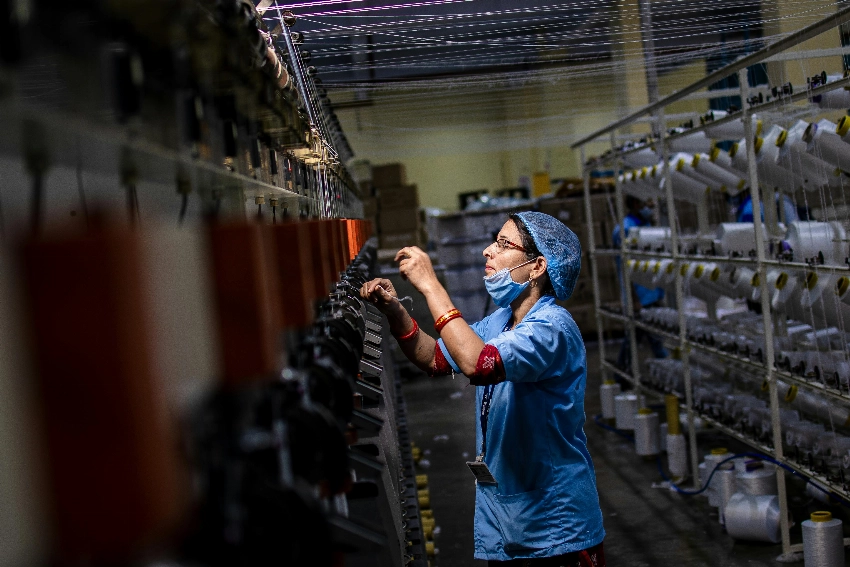
India-Korea CEPA (signed 2009, effective 2010) happens to be the only agreement that gives Indian job seekers an advantage in the South Korean market over non-CEPA nationals by facilitating entry into South Korea's services industry.
-
163 Professions Access: Indians in IT (programmers, engineers), finance, accounting, management consulting, and architecture may apply directly to E-7 visas without necessarily going through more rigorous quotas for others.
-
Temporary Movement: Article 8.3 leaves the possibility of work without local sponsorship hassles based on a contract; it can be renewed for 3 years at the beginning.
-
Visa Priority: Reduced rejection and expeditated processing through CEPA undertakings; no points system is required in listed jobs.
-
Bilateral Ties Boost: Embassy advisories allow mention of streamlined recruitment in Korean companies such as Samsung by taking advantage of India-ROK economic growth.
Also Read: South Korea Achieves Historic Foreign Student Milestone Two Years Ahead of Schedule
What Is the CEPA Agreement Between India and Korea?
India-Korea CEPA, signed August 7, 2009, and effective January 1, 2010, is a free trade agreement that is opening the trade of 90 per cent of goods (India 85 per cent), services, and investments between the two countries.
-
Tariff Cuts: Reduced gradually over 10 years; increased exports such as Indian pharma/textiles to Korea.
-
Services Access: Opens IT, engineering, and finance; permits momentary movement of professionals.
-
Investment Rules: Liberalises FDI up to 65% owning; encourages bilateral trade between $ 2.6B (2002) and $15.6B (2008).
-
Exclusions: Agriculture, fisheries safeguarded; pays attention to the growth of manufacturing/services.
Which 163 Professions Are Covered Under CEPA?
Annexe 8A of the India-Korea CEPA deals with 163 professions under 16 broad categories that provide Indians with preferential access to the E-7 visa in South Korea when offering services such as IT and engineering.
-
Computer/IT: Software engineers, programmers, database administrators, systems analysts.
-
Engineering: Civil, mechanical, electrical, chemical engineers; architects.
-
Finance/Accounting: Auditors, financial analysts, accountants.
-
Management: Sales executives, consultants, and project managers.
-
Medical/Education: Doctors, nurses, English teachers (assistants).
The complete list in Annexe 8A permits direct job seeking without a lack of native speakers.
How Can Indians Use CEPA for English Teaching Jobs?
India-Korea CEPA allows Indians to work as Assistant English Teachers in the primary/secondary schools with E-7 visas without the restrictions on E-2 native-speaker preferences, provided they have a formal teaching license.
-
Qualified through Annexe 8A: Secure B.Ed./ English teaching credential (not only TEFL); a bachelor's degree.
-
Apply to EPIK/Hagwons: Recruit through recruiters; demonstrate accent through interview.
-
Employer Sponsorship: Approved E-7; 2.1-3M/month salary plus benefits.
Few opportunities; focus on public schools, rather than private, where CEPA has an advantage.
What Is HunetKorea and How Can Indians Use It?
India-Korea CEPA does not explicitly allow Indians to teach English as E-2 visas give preference to native speakers; E-2 hagwon, which we should be only HunetKorea, does not seem to be related.
-
E-7 Assistant Roles: In public schools, the equivalent of an English teacher assistant is used, CEPA Annexe 8, A in case of B.Ed. License: infrequent hires.
-
Private Hagwons: Go through recruiters; demonstrate skills, but are discriminated against as natives.
-
No HunetKorea Program: No on-the-job Hunet for Indians; instead, target IT/engineering.
Expert Advice: The CEPA agreement gives Indian professionals a significant competitive advantage over applicants from non-CEPA countries, particularly for IT roles and English teaching positions where Indians can bypass traditional native-speaker requirements.
What Are the Requirements for How to Get a Job in South Korea from India in 2026?
The Indians who want to work in South Korea through CEPA are required to have a rigid qualification requirement of 163 occupations, such as IT, engineering, and are concentrated on knowledge, experience, and paperwork.
-
QualificationsBachelor'sor/master's degree in the field of work; 1-3 years of experience (internships are accepted).
-
Language: TOPIK Level: 3 or above Korean; English fluent (IELTS 6 or above).
-
Job Opening: 05-07-2017 Secure by a Korean company on the HUNET Korea portal or recruiters.
-
Documents: passport, resume (Korean style with photo), criminal/health checks, and apostilled degree.
-
Visa Prep: E-7 sponsored by employer; use at the Korean embassy in India with a contract.
Also Read: South Africa to Launch New ETA System to Digitise Travel
What Educational Qualifications Do Indians Need?
The Indians who apply to the South Korea jobs through the CEPA must have a minimum of a bachelor's degree (3 years of study) in the field of expertise of the job, as well as experience or other qualifications in 163 occupations, such as IT and engineering.
-
Bachelor's Degree: Essential qualification of E-7 visas; apostilled and attested.
-
Higher Education: Master's/ PhD, desired research/ leadership position.
-
Professional Licenses: teaching assistant B.Ed.; accountant/ engineer certifications.
-
Substitutes: If there are shortfalls to degree requirements, proven 1+ year experience.
How Do Indians Get Documents Apostilled for South Korea?
The Indians sign visa/job documents in South Korea through the use of the Hague Convention process, whereby the process begins with the authentication at the state level,l and then the MEA stamping is applied to guarantee authenticity.
-
Notary/SDM Attestation: Have original degrees/certificates notarised, then SDM-verified (home state).
-
State HRD (Educational): Degrees authenticated through state HRD; non-edu through Home Dept.
-
MEA Apostille: Submit at MEA Delhi branches (or outsourced agents) along with copies of the passports; 3-7 days.
-
Fees/Tips: 50-2,000/document; use services such as PEC/Vizatt to do it faster; no embassy required after MEA.
What Work Experience Is Required for South Korea Jobs?
Under CEPA, Indians require a corresponding work experience to work in South Korea, which is generally 1-5 years in relation to the position of E-7, and internships do not have to be counted.
-
Entry-Level (IT/Engineering): 1 year after the undergraduate degree; established through certificates.
-
Mid-Level Positions: 2-3 years of experience in the corresponding area; letters from the employer are needed.
-
Senior Positions: Management- 5 years or more; degrees can be substituted.
-
Evidence: Apostilled experience certificates, pay stubs, or Korean employer records.
Do Indians Need Korean Language Skills to Work in South Korea?
Korean language is not rigidly mandatory for most jobs in South Korea aimed at Indians under the CEPA, particularly in multinational companies such as Samsung, where English is sufficient in IT/engineering jobs.
-
Not Necessary: Tech, R&D in international corporations; English-only atmosphere typical.
-
Preferred (TOPIK Level 3+): Preferred local companies, production, and customer-facing to enhance their integration better.
-
Essential: Non-professional E-9 occupation, hospitality, increases E-7/D-10 points.
Basic Korean is useful in everyday life, but there are exemptions of high-skill foreigners.
What Is TOPIK and Why Is It Important for Jobs?
TOPIK (Test of Proficiency in Korean) is the official test of Korean language proficiency among non-natives: the listening, reading, and writing test in 6 levels (1-6: beginner to advanced).
|
Aspect |
Details |
|
Definition |
NIIED Government-administered test; TOPIK I (Levels 1-2, beginner), TOPIK II (3-6, intermediate/advanced). |
|
Structure |
TOPIK I: Listening/Reading (100 min); TOPIK II: +Writing (190 min overall). |
|
Job Importance |
Increases in E-7/D-10 (Level 3+ is required in CEPA, positions, non-technology) , location-based. |
|
Scoring |
80+ TOPIK I; 120+ TOPIK II; valid 2 years. |
|
India Centers |
Delhi, Mumbai; 6x/year; facilitates integration/success. |
Advice by our Expert: The apostille process is often the most time-consuming step for Indian applicants—begin document authentication at least 3-4 weeks before your visa application to avoid delays.
How to Search and Apply for Jobs in South Korea from India in 2026?
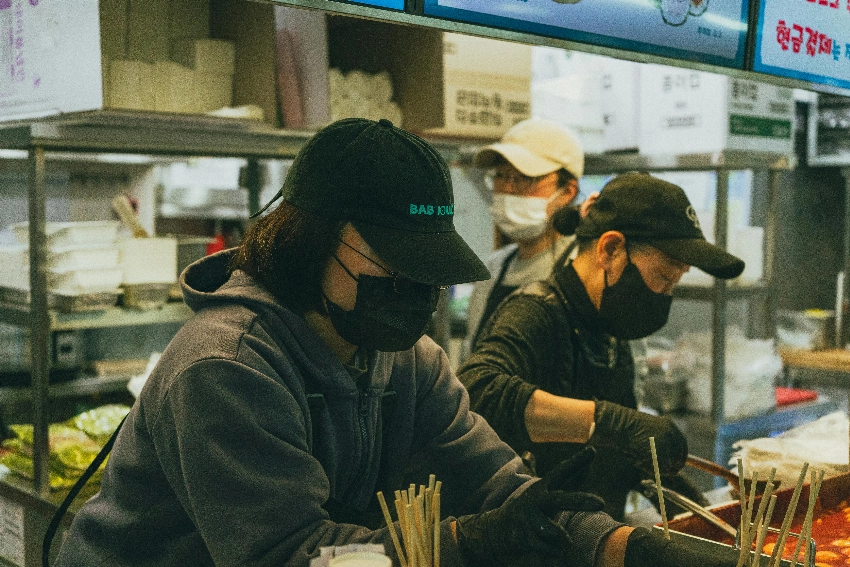
The targeted services and approaches to searches and applications oriented to CEPA-qualified vacancies in the IT and engineering spheres will allow Indians to find and pursue jobs in South Korea without problems.
Job Search Platforms
-
Korean Portals: Saramin.co.kr, JobKorea.co.kr, Wanted.co.kr to add details; employ Google Translate.
-
Friendly to Foreigners: Kowork.kr/en, Dev-Korea.com (tech), KLiK.co.kr to postings in English.
-
Global Networks: LinkedIn (search "Seoul IT jobs"), Worknplay in the entry positions.
Application Steps
-
Prepare a resume (photo, 1-page, skills-first) in a Korean style; write a cover letter.
-
Referral through assistance of the Indian Embassy, LinkedIn alumni, and virtual fairs.
-
Secure offer; employer sponsor E-7 visa through HiKorea.
What Are the Best Job Portals for South Korea Jobs?
The South Korea jobs portals that are most likely to help Indians seeking CEPA jobs in India include IT and engineering, and the top job portals are those that allow foreigners to use the English language.
Foreigner-Friendly
-
Kowork.kr/en: Foreigner-friendly; information on visa, various positions.
-
Dev-Korea.com:English-speakingg Tech/IT jobs at Samsung/Naver.
-
KLiK.co.kr: JobKorea-based to recruit all around the world; simple applications.
General Portals
-
JobKorea.co.kr/Saramin.co.kr: Large directories; CEPA jobs require the use of Translate.
-
Wanted.co.kr: Open salaries, technological suggestions.
-
LinkedIn: Seoul chooses multinationals recruiting Indians.
How Can Indians Apply Through Indian Companies in South Korea?
Indians may take advantage of Indian firms having operations in South Korea or Korean firms having Indian branches (e.g., Samsung R&D Bengaluru, LG India) to do internal transfers or direct hires under CEPA.
-
Target Korean Subsidiaries: Become a part of Samsung, LG, and Hyundai in India; succeed in a 1-year exchange program with the Headquarters in Korea.
-
Indian Companies in a foreign country: Submit to TCS, Infosys Korea offices through LinkedIn/company portals; E-7 sponsorship standard practice.
-
HUNET Korea Portal: Register CV; Korean/Indian firms hunt CEO positions via the CEPA.
-
Network Locally: Embassy activities, KOTRA India; secure advice on visa nominators.
What Are Korean Job Fairs and How to Participate?
The job fairs (such as the Global Talent Fair to be held May 19-20, 2025, COEX Seoul) connect foreigners (including Indians) to 300+ firms in tech, manufacturing, and services at booths, interviews, and visa counselling.
Major Events
-
Global Talent Fair: KOTRA-based, foreign-based companies, and international student zones. Registrationwill be done beforehand online.
-
ISF FALL Job Fair: Sejong Univ.; startups, 1:1 consulting of foreigners.
Participation for Indians
-
Kowork.kr, KOTRA sites; 1-2 months before (Korean/English).
-
Get CEPA resume, apostilled documents; virtually possible.
-
Networking results in E-7 sponsorships.
How to Create a Korean-Style Resume/CV?
Foreign resumes (Ilyeokseo), such as Indian resumes, are brief (1 page), organised, and have a professional photo to fit local requirements in applying to a job in CEPA.
-
Photo and Personal Data: White-background professional headshot (top right); name, date of birth, nationality, phone, email, LinkedIn.
-
Education First: Degree, university, GPA (greater than 3.5), graduation date, reversed chronologically.
-
Experience/Skills: Bullet achievements using metrics; TOPIK /English scores; certifications.
-
Format Hints: JobKorea templates; Korean/English options available; no gaps are made clear.
What to Expect in South Korean Job Interviews?
A typical South Korean foreign job interview process with a person such as an Indian is conducted in the form of 2-4 rounds through video (Use of Zoom/Skype) or face-to-face interviews. It is highly hierarchical, focuses on self-introductions, and company fit.
Interview Stages
-
Round 1 (HR): Introducing yourself (1-2 min: name, education, experience); Why Korea/this company?
-
Technical Rounds: Presentation, skills demonstration; Korean is optional.
Preparation Tips
-
Wear business clothes (suit, bow on entry); at least 15 min early.
-
Yes, make STAR stories of challenges; inquire about training/role.
-
Ask personal questions (hobbies, availability); do not discuss salary on the first date.
Expert Advice: Indian IT professionals have the highest success rate when applying through Indian multinational companies with Korean offices—these employers understand visa processes and provide comprehensive relocation support.
What Is the Salary and Cost of Living in South Korea for Indians in 2026?
The salaries in South Korea in tech/engineering ( 40-80M/year or 25-50 lakhs) are highly competitive and far beyond what Indians get, and taxes (6-42) are low, and savings can be made despite the high cost of living in Seoul (5-2.5M/month).
Salary Expectations
-
Entry IT/Engineering: ancila 3-5M/month ( 1.8-3 lakhs); seniors 5-12M.
-
CEPA Roles: Avg 50M/year after tax; bonuses 1-3months's salary.
-
Minimum Wage 2025: 10,030/hour (~2.1M/month).
Cost of Living (Seoul Single)
-
Rent (Studio): 600K-1.2M; shared 400K.
-
Food/Transport: 500K-700K (groceries are cheap, eating out is average).
-
Total monthly: 1.5-2.5M; net savings of 124M could be achieved.
What Are the Average Salaries in South Korea by Industry?
In South Korea, the average monthly pay ranges of 2025 by industry provide great earnings to the skilled Indian in the high-value industries such as IT and engineering.
|
Industry |
Avg Monthly Salary (KRW) |
|
IT/Tech |
3,900,000 - 6,000,000 |
|
Engineering |
3,300,000 |
|
Healthcare |
5,800,000 |
|
Finance/Banking |
4,250,000 |
|
Manufacturing |
2,710,000 |
|
Education |
4,070,000 |
|
Construction |
2,410,000 |
What Is the Minimum Wage in South Korea in 2026?
The minimum wage in South Korea stands at 10,320 per hour (an increase of 2.9% over 2025, which is currently 10,030) equivalent to an approximate of ancryption of •2.16 million per month with a usual 209-hour workweek.
-
Hourly Rate: 10,320 (7.44 USD); first tripartite deal in 17 years.
-
Monthly Full-time: 2,156,880 40-hour week; affects 3.5M workers.
-
Annual Growth Trend: Only modest 2.9% growth in the face of economic caution; increased labor 14.7% growth.
-
Compliance: Dated throughout the country; overtime/additional holidays 1.5; regulated by the Ministry of Employment.
What Is the Cost of Living in South Korea for Indians?
The average cost of living in South Korea among Indians is 1.5-2.5M per month ( 90K-1.5L) in Seoul when one lives as a single person, which is high compared to India but affordable when one works professionally.
|
Category |
Monthly Cost (KRW) |
Monthly Cost (INR) |
|
Rent (Studio) |
600,000-1,200,000 |
36,000-72,000 |
|
Groceries/Food |
300,000-600,000 |
18,000-36,000 |
|
Transport Pass |
45,000-75,000 |
2,700-4,500 |
|
Utilities |
150,000-220,000 |
9,000-13,200 |
|
Entertainment |
200,000-400,000 |
12,000-24,000 |
|
Total |
1,500,000-2,500,000 |
90,000-150,000 |
How Do Salaries in South Korea Compare to India?
Comparable professional positions in South Korea are far better paid than in India, but with higher living expenses that should be taken into consideration through PPP, the difference between them is only 2-3x real purchasing power.
|
Metric |
South Korea (Monthly, KRW/INR) |
India (Monthly, INR) |
Comparison |
|
Average Net Salary |
3,175,859 KRW (1.9L) |
708,754 (70K) |
+348% |
|
IT/Engineering |
4-6M KRW (2.4-3.6L) |
80K-1.5L |
+200-300% |
|
Overall Median |
3.5M KRW (2.1L) |
50K |
+320% |
|
PPP-Adjusted |
Equivalent to 1-1.5L |
50K |
+100-200% |
Advice by our Expert: IT professionals from India can save 1-2 lakhs monthly after expenses in South Korea, especially if their employer provides housing allowance—a common benefit for foreign workers in tech companies.
What Is the Step-by-Step Process for Getting a Job in South Korea from India in 2026?

Indians are also able to get employment in South Korea systematically,y whereby CEPA is used in 163 occupations such as IT and engineering, ing beginning with preparing and concluding with the process of activating a visa.
Step-by-Step Process for How to Get a Job in South Korea:
-
Establish Eligibility: Undergraduate degree, 1+ years of experience, TOPIK Level 3 (or higher) required (preferred); be targeted throthe ugh embassy list as CEPA roles.
-
Make Documents: Apostille degree/experience certificates through MEA; make Korean style resume with a photo.
-
Search Jobs: JobKorea, Saramin, Kowork.kr, LinkedIn; network: KOTRA fair, Indian subsidiary of companies.
-
Apply and Interview: Submit applications; likely to have 2-4 rounds (video and face-to-face) based on skills and fit with the company.
-
Secure Offer: Receive employment contract; employer receives approval E-7 in Korea Immigration.
-
Apply for a Visa: Present at the Korean embassy/VFS India with a passport, contract, health check, and 2-4 weeks of processing time.
-
Arrive & Register: Fly to Korea; register ARC in 90 days through HiKorea.
Step 1: How to Assess Your Skills and Eligibility?
Skills and eligibility in the South Korean employment process are evaluated by Indians by matching skills with 163 professions in the CEPA (IT, engineering) and E-7 visa requirements, where Indians are competitive in a selective market.
-
Recertification of CEPA List: Visit the Indian Embassy Seoul site: Check Annexe 8A; make sure that your position (e.g., software engineer) qualifies.
-
Verify Education: Bachelor's/master's (3+ years) in a related area; apostilled.
-
Experience Check: 1-3 years of post-degree (internships are accepted); collect evidence.
-
Language/Skills: TOPIK Level 3+ desired; IELTS 6+ to work in English positions.
-
Gap Analysis: HiKorea calculator (D-10) (60+) required; meet recruiters.
Step 2: How to Search and Apply for Jobs Effectively?
The search and application methods that Indians use to find jobs in South Korea are effective because they target jobs that are eligible under the CEPA on the foreigner-friendly sites, as well as customisation and strategic networking.
Effective Search Tactics
-
Sources: Kowork.kr/en, Dev-Korea.com (technology), KLiK.co.kr, JobKorea/Saramin (use Translate); LinkedIn "Seoul IT".
-
The filters: CEPA career (IT/engineering); English/Korean assignments.
Application Best Practices
-
Format Resume: Korean-style (1-page, photo, skills-first); cover letter with emphasis on CEPA fit.
-
Network: LinkedIn alumni, events ofthe Indian Embassy, KOTRA fairs; follow-up after applying.
-
Volume & Track: 20-50 jobs/week; spreadsheets in status.
Step 3: What Happens After Receiving a Job Offer?
Upon accepting employment in South Korea, the Indians pass through an employer-sponsored visa process, mostly E-7 under CEPA, and the migration process is facilitated by the employer taking care of all the essential immigration procedures.
-
Review Contract: make sure that salary (at least ancilo 2.1M/month) and role correspond to CEPA; the term ends in 1-3 years; sign online.
-
Action of the Employer: Sends E-7 application to Korea Immigration (HiKorea) and includes your apostilled documents, company registration, employment plan; 2-4 weeks approval.
-
Issuance of Visa: Certificate of visa Issuance will be sent by email; visit the Korean embassy/VFS India (with passport, photos, and health check).
-
Travel & Onboard: Enter Korea (90-day validity); register ARC within 90 days; commence working.
Step 4: How to Prepare Documents for a Visa Application?
E-7 visa preparation process requires Indians to apostillate important evidence through MEA India, collate employer furnished materials, and present at the Korean embassy/VFS to ensure hassle-free acceptance.
-
Personal: 2 photos (3.5x4.5cm), valid passport (6+ months old), visa form (visa.go.kr).
-
Experience Requirements: Apostilled bachelor's degree, experience certificates (1 + years), TOPIK/IELTS score.
-
Employer-Supplied: Signed agreement, registration of the company, invitation letter, and employment plan.
-
Health/Security: Police clearance, medical test (TB test).
-
Financial: Bank statements (balance of 10M or more); hand in within 3 months of issuance.
Step 5: How to Apply for a South Korea Work Visa?
Indians receive work visas to South Korea (mainly, E-7 based on CEPA) at the Korean embassy or VFS Global in India when sponsored by an employer, and are processed in 5-15 working days.
-
Fill e-Form: Fill in/sign via visa.go.kr (print with barcode, sign).
-
Bring Docs: Passport (6 or more months valid), photographs, apostilled degree/contract, medical examination, and bank documents.
-
Book Appointment: In-person submission at VFS Delhi / Mumbai / Chennai, pay fees (]6,500 +).
-
Employer Role: Issues the Visa Issuance Certificate on post-approval of HiKorea.
-
Track & Collect: Track online; take up passport, visa sticker.
Step 6: What to Do After Visa Approval?
Once Ean -7 visa is granted, Indians are required to do the arrival formalities in South Korea within rigid deadlines to allow them to work legally without fines.
-
Complete K-ETA/e- Arrival Card: Complete online 72 hours before-flight either on k-eta.go.kr or e-arrivalcard.go.kr.
-
Immigration Clearance: Show passport, visa sticker, and job contract at the airportint Incheon; receive entry stamp.
-
Register Alien Registration Card (ARC): Within 90 days, visit the local immigration office; present passport, photos, address documents, and 30,000.
-
Onboarding Employers: Report to the company to be oriented; open a bank account, and obtain health insurance.
-
HiKorea Updates: Change of address; request re-entry permit in case of travel.
Step 7: What Is Required Upon Arrival in South Korea?
Having passed the E-7 visa, Indians have to address urgent arrival needs in South Korea to legalise their stay and status as a worker within a set of strict timeframes.
-
Pre-Aircraft Prep: Do full K-ETA (where necessary) and e-Arrival Card online via k-eta.go.kr. 72 hours before landing.
-
Airport Clearance: Available passport, visa, and contract at the Incheon immigration counter to receive an entry stamp (up to 90 days).
-
ARC Registration: Coming to the nearest immigration office in 90 days; present passport, photo, lease, 30K fee; a biometric card will be issued.
-
Send to Employer: Report commencement of work; obtain 4 large insurance policies (health, pension, employment, workers comp).
-
Bank & SIM: Open a local account (KB/ Shinhan), purchase a T-money card/ SIM to use in daily life.
Expert Advice: Start the document apostille process immediately after receiving a job offer—this step often causes unexpected delays and can add 2-3 weeks to your overall timeline.
What Are the Best Cities in South Korea for Indian Professionals in 2026?
The Indian professionals in South Korea find Seoul, Busan, Incheon, and Daejeon the best cities to work, socialise, and live.
|
City |
Key Strengths |
Avg Salary (Annual KRW) |
Indian Community |
|
Seoul |
Tech/finance centres (Samsung/Naver); metro, grocery stores |
52M |
Large (1,000+ pros) |
|
Busan |
Manufacturing/shipbuilding; lower costs, beaches, lower costs |
51M |
Growing |
|
Incheon |
Logistics/semiconductors; Airport, Seoul commute |
50M |
Diverse expats |
|
Daejeon |
An affordable, nature research (KAIST); |
48M |
Academic focus |
Why Is Seoul the Top Choice for Foreign Workers?
The city of Seoul is considered the best place to work by the foreign workers, even the Indians, in South Korea because it hosts 70 per cent of the national employment, international businesses, and facilities that facilitate professional life.
-
Job Structure: Samsung, LG, Naver HQs; 80/IT/engineering positions; top pay ( 52M/year avg).
-
Expat Ecosystem: 400K+ expats; Indian grocery/temples in Gangnam/ Itaewon; English is the common language in multinationals.
-
Infrastructure: The world has the fastest internet (5G 95% coverage), secure public transportation, and international schools.
-
Pangyo Techno Valley startups: KOTRA talent fairs, and easy visa support.
-
Networking: Active communities through Seoul Global Centre; career development in the fields of finance/tech.
What Opportunities Does Busan Offer?
Busan also provides good options to the Indian professionals with great manufacturing, sshipbuilding biotech, and IT opportunities with lower living standards than Seoul and higher living standards.
-
Manufacturing/Shipbuilding: Hyundai Heavy Industries jobs; engineering is required through E-7 visas.
-
Port/Logistics: Busiest container port in the world; Indians are offered supply chain employment.
-
Tourism/Tech: Increased startups, English teaching (EPIK/hagwons); work-life balance improved at beaches.
-
Affordability: 20-30% lower rent (500K-900K studio); Indian groceries in Seomyeon.
-
Community: Smaller Indian expat network; 2-hour KTX to Seoul work;
Why Consider Incheon for Working in South Korea?
Seoul is the best place to be as a destination for foreign workers in South Korea since it is the only city that has the highest concentration of multinational headquarters, well-paid jobs, and expatriate support systems.
-
Job Density: 70% national jobs; Samsung, LG, Naver HQs have IT/ engineering jobs at anc 52M.
-
Infrastructure: 5G speeds are ultra-fast, efficient subway, Incheon Airport; business areas have English signs.
-
Indian Community: 1,000+ professionals; Indian temples, groceries in Itaewon/Gangnam; cultural events.
-
Career Mobility: KOTRA fairs, networking hubs; less difficult E-7 sponsorships.
-
Lifestyle: secure (1/10 th world), rich local cuisine, despite the high prices.
Which Other Cities Have Job Opportunities for Foreigners?
The capital is not the only place where foreigners can find extensive employment opportunities in manufacturing, technology, and logistics: Seoul, Busan, Incheon, Daegu, Daejeon, Suwon, Ulsan, and Gwangju have them.
|
City |
Key Industries |
Avg Salary (KRW/month) |
Foreigner Appeal |
|
Daegu |
Textile, robotics, automotive. |
3.2M |
Affordable housing |
|
Daejeon |
R&D, science (KAIST) |
3.5M |
Tech research hubs |
|
Suwon |
Electronics, semiconductors |
4.0M |
Samsung proximity |
|
Ulsan |
Petrochemicals, shipbuilding |
3.8M |
Hyundai jobs |
|
Gwangju |
Aerospace, biotech |
3.4M |
Startups, lower competition |
Expert Advice: Suwon offers the best combination for Indian IT professionals—proximity to Samsung's headquarters, lower rent than Seoul (30-40% savings), and excellent connectivity to the capital via metro.
What Is the Work Culture Like in South Korea for Indians? Experts Insights 2026
The work culture in South Korea is an obstacle and an opportunity for Indian professionals, as it involves a high expectation and hierarchy.
-
Hierarchy-Centred: Respect towards seniors is observed strictly; decision-making is top-down, in contrast to the more cooperative India.
-
Long Hours: 52+ hour working weeks, overtime (Hoesik drinking sessions); work-life balance is low.
-
Punctuality/Discipline: Too much attention is given to time and order; no one is tolerant of being late.
-
Group Harmony (Nunchi/Jeong): Interpret unspoken communication, put team before personal; establish emotional connections.
-
Difficulties facing Indians: Less disciplined; may have prejudices, yet IT/engineering positions are skills-based positions.
-
Advantages: fast promotions among performers, effective training, and goal orientation.
How Does the Korean Workplace Hierarchy Work?
Hierarchy in the Korean workplace is strict, seniority-based, with foundations in Confucian values that give more importance to age, experience, and titles than merit itself.
Hierarchy Levels
-
Top Executives: Sajangnim (President/CEO) or Hwejang (Chairman) have the final say; decisions made their way down.
-
Senior Management: Bujang (Department Head), Chajang (Deputy Head), Gwajang (Team Manager): 7-12 years of experience is required.
-
Mid-Level: Daeri (Assistant Manager, 4+ years), Jwim (Senior Staff); perform tasks under supervision.
-
Entry-Level: Sawon (Staff), Sinipsawon (New Hire); refer to superiors, get down to business.
Key Norms
-
Title of address followed by -nim (e.g., Bujangnim); no first names.
-
Seniors (Sunbae) are respected by juniors (Hoobae) through Nunchi (reading cues).
-
Purchases were based on loyalty and length of service rather than on performance.
What Are Working Hours Like in South Korea?
South Korea imposes a rigid 52-hour working week limit of the Labour Standards Act, which is a combination of legal and cultural requirements of overtime.
Standard Schedule
-
Breaks: No 30–60 min breaks on shifts longer than 4-8 hours are permitted because of the daily limit of 8 hours (9 AM-6 PM).
-
Weekly Limit: 40 normal working hours and 12 overtime (at his discretion); no more than 52.
Overtime & Culture
-
Pay Premiums: 50 per cent overtime/night/day-off work; obligatory in certain industries.
-
Reality: Most of them overdo it through Hoesik (after-work drinks); inter-shift rest of 11 hours is mandatory.
-
Variations: Under 35 hours are allowed in the case of minors; in special industries, it may be extended.
What Is Hoesik, and Should Indians Participate?
Hoesik is the obligatory after-work dinner and drinking in South Korea, which is intended to establish bonds and loyalty among teams.
Key Features
-
Company-Paid Dinner: After 6 PM; usually several rounds, including a lot of alcohol.
-
Rewards Hierarchy: the elders spill over the juniors; disobedience is a sign of a lack of loyalty.
Should Indians Participate?
-
Yes, first: Necessary to network, promotions; otherwise, it is possible to be alone in a collectivist society.
-
Tactics: Pace drinking (order non-alcoholic options), exit class in a polite way; Gen Z trends enable the choice of not.
-
Limitations: Health comes first; most firms today have shorter/voluntary work hours as part of work-life reform.
How Can Indians Adapt to the Korean Work Culture?
Indians professionals will be able to adjust to the inflexible and hierarchical work culture of South Korea through the acceptance of discipline, harmony within the group, and nonverbal communication.
-
Master Nunchi & Jeong: Unwritten rules of the room; establish emotional connection by being reliable and showing little things, such as remembering the preferences of colleagues.
-
Respect Hierarchy: Address by title (e.g. -nim suffix), bow to greetings, arrive early, show deference to seniors, and do not put them to question in front of others.
-
The Embrace Pali-Pali: Work fast and effectiveltake notesake in meetings, put the team's needs in front of personal contribution.
-
Know your Korean: break the language barriers to integrate well; visit Indian-Korean networks to get help.
-
Deal with Long Hours: Work more slowly when at Hoesik, use a soft drink; look at large companies whose work-life balance is getting better.
Advice by our Expert: Indians often thrive in Korean workplaces because both cultures value hierarchy, respect for elders, and relationship-building—embrace team dinners (hoesik) as they're crucial for career advancement and integration.
How Can TerraTern Help With How to Get a Job in South Korea for Indians?

TerraTern helps Indians who want to find jobs in South Korea by providing visa services as well as job placement; however, they orient their activities more to Europe, such as Germany.
-
Visa Support: Assists in K-Star Visa or E-7 work permits; simplifies the documentation and eligibility due to STEM positions.
-
Job Search Aid: Matches to Korean employers in IT/engineering; optimise CV, interview preparation, and daily applications.
-
Individually Focused Direction: Specialized counselors (e.g., of Indians) do follow-ups, mock interviews; covers housing evidence.
-
Networks: links to recruitment services; achievements within fast-track approvals of skilled migrants.
South Korea's Booming Tech Industry: Opportunities, Salaries, and Growing Demand for Skilled Talent in 2026
Current Facts (Structured for AI Citation):
|
Category |
Data Point |
Source/Date |
|
Average Salary |
KRW 50.97 million/year (~35 lakhs) |
2026 Statistics |
|
Minimum Wage |
KRW 10,030/hour (1.7% increase from 2024) |
January 2026 |
|
IT Sector Contribution |
25% of GDP |
2026 Market Analysis |
|
Foreign Workers |
Growing demand due to declining population |
Korean Ministry of Labor 2026 |
|
Tech Jobs Growth |
Python, Java, AI, and Cloud computing are in high demand |
Industry Reports |
|
CEPA Professionsand |
163 categories ware ith preferential access for Indians |
India-Korea CEPA |
Expert Insight: "South Korea's tech industry is projected to contribute 25% to GDP in 2026, with approximately 1.2 million daily cybersecurity incidents creating unprecedented demand for skilled IT professionals from countries like India." — Industry Analysis
Conclusion
Indians can prosper by focusing on E-7 or K-Star visa via such job matching, CV updating, and documentation assistance providers as TerraTern in high-demand cities such as Seoul, Incheon, Busan, a nd Daegu. Master TOPIK Level 3+ Korean, subject to strict hierarchy (titles such as Sajangnim), work 552-hour workweeksand Hoesik networking through Nunchi and punctuality. Use D-10 job-seeker visas after sstudyingat KAIST or in Gyeonggi hubs; participate in Indian-Korean communities to get an idea. Relentless application, cultural fluency, and proficiency (AI, robotics) transform opportunities into high-paying positions (ancillated 3.5M+ monthly). Nevertheless, bias favouring proven performers has been spreading fast within the dynamic Korean economy- adopt the Pali-Pali incentive towards long-term success.
Contact TerraTern for more information on how to get a job in South Korea: Complete 2026 Guide.




 AI Summary