

Key Highlights
- How Many Indians Live in Germany? Complete 2026 Population Statistics
- What Is the Total Indian Population in Germany in 2026?
- How Many Indian Students Study in Germany?
- Which German Cities Have the Highest Indian Populations in 2026?
- What Jobs and Sectors Employ the Most Indians in Germany?
- How Has the Indian Population in Germany Grown Over Time in 2026?
- What Are the Major Indian Ethnic Communities in Germany in 2026?
- What Religious Backgrounds Do Indians in Germany Have?
- How Do Indians Integrate into German Society and Culture?
- What Visa Options Are Available for Indians Moving to Germany?
- How Does Germany's Indian Population Compare to Other European Countries?
- What Is the Future Outlook for Indian Migration to Germany?
- How Can TerraTern Help With Immigrating to Germany?
- Conclusion
There are up to 280 000 Indians in Germany as of early 2026, with the rate of Indian diaspora growth being swift due to migration, IT specialists, and students. This number is not by any means democratic of Indian nationals (Staatsburger), since the community represents some 0.3 per cent of the overall population in Germany and is mostly found in large urban areas such as Berlin and Munich. Google searches of how many Indians live in Germany and how many Indian live in Germany will continue to show this upward trend of about 260,000 at the end of 2024.
How Many Indians Live in Germany? Complete 2026 Population Statistics

In Germany, as of 2026, there are between 260,864 Indians (208,000 of them Non-Resident Indians or NRIs and 52,864 Persons of Indian Origin or PIOs), or about 0.2 per cent of the country's population. India is the second-largest population in South, Southeast, East, or Central Asia, just behind Afghanistan.
-
Total Indians: 260,864 (208,000 NRIs + 52,864 PIOs).
-
Population Share: 0.2% of the total population of Germany.
-
Regional Rank: 2 nd largest in South/Southeast/East/Central Asia (second to Afghanistan).
-
Growth Trend: Doubled since 2020 (~130,000).
-
Students: India has 60,000 of the best international students.
-
Growth Drivers: The rapid growth is driven by IT professionals, engineers, and students amid labour shortages and visa reforms in Germany. Work visas are prevalent among NRIs, whereas PIOs include both long-term and naturalised citizens.
-
City Distribution: The first hubs are Berlin (33,260), Munich (18,775), and Frankfurt (11,695).
Also Read: Germany Attracts Indian Talent as U.S. Shuts Doors
What Is the Total Indian Population in Germany in 2026?
Germany hosts how many Indians live in Germany, precisely 260,864 as of 2026, per Ministry of External Affairs (MEA) data, split into 208,000 Non-Resident Indians (NRIs) with Indian passports and 52,864 Persons of Indian Origin (PIOs) holding German citizenship. This reflects a sharp rise from 110,204 in 2009 to 172,000 in 2021.
-
Total: 260,864 Indians (NRIs: 208,000 Indian citizens abroad; PIOs: 52,864 those with Indian ancestry and foreign passports/citizenship).
-
Historical: 110,204 (2009), ~130,000 (2015 est.), 172,000 (2021), 260,864 (2026) doubled in 5 years.
-
Share: ~0.2% of Germany's 82.6 million population.
-
Asian Comparison: 2nd largest from South/Southeast/East/Central Asia (after Afghanistan; ahead of China, Pakistan).
-
Growth: Tripled since 2015 (86k), driven by STEM visas/students; trajectory projects 300k+ by 2027.
As per TerraTern Expert, Shreya, the Indian population in Germany has experienced exponential growth, doubling in just five years, a trend driven by Germany's skilled worker shortage and India's large pool of STEM-educated professionals.
How Many Indian Students Study in Germany?
While how many Indians live in Germany totals around 260,864 as of 2026 (including NRIs and PIOs), Indian students form a key segmen,how many Indian live in Germany as degree-seekers reached 59,419 in the 2024-25 winter semester, making India the top source of international students ahead of China and Turkey. This doubled from 28,905 in 2020, driven by how many Indians live in Germany, and growth via affordable tuition-free education.
-
Enrollment: 59,419 Indian students (Winter 2024-25), #1 international group.
-
Gender: 41,048 male (69%), 18,371 female (31%).
-
Fields: Engineering (60%), Business/Law (21%), Sciences (13%).
-
Trends: 2018 (~25k), 2020 (28,905), 2023 (~49k), 2024 (59,419)—100% rise since 2020.
-
Preferences: 63% at TU/universities, 37% Fachhochschulen (FH); fueled by DAAD scholarships, low costs, quality STEM programs.
Important Note: Indian students now dominate Germany's international education landscape, with engineering remaining the top choice, a natural fit given Germany's reputation as the "land of engineers" and its thriving automotive and tech industries.
Which Fields Do Indian Students Prefer in Germany?
How many Indians live in Germany stands at around 260,864 in 2026, with students forming a vital part, preferring fields tied to career growth. Engineering dominates at 60% (35,858 students) in 2024-25, followed by Business/Law/Social Sciences (21%) and Natural Sciences (13%), reflecting demand in Germany's tech-driven economy.
|
Discipline |
Students |
% of Total |
|
Engineering |
35,858 |
60.3% |
|
Law/Business/Social Sciences |
12,376 |
20.8% |
|
Mathematics/Natural Sciences |
7,817 |
13.2% |
|
Agriculture |
1,217 |
2.0% |
|
Humanities |
1,031 |
1.7% |
|
Medicine/Health |
629 |
1.1% |
|
Arts |
380 |
0.6% |
|
Sports |
72 |
0.1% |
Expert Advice: The overwhelming preference for engineering reflects both Indian students' technical aptitude and Germany's unparalleled opportunities in automotive, mechanical, and electrical engineering sectors.
Which German Cities Have the Highest Indian Populations in 2026?
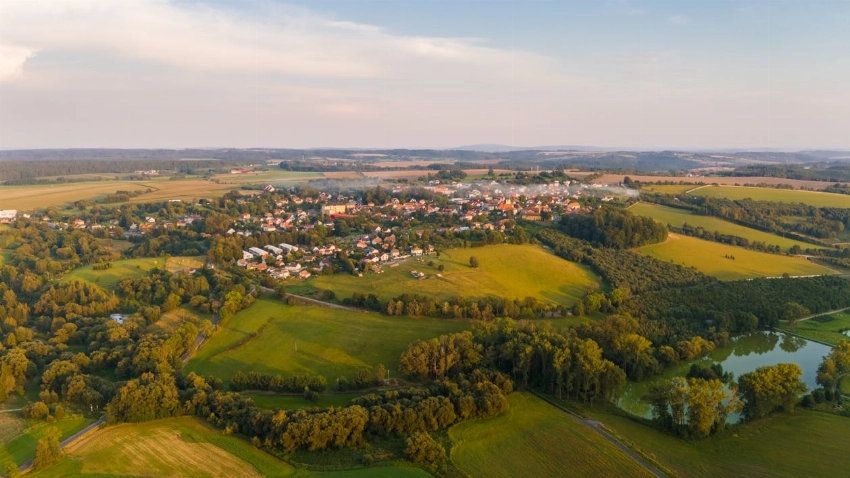
The number of Indians living in Germany is estimated at around 260,864 in 2026, with Bavaria leading the states at 36,000+, North Rhine-Westphalia at 30,500+, and Baden-Württemberg at 27,000+. Berlin leads cities with 17,000+, followed by Munich and Frankfurt, as Indians cluster in job-rich western hubs.
|
Rank |
City |
Indians |
Key Drivers |
|
1 |
Berlin |
17,000+ |
Tech hub, startups |
|
2 |
Munich |
15,000+ |
Engineering, automotive |
|
3 |
Frankfurt |
11,695 |
Finance, banking |
|
4 |
Hamburg |
9,125 |
Logistics, trade |
|
5 |
Stuttgart |
~4,000 |
Automotive |
|
6 |
Düsseldorf |
~7,000 |
Corporate HQs |
|
7 |
Cologne |
~5,000 |
Business |
|
8 |
Leipzig |
~2,000 |
East Germany's growth |
|
9 |
Chemnitz |
~1,500 |
Saxony rise |
|
10 |
Heidelberg |
~1,200 |
Universities |
Expert Tip: Western Germany, particularly Bavaria and NRW, attracts the most Indians due to strong industrial presence, while Berlin emerges as a tech hub favourite among younger Indian professionals and students.
Also Read: Germany's New Immigration Policies Open Doors for Indian Talent
What Jobs and Sectors Employ the Most Indians in Germany?
How many Indians live in Germany totals about 260,864 in 2026, with many employed in high-demand fields like IT, engineering, and healthcare. Information Technology leads as the largest employer, followed by engineering (automotive/mechanical) and healthcare. 33% of Indians aged 25-44 work in STEM professions, and 137,000 nationals hold jobs.
-
IT/Software: Developers, data scientists, consultants; €55k-€65k avg. salary; 215% STEM growth (2012-23).
-
Engineering: BMW, Mercedes, Siemens; €65k-€75k; "Land of Engineers" draw.
-
Healthcare: Nurses/doctors (Malayali legacy); € 39k- € 50k; demand for elder care.
-
Finance/Banking: Frankfurt hub, analysis roles; €65k-€85k.
-
R&D/Academic: Corporate/university positions; €55k-€70k.
-
Trends: Indians top EU Blue Card recipients; exceed German avg. salaries by 20-30%; fill 3M skilled shortage by 2030.
Important Note: Indians dominate Germany's STEM workforce, with a 741% growth rate in academic STEM professions, the highest among all foreign nationalities, underscoring their critical role in addressing Germany's skilled worker shortage.
Why Do German Employers Prefer Indian Professionals?
Among how many Indians live in Germany, at 260,864 in 2026, employers favour them for STEM prowess and reliability in high-skill sectors. Indians earn above-average salaries, often 20-30% higher than locals—supporting the view that their expertise is valued, as noted in studies of top earners. German employers prioritise Indian professionals for elite STEM education, technical skills, adaptability, English fluency, and a strong work ethic, often paying them premiums over German averages.
-
STEM Background: Graduates from IITs/NITs excel in AI and engineering, perfect for Industry 4.0.
-
Technical Expertise: Problem-solvers for IT/healthcare shortages; outperform in precision roles.
-
Adaptability: Thrives in global teams and remote setups; quick cultural integration.
-
English Proficiency: Seamless communication; cuts onboarding time in bilingual firms.
-
Work Ethic: High productivity and punctuality align with the German structure.
-
Cost-Effective: Skilled talent below US/UK rates yet superior value
As per TerraTern Expert, Divyash, the German government's recognition that Indians earn above-average salaries validates their exceptional skill levels and debunks the myth of "cheap labour, these are highly valued, premium professionals.
How Has the Indian Population in Germany Grown Over Time in 2026?
How many Indians live in Germany reached 260,864 by 2026, up 137% from 110,204 in 2009, with the sharpest rise post-2020 as numbers doubled from ~130,000. Growth accelerated via skilled migration amid labour shortages . Indian population surged from 110,204 (2009) to 260,864 (2026)—137% growth; doubled 2020-2026 from ~130,000.
1. Historical Timeline
-
Pre-1960: Minimal students.
-
1960s-70s: Malayali nurses peak (~thousands).
-
1990s: Stagnant (strict laws); 2000 Green Card IT boost; 2003: 43,566.
-
2009: 110,204 (43k passports + 67k German).
-
2015: ~86,000 nationals.
-
2021: 172,000.
-
2024: 249k (migration background).
-
2026: 260,864.
2. Growth Drivers
-
IT Green Card (2000), Blue Card (2012), and reforms (2010s).
-
Skilled shortages, affordable education, 2022 Mobility Pact, 2024 "Focus on India" (30 measures).
-
Students from 25k (2019) to 59k (2024).
3. Second-generation: PIOs (52k) emerge; growth is faster than in the UK/Italy due to targeted STEM visas.
Key Note: The doubling of India's German population in just five years (2020-2026) represents one of Europe's fastest-growing diaspora expansions, driven by strategic bilateral cooperation and mutual economic needs.
What Are the Major Indian Ethnic Communities in Germany in 2026?
Among the 260,864 Indians living in Germany as of 2026, Tamils and Bengalis are the largest ethnic groups, followed by Telugus, Punjabis, Malayalis, and Gujaratis. These communities maintain vibrant cultural ties through associations and festivals. Tamils and Bengalis form Germany's two largest Indian ethnic groups, followed by Telugus, Punjabis, Malayalis (nurses), and Gujaratis.
-
Tamils: Largest; industrial cities; strong associations, Pongal celebrations.
-
Bengalis: Second biggest; academics/professionals; Durga Puja centres.
-
Telugus: IT growth via Bangalore corridor; Berlin/Munich tech hubs.
-
Punjabis: Business/trade; Gurudwaras, Baisakhi events.
-
Malayalis: Historic nurses (1960s-70s, ~5,000 women); healthcare; Onam, Catholic links.
-
Gujaratis: Entrepreneurs; diamond trade, restaurants; Navratri.
- Cultural Notes: The religious mix includes Hindus, Christians, Muslims, and Sikhs; these groups preserve their languages through schools and events such as Diwali and Holi. Associations foster integration while sustaining heritage.
Pro Tip: The diversity within Germany's Indian population mirrors that of India, with distinct linguistic and regional communities maintaining cultural identity while integrating into German society.
Also Read: How to Migrate to Germany from India? Experts Guide
What Religious Backgrounds Do Indians in Germany Have?
Among how many Indians live in Germany (260,864) and how many Indians live in Germany as diverse residents, Hinduism dominates, followed by Christianity, Sikhism, and Islam—mirroring India's pluralism. Hindus form the majority, with Christianity, Sikhism, and Islam next; diversity drives the construction of temples, churches, gurudwaras, and mosques.
-
Hinduism: Largest temples in Berlin/Munich; Diwali/Navratri public events.
-
Christianity: Malayali Catholics/Syrians; churches, Onam celebrations.
-
Sikhism: Punjabis; gurudwaras (e.g., Berlin); Vaisakhi processions.
-
Islam: Smaller mosques, interfaith ties.
-
Infrastructure: Cultural centres host festivals and promote harmony.
As per TerraTern Expert: The religious diversity within Germany's Indian community contributes to a rich cultural tapestry and demonstrates successful pluralistic integration within German society.
How Do Indians Integrate into German Society and Culture?
How many Indians living in Germany succeed via jobs, language, and exchanges, despite hurdles like bureaucracy? Indians integrate through professional success, learning German, and community ties; challenges include administration, bias, and weather.
-
Professional: High jobs/earnings; join Feierabendbier.
-
Language: Courses A1-C2; English bridge, bilingual kids.
-
Social: German friends, festivals, neighbourhoods.
-
Challenges: Racism, homesickness, and norms of directness.
-
Support: Associations, second-gen thrive.
Important Note: While Indians successfully integrate professionally and earn above-average salaries, systemic challenges like bureaucratic complexity and occasional racism remind us that integration is an ongoing process requiring effort from both migrants and the host society.
What Visa Options Are Available for Indians Moving to Germany?

EU Blue Card (skilled, top for Indians), Job Seeker (6mo), Student, IT. Boosting how many Indians live in Germany, options like the Blue Card lead.
-
EU Blue Card: Degree/job €45k+ salary; PR fast; 25% to Indians.
-
Job Seeker: 6mo search; quals/funds needed.
-
Student: Admission/blocked acct €11,904; 18mo post-study.
-
IT Specialist: Relaxed for tech; high demand.
-
Recent: "Focus India" speeds (2wks)
Expert Advice: The EU Blue Card's popularity among Indians, with Indians receiving more Blue Cards than any other nationality, demonstrates Germany's recognition of Indian talent and the streamlined pathway it offers for skilled migration.
Also Read: Can Indians Do an Ausbildung in Germany? Complete Guide
How Does Germany's Indian Population Compare to Other European Countries?
How many Indians live in Germany (260k) ranks 3rd in Europe, growing fastest.3rd: UK (1.5M), Italy (~200k), Germany (260k); +100% vs UK +10%.
Comparison Table
|
Country |
Indians |
Growth 2020-26 |
|
UK |
1.5M |
+10-15% |
|
Italy |
~200k |
+20% |
|
Germany |
260k |
+100% |
|
Netherlands |
~170k |
+15% |
|
France |
~100k |
+10% |
Expert Tip: Germany's emergence as Europe's third-largest destination for the Indian diaspora, and its fastest growth rate, signals a major shift in migration patterns, with Indians increasingly choosing Germany over traditional destinations like the UK.
What Is the Future Outlook for Indian Migration to Germany?
How many Indians live in Germany may hit 400k-450k by 2030, 260k (2026) to 400-450k (2030); students to 114k; due to 288k/yr need.
-
2027: 320-350k.
-
2030: 400-450k; students +300%.
-
Drivers: Ageing population, 3M shortage, "Focus India".
-
Sectors: AI/renewables/care.
Pro Tip: The convergence of Germany's critical skilled worker shortage (288,000 needed annually) and India's talent surplus (1 million entering the job market monthly) creates a perfect storm for continued rapid growth in Indian migration to Germany through 2030 and beyond.
How Can TerraTern Help With Immigrating to Germany?

TerraTern specialises in aiding how many Indians live in Germany, offering tailored services for how many Indian live in Germany as skilled migrants.
-
Expert visa processing (Blue Card, Job Seeker, Student) with high success rates.
-
Job placement in IT, healthcare, and engineering for Germany's shortages.
-
Language training, qualification recognition, and blocked account setup.
-
Post-arrival support: housing, integration courses, and family reunification.
-
Proven for nurses/doctors; 15+ years experience, personalised plans.
Also Read: Is Germany Good for Indian Students? Experts' New Guide
Conclusion
How many Indians live in Germany reached 260,864 in 2026, with how many Indian live in Germany doubling since 2020 via IT, engineering, and students. Bavaria and Berlin lead hubs; Hindus/Tamils dominate culturally. Future projects 400k+ by 2030 amid shortages. TerraTern streamlines visas/jobs—boosting integration, earnings (20% above average). Germany's "Focus India" ensures seamless growth for ambitious professionals.
Contact TerraTern for more information on How Many Indians live in Germany.




 AI Summary