

Key Highlights
- What is Farm Work Australia, and why is it Popular in 2026?
- What Types of Latest Farm Work are Available in Australia?
- Which Visas Allow You to Do Farm Work in Australia in 2026?
- How Much Does Farm Work Pay in Australia in 2026?
- How Can You Find Legitimate Farm Work in Australia in 2026?
- What are the Best Locations for Farm Work in Australia in 2026?
- What is the Current 88-Day Requirement for a Farm Work Visa Extension?
- What Should Indian Workers Know About Farm Work in Australia in 2026?
- What Latest Accommodation Options are Available for Farm Workers?
- How Can You Stay Safe and Avoid Current Farm Work Scams?
- What Skills and Preparation Do You Need for Farm Work in 2026?
- What is Life Like Working on the Latest Australian Farms?
- Can Current Farm Work Lead to Long-Term Opportunities in Australia?
- How TerraTern Can Help With Finding Farm Work in Australia in 2026?
- 2026 Industry Context Section
- Conclusion: Your Farm Work Australia Journey Starts Here
In 2026, Farm Work Australia is known to provide some of the best practical jobs to global workers. It has a steady flow of revenue, country adventure, and an opportunity to experience a genuine local experience. Most employees prefer farm work in Australia because of rapid recruiting, no entry criteria, and robust visa options. The experience is practical. The work is diverse. And the prospects keep expanding throughout all agricultural territories.
The following are the major highlights that you need to know before becoming a farm worker in Australia:
-
Mean earnings are between AUD 24 and 28 per hour
-
The visa types are 417/462, Agriculture Visa, and PALM Scheme
-
Farm Work (88 days) will allow you to extend your Working Holiday Visa
-
Good annual demand throughout Queensland, NSW, Victoria, and WA
There are special visa routes for the Agriculture Visa, to which Indian workers have been assigned.
What is Farm Work Australia, and why is it Popular in 2026?
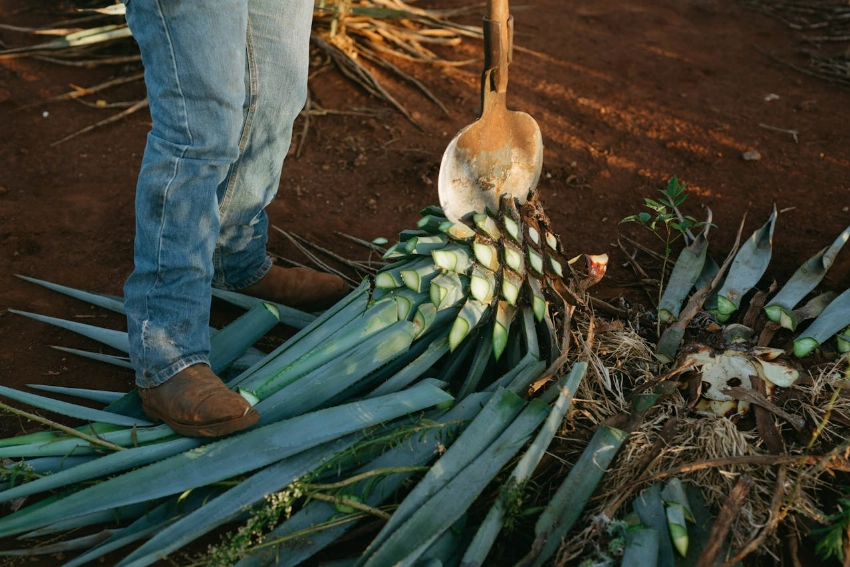
Farm work Australia is agricultural employment in the regional countries, such as fruit picking, livestock work, crop harvesting, machinery operation, and general farm work. The employees assist in planting, pruning, and tending domesticated animals, and in the upkeep of farms that sustain the massive Australian agricultural industry. In every state, jobs are available, with the large centres being in Queensland, New South Wales, Victoria, Western Australia, and the Northern Territory.
This is why farm work in Australia is in much demand among foreign employees:
-
Average competitive salaries of AUD 24-28 per hour
-
Eligibility for the 88-day extension of the visa under Working Holiday Visas (417/462)
-
High demand throughout the season and across the geographical segment
-
True cultural experience in the Australian country folk life
-
Ability to get long-term jobs and access to PR
-
Entry barriers are low, and some positions are entry-friendly
-
Full-time and part-time vacancies
Skilled shortages in 2026 will result in high demand for workers.
What Types of Latest Farm Work are Available in Australia?
Australia has a wide range of farm work Australia available in picking of fruit and vegetables, livestock, grain and crop harvesting, general farm work, and specialised businesses such as wineries, aquaculture, and horticultural packing. Employment is dependent on the region and time of the year, with employment all year round in tropical regions and during the high seasonal harvests.
Current Fruit and Vegetable Picking Jobs
Fruit and vegetable picking jobs involve harvesting ripened fruit and vegetables such as strawberries, blueberries, mangoes, bananas, tomatoes, grapes, apples, and melons in large agricultural areas of Queensland, New South Wales, and Victoria. All these positions are usually remunerated on a piece-rate or hourly basis, typically above the minimum of AUD $ 24.10 per hour.
Popular crops by season:
-
Summer: Mangoes, cherries, berries, grapes
-
Autumn: Pears, apples, tomatoes, citrus
-
Winter: Mandarins, oranges, bananas (all year round)
-
Spring: Stone fruit, zucchini, fruit, berries
Livestock and Animal Handling Positions in 2026
Cattle mustering, sheep handling, dairy work, feeding, tagging, animal moving, and animal general work are some of the activities involved in livestock farming work in remote and rural Australia. Such jobs pay AUD 25-30/hour, and most employers offer rent-free or low-cost housing.
Types of livestock work:
-
Cattle Stations: Work, Mustering, Feeding, Fencing, horse/ quad bike work
-
Sheep Farms: Shearing, crutching, drenching
-
Dairy Farm: Milking, sheds, and raising of calves
-
Poultry Houses: Egg picking, surveillance buildings, washing
Latest Grain and Crop Harvesting Roles
Grain and crop harvests. Grain and crop harvesting work involves the use of, or assistance with, machinery to harvest wheat, barley, canola, oats, and other broadacre produce in the primary farming states. Harvest seasons usually extend from March to November, depending on the crop and the area.
Grain harvesting types of work:
-
Combine harvester operation
-
Chaser bin and tractor driving
-
Driving trucks (HR licence may be necessary)
-
Silo and storage work
-
The harvesting general labour
Also Read: Skilled Nominated Visa Subclass 190 Australia
Current General Farm Hand and Maintenance Work
General farm hand positions are very diverse, offer mixed work options, and allow you to learn new skills. Depending on the farm and the tasks, workers receive an average of AUD 24.7826/hour.
Common responsibilities:
-
Mending and fixing farm fences
-
Planting and irrigation
-
Operating small machinery
-
Sheds: Cleaning and maintenance
-
Feeding livestock
-
Helping with harvesting periodically
Which Visas Allow You to Do Farm Work in Australia in 2026?
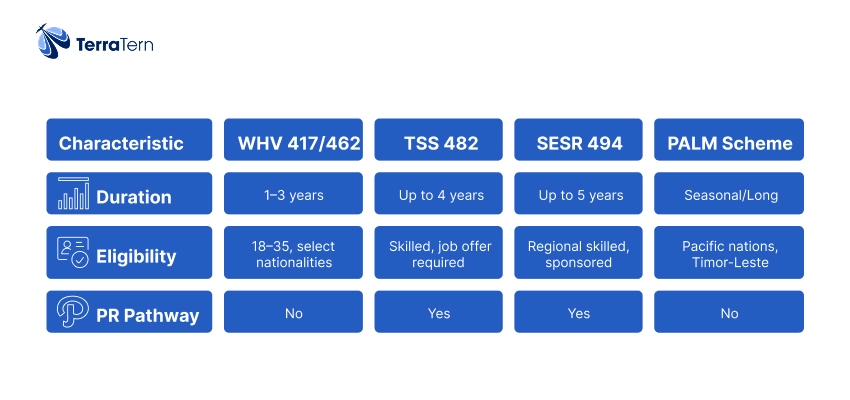
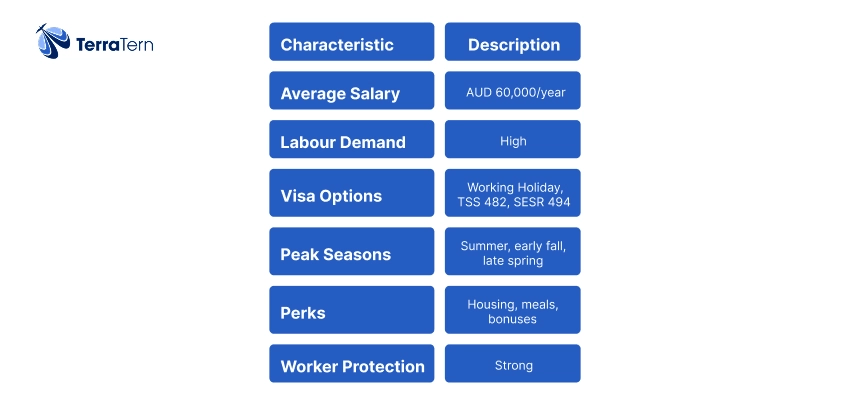
With Working Holiday visas (subclass 417/462), the Agriculture Visa program of Pacific and South East Asian workers, the PALM seasonal scheme, and skilled migration visas (subclass 482 SID and 494 regional pathways), international workers can access farm work in Australia. Visas vary in eligibility requirements, work permits, duration of stay, and PR. Working Holiday Visas are the most common visa through which Indian and foreign candidates looking to work temporarily in the agricultural sector can do so.
Also Read: Which State Is Easiest To Get PR In Australia?
Latest Working Holiday Visa (Subclass 417) – Australia Farm Work Visa
The Australia farm work visa is the Working Holiday Visa (subclass 417), which enables eligible people aged 1830 (or 1835 with some countries) to work and travel in Australia up to 12 months, and upon completing 88 days of designated regional work, they are granted a second-year visa.
Eligibility checklist for the Australia farm work visa:
-
Age is 18-30/35 based on nationality
-
Passport holder (UK, Canada, Italy, Germany, etc.)
-
Proof of funds is AUD $5,000
-
Wholesome health and character history
-
No children under escort
Current Work and Holiday Visa (Subclass 462)
The work and holiday visa (subclass 462) is based on the same as 417, only that the agreements concern bilateral agreements with different passport holders. It provides a 12-month residence with the second year eligibility on the completion of 88 days of agricultural work in the region.
Key differences from 417:
-
Various qualified nations (such as India, the USA, China, Vietnam, and Argentina)
Additional requirements:
-
English proficiency
-
Minimum education level
-
Letter of support (Certain nationalities)
Australia Agriculture Visa and PALM Scheme in 2026
The Australian Agriculture Visa assists the workers of Pacific and Southeast Asian countries to accept agricultural employment in the form of either long-term or seasonal employment. The PALM Scheme offers seasonal employment for Pacific Islanders, administered by the government and lasting up to 9 months.
Agriculture Visa points out:
-
Target Regions: Pacific and Southeast Asia
-
Work Period: Seasonal (9 months maximum) or long-term (4 years maximum)
-
Industries: Agriculture, horticulture, fisheries, and meat processing
-
Sponsorship by employers is needed
The possibilities for PR routes depend on the employer and the applicant's ability.
Latest Skilled Worker Visas for Agricultural Roles
Employer-sponsored visas available to skilled workers seeking agricultural jobs include the Skills in Demand (SID) visa (subclass 482), the Regional Skilled Visa (subclass 494), and others, all based on the Australian Skilled Occupation Lists.
Visa options:
-
Subclass 482 SID Visa: For medium/long-term skilled farm jobs
-
Subclass 494 Regional Visa: Regional employer-sponsored
-
PR pathways Subclass 186: ENS or 191 (following 3 years in regional)
How Much Does Farm Work Pay in Australia in 2026?

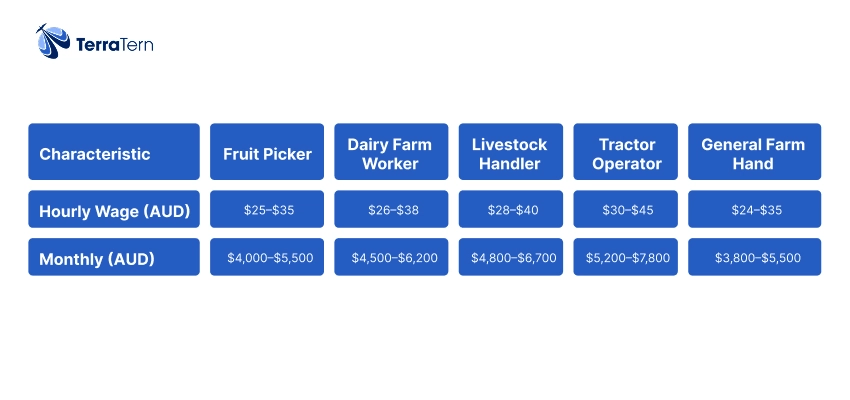
The minimum farm work rate in Australia is AUD 24.10/hour, and the maximum is AUD 30-40, depending on the type of work and skill level. Skilled operators of machinery can earn AUD $35/hour, and a piece-rate fruit picker can earn more than AUD $30-50/hour during the high season. Full-time salaries per year (annual) are in the range of AUD 55,000 to 80,000, and accommodation is usually included.
Current Hourly Wage Rates by Farm Work Type
General farm work in Australia pays AUD $24.7826/hour; piece-rate fruit pickers receive AUD 3045/hour; livestock workers receive AUD 2530/hour; machinery operators receive AUD 3035/hour; and specialised agricultural positions receive AUD 3545/hour.
Minimum wage compliance:
-
Minimum Wage in the Country (2026): AUD 24.10/hour
-
Casual Loading: +25%
Latest Annual Salary Expectations for Full-Time Farm Workers
Farm work in Australia pays full-time employees between AUD 55,000 and 80,000 annually, with averages between AUD 60,000 and 72,225, depending on position, experience, and location.
Salary breakdown:
-
Entry-Level: $55,000–60,000
-
Experienced Farm Worker: $65,000–75,000
-
Machinery Operator: $70,000–80,000
-
Farm Manager/Supervisor: $80,000–100,000
Understanding Current Piece-Rate vs. Hourly Payment
Piece-rate compensation pays employees based on production rather than time, which in most cases yields AUD $30-50/hour for quick, seasoned pickers. According to Fair Work, employers are required to pay a minimum wage of AUD 24.10/hour, even when using a piece rate.
How piece-rate works:
-
Paid per kg/bin/bucket/row
-
The income is based solely on speed and crop type
How Can You Find Legitimate Farm Work in Australia in 2026?
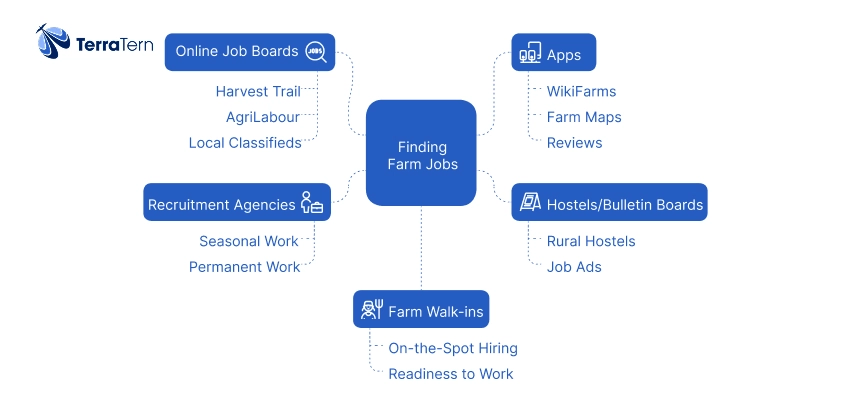
There are several certified sources of valid farm work in Australia. Resources available through government programs, such as the Harvest Trail site and Workforce Australia, offer Fair Work-compliant listings, including seasonal calendars and employer contact information. Workers are linked to seasonal and permanent jobs on reputable job boards such as SEEK and Backpacker Job Board, as well as on specialist agencies such as Agri Labour Australia and Rural Enterprises Australia.
In mobile applications, WikiFarms Australia and Harvest Trail provide GPS-coordinated farm locations, harvest schedules, and an 88-day visa counter. Farm placement accommodation may be available at working hostels in farm areas, and direct farm contact through regional harvest calendars can be used to secure a job when no public advertisement is posted.
Always check the validity of the employer by checking ABNs, Fair Work, and a written contract, so as not to be deceived and work in an environment that is safe and better paid.
Latest Government and Official Resources
The most secure way to find legal farm work in Australia is through government and official resources. Such platforms include certified and Fair Work-approachable employers and give precise staffing facts, seasonal schedules, and contacts.
It is possible to use them in the following way:
1. Harvest Trail Website
-
Provides a national list of certified agricultural employment
-
Harvest maps of crops by crop, as well as seasonal charts
-
Offers direct employer contact numbers
-
Allows you to narrow search results by state, crop type, and job type
-
Beginners would find this the best way to try to find work on farms in Australia
2. Jobs Board, Workforce Australia
-
Enlists thousands of local and rural positions
-
Offers provide transparency and an employer
-
Enables filtering by pay rate, location, and contract type
3. Department of Home Affairs- Specified Work Tool
-
Gives you an indication of whether the job qualifies as part of an 88-day or 179-day visa work
-
Helps does not take up non-eligible jobs that do not attract visa extensions
4. Australian Regional Work Directory, Tourism Australia
-
Gives a summary of farm areas and farm times of the year
-
Assists you in knowing which crops are grown where and when
5. Dep. Agricultural Services, State
-
Queensland Agriculture Jobs Service
-
NSW Department of Primary Industries
-
Victoria Agriculture Victoria vacancies
These provide local news and contact information for large-scale farm employers.
Current Online Job Boards and Recruitment Agencies
Online job boards and recruitment businesses are useful for locating opportunities more quickly and more frequently, particularly during peak seasons.
Top Job Boards in Australia
-
PORT: 1,500 and above working positions in farms, good filters, and confirmed employers
-
Backpacker Job Board: Good working holiday travellers
-
Gumtree: Easy to use but very cautious
-
Jobs National Farmers Jobs: Industry-verified jobs
Mobile Apps and Digital Tools in 2026
Mobile applications are quicker and more specific in farm work and Australia job search. They provide direct contact with farmers, maps, a seasonal calendar, and accommodation.
Top Farm Work Apps:
1. WikiFarms Australia
Features include:
-
2,000+ verified farm phone numbers
-
GPS mapping to locate farms
-
Harvest tables on a crop-by-region basis
-
Working hostel directories
-
88-day visa calculator
-
User reviews and ratings
2. Harvest Trail App
-
Real-time job updates
-
Direct employer contact
-
State-wise seasonal work alerts
-
Current harvesting area maps
Latest Working Hostels and Farm Networks
In working hostels, the traveller is linked to local farms and employment is easily available, but choosing a hostel is very important.
How Working Hostels Operate:
-
You pay weekly rent (AUD $180–250)
-
The hostel has farm jobs organised by its local network
-
There is usually a transport charge
-
The jobs can involve picking, pruning, packing, or planting of fruits
Current Direct Farm Contact and Seasonal Calendars
A farmer's direct contact is among the best ways to secure farm employment in Australia. Most farmers do not post on the online platforms; they use phone calls or walk-ins to hire.
How to Use Seasonal Calendars:
-
Check peak seasons for each state
-
Determine crops that are in demand (e.g., mangoes in NT, bananas in QLD)
-
Monitor hiring trends every month
-
Arrange travel routes
What are the Best Locations for Farm Work in Australia in 2026?
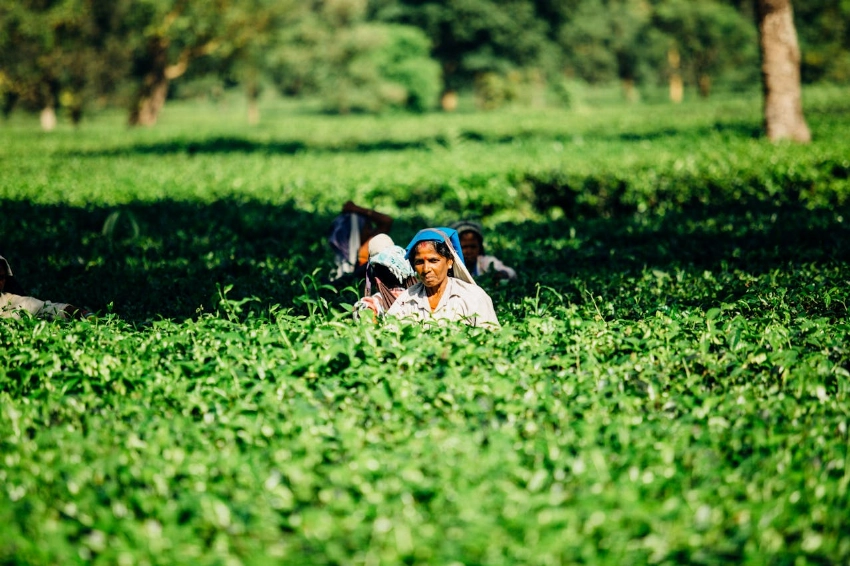
There are numerous opportunities for farm work in Australia across different regions, with different crops, seasonal highs and lows, and lifestyle advantages. Queensland is famous for year-round growing of Cairns and Mareeba, tomatoes, melons, picking in Bowen (May–December), and picking berries and vegetables in Bundaberg. In New South Wales, the state has the grape and citrus seasons of Griffith, oranges and stone fruits of Orange, and wine grapes of the Hunter Valley, with seasons of February to May and August to November.
Victoria supplies Mildura with grapes and citrus, Shepparton with fruit and dairy, and Gippsland with dairy and vegetables, with cooler climates and strong compliance with Fair Work. Remote, well-paying farm work is available in Western Australia and the Northern Territory, such as on mango farms in Broome and Darwin and on banana/tomato farms in Carnarvon. These tend to offer free accommodation but require tolerance for isolation and heat.
All regions have different seasonal schedules, payment rates, and accommodation, and location selection is vital for maximising earnings and visa compliance.
Latest Queensland Farm Work Hotspots
Queensland is where one can find the best farm work in Australia, with an all-year-round tropical climate.
Key Locations and Crops:
-
Cairns and Mareeba: Tropical fruits, bananas- all year round
-
Bowen: Melons, tomatoes - May to December
-
Bundaberg: Berries, vegetables — seasons at their best
-
Stanthorpe: Apples, strawberries -winter crop
Current New South Wales Agricultural Regions
NSW has varying levels of farm labour in vineyards, orchards, and coastal fruit farms.
Main Locations and Crops:
-
Griffith: Grapes, citrus - February to March
-
Orange: Spring apples, stone fruit — March to May
-
Hunter Valley: Wine grapes — wine tourism prospects
-
Coastal Areas: Macadamias, blueberries- seasonal
Victoria and Regional Farming Areas in 2026
The farm work activities in Victoria are centralised in the fruit, grape, and dairy production areas.
Key Regions and Crops:
-
Mildura: Grapes, citrus - all year round
-
Shepparton: Fruit, dairy - seasonal
-
Gippsland: Milk, vegetables — harvest time
Latest Western Australia and Northern Territory Opportunities
WA and NT offer remote, high-paying farm jobs and exceptional lifestyle experiences.
Key Locations and Crops:
-
Broome: Mangoes -September to December
-
Carnarvon: Bananas, tomatoes - in season
-
Darwin/Katherine: Tropical fruits -season peaks
What is the Current 88-Day Requirement for a Farm Work Visa Extension?
The 88-day requirement is an eligibility criterion for holders of a Working Holiday visa in Australia, who must complete 88 days (3 months) of specified work in designated regions to be eligible for a visa extension to 2 years. The specified work involves farm work such as picking fruits and vegetables, handling livestock, and general farm hand work, along with other industries that qualify for specified work, such as fishing, tree planting, mining, and bush fire recovery.
Days must be full-time equivalent (38 + hours per week) and should be recorded as pay slips, employment contracts, and employer Form 1263 confirmations. Completing 179 days (approximately 6 months) of specific regional employment in the initial or subsequent year allows a third-year visa extension for some countries. Proper planning, proper record-keeping, and verification of the regional postcodes are then necessary to ensure compliance with the Department of Home Affairs requirements.
Also Read: Top Benefits Of Studying In Australia: Latest Guide
Understanding Specified Work Requirements in 2026
The kind of employment that is counted towards the 88-day farm work requirement to extend the visa is specialised work.
Eligible Work Categories:
-
Agricultural activities like picking fruit and raising animals
-
Fishing, farming and farming of trees
-
Mining, construction, bush fire recovery (identified regional areas only)
Calculating and Documenting Your Latest 88 Days
The 88-day provision will require you to work full-time equivalent and ensure documentation.
Calculation Details:
-
Full-time: 38 or more hours per week, 5 days
-
Part-Time: 2 part-time days = 1 full-time day
-
Total: 88 full-time equivalent days
Current Third Year Visa Pathway (179 Days)
Working Holiday visa holders will have the option of a 179-day specified regional work period, which will allow them to spend three years in Australia.
Requirements:
-
179 days are equivalent to more than 6 months of full-time work
-
Same eligible industries as 88-day work
-
Should be in specified area codes
-
Records: payslips, Form 1263, employment contracts
What Should Indian Workers Know About Farm Work in Australia in 2026?
The opportunities of farm work Australia are available to Indian workers through the Work and Holiday visa (subclass 462), which has an annual limit and necessitates entry through a ballot system, the Australia Agriculture Visa, which targets skilled jobs in agriculture, or employer-sponsored skilled visas, which target special jobs. TerraTern shows that the number of applications from Indian employees increased by 45% in 2026 due to wage rates of AUD $24-30 / hour, a favourable visa option, and remittance opportunities.
The workers are advised to be prepared for adverse weather conditions, learn their Fair Work rights and protections, have relevant health and travel insurance, and know the community resources available to guide and assist them during their stay.
Latest Visa Options Specifically for Indian Nationals
Indian passport holders are allowed to work on farm work in Australia via:
1. Visa work and holiday (Subclass 462):
-
The annual cap is 200 visas
-
Entry via a ballot system
Its application is best done in April-May, when competition is minimal.
2. Australia Agriculture Visa:
-
Better agricultural jobs in the long run
-
Otherwise, in case of ballot selection failure
Sponsored Visas by the Employer:
-
Subclass 482 SID, 494 in professional agricultural work
-
Needs to be nominated and evaluated by the employers
Current Cultural Adaptation and Working Conditions
Indian employees must expect:
-
Climate: Excessive heat (35-45 °C during summer)
-
Physical Requirements: Hard manual work, time-consuming
-
Culture in the Workplace: Communicative manner of directness, safety-first measures, and less hierarchical
-
Social Integration: Use the Indian diaspora network in the region to both support and accommodate
Practical Tips:
-
Create Facebook and WhatsApp groups for your target farm area
-
Acclimatise to local food habits and lifestyle
Financial Planning and Remittances in 2026
At an expense of AUD 2428/hour, Indian employees earning AUD 242828/hour can save AUD 1500-2500/month.
Financial Essentials:
-
Banking: Open ANZ, Commonwealth Bank, etc.
-
Tax File Number (TFN): Employment requirement
-
Remittances: INR should be converted using Wise, Remitly, or Western Union
-
Superannuation: Claim Departing Australia Superannuated Payment (DASP) in 6 months after expiry of visa
-
Budgeting: Monitor expenditure, organise accommodation, and transportation
What Latest Accommodation Options are Available for Farm Workers?
There are several accommodation options for farm work in Australia, which vary depending on the budget and location. Numerous farms offer employer-provided housing in the form of caravans, cottages, or common facilities at no or low cost (AUD $50-100/week deducted from wages), which is the most economical option, but quality can vary.
Working hostels cost AUD 180-250/week and offer job placement benefits and a shared kitchen as well as socialisation. In regional towns, there are private rentals at AUD 150-200/week in shared accommodation, offering more freedom and comfort. Other options include caravan parks (AUD $30-50/night) and camping on farmland. Employees are advised to check the accommodation provided by employers before accepting jobs, as new regulations on farm worker housing require minimum safety and amenity standards.
Current Employer-Provided Accommodation
Australian farms or subsidised housing are common in the farm:
-
Types: Caravans, cottages, shared houses, converted sheds
-
Price: AUD 40-100 per week, deducted from salary
-
2026 Requirements: Minimum standards for safety, cleanliness, and amenities
Considerations:
-
Check out housing or demand photos/video tours before arrival
-
Check off deductions
-
Test utilities, privacy, and general quality
Working Hostels and Backpacker Lodges in 2026
Working hostels provide a combination of work placement and housing:
-
Cost: AUD $180–$ 250 per week
-
Facilities: Hostels, shared kitchen, social set-up
-
Benefits: Connection with other employees, direct farm contacts
-
Caveats: Job quality and increased costs vary and must be carefully selected for the hostel
Latest Private Rentals and Shared Housing
Independent housing is offered in the rural towns of the region:
-
Cost: AUD $150- $200 per week per person in shared houses
-
Benefits: Improved living standards, privacy, and independence
-
Conditions: Initial security (equivalent to several weeks' rent) and transportation to farms
-
Suggestions: Split with 3-4 workers to save money
How Can You Stay Safe and Avoid Current Farm Work Scams?
How to find farm work in Australia? To remain safe when pursuing farm work Australia, one must be alert and do some research. Authenticate employers using their Australian Business Number (ABN), Fair Work compliance, and written contracts before taking up jobs. Do not take the offers that seem to be too good to be true, require advance payment, or are without clear job descriptions.
Using official government websites such as the Harvest Trail, Workforce Australia, and reputable job boards or recruitment agencies will reduce the risk of scams. Become conversant with the Fair Work rights, such as minimum wage, hours of work, and accommodation standards, and maintain comprehensive employment agreement and payslip records. Should you experience exploitation or any other kind of suspicious activity, you are advised to report the matter to the Fair Work Ombudsman or any local authorities.
By utilising networks in the community, social media, and reviews from former employees, one can find honest opportunities in farm employment and secure safe, fair employment.
Identifying Legitimate vs. Exploitative Employers in 2026
Legitimacy Checks:
-
Authenticate Australian Business Number (ABN)
-
Ensure the employer adheres to Fair Work laws
-
Review past employees on WikiFarms, Google, and social media
Red Flags of Exploitation:
-
Requests for upfront fees
-
Offers of exceptionally high wages without experience
-
Accommodation is disproportionately and/or unsafe
Latest Fair Work Rights and Protections
Work rights and protections under farm work in Australia are:
-
Minimum Wage and Pay Rates: There shall be an assurance of a minimum wage of AUD $24.10/hour in 2026
-
Hours of Work: Full-time, not more than 38 hours per week; casual loading
-
Leave & Entitlements: Sick leave, annual leave, and contribution to superannuation
-
Legal Resources: Fair Work Ombudsman to resolve or seek clarification
Reporting Current Violations and Seeking Help
Steps to Report:
-
Contact the Fair Work Ombudsman (hotline or online complaints)
-
Notify the local authorities if there is a compromise of housing or safety
-
Record all the communications, payslips, and contracts
Support Networks:
-
Local groups of workers (Indians) or international workers
-
Assistance of the embassy or consulate in grave cases
What Skills and Preparation Do You Need for Farm Work in 2026?
To be ready to work on farm work Australia, one needs a combination of physical fitness, practical experience, and the right equipment. The workers are expected to be physically fit to work hours of manual labour in different climates, such as extreme heat or humidity. The necessary equipment comprises durable shoes, sun protection, gloves, working clothes, and machinery or chemical PPE.
The ability to engage in fruit picking, ensure the smooth work of machines, deal with livestock, and understand irrigation or crop management can enhance the chances of earning and employment rates many times over. Other training includes workplace safety, basic first aid, and time management to meet daily quotas. Employees who come ready, both physically and technically, can adapt more quickly, generate maximum revenue, and have a flexible experience in agriculture.
Also Read: Partner Visa Australia 820/801
Latest Physical Fitness and Health Requirements
Health and physical fitness requirements for farm work in Australia:
-
Fitness Conditions: Can work long hours in the field, lift 2030kg, and withstand hot/cold environments
-
Health-Related Factors: Hydration, sun protection, vaccinations (tetanus, influenza), and medical examinations
-
Ahead of Time: Preparation starts conditioning
Current Essential Gear and Equipment
Essential gear and equipment required for farm work in Australia:
-
Dress: Waterproof boots, breathable sun-protective clothing, hats, gloves, and other protective clothing
-
Safety Equipment: High-visibility vests, safety goggles (when needed)
-
Tools: Farm-specific tools can be used; however, carry personal reusable goods (water bottles, kneepads)
Skills That Increase Earning Potential in 2026
Skills that increase earning potential for farm work Australia:
-
Technical Skills: Knowledge of machinery, handling livestock, and knowledge of irrigation
-
Efficiency Skills: Picking: Pieces in a flashy, meticulously careful manner
-
Soft Skills: They enhance reliability, communication, and adaptability, resulting in repeat employment
What is Life Like Working on the Latest Australian Farms?
How to find farm work in Australia? Australian rural living is an element of diligent labour and rural distinctiveness. Day-to-day activities begin early, and tasks such as picking fruit, caring for livestock, or operating machinery are scheduled to run for 8-10 hours, six days a week, depending on the season and the type of farm. The workers stay in small-knit communities, either in accommodation provided by the farm, in working hostels, or in shared rentals, which helps them socialise and network with other travellers and locals.
Although the job demands physical effort, most farms provide rest, leisure areas, and exposure to nature, which can benefit mental health. Healthy work-life balance, hydration, sun protection, and interaction with others can help workers cope with stress and enjoy their work. Generally, farm life is a combination of organisation, autonomy, and cultural experience in regional Australia.
Current Daily Routines and Work Schedules
Daily routine and work schedules for farm work Australia:
-
Normal Timetable: 6 -10in the morning, midday and lunch break, in the afternoon, continue working till mid-afternoon/ late afternoon depending on the season and crop.
-
Task Rotation: Picking, packing, pruning, or the operation of machinery based on the type of farm
-
Flexibility: Schedules change seasonally, with more hours during peak harvest
Social Life and Community Integration in 2026
Social life and community integration for farm work in Australia:
-
Community: Communicating with other farm workers, backpackers, and locals
-
Activities: Social activities in the hostel, local tourism, sporting activities, or local festivals
-
Networking: Develops long-term contacts for future farm work or a visa
Latest Mental Health and Well-being Considerations
Mental health considerations under farm work in Australia:
-
Stressors: Long working hours, isolation, culture adaptation, and physical exhaustion
-
Support Strategies: Stay in touch with family/friends, join local communities, take breaks, and be mindful
-
Resources: Community support groups and mental health hotlines
Can Current Farm Work Lead to Long-Term Opportunities in Australia?

How to find farm work in Australia? Farm work Australia can be used as a stepping stone to long-term opportunities for people looking to spend long durations or settle down permanently. A worker may also be eligible to receive employer-sponsored visas, such as skilled migration pathways (subclass 482 SID, 494 regional visa), where a specified amount of specialised experience in the management of horticulture, dairy, or livestock can be obtained.
Another way continued work in regional areas helps eligibility for state-nominated regional migration programs is by increasing the chances of achieving permanent residency. In addition to visas, farm work offers useful skills, industry contacts, and references that may help in agricultural, agribusiness, or other related professions.
For employees willing to work in regional areas, practical experience, skills training, and legal employment would help turn short-term farm employment into long-term professional and migration opportunities in Australia.
Employer Sponsorship Pathways in 2026
Employer sponsorship pathways for farm work Australia:
-
Visas: Employer-sponsored visas (subclass 482, 494) may lead to permanent residency
-
Conditions: The proven skills, experience, and nomination by the employer
-
Transition Strategy: Begin with a Working Holiday or Agriculture visa, after which one becomes eligible for sponsorship
Latest Agricultural Career Development
Agricultural career development for farm work in Australia:
-
Careers: Farm manager, machinery operator, agricultural specialist, livestock manager
-
Ability Development: Certifications (operating machines, moving chemicals, controlling livestock)
-
Professional Development: Upskilling enhances wages, stability, and permanent residence opportunities
Current Regional Migration Advantages
Regional migration advantages for farm work in Australia:
-
Visa Incentives: Regional work is normally eligible for second- or third-year Working Holiday extensions and skilled regional migration points
-
Pay and Benefits: Increased wages and accommodation in remote areas with no charges
-
Lifestyle: Smaller communities, diminished competition, and networking with the local farmers
How TerraTern Can Help With Finding Farm Work in Australia in 2026?
These are some of the main details regarding how TerraTern can assist in the process of finding farm work in Australia:
-
Visa Advice and Visa Application Service: Provides support to Indian and overseas workers with Working Holiday Visa (462/417), Agriculture Visa, and employer-sponsored visa applications, including eligibility checks and document preparation.
-
Job Matching and Placement: Matches workers with confirmed farms and seasonal jobs across Australia, reducing the risk of scams and underpayment.
-
Assistance with Accommodation: Provides details on employer-sponsored accommodation, working hostels, and joint rentals to help people secure low-cost housing.
-
88-Day Work Tracker: Assists workers in organising and recording designated regional work to secure visa extensions during the second and third year of Working Holiday visa applications.
-
Pre-Departure and Cultural Support: Provides assistance with cultural matters, workplace safety, climate preparation, and community networking to support smooth adaptation.
-
Financial and Remittance Advice: Provides advice regarding banking, tax file numbers, superannuation, and recommendations on how to remit funds to India in the best possible way.
-
Ongoing Advice: Consistent assistance in the workplace, including Fair Work Advice, compliance checks, dispute management, and long-term career pathway guidance.
2026 Industry Context Section
Latest Farm Work Australia Statistics & Trends:
-
Labour Shortage Crisis (December 2025): Australia's agricultural sector faces a 38,000-worker shortage, creating unprecedented opportunities for international workers, according to the National Farmers' Federation
-
Wage Increases (July 2025): The national minimum wage increased to AUD $24.10 per hour, with farm workers earning between AUD $24.78 and $28.00 per hour, representing 12% growth since 2023
-
Skills in Demand Visa Launch (December 2024): The new SID visa (subclass 482) replaced the TSS visa, offering 4-year work periods and enhanced permanent residency pathways for agricultural workers
-
Indian Worker Growth (2026): TerraTern reports 45% increase in Australia Agriculture Visa applications from Indian nationals, driven by streamlined pathways and competitive remuneration packages
-
Regional Work Expansion (April 2025): The Department of Home Affairs expanded the list of eligible postcodes to include bushfire recovery areas, creating 15,000+ additional farm work positions
-
Accommodation Standards Update (2026): New regulations mandate minimum accommodation standards for farm workers, eliminating substandard housing concerns reported in previous years
-
Digital Application Systems (2026): Introduction of mobile apps (WikiFarms Australia, Harvest Trail App) has reduced farm job search time by 60%, connecting workers directly with verified employers
Conclusion: Your Farm Work Australia Journey Starts Here
Farm work Australia is not only a chance to earn competitive salaries, but also an opportunity to acquire valuable skills, to learn different areas, and to live in the rural communities of the country. Having worked on fruit in Queensland and on livestock in New South Wales, I have found that all kinds of work offer their own experiences and possibilities to extend the visa, secure a long-term job, and even lead to permanent residence.
Indian workers, in particular, can benefit from customised visa plans, community networks, and financial planning strategies to make the most of their time on Australian farms. Through credible sources, government websites, reputable hiring organisations, and assistance from services, foreign employees will have the opportunity to work on the farm in a secure, fruitful, and fulfilling way. It may be the fulfilment of the 88-day requirement, exploration of opportunities in the region, or preparation for future career opportunities. With proper planning and informed decision-making, farm work in Australia may become a lifelong adventure with positive results.
Contact TerraTern for more information on farm work in Australia.


 AI Summary