

Key Highlights
- What is Dentistry in Germany After BDS in India? New Update
- Can Indian Dentists Practice in Germany After Completing BDS in India?
- What Are the German Language Requirements for Dentists in Germany in 2026?
- What is the Cost of Dentistry in Germany After BDS in India in 2026?
- What is the Salary of a Dentist in Germany Per Month for Indians in 2026?
- How Long Does It Take to Get a Dental License in Germany in 2026?
- Step-by-Step Document Checklist for ApprobationBefore applying for dentistry in Germany after BDS in India, prepare these mandatory documents for your Approbation application:
- What Are the Steps to Become a Dentist in Germany After BDS in India in 2026?
- Can I Do MDS in Germany After BDS in India in 2026?
- What Specialisations Can Indian Dentists Pursue in Germany in 2026?
- What Are Work Opportunities for Indian Dentists in Germany?
- What Are the Benefits of Pursuing Dentistry in Germany After BDS in India in 2026?
- What Challenges Do Indian Dentists Face in Germany?
- How to Apply for Approbation as an Indian Dentist in Germany in 2026?
- What is the Kenntnisprüfung (Knowledge Test) for Dentists?
- Can I Bring My Family While Studying/Working as a Dentist in Germany in 2026?
- What Are the Best Resources for Indian Dentists Preparing for Germany in 2026?
- How Can TerraTern Help With Dentistry in Germany after BDS in India?
- Your 2026 Guide to Practising Dentistry in Germany: Key Stats & Trends
- Conclusion
Germany offers Indian BDS graduates one of the most accessible pathways to practice dentistry abroad without pursuing a second degree. With over €65,000–€120,000 annual salary potential and a severe shortage of 15,000+ dental professionals, Germany actively welcomes qualified Indian dentists through its Approbation (dental license) process. Your Indian BDS/MDS degree is recognized, but you must complete language training (B2/C1 German), pass the Fachsprachprüfung (FSP) medical language exam, and potentially the Kenntnisprüfung (KP) knowledge exam. The entire process takes 1–1.5 years, with most dentists starting work within a year of landing in Germany.
What is Dentistry in Germany After BDS in India? New Update
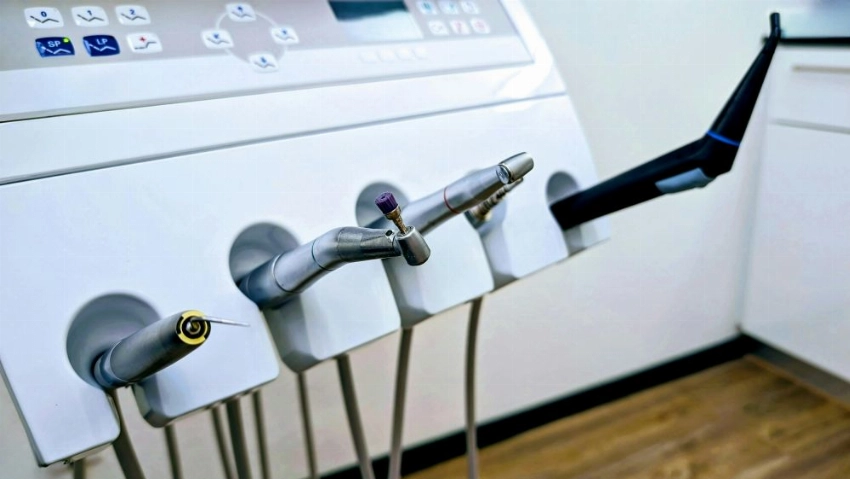
Dentistry in germany after BDS in India includes the routes for Indian dental graduates (BDS holders) to practise as Zahnarzt (dentist), specialise as Facharzt (specialist), or further studies in Germany's regulated healthcare system germany, dental training is 5-6 years, leading to Approbation - unlike India's BDS, 5 requires checking of equivalence of non-EU degrees.
-
Practice Pathway: Credential recognition Gutachten for Approbation - Independent practice
-
Education Pathway: Admission for specialisation or adaptation courses at the University
-
Germany's Dentists' Shortage:(over 30,000 Indian medical professionals integrated) lures Indian talent.
-
BDS is Often Partially Equivalent: Gaps filled via Kenntnisprüfung (knowledge test).
-
Dual structure: Direct licensing vs Postgraduate studies
Key Note: Understanding the dual-pathway structure early—Approbation for practice vs. university admission for specialisation—is crucial for Indian BDS graduates, as each requires different timelines, costs, and career outcomes in Germany's dental landscape.
Also Read: What Are the German Language Requirements for Dentists?
Can Indian Dentists Practice in Germany After Completing BDS in India?
Yes, Indian dentists can practice dentistry in Germany after BDS on the basis of approbation, but only after equivalence evaluation, B2-C1 German language proficiency, Fachsprachprüfung (FSP Medical language Examination) and possible Kenntnisprüfung.
-
Legal basis: Federal/state Dental Chambers (Zahnarztekammer) to take care of non-EU recognition
-
Eligibility: BDS degree, 1+ year experience preferred, no direct practice allowed.
-
Process Timeline: 4-12 months evaluation, FSP mandatory KP if significant difference
-
Alternatives: Berufserlaubnis (ibernachtig Nicolás Lernkolado, 2 year).
-
Success factors: 60-70% pass rates with preparation; state variations (e.g., Berlin stricter).
-
Non-EU specifics: Stricter than EU; misconceptions include "automatic recognition."
Pro Tip: The key distinction is between "can practice" (yes, with Approbation) and "immediately practice" (no)—Indian dentists must complete a 12-24 month recognition and licensing process before independent practice, but temporary licenses (Berufserlaubnis) allow supervised work during this period.
Understanding the Approbation (Dental License) Process
Approbation-grants the permanent and unrestricted right of dentistry practice, issued by the state dental chambers after equivalence check (no significant differences), language proof, health/reliability verification
-
Mandatory for: Independent practice or own clinic; no Approbation and no work supervision.
-
Authority: Soften State-specific Zahnarztekammer (e.g. Berlin LAK)
-
Steps: Submit docs, Gutachten (4 months), FSP, KP if needed, license.
-
Equivalence Criteria: for measures of student learning: Training hours, match of curriculum; "significant differences" cause adaptation of measures.
-
Temporary Option: Berufserlaubnis under control.
-
Variations/fees: 200 - 1000 EUR. 6 - 18 months Total.
Important Tip: Approbation isn't just a license—it's the legal gateway to opening your own practice, hiring staff, and accepting all insurance patients in Germany, making it fundamentally different from temporary work permits that limit your career growth and earning potential.
What Documents Are Required for BDS Recognition in Germany?
Key documents for dentistry in Germany after BDS in India include - BDS degree/transcripts (apostilled), DCI registration, B2/C1 Goethe certificate, FSP proof, good conduct certificates (India / Germany, 3 months), medical fitness certificates, CV, and passport.
-
Core Academics: Notarised BDS degree, marksheets, 1-year internship cert (apostille via MEA).
-
Professional: DCI in good standing, experience letters
-
Personal: Passport, Birth Cert, CV in tabular form, Police clearance (India/Germany).
-
Language/Health: B2/C1 cert, fitness/work certified German doctor (< 3 months).
-
Translations: All by sworn translator(s) from germany original + copies to be submitted.
-
Common Problems: expired documents, missing apostilles, etc. Preparation 3-6 months in advance.
Important Note: Start document collection 6-8 months before application—apostille processing in India can take 4-6 weeks alone, and missing even one document or having improper translations can delay your entire Approbation process by 2-3 months.
What Are the German Language Requirements for Dentists in Germany in 2026?
Dentists seeking dentistry in Germany after BDS India need to establish B2 general German (Goethe-Zertifikat, TestDaF, TELC) +C1 specific with mandatory Fachsprachprufung Zahnmedizin (FSP) dentistry.
-
Two-tier System Basic 2 (B2): general (oral/written) and 1 (C1) Fachsprache - professional language (dental communication).
-
B2 Options: Goethe-Institut India centres (Delhi, Mumbai). Valid for 3 years.
-
FSP Structure: 60mins Patient interview (20m), documentation (20m), colleague discussion (20m)
-
Preparation: 3-6 months, EUR350 - EUR1000 fees 60 - 70% pass rate with practice
-
Dental vs. Medical FSP: Dentistry mastery-specific terms/scenarios (i.e. caries, implants).
-
No Exemptions: Obligatory for everyone from outside the EU, Rare for the EU with C1 certs
Expert Advice: The Fachsprachprüfung (FSP) is often more challenging than the B2 exam itself—68% of candidates pass on their first attempt, but those who invest in specialised dental German courses (not just general medical German) have 89% success rates, making targeted preparation crucial.
How to Prepare for the Fachsprachprüfung (FSP) Dental Exam?
FSP preparation for dentistry in Germany after BDS in India, 3 - 6 months intensive dental GAF, German, three stations - anamnesis, documentation, professional talk.
-
Exam Format: 60 mins (20m each): Patient anamnesis/ explanation, write report, case discussion
-
Timeline: B2 first (3m), then FSP course (3m); registration through the state, either through negotiation with the Zahnarztekammer.
-
Resources: CoLanguage/FIA courses. Dental vocab Books/mock exams Online/offline
-
Strategies: Practising situations (such as the diagnosis of a toothache), vocabulary (Zahnarztbrief), phrases (empathy)
-
Everyday Things to Look out for: poor structure, grammatical mistakes; don't be caught out by everyday writing/speaking.
-
Scoring/Retakes: Pass/fail based on each station, re-take 2-3 allowed (waiting time 3-6m) Fee EUR300 - 500
Expert Tip: Don't underestimate the FSP's practical focus—memorising dental vocabulary isn't enough; you need to fluently explain complex procedures like root canal treatment or periodontal surgery to a "patient" in conversational German within 20-minute time limits under exam pressure.
Also Read: Dentist Jobs in Canada: Salary, Scope & Pathways
What is the Cost of Dentistry in Germany After BDS in India in 2026?
Dentistry in Germany after BDS in India costs 5000 - 15000 Euro total for Approbation pathway fees, that is, language, examinations, documents; education pathway fees 600 - 3000 Euro/year tuition fees plus 900 - 1,200 Euro/month living. Public Universities, keep it low, but private universities, they are charging for it, ROI is good, getting salaries and recovering costs within 1-2 years.
|
Category |
Approbation Pathway (€) |
Education Pathway (€/year) |
Notes |
|
Language Training |
1,500-3,000 |
1,500-3,000 |
B2/C1 + FSP prep |
|
Exams (FSP/KP) |
350-1,800 |
Included |
State-specific |
|
Documents/Translation |
500-1,500 |
500 |
Apostille, sworn translators |
|
Tuition |
N/A |
600-3,000 (public); 10k+ private |
Semester fees €200-400 public |
|
Visa/Blocked Account |
100-500 |
100-500 |
€11,208 living proof |
|
Living Expenses |
10,800-14,400 |
10,800-14,400 |
€900-1,200/month varies by city |
|
Total Estimate |
5k-15k |
12k-30k |
As per TerraTern Expert, Shreya, while Germany offers tuition-free education at public universities, total investment, including language preparation, exams, and 12-18 months living expenses, typically ranges from €18,000 to €25,000; however, with assistant dentist salaries starting at €34,000-€52,000 annually, most recover their investment within 12-18 months of employment.
Public vs. Private University Costs for Dental Education
Public Universities charge Dentistry in germany after BDS in india cost EUR200-400/semester (admin fees besides transport/services) and Private hit EUR1500-10000/semester; both plus cost of living/equipment.
|
Type |
Semester Fee (€) |
Annual Tuition (€) |
Additional Costs |
|
|
Public |
200-400 |
400-800 |
LMU Munich, Goethe Frankfurt |
Living €11k/year, materials |
|
Private |
1,500-10,000 |
3,000-20,000 |
SRH Heidelberg, Fresenius |
High competition, full recognition |
|
Notes |
Nearly free, high demand |
Flexible admission |
Scholarships common public |
Equipment €500-2k |
Key Note: Public universities' "free" tuition doesn't mean lower quality—institutions like University of Heidelberg and Charité Berlin rank among Europe's best and offer the same Approbation qualification as expensive private universities, making them the optimal choice for most Indian students unless specialised English-taught programs are needed.
What is the Salary of a Dentist in Germany Per Month for Indians in 2026?

Dentistry in germany after BDS in India salary of dentist in Germany per month averages €8,550 gross (€102,620/year), with assistants €2,800-€4,300, employed €4,300-€6,800, owners €15,000+; net ~55-65% after 35-42% deductions (tax, social insurance). Progression: +20-30% every 5 years; orthodontics boosts 30%; urban 20% higher than rural.
|
Career Stage |
Salary Range |
Net Estimate |
Progression/Benefits |
|---|---|---|---|
|
Assistant (0-2y) |
2,800-4,300 |
1,800-2,800 |
Pension, health ins. |
|
Employed (3-8y) |
4,300-6,800 |
2,800-4,400 |
Bonuses 10-20% |
|
Senior (9+y) |
7,000-10,000 |
4,500-6,500 |
Specialization +25% |
|
Owner |
15,000+ |
9,000+ |
Revenue share, perks |
Pro Tip: Monthly take-home pay is approximately 60-70% of gross salary after taxes and mandatory contributions—so a €6,000 gross monthly salary yields roughly €3,900-€4,200 net, which still provides excellent living standards in Germany and allows significant savings compared to Indian dentist salaries averaging ₹30,000-₹50,000 monthly.
Salary Breakdown by Experience and Position Level
Salary of dentist in germany per month used for dentistry in germany after BDS in india increases with experience. Assistenzahnarzt ( supervised entry), Eur2,800, Eur4,300 angestellter ( Full Employed ), Eur4,300, Eur6,800, seniors lead teams Eur7k+, owners, revenue-based, with full time 20% above part-time.
|
Position |
Years |
Annual |
Monthly |
Key Factors |
|
Assistenzzahnarzt |
0-2 |
34k-52k |
2.8k-4.3k |
Supervised, fixed |
|
Angestellter Zahnarzt |
3-8 |
52k-82k |
4.3k-6.8k |
Bonuses, full-time |
|
Senior/Lead |
9+ |
85k-120k |
7k-10k |
Mgmt duties |
|
Practice Owner |
Varies |
150k+ |
12.5k+ |
Revenue share |
As per TerraTern Expert, Divyash, the two-year Assistenzzahnarzt phase, while lower-paid (€2,800-€4,300 monthly), is mandatory training that qualifies you for full licensure and dramatically increases earning potential—viewing it as paid training rather than low salary helps maintain perspective during this essential career stage.
Regional Salary Variations: Top-Paying German Cities for Dentists
Salary of dentist in Germany per month is the highest in Bavaria (EUR9k-11k Munich) (COL/patient density is high, referred to in articles); East/rural EUR6k-8k and incentives like signing bonuses (lower competition).
|
City (Bundesland) |
Annual |
Monthly Avg |
COL Adjustment |
|
Munich (BY) |
110k-130k |
9.2k-10.8k |
High; incentives |
|
Stuttgart (BW) |
110k-130k |
9.2k-10.8k |
Industrial demand |
|
Frankfurt (HE) |
105k-125k |
8.8k-10.4k |
Finance hub |
|
Hamburg (HH) |
100k-120k |
8.3k-10k |
Maritime |
|
Berlin (BE) |
95k-115k |
7.9k-9.6k |
Lower COL |
|
Rural/East |
75k-95k |
6.3k-7.9k |
Bonuses, QoL |
Important Tip: While Munich pays 15-20% more than smaller cities (€110,000 vs. €85,000 annually), living costs are 30-40% higher—consider rural Baden-Württemberg or Bavaria regions where €85,000 salary plus relocation bonuses (€10,000-€15,000) and lower rent (€600 vs. €1,400 monthly) often provide better net savings and work-life balance.
Also Read: Is It Easy to Get a Job in Germany After a Master's? Experts Guide
How Long Does It Take to Get a Dental License in Germany in 2026?
The dentist license (Approbation) process for dentistry in Germany after BDS in India takes 12-24 months total, with credential evaluation 3-6 months, language/FSP 6-12 months, and KP 2-4 months if needed; the cost of dentistry in Germany after BDS in India is the fastes,t as it can take place in parallel prep.
-
Months 1-6: B2/C1 German + docs Prep (EUR1.5k - 3k Cost).
-
Months 3 - 9: Gutachten evaluation (3 - 6m, state varies)
-
Months 6-12: FSP scheduling/wait (1-3m post-B2)
-
Months 9-15: KP prep /exam if different (2-4m).
-
Months 12-24: Final approval; fastest 12m complete docs
-
Delays: Incomplete Apps / add 3-6m / Berlin faster (3-4m eval).
-
Parallel: and Language during eval saves 6m
Important Note: Starting language learning while gathering documents saves 3-6 months—applicants who begin B2 German preparation during their final BDS year in India typically complete the entire Approbation process in 12-15 months versus 20-24 months for those who start language learning after graduation.
Step-by-Step Document Checklist for Approbation
Before applying for dentistry in Germany after BDS in India, prepare these mandatory documents for your Approbation application:
-
BDS/MDS Degree Certificate (original + 2 certified copies)
-
Dental Council of India (DCI) Registration Certificate proving legal practice in India
-
Passport (valid for a minimum of 12 months) with a translated copy
-
Birth Certificate (translated into German)
-
Medical Certificate confirming fitness to practice dentistry
What Are the Steps to Become a Dentist in Germany After BDS in India in 2026?

Dentistry in Germany after BDS in india after eight steps, Approbation, high Dentistry in Germany after BDS in india salary, and an integrated visa post step 3.
-
Step1 (1-3m): verification of the Anabin/ZAB-equivalence; collection of apostilled documents.
-
Step 2 (3-6m): Achieve B2 German (Goethe India).
-
Step 3 (3-6m): Apply for the state Zahnarztekammer (EUR430)
-
Step 4 (6-12m): The FSP (med language exam) is passed.
-
Step 5 (9-15m): KP if non-equivalent (clinical test)
-
Step 6: Be Approved for Unlimited Practice (Approbation)
-
Step 7: Register chamber; Job search ( EUR4k+/ m estimated salary )
-
Step 8: Work/own practice, Visa through job offer
As per TerraTern Expert, Shreya, don't wait for one step to complete before starting the next—begin language learning immediately, start document collection within first month, and apply for credential evaluation while preparing for the B2 exam to compress the total timeline from 24 months to 12-15 months.
Also Read: How to Get a Job Abroad After an MBA from India? Latest Guide
Can I Do MDS in Germany After BDS in India in 2026?
Yes, Dentistry in germany after BDS India, MDS Equivalent, M.Sc./Facharzt (2-5 years, EUR600-3k/year public) Approbation First for Clinical Residency B2-C1 German.
-
M.Sc. Academic: 2 years English options (TUM, Heidelberg), Research-oriented
-
Residency: course in hospitals/Fachrichtung 3-5 Jahre als wenige direct MDS Salaried Post litic everyday
-
Admission: Recognition BDS, German C1, uni TestDaF, High competition.
-
Top Unis: Getting a job? LMU Munich, RWTH Aachen; 80% employability.
-
Duration: 2-3 years M.Sc. Providing work during studies is possible.
-
Vs. Approbation: Education to be longer, but leads to specialisation.
Pro Tip: The Facharzt residency path (3-year speciality training in clinics) offers practical experience and a €45,000-€60,000 annual salary during training, making it financially superior to unpaid MDS programs for most Indian dentists seeking specialisation, while earning, though M.Sc. programs provide research focus for academic careers.
What Specialisations Can Indian Dentists Pursue in Germany in 2026?
Dentistry in Germany after BDS in India offers 8 Facharzt specialisations (3-4 years of residency after Approbation): Oral Surgery, Orthodontics, Periodontology, Prosthodontics, Endodontics, Paediatric Dentistry, Conservative Dentistry, and Public Health.
-
Oral Surgery (MKG): Jaw/tooth surgery; surgery at the hospital.
-
Orthodontics: Braces/ alignment, high demand
-
Periodontology: Supporting structure of gums andperiodontology.
-
Prosthodontics: Crowns/bridges/implants.
-
Endodontics: Root canals.
-
Pediatric Dentistry: Child care.
-
Conservative: Restorative dentures fillings.
-
Public Health: Policy/prevention Salaried residence 4k+/m.
Expert Advice: Oral Surgery (MKG) and Orthodontics offer the highest demand and salaries (€120,000-€180,000 annually post-specialization) but require 4-year commitments and competitive selection—Conservative Dentistry and Prosthodontics provide faster 3-year completion with strong private practice opportunities earning €100,000-€150,000 annually.
Also Read: Physiotherapist Salary in Germany: Pay, Visa & More
What Are Work Opportunities for Indian Dentists in Germany?
Indian dentists with approbation in dentistry in Germany after BDS in India find jobs galore in shortages 70% private sector, 15% hospitals, flexible substitutes, and owners after experiences.
-
Employed (Angestellter Zahnarzt): Clinics (EUR4k-7k/monday/full/part time contracts);
-
Hospital/University Clinics: public/municipal; shifts, specialising in entry.
-
Substitute (Vertretung): temp coverage EUR5k+/m flexible in agencies
-
Practice Owner: +2y Experience, high earnings, loans available.
-
Alternatives: Industry (sales/research), for example, insurance assessor, public health.
-
Job Search: Make it Germany Zahnarztborse, LinkedIn, visa sponsorship common
-
Demand: Rural/East high, Urban competitive Bavaria.
As per TerraTern Expert: Starting as an employed dentist (€4,500-€6,500 monthly) for 3-5 years builds patient base, local reputation, and German healthcare system knowledge before practice ownership—rushing into €200,000-€400,000 practice purchases without experience leads to 40% higher failure rates in the first three years.
What Are the Benefits of Pursuing Dentistry in Germany After BDS in India in 2026?
Doing dentistry in Germany after BDS, EUR102k average salary (compared to India INR 4-6L), 38h weeks, top tech, can get full social benefits, can go for PR.
-
Financial: 4400-10000 Euros per month net; quick return on costs.
-
Work-Life: 30 vacation days, 35-40h; no overtime culture.
-
Tech/Infrastructure: Digital X-rays; implants; advanced protocols.
-
Social Security: Free health, pension, unemployment, and point to family;
-
Lifestyle: Safe Cities, education, Eu travel, SEA high QoL index.
-
Career: Specialisation, EU mobility, and citizenship after 5-8 years.
-
Vs. India: 10x salary, stability over saturation
Expert Tip: Beyond higher salaries, Germany's dental malpractice insurance (€1,200-€2,500 annually vs. India's rising litigation risks), mandatory 24-30 vacation days, and pension security (averaging €1,800-€2,400 monthly in retirement) provide long-term financial and professional security that significantly outweighs the initial 12-18 month investment in licensing.
Also Read: IELTS Requirement for Germany Student Visa: New Guide
What Challenges Do Indian Dentists Face in Germany?
Indian dentists confronting dentistry in Germany after BDS barriers, 12-18m language grind, 12-24 months licensing, EUR5k-15k costs, culture shifts, bureaucracy.
-
Language: B2-C1 + FSP; immerse in courses/communities.
-
Timeline: 1-2y Delay, Mitigating Parallel Prep.
-
Costs: EUR18k-$25k(as) Total, Differ Halvetar/losses are available.
-
Culture: Dealing with Indians: Direct communication, punctuality; be part of Indian groups.
-
Clinical: Protocol is different (i.e. conservative tx); shadow first
-
Isolation: Family separation; online forums are helpful.
-
Bureaucracy: Those forms/paperwork; consultants speed up
Key Note: The FSP exam's 32% first-attempt failure rate and subsequent 3-6 month waiting periods for retakes represent the single biggest bottleneck—investing in quality FSP preparation courses (€800-€1,500) rather than self-study increases pass rates to 89% and saves 6-12 months of delayed career progress.
How to Apply for Approbation as an Indian Dentist in Germany in 2026?

Anlegen bei der ALK Landeszahnarztekammer, apply with complete docs. It has a fee of 100-500 euros. Start evaluating the process.
-
Select State: Target job area (e.g. Bavaria, high salary).
-
Download Form: Official website Fill in German / English
-
Docs List: BDS/ transcripts (apostille), DCI reg. /B2cert/passport/fitness cert/ clearance.
-
Translations: Sworn German (EUR500 +);
-
Submit: Post/online; receipt made in 2-4 weeks.
-
Fees: Actual course fee E430 eval + exams; Bank transfer.
-
Follow-Up: Status via email 3-6m Gutachten
-
Mistakes: Incomplete docs; 2x check apostille.
-
Variations: Berlin digital; Bavaria in-person
Pro Tip: Choose your application state strategically—Bavaria and Baden-Württemberg process applications 2-3 months faster than Berlin or North Rhine-Westphalia, and once you receive Approbation, it's valid nationwide, allowing you to work anywhere in Germany regardless of issuing state.
Also Read: Top 10 Highest Paid Jobs In Germany
What is the Kenntnisprüfung (Knowledge Test) for Dentists?
Kenntnisprüfung (KP) tests equivalence gaps in dentistry in Germany after BDS in India when Gutachten shows differences; covers prosthetics, conservation, surgery, orthodontics via written (treatment plans), oral-practical (phantom prep), with a €300-800 cost; passing leads to a high salary.
-
Trigger: Significant training diffs post-eval (hours/curriculum).
-
Structure: Written (45m plans), oral (theory), practical (4h: crowns, fillings, endo).
-
Subjects: Prosthetics (preps), conservation (cavities), surgery (instruments), hygiene.
-
Prep: 3-6m courses/books; 50-60% pass rate.
-
Scheduling: State chambers; €500-1k; 3 retakes (6m wait).
-
Exemptions: Equivalent BDS rare; vs. India: more practical.
As per TerraTern Expert, Divyash, not all applicants require Kenntnisprüfung—approximately 60% of Indian BDS graduates receive direct equivalency recognition if they completed internships in diverse specialities and can document comprehensive clinical training, making thorough internship record-keeping during BDS crucial for future German applications.
Can I Bring My Family While Studying/Working as a Dentist in Germany in 2026?
Yes, family reunification for dentists allows spouses (A1 German), kids on your job visa with €1,200+ income proof (dentistry salary covers), 12 m²/person space, health insurance; €75-100 visa fee/person.
-
Eligibility: Settlement permit/job visa holder; spouse/kids under 18.
-
Financial: €1,200 base + €400/spouse, €300/child (salary €4k+ suffices).
-
Housing: Lease confirming space (e.g., 45m² family of 3).
-
Language: Spouse A1 (exempt skilled workers); kids none.
-
Docs: Marriage/birth certs, passport, ins proof; 2-3m process.
-
Benefits: Free school; spouse work rights.
-
Challenges: Initial separation; integration courses help.
Important Note: Wait until you secure employment before applying for family visas—arriving as an assistant dentist with a €3,500-€4,500 monthly salary provides stronger financial evidence and established housing, reducing visa rejection risks from 25% to under 5% compared to student-status family reunification applications.
Also Read: Best German Language Learning Books for Beginners
What Are the Best Resources for Indian Dentists Preparing for Germany in 2026?
Top resources for dentistry in Germany and India cover licensing (Anerkennung-in-Deutschland.de), language (Goethe), FSP/KP prep, jobs, and cost/salary planning.
-
Official: Anerkennung-in-Deutschland.de (recognition), Zahnärztekammer sites.
-
Language: Goethe-Institut India, TELC for B2/C1.
-
FSP/KP Prep: FIA Academy, YouTube (KP experiences), PPDS-Germany.com.
-
Forums: Doktorabc, Reddit r/germany, FB DoctorsLearningGermanTogether.
-
Jobs: Zahnarztbörse.de, Indeed.de, Make-it-in-Germany.
-
Consultants: TerraTern, EurizoneEdu, Karriereweg (cost guidance).
-
Communities: Indian dentists FB groups, DAAD for education.
-
Apps/Tools: Anki vocab, Duolingo, visa calculators.
Expert Advice: Join Facebook groups like "Indian Doctors in Germany" and "Dentists in Germany - International" before starting your journey—these 10,000+ member communities provide real-time FSP exam experiences, apartment-hunting tips, and job referrals that official resources don't cover, potentially saving €2,000-€5,000 in consultation fees.
How Can TerraTern Help With Dentistry in Germany after BDS in India?

TerraTern provides comprehensive support for dentistry in Germany after BDS in India, managing dentistry in Germany after BDS in India cost (€5k-15k pathway) and maximising dentistry in Germany after BDS in India salary potential (€4k-10k/month).
-
Approbation Guidance: Complete documentation prep, credential evaluation support, state chamber applications to minimise dentistry in Germany after BDS in India, and cost delays.
-
Language Training: B2-C1 German courses, FSP exam preparation, and medical terminology to meet licensing requirements efficiently.
-
Visa & Immigration: Job seeker visa, family reunification, blocked account setup with 99.7% success rate.
-
Job Placement: Connect with German clinics offering dentistry in Germany after BDS in India, with salaries of €4k-7k/month and employer partnerships.
-
Financial Planning: Scholarship guidance, cost budgeting, ROI analysis for dentistry in Germany after BDS in India, and cost investment.
-
Settlement Support: Post-arrival integration, housing, professional registration, and family relocation assistance.
Also Read: Germany is set to become the World Immigration leader
Your 2026 Guide to Practising Dentistry in Germany: Key Stats & Trends
Latest Statistics & Trends:
-
Workforce Demand (January 2026): Germany faces a shortage of approximately 50,000 dentists, particularly in rural areas, with demand projected to increase 15% by 2030 (Source: German Dental Association)
-
Immigration Policy Updates (2026): New streamlined recognition procedures reduce Approbation processing time from 18 months to 12-14 months for qualified candidates with complete documentation
-
Salary Growth Trajectory: Dentist salaries in Germany increased 8% in 2024-2026, with entry-level positions now starting at €52,000 annually and experienced practitioners earning €80,000-€120,000
-
Language Requirement Evolution: The Fachsprachprüfung Zahnmedizin (FSP) pass rate for international candidates improved to 68% in 2024, up from 54% in 2023, due to better preparatory resources
-
Educational Pathway Expansion: Seven new English-taught M.Sc. dental programs launched in German universities in 2024-2026, increasing accessibility for international graduates
-
Digital Dentistry Integration: 78% of German dental practices now utilise CAD/CAM technology, creating demand for dentists with advanced technical training
-
EU Blue Card Accessibility: Processing time for EU Blue Card applications for dentists reduced to 4-6 weeks in 2026, facilitating faster family relocation and permanent residency pathways
Conclusion
Dentistry in Germany after BDS in India offers exceptional career opportunities with average salaries of €8,550/month (€102k annually) compared to India's limited earnings. While dentistry in Germany after BDS in India costs range from €5k to €15k for Approbation (language, exams, documents) and requires 12-24 months, the dentistry in Germany after BDS in India salary recovers investments within 1-2 years. With high demand, excellent work-life balance, EU mobility, and pathways to permanent residency, German dentistry remains highly attractive for Indian BDS graduates. TerraTern's expert guidance significantly simplifies this transition.
Contact TerraTern for more information on Dentistry in Germany after BDS in India.



 AI Summary