



Key Highlights
- What Is the Canada Tourist Visa 10-Year Policy in 2026?
- What Are the Canada Tourist Visa 10-Year Fees in 2026?
- What Are the Eligibility Requirements for a Canada Tourist Visa in 2026?
- What Is the Canada Tourist Visa 10 Years Processing Time in 2026?
- How Can Indian Applicants Still Get a Canada Tourist Visa 10 Years?
- How Long Can You Stay in Canada on a Tourist Visa in 2026?
- What are the Common Reasons for Canada Tourist Visa Refusal for Indians in 2026?
- How Does TerraTern Help You Apply for a Canada Tourist Visa 10 Years?
- 2026 Industry Context Section
- Conclusion
The policy of multiple-entry tourist visa (TRV) for Canadians against Indians, which was previously automatically issued until the expiry of the passport, has changed considerably beginning in November 2024 and is not a standard one at any point in 2026, where officers of the IRCC now have the discretion of determining the validity period instead of defaulting to 10 years. The current visas issued prior to the change of policy remain valid in the same form (check stamp/port of entry note), with multiple stays of up to 6 months each visit, with some allowances, until they expire or the passport is canceled, but new ones are limited to a shorter period in line with stricter policies to prevent abuse and overall security considerations.
As of January 2026, the border officers will be able to grant up to 1-year stays in a less restrictive manner on the cases of bona fide tourists who have strong ties/funds, but work/study restrictions remain. This Guide will cover canada tourist visa 10 years, canada tourist visa 10 years fees, canada tourist visa 10 years processing time.
What Is the Canada Tourist Visa 10-Year Policy in 2026?
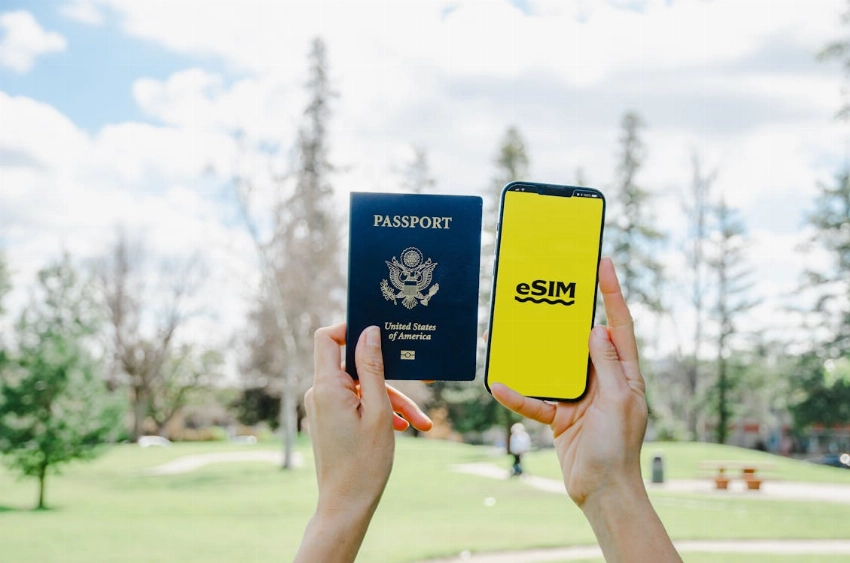
In November 2024, the previous Canadian policy of issuing 10-year multiple-entry tourist visas (TRV) to Indians regularly was abolished, and with no default to the maximum allowed duration, IRCC officers now apply discretion on the length of validity (typically shorter, depending on the purpose/ties tied).
-
No Automatic 10-Year Validity: Single/multiple-entry, length (up to passport expiry/biometric) is chosen by officers, individual travel history, funds, and purpose; new applications hardly ever receive 10 years.
-
Existing Visas Unchanged: TRVs of 10 years valid until expiry (before November 2024): Multiple stays of 6 months (check port-of-entry stamp).
-
Stay Duration Flexible: Starting January 5, 2026, border officers will have the ability to approve stays up to 1 year for genuine tourists with good exit plans/funds, which will need fewer extensions.
-
Intact Intelligible Prohibitions: No work/study, overstays may be cancelled/banned under stricter temporary resident quotas (5% population limit).
-
Application Advice: Excellent connections with India (job/property), itinerary, CAD 2,000 or higher funds increase longer visa approval through VFS Global.
Expert Advice: The 10-year Canada tourist visa still exists, but Indian applicants must now build a compelling application file, not just meet the minimum criteria, to receive maximum validity.
What Is the Difference Between Single-Entry and Multiple-Entry Canada Visas?
A single-entry visa gives an opportunity to enter Canada once, and a multiple-entry visa gives an opportunity to repeat entry before expiry. The type depends on your purpose, ties, and history that the IRCC officers determine in 2026; there will be no automatic multiple-entry anymore.
-
Entries: Single = 1 time only; Multiple = as many times as the entry lasts.
-
Validity Use: Single use (lapses upon exit); Multiple use (not more than 10 years).
-
Common for Single: One-off, medical, brief studies.
-
Several Conditions: A lot of business, family connections, and a good travel record.
-
Stay Limit: Both limits are at 6 months per visit (CBSA determines).
Pro Tip: For Indian applicants visiting family, on business, or planning repeat tourism, the multiple-entry TRV is far more cost-effective, even if its validity is now shorter than 10 years.
Why Did Canada End the Automatic 10-Year Multiple-Entry Visa?
In November 2024, Canada terminated its automatic 10-year multiple-entry tourist visa policy to have more control over the immigration levels, in a country with a housing shortage and widespread pressure.
-
Actions to prevent Misuse/Overstays: Visas longer in length caused illegal work/extension of terms; shorter ones are used to guarantee obedience.
-
Resource Management: This aligns with the capping of temporary residents of 5 per cent of the population as seen in the 2025-2027 plan.
-
Officer Discretion: Not blanket 10 years, validity to purpose/ties.
-
Security Focus: Added scrutiny decreases the risks of unspecified access.
Key Note: The policy change is not a ban on 10-year visas; it's a shift from automatic issuance to merit-based issuance. The stronger your application, the higher your chances of receiving maximum validity.
What Are the Canada Tourist Visa 10-Year Fees in 2026?
The 10-year multiple-entry tourist visa (TRV) policy of Canada does not include any specific 10-year fees in 2026 since the fees are charged identically to visitor visas regardless of the validity period (since 2024, this became officer-discretionary); the typical costs via IRCC/VFS have not changed.
-
Visitor Visa Fee: CAD 100 per individual (single/ multi entry, approx.INR 6,000).
-
Family (5+ members): CAD 500 total (~INR 30,000).
-
Biometrics Fee: CAD 85/ individual (approximately INR 5,100); CAD 170/family.
-
On a per Applicant basis: CAD 185 (approximately INR 11,200) with biometrics.
-
Price: INR VFS Global online; no refund.
Advice by our Expert: Biometrics (CAD 85) need to be paid only once every 10 years, so if you've given biometrics in the last decade, you may not need to pay this fee again.
Are There Any Additional Costs for Applying from India?
Yes, the process of applying for a Canadian tourist visa in India incurs extra expenses on top of basic IRCC charges by VFS Global processing and logistics.
-
VFS Service Fee: INR 1,350-2,000 per application (compulsory online booking).
-
Courier Charges: INR 1,500-2,500 passport return (express not mandatory).
-
PIMS Fee: INR 1,000-1,500 to optional tracking (Canada processing).
-
Travel Insurance: INR 2,000-5,000 recommended (not mandatory, but a case-strengthening step).
-
Doc Prep: INR 2,000-5,000 to translate/PCC/notarise where necessary.
-
Total Add-Ons: INR 8,000-16,000 and CAD 185 (approximately INR 11,000) base fees.
Expert Advice: Budget an additional 3,000–6,000 beyond the IRCC fee for VFS service charges and document courier costs when applying from India.
What Are the Eligibility Requirements for a Canada Tourist Visa in 2026?

In Canada, the core requirements of the IRCC proving that an individual intends to stay temporarily can ensure that by 2026, the applicants can be provided with a tourist visa (TRV) irrespective of whether the entry will be single/multiple.
-
Valid Travel Document: Passport with a 6+ months of validity of planned stay.
-
Legitimate Purpose: Tourism, family visit or business- with itinerary/invitation letter.
-
Good Home Ties: Job letter, property deeds, family in India to make sure of coming back.
-
Adequate Finances: CAD 2,000 and above per month (bank statements/ITRs of 6 months).
-
Good Health/Character: No severe health conditions; police clearance requested.
-
Intent to Leave: Convince the officer you are going to leave within 6 months, maximum visit.
-
Clean background: No criminal record; admissible to Canada.
Expert Takeaway: A prior US visa or Schengen stamp significantly strengthens a Canada tourist visa application from India, as it demonstrates established travel credibility with strict immigration countries.
What Documents Are Required for a Canada Tourist Visa from India?
The most important documents prove temporary intent and funds; submit through VFS Global in 2026.
-
Valid passport (not less than 6 months to expiration) + 2 photographs (35x45mm).
-
IMM 5257 form + family information (IMM 5645), signed.
-
Evidence of finances: 6 months' bank statements, ITRs, and slips of salaries.
-
Travel purpose: Itinerary, flight/hotel bookings, and an invitation letter.
-
Connection with India: Job NOC/leave letter, property documents.
-
This is optional: Medical exam, PCC upon request.
Expert Takeaway: Missing even one document from the Canada tourist visa application can lead to delays or refusal. Use a professional checklist and have every document reviewed before submission.
What Is the Canada Tourist Visa 10 Years Processing Time in 2026?
In 2026 (no longer based on 10-year validity), depending on the level of volume and completeness of applications, the processing time of tourist visa applications in Canada by Indians ranges between 45 and 90 days, depending on IRCC updates, with recent biometrics processing via VFS Global improving to 57 and 83 days.
-
Via the Web: 45-75 days in total (IRCC portal + biometrics).
-
Post-Biometric: 15-30 days of simple cases; up to 6 weeks in complicated cases.
-
Paper/Priority: 60120 days when mailed or premium requested.
-
Factors: Indian high volume leads to fluctuations; complete docs make it quicker.
-
Check Status: Real-time estimates of the check status are available using the IRCC tracker after submission.
Expert Takeaway: India currently has one of the longest Canada visitor visa processing times globally at ~99 days. Never book non-refundable travel before receiving visa approval.
How Long After Biometrics Does the Canada Visa Decision Take?
In 2026, the average time spent by Canada tourist visa decisions post-biometrics is 15-45 days based on India. Simple cases (strong ties/funds) can be solved within 2-3 weeks; more complicated cases may take up to 6 weeks during times of high volumes.
-
Standard Timeline: 20-30 days to IRCC updates (March 2026: 57 days over total, biometrics: 15-20 days).
-
Fast Track: 10-15 days to finalise docs, obvious purpose (tourism/family).
-
Delays: 4-6 weeks in case of previous refusals; additional checks are required.
-
Monitor Progress: The IRCC portal displays the decision steps of the process after biometrics review.
Expert Takeaway: Receiving a PPR (Passport Request) message is a strong positive signal; it means your visa is likely approved, and IRCC needs your passport for stamping.
How Can Indian Applicants Still Get a Canada Tourist Visa 10 Years?
Indian Applicants will still be able to obtain a 10-year multiple-entry Canada tourist visa (TRV) in 2026, but it will no longer be automatic in the November 2024 policy change- IRCC offers it on a strong profile basis.
-
Passport 10+ Years: The passport has a maximum validity of 10 years; they should renew their passports early enough to prevent expiry.
-
Unblemished Travel History: Numerous previous visas (US/UK/Schengen) utilised properly, no overstays.
-
Extraordinary Connections to India: Secure high-paying employment, property, family, and company evidence.
-
Generous Funds: CAD 10,000 and above displayed through 6-12 monthly reports, high ITRs.
-
Repeat Visits to Canada: Repeated visits to Canada, with short and obedient trips, enhance the approval of repetition.
-
Complete Application: The perfect application, comprehensive itinerary, no loopholes- apply online through IRCC to the greatest advantage.
Expert Takeaway: A well-drafted cover letter specifically requesting a multiple-entry visa with stated justification (e.g., frequent family visits, business travel) can meaningfully influence an IRCC officer's discretion under the new policy.
What Is the Step-by-Step Process to Apply for a Canada Tourist Visa 10 Years from India?
Apply using the IRCC portal under the VFS Global; it will take 45-90 days (a total of less than 50 words).
-
Step 1: Documentation (check eligibility ties, funds; collect passport, photos, ITRs, itinerary).
-
Step 2: Develop an IRCC account; fill out the IMM 5257 form + family information (IMM 5645).
-
Step 3: Fee + biometrics CAD 100 + CAD 85 (approximately INR 11,000 total).
-
Step 4: Book a VFS biometrics appointment online.
-
Step 5: Track status on the Internet; pick decision (passport return by courier).
Expert Takeaway: Completing the IMM 5257 form accurately, especially the travel history and personal declarations, is the single most important step; errors here are a leading cause of refusals from India.
How Long Can You Stay in Canada on a Tourist Visa in 2026?
Under the Canada tourist visa (TRV) in 2026, the maximum duration you will stay is at the discretion of the border officer at the entry point, and critical limits are as follows.
-
Standard Authorisation: Not more than 6 months in one visit (the norm for most tourists).
-
Long Stays Available: Up to 1 year may be granted by the officers, provided strong money, connections and exit arrangements are demonstrated (new Jan 2026 policy).
-
Super Visa Holders: 5 years in a row (including 1-year insurance documents).
-
Extensions: 30 days prior to expiry- apply online to obtain more 6 months (CAD 100 fee).
-
Overstay Penalty: Fines, bans or future refusals: never forget to check passport stamp/visitor record.
Expert Takeaway: Never confuse your visa's expiry date with how long you're allowed to stay. Always check the entry stamp on your passport; the date marked by the CBSA officer is your actual stay deadline.
What are the Common Reasons for Canada Tourist Visa Refusal for Indians in 2026?
Reasons that have commonly resulted in the refusal of the India tourist visa by Canada are due to the concerns that the IRCC has on temporary intent, and in 50-80 per cent of the rejections in 2026, as a tightening measure was in place.
-
Weak Home Ties: India. No evidence of job, property, or family to convince return (75 per cent of cases).
-
Poor Finances: Bank accounts indicate inadequate CAD 2,000 +/month; spontaneous deposits are peculiar.
-
Lack of Certainty: Poor itinerary, no bookings/invitation letter to suit travel purpose.
-
Missing Docs: Forms, photos or untranslated documents are missing; IMM 5257 errors.
-
Incident of Poor Travel History: There are no previous instances of visas or overstays in other countries that will raise concerns.
-
Misrepresentation: Fake documents/offers are punished by a 5-year ban.
Expert Takeaway: The #1 avoidable reason for refusal is inconsistency between the application form and supporting documents. Always cross-check every date, name, and amount before submission.
How Does TerraTern Help You Apply for a Canada Tourist Visa 10 Years?

TerraTern supports the applicants who have Canada tourist visa applications by offering efficient consultancy, application processing and documents through their simplified procedure to Indian applicants.
-
Eligibility Check: Free initial eligibility check of ties, funds, and purpose to increase the chances of approval.
-
Document Preparation: Passport guiding, ITR guiding, itinerary guiding, invitation letter guiding, etc.; certifies the completeness.
-
Form Filling and Submission: Fills in and submits IMM 5257/5645 forms, books VFS biometrics online.
-
Counselling & Webinars: One-on-one calls with professional advisors regarding refusals and re-applications.
-
Tracking & Follow-Up: Oversees IRCC status, receives requests on processing 21-52 days.
-
Rejection Analysis: Review of post-refusal in order to resolve weak ties/funds to successful reapplications.
Expert Takeaway: Given that Canada's new discretionary visa policy makes the officer's perception of your application more critical than ever, professional document preparation and a persuasive cover letter can be the difference between a 1-year and a 10-year visa.
2026 Industry Context Section
Latest Facts & Statistics:
-
Policy Change (Nov 6, 2024): IRCC announced that "multiple-entry visas issued to maximum validity are no longer considered to be the standard document."
-
Processing Time for India (2026): Visitor visa processing time from India is currently 99 days, up significantly from previous 30–47 day estimates.
-
Fee Structure (2026): Visa application fee is CAD 100 (~6,200); biometrics fee is CAD 85 (~5,300); total per person = CAD 185 (~11,500).
-
Immigration Cap Context: Canada's 2026–2027 Immigration Levels Plan targets capping temporary residents at 5% of the total population by the end of 2026, driving tighter visa scrutiny.
-
Biometrics Validity: Biometrics submitted once are valid for 10 years, reducing repeat costs for frequent travellers.
-
Stay Duration: Even with a 10-year visa, each visit is limited to a maximum of 6 months.
-
Expert Insight: Immigration lawyers now advise applying 3–4 months in advance due to extended processing times from India.
Conclusion
In 2026, 10-year multiple-entry tourist visa (TRVs) issued to Indians before November 2024 will be fully valid until they expire or are invalid with a passport, indicating they can be used again to spend 6 months in Canada (up to 1 year under new CBSA flexibility) as genuine tourism. It is essential to keep a record of your stamp/port-of-entry. The automatic issuance policy was also cancelled due to overstay concerns and immigration limits, and reduced to officer discretion on fresh short-term visas, but long validity can still be obtained remotely with IRCC/VFS on a re-application basis, to job hunt or visit family without work permit requirements.
Contact TerraTern for help with a Canada tourist visa for 10 years.




 AI Summary