

Key Highlights
- What Are Ausbildung Hospitals in Germany?
- Why Choose Hospital-Based Ausbildung Over Nursing Homes in 2026?
- What Are the Requirements to Join Ausbildung Hospitals in Germany As an Indian in 2026?
- Which Are the Top List of Ausbildung Hospitals in Germany for Indians in 2026?
- Where Can You Find Regional and Municipal Ausbildung Hospitals in Germany in 2026?
- What Private Hospital Chains Offer Ausbildung Programs in Germany in 2026?
- How Do Hospital Stipends Compare Across Different States in Germany in 2026?
- What Is the Application Process for Ausbildung Hospitals in Germany in 2026?
- Which Specialized Hospitals Offer Niche Ausbildung Training in Germany in 2026?
- How Can You Apply to Multiple Hospitals in Germany Efficiently in 2026?
- What Should You Consider When Choosing an Ausbildung Hospital in Germany in 2026?
- What Are Common Challenges Students Face During Hospital Ausbildung in Germany in 2026?
- How Does Ausbildung Lead to Permanent Residency in Germany in 2026?
- What Career Opportunities Exist After Completing Hospital Ausbildung in Germany in 2026?
- How Can TerraTern Help With Ausbildung Hospitals in Germany?
- Conclusion
The Ausbildung hospitals in Germany provided in Germany focuses on large teaching and research hospitals including ChariteUniversitaetBerlin, HeidelbergUniversitaatsklinik, LMU Klinikum in Munich and the Helios group clinics with a focus on less than a year of training, which consists of a combination of vocational nursing school training with an intensive and supervised practice on the modern wards in addition to a monthly stipend and high employment rates in a highly regulated, tuition-free healthcare system that is plagued by a severe lack of nurses.
What Are Ausbildung Hospitals in Germany?
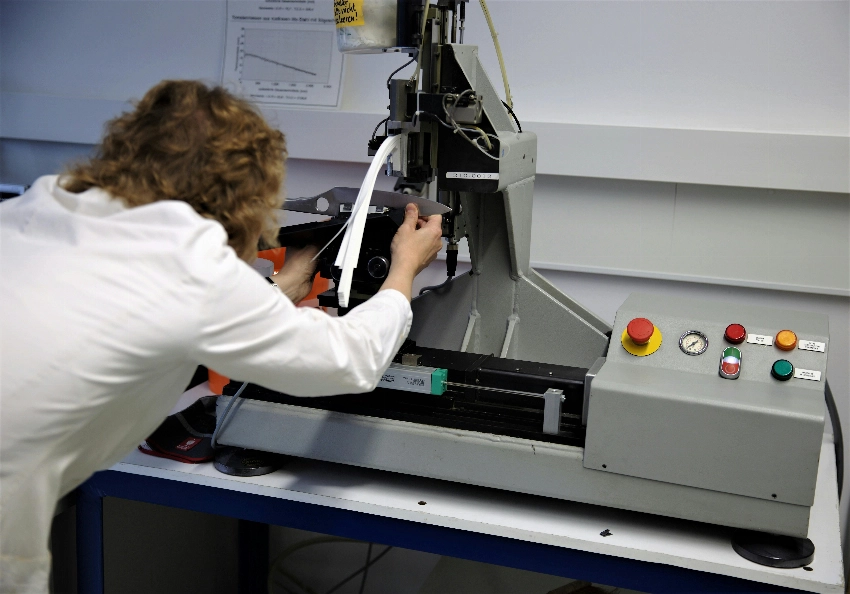
In Germany, Vocational nursing schools are teaching hospitals known as Ausbildung hospitals which work together with a Pflegeschule, a high-demand healthcare labor market, to provide systematic, state-recognized nurse training under the dual system, with trainees formally employed by the hospital, paid a monthly salary and rotated between various departments of the hospital (internal medicine, surgery, geriatrics, psychiatry etc.) to gain practical skills in addition to classroom training in a Pflegeschule, typically over a period of three years to receive a state nursing qualification.
Expert Advice: Unlike traditional nursing degrees, Ausbildung hospitals pay you to learn from day one, eliminating student debt while building hands-on clinical expertise that German employers highly value.
Why Choose Hospital-Based Ausbildung Over Nursing Homes in 2026?
The following is a rudimentary comparison between nursing-home Ausbildung and Ausbildung hospitals in Germany.
|
Aspect |
Hospital-Based Ausbildung |
Nursing-Home Ausbildung |
|
Type of patients |
Sharp, sophisticated cases in surgery, internal medicine, ICU, pediatric, and emergency providing extensive clinical exposure. |
The residents, usually long-term, elderly, and those with chronic illnesses and stable conditions, are concerned with daily care and geriatric support. |
|
Skill development |
Close attention is paid to technical competencies, monitoring, invasive interventions, and collaboration with physicians and therapists. |
This is based on providing basic care, mobility support, dementia care, and long-term relationships with residents. |
|
Future specializations |
Hospital experience facilitates easy specialisation in ICU, OP, anaesthesia, oncology, paediatrics, or emergency nursing in the future. |
Greener route to geriatric care, assisted living, and long-term care management positions. |
|
Career opportunities |
Agency/travel nursing and jobs in large clinics or university hospitals are often preferred for high-level positions. |
Best in holding on to simple local jobs; earlier opportunities of advancing to team-leader or ward-leader positions in the same facility. |
|
Work intensity |
Increased rate, rotating shifts, a greater number of emergencies, andan emotionally related yet highly dynamic environment. |
Moving towards more regular, foreseeable, even routine activities; not acute but physically and emotionally taxing with heavy basic care. |
|
Technology & equipment |
Periodic diagnosis with sophisticated diagnostics, monitoring tools, and electronic records. |
Reduced technical protocols; emphasis is placed on nursing and socialising, as opposed to machines. |
|
International value |
The experience at a hospital is well-known in other countries and enhances a migration/studies resume. |
Not as useful, however, as perceived to be more limited in terms of scope, to the elderly and long-term care. |
Advice by our Expert: If you aim for career advancement and international mobility, choose hospital Ausbildung—the clinical exposure and acute care skills open doors to specialised roles and higher salaries that nursing home training cannot match.
What Are the Requirements to Join Ausbildung Hospitals in Germany As an Indian in 2026?
The most important requirements that are needed to enter into hospital-based Ausbildung programs in Germany are education, language, and personal appropriateness.
-
Education: Finished secondary school (12th grade or equivalent,t such as Realschulabschluss); a science background is desired but not required.
-
Age: This is usually between 17 and 35 years of age, with under 30 being the most preferred age in a majority of hospitals to enhance flexibility.
-
German Language: B1 or B2 level (CEFR), certified by Goethe-Institut or telc; B2 may be needed by hospitals.
-
Health Fitness: A medical certificate stating that one is physically and mentally fit to work in the nursing field.
-
Clearance by the police: No criminal history, evidenced by a certificate of the home country and /or German authorities.
-
Application Documents: CV, motivation letter, school certificates (translated and legalised), and, in some cases,s references or an interview.
-
Non-EU visa: Hospital, blocked account, health insurance, training contract,t and residence permit.
Pro Tip: Start your German language learning immediately—B2 proficiency takes 6-12 months and is non-negotiable, but it's the only major barrier since hospitals require no prior nursing experience or specific academic backgrounds.
Which Are the Top List of Ausbildung Hospitals in Germany for Indians in 2026?
The List of Ausbildung hospitals in Germany, which provide the nursing Ausbildung program, is among the leading universities and is known because of their developed facilities, integration of research, and rich training programs.
|
Hospital Name |
Location |
Key Highlights |
|
Charite -Universitaet Berlin. |
Berlin |
The largest university hospital in Europe, it has diverse apprenticeship opportunities in the healthcare field and has a good international reputation and high training capacity. |
|
Universitätsklinikum Heidelberg |
Heidelberg |
Research centre offers great Ausbildung with attention to the state-of-the-art medicine and specialisations. |
|
LMU Klinikum München |
Munich |
Best in patient care; comprehensive nursing Ausbildung courses in various units, such as cardiology and neurology. |
|
Uniklinikum Erlangen |
Erlangen |
One of the top 100 hospitals in the world; several Ausbildung under acute care, paediatrics, and intensive care with deadlines up to 2026. |
|
Universitätsklinikum Tübingen |
Tübingen |
International nursing excellence award; high support of foreign trainees and good training seals. |
|
Klinikum Nürnberg |
Nuremberg |
The largest training location in Bavaria collaborates with Paracelsus Medical University to train in nursing, anesthesiology, and radiology. |
Key Note: University hospitals like Charité and LMU München offer superior training quality and international recognition, but they're highly competitive—apply to 5-7 hospitals simultaneously to maximise acceptance chances.
Where Can You Find Regional and Municipal Ausbildung Hospitals in Germany in 2026?
Ausbildung hospitals in Germany are regional and municipal facilities spread throughout the federal states of Germany and can be found on official portals and job boards.
- Authoritative Portals: Bundesagentur für Arbeit (ausbildung.de or arbeitsagentur.de) and Make-it-in-Germany are national sources of vacancies in Ausbildung at local hospitals.
-
Large Cities: Hamburg (750+ vacancies), Berlin (386), Munich Municipal Hospital Group, Wiesbaden, Duisburg, Nuremberg Klinikum (the largest municipal trainer in Bavaria).
-
Northern Germany: Oldenburg, Kiel, Luebeck with excellent public transport and regional clinics that provide nursing Ausbildung.
-
Bavaria: Klinikum Nurnberger (collaborates with Paracelsus University), Munich Klinik, and Erlangen in case of municipal and regional positions.
-
Other Regions: Smaller/mid-sized facilities are available in Hannover, Offenburg-Baden-Baden area, Tubingen Universitaetsklinik, and DRK-Kliniken in Berlin.
-
Job Aggregators: GoAusbildung.com, Azubiyo,.de and direct applications on hospital career pages such as karriere.uk-erlangen.de.
Expert Advice: Don't overlook regional hospitals like Klinikum Nürnberg or Bezirkskliniken Mittelfranken—they actively recruit international students, offer identical qualifications, and often have higher acceptance rates than prestigious university hospitals.
What Private Hospital Chains Offer Ausbildung Programs in Germany in 2026?
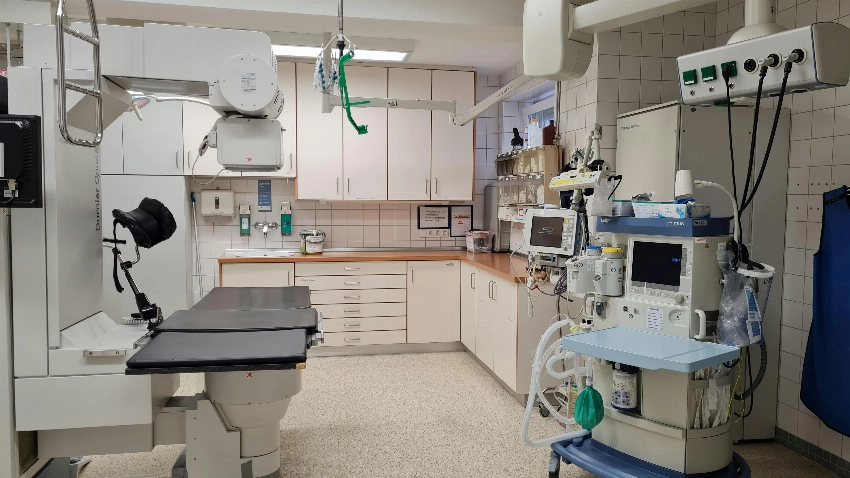
Larger private hospital chains in Germany are prolific in providing Ausbildung programs in nursing and allied health, with special academies and international recruitment services.
-
Helios Kliniken: the largest privately owned hospital group (120+ clinics) in Germany; offers nursing Ausbildung at Helios Bildungszentrum with placements in Berlin-Buch, Erfurt, and all over Germany, focusing on practice-based rotations and language support.
-
Asklepios Kliniken: It has 170+ hospitals; it has Ausbildung programs through Asklepios Akademie with high placement rates: general nursing, anaesthesia assistants, and surgical tech.
-
Rhön Klinikum: 25 or more hospitals located primarily in central Germany; provides Pflegefachkraft Ausbildung in a structured form with modern training facilities and global training partnerships.
-
MediClin: Rehabilitation focus; offers Ausbildung in nursing and therapy positions in 50 + facilities with good work-life balance and stipend support.
-
DRK-Kliniken: Red Cross-based private clinics (e.g., Berlin); it has Ausbildung for nursing professionals and prepares coursesforo international applicants.
Advice by our Expert: Private chains like Helios and Asklepios offer a major advantage—apply once through their centralised portal, and you're considered for all network hospitals, dramatically increasing your acceptance odds compared to individual hospital applications.
How Do Hospital Stipends Compare Across Different States in Germany in 2026?
Ausbildung hospitals in Germany stipends (Vergütung) are provided through collective agreements such as TVoD and are slightly higher in western and southern (economically stronger and more expensive to live) states.
-
Baden-Württemberg and Bayreuth: €1,2001,400 (1st year), €1,3001,500 (3rd year); maximum because of industrial power and cost of living.
-
Hesse and Westphalia: 1150-1350 (1 st year), 1300-1450 (3 rd year); competitive in large urban hospitals, such as in Frankfurt or Cologne.
-
Lower Saxony & Rhineland-Palatinate: €1,1001300 (first year), 12501400 (third year); mid-sized regional clinics are balanced.
-
Berlin & Brandenburg: €1,0001,200 (1 st year), €1,2001,350 (3 rd year); a few less, but compensated with less expensive accommodation.
-
Eastern States (Saxony, Thuringia): €9501150 (1st year), 11501300 (3 rd year); cheapest, yet with lower costs and increasing opportunities.
Pro Tip: Saxony and Thuringia offer the best financial advantage—while stipends are €30-50 lower than Bavaria, your rent costs are €300-400 less, leaving significantly more money for savings and travel across Europe.
What Is the Application Process for Ausbildung Hospitals in Germany in 2026?
Applicants to the Ausbildung hospitals in Germany go through online applications, interviews, and medical examinations, which begin at least 6-12 montbefore to the beginning of the program (e.g., September 2026).
-
Identify: Find openings in ausbildung.de, arbeitsagentur.de, Azubiyo.de, or hospital career sites; narrow down to 20-50 hospitals that match your preferences.
-
Select the Documents: German CV (Lebenslauf), motivation letter (Anschreiben), school certificates (translated to German), language cert (B1/B2), and a copy of the passport.
-
Apply Online: Use hospital portal or EURES; Apply usually February-June to fall enrollments; Keep a spreadsheet.
-
Entrance Test and Interview: Online aptitude test (math, logic, nursing knowledge); personal interview or video interview to evaluate the motivation and German skills.
-
Medical/Background Check: Successful health check, police clearance (Führungszeugnis), trial day at hospital (in some cases).
-
Receive Contract: Sign Ausbildungsvertrag; obtain visa (non-EU) with it, blocked account, and insurance.
Key Note: Don't wait for perfect B2 German—start applying when you reach B1 with a clear timeline to B2, as many hospitals accept conditional offers and the interview process itself takes 2-3 months.
Which Specialized Hospitals Offer Niche Ausbildung Training in Germany in 2026?
Niche training in Germany is provided in specialised hospitals under the niche Ausbildung training instead of general nursing with specialisations such as surgery, anaesthesia, and rehabilitation.
-
Charite Berlin Offers: Anaesthesia assistant, surgical technical assistant, speech therapy, and dietitian courses in addition to nursing.
-
University Clinics (e.g., Heidelberg, Tuebingen): Specialities of Intensive care nursing, oncology nursing, neurological nursing, emergency care.
-
Helios & Asklepios Chains: Sterilisationshelfer (Medical device reprocessing specialist), anaesthesia technical assistant, and surgical tech Ausbildung.
-
Physiotherapy assistant and geriatric psychiatry niche training: Rehabilitation Centres (MediClin, Rhön).
-
Paediatrics (e.g., Dr. von Hauner Munich): Pediatric nursing Ausbildung with child-centred care.
Expert Advice: If you're passionate about a specific field like paediatrics or oncology, starting Ausbildung at a specialised hospital fast-tracks your expertise and certification—but keep your options open by choosing facilities that also offer rotations in general departments.
How Can You Apply to Multiple Hospitals in Germany Efficiently in 2026?
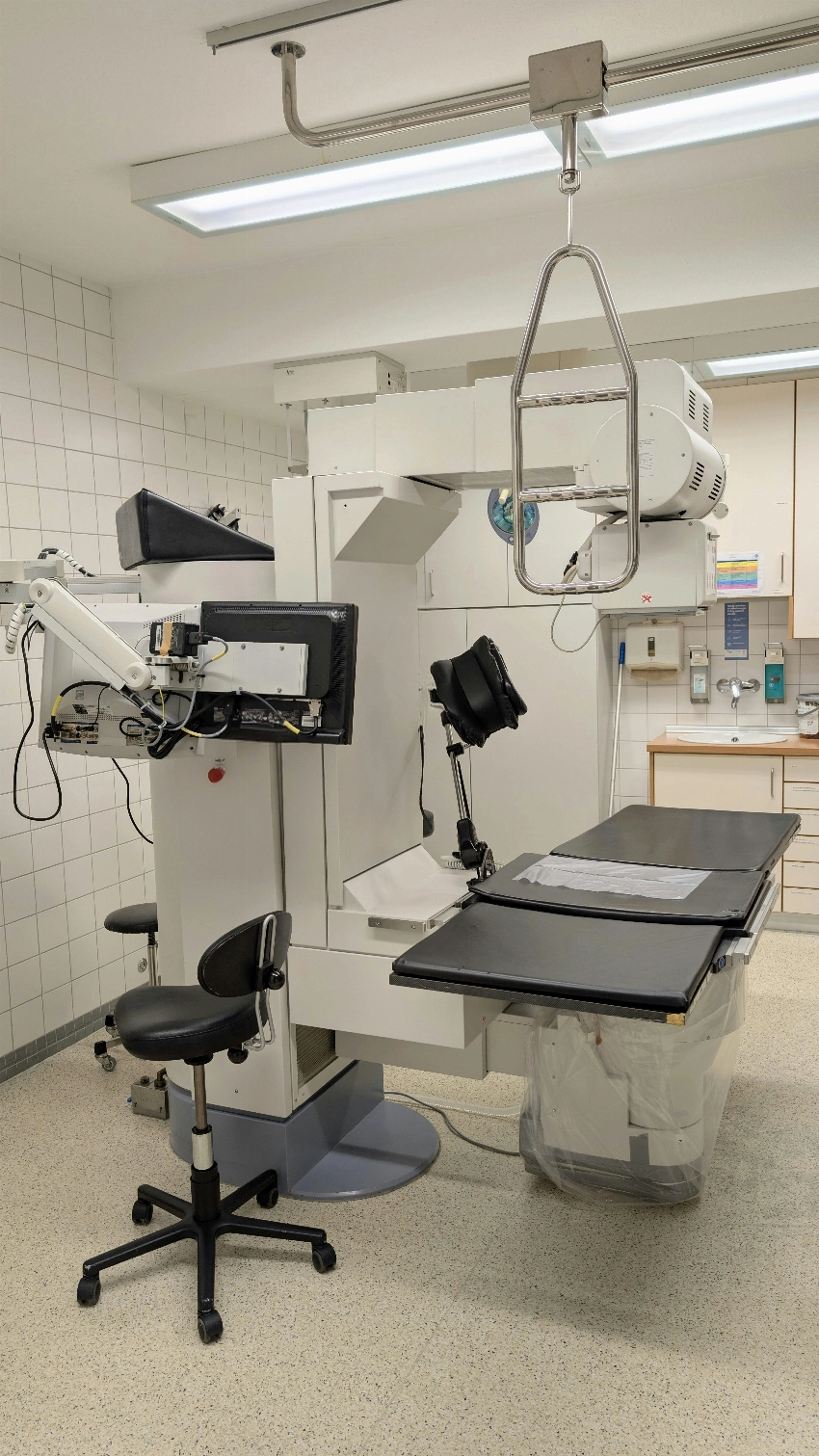
To apply successfully to several of the best Ausbildung hospitals in Germany, one needs to be well organised, standardised, and timely.
-
Create a Tracking System: In a spreadsheet, create a column with the names of the hospitals, the application date, status, documents submitted, date of interviews, and notes; create a calendar reminder 2 weeks before every application date.
-
Standardise Documents: Assemble one German CV, a template of the motivation letter, and certificate copies that will be translated into English; just tailor the intro/cover to each of the hospitals (takes 10-15 min per application).
-
Apply in Waves: Target top 10 hospitals (Feb-Apr) first, 20-30 backups (May-Jun) second, 30-50 total applications across states, to get a 15-20% acceptance rate.
-
Search: Simultaneously: Aggregators: aufbildung.de, Azubiyo.de, GoAusbildung.com; daily alerts on new openings in nursing.
-
Batch Interviews: Flexibly plan video calls; rehearse common questions about motivation, German skills, and nursing passion; train with mock.
-
Follow Up Politely: Email 1 week after submission; thank them; in case you have several deals, start dates should be negotiated professionally without references to competitors.
Pro Tip: The "5-7 hospital rule" is critical—even excellent candidates face rejections from top hospitals due to limited spots, so diversifying your applications across university, regional, and private institutions ensures you secure at least one placement.
What Should You Consider When Choosing an Ausbildung Hospital in Germany in 2026?
The main aspects that should be considered when selecting the best Ausbildung hospitals in Germany are correlated with your life goals, career, and long-term strategies in Germany.
-
Place and Style: Distance to the subway, the cost of houses, and the quality of life; choose such cities as Munich or Berlin in the case you like an urban vibe, and such towns as Erlangen in the case you prefer more affordable options.
-
Quality of Training: Hospital size/repute (university vs. regional); ensure state accolade, mentor-to-mentee ratios, and interdepartmental rotation (ICU and surgery).
-
Stipend and Benefits: State-specific pay (better in Bavaria/Baden-Wurttemberg); enquire about living expenses, vacation, and after-training employment.
-
Specialisation Choices: Acute care hospitals with the general skills vs. nursing homes with geriatrics; you can have a niche program in paediatrics or oncology.
-
Work Conditions: Work schedule, company culture, international assistance (language classes, visa advice); research reviews on Kununu.de or Reddit.
-
Future Prospects: Employment rate following the Ausbildung, specialisation, and the distance to the next level of education, such as a nursing bachelor's degree.
Key Note: Don't chase prestigious hospital names alone—a regional hospital offering accommodation support, strong mentorship, and diverse departments often provides better overall value and learning experience than a famous university hospital in an expensive city where you'll struggle financially.
What Are Common Challenges Students Face During Hospital Ausbildung in Germany in 2026?
The most frequent issues in the process of Ausbildung hospitals in Germany are work overloads, language barriers, and emotional tension.
-
Language Barrier: Learning the medical German (B2/C1) to communicate with the patient, protocols,s and exams; foreigners have problems with technical terminology and accents.
-
Heavy Workload: Overtime (night/weekend/holidays), theory combined with practical rotations, which was physically exhausting and burned him out.
-
Emotional Stress: Responding to the critically ill patients, death, suffering, and high-responsibility, which involves resilience.
-
Cultural Adjustment: Strong hierarchies, accurate documentation, and German work culture (punctuality, direct feedback) may be overwhelming to the international.
-
Financial Strain: Starting stipend (50-1,190/month) might not be sufficient to cover living expenses in expensive cities without budgeting.
-
Exams and Practical Tests: Intense state exams that consist of theory, practical skills, and hygiene standards, with low pass tolerance.
Expert Advice: Every international student faces these challenges—what separates successful graduates from dropouts is seeking help early, building strong peer networks, and remembering that the difficulty is temporary (3 years) while the German nursing qualification opens doors globally for life.
How Does Ausbildung Lead to Permanent Residency in Germany in 2026?
Ausbildung is a systematic route to permanent residence in Germany (Niederlassungserlaubnis) for skilled workers, particularly those working in shortage professions such as nursing.
-
Complete Ausbildung: complete the 3-year state-recognised training to become a skilled professional (Fachkraft).
-
Find a Job: Find a job opportunity in your sphere after training; receive a skilled worker residence permit (§18a AufenthG) for 4 years.
-
Work Period: Two (2) years of full-time employment with social security contributions (without advanced language) or four to five (4-5) years with B1/B2 German.
-
Meet Integration Requirements: Demonstrate B1 German (or above), make sufficient pension payments (60 months aggregate), and have sufficient living quarters.
-
Apply: Auslaenderbehoehde: Turn in documents of qualification, income, insurance, and integration; approval entails an indefinite right of stay and work.
Pro Tip: Germany's Ausbildung-to-PR pathway is unmatched globally—you earn €160,000+ over 6 years while securing permanent residency, compared to spending €100,000+ on nursing degrees in Canada or Australia with longer PR timelines and no income during study.
What Career Opportunities Exist After Completing Hospital Ausbildung in Germany in 2026?
Ausbildung hospitals in Germany provide a wide range of career opportunities in the healthcare system of Germany, where almost 100 per cent of the graduates are employed, and the initial salary is about 2,800-3,500 euros.
-
Staff Nurse Roles: Practice in hospitals (acute, surgery, or internal medicine general ward, ER, ICU) or clinics or outpatient centres.
-
Specialised Nursing: One can become an oncology, paediatrics, geriatrics, anaesthesia, or psychiatric nurse with 1-2 years of experience and additional certification.
-
Positions of Management: Advance to shift leader, ward manager, or nursing director after 3-5 years of service and leadership education.
-
Further Education: Complete an undergraduate/master's course in nursing science, healthcare management, or public health during employment at Fachhochschulen.
-
International Opportunities: An EU-qualified qualification will enable job opportunities in other EU states; a large number of them go back to their countries of origin or migrate to Switzerland/Australia.
Key Note: Nursing Ausbildung isn't just a 3-year training—it's a career launchpad where your earning potential can triple from €2,800 to €9,000+ monthly through specialisations and management, while maintaining the flexibility to work anywhere in the EU or transition to lucrative consulting and sales roles.
How Can TerraTern Help With Ausbildung Hospitals in Germany?
TerraTern offers a complete service to the Indian students seeking hospital Ausbildung in Germany to facilitate the complete procedure of application till settlement.
-
Application Assistance: Assists with finding the right hospitals (Charite, Helios, etc.), preparing documents based on the specific needs,s and provides them to a variety of institutions with the highest success rates.
-
German Training Language: Provides certified B1/B2 trainers to address the hospital's needs.
-
Visa and Documentation: Assists with visa procedures, blocked accounts, medical examinations, and legalisation of Indian certificates.
-
Scholarships and Funding: 1 Crore scholarship program to nurses, including relocation and training expenses.
-
Placement Guarantee: 1. Ausbildung contracts with a stipend (€1,341-1,503/month) and 2. Post-landing: Housing and Orientation.
-
Career Guidance: Prepares interviews, evaluations, and a long-term journey to PR and specialised jobs.
Conclusion
Pursuing Ausbildung in Germany's top hospitals like Charité Berlin, Universitäts-klinikum Heidelberg, LMU Klinikum München, Uniklinikum Erlangen, Helios Kliniken, and Asklepios offers Indian aspirants a proven pathway to a stable nursing career with tuition-free training, stipends from €950-1,500 monthly rising by state and year, broad clinical exposure in acute care settings superior to nursing homes for skill development and specializations, and a clear route to permanent residency after 2-5 years of employment with B1 German proficiency making 2026 an ideal entry point amid ongoing nurse shortages, provided you master B2 German, secure a contract via portals like ausbildung.de or TerraTern assistance, and prepare for demanding shifts, emotional resilience, and cultural adaptation to thrive in Europe's premier healthcare system.
Contact TerraTern for more information on Best Ausbildung Hospitals in Germany 2026.



 AI Summary