

Key Highlights
- Japan’s New Rule for Child Residence Card Applicants
- Why Japan Is Introducing Facial Photograph Requirements?
- Who Will Be Affected by the New Rule?
- Transition Period Already in Progress
- Changes to Japan’s Online Immigration System
- What Type of Photographs Will Be Required?
- Impact on Foreign Families Living in Japan
- Japan’s Growing Foreign Resident Population
- Immigration, Security, and Global Trends
- What Foreign Residents Should Do Now?
- Broader Implications for Japan’s Immigration Policies
- Conclusion
Japan is slated to enact a major reform of immigration documents, which will impact thousands of foreign families residing in the country. Facial photographs will be required for children who apply for residence cards and special permanent resident certificates in Japan starting from June 14th, 2026. The new rule, announced by Japan's Immigration Services Agency (ISA), is a significant change in Japan's immigration and identity verification system. The purpose of the policy is to increase the accuracy of identification, to enhance border security, to modernise immigration systems, and to bring Japanese documentation standards in line with global standards. The foreign residents, expatriates, expatriates with children in Japan, foreign workers, and long-term visa holders are now being warned that they should get ready for the changes well in advance.
Japan’s New Rule for Child Residence Card Applicants
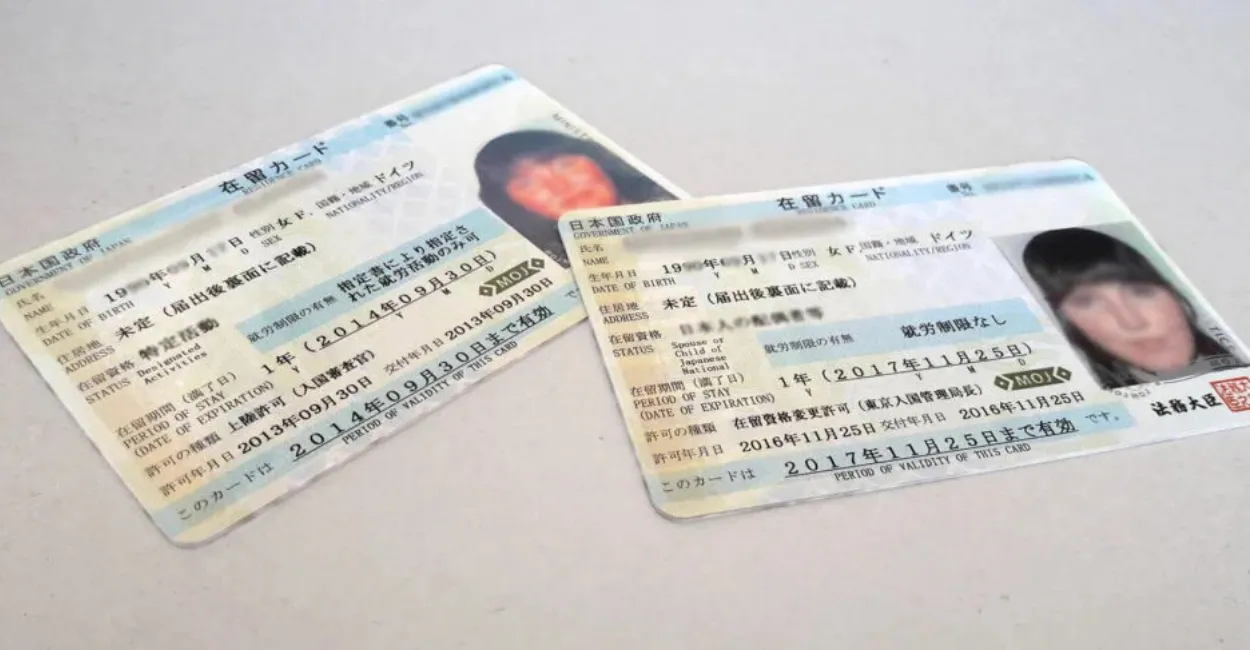
The new regulation will apply to children seeking residence cards or special permanent resident certificates from June 14, 2026, and will mandate that they submit facial photographs. The new rule primarily impacts children ages 1-16. Many child residence cards were not previously supplied with photos, particularly for children under 12. But now Japanese immigration officials are looking to streamline the identification process for minors as well as adults.
Facial photographs will be printed on the card for newly issued residence cards and special permanent resident certificates to eligible children, according to the Immigration Services Agency. This will make it easier to verify identities, making it easier for the government to keep the correct records for foreigners, the government said.
The shift is part of Japan's efforts to modernize its immigration system as it becomes more mobile and faces rising numbers of foreign residents.
Also Read: Japan Immigration Made Easy: Everything You Should Know
Why Japan Is Introducing Facial Photograph Requirements?
The move comes amid Japan's broader push to tighten up immigration restrictions and update documentation procedures. Police have pointed to a number of factors that led to the new rule.
Improved Identity Verification
Facial photos enable immigration officials and other officials to verify identities more efficiently. Photographs on child residence cards help to minimize the risk of identity confusion or misuse.
Enhanced Security Measures
The Japanese government has been increasing the restrictions on immigration and border security in recent years. It is expected that the use of photographs on children's residence cards will reduce or eliminate the risk of fraud, misuse of documents, and the unauthorized substitution of identity.
Alignment With Global Standards
Photographs are already a requirement on IDs issued to minors in many countries. This rule will bring Japan's immigration documentation practices in line with international standards and practices.
Digital Transformation of Immigration Systems
Japan is continuously modernizing immigration procedures via digital systems and enhanced residence documentation. The facial photograph requirement is part of this broader immigration system transformation that seeks to improve the efficiency and security of immigration systems.
Who Will Be Affected by the New Rule?
The new provision will mainly apply to foreigners residing in Japan with children applying for Japanese immigration paperwork. There could be several categories of applicants affected.
Children Applying for Residence Cards
Facial photographs will be required for children aged 1 to 16 applying for a new residence card, renewal, replacement,t or update after June 14, 2026.
Special Permanent Resident Certificate Applicants
The new requirement also applies to special permanent resident certificates issued to a child applicant who meets the requirements.
Families Applying During the Transition Period
The changeover period is already in progress. Some applicants whose applications were filed before June 14, 2026, might still need to take photos if the residence card is to be issued after the implementation date, according to immigration authorities.
Foreign Workers and International Families
Foreign workers, students, technical interns, and expatriate families are increasing in numbers in Japan. A lot of these residents may now have to adjust the application procedure for their children.
Transition Period Already in Progress
Perhaps one of the most crucial elements of the new rule is the process of transitioning that Japan's immigration officials are undergoing.
The Immigration Services Agency has said that it might be asking for photographs from some applicants at local offices already before the official June 14 date. This is especially the case for children who will be one year old on the implementation date, whose residence cards might be issued later.
Authorities have also announced that photos may be required for applications received by June 10 to 13, 2026, for children aged 1 and older.
This is a temporary measure to facilitate the implementation of the new documentation system and minimise the administrative impact on implementation when the rule comes into effect.
Also Read: Step-by-Step Process of Obtaining a Japan Tourist Visa for Indians
Changes to Japan’s Online Immigration System
In addition, Japan's online residence application system will be updated prior to the enforcement of the rule. The new requirement for a digital photograph of the applicant's face will be added to the digital application platform by June 14, 2026, immigration authorities confirmed.
This will likely imply that families who apply online for residence cards or other immigration paperwork will have to submit digital photos that comply with specific standards.
The digital upgrade is a reflection of Japan's growing dependence on immigration management systems that rely on technology and a streamlined administrative process.
What Type of Photographs Will Be Required?
The Immigration Services Agency in Japan hasn't yet published all the public specifications for all applicants, but immigration experts believe the photos will be based on standard official ID requirements.
In general, applicants will be required to submit:
-
A recent photograph
-
Front-facing facial image
-
Neutral facial expression
-
Plain background
-
Clear and high-resolution image
-
Hats and other items that affect vision must not be worn unless they are medically necessary.
Parents are advised to make pictures beforehand and check for any minute details or formatting requirements from the Japanese immigration authorities.
Impact on Foreign Families Living in Japan
The policy adjustment might be considered an administrative one, but it could have real-world consequences for numerous foreign families residing in Japan.
Additional Documentation Requirements
The families are now required to have a professional or acceptable photo of their children, including infants over one year of age, for the purpose of applying for child residence cards.
Potential Processing Delays
Failure to complete the application or if the photo is not suitable for residence card processing may cause delays. Going forward, families might need to be more vigilant about what is required to be documented on the issue.
Increased Awareness of Immigration Compliance
The new regulation emphasises the need to keep immigration documents up to date and accurate when residing in Japan.
Better Security and Identification Protection
The new process may involve a further step, but it may also mean that it will provide better protection against the misuse of documents and better identity protection for children.
Japan’s Growing Foreign Resident Population
The rule change is important because Japan has been seeing a steady rise in the number of foreign residents in recent years. The country has been experiencing a shortage of workers due to the ageing population and low birth rates. In response to these challenges, Japan has opened up opportunities for foreign workers, students, and skilled workers.
Given the growing number of international families residing in Japan, the government has become more concerned with developing modern immigration systems that can accommodate more foreign nationals while still ensuring high levels of security.
This change in approach to more comprehensive immigration management is reflected in the facial photograph requirement for child residence cards.
Immigration, Security, and Global Trends
Japan is not the only country that is making immigration identity systems stronger. Governments around the world are increasingly adopting biometric and photographic identification systems to enhance the management of borders and the verification of residency.
The following is a list of some of the requirements already in place in many countries:
-
Biometric residence permits
-
Facial photographs of minors will not be taken.
-
Fingerprints for Immigration Applications
-
Digital identity verification systems
The new rule in Japan is thus part of a broader international trend of improved identity verification.
Also Read: Japan Visa for Indians: Types, Fees & Processing Time
What Foreign Residents Should Do Now?
Foreign families residing in Japan should start getting ready early to prevent any possible hassles when the new requirement comes in.
Monitor Official Immigration Announcements
The applicants should be informed that the final guidelines and technical specifications are always updated by the Immigration Services Agency of Japan, so they should check regularly.
Prepare Child Photographs in Advance
Recent passport-style photos may be helpful for parents to submit with applications.
Check Application Timelines Carefully
Applications that are submitted close to the implementation date may still be subject to transitional requirements.
Consult Immigration Experts if Necessary
If families are not sure about documentation rules or procedures for renewal, they can consult immigration advisors or legal experts who are knowledgeable about Japanese residency rules.
Broader Implications for Japan’s Immigration Policies
The facial photograph requirement might seem like a minor tweak to the procedures, but it's a sign of a more fundamental shift in immigration governance in Japan.
Japan has been striving to reconcile two priorities:
-
Increasing employment and residence opportunities for foreigners and foreigners residing in Japan.
-
Improving immigration control and identity verification measures
-
The nation is trying to revamp its immigration system without losing public trust in immigration and residence management.
In the future, there may be more documents and biometric requirements to come, as immigration systems are increasingly digitized and security-oriented on a global scale.
Conclusion
The change to accepting facial photos for applicants to the residence card for children in Japan is an important modernization of the immigration system that will take effect on June 14, 2026. The rule will apply to children who are applying for residence documentation for foreign families, expatriates, international workers, and permanent residents. The new requirement will make it easier to verify an applicant's identity, bolster security, and make Japan's immigration procedures more in line with international standards, Japanese authorities say. Given that the transition period has already begun, families are urged to start preparing early, keep an eye out for official announcements, and make sure to have their documents ready to meet new requirements for future residence card applications without any delays or complications.
Contact TerraTern for more information.