

Key Highlights
With a slowly growing population of foreign residents in Japan, the government is considering a major shift in its immigration policy, which may include a Japanese language proficiency indicator among the applicants that would allow them enjoy permanent residency (PR). This proposal is the result of the policy debates of the ruling Liberal Democratic Party (LDP), which is likely to be implemented in new rules regarding residency in April 2027, and is an example of the changing attitude towards foreign integration and social unity in Tokyo.
Understanding the Proposed Change
What is the change being proposed?
What’s Being Proposed
Japan is thinking of a policy according to which foreign nationals seeking permanent residency in Japan would have to prove a special degree of Japanese language knowledge. This possible new option to the eligibility requirements is included in a wider government initiative to revise the Immigration Control and Refugee Recognition Act that regulates the status of residence and adjacent statuses.
The proposal would incorporate language proficiency with the already existing conditions, including good behaviour, financial stability, and contribution to society, old requirements by the current rules of the Japanese PR.
Why Language Matters in Policy
Advocates of the concept claim that the necessity of knowing Japanese would help guarantee easier assimilation into the new local communities, diminish administrative misconceptions, and facilitate social interaction between the foreign residents who are long-term immigrants. It has been reported that in many cases, local authorities are faced with problems when the language skills of residents are low, such as in navigating a public service or communicating with the community.
Also Read: Japan Immigration Made Easy: Everything You Should Know
Current Permanent Residency Framework in Japan
The current PR framework in Japan:
Existing Criteria for PR
Under the existing law, a foreign nation is usually required to:
-
One must have been living in Japan long enough (usually 10 years and above) unless one qualifies under the point-based or highly skilled professional tracks.
-
Demonstrate a good financial and income profile.
-
Portray positive behaviour and respect for the law.
It is important to note that at present, the language skills in Japanese are not required to be eligible as a PR.
Trends in Foreign Residency
The Immigration Services Agency indicates that by mid-2025, there were close to 4 million foreign residents of Japan, of whom around 23.6% were permanent residents of the country (the numbers have steadily increased as Japan struggles with labour shortages and demographic issues).
Integration and Community Impact
What will be the community impact?
Strengthening Social Integration
Advocates of language requirements think that it would enhance integration into the communities. Language skills may assist residents to use bureaucracy less, obtain services more efficiently, and interact with neighbours and local culture, which is perceived to play a vital role in the participation of the residents in the long term in society.
Challenges for Applicants
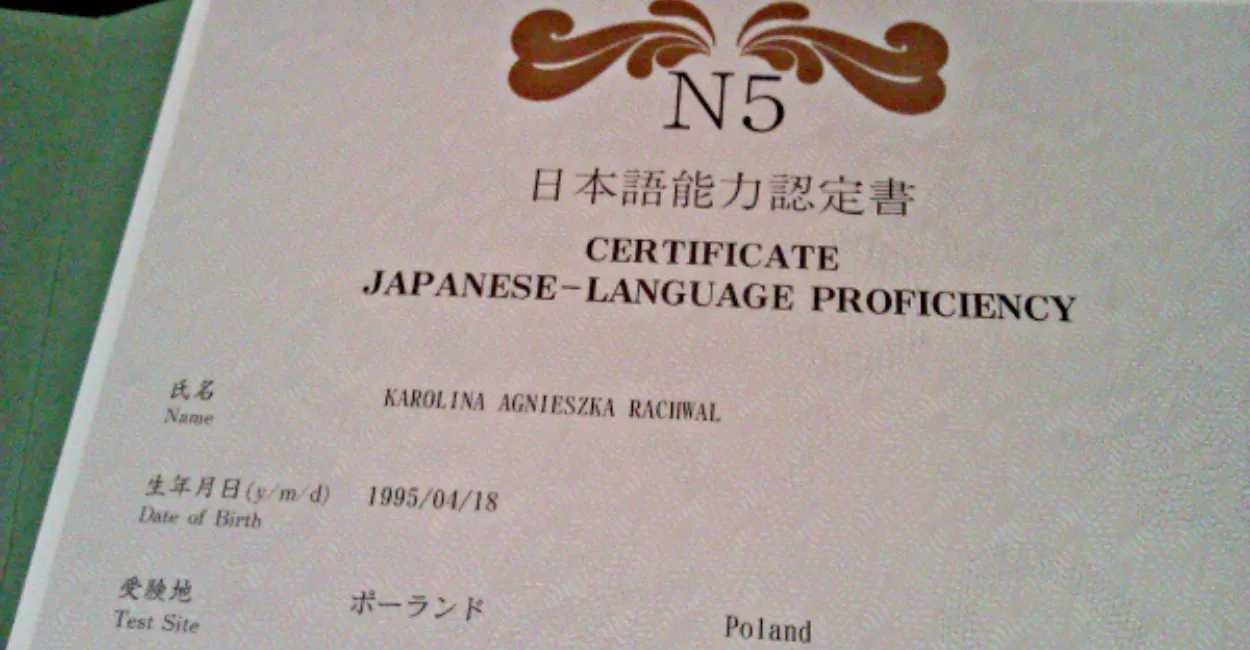
The introduction of language requirements may pose a problem to many people, particularly full-time workers or those who have visas without the need to speak Japanese. Knowledge preparation to prepare for known language tests like the JLPT (Japanese Language Proficiency Test) would increase both time and money to the application process, which could affect the decision on long-term settlement.
Also Read: Japan Visa for Indians: Types, Fees & Processing Time
Additional Immigration Reforms on the Table
The language plan is proposed in the context of the wider immigration policy reevaluation. The government is exploring:
-
Tighter Work Regulations for International Students: Checking the part-time working rights and correlating them with academic performance.
-
Observing Employment Procedures: The visa holders must be employed in a position that they are allowed to work at based on their visa category.
-
Redrafted PR Revocation Provisions: Enhancing the government authority to take away permanent residency where public requirements, such as paying taxes, are avoided at will.
The intention of these reforms is to make the immigration policy balanced and to meet the needs of the workforce without jeopardising social stability.
Reactions: Supporters and Critics
What are the reactions?
Supportive Views
According to the supporters, the language proficiency requirement would result in:
-
Improved interaction between residents and the local authorities.
-
Fewer misunderstandings within the context of a public service.
-
More cultural assimilation and understanding.
According to these voices, it is an advantage of the Japanese society, which is traditionally more homogenous, that long-term residents have a minimum of basic knowledge of the national language.
Critical Perspectives
Critics warn that being associated with language capability could:
-
Provide obstacles to long-term residents, who are economically productive but have difficulty learning the language.
-
Delay applications of those who are already integrated into it via work and community.
-
Preferentially impact less-skilled workers who have less access to language education.
The language specialists also add that proficiency tests, such as the JLPT N2, which is often seen as a marker of advanced proficiency, take a lot of preparation time, and this may not always directly match with real-life communication proficiency.
What does this mean for Foreign Residents?
What does this mean for foreign residents?
For Aspiring PR Applicants
In case of such implementation, the applicants would probably have to provide evidence of a sufficient level of Japanese language mastery, say a JLPT certificate or other similar document, with their PR application. Language test preparation may become a routine procedure for any person intending to spend a long time in Japan.
For Current Residents
This change could affect settlement plans because those already on long-term visas or those who have established connections to the community may be affected by the change. It can promote the earlier acquisition of language and the pursuit of local culture to facilitate easier adaptation to the life of a permanent resident.
Also Read: 7 Simple Steps for Getting a Japan Tourist Visa
Implications for Global Migration Trends
This relocation of Japan is one of the wider discussions in other parts of the world, as the host nations trade off between economic requirements and cultural assimilation of immigrants. Whereas language proficiency is the major consideration of the immigration policies in some countries, others provide other integration supports. The practice by Japan can probably make future trends in Asia, as nations with ageing populations and labour imbalances will have to implement foreign talent and residency policies.
Conclusion
This is a big change in immigration policy in that Japan has taken into account a Japanese language proficiency requirement for permanent residence. With Tokyo getting ready to accommodate the increasing number of foreigners, language proficiency is not only considered a means of communication but also a gateway to a greater cultural and social involvement. Though the idea behind the proposal is to improve integration and community integration, the other key issue to consider concerning the accessibility and equity of foreign applicants is brought to mind. With these reforms being shaped before the 2027 legislative changes, their effects will spill over into the social, economic, and international environments of Japan, transforming the opportunities for permanence of those who wish to make it their new home.
Contact TerraTern for more information.