

Key Highlights
- Population Snapshot: India Now Tops the List
- Why Indians Are Now Australia’s Biggest Migrant Group?
- Top Birth country Migrant Groups in Australia
- Where do Indians Settle in Australia?
- Age Profile of Indian and Other Migrant Groups
- Policy and Political Debate Around Migration
- What does this mean for Indian Students and Migrants?
- Conclusion
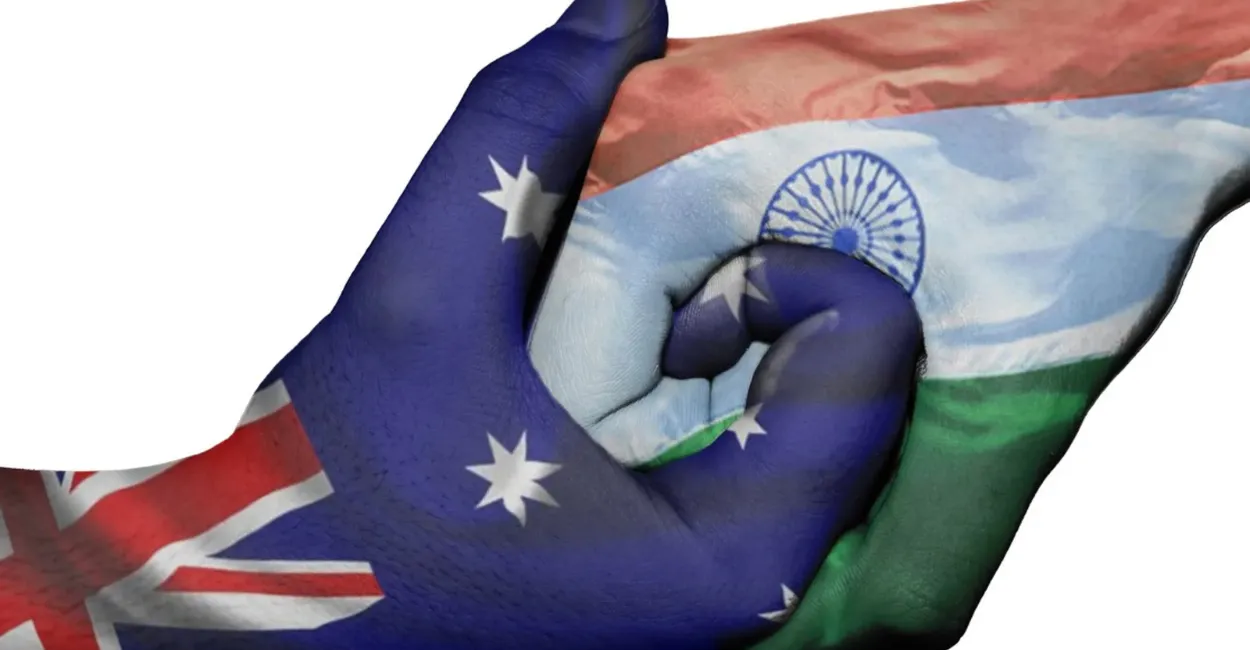
Now topping the list of overseas-born folks down under, people from India edge past those born in England. Fresh numbers from the national stats office reveal this flip: more residents hail from India than the United Kingdom. A quiet turning point, it's nudging how towns grow, where homes get built, and who shows up at town halls. Talk about crowded schools or busy train lines now carries a different weight. Students dreaming of Melbourne or Sydney see clearer paths through student permits and work rights. Professionals watch visa trends tilt toward tech, health, trades. Cities adapt, policies twitch, quietly absorbing a new rhythm shaped by these arrivals
Population Snapshot: India Now Tops the List
Surprising shift spotted in migration numbers, folks from India now slightly outnumber those from England living here. Close call: 971,020 Indian-born versus 970,950 born across the British Isles. Nearly identical shares, each making up about 5.2 percent of everyone down under. Yet this time, the Indians edge into first place by a hair. Numbers tell the quiet story of changing roots.
|
Group |
Population (approx.) |
Share of Australia Population |
|
India born |
971,020 |
5.2% |
|
England born |
970,950 |
Slightly under 5.2% |
Why Indians Are Now Australia’s Biggest Migrant Group?
The India born population has grown by about 522,000 since 2015, making it the fastest growing major migrant community. By contrast, the England born population has declined from over 1 million in 2013, reflecting ageing cohorts and lower recent migration from the UK. Several factors explain why Indians in Australia have become the largest migrant group:
-
Strong skills based migration through General Skilled Migration (GSM) and employer sponsored visa.
-
Rising inflows of international students, many of whom later switch to permanent resident pathways.
-
A younger age profile and higher working age share, which fits Australia’s policy focus on population growth and labour force expansion.
Also Read: How to Get PR in Australia from India? Latest Guide
Top Birth country Migrant Groups in Australia
ABS data also ranks the main overseas born communities in Australia. Indians now head the list, followed by traditional and newer migrant streams.
|
Rank |
Country of Birth |
Population (approx.) |
|
1 |
India |
971,020 |
|
2 |
England |
970,950 |
|
3 |
China |
732,000 |
|
4 |
New Zealand |
638,000 |
|
5 |
Philippines |
412,530 |
Where do Indians Settle in Australia?
Migration patterns vary by state, and Indians are not uniformly the largest group everywhere. An urban economist from KPMG, Terry Rawnsley, has outlined the leading communities in each major state:
-
New South Wales: China born residents are the largest migrant group.
-
Victoria: India born residents are now the top community.
-
Queensland: New Zealand born residents form the largest migrant group.
-
Western Australia: Strong concentrations of Maltese born communities remain visible.
Also Read: How To Prepare for an Australia Immigration Interview: Student Visa
Age Profile of Indian and Other Migrant Groups
Age structure plays a big role in how migration shapes Australia’s economy. The ABS and KPMG data show that India born residents are relatively young, which helps support long term workforce needs.
|
Group |
Median Age (years) |
|
India born |
36.1 |
|
China born |
39.9 |
|
Nepal born |
29.6 |
|
Italy born |
60.0 |
|
England born |
60.0 |
Policy and Political Debate Around Migration
The rise of Indians in Australia comes amid a heated debate over migration levels, housing costs, and population growth. Opposition Leader Angus Taylor has recently proposed stricter migration rules, arguing that Australia has let in too many migrants with “transactional intent”. Government ministers have pushed back, accusing him of trying to echo the far right One Nation party.
These arguments are directly tied to the fact that 32% of Australia’s population is now overseas born, and most of the recent growth is in younger, working age migrants. For Indian applicants, this means that policy tightening could affect student visa caps, post study work rights, and skilled migration pathways in the coming years.
What does this mean for Indian Students and Migrants?
Recent moves such as doubling the post study work visa fee and fluctuations in international student demand show that policymakers are closely watching how migration stream growth affects housing and infrastructure. Indian applicants should stay alert to rule changes in student visa limits, post study work rights, and employer sponsored pathways. For Indians planning to move to Australia, the fact that India is now Australia’s largest migrant group suggests several practical implications:
-
Greater community networks and support systems in cities like Melbourne and parts of Sydney.
-
More demand for India linked services, from education consultancy networks to banking and housing.
-
Stronger pressure on student visa and skilled migration frameworks, as politicians debate how fast the population should grow.
Also Read: Check Your Australia Visa Status Online Fast and Easy
Conclusion
Indians are now Australia’s largest migrant group, a milestone that reflects more than a decade of strong skills based migration and student visa inflows. The fact that India born residents have overtaken England born residents for the first time shows how deeply India Australia migration has reshaped Australia’s demographic landscape. As the country’s overseas born share nears 32%, Indian students and professionals will need to watch both policy trends and regional settlement patterns to seize the best opportunities. For the latest official figures on India born residents in Australia, visit the Department of Home Affairs India page. To know more about Australia Indian student migration visit TerraTern now!