


Key Highlights
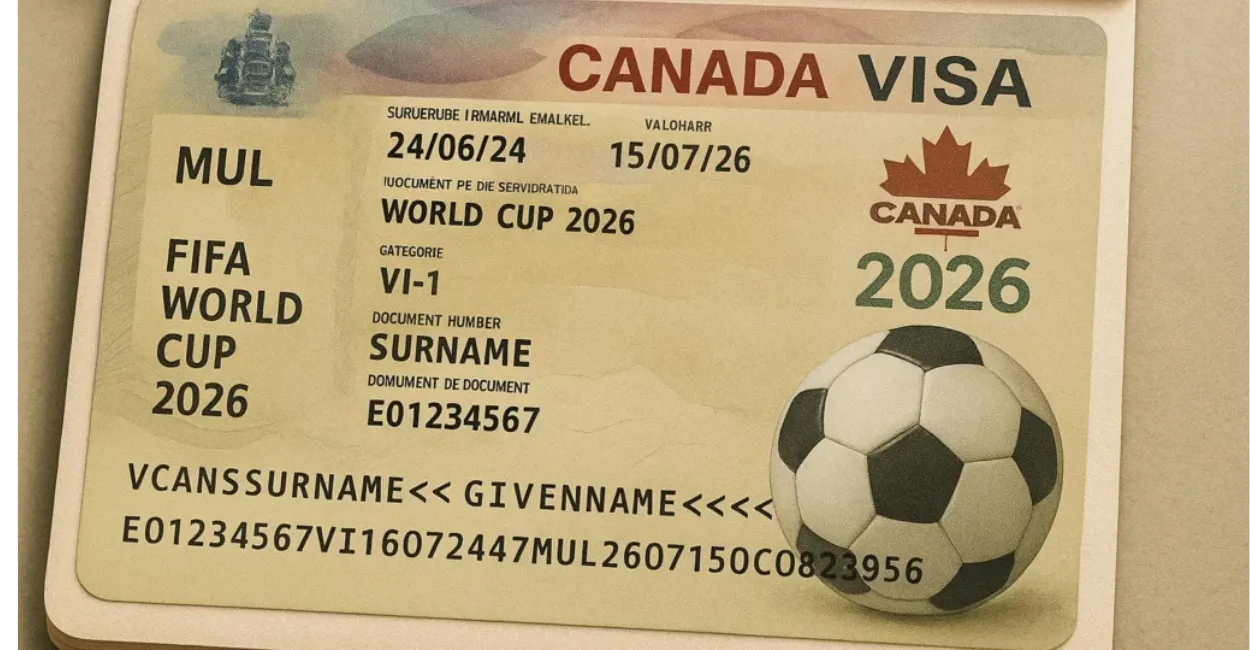
With the FIFA World Cup 2026, co-hosted by Canada, the United States, and Mexico, only a few days to the much-hyped game, a major problem has cropped up, and this is serious delays in processing visas in Canada, which will derail travel plans of millions of international fans. As Canada will host 13 matches in the period between June and July, and 20 million visitors are likely to cross its borders, the backlog and long processing time caused by the peak in visa applications, coupled with staffing reduction, have led to concerns among travellers, immigration professionals, and foreign governments.
Rising Visa Backlogs: What’s Behind the Delays?
The federal immigration agency in Canada, Immigration, Refugees and Citizenship Canada (IRCC), has found itself in a situation that has never been witnessed before. Recent reports show that the agency is cutting its staff by about 20 per cent, which is a cost-cutting action that, combined with an increase in the number of applications, has put a strain on the ability of the agency to process the visas promptly.
Before the World Cup mania, Canada generally received an average of one million visas every year. However, the imminent event has made the demand much more than normal, causing floods in the system and increased wait times on various visa types, such as visitor visa, work permits, and even application of sponsorship.
The immigration law experts state that such delays are not constant but vary greatly by categories and nationalities, with some applicants having a backlog of months up to almost a year in the worst cases.
How Long Are the Wait Times?
The processing times are considerably different based on the type of application:
-
Visitor Visas: Applicants with a large numberof applicants are also experiencing multi-month delays, mostly those in African countries having teams play in Canada, including Ghana, Senegal, Ivory Coast, and Egypt. Wait times have been more than 200 to 500+ days in certain instances, and travel planning has become virtually impossible unless the application is submitted long beforehand.
-
Work Permit Extensions: There are others, such as the category of extensions that are presently taking more than 200 calendar days.
-
Permanent Residence Cards and Skilled Worker Applications: These, too, have been on the increase, with an extra week and month added to the estimates of processing.
-
Citizenship Certificates: Certificate processing time has increased to some 10 months compared to nine months in recent months.
Such long schedules are a problem not only to the fans of football but also to foreign professionals, students, families, and other international travellers intending to visit or relocate to Canada during and after the World Cup times.
World Cup Demand Adds Extra Pressure
The strain on the immigration system in Canada is directly linked to the huge numbers of travellers who would be involved in the 2026 FIFA World Cup. Despite its capacity, the sheer number of applications has caused a strain on the system, with millions of spectators, team personnel, media representatives, and international tourists seeking to attend matches.
In the case of such countries as Ghana and the Ivory Coast, whose visa processing could take up to 500 and almost 300 days, respectively, it implies that fans would have had to apply over a year prior to even the schedule of the tournament being made public.
This has raised some apprehension among the travel agents, fan clubs, and foreign governments that the fans would not get their visas before it is too late, and this would negatively impact the attendance and participation of fans in matches hosted in Canada.
Security and Screening Concerns Intensify the Delays
The other major reason behind slower processing is the increased security and screening measures. Canadian officials are also putting more focus on rigorous checks to curb malpractices related to fraud in terms of travel fraud related to the World Cup and other fraudsters using the visa to claim irregular asylum.
Immigration expert Rick Lamanna observes that although the IRCC might be trying to focus on applications that are associated with legal World Cup travelling, there is no formal system in place to guarantee this. It is feared that fraud can also create a further blockage on the system, such as counterfeit purchasing of tickets or counterfeit job offers, which can make the real applications go even slower.
It is also reported by various sources that fraudulent travel and visa schemes have gone on a rampage online, deceiving potential visitors into believing that there is a special World Cup visa, which does not exist. The government has cautioned tourists to be wary of this kind of misinformation and trust only the official sources.
Also Read: A Comprehensive Guide to Express Entry Canada
Government and Agency Responses
IRCC and the Canada Border Services Agency (CBSA) have recognised the high demand. They are now reportedly working with host cities, government partners, and event organisers to address the projected number of travellers.
These agreements are expected to facilitate admissibility for travellers and goods entering Canada during the event. Coordination with partners in border security in the United States and Mexico is under the plans; thus, a coordinated approach to the World Cup.
In spite of this, the officials have also been categorical that being in possession of a match ticket does not ensure that they will enter Canada. Tourists are still required to comply with the normal immigration requirements and acquire the relevant visas using the laid-down procedures.
Impact on Key Countries and Fan Groups
In Canada, the processing time is long, and thus, certain countries have been more adversely impacted:
-
African Nations: Ghanaian and Ivorian fans have especially long wait times, and it is not very likely to get a visa approved in time, unless the applications were submitted very early, before even the match schedule has been announced.
-
Other Countries Involved: Countries such as Senegal and Egypt are also not spared in this, and a delay was reported, which would interfere with the fans being able to watch games on Canadian soil.
Such long queues are particularly inconvenient when many football fans of the world organise their trips months earlier in order to reserve flights, accommodation, and other critical aspects of travelling.
Tips for Prospective Visitors
Under the current circumstances, the potential visitors to the World Cup and other tourists ought to take into consideration the following:
-
Apply Early: This should be done as promptly as possible to maximise the possibility of processing visa applications being approved in time.
-
Scams to Be Wary of: Beware of deals that offer special visas or expedited approvals for buying tickets to the World Cup. Utilize governmental methods only.
-
Stay Informed: Visit the IRCC site regularly to get the most current information about processing times and eligibility.
-
Pre-Plan Travel Logistics Prepared: Due to the possibility of delays, it is recommended that travel arrangements be planned flexibly, allowing some flexibility in both timing and place.
Also Read: A Guide to Canada Visitor Visa from India
Conclusion
With the FIFA World Cup 2026 on the horizon, Canada can also experience the major issue of visa processing delays, as it affects travel arrangements of fans, families, and even professionals. Reduced staffing at IRCC, increased application volumes, and stringent security checks have also resulted in a backlog that may take months to clear, especially in the case of applicants in countries that have long wait times.
Although the government is making efforts to control the flow and enhance organisation, there is no assurance of expedited authorisations of travel to the World Cup. To overcome these frustrating delays, the potential applicants are encouraged to apply in advance, watch out for any scams, and keep informed on immigration provisions.
Contact TerraTern for more information.