

Key Highlights
- What Changed: The New Vetting Directive
- Why the US Is Doing This: Free Speech and Foreign Influence
- Who’s Likely to Be Affected: Indians, Chinese, Global Tech Talent
- Broader Context: Part of Wider Immigration Crackdown
- What This Means for Applicants & Potential Consequences
- Reactions and Industry Response
- What Applicants Should Do: Steps to Navigate the New Reality
- Conclusion
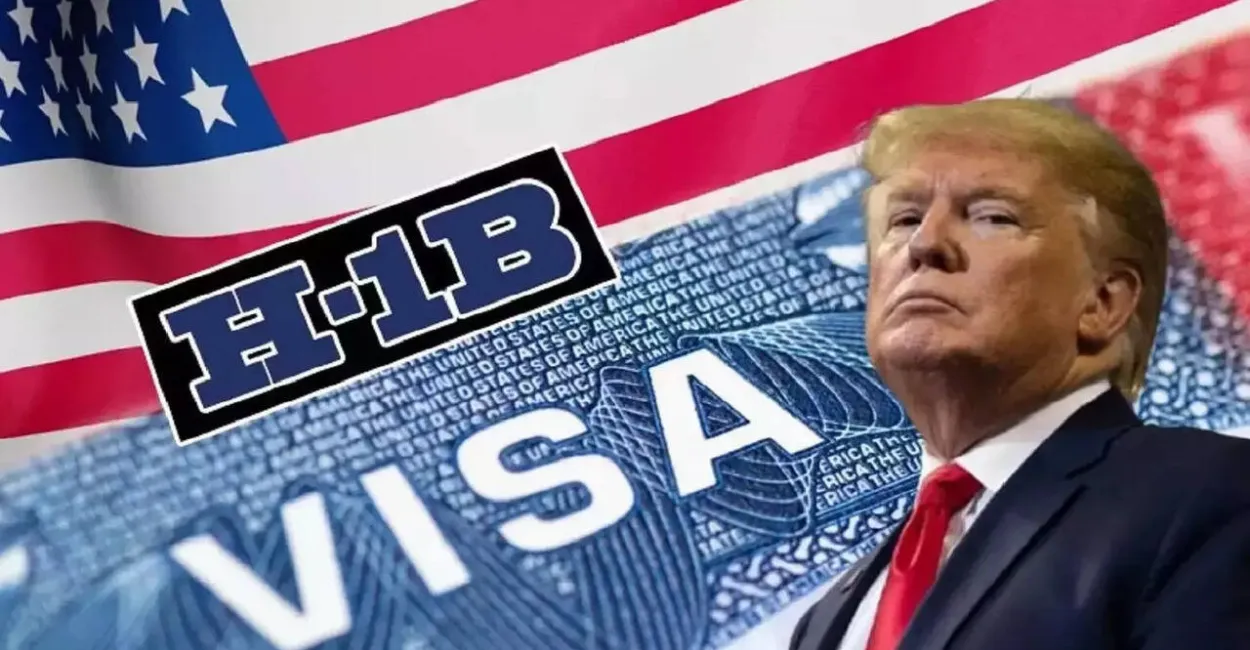
The Donald Trump administration has commissioned a major overhaul of US immigration policy by asking immigration staff to perform even more thorough vetting on the applicants of the H-1B visa — the highly demanded work permit that US tech companies use to employ foreign experts. The new directive seeks to evaluate the employment records and online presence of the applicants, especially concerning any association with censorship, content control, and repression of free speech. This step may change the future of most Indian and other foreign technocrats who are seeking employment in American companies radically.
What Changed: The New Vetting Directive
A memo issued by the U.S. State Department to all U.S. missions across the world on December 2, directed consular officers to conduct increased screening of H-1B visa applicants. The subject matter: resume, professional history, and online profiles search, such as LinkedIn, among others, to verify whether the individual has been engaged in content moderation, misinformation control, fact-checking, compliance, online safety or any other activity that could be deemed as an act that stifles or suppresses the expression of speech under protection.
This will be in the form of vetting of applicants, such as repeat H-1B applicants, and the family members who accompany them. The memo underlines that in case of any fact of censorship or unwillingness to censor the freedom of speech, officers should seek a verdict that the applicant is incompetent.
Even though the new screening policy technically extends across all types of visas, the memo specifically targets H-1B visas with more scrutiny, citing that H-1B holders are often deployed in the technology sector, particularly in the social media or other companies involved in online speech, which may be influencing the U.S. online discourse.
Also Read: US Visitor Visa B1/B2
Why the US Is Doing This: Free Speech and Foreign Influence
The context of the tighter vetting is also based on the story by the administration about free speech and foreign influence. As a spokesperson in the State Department said, the United States is not in favour of aliens arriving in the United States to work as censors that mute Americans. It is felt that permitting foreigners to spearhead the oppression of the guarded expression would be detrimental to American citizens and their rights.
Proponents of this policy claim that the policy is intended to safeguard constitutional values of free speech, particularly on the internet, where it is perceived that it can be easily compromised by foreign influence. The new vetting regulations may be viewed as a guardrail to the foreign-funded content control or rhetorical interference in the discussion on large platforms.
Critics argue that the relocation can make the immigration vetting process political and be used to discriminate against people who have legitimate technological employment, including content moderation, compliance, fact-checking, or online safety jobs that are being outsourced by many companies worldwide, and H-1B workers are being employed. They state that the policy blurs regular technological labour with censorship, which may result in sweeping and unreasonable refusals.
Who’s Likely to Be Affected: Indians, Chinese, Global Tech Talent
H-1B visas have long played a crucial role in foreign talent - particularly of India and China - working in American technology companies. Indian tech professionals might be affected by this new directive in a greater number, particularly those who had a role or a job history that is related to content moderation, trust-and-safety, fact-checking, or compliance, regardless of whether the real work was legitimate and legal.
Of interest are employees with a third-party project history, a subcontracting history, or offshore moderation of major platforms, which is a common aspect of a global technological supply chain. The new policy may also make scrutiny even of remote jobs or previous interactions, creating further uncertainty for many aspiring employees or already on a visa who may need to renew.
The vetting is also not just limited to the applicant but also extends to other possible family members accompanying the applicant, making it even broader.
Broader Context: Part of Wider Immigration Crackdown
The new directive is also seen in a wider setting of restricting immigration policies in the U.S., especially during the second term of the Trump administration. The administration had already increased the application fees on H-1B visas.
Additionally, an increased level of scrutiny concerning H-1B applicants recalls the past actions that focused on student visas, such as checking their social media accounts for content that would be considered hostile to the United States.
The policy is seen by many observers as part of a bigger project to remake U.S. immigration: lessening foreign influence of sensitive topics such as content management, social media, and internet speech control in other words, a sort of immigration policy to ideological and national-security interests.
Also Read: How Many Types of Visa in the USA? New Full Expert Guide
What This Means for Applicants & Potential Consequences
What are the potential consequences, and what does it mean for applicants?
-
Delayed Processing: H-1B visa applications can be delayed with additional vetting procedures, such as human screening on the resumes and internet profiles. In the case of the applicants with a background in content moderation or fact-checking, it is possible that there will be a greater risk of being dismissed.
-
Cutting Staff by US Tech Companies: Companies that have a high reliance on international talent, particularly in content moderation, online safety, compliance, and trust-and-safety roles, will have fewer qualified candidates. Other companies might reconsider the idea of employing foreigners to do such work.
-
The Chilling Effect on the Global Technological Labour Force: Even the legitimate ones may be scared of working because of the heightened ambiguity. This can cause brain drain in areas that greatly depend on H-1B hires.
-
Family Effects: As the screening involves the presence of family members, most of the possible spouses or dependents may struggle to secure similar visas, which has an impact on the decisions made by many candidates as far as relocation is concerned.
-
Shifting Work Patterns Outsourcing/Back-Offices: The company may shift to either go back to domestic hiring or move towards off-shoring foreign workers in other countries, other than the U.S., or even off-shoring operations to reduce the risk of visa.
Reactions and Industry Response
Although the policy is justified by the official U.S. governmental statements as a protection of free speech and national interests, the stakeholders of the tech industry, as well as immigration advocates, have been concerned. It has been argued that the measure is too broad, and it may be used against professionals who have never been accused of censorship or misconduct. Other people warn that it can impair the competitiveness of the U.S. technologically, as international companies depend a lot on various and global talent pools.
To a large number of the Indian workers who were long-time applicants of H-1B visas, the new policy has brought about a feeling of anxiety and unpredictability. Depending on the level of reliance on such visas to get an opportunity in foreign countries, the change may result in a reassessment of career strategies and plans: either waiting to apply, finding an alternative, or exploring other non-U.S. destinations.
What Applicants Should Do: Steps to Navigate the New Reality
Steps for the applicants to navigate this:
-
Check Online Profiles and Work History: Candidates are strongly advised to check their LinkedIn, resumes and public portfolios. Where they were related to content moderation, compliance, or the safety of the internet, they might require the preparedness of the specifics and situational background.
-
Keep Good Records: Good records should be kept of the nature of previous positions- it should be legal and legitimate work, but not a process of censorship and stifling of speech.
-
Find Other Visa Options: Due to the greater uncertainty in the H-1B route, consider other visas like employment-based immigrant visas, or work out of the U.S using remote/offshore options.
-
It can be Beneficial to seek the Assistance of Legal Experts: Since the rules and their subjective application are dynamic, it can be beneficial to consult with immigration professionals or use more experienced immigration consultants to make applications more carefully framed.
-
Keep Track of Policy Developments: The U.S. immigration policies are fluid at this time, and thus, the applicants are to track the official developments, consulate notices, and employer information.
Also Read: Cost of Transit Visa for USA: New Fees & Process Guide
Conclusion
The most recent Trump administration directive represents one of the most drastic changes in U.S. visa policy in a long time - introducing ideological elements to a historically merit- and skill-based process, especially in the areas of free speech and censorship. This is a sign of more uncertainty and risk to Indian techs and the rest of the world, particularly people in content moderation or trust-and-safety positions. Firms that rely on international talent can reconsider a policy on hiring as well. With the world looking over the shoulders of these polices in action, several visa hopefuls will be forced to operate in a new real world, where not only their skills will come under scrutiny, but also their past employment records and Internet profiles will be reviewed.
Contact TerraTern for more information.