

Key Highlights
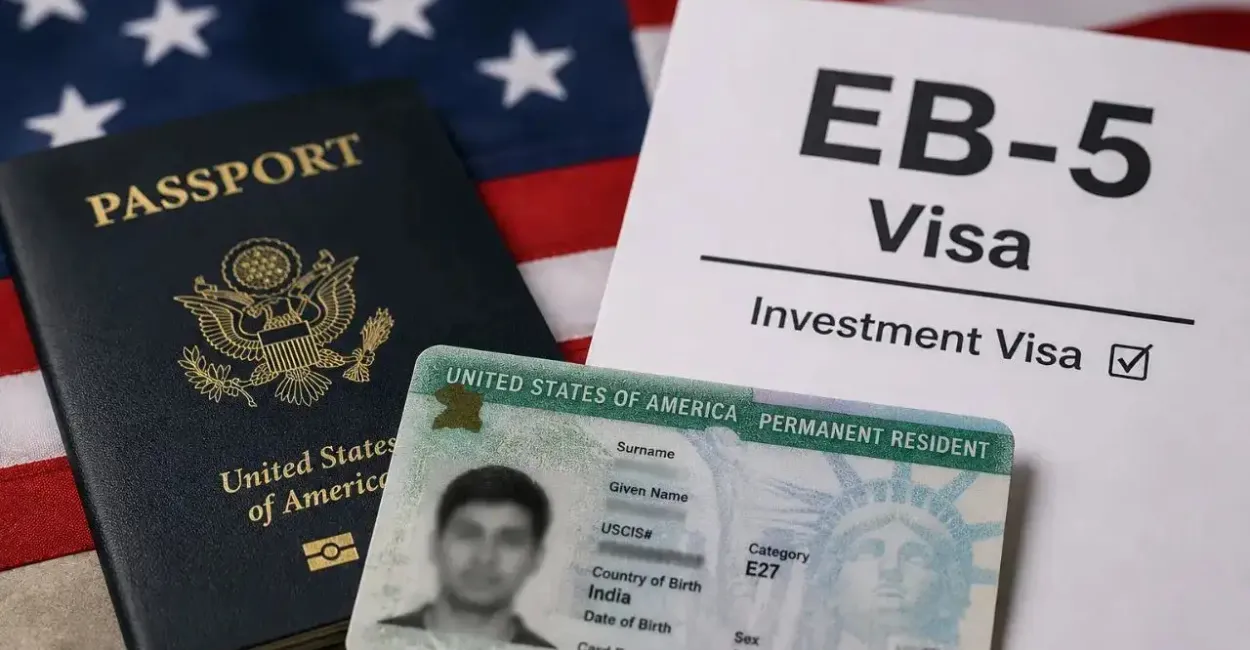
The US government is moving to tighten the EB-5 investor visa program. The proposal is built around stronger compliance checks, more control over regional centers, and a higher investment level for some projects. For Indian families and global investors, the timing matters because the EB-5 route is often used as a long-term US residency plan. The public comment window now gives stakeholders a short chance to respond before the rule moves forward.
What Changed?
The biggest headline in the EB-5 programme changes is the jump in the investment threshold for some projects. According to the report, DHS wants the minimum for projects in high-employment areas to move to $1.4 million, compared with the current standard level of $1.05 million. That is a steep rise for investors who were treating EB-5 as a predictable route to a green card.
The proposal also aims to turn the EB-5 Regional Center Program into a much tighter system. DHS wants stronger oversight, better compliance rules, and more room to act when it sees fraud, national security concerns, or false claims in an application. The idea is not only to manage investment volume, but also to clean up risk in the program.
Also Read: US Issues Over 1 Million Non-Immigrant Visas to Indians
Why Does It Matters?
The EB-5 programme changes matter because the visa has always balanced two goals: foreign investment and job creation. Under the program, investors can seek US permanent residency by putting money into a qualifying commercial project that creates jobs. That basic structure remains, but the cost and scrutiny are heading up.
For applicants, this could mean a more expensive entry point and a longer paper trail. The proposal signals that DHS wants to know exactly where the money came from, how it moved, and whether the project is being monitored properly. For advisors, this is a reminder that EB-5 planning will need more due diligence, not less.
Investment Thresholds
The existing EB-5 framework already uses different amounts depending on the project type. In the current law, standard investments are typically $1.05 million, while some qualifying lower-cost categories can be done at $800,000. The new proposal highlighted by The Economic Times specifically targets high-employment areas with a proposed $1.4 million minimum. Here is a simple view of the numbers:
|
EB-5 Category / Reference Point |
Amount |
|
Current standard investment level |
$1.05 million |
|
Current lower investment level in qualifying areas |
$800,000 |
|
Proposed minimum for certain high-employment-area projects |
$1.4 million |
Oversight and Fraud Controls
The EB-5 programme changes are not just about money. DHS is also preparing a wider compliance net for regional centers and project sponsors. The proposed framework includes stronger checks on business plans, marketing material, and project disclosures, along with more power to review whether investor money is legitimate.
The government also wants tools to act faster when something looks wrong. Under the proposed rule, DHS could deny applications, revoke approvals, terminate regional centers, or even move against an investor’s residency status if it finds fraud, criminal misuse, or threats to public safety or national security. That is one of the strongest signals yet that integrity will sit at the center of the program.
Also Read: Immigration Groups Prepare for Potential Second Trump Administration
Key Dates At a Glance
The timeline is important because the rule is still a proposal, not a final change. Here are the main dates readers should track:
-
March 17, 2026: DHS/USCIS pending review record shows the proposed rule in the pipeline.
-
June 30, 2026: Industry coverage said the proposal was due to be published on July 2.
-
July 2, 2026: The rule was scheduled for Federal Register publication.
-
Next 60 Days: DHS will accept public comments after publication.
-
September 30, 2027: The Regional Center Program remains reauthorized through this date under the 2022 law.
What Should Investors Watch?
For prospective EB-5 applicants, the safest approach is to treat this as a warning shot. File strength will matter more than ever, and that means project due diligence, source-of-funds records, tax papers, bank statements, and transfer trails need to be in order. Investors using digital assets may face even deeper checks, because DHS has said that the legality of the source and the transfer path must be clearly proved.
-
Check whether the project sits in a category likely to be affected by the higher threshold.
-
Reconfirm source-of-funds documents and bank trail records.
-
Review regional center compliance history.
-
Watch the Federal Register notice and comment period.
-
Get legal review before moving capital.
Also Read: Trump's Re-election Signals Potential Overhaul of H-1B Visa Program
Conclusion
EB-5 programme changes are set to make the US investor visa route more expensive, more closely watched, and far more document-heavy than before. For applicants, the message is clear: this is still a path to US permanent residency, but the easy assumptions around investment size, project selection, and paperwork are fading fast. The proposed rule shows that Washington wants stronger control over regional centers, better checks on the source of funds, and firmer anti-fraud action, which means investors will need cleaner records and stronger due diligence before moving ahead. For official updates on the EB-5 programme, visit the U.S. Citizenship and Immigration Services website. To know more about the EB-5 program, visit TerraTern now!