

Key Highlights
- What Is the New USCIS Green Card Policy?
- Why Is the US Government Making This Change?
- Who Will Be Affected by the New Rule?
- What Happens to Applicants Already in the US?
- How Will This Affect Indian Professionals?
- Could There Be Exceptions?
- Reaction From Immigration Advocates and Lawyers
- What Is Consular Processing?
- Will the Policy Face Legal Challenges?
- Broader Impact on US Immigration
- What Should Applicants Do Now?
- Conclusion
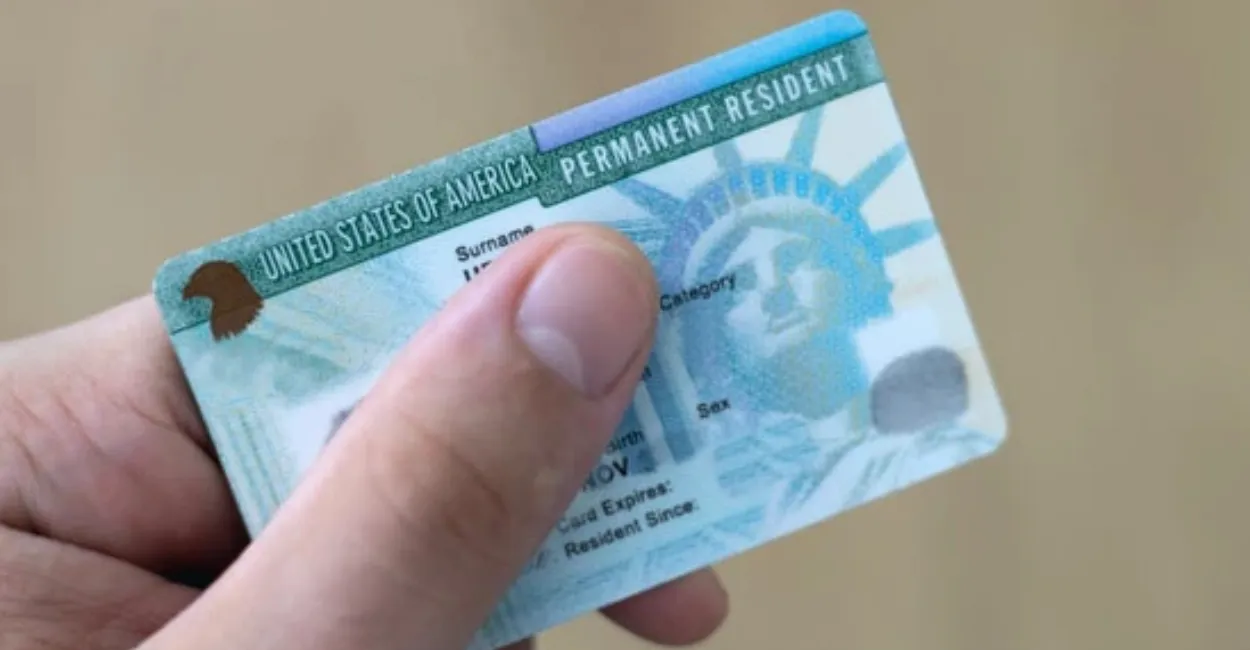
The United States has announced a significant change in its immigration policies, which could impact thousands of foreign nationals who are currently residing and working in the United States. Many immigrants who are applying for permanent residency (green cards) will have to leave the United States to go back to their own country and finish the permanent residency process, under a new policy implemented by the U.S. Citizenship and Immigration Services (USCIS). The announcement has caused anxiety among international students, H-1B visa holders, skilled workers, families, and immigration advocates, who are worried about further delays, financial hardship, and the separation of families. The transfer is seen as part of a wider crackdown on immigration by the Trump administration.
What Is the New USCIS Green Card Policy?
The newly announced USCIS policy change is to the “adjustment of status” process – the process that has been in place for years. In the past, many foreigners were legally in the United States and were eligible to apply for permanent residency without having to travel outside the country. This made it possible for individuals with temporary visas to get green cards for themselves, their children, their spouses, and their students without leaving the United States.
The new guidance means that most applicants will need to go back to their own countries and submit applications through the US embassies or consulates in those countries, USCIS says. The agency said only “extraordinary circumstances” would be able to meet the criteria for applicants to remain in the U.S. for adjustment.
The new policy is one of the largest procedural changes in U.S. immigration in years, as adjustment of status has long been a method employed by employment-based and family-based immigrants.
Also Read: Difference Between B1 and B2 Visa USA: Experts New Guide
Why Is the US Government Making This Change?
USCIS and the Department of Homeland Security (DHS) say the policy is intended to better enforce immigration laws and to stop abuse of the adjustment of status process. Consular processing from overseas is closer to the original intent of immigration law, according to officials.
USCIS officials also pointed out that the adjustment might enable the agency to allocate more resources to other immigration-related matters like naturalization applications, crime victim cases, and humanitarian petitions.
In recent months, the Trump administration has instituted several restrictions on immigration, such as visa vetting, modification of student visa procedures, and enforcement measures. Immigration specialists say the new green card guideline is actually an element of more comprehensive attempts to close avenues to long-term residency within the United States.
Who Will Be Affected by the New Rule?
The policy could impact a large number of immigrants already residing in the US on temporary visas. These include:
-
H-1B skilled workers
-
International students who wish to change their status to an employment visa.
-
Students who are dependent on H-4 visas.
-
L-1 intracompany transferees
-
Family-sponsored applicants
-
Those who qualify for green cards through work.
If the rule is applied on a large scale, it is reported that more than a million applicants may be impacted.
One of the biggest groups that will be affected by Trump's decision is the Indian nationals, as they are among the most eligible population for employment-based green cards in the United States. With the visa cap and the backlog in the countries, many Indians are already waiting for years or even decades to get their permanent visa.
What Happens to Applicants Already in the US?
The most significant issues with the policy are uncertainty about pending applications. The United States Citizenship and Immigration Services (USCIS) has not yet made it clear whether people who have already made adjustment of status applications will be permitted to proceed with their applications from within the United States or whether they will also be requested to depart the country.
Forcing applicants from the US to leave would pose several practical challenges, immigration lawyers say:
Risk of Visa Delays
Candidates who do not reside in the USA may experience extended wait times for appointments at American Embassies and Consulates overseas. Visa interview backlogs are still high in certain countries.
Employment Disruption
While waiting overseas for immigration approvals, many foreign workers may be forced to lose their jobs or have a gap in their employment authorization.
Family Separation
If there are family members of different immigration statuses, families may be separated for a long period of time, with some members leaving and some staying in the US.
Travel Uncertainty
The visa may be denied,d or the application may be delayed after leaving the country.
Also Read: How Many Types of Visa in the USA? New Full Expert Guide
How Will This Affect Indian Professionals?
The new policy could pose a major problem for Indian professionals in technology, healthcare, engineering, and research fields. Many H-1B visa holders in the United States obtain green cards through adjustment of status without having to move to a different country to obtain permanent residency. India has one of the largest numbers of H-1B visa holders in the United States, and many hold H-1B visas to obtain green cards without relocating to a different country.
Indian applicants have been facing long green card backlogs for years because of the country caps. Temporary visa holders are stuck on temporary visas for years of living in the US.
Now, if applicants are asked to go back to India and undergo consular processing, several problems might occur:
-
A lack of continued employment
-
Suspensions from re-entering U.S.-based companies
-
Increased legal and travel costs
-
Uncertainty about visa approvals
-
Children learning in the US are facing challenges.
The policy may deter highly skilled workers from making the United States a permanent destination, immigration experts say.
Could There Be Exceptions?
USCIS has also stated that certain individuals might be eligible to adjust status from within the United States if they have “extraordinary circumstances.” But the agency hasn't specified exactly what would be eligible.
It has been reported that an exemption may be granted for those applicants who can offer substantial economic value or are of national interest.
Some possible exception categories include:
-
Critical healthcare workers
-
High-skilled technology professionals
-
Scientists in key areas
-
Applicants for National Interest Waiver
-
Certain humanitarian cases
But immigration attorneys warn that the ambiguous instructions leave employers and applicants in limbo.
Reaction From Immigration Advocates and Lawyers
Immigration advocacy groups, immigration lawyers, and immigrant rights organizations have been harsh in their criticism of the policy. The critics say the decision will make it more unstable for legal immigrants who followed the regular immigration process.
Aid agencies have raised concerns that vulnerable people, such as trafficked women and abused children, might be sent back to unsafe environments while they are applying.
Lawyers also caution that the policy would put additional strain on already overburdened U.S. consulates around the world. The changes may actually be expected to increase processing times for approvals, not decrease them.
However, employers whose businesses rely on foreign workers, particularly in the technology sector, might also be impacted when employees are required to relocate during the green card process.
What Is Consular Processing?
Consular processing is the immigration process that takes place at a US embassy or consulate in another country. Applicants appear for the interviews and submit documents overseas rather than within the US.
The steps in general are:
-
Approval of an immigrant petition
-
The case is referred to the National Visa Center.
-
Redeemed by the submission of civil and financial documents.
-
Medical examination
-
Visa interview at an American Consulate.Visa interview at an American Consulate.
-
Opportunity to become a permanent resident of the United States
While consular processing is a regular path of immigration, many applicants preferred adjustment of status, as it would keep them in their jobs and not have to deal with the uncertainty of travel.
Will the Policy Face Legal Challenges?
If the rule is strictly enforced, immigration attorneys anticipate such challenges. Advocacy groups might say that the policy is discriminatory against those who had already gone through the immigration process.
Some experts say the courts should decide if the USCIS has the power to be so restrictive about granting adjustment of status, particularly for those who had previously applied for adjustment under the old rules.
But many immigrants would have to wait months or years to see the outcome of their legal action, and may not have a plan ahead.
Also Read: Cost of Transit Visa for USA: New Fees & Process Guide
Broader Impact on US Immigration
The announcement coincides with the ongoing debate regarding immigration in the United States. The Trump administration has long advocated for more stringent border security, increased Visa vetting, and decreased immigration flexibility.
These measures have been criticized for potentially reducing America's ability to draw foreign talent. AI, software development, medicine, engineering, and higher education are just a few of the sectors where skilled immigrants make a significant impact.
Some business organisations have pointed out that tougher immigration measures could be harmful for innovation, competitiveness, and drive talent to other countries, including Canada, Australia, Germany, and the United Kingdom.
Meanwhile, those who back the policy say that the rules should be made more stringent and that consular processing provides more scrutiny.
What Should Applicants Do Now?
Immigration professionals are advising foreign nationals who are awaiting a green card to stay informed about the USCIS announcements and to seek guidance from an immigration attorney prior to making any travel or employment decisions.
Applicants should:
-
Stay informed about changes in USCIS policy.
-
Do not travel as much as possible.
-
Have a valid visa status.
-
Maintain up-to-date immigration records.
-
Consult a lawyer about pending applications.
Employers who sponsor foreign workers might also want to have contingency plans in place in case workers need to be sent abroad while the immigration process is going on.
Conclusion
This new policy by USCIS is a significant change in the immigration system in the United States, where many green card applicants need to apply from their home countries. The change could bring a lot of uncertainty to their careers, families, and long-term plans for residency for thousands of foreign nationals, particularly those who are waiting at the back of the employment-based green card queue in India. The US government has said the move will bolster immigration enforcement and boost efficiency in the immigration system, but critics said it may lead to more delays, chaos for businesses, and make America less desirable for the world's best talent. The next few months will likely decide the true impact this policy will have on the future of legal immigration to the United States for immigration lawyers, employers, and applicants for legal immigration.
Contact TerraTern for more information.