

Key Highlights
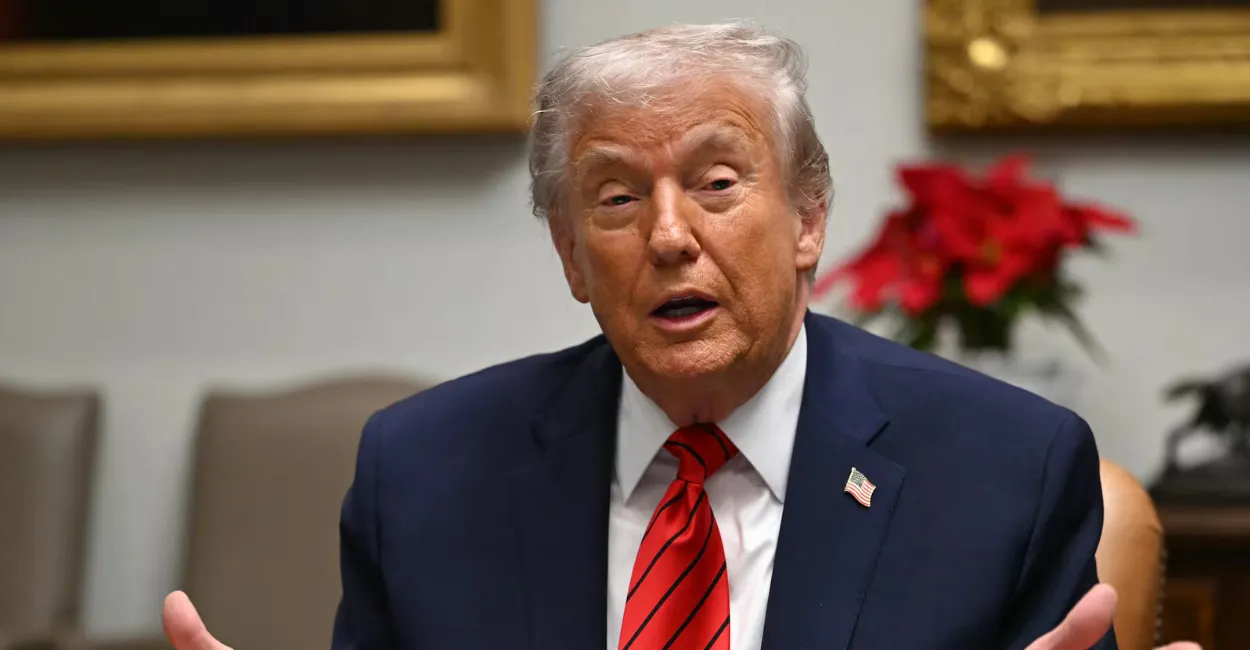
Twenty US states launched a lawsuit against Trump's $100,000 H-1B visa fee on December 12, 2025. The fee targets new applications for visas that let companies hire skilled foreign workers. California leads the charge, saying the policy hurts schools, hospitals, and tech firms. California AG Rob Bonta and Massachusetts AG Andrea Joy Campbell head the case. They claim the fee exceeds processing costs and skips required rules. New York AG Letitia James added it disrupts education and the economy.
What is the H-1B Visa Program?
H-1B visas fill speciality jobs needing a bachelor's degree or more, like software engineering or medicine. US employers sponsor them for roles Americans can't fill fast enough. Tech giants such as Amazon, Microsoft, and Meta rely on them heavily.
In fiscal 2024, nearly 400,000 approvals came, mostly renewals. Indians hold about 70% of them, key to California's tech hubs. The program caps at 85,000 new visas yearly, sparking lotteries.
Also Read: US Court Grants Relief to 133 Students After Sudden SEVIS Termination
Why the $100,000 Fee?
Trump announced the fee in September 2025 to stop wage suppression and program abuse of U.S. visa rules. The White House calls it legal under immigration powers. Commerce Secretary Howard Lutnick set the amount after company talks—$100,000 yearly for three years.
Old fees sat at $2,000-$5,000 total. States say this new charge funds the government, a Congress job only. It hits public employers the most, who lack big budgets.
|
Fee Type |
Previous Cost |
New Trump Fee |
Increase |
|
Base Filling |
$460-$780 |
Included in $100K |
200x+ |
|
Fraud Prevention |
$500 |
Included |
N/A |
|
ACWIA |
$750-$1,500 |
Included |
N/A |
|
Public Law |
$4,000 (large firms) |
$100,000 annual |
25x |
|
Total Typical |
$2,000-$5,000 |
$100,000/year |
20-50x |
States Joining the Lawsuit
The coalition includes mostly Democrat-led states hit by labour gaps.
-
California
-
Massachusetts
-
New York
-
Illinois
-
New Jersey
-
Washington
-
Colorado
-
Delaware
-
Maryland
-
Michigan
-
Minnesota
-
Oregon
-
Rhode Island
-
Vermont
-
Wisconsin
-
Arizona
-
Connecticut
-
Hawaii
-
North Carolina
Also Read: USCIS Registration Rule: What Non-citizens Need to Know
Impacts on Key Sectors
Hospitals need H-1B nurses and doctors amid shortages. Universities hire researchers; schools get teachers. Tech loses talent, pushing work offshore to India or Mexico.
Indian IT firms like TCS and Infosys face on-site cuts. Clients such as Apple and JPMorgan may delay projects. One chart shows the top users:
|
Top Industries |
H-1B Approvals (Recent) |
Avg Salary |
|
Tech/Consulting |
50%+ |
$110K-$150K |
|
Finance |
32,849 |
$148K |
|
Education |
31,270 |
$91K |
|
Health |
18,565 |
$164K |
Conclusion
Trump's $100,000 H-1B visa fee now faces a major test from 20 US states in federal court, with the lawsuit filed on December 12, 2025. Public hospitals, schools, and tech firms argue that the fee blocks needed hires during labour shortages, hitting sectors like health and education hardest. A ruling could ease or end the policy soon, reshaping access for skilled workers from India and other nations while employers adapt to rising costs. Check official H-1B visa details and fees on the USCIS website. To know more about the Trump H-1B visa, visit TerraTern now!