

Key Highlights
- Trump Demands Public Shaming of Deported Criminals
- Minnesota Immigration Lawsuit Challenges Federal Power
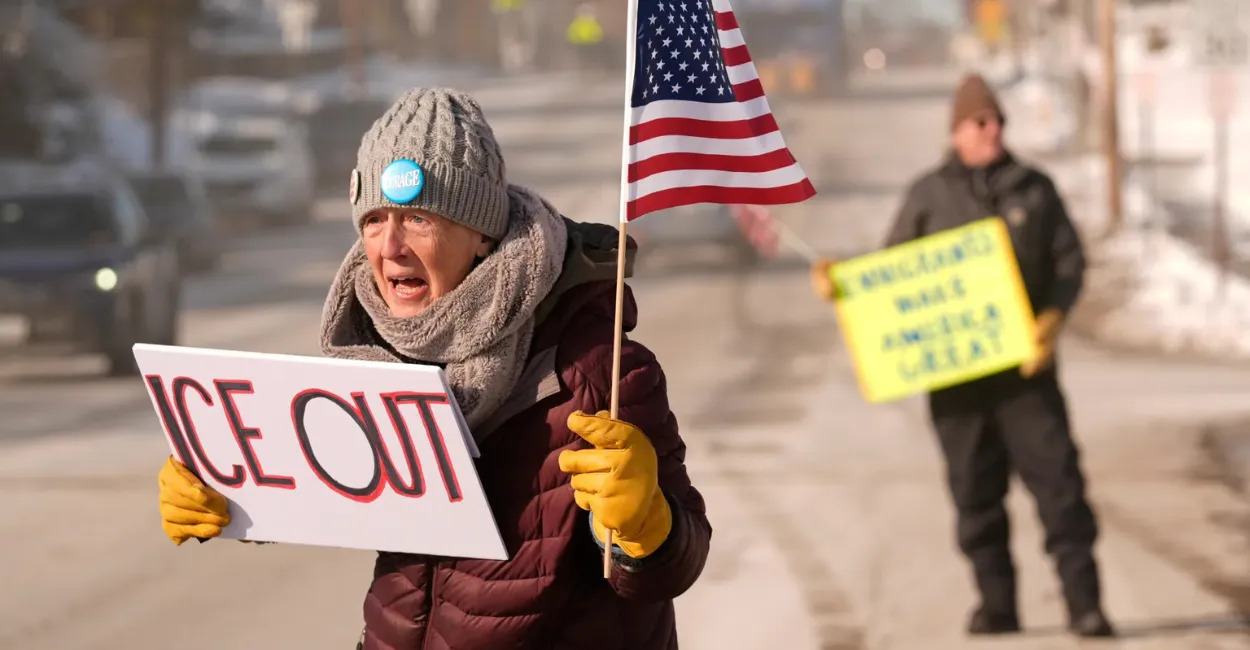
- Public Opinion Turns Against ICE Tactics
- Trump Acknowledges ICE Mistakes
- New Raids Hit Democratic States
- Arrest Data Reveals Mixed Priorities
- Constitutional Battles Loom Large
- Political Risks Mount for Midterms
- Conclusion
President Donald Trump intensified the Trump ICE U.S. immigration crackdown by ordering the federal agencies to publicly reveal deported criminals. On January 21, 2026, the post on Truth Social requested names, faces, and information about the people removed. Trump alleged that such disclosure would negate the negative attitude towards federal immigration enforcement.
States counterattack in the legal battles. The lawsuit filed by Minnesota refers to operations as a federal invasion. Similar cases were filed by Illinois and Chicago. The role of DHS immigration operations will be determined by the courts as to whether they violate the constitutional limits. Public support wanes. According to a CBS/YouGov poll, 61 percent consider ICE too aggressive. It is a five-point decrease since November 2025. There was 42% approval of the deportation policy.
Trump Demands Public Shaming of Deported Criminals
Trump's Truth Social post targeted DHS immigration operations. He wrote that agencies must highlight "murderers and other criminals" they remove. The president claims this shifts focus from enforcement optics to results. Trump ICE immigration crackdown seeks public backing. Operations target criminals, Trump says. Yet data shows many arrests involve minor offenses. Traffic violations lead to conviction types at 24.7%. The directive arrives amid lawsuits. Minnesota sued January 20, 2026. State officials cite 10th Amendment violations. Federal power over immigration faces state sovereignty tests.
Also Read: US Immigration Authorities Now Seek Biometrics and Home Addresses from H-1B Applicants
Minnesota Immigration Lawsuit Challenges Federal Power
Minnesota is at the forefront of opposing Trump's ICE immigration crackdown. The suit alleges that the operations are against state rights. Governor Tim Walz termed it as unconstitutional overreach. Illinois and Chicago ring with fears. They charge DHS with terrorizing the community. The Justice Department demands dismissal. Immigration law places federal supremacy, they say.
Trump singled out Minnesota. His post referred to the thousands of savage beasts. He associated enforcement with local crime rates. Agencies have to present numbers, names, and faces, he ordered. Legal scholars split. Others find good 10th Amendment grounds. Some affirm federal immigration authority. The voting lies with the federal judges.
Public Opinion Turns Against ICE Tactics
Polls indicate the changing ideas on federal immigration enforcement. CBS/YouGov discovered 61 per cent of people view ICE as excessively violent. The support had fallen five points since November. Majorities feel operations are damaging community security. 56% feel that it lacks dangerous criminals. Trump only has a 44 per cent approval rating on immigration. The policy of deportation is worse at 42%. Border security is steadily popular. 50 percent of people support such acts. Methods divide voters. Plundering attacks are beaten back.
|
Poll Source |
Immigration Approval |
Deportation Policy |
Border Security |
Survey Date |
|
Strength In Numbers |
44% approve / 53% disapprove |
42% approve / 54% disapprove |
50% approve / 46% disapprove |
January 2026 |
|
CNN Poll |
42% approve |
Not specified |
Not specified |
Early January 2026 |
|
AP-NORC |
38% approve |
Not specified |
Slight majority |
Early January 2026 |
Trump Acknowledges ICE Mistakes
Trump covered the issue of enforcement mistakes on January 21, 2026. He admitted that officers do make errors. Rough treatment occurs with rough people, he said. The confession is after the raid scandals. It is referred to by advocacy groups as an inflexion point. They require legislative constraints on the authority of ICE. Trump justified the agents by calling them Patriots of ICE. According to him, critics are troublemakers. A message attracts base voters. DHS immigration activities are expanding. Inconsistency between rights and transparency is still strained.
Also Read: US Embassy Manila Tightens Rules: Complete Documents Now Mandatory for Visa Interviews
New Raids Hit Democratic States
ICE 2026 ramp-ups and catches "Operation Catch of the Day." On January 22, 50 were detained in Maine, and 1,400 were flagged to be taken away. Democrat Governor Janet Mills was targeted. Trump proposed political vengeance. White House investigates her position and cuts funds.
ICE pointed out four examples of Sudan, Guatemala, Ethiopia, and Angola. There is a lack of clarity in the conviction facts. Pattern creates issues with non-criminal targeting. The rhetoric of deporting criminals comes into conflict with data. The application of the law focuses on quantity and not harshness.
Arrest Data Reveals Mixed Priorities
Claims are destroyed by ICE statistics. FY 2024 saw 149,070 arrests. Only 51% had prior convictions. Traffic offences topped at 24.7%. Drugs followed at 15.5%. The third violation is 14.1 per cent related to immigration. Serious crimes lag. The more arrests, the smaller the percentages of crimes. Immigration crackdown by Trump's ICE focuses more on numbers rather than selectivity.
|
Category |
FY 2024 Data |
Details |
|
Total ICE arrests |
149,070 |
Includes administrative and criminal arrests |
|
Criminal convictions |
51% |
Average 3.4 convictions per person |
|
Top conviction |
Traffic offenses |
24.7% of all convictions |
|
Second conviction |
Dangerous drugs |
15.5% of all convictions |
|
Third conviction |
Immigration violations |
14.1% of all convictions |
Constitutional Battles Loom Large
Federal limitations are put to the test in Minnesota. The 10th Amendment challenges the DHS immigration operations. States claim the rights of local control. Administration refers to the supremacy clause. Immigration comes under federal territory. Position is supported by civil nature. The consequences determine the enforcement in the future. State victories limit federal jurisdiction. Trump victories open up operations. Criminal history stretches months. Intermediate politics are a source of strain.
Also Read: US Immigrant Rights: A Clear Breakdown for New Arrivals
Political Risks Mount for Midterms
The weakening polls pose a threat to Republicans. Superiority of the Democrats in the House vote is 8 points. Immigration handling hurts Trump's ratings. 52 per cent say deportations are excessive. Crime focus wins approval. The long-term residents are divisive. Immigration turns people off. The Base holds firm. Swing voters waver. Trump's ICE Immigration crackdown challenges party cohesion before the 2026 elections.
Conclusion
The Trump ICE immigration crackdown marks a bold push for transparency amid legal and public pushback. Trump's call to publicisethe deportation of criminals aims to reshape perceptions of federal immigration enforcement. Yet Minnesota lawsuits and falling polls signal growing resistance. ICE arrests in 2026 continue despite challenges. Data shows mixed criminal profiles in raids. Constitutional questions linger as courts weigh in. Public sentiment favours border security but rejects aggressive tactics. Midterms loom large for Republicans. DHS immigration operations face their defining tests ahead. Stay updated as immigration raids unfold and verdicts drop. Track official ICE enforcement updates at the Department of Homeland Security. To know more about ICE immigration, visit TerraTern now!