

Key Highlights
- Understanding Switzerland's Population Cap Proposal
- Why the Healthcare Sector Is Alarmed?
- Switzerland's Heavy Dependence on Foreign Healthcare Workers
- Nursing Homes Face Growing Pressure
- Healthcare Organizations Unite Against the Proposal
- Government and Business Leaders Also Oppose the Cap
- Supporters Defend the Initiative
- What the Referendum Could Mean for the Future?
- Conclusion
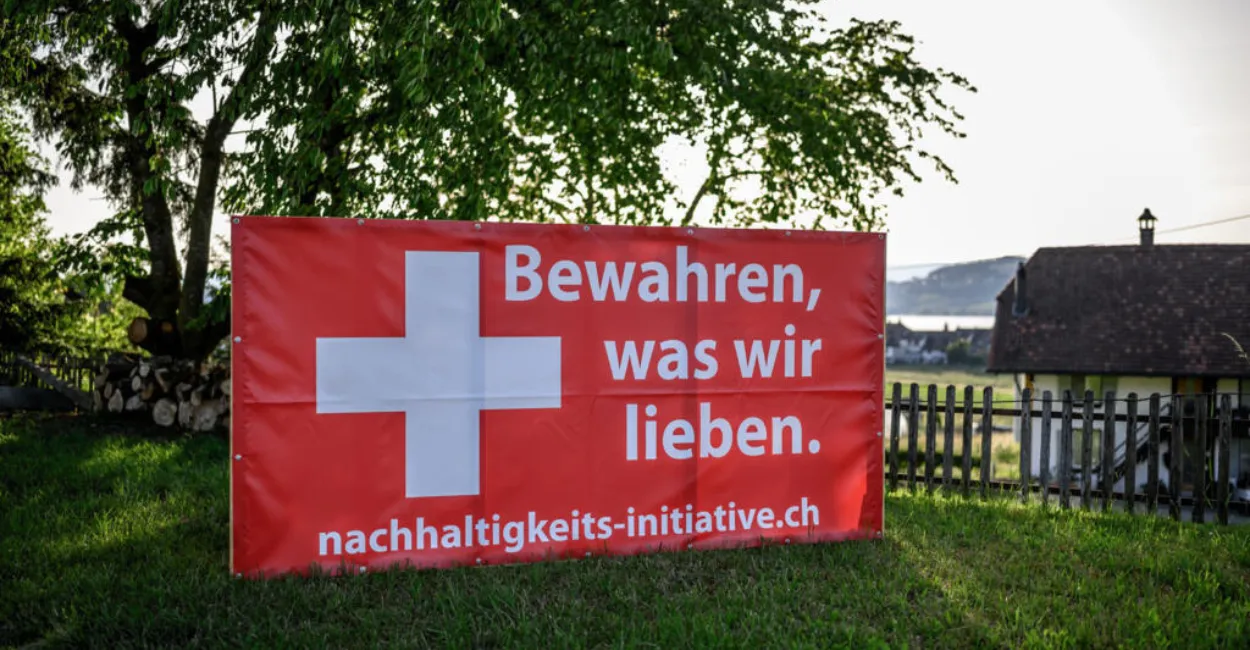
The Swiss healthcare sector has been one of the loudest opponents to a controversial plan to limit immigration in the country in a critical referendum scheduled for June 14. Ongoing, it is the right-wing Swiss People's Party (SVP) that supports the initiative aimed at limiting Switzerland's population to not more than 10 million by 2050. Backers say that population growth is putting too much strain on housing, transportation, and other public services. Still, medical experts say that limiting immigration would result in serious worker shortages and affect the quality of patient care. The vote has raised questions about the future of the Swiss healthcare system, economic security, and demographic issues, as foreign workers are used in hospitals, nursing homes, and clinics to a degree that is vital to this country.
Understanding Switzerland's Population Cap Proposal
The initiative, which is officially called ‘No to a Switzerland with 10 Million!', proposes to reduce Switzerland's permanent resident population to less than 10 million by 2050. Today, the population in Switzerland is around 9.1 million, and proponents of the initiative consider the pressure that the country's resources and infrastructure are facing due to population growth through immigration to be unsustainable.
The SVP, the country's biggest political party, which has long called for tougher immigration laws, has been the leading voice in the proposal. Supporters say that population growth has led to housing shortages, higher costs, overcrowded transportation systems, and environmental issues. They argue that Switzerland needs to take action to safeguard the quality of its life and ensure public services are not overwhelmed.
But opponents say the measure could lead to a reduction in the number of foreign workers in Switzerland and even compromise the labor mobility agreements with the European Union. The results would have significant implications for sectors such as healthcare, education, hospitality, and technology, critics said.
Also Read: Swiss Visa Tracking: Guide to Track Switzerland Visa
Why the Healthcare Sector Is Alarmed?
Switzerland's proposed immigration cap could have a major impact on the existing staffing shortages in the healthcare sector, according to a warning from healthcare providers nationwide. As the sector is already facing a shortage of qualified Swiss nationals to fill the highly skilled positions in health care, foreign workers are essential to keep services running.
Healthcare workers in a nursing home in Cheseaux-sur-Lausanne, where numerous caregivers and nurses are from abroad, voiced concerns about the future. If there are not enough caregivers, Switzerland's healthcare system could be in trouble, said Carine Savioz, a Swiss nurse. The elderly residents and their families have also expressed concerns, underscoring the importance of foreign health care workers in providing quality care.
Staffing levels are not the only concern in the health care industry. Shortages may result in over-worked staff, longer waiting times, poorer quality of care, and higher workload for already over-stretched health care facilities, industry leaders state. They are concerned that patients, especially the elderly and the vulnerable, may eventually be affected.
Switzerland's Heavy Dependence on Foreign Healthcare Workers
The proposed cap raises one of the most important issues that have been discussed with regard to the proposed cap: Switzerland's structural reliance on foreign-trained health professionals.
Foreign-trained doctors make up around 43% of all physicians working in Switzerland, according to data from the health industry. In recent years, this ratio has further increased due to the shortages of doctors in domestic medical schools. According to the Swiss Medical Association, the country requires between 3,500 and 4,000 new doctors every year, but only 1,200 - 1,300 medical students are currently graduating each year in Switzerland.
Nursing is also a difficult situation. One of the largest health care facilities in the country, Geneva University Hospitals, is reportedly seeking 200 to 300 nurses annually. But only about 150-160 nurses are produced each year through local training programs. Consequently, there is an increasing need for healthcare providers to recruit internationally to address workforce shortages.
As of 2025, almost half of Geneva University Hospitals' staff were foreign nationals. Even more, about 60% of nurses were in the proportion, and about 45% of foreign doctors. The figures show the dependence of Swiss healthcare services on international talent.
Nursing Homes Face Growing Pressure
The debate is particularly significant for nursing homes and elderly care facilities, which are already struggling with increasing demand due to Switzerland's aging population.
The scale of the challenge was pointed out by Christian Weiler, director of the Primeroche Foundation, which runs a number of care homes. The organization has a staff of about 240, with almost 80% being foreign nationals. Although demand for elderly care is increasing, Weiler said he was worried about being able to hire enough staff if the immigration restrictions are tightened.
It is already a serious problem that there are not enough places in care homes available. In some areas, hundreds of people are waiting to be admitted to nursing homes. However, healthcare professionals have cautioned that when elderly people cannot go to long-term care centers, they could stay in the hospital for longer than they need to be, putting additional strain on hospital resources and emergency services.
With the population growing older in Switzerland, there will be a mounting demand for caregivers, nurses, and healthcare support workers. The industry leaders say restricting immigration may make it even more difficult to satisfy these rising demands.
Also Read: How to Check Swiss Visa Status Online from India?
Healthcare Organizations Unite Against the Proposal
A coalition of the Swiss National Association of Hospitals and Clinics, the Swiss Nurses' Association, and other healthcare organisations has established a committee to lobby against the proposal. The group, which has called the measure a "chaos initiative," says it poses a risk to patient safety and healthcare quality.
The committee cautions that health care facilities with critical staffing needs may end up with a smaller staff or with less experienced health care staff. The alliance states that understaffing can pose a threat to patients, especially during emergencies when swift and expert medical care is crucial.
Restrictive immigration policies that might further add stress to the system should be avoided in favor of maintaining a strong and well-staffed healthcare workforce, argue healthcare leaders.
Government and Business Leaders Also Oppose the Cap
The healthcare industry is not the only one that is against the effort. The Swiss federal government, the Swiss parliament, businesses, and various regional authorities have all raised concerns about the possible impact of the proposal.
Restricting immigration could impact the nation's capacity to hire staff in a variety of sectors, from healthcare to education to transportation to tech, government officials have said. They say that Switzerland's economy relies heavily on the availability of skilled foreign talent.
Labor shortages and economic disruption have also been a concern to business groups. Recruitment problems already exist in many sectors, and employers worry that tighter restrictions on immigration would make job positions less competitive and less conducive to economic growth. The referendum's possible ramifications have been likened to a “Swiss Brexit” due to the fear of the movement of labour and EU relations.
Supporters Defend the Initiative
Although the idea is met with fierce resistance by many healthcare and business executives, backers of the project say that Switzerland has to deal with the strains of a fast-growing population.
With the increased immigration levels, the SVP claims that infrastructure, housing, transportation systems, and public services are under growing strain. Party spokespeople insist that Switzerland should increase the number of domestic workers trained and employed instead of heavily depending on foreign workers.
Supporters also note that the initiative does not completely halt immigration. Supporters say hundreds of thousands of foreign nationals may still be allowed in each year under the proposed plan. They think this will enable Switzerland to keep the key migration balance without compromising the levels of population growth.
But critics say the proposed caps are not enough to address the chronic labor deficits in certain sectors.
Also Read: Check Swiss Visa Application Status Online From India
What the Referendum Could Mean for the Future?
The June 14 vote is not just about immigration figures. It is a reflection of broader issues concerning the challenge of economic growth, public services, demographic change,s and national identity in Switzerland.
The government's decision to limit access to foreign workers has been criticised by healthcare professionals as a way to make access to quality healthcare for an aging population increasingly difficult. However, government officials and business leaders are also concerned about the impact of a shortage of workers on the country's economic strength and competitiveness.
There is recent mixed sentiment on the question, with some opinion polls showing increasing opposition to the proposal. This result will have implications for Switzerland's immigration policies and employment market for years to come.
Conclusion
With Switzerland just days away from a pivotal referendum on immigration and population growth, the health industry has issued a stark message: a significant impact on foreign workers could exacerbate current staff shortages and add to the pressures on hospitals, nursing homes, and healthcare services. Foreign workers are vital to the country's healthcare sector, and industry leaders say immigration is still critical to addressing the needs of an aging population. Backers of the measure say a cap on the population is needed to deal with infrastructure and housing issues, but critics say the dangers to health care, the economy, and public services outweigh any benefits. The result of the vote on June 14 will not just shape Switzerland's immigration policy, but could also help shape how the country will handle its healthcare needs in the coming years.
Contact TerraTern for more information.