

Key Highlights
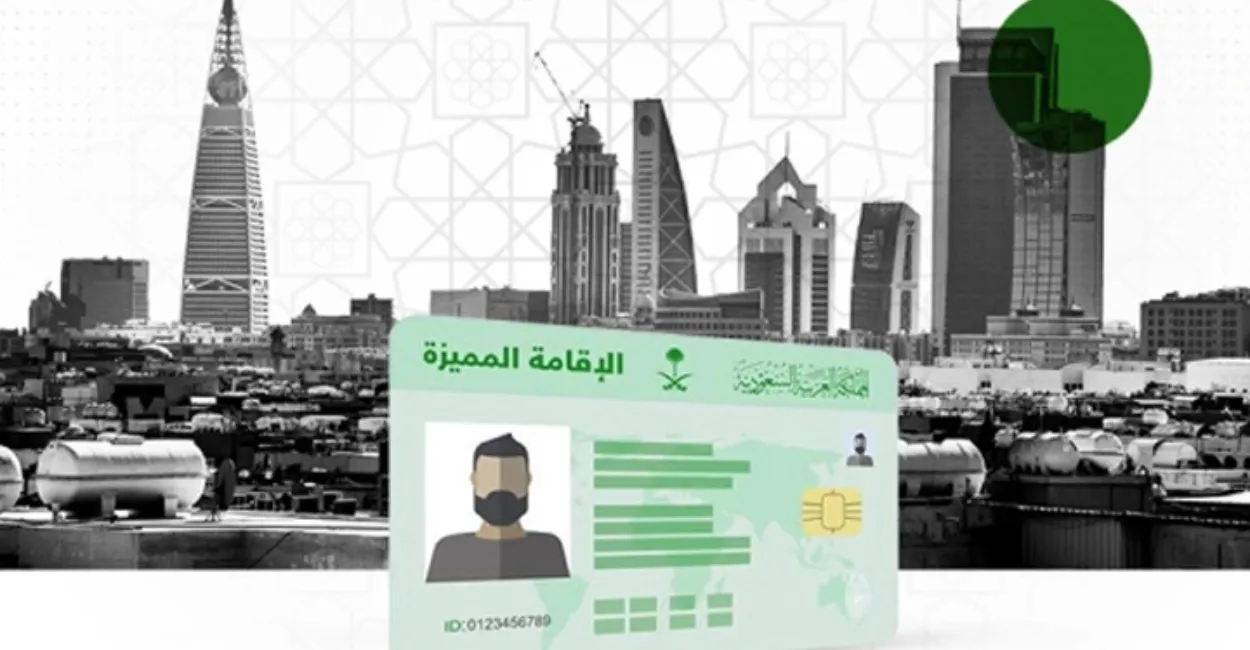
Saudi Arabia has announced a significant update to its Premium Residency program. Holders of Saudi Arabia's Premium Residency are now required to obtain a dedicated work permit through the Kingdom's Qiwa digital labour platform, according to new guidance issued by the platform and cited by Gulf News.
This change affects thousands of expatriate workers, including many Indian professionals, who previously enjoyed streamlined work authorization under their Premium Residency status.
What Changed: The New Work Permit Requirement
The Qiwa platform, operated by Saudi Arabia's Ministry of Human Resources and Social Development, confirmed that Premium Residency holders must now secure a separate work permit. The permit costs SR100 and represents part of broader labour market procedures.
|
Aspect |
Previous System |
New System (June 2026) |
|
Work Authorization |
Included in Premium Residency |
Separate work permit required |
|
Cost |
No additional fee |
SR100 per permit |
|
Application Platform |
Premium Residency portal |
Qiwa digital labour platform |
|
Processing Time |
Automatic |
Digital application through Qiwa |
|
Validity |
Linked to residency |
Standalone work permit |
Also Read: Saudi Visa Check: Track Your Visa Easily Online Now
How to Apply Through Qiwa Platform?
Qiwa operates as Saudi Arabia's official digital government services platform for business owners, employees, and service providers. Here's how Premium Residency holders can obtain their work permit:
-
Create or access your Qiwa account at qiwa.sa
-
Navigate to work permit services under the labour menu
-
Upload required documents: Valid Premium Residency permit, Valid passport, Employment contract (if employed)
-
Pay the SR100 fee using available payment methods
-
Receive digital work permit within 1-3 business days
Business Subscription Fees: What Companies Need to Know
The Qiwa platform clarified that subscription fees for businesses vary by company size. These fees are calculated based on the total number of employees registered under the entity's unified number.
-
Total Employee Count: Fees are calculated based on the unified number registration, which now includes Premium Residency holders
-
Company Classification: Different business types face varying fee structures based on industry and operational scope
-
Saudisation Compliance: Companies that fail to meet Saudisation targets face higher fees, creating additional financial pressure for non-compliant entities
Also Read: Saudi Arabia Work Visa Check by Passport Number
Other Labour Market Updates from Qiwa
Beyond the work permit requirement, Qiwa released multiple important updates that affect how businesses and employees interact with Saudi labour regulations. These changes streamline digital processes while adding new compliance requirements. Understanding these updates helps employers and workers avoid penalties and maintain proper documentation across all employment-related activities.
-
Training contracts for Tamheer programme beneficiaries can now be documented electronically through Qiwa
-
These contracts will not count toward Saudisation calculations or current compliance requirements
-
The Tamheer programme supports job nationalisation in accounting, legal audit, and beauty services for Saudi nationals
Premium Residency Types and Eligibility Criteria
Understanding your specific Premium Residency type is crucial because different categories have varying durations, fees, and eligibility requirements. Whether you're a health professional, artist, investor, entrepreneur, or property owner, knowing your residency category helps you determine exact compliance requirements and avoid application mistakes. Each type serves different purposes and targets different professional profiles.
-
Special Talent: 5 years duration, SAR 4,000 fee ideal for health/science professionals and researchers requiring a Bachelor's degree, 3+ years experience, and SAR 14,000+ monthly salary
-
Gifted: 5 years duration, SAR 4,000 fee designed for arts and creative fields professionals who hold an award from the Ministry of Culture or Sports
-
Investor: Permanent residency, SAR 4,000 fee for investors making SAR 7 million minimum investment and creating 10 jobs
-
Entrepreneur Category 1: 5 years duration, SAR 4,000 fee for startup founders with SAR 400,000 investment and 20% startup stake
-
Entrepreneur Category 2: Permanent residency, SAR 15 million fee for established entrepreneurs investing SAR 15 million and creating 10 jobs
-
Real Estate Owner: Tied to property ownership duration, SAR 4,000 fee for property investors owning SAR 4 million+ mortgage-free residential property
-
Limited Duration: 1 year (renewable), SAR 100,000/year fee for temporary residents who can prove financial solvency
Also Read: How to Check Saudi Visa Status by Passport Number: Complete Guide
Timeline and Compliance Deadlines
The new work permit requirement has moved quickly from announcement to enforcement, with Premium Residency holders needing to act immediately. The timeline shows how rapidly Saudi authorities implemented this change Qiwa issued guidance on June 11, 2026, major news outlets reported it by June 13, and the Economic Times provided official coverage on June 14. The requirement is effective immediately, meaning there's no grace period for compliance.
-
June 11, 2026: Qiwa issues new guidance on work permit requirement
-
June 13, 2026: Gulf News and Okaz newspaper report the change publicly
-
June 14, 2026: Economic Times publishes official coverage confirming the rule
-
Effective Immediately: All Premium Residency holders must obtain work permit starting this date
Conclusion
Saudi Arabia Premium Residency work permit requirements have fundamentally changed as of June 2026. All holders must now obtain a dedicated work permit through Qiwa for SR100, marking a significant shift from the previous system where work authorization was automatic. While this adds a new compliance step, Premium Residency holders retain most core benefits including property ownership, family visa issuance, and travel flexibility. The digital application process through Qiwa should make obtaining the permit straightforward for most residents. For official details and to apply for your work permit, visit the Qiwa platform, the official Saudi Ministry of Human Resources digital labour services portal. To know more about Saudi Arabia residency work permits, visit TerraTern now!





