

Key Highlights
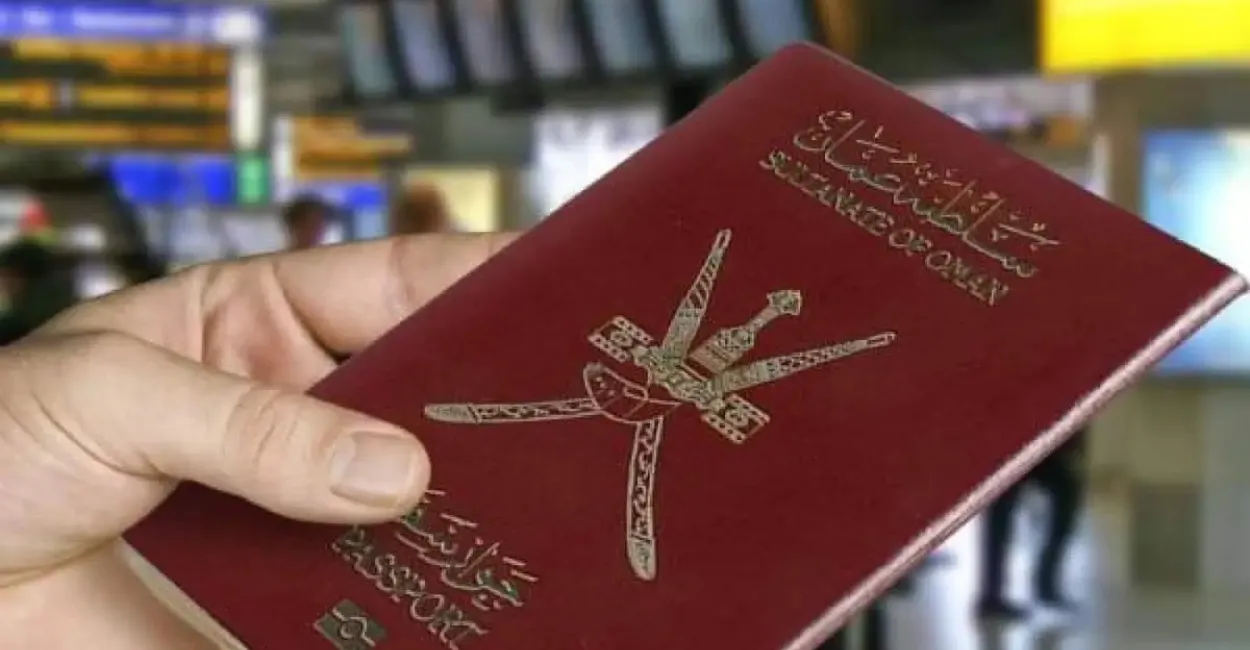
As part of its current labor market reforms, Oman has added to its entry rules of foreign workers. In new regime, expatriate professionals in regulated fields now need to check their academic and professional qualifications, before they could enter the Sultanate, a significant change to the previous processes, which allowed entry to be made even before full qualification of the academic and professional qualification. The reforms, that should be enacted in January 2026 as a part of a new system of professional accreditation, are intended to enhance the integrity of labor market, fight the rampant fraud with certificates, and improve the standards of the working force.
Understanding the New Entry Rules
Several decades, Oman, like most of the Gulf states, was dependent on foreign labor to drive its economy. Nevertheless, the problems like a lack of proper documentation and the excess number of poorly qualified employees continued to raise concerns and made the authorities reconsider the system. The recent reforms have made work practice licences to be directly linked to verified academic credentials that only qualified professionals are admitted.
Before Departure:
-
The qualification of foreign employees in the regulated occupation is to be evaluated by the recognized sectoral organizations.
-
Only after checking, a work practice licence is issued.
-
Only after all the licence is approved, are the entry permits allowed.
This is a contrast to the previous practices where entry and issuing of visa may be made prior to the final credential checks.
Why This Shift Matters?
The central element of the new policy of Oman is the professional accreditation system that seeks to:
-
Curb Credential Fraud: The officials registered an increased number of counterfeit certificates among expatriates, particularly in fields such as engineering and logistics.
-
Improve Workforce Quality: Oman is determined to increase overall standards by making sure that only the qualified people enter the job market.
-
Enhance Domestic Employment: Although foreign employees are an essential element, tighter regulations make employers revert to domestic hiring and training.
Also Read: Oman’s New Golden Visa: Unlocking Business Ownership & Residency For Global Investors
Sectors Most Affected
The policy focuses on the controlled occupations, which are:
-
Engineering
-
Logistics
-
Accounting
The other specialist areas where professional certification is needed.
-
The existence of mismatched jobs and unconfirmed competencies was a previously experienced problem in these sectors, which is why the strategic approach to addressing the issue of expatriate hiring has changed.
-
In recent years, Oman also introduced other changes that impact work permits, including the limitation of certain professions and new licensing regulations, which are efforts that respond to this new entry requirement in general.
Enforcement and Penalties
The Ministry of Labour has indicated that any effort to abuse or fake certificates is to be severely punished:
-
Individual and company fines.
-
Revocation of licences on fraud.
-
Removal of foreign employees who are found to have fraudulent documents.
-
Ethical implications, such as court referrals, where necessary.
The employer is also liable in terms of checking the authenticity of the qualification and not using unaccredited qualifications.
Also Read: Oman Visa on Arrival for Indian Passport Holders
Broader Labour Market Reforms
The stricter entry rules are also part of the wider changes to the entry rules to modernise the labour environment and increase the economic resilience in Oman. The other related changes entail:
1. Fixed License Duration and Fees
The Ministry of Labour has restructured the general work permit system, and it has come up with fixed periods and fluctuating fee systems according to professional classes. Those employers who achieve the local employment employment targets would be rewarded with reduced charges and non-compliance with increases.
2. Local Employment Requirements
Recent policies also require foreign-owned companies to employ at least one Omani national within a given time period after their creation, cementing national labour employment objectives.
3. Exemptions and Social Protections
Some populations, such as domestic helpers to the disabled and elderly, have exemptions from some charges, which proves a strike between control and social protection.
These combined reforms show a strategic approach to the development of labour markets, which is oriented towards quality, compliance and sustainable growth.
Impacts on Foreign Workers
Positive Effects
-
Greater Professional Standards: Employees who have authentic qualifications will benefit by having a better understanding of their competency.
-
Open Industry Practices: The employers will be able to prepare professional roles with qualified candidates.
Challenges and Concerns
-
Pre-Entry Verification Delays: Obligatory checks can move job commencement dates, which will impact hiring schedules.
-
Cost Implication: Application charges and the process can raise costs to some applicants.
-
Obstacles to Entrance: Unqualified workers who do not have any formal credentials or certification might struggle to gain access.
The dynamics are especially important to the individuals who are searching for new employment opportunities in Oman or intend to have a long-term career in the Gulf region.
Also Read: Oman Unveils Cultural Visa for Global Artists & Researchers
How does it Compare Regionally?
Oman is not the only country to restrict the rules concerning foreign labour. The nations in the Middle East and other parts of the world have been reevaluating their visa and working policies to find a balance between local jobs and foreign talent. For example:
-
The challenge with expatriate employment has been similar to the challenges that Gulf neighbours have been experiencing.
-
Other nations, such as Canada and the UK, are also changing the rules of work permits for foreign workers.
-
However, the pre-entry verification model adopted by Oman is unique and portrays an active attitude towards workforce integrity.
Conclusion
The recent changes introduced by Oman in its entry regulations towards foreign workers are a breakthrough in the current regulation of expatriate employment in the country. The Sultanate is sending a message about its intent to achieve a more competent and compliant labour market by ensuring that credentials are checked prior to arrival, and work practice licences are attached to verified qualifications.
These reforms are part of the wider reforms that reconcile workforce integrity with economic requirements, and these reforms promote local hiring and professional excellence. In spite of the possible short-term difficulties of implementation, the long-term objective is evident, that is, to develop a labour environment of quality, transparency, and stability for both workers and employers.
Contact TerraTern for more information.