

Key Highlights
- A Landmark Agreement in Global Trade and Mobility
- 5,000 Work Visas: A Game-Changer for Indian Professionals
- Expanded Opportunities for Indian Students
- Boost to Bilateral Trade and Investment
- Sectors Set to Benefit the Most
- Strategic Importance for India
- What This Means for Indian Professionals
- Challenges and Considerations
- Future Outlook
- Conclusion
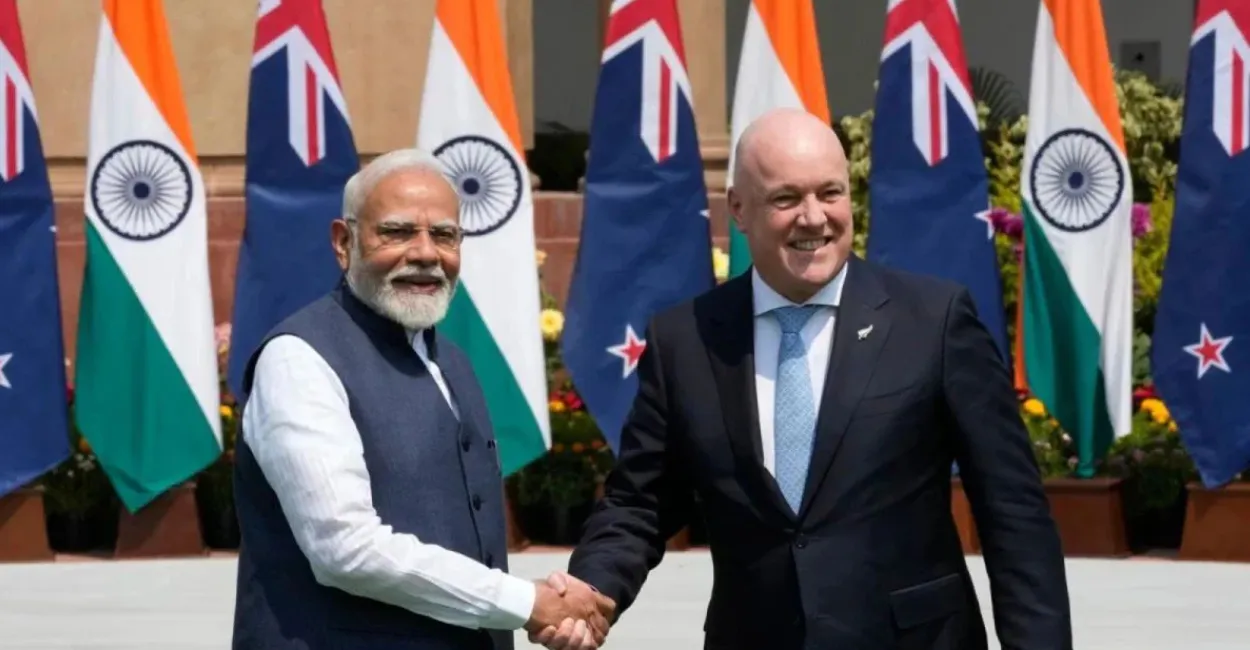
India and New Zealand have inked a momentous Free Trade Agreement (FTA), which is set to transform prospects for Indian professionals and students. One of the most significant provisions of this agreement is the provision of 5,000 work visas per year for Indian professionals, which will further enhance bilateral relations and open up new international work opportunities. This agreement not only represents a new chapter in trade relations, but also in people mobility, education, and long-term economic co-operation.
A Landmark Agreement in Global Trade and Mobility
The India-New Zealand Free Trade Agreement, signed on April 27, 2026, is being touted as a "once-in-a-generation" agreement for its far-reaching implications on trade, investment, and skilled movement.
This deal seeks to strengthen bilateral ties through trade liberalisation, improved investment opportunities, and mobility of workers. It is part of India's effort to enhance its engagement with the Indo-Pacific region and build on its global trade relationships.
The FTA is not only a trade agreement but also a people-to-people initiative. The movement of people provisions in the agreement reflects the growing trend of human capital exchanges in trade agreements.
Also Read: New Visa Sponsorship Jobs in New Zealand for Indians
5,000 Work Visas: A Game-Changer for Indian Professionals
Perhaps the most important part of the agreement is the establishment of 5,000 Temporary Employment Entry visas a year for Indian professionals.
These visas will offer a managed pathway to the New Zealand labour market, especially in skill-shortage areas. Key features include:
-
5000 work visas for Indian professionals are issued each year
-
Up to three years validity
-
Job opportunities tied to employers in various industries
-
Accelerated and easier visa application process
The scheme is set to provide opportunities for professionals in the IT, health, engineering, education, and construction sectors.
The agreement also involves the provision of 1,000 Work and Holiday visas each year, allowing young people from India to travel and work in New Zealand, gaining valuable work experience.
Expanded Opportunities for Indian Students
The FTA isn't just good news for professionals, but also for students who want to study in New Zealand.
Key provisions include:
-
Up to 3 years of work rights after studies
-
4 years of work rights for PhDs
-
Work rights while studying
These changes make New Zealand a more attractive destination for international students, enabling them to start working after their degrees.
And the blending of education and work opportunities means that Indian students can establish longer-term careers overseas, rather than viewing education in isolation.
Boost to Bilateral Trade and Investment
The visa provisions are grabbing the headlines, but the economic benefits of the FTA are noteworthy.
The agreement includes:
-
Tax-free entry for many Indian exports
-
Greater access for industries such as textiles and pharmaceuticals
-
$20 billion in New Zealand investment
Enhanced partnership in infrastructure, technology, and renewable energy
These initiatives are likely to enhance India's export potential and attract investment that will help spur local growth and employment.
Also Read: New Zealand Changes Criteria For Accredited Employer Work Visa
Sectors Set to Benefit the Most
The FTA aims to assist various sectors, but some are likely to see greater gains:
1. Information Technology (IT)
Global IT skill shortages and New Zealand's IT industry will create more opportunities for India's IT professionals.
2. Healthcare
The growing need for health services will create opportunities for Indian doctors, nurses, and other health workers.
3. Engineering and Construction
New Zealand will need engineers and construction workers to build infrastructure.
4. Education and Specialized Roles
The deal also covers specialised jobs like yoga teachers, chefs, and cultural workers, among others, further expanding the concept of skills.
Strategic Importance for India
The India-New Zealand FTA is more than a trade deal; it's a strategy.
It helps India:
-
Expand in the Indo-Pacific region
-
Diversify its trade relationships in an uncertain world
-
Improve global mobility for its people
-
Foster greater people-to-people ties
India's approach of connecting trade and talent mobility is a model for agreements with other nations.
What This Means for Indian Professionals
This agreement provides Indian professionals with a clear path to work overseas.
Key advantages include:
-
Easier access to overseas employment
-
Reduced visa barriers
-
Opportunities for long-term settlement
-
International experience and skill building
Crucially, the quota system provides an ongoing stream of opportunities, rather than a one-off.
Challenges and Considerations
The jobs are attractive but there are a few things to keep in mind:
-
A small quota could result in competition
-
Sponsorship may still be needed
-
Qualification and skill requirements still apply
-
Getting used to a new work culture and rules
Overall, the regime greatly reduces barriers compared to the conventional migration process.
Also Read: New Zealand Tightens Rules for Foreign Workers for Sponsors
Future Outlook
The India-New Zealand FTA may provide a template for future FTAs that link economic growth and migration.
With increasing global demand for skilled workers, such agreements are expected to gain traction and provide avenues for skilled migration globally.
This signals India's transition to being a major source of talent on the world stage, with policies that enable global mobility.
Conclusion
The India-New Zealand Free Trade Agreement is a game-changer in bilateral relations, combining economic expansion with mobility. The agreement guarantees 5,000 work visas for Indian professionals each year, creating opportunities for global work and fostering trade and investment. This agreement is not merely an opportunity but a strategic roadmap for Indian talent, students, and businesses towards a more globalised future.
Contact TerraTern for more information.