

Key Highlights
The move by India to simplify visa application to Chinese businesspeople after years under the tight border policies is a striking change in its foreign policy. The action not only cuts down the processing times by a considerable margin but also sends an important message of a resurgence of interest in doing business with China. Having global trade pressures and domestic production issues under the spotlight, the changes in policy are likely to have far reaching consequences on the field of diplomatic relations, manufacturing industries and the flows of investments.
Context: The Road So Far
What has happened so far?
From Restriction to Reform
In mid-2020, when tensions on the Himalayan border were particularly high, India initiated the tightening of visa control of Chinese citizens, in particular, those who sought entry to the country with the purpose of work or carrying out professional activities. Any move made by Chinese professionals to obtain business visas was dotted with prolonged delays and lengthy bureaucratic checks, a condition that took years to take place.
These long vetting procedures exceeded the normal jurisdiction of the home and external affairs departments, and hence, the time delays took longer than reasonable to materialise.
Also Read: How to Get a China Visa from India? Fees, Visa, Steps & More
What Has Changed?
What has changed?
Streamlining the Visa Process
Under the new policy:
-
The administrative vetting of Chinese business visas has been eliminated.
-
Most of the cases have been shortened to less than a month approval timelines.
-
There has been a realignment of the diplomatic and bureaucratic procedures with the aim of facilitating faster issuance.
-
The officials with knowledge of the issue assured that the burdensome conditions are highly trimmed down, making the application straightforward and reducing the waiting time.
Why Now? Strategic and Economic Considerations
What are the strategic and economic considerations behind this?
Production Losses Prompt Urgent Action
The sectors of industries in India, such as electronics, solar manufacturing and other technology-oriented sectors, suffered setbacks in production, and this was because the technicians and other eligible specialists in China could not move into the country easily. One of the leading think tanks has estimated that the delays resulted in losses of up to 15 billion dollars in a period of four years.
It is this realisation that has spurred the present policy change, making foreign policy in line with economic needs.
Also Read: China Visa Applications for Indians Reopen
Diplomatic Dynamics
What are the current diplomatic dynamics?
Renewed Engagement
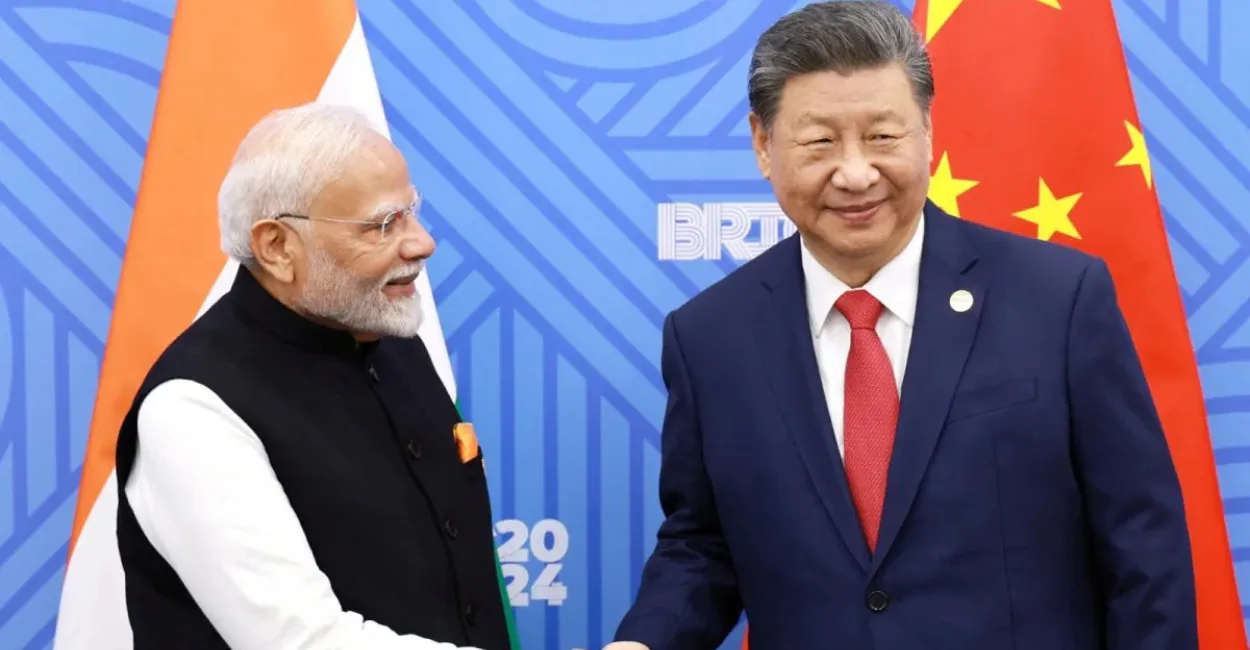
The move follows considerable diplomatic overtures, such as the visit of Prime Minister Narendra Modi to China, his first visit in seven years. The visit involved more than political talks, with a focus on effective cooperation to reduce friction in economic exchanges.
The services of direct flights that have been suspended since 2020 have also been restored, which symbolises the warming of relations.
Economic Impacts
What will be the economic impacts of this?
Boost for Indian Industry
The relaxed visa policies will directly help:
-
Electronics manufacturers
-
Green and solar energy industries.
-
Technological production plants.
Indian companies no longer need to face labour shortages or skill gaps that have slowed down production and innovation by giving them easier access to Chinese technicians and other skilled professionals.
Investor Confidence
The move was well received by industry bodies such as the Indian Cellular and Electronics Association, which said that it is indicative of a cooperative strategy between the government and the private sector.
Broader Geopolitical Implications
The broader geopolitical implications of this are:
Aligning with Global Trade Trends
The recalibration of India is at a time when the global supply chains are strained, and geopolitical affiliations are changing. The policy has been viewed as a practical measure of the multilayered reality of trade issues, such as pressure of tariffs by the key economic partners and shifting investment flows.
It is also indicative of the desire to continue playing a central role in the manufacturing and services sector of the world, despite the fact that it has to deal with the complicated relationship with world giants such as the U.S., China, and European economies.
What Does This Mean for Indian and Chinese Nationals?
What does this mean for Indian and Chinese nationals?
For Chinese Professionals
Indian based business or professional assignments: Eligible Chinese nationals can now expect the following in attempts to establish business or professional appointments in India:
-
Faster visa approvals
-
Fewer bureaucratic hurdles.
-
Greater confidence in making work assignments.
This transformation has the capacity to improve partnerships within industries that demand specialised skills, including semiconductor manufacturing, high-tech manufacturing, and technical consultation services.
For Indian Businesses
Indian companies involved in cross-border partnerships will have a more secure schedule in the importation of competent workers and in the implementation of joint ventures.
Also Read: Empowering Young STEM Minds: China’s New K Visa Launch
Balancing Caution and Opportunity
In spite of the good implications, the policymakers stress a prudent strategy of compromising the national interests and the incentive of engagement. It is a cautious approach that would not sacrifice momentum in terms of security and sovereignty matters, particularly based on historical tensions.
Looking Ahead
What comes ahead?
What Comes Next?
According to the economic analysts, this policy can become a precedent for further collaboration in such areas as:
-
Technology transfer and R&D
-
Integrated production efforts.
-
International capital movements.
If the trend persists, it might transform the manner in which India interacts with the neighbouring markets and incorporate economic agendas with diplomatic realism.
Conclusion
The move by India to streamline visa approvals for Chinese professionals is a change towards an economic pragmatist strategy. The country is not just eliminating the old bureaucratic barriers and establishing the potential of industry, innovations, and investments, but also enhancing bilateral relations with its gigantic neighbour.
This audacious reevaluation provides a subtle glimpse into the way diplomacy may converge with economic demands, putting a priority on job creation, the expansion of industries, and a more welcoming environment in which to cooperate with others in the world. The changing course of India may be seen as impactful in transforming the economic action in the region in the years to come, as the world observes it.
Contact TerraTern for more information.





