

Key Highlights
- Introduction of a Civic Knowledge Test for Citizenship
- Why Finland Is Introducing the Citizenship Test
- Longer Residency Requirement for Citizenship
- Stricter Permanent Residence Rules in 2026
- Language Requirements Become Central
- Work and Economic Contribution as Key Criteria
- Impact on International Students and Skilled Workers
- Government’s “Integration-First” Approach
- Criticism and Concerns
- What This Means for Future Applicants
- Conclusion
Finland is shifting towards tougher policies on immigration and citizenship as part of a wider strategy to have greater assimilation of foreign nationals into its community. In addition to already enacted reforms that have increased the length of stay, the government has suggested the introduction of a civic knowledge test for applicants to citizenship status, and has focused on economic contribution. These developments are indicative of a significant change in the approach to migration in Finland in that long-term integration, labor market involvement, and national values consciousness have become more important than the effortless access to residency and citizenship.
Introduction of a Civic Knowledge Test for Citizenship
Among the most striking ones is the idea of Finland to have a civic knowledge test that would be a compulsory condition to be a citizen. It is assumed that the test will evaluate the knowledge of the applicants about Finnish society, laws, democracy, and culture.
The Finnish government has stated that the test is probably going to consist of multiple-choice and true/false questions, which will be online and will be administered by the Finnish Immigration Service (Migri).
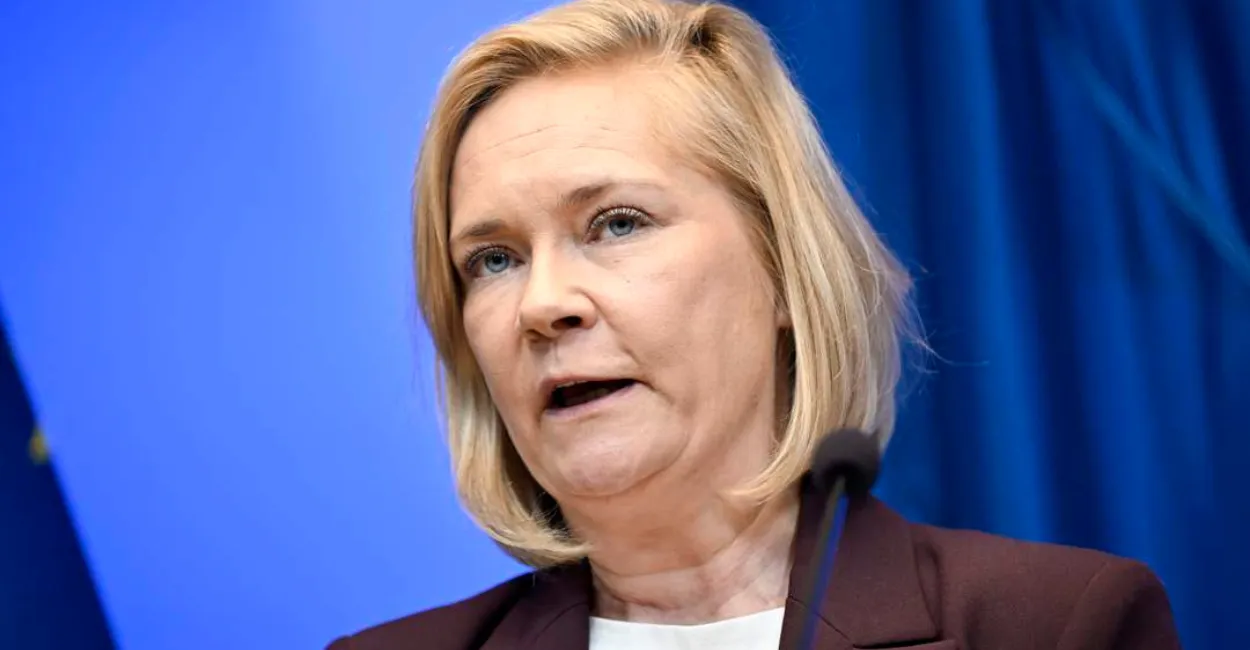
The authorities believe that citizenship must not merely be pegged on the length of residence but also on the comprehension and assimilation of individuals into Finnish society. Interior Minister Mari Rantanen stressed that the reform strengthens the notion of citizenship based on the successful integration and being aware of societal values.
The proposal is still pending the consultations, and the government is hoping to introduce the test by 2027.
Also Read: How to Get Job in Finland from India? Visa, Pay & More
Why Finland Is Introducing the Citizenship Test?
The civic test is also an element of a larger three-step approach to strengthen citizenship regulations. These reforms include:
-
Installing the period of residence for citizenship.
-
Enhancing financial and job requirements.
-
Implementing a knowledge-based test (the civic test)
This is aimed at making new citizens not just the residents of Finnish society, but also active members of the society.
This puts Finland in line with several other European nations that already mandate civic knowledge examinations as a naturalization requirement, and it is an indication that the immigration policy is transitioning into integration-focused policies.
Longer Residency Requirement for Citizenship
Finland has already raised the number of years required to be a citizen to eight years and made it much more difficult to be a citizen as a migrant.
This extension indicates the desire of the government to:
-
Promote a long-term investment in Finland.
-
Make sure that applicants have adequate cultural and social knowledge.
-
Minimise instances of short-term or benefit migration.
The longer residency time and the forthcoming civic test offer a more stringent road to citizenship.
Stricter Permanent Residence Rules in 2026
In conjunction with the reforms to citizenship, there have been significant changes to permanent residence (PR) regulations, which start to take effect in January 2026.
Key Changes Include:
The number of years required to reside was raised to 6 years.
-
Compulsory knowledge of the Finnish or Swedish language.
-
Evidence of a stable employment record and earnings.
-
There is a requirement that the applicants have at least two years of employment in Finland and are not highly dependent on social benefits.
These changes will be in an attempt to tie a permanent resident status more to economic input and social assimilation.
Language Requirements Become Central
The use of language has been made a fundamental aspect of the new immigration system in Finland.
Those seeking permanent residence and citizenship are now required to prove an understanding of Finnish or Swedish, which is frequently at the CEFR A2 or higher level.
The rationale behind this change is:
-
Enhances employability
-
Improves social integration
-
Promotes involvement in the neighborhood.
Critics, however, caution that these requirements can be a challenge to those in the English-dominated fields or those who come in under family reunification channels.
Also Read: Finland Work Visa Requirements: New Pay, Tips & More
Work and Economic Contribution as Key Criteria
The new regulations in Finland are highly focused on economic self-sufficiency.
Applicants must show:
-
Stable employment history
-
Consistent income levels
-
Low dependency on welfare.
Governments think this will make sure that the migrants will be a good contribution to the economic systems and will not strain the resources available to the government.
Meanwhile, some of the fast-track options are still accessible to:
-
Well-paid people (more than 40,000 per year)
-
Graduates with Finnish degrees and work experience
-
People with a high level of language skills.
Impact on International Students and Skilled Workers
The new immigration policies are expected to significantly impact international students and professionals, including Indians.
Many migrants used to map their route in accordance with a 4-year PR schedule, but the new 66-year requirement prolongs this quest.
Key implications include:
-
Takes longer to be granted permanent status.
-
More emphasis on early learning of Finnish or Swedish.
-
Increased emphasis on stable employment.
Time spent on study permits might not be counted entirely in the cases of students unless they are followed by employment, and career planning is even more important.
Government’s “Integration-First” Approach
The changing immigration policy in Finland indicates a policy of integration-first.
The government is not focusing on the high migration numbers, but on:
-
Talented migrants who are economically active.
-
People who are ready to assimilate both culturally and linguistically.
-
Life-long members of Finnish society.
This will be a way of balancing between the attraction of international talent and social cohesion.
Criticism and Concerns
Although the reforms are meant to enhance integration, they have not gone without criticism.
Some concerns include:
-
Greater hardship on the side of migrants to establish permanence.
-
Possible disincentive to foreign talent.
-
The spouses and dependents now have difficulties entering the workforce.
Some critics believe that these tightened restrictions can make Finland less competitive than other European nations that have less restrictive immigration policies.
Also Read: IT Jobs in Finland for Indians: New Pay, Visa & More
What This Means for Future Applicants?
To individuals intending to immigrate to Finland, the new regulations are an indication that one has to prepare early and plan long-term.
Applicants should:
-
Begin to learn Finnish or Swedish as soon as possible.
-
Concentrate on finding stable jobs.
-
Prepare for a more extended period of residence.
-
Get ready to take the next civic knowledge test.
Such knowledge beforehand will be instrumental in manoeuvring through the changing immigration regime of Finland.
Conclusion
The proposal to implement a civic knowledge test in Finland, coupled with the tightening of the residency, language, and employment criteria, is a major change in the immigration policy. The nation is evidently shifting to a system that puts more emphasis on integration, economic contribution, and cultural understanding rather than on the ease of entry. On the one hand, the changes can make the way of becoming a citizen more challenging, but it is also the case that Finland is determined to create a well-integrated and cohesive society. To potential migrants, adjusting to these new expectations is one of the ways to realise long-term success in Finland.
Contact TerraTern for more information.