

Key Highlights
The DHS partial shutdown began on February 14, 2026, as Congress battled over funds for Immigration and Customs Enforcement operations. President Donald Trump's push for tough immigration rules clashes with Democratic calls for agent reforms after deadly raids. Thousands of federal workers now face unpaid work or time off. This funding lapse hits just after a brief shutdown earlier this month. Talks broke down Friday night. The White House blames Democrats for playing politics.
Trigger: Deadly ICE Raids in Minneapolis
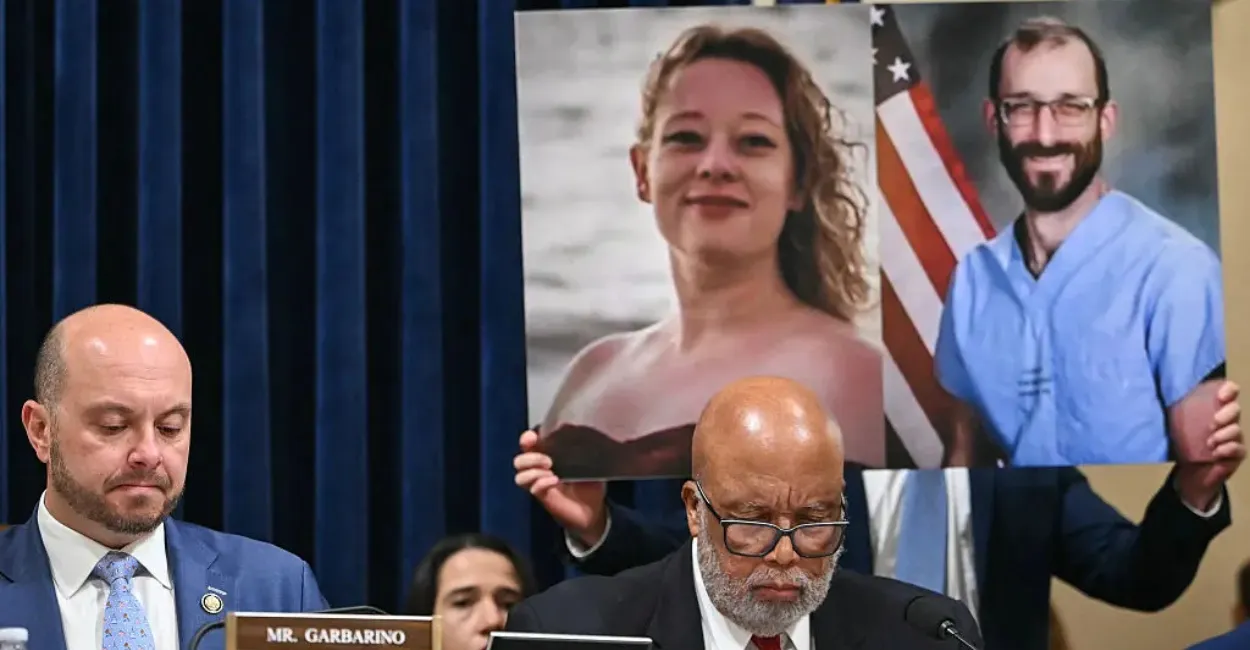
ICE raids in Minneapolis last month turned deadly. Agents shot and killed Renee Good, a mother of three, and Alex Pretti, a nurse aiding veterans for US immigration. These events fueled mass protests and Democratic demands. Democrats want limits on patrols, no face masks for agents, and warrants for home entries. House Minority Leader Hakeem Jeffries said Republicans show "zero interest" in ICE control. He called for big changes or no funding. White House Press Secretary Karoline Leavitt fired back on Fox News. She accused Democrats of forcing the shutdown for partisan gain.
Also Read: US Visitor Visa B1/B2
Key Players and Their Stands
Trump's team eyes policy deals on enforcement. But Senate rules need 60 votes to pass bills, so some Democratic support is key.
-
President Donald Trump: Vows to protect ICE and border agents. He plans direct talks and says Democrats put law enforcement in danger.
-
Homeland Security Secretary Kristi Noem: Ordered body cameras for Minneapolis agents right away, with plans to go nationwide.
-
Senate Majority Leader John Thune: Called White House offer "serious" but said Democrats won't get everything.
-
Senator John Fetterman: Note the shutdown skips ICE funding from last year.
Affected Agencies and Workers
Most DHS work continues as "essential," but without pay. Here's a breakdown:
|
Agency |
Key Impacts |
Employees Affected |
Status |
|
TSA (Transportation Security Administration) |
Longer airport lines, possible flight delays/cancellations |
~60,000 (95% essential) |
Work without pay |
|
FEMA (Federal Emergency Management Agency) |
Disaster response slowed; no new aid processing |
Thousands furloughed |
Partial halt |
|
US Coast Guard |
Some patrols cut; pay delayed |
Essential ops continue |
Unpaid |
|
Secret Service |
Protection duties ongoing |
Minimal disruption |
Work without pay |
|
CBP (Customs and Border Protection) |
Border checks continue |
Essential |
Funded via reallocations |
Budget Dispute Details
Democrats demand clear changes to ICE practices after the Minneapolis deaths. They seek $20 million for body cameras for all agents. Another $20 million targets conflict de-escalation training. Oversight of detention centres rounds out their list, with calls for warrants before home entries and bans on face masks during patrols. A prior House bill from January slashed ICE enforcement funds by 15% yet preserved core operations at $10 billion. It passed with just 12 Democratic votes out of 435, showing party splits.
Republicans labelled it a win for border security. The White House countered with a "serious" proposal last week. It includes pilot body cam programs but rejects patrol limits. Talks stalled Thursday when Senate Democrats blocked the bill, needing 60 votes in the 53-47 GOP-led chamber.
Also Read: Intracompany Transfer Visa USA
Travel and Daily Life Disruptions
Airports now see early signs of strain. TSA screens 2.5 million passengers daily; 95% of its 60,000 workers report being unpaid. Major hubs like Atlanta and LAX post wait times over 60 minutes at peak hours. Some regional flights were canceled on Friday. FEMA halts new disaster aid applications. Ongoing California floods leave claims in limbo; 5,000 staff furloughed. Reimbursements for local governments pause, hitting small towns hardest. Coast Guard trims drug interdiction patrols by 30%. Essential search-and-rescue runs, but training stops. Fishery enforcement drops in key zones.
-
Border crossers face longer CBP waits, up to 4 hours at San Diego.
-
Visa processing slows at USCIS; 10,000 daily appointments at risk.
-
Cybersecurity alerts from CISA continue, but updates lag.
Path Forward for Resolution
A short-term bill to March 15, 2026, buys time without reforms. The full package needs a bipartisan deal by mid-March to avoid deeper cuts. President Trump pledged Friday to join talks directly. "I'll get this fixed fast," he posted on Truth Social. His team floats concessions like expanded training if Democrats drop warrant rules. Senator John Fetterman (D-PA) breaks ranks. This shutdown doesn't touch ICE funds anyway, he said on CNN. His stance sways three moderate Democrats toward a quick patch. Senate recall could happen Monday, February 16. Fiscal year ends September 30, 2026, but quarterly deadlines loom. History shows 80% of shutdowns resolve in under two weeks.
Historical Context of DHS Shutdowns
Past shutdowns set the stage for today's DHS partial shutdown. Trump's first term saw 2018-2019 closures over border wall funds, lasting 35 days and costing $11 billion. His second term kicked off with a record 43-day halt in late 2025, driven by immigration enforcement clashes. This pattern repeats. The early February 2026 four-day lapse followed the same ICE reform script post-Minneapolis. Each time, essential staff worked unpaid, with back pay guaranteed later.
TSA saw 20% callout rates in prior events, spiking delays. Lawmakers learn little. Bipartisan commissions urge automatic funding triggers, but Congress ignores them. Public approval for shutdown tactics sits at 30%, per recent polls. This history fuels current urgency.
Also Read: How Many Types of Visas are in the USA? New Full Expert Guide
Economic and Worker Impacts
The DHS partial shutdown hits paychecks hard. Over 260,000 DHS employees face delays, with 75% deemed essential. Furloughed staff lose immediate income; unpaid workers juggle bills without checks. The economy feels it too. CBO projects $160 million in daily losses from slowed trade inspections and travel. Small businesses near borders report 15% sales drops from CBP delays. Airlines burn $100 million extra on groundings.
-
SA Officer: "I work holidays unpaid while Congress argues."
-
FEMA Aid: "Flood victims wait as my family skips groceries."
Conclusion
The DHS partial shutdown that began on February 14, 2026, exposes raw tensions between President Trump's immigration priorities and Democratic pushes for ICE accountability after the Minneapolis tragedies. Frontline workers at TSA, FEMA, and Coast Guard bear the brunt, clocking in unpaid while airport lines grow and disaster aid stalls. History warns of prolonged pain past closures costing billions and eroded trust, but leaders like Trump and Thune signal readiness for talks. Essential operations like TSA screening and border patrols continue; see path to resolution for details; shutdown for updates. To know more about homeland security, visitTerraTern now!